
OUR SERVICES
Asbestos Removal in Denver, CO (Abatement, Containment & Safe Disposal)
If asbestos-containing material is damaged—or you’re planning to disturb it during a remodel—removal needs to be handled the right way. Accountable Home Services provides asbestos removal support across the Denver Metro Area with a safety-first approach, clear steps, and straightforward communication.
- Asbestos Abatement
- Containment Setup
- Negative Air / HEPA Filtration
- Safe Removal
- Proper Disposal
- Rebuild Coordination
Talk to a live person
Safety-first containment and controlled work zones
Free estimates + family owned & operated
Clear documentation + next steps for rebuild planning
Serving Denver Metro Area & surrounding cities.
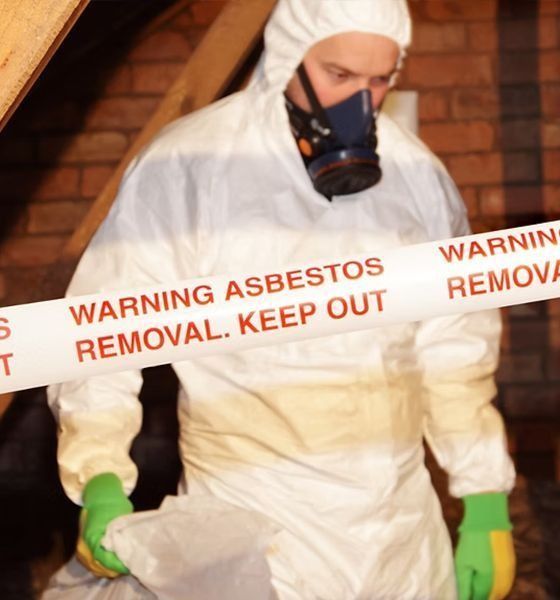
Suspect asbestos? Do this first.
If you believe a material may contain asbestos, the safest immediate step is to **avoid disturbing it**:
- Don’t cut, sand, drill, scrape, or pull it apart.
- Restrict access to the area (keep kids/pets away).
- Avoid sweeping, dusting, or vacuuming nearby.
- Pause remodeling or demolition until testing confirms what you’re dealing with.
- If material was accidentally disturbed, stop work and call a professional to assess next steps.
Not urgent? Schedule an Appointment
Asbestos abatement designed to reduce exposure risk and keep your project moving
Asbestos becomes a bigger concern when materials are **damaged** or **disturbed**—especially during renovations, repairs, or demolition. Our goal is to remove or manage asbestos-containing materials using a controlled process that limits fiber spread, keeps the work area contained, and helps you move forward with clarity.
What you can expect
- A clear assessment of what needs to be addressed
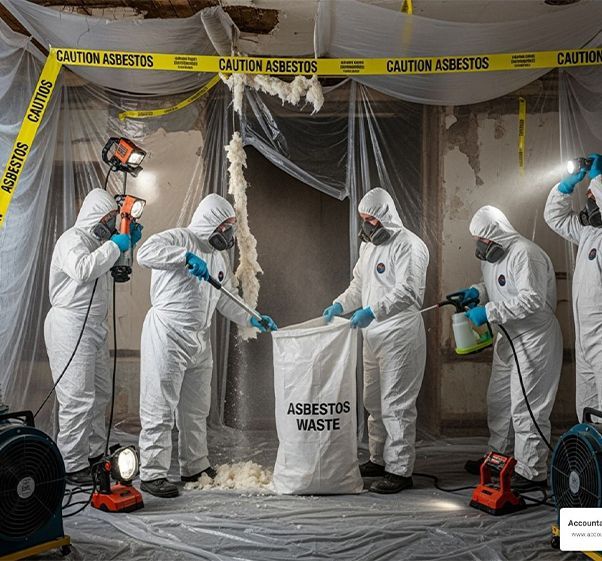
- A containment plan designed to limit cross-contamination
- Controlled removal and careful handling of affected materials
- Proper packaging and disposal (per applicable requirements)
- Documentation of the work and next-step guidance for repairs/rebuild
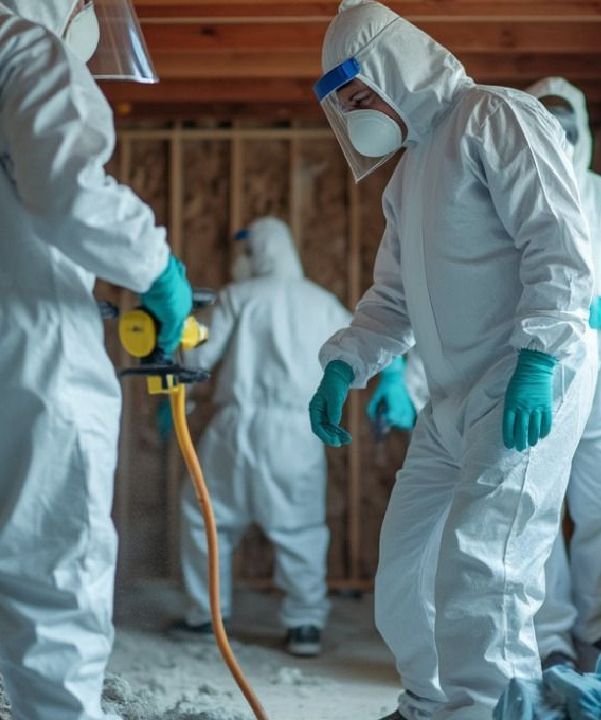
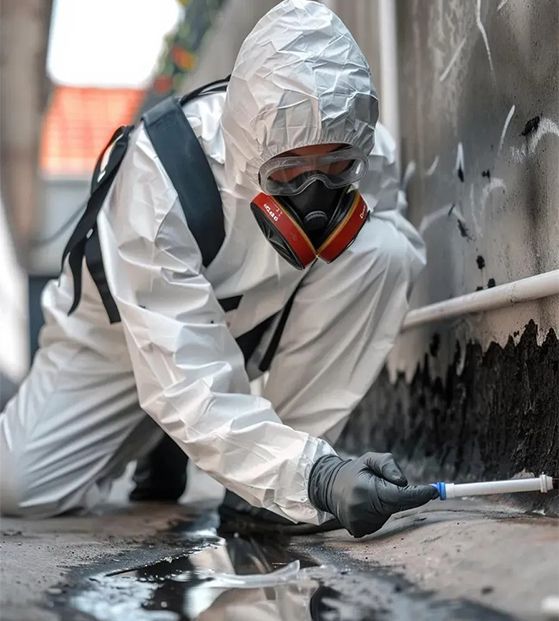
When asbestos removal is typically recommended
Removal is commonly recommended when:
- You’re remodeling and the material will be cut, drilled, sanded, or demolished
- The material is friable (crumbly) or deteriorating
- The area is repeatedly being impacted (leaks, vibration, traffic)
- You need the space cleared for repairs, restoration, or reconstruction
- Testing has confirmed asbestos and leaving it in place isn’t practical for your goals
If a confirmed asbestos-containing material is intact and will not be disturbed, leaving it in place or encapsulating it may be an option. The right answer depends on condition and your project scope.
Encapsulation vs removal (what’s the difference?)
| Option | Best for | Pros | Considerations |
|---|---|---|---|
| Leave in place (manage) | Intact material that won’t be disturbed | Least disruption | Not suitable if remodeling/repairs will disturb it |
| Encapsulation (seal/coat) | Intact material where disturbance can be avoided | Can reduce fiber release risk when done correctly | Not a “removal”; future work still needs planning |
| Enclosure (build barrier) | Materials that can be isolated behind a permanent barrier | Limits contact and disturbance | Space/structure considerations; future work planning still needed |
| Removal (abatement) | Remodeling, deterioration, repeated impacts, or confirmed risk | Clears the way for renovation/restoration | Requires controlled containment, careful disposal, and clear documentation |
Common asbestos-containing materials in older properties
Asbestos was used in many building products for durability and heat resistance. Some common suspects include:
- Textured ceilings (including some popcorn textures)
- Vinyl floor tile and adhesives (mastic)
- Drywall joint compound and patching materials
- Pipe/boiler insulation and duct wrap
- Vermiculite attic insulation
- Some siding, roofing materials, and cement-board products
- Heat-resistant panels, gaskets, and older sealants
Testing is the only way to confirm whether a specific material contains asbestos.
Related services (recommended internal links)
Asbestos Testing
Confirm whether a material contains asbestos before you disturb it.
Asbestos Abatement
Containment-focused abatement work designed to reduce fiber spread.
Explore Asbestos Abatement →
Reconstruction & Repairs
Rebuild support after abatement (drywall, flooring, finishes).
Water Damage Restoration
If water damaged a suspected asbestos area, stabilize first and plan safely.
How our asbestos removal process works
We use a controlled, step-by-step approach so you understand what’s happening and why.
Call + scope review
We learn what you’re dealing with (material type, location, condition) and whether remodeling/demolition is planned.
On-site assessment
We assess the situation and outline a containment and removal plan based on the material, condition, and scope.
Containment setup
We isolate the work zone to help limit dust migration and reduce cross-contamination risk.
Controlled removal
Materials are removed using a safety-first approach designed to minimize fiber release.
Documentation + next steps
We provide documentation of the work and guide next steps for rebuild/repair planning.
If requested, we can coordinate third-party clearance testing and final verification based on your project needs.
Prefer online? Schedule an Appointment
Recent asbestos removal work in the Denver Metro Area
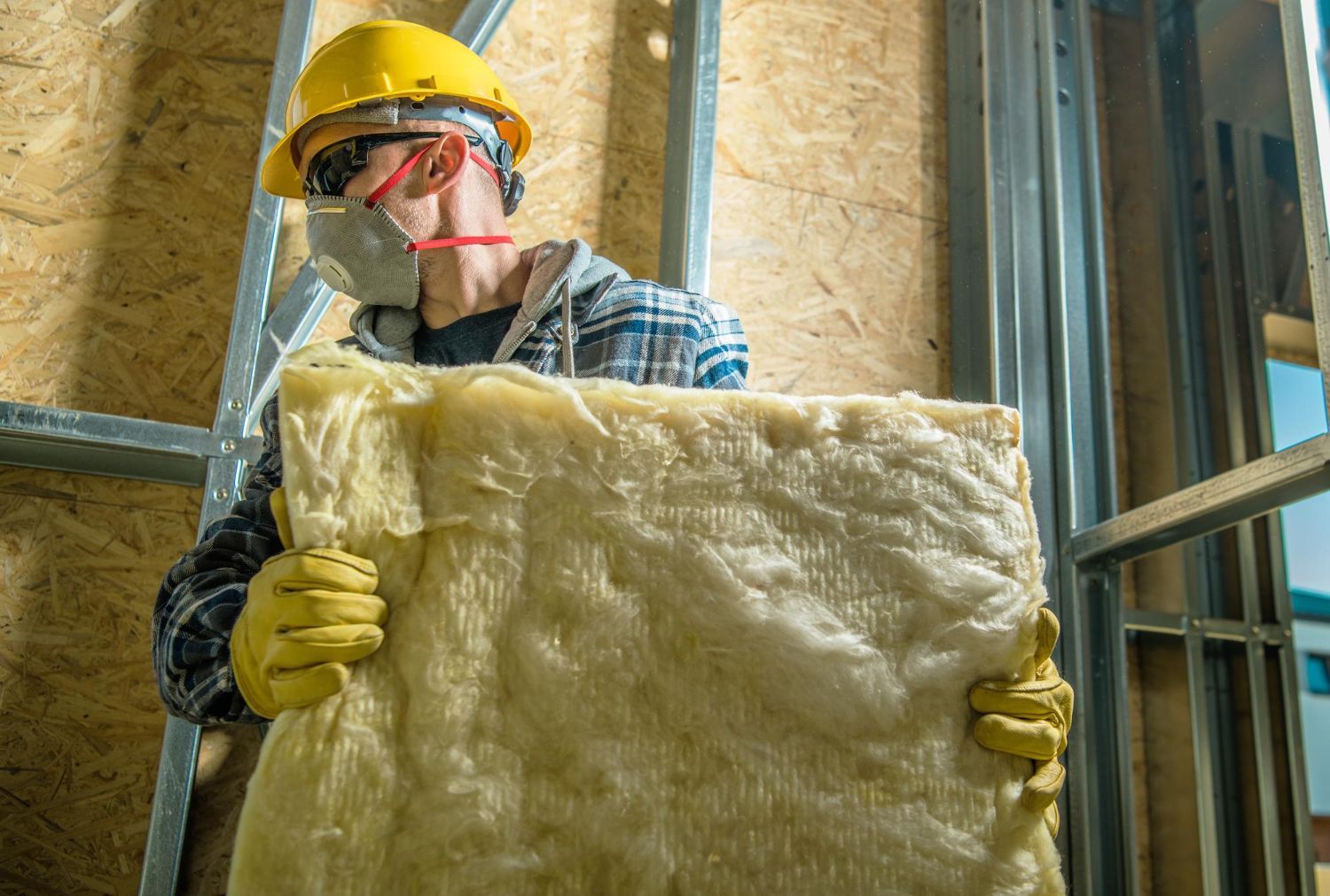
Asbestos flooring removal before a Denver kitchen remodel
What we did
Scope review → containment setup → controlled removal → cleanup → disposal handling → next-step plan
What we documented
Photos + scope notes + work summary (and clearance coordination if requested)
Area
Denver / Westminster / Broomfield / Aurora / Lakewood / etc.
Photos shown are examples of completed work and may represent similar projects.

Asbestos pipe insulation removal before basement renovation
What we did
Scope review → containment setup → controlled removal → cleanup → disposal handling → next-step plan
What we documented
Photos + scope notes + work summary (and clearance coordination if requested)
Area
Denver
Photos shown are examples of completed work and may represent similar projects.
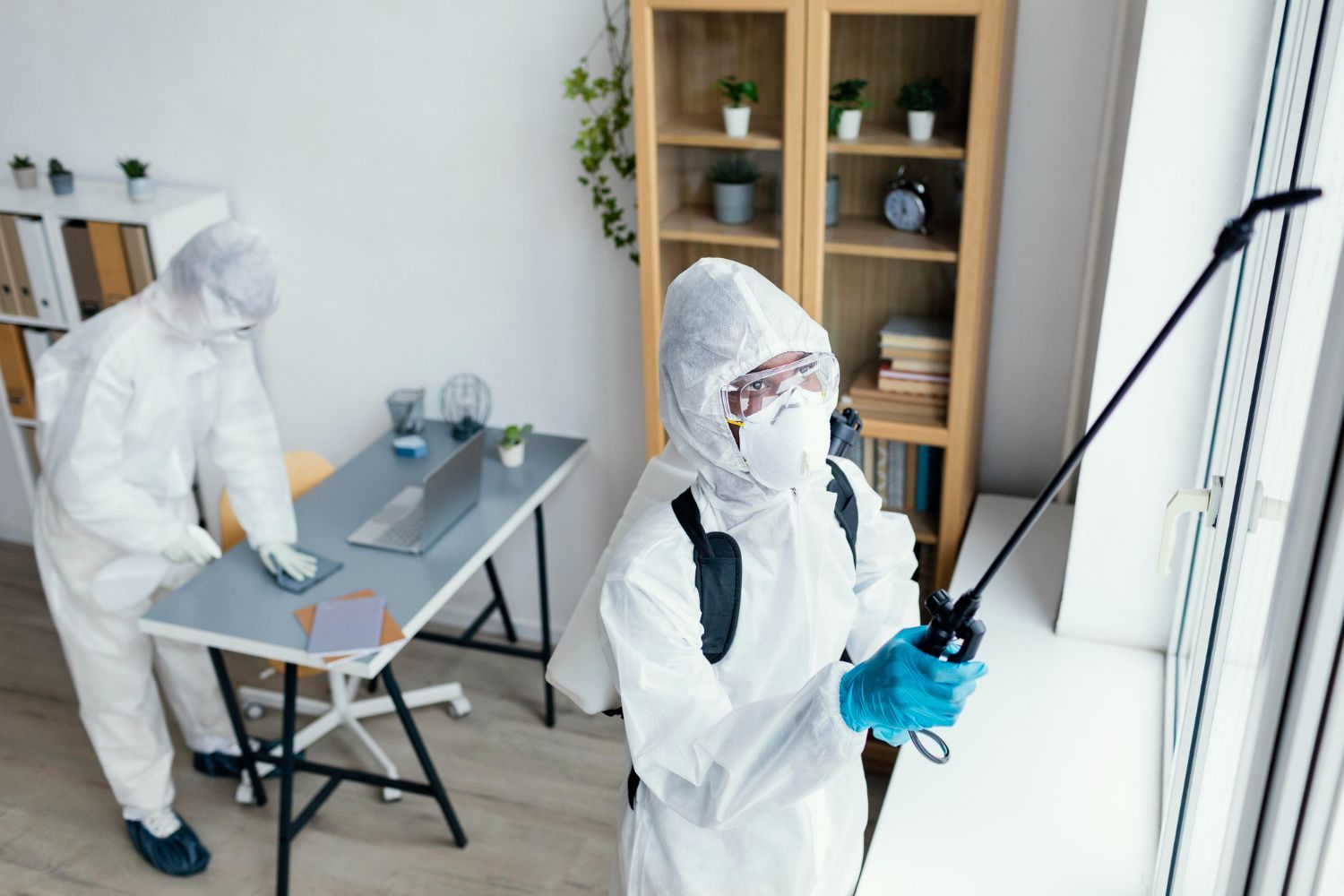
Asbestos ceiling texture removal in pre-1980s home
What we did
Scope review → containment setup → controlled removal → cleanup → disposal handling → next-step plan
What we documented
Photos + scope notes + work summary (and clearance coordination if requested)
Area
Westminster
Photos shown are examples of completed work and may represent similar projects.
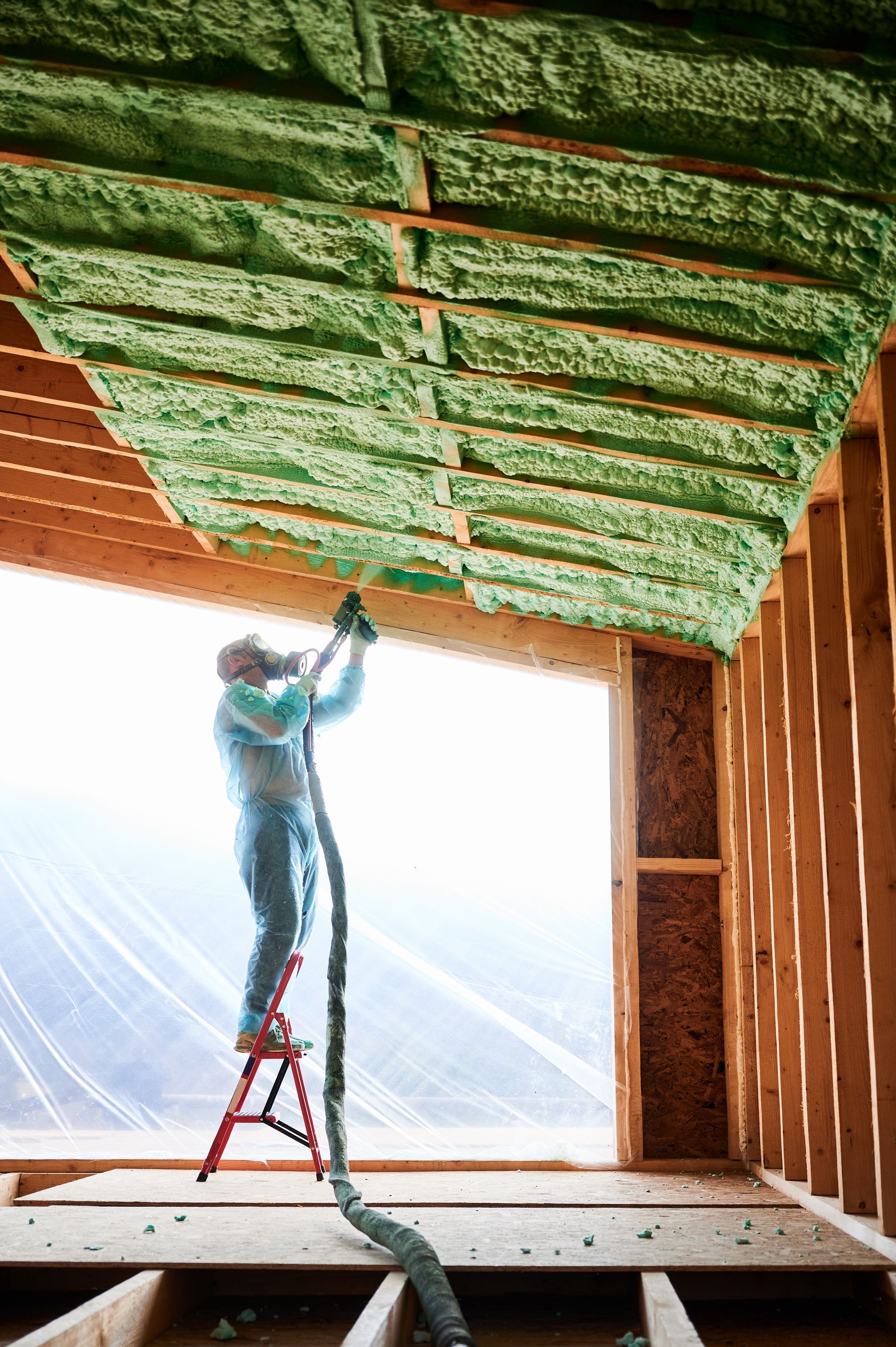
Asbestos vinyl tile and mastic removal in commercial office suite
What we did
Scope review → containment setup → controlled removal → cleanup → disposal handling → next-step plan
What we documented
Photos + scope notes + work summary (and clearance coordination if requested)
Area
Broomfield
Photos shown are examples of completed work and may represent similar projects.
Is asbestos removal covered by insurance?
Coverage depends on your policy and what triggered the work. Many asbestos projects are tied to remodeling or pre-project safety planning rather than a covered loss. If asbestos is discovered as part of restoring damage from a covered event, your carrier may have specific requirements for documentation and process.
We don’t determine coverage—your insurance carrier does.
How to choose an asbestos removal company in Denver
If you’re comparing options, here’s what to look for:
- Safety-first containment plan (not “we’ll just tear it out”)
- Clear scope of work and what materials are included
- Transparent process for cleanup and disposal handling
- Documentation and communication (so you’re not guessing what happened)
- Ability to coordinate next steps after removal (repairs/rebuild)
- Willingness to share qualifications and compliance documentation on request
If you want a second opinion, we’re happy to review your situation and outline the safest next step.
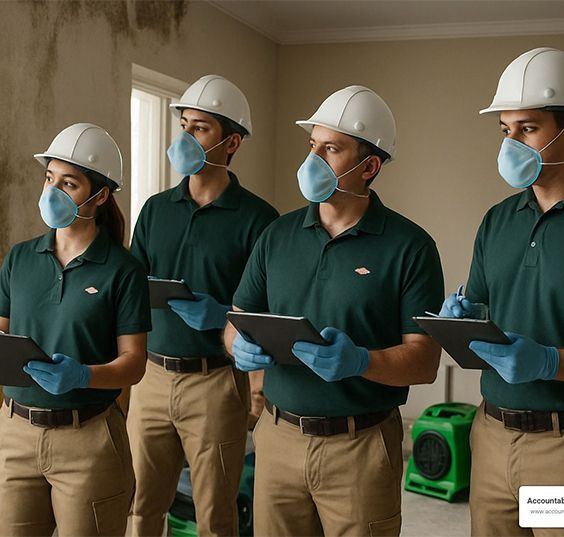
Why Denver property owners call Accountable Home Services
We focus on safety, clarity, and controlled work—so you can move forward without uncertainty.
- Family owned & operated
- Free estimates
- Clear scope + containment-first approach
- Documentation and straightforward communication
- Reconstruction/repairs coordination available after removal
For requirements that depend on material type, quantity, and jurisdiction, we’ll explain what applies to your project and provide documentation as needed.
Serving Denver, CO and the Denver Metro Area
We serve Denver and surrounding cities across the metro area, including:
SERVICE AREA
- Arvada
- Aurora
- Boulder
- Brighton
- Broomfield
- Castle Rock
- Centennial
- Cherry Hills Village
- Commerce City
- Columbine
- Dacono
- Denver
- Denver Tech Center
- Edgewater
- Englewood
- Erie
- Federal Heights
- Firestone
- Frederick
- Glendale
- Golden
- Greenwood Village
- Highlands Ranch
- Lafayette
- Lakewood
- Littleton
- Lone Tree
- Longmont
- Louisville
- Northglenn
- Parker
- Sheridan
- Southmoor Park
- Superior
- Thornton
- Westminster
- Wheat Ridge
Don’t see your area? Call (720) 620-3272 and we’ll confirm service availability.
Schedule Asbestos Removal in Denver
If asbestos is confirmed—or you need removal before remodeling—call now or schedule an appointment. We’ll review your situation and outline the safest next step.
Contact Us
Frequently Asked Questions
What’s the difference between asbestos abatement and asbestos removal?
Abatement typically refers to the controlled process used to manage asbestos risk (often through containment and safety procedures). Removal is the physical removal of asbestos-containing materials using a controlled abatement approach.
Can I remove asbestos myself?
Because asbestos can be hazardous when disturbed, professional removal is strongly recommended. Requirements can vary depending on the material type and scope—especially for friable materials.
Do I need asbestos testing before removal?
In most cases, yes. Testing confirms whether a material contains asbestos and helps determine the safest scope and plan.
Is asbestos dangerous if it’s not disturbed?
Risk increases when asbestos-containing materials are damaged or disturbed. If the material is intact and won’t be disturbed, leaving it in place or encapsulating it may be an option.
What should I do if asbestos was accidentally disturbed during a remodel?
Stop work, avoid further disturbance, restrict access, and schedule a professional assessment to determine the safest next step.
How long does asbestos removal take?
Timelines vary based on the size of the area, material type, containment requirements, and whether clearance testing is requested. After assessment, we’ll outline expected phases.
Do you provide documentation after removal?
Yes. We provide a clear work summary and documentation to support project next steps (and insurance communication when applicable).
Do you coordinate clearance testing?
If requested, we can help coordinate third-party clearance verification depending on your project needs and scope.
Can you rebuild after asbestos removal?
Yes. We can coordinate repairs and reconstruction after removal so the space can be restored and finished.
What areas do you serve?
We serve Denver and many surrounding cities across the Denver Metro Area. Call (720) 620-3272 to confirm your location.
