
OUR SERVICES
Mold Remediation in Denver, CO (Residential + Commercial)
If you suspect mold, the safest next step is a professional plan—especially when growth is visible, odors are persistent, or moisture may be trapped behind walls or under flooring. Accountable Home Services provides mold remediation in Denver for homes and businesses, including containment, HEPA filtration, safe removal, cleaning, and moisture guidance—plus in-house testing when appropriate.
- Mold Remediation
- Mold Cleanup
- Mold Removal
- Mold Testing
- Containment & HEPA Filtration
Talk to a live person
Free estimates + family owned & operated
Residential + commercial service
Documentation support for insurance (when applicable)
Serving Denver, CO and the Denver Metro Area.
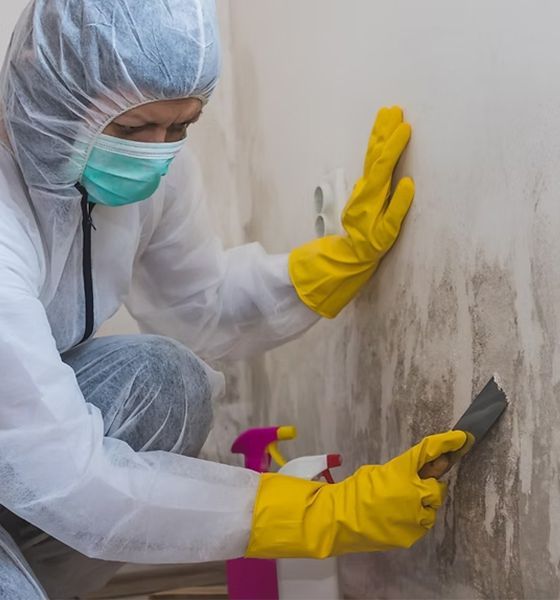
Suspect mold right now? Do this first
If you think mold may be present:
- Avoid disturbing the area (scrubbing can spread spores).
- Keep people and pets away from the affected room if possible.
- Do not run fans that may spread particles into clean areas.
- Address active moisture (shut off water source if safe).
- Take photos of visible growth or damage for your records and insurance claim (if applicable).
- Call for an assessment so you can understand scope and next steps.
What is mold remediation?
If you think mold may be present:Mold remediation is the controlled process of containing, removing, and cleaning mold-impacted materials while addressing the conditions that allowed mold to grow—most often moisture. The goal is to safely return the affected area to a clean, stable condition and reduce the chance of recurrence.
Mold remediation typically includes:
- Assessment and scope planning
- Containment and HEPA filtration
- Removal/cleaning of impacted materials
- Cleaning and disinfecting affected areas
- Moisture control guidance and next-step planning
If you’re unsure whether you need remediation or just an inspection, we can help you determine the right starting point.
Mold testing (in-house) and when it’s helpful
Testing isn’t always required to begin remediation—visible growth and moisture issues can be enough to act. That said, in-house mold testing can be useful when:
- You have musty odors but no visible mold
- You want to help confirm suspected areas of concern
- You need documentation for a property decision or next steps
- Symptoms point to a hidden moisture issue
If testing is recommended, we’ll explain what type is appropriate and how results may guide the plan.
What gets removed vs. what can be cleaned
Mold affects materials differently. In many cases:
Porous materials
(drywall, insulation, carpet padding, some ceiling materials) may need removal if significantly impacted.
Non-porous / semi-porous surfaces
(tile, some finished surfaces) can often be cleaned using appropriate methods.
After assessment, we’ll explain what’s impacted and the safest next step for each material.
Why mold happens (and why moisture matters)
Mold growth usually follows a moisture problem such as:
- Hidden leaks (supply lines, plumbing, roof leaks)
- Flooding or water intrusion
- High humidity and poor ventilation
- Wet building materials that didn’t dry thoroughly after a water event
If the source is still active, remediation won’t solve the underlying problem. We can help coordinate the right next step:
Our mold remediation process
Assessment + scope planning
We assess the affected area, moisture conditions, and likely spread. If testing is recommended, we’ll explain options and next steps.
Containment setup
We isolate the work area using containment methods designed to reduce cross-contamination into clean spaces.
HEPA filtration / air scrubbing
We use HEPA filtration to help manage airborne particles during remediation.
Removal and cleaning
We remove impacted porous materials where appropriate and clean affected surfaces using the correct approach for the material type.
Drying and moisture guidance
We address moisture conditions that contribute to mold risk and recommend drying/humidity control steps when needed.
Final verification + next steps
We complete a final review and provide next-step guidance, including repair/restoration recommendations where necessary.
Equipment & verification
Remediation commonly involves containment materials, HEPA filtration equipment, and moisture checks to guide scope and next steps.
Mold remediation for Denver homes and businesses
We serve:
- Homes, condos, apartments, and basements
- Offices, retail spaces, and commercial properties
- Property managers and real estate situations needing clear documentation and next steps
We’ll outline the plan clearly so you know what’s happening, what’s being removed/cleaned, and what comes next.
Insurance documentation for mold remediation (when applicable)
Coverage depends on your policy and the cause of loss (often tied to the underlying water event). If you’re filing a claim, documentation matters. When applicable, we can provide:
- Photos of affected areas
- Notes on scope and remediation steps performed
- Moisture-related documentation (when applicable)
- Support communicating needed information for the claim process (when applicable)
We don’t determine coverage—your insurance carrier does.
Recent mold remediation work in the Denver area
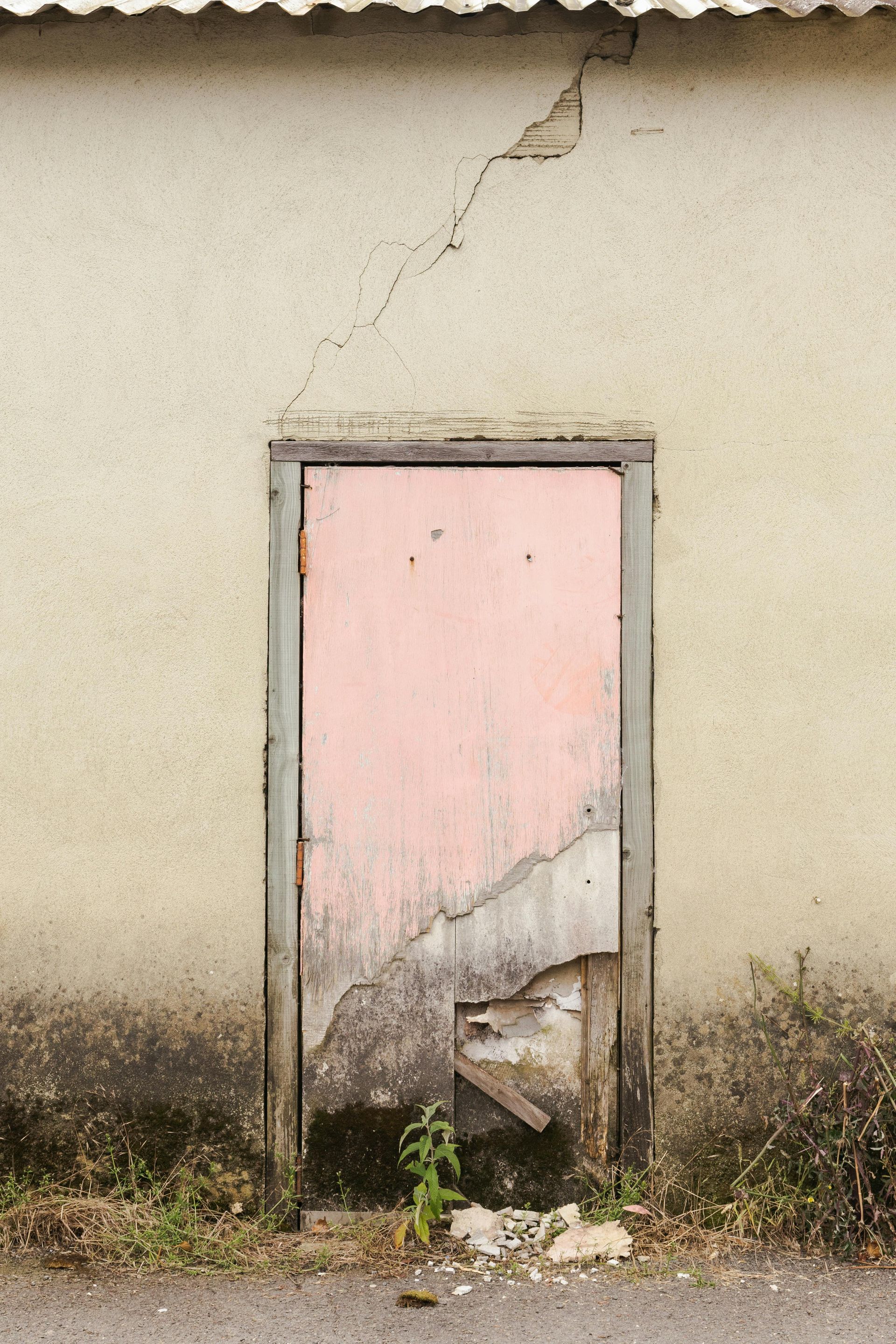
Musty odor and visible growth behind a vanity
What we did
Containment → HEPA filtration → removal/cleaning → moisture plan → next steps
Testing (if used)
In-house testing used to guide scope
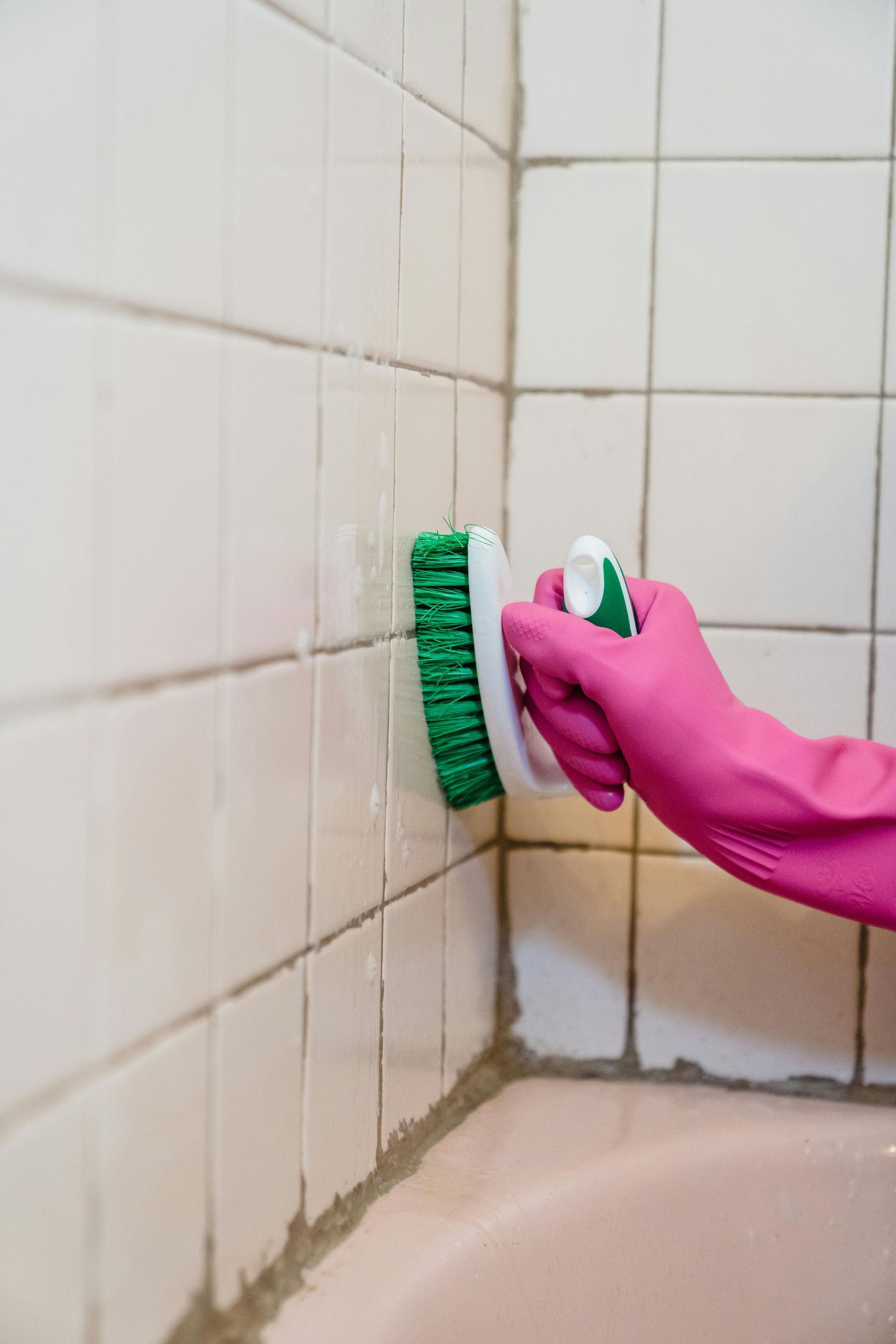
Hidden mold growth behind a bathroom vanity
What we did
Containment → HEPA air filtration → mold removal and surface cleaning → moisture source identification → prevention plan and next steps
Testing (if used)
In-house moisture mapping used to define affected areas
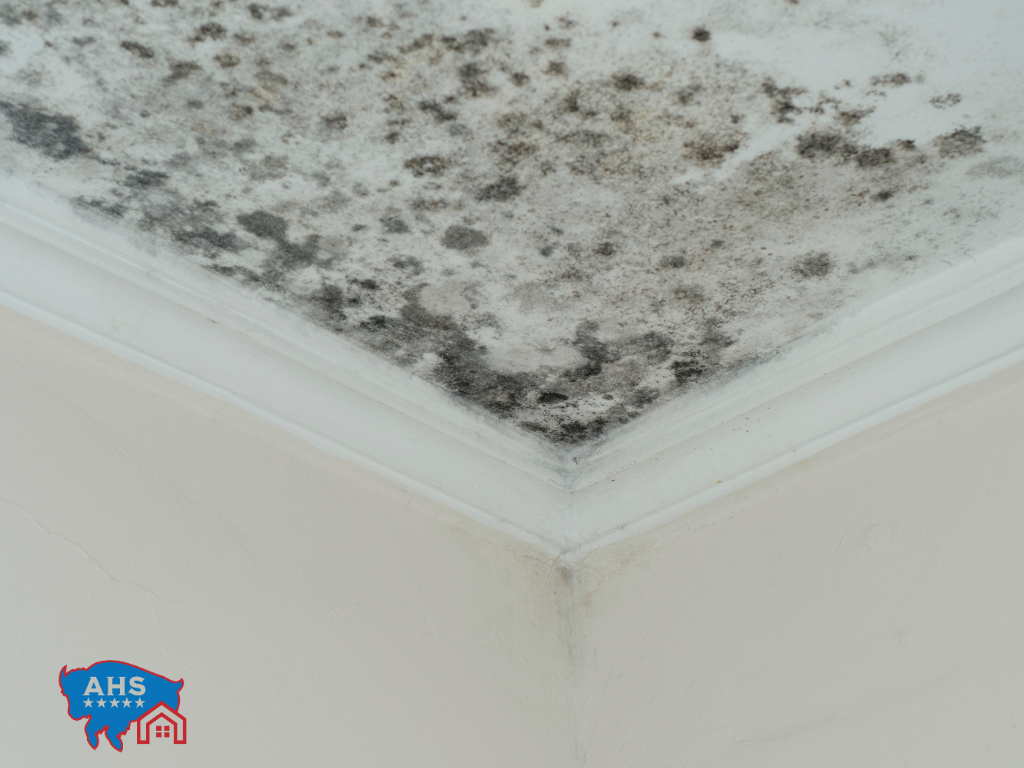
Mold discovered after slow plumbing leak
What we did
Containment → HEPA filtration → removal of contaminated materials → detailed cleaning → moisture correction plan → restoration guidance
Testing (if used)
Visual inspection and moisture readings used to guide scope
Musty odor and elevated humidity in office suite
What we did
Containment → HEPA air scrubbers → mold remediation and cleaning → HVAC moisture assessment → long-term humidity control plan
Testing (if used)
In-house testing used to confirm remediation boundaries
Why Denver customers choose Accountable Home Services for mold remediation
- Free estimates
- Residential + commercial service
- Containment-focused remediation approach
- Clear scope, communication, and next-step planning
- Documentation support (when applicable)
For rebuild work, repairs may involve working alongside licensed contractors as needed.
Serving Denver, CO and the Denver Metro Area
We provide mold remediation across Denver and nearby communities. If you’re unsure about coverage, call and we’ll confirm availability.
SERVICE AREA
- Arvada
- Aurora
- Boulder
- Brighton
- Broomfield
- Castle Rock
- Centennial
- Cherry Hills Village
- Commerce City
- Columbine
- Dacono
- Denver
- Denver Tech Center
- Edgewater
- Englewood
- Erie
- Federal Heights
- Firestone
- Frederick
- Glendale
- Golden
- Greenwood Village
- Highlands Ranch
- Lafayette
- Lakewood
- Littleton
- Lone Tree
- Longmont
- Louisville
- Northglenn
- Parker
- Sheridan
- Southmoor Park
- Superior
- Thornton
- Westminster
- Wheat Ridge
Don’t see your service area? We May still service your location. To know for sure, give us a call 720-620-3272 or complete the form on our contact Page and we’ll let you know.
Need mold remediation in Denver
Tell us what you’re noticing—visible mold, musty odor, recent leaks, or moisture concerns—and we’ll help you plan the right next step.
Contact Us
Frequently Asked Questions
Do you provide mold remediation in Denver?
Yes. We provide mold remediation services across Denver and surrounding communities.
Do you serve commercial properties?
Yes. We provide mold remediation for both residential and commercial properties.
Do I need mold testing before remediation?
Not always. Visible growth and moisture problems can be enough to act. In-house testing can be helpful in certain situations, and we’ll explain when it makes sense.
Can I clean mold myself?
Small surface issues can sometimes be cleaned safely, but larger growth, hidden moisture, or strong odors often require containment and professional remediation to reduce spread and address underlying moisture.
What causes mold to come back?
Mold often returns when moisture conditions aren’t addressed. Fixing leaks, controlling humidity, and drying affected materials are key to reducing recurrence risk.
What materials usually need to be removed?
Porous materials like drywall, insulation, and carpet padding may require removal if significantly impacted. We’ll explain what’s affected and why.
Does insurance cover mold remediation?
Coverage depends on your policy and the cause of loss. When applicable, we provide documentation to support the claim process, but your carrier determines coverage.
What if mold is related to a leak or water damage?
We can help coordinate next steps such as leak detection, mitigation, drying, and restoration as needed. Start with /leak-detection or /water-damage-restoration if water damage is active.
