
OUR SERVICES
Mold Removal in Denver, CO (Safe Cleanup for Homes & Businesses)
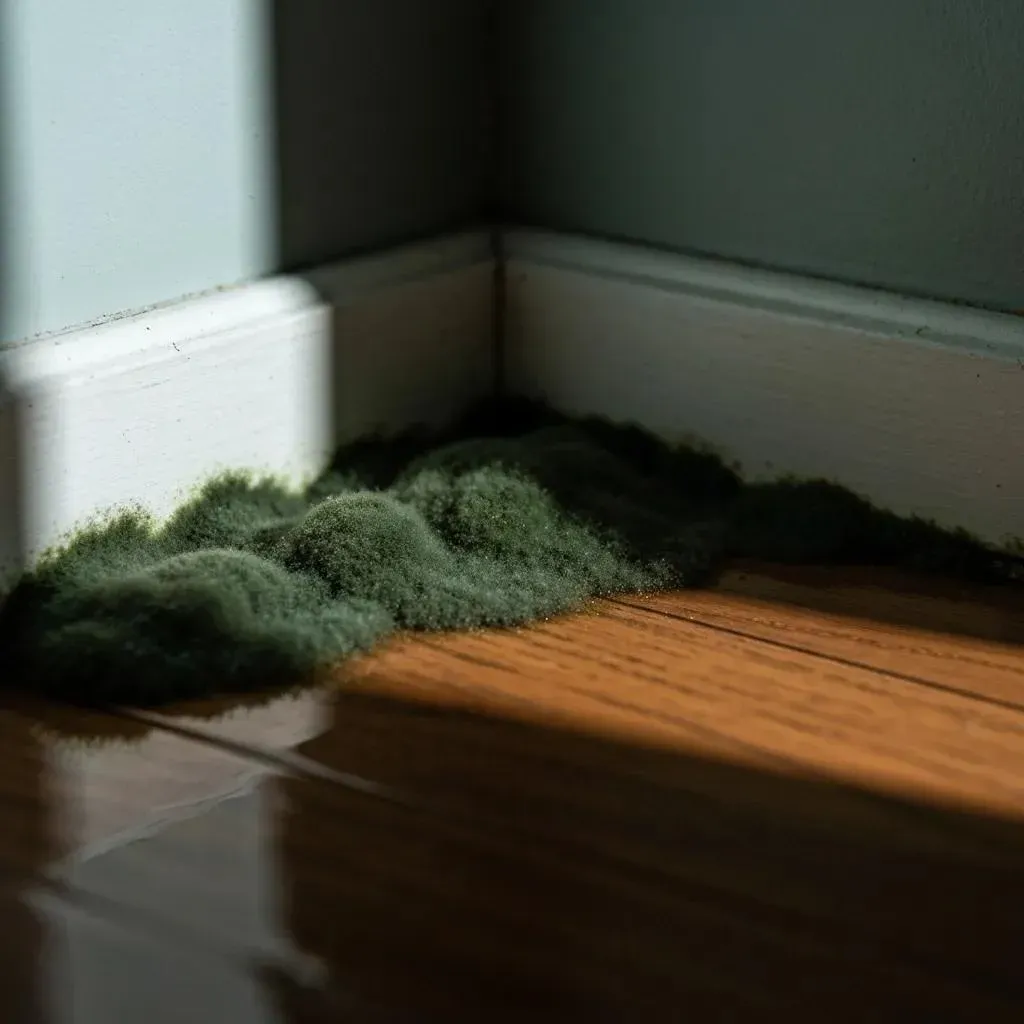
If you’re seeing visible mold or noticing a musty smell, the safest next step is a professional plan—especially when growth may be hidden behind walls or under flooring. Accountable Home Services provides mold removal in Denver for residential and commercial properties, including containment-focused cleanup and clear next steps.
Talk to a live person
Free estimates + family owned & operated
Residential + commercial service
Documentation support for insurance (when applicable)
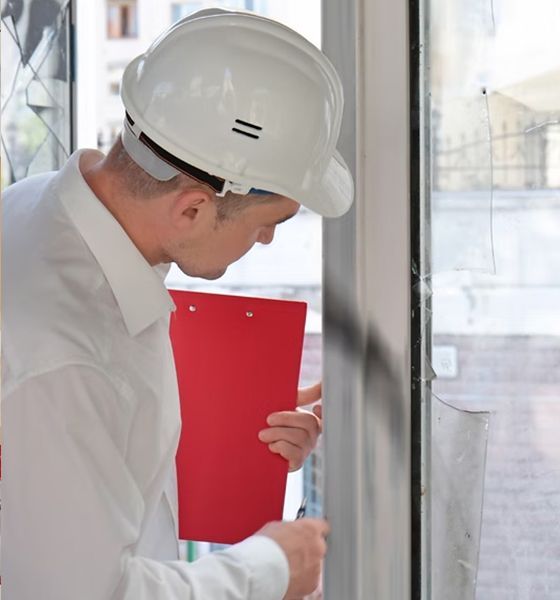
What to do if you suspect mold
- Don’t disturb the mold (scrubbing can spread spores).
- Keep people and pets away from the area if possible.
- Don’t run fans that may spread particles into clean areas.
- Address active moisture (stop leaks if safe).
- Take photos for your records and insurance claim (if applicable).
- Call for an assessment to understand the scope and safest next steps.
Mold removal vs. mold remediation: what’s the difference?
“Mold removal” is how most property owners describe the goal—getting rid of mold. “Mold remediation” is the professional process that makes removal safer and more effective by focusing on containment, controlled cleaning/removal, and moisture conditions.
For the full process, containment steps, and what to expect, see our primary page:
If mold is confirmed or strongly suspected, the next step may be remediation.
Our mold removal approach (containment-focused)
Depending on where mold is located and how extensive it is, mold removal typically includes:
- Assessment + planning (what’s affected, what’s causing moisture)
- Containment to reduce cross-contamination
- HEPA filtration / air scrubbing during the work
- Removal/cleaning of impacted materials based on material type
- Moisture guidance to reduce recurrence risk
- Final verification + next steps (repairs/restoration if needed)
What gets removed vs. what can be cleaned
In many cases:
- Porous materials (drywall, insulation, carpet padding) may need removal if significantly impacted.
- Non-porous / semi-porous surfaces can often be cleaned using appropriate methods.
After assessment, we’ll explain what’s impacted and the safest plan for each material.
Why mold happens (moisture is the driver)
Mold growth usually follows:
- Hidden leaks
- Flooding or water intrusion
- High humidity and poor ventilation
- Building materials that didn’t dry thoroughly after a water event
If moisture is still active, removal alone won’t solve the problem. We can help route the next step:
- Leak Detection
- Water Mitigation
- Structural Drying
- Dehumidification
In-house mold testing (when appropriate)
Testing isn’t always required when there’s visible growth, but it can be helpful when:
- You smell mold but don’t see it
- You want documentation to guide next steps
- You’re trying to confirm suspect areas
If testing is recommended, we’ll explain what type is appropriate and how results may guide the plan.
Recent mold removal work in the Denver area
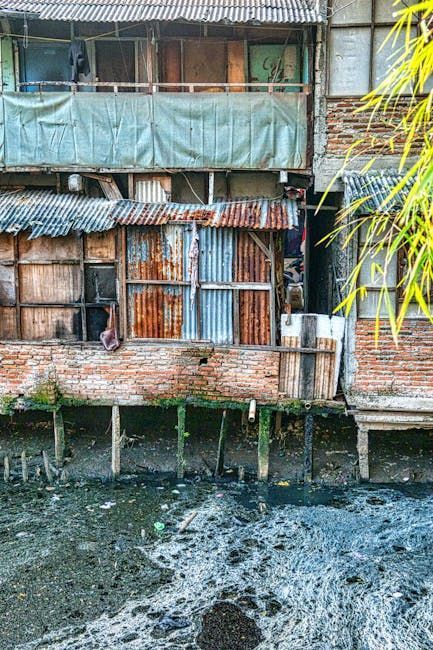
Visible growth behind a bathroom vanity
Property type
Residential / Commercial
What we did
Containment → HEPA filtration → removal/cleaning → moisture planl
Testing (if used)
In-house testing used to guide scope
Area
Denver / Central Denver / Aurora / Lakewood / etc.
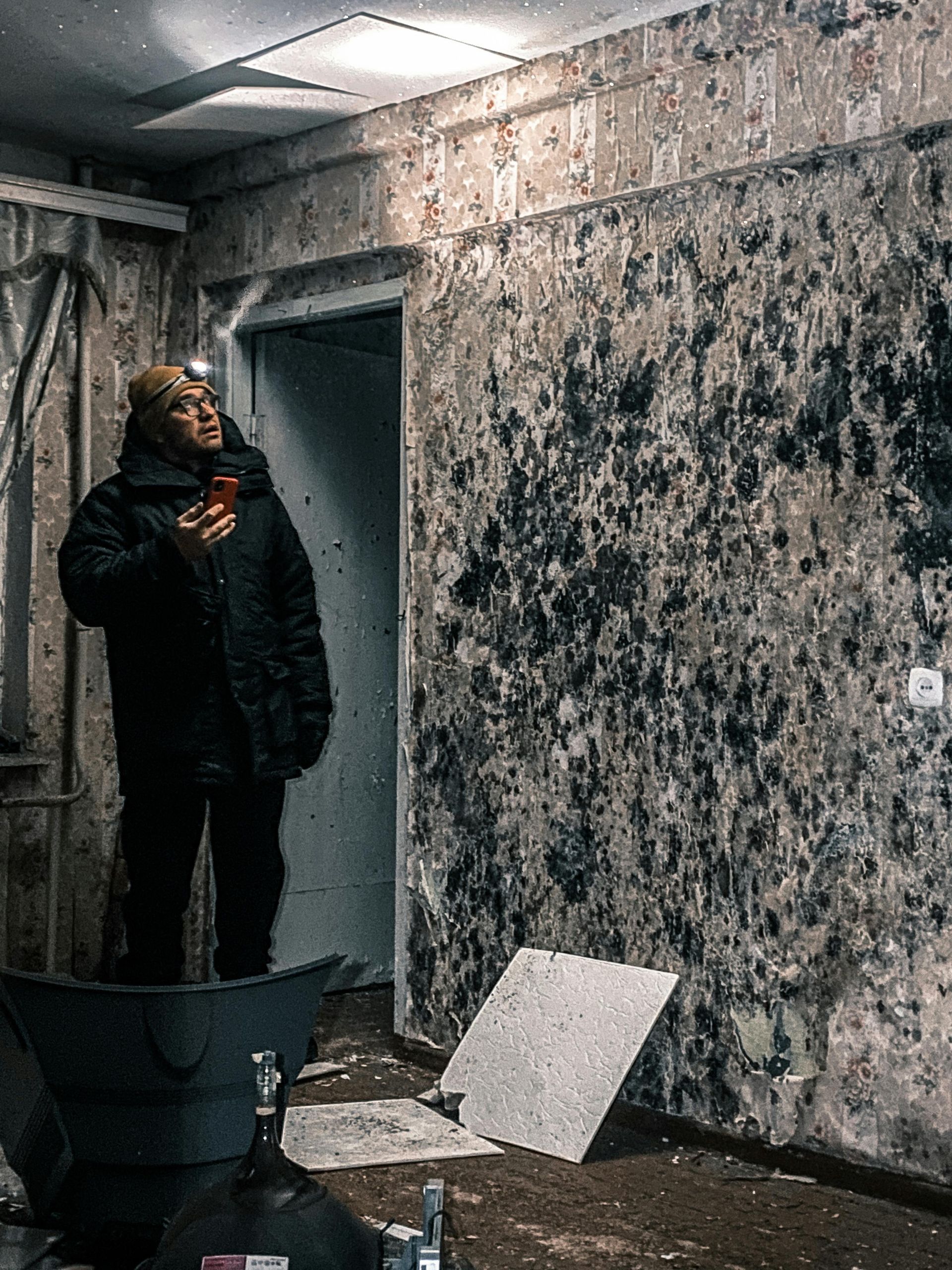
Visible mold growth behind a bathroom vanity
Property type
Residential
What we did
Containment → HEPA air filtration → removal of affected materials
Testing (if used)
In-house testing and moisture readings used to define scope
Area
Denver / Central Denver / Aurora / Lakewood / etc.
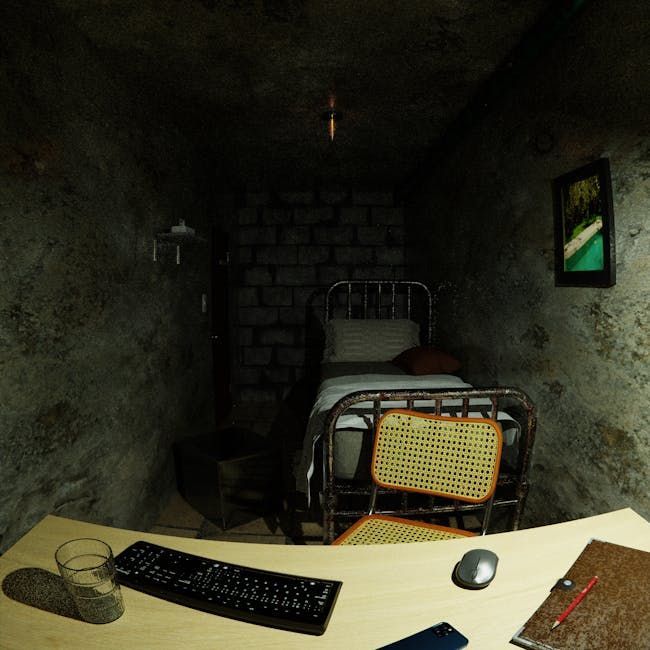
Mold growth discovered after long-term
Property type
Residential / Commercial
What we did
ontainment → HEPA filtration → removal and cleaning of contaminated surfaces → moisture source correction plan
Testing (if used)
In-house testing used to guide remediation boundaries
Area
Denver / Central Denver / Aurora / Lakewood / etc.
Mold contamination in commercial storage area
Property type
Commercial
What we did
Full containment → HEPA air scrubbers → removal of impacted materials → thorough cleaning → prevention plan
Testing (if used)
In-house testing and moisture readings used to define scope
Area
Denver.
What you’ll receive after the inspection
Deliverables (recommended):
- A clear summary of observations and areas of concern
- Notes on moisture conditions and likely contributing factors
- Testing notes/results guidance when testing is performed
- Practical next-step recommendations (repair/moisture control/remediation)
- Documentation support for insurance claims when applicable
This inspection is intended for property decision-making and next-step planning. For medical concerns, consult a qualified healthcare professional.
Serving Denver, CO and the Denver Metro Area
We provide mold removal support across Denver and nearby communities. If you’re unsure about coverage, call and we’ll confirm availability.
SERVICE AREA
- Arvada
- Aurora
- Boulder
- Brighton
- Broomfield
- Castle Rock
- Centennial
- Cherry Hills Village
- Commerce City
- Columbine
- Dacono
- Denver
- Denver Tech Center
- Edgewater
- Englewood
- Erie
- Federal Heights
- Firestone
- Frederick
- Glendale
- Golden
- Greenwood Village
- Highlands Ranch
- Lafayette
- Lakewood
- Littleton
- Lone Tree
- Longmont
- Louisville
- Northglenn
- Parker
- Sheridan
- Southmoor Park
- Superior
- Thornton
- Westminster
- Wheat Ridge
Don’t see your service area? We May still service your location. To know for sure, give us a call 720-620-3272 or complete the form on our contact Page and we’ll let you know.
Schedule a mold inspection in Denver
Tell us what you’re noticing—musty odor, visible growth, recent leaks, or dampness—and we’ll help you choose the right next step.
Contact Us
Frequently Asked Questions
Do you provide mold removal in Denver?
Yes. We provide mold removal and remediation support across Denver and surrounding areas.
Is mold removal the same as mold remediation?
Mold removal is the goal; remediation is the professional process that makes removal safer and more effective through containment, HEPA filtration, and controlled cleanup.
Do you offer in-house mold testing?
Yes, in-house testing is available when appropriate, and we’ll explain when it’s useful.
Do you serve commercial properties?
Yes. We serve both residential and commercial properties.
What should I do if I see mold?
Avoid disturbing it, keep people/pets away, address moisture if safe, and call for an assessment to plan next steps.
