
OUR SERVICES
Dehumidification Services in Denver, CO (Drying & Moisture Control)
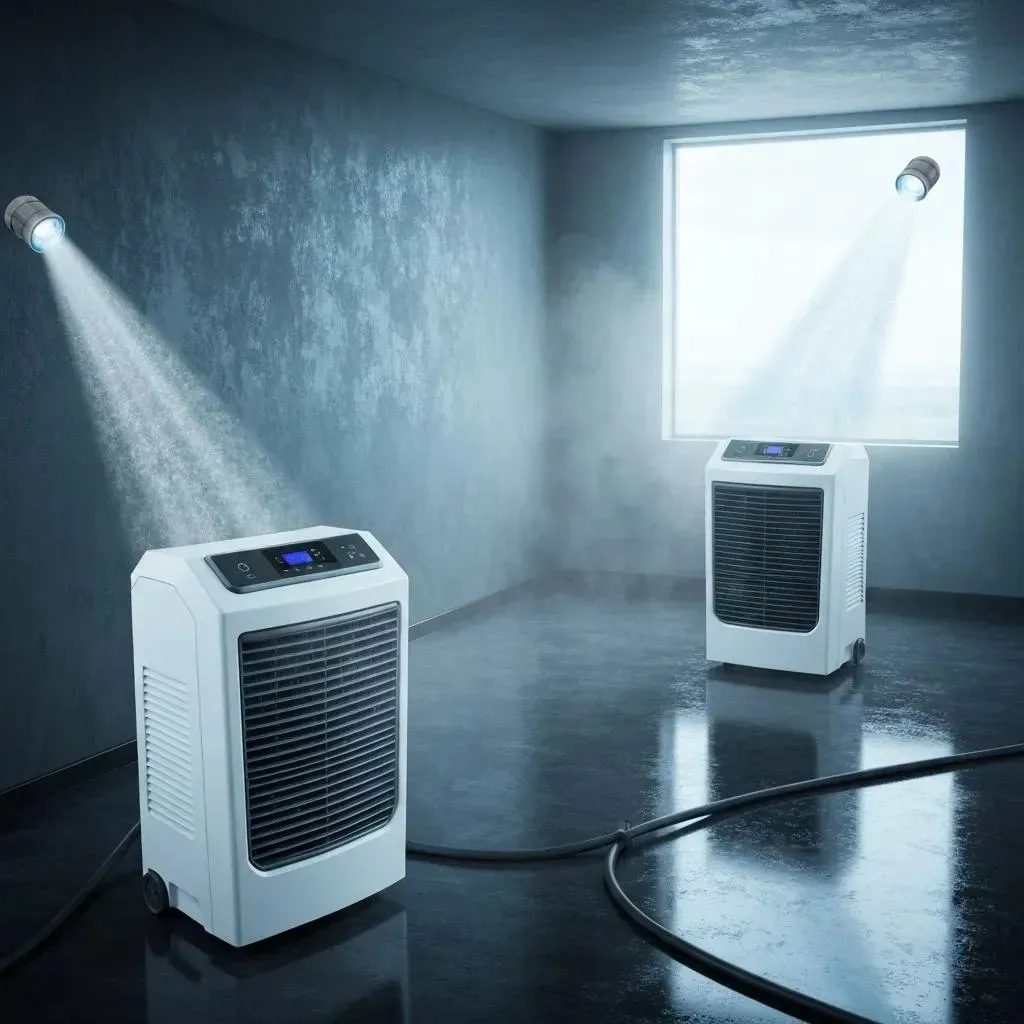
After water damage, moisture doesn’t just sit on surfaces—it can remain in the air and building materials. Dehumidification helps reduce humidity and supports thorough drying after leaks, flooding, or high-moisture events.
Accountable Home Services provides dehumidification and moisture control for Denver homes and businesses, with a clear plan for drying, cleanup, and next steps.
- Dehumidification
- Moisture Control
- Drying Support
- Post-Water Damage Humidity Reduction
Talk to a live person
Residential + commercial service
Free estimates + family owned & operated
Documentation support for insurance (when applicable)
What does dehumidification do after water damage?
Dehumidification reduces excess moisture in the air, which helps building materials dry more effectively. When humidity stays high, drying can slow down and moisture can linger in walls, flooring, cabinets, and other materials.
Dehumidification is often used together with:
- Air movement (air movers/fans)
- Structural drying steps and monitoring
- Moisture checks to guide next steps
For full-service cleanup and restoration, visit:
When dehumidification is commonly needed
Dehumidification is often used after:
- Flooding or significant water intrusion
- Burst pipes and widespread leaks
- Water heater failures
- Appliance leaks that spread across rooms
- Basement moisture problems after water entry
- Any water loss where humidity rises and materials are damp
If you’re unsure whether you need dehumidification, we can assess the space and recommend the most appropriate next step.
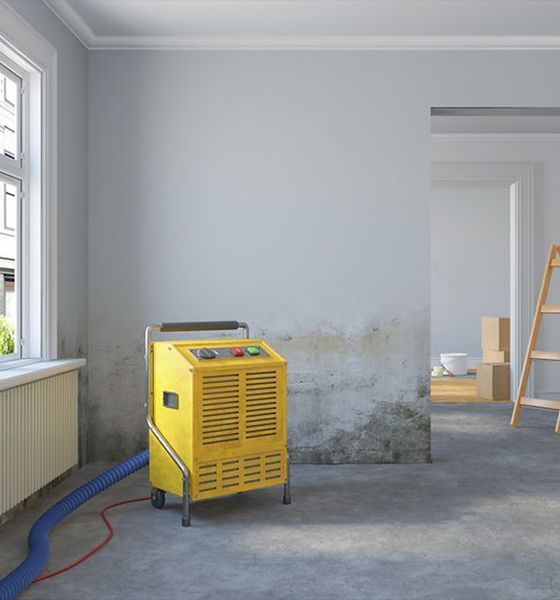
How dehumidification supports the drying process
Drying happens when moisture moves from wet materials into the air—and then gets removed. Dehumidification helps by lowering humidity so moisture continues to move out of affected materials instead of stalling.
In practical terms:
- Air movers help moisture evaporate from surfaces
- Dehumidifiers remove moisture from the air
- Monitoring helps confirm progress and guide next steps
If your situation involves soaked structural materials, visit:
Our dehumidification and moisture control process
Assessment + humidity check
We assess affected areas, humidity conditions, and which materials are damp or at risk.
Dehumidification setup
We set professional dehumidification equipment based on the size of the space and moisture conditions.
Air movement + drying coordination
When needed, we coordinate air movement and drying steps to support thorough moisture reduction.
Equipment & verification
We use moisture and humidity checks to guide dehumidification and document progress where applicable.
Dehumidification vs. structural drying: what’s the difference?
Dehumidification focuses on reducing moisture in the air.
Structural drying focuses on drying building materials and structural components (walls, subfloors, framing), often using a combination of air movement, dehumidification, and monitoring.
If you suspect moisture in walls, floors, or hidden spaces, structural drying may be needed.
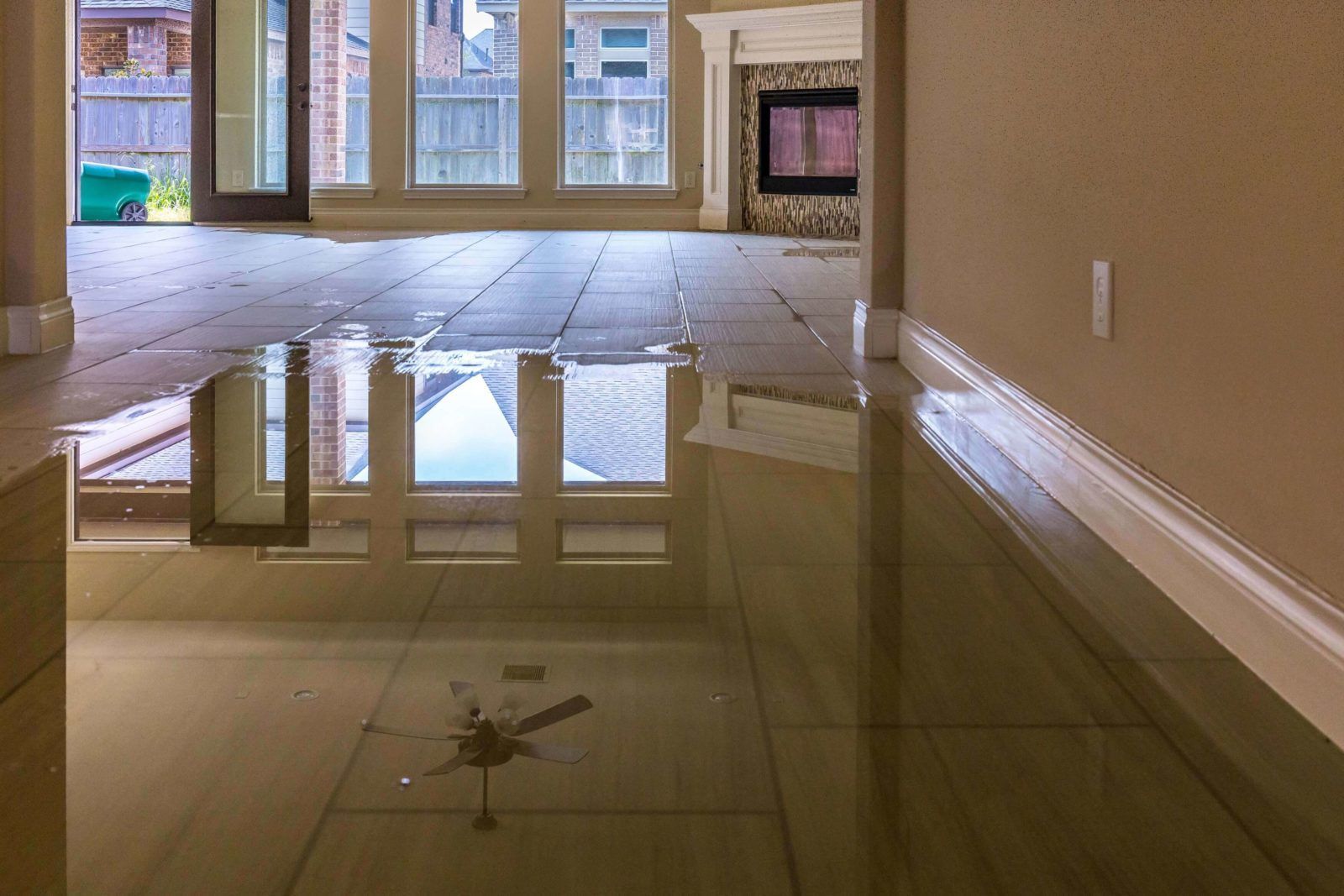
Related services that work with dehumidification
Depending on the situation, you may also need:
Recent drying and dehumidification work in the Denver area
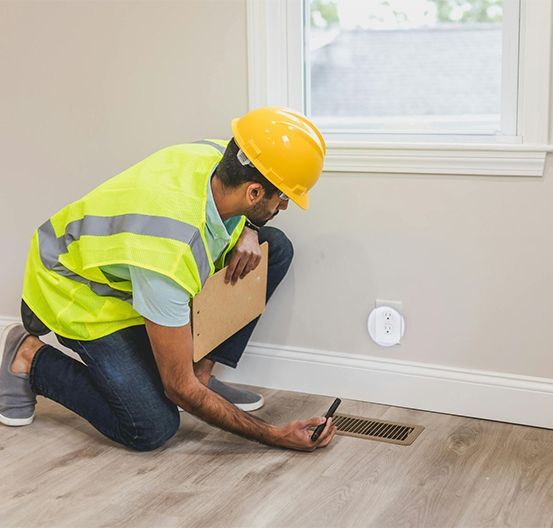
Flooding affected flooring and lower drywall
Property type
Residential / Commercial
What we did
Dehumidification setup → drying coordination → monitoring → next-step plan
What we documented
Photos + humidity/moisture notes (for claim support)
Area
Denver / Central Denver / Aurora / Lakewood / etc.
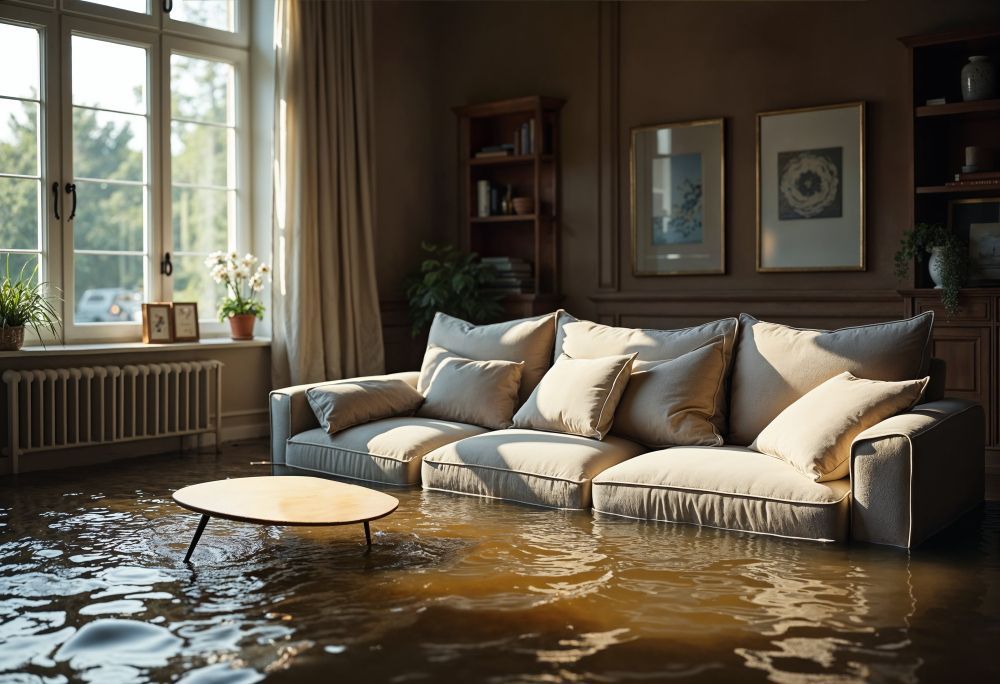
Water heater leak saturated hallway carpet and lower drywall
Property type
Residential
What we did
Dehumidification setup → drying coordination → monitoring → next-step plan
What we documented
Photos + humidity/moisture notes (for claim support)
Area
Central Denver

Roof leak during storm affected ceiling tiles and office flooring
Property type
Commercial
What we did
Dehumidification setup → drying coordination → monitoring → next-step plan
What we documented
Photos + humidity/moisture notes (for claim support)
Area
Aurora
Kitchen supply line leak caused moisture in cabinets and subfloor
Property type
Residential
What we did
Dehumidification setup → drying coordination → monitoring → next-step plan
What we documented
Photos + humidity/moisture notes (for claim support)
Area
Lakewood
Insurance documentation for dehumidification (when applicable)
Coverage depends on your policy and the cause of loss, but documentation matters. When applicable, we provide clear records to support the claim process.
What we can provide
Photos of affected areas - Notes on dehumidification and drying steps - Moisture/humidity documentation (when applicable) - Support communicating needed information for the claim process (when applicable)
We don’t determine coverage—your insurance carrier does.
Why Denver property owners choose Accountable Home Services for dehumidification
- Free estimates
- Residential + commercial service
- Clear communication and next-step planning
- Documentation support (when applicable)
- Coordinated approach with drying and restoration services
For rebuild work, repairs may involve working alongside licensed contractors as needed.
Serving Denver, CO and the Denver Metro Area
We provide dehumidification and moisture control across Denver and nearby communities. If you’re unsure about coverage, call and we’ll confirm availability.
SERVICE AREA
- Arvada
- Aurora
- Boulder
- Brighton
- Broomfield
- Castle Rock
- Centennial
- Cherry Hills Village
- Commerce City
- Columbine
- Dacono
- Denver
- Denver Tech Center
- Edgewater
- Englewood
- Erie
- Federal Heights
- Firestone
- Frederick
- Glendale
- Golden
- Greenwood Village
- Highlands Ranch
- Lafayette
- Lakewood
- Littleton
- Lone Tree
- Longmont
- Louisville
- Northglenn
- Parker
- Sheridan
- Southmoor Park
- Superior
- Thornton
- Westminster
- Wheat Ridge
Recommended module: Embed a Google Map here and keep Denver-first headings on this page.
Need dehumidification in Denver after water damage?
If your property is damp, humid, or drying slowly after a leak or flood, call now and we’ll help you plan the right next step.
Contact Us
Frequently Asked Questions
What does dehumidification do after water damage?
It reduces moisture in the air, which supports drying and helps prevent humidity from stalling the drying process.
Do you provide dehumidification for commercial buildings?
Yes. We provide dehumidification services for both residential and commercial properties.
Do I need dehumidification if I don’t see standing water?
Possibly. Even without standing water, humidity can remain high and materials can stay damp. Assessment helps determine the right approach.
Is dehumidification the same as structural drying?
No. Dehumidification reduces moisture in the air. Structural drying focuses on drying building materials and may include dehumidification as part of the system.
How long does dehumidification take?
Timelines vary based on the amount of moisture, materials affected, airflow, and humidity. After assessment, we’ll outline expected phases.
Can you help after a flood or major leak?
Yes. Dehumidification is often part of flood cleanup, mitigation, and restoration services.
Does insurance cover dehumidification?
Coverage depends on your policy and cause of loss. When applicable, we provide documentation to support the claim process, but your carrier determines coverage.
What’s the next step if materials are damaged?
If drywall, flooring, cabinets, or insulation are impacted, we’ll explain restoration options and next steps to return the property to pre-loss condition.
