
OUR SERVICES
Thermal Imaging Inspection in Denver, CO (Infrared Diagnostics)
Thermal imaging helps uncover temperature differences you can’t see—often pointing to hidden moisture, insulation gaps, air leaks, and other building issues. Accountable Home Services provides thermal imaging inspections for Denver homes and businesses, with clear findings and next-step recommendations.
- Infrared Inspection
- Thermal Imaging
- Hidden Moisture Checks
- Energy & Heat Loss Insights
Talk to a live person
Clear findings + next-step recommendations
Free estimates + family owned & operated
Insurance documentation support (when applicable)
Serving Denver, CO and the Denver Metro Area.
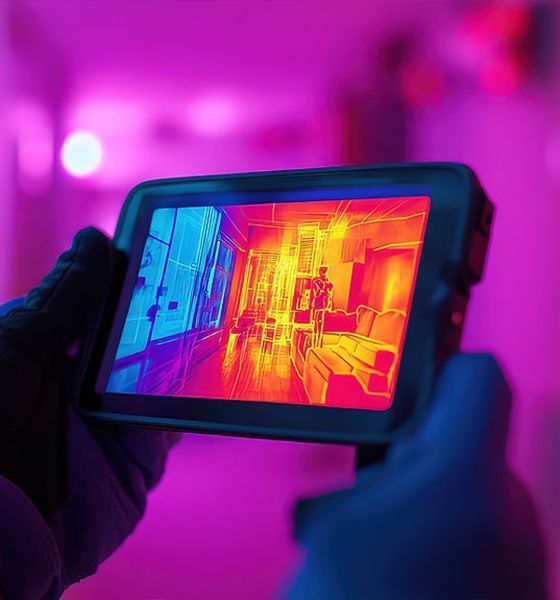
What is thermal imaging inspection?
Thermal imaging (infrared scanning) is a non-invasive way to visualize surface temperature patterns. These patterns can help identify areas that may need closer attention—such as suspected moisture behind drywall, insulation voids, air leaks, or unusual heat signatures.
Thermal imaging is often used as part of a broader diagnostic approach: we identify suspect areas and recommend next steps (and when applicable, we confirm moisture concerns using additional inspection methods).
What thermal imaging can (and can’t) tell you
Thermal imaging can help you:
- Spot temperature anomalies that may suggest hidden moisture or damp areas
- Identify heat loss or insulation gaps
- Locate areas with air leakage or uneven heating/cooling
- Prioritize where to investigate further—before committing to repairs
Thermal imaging can’t:
- “See through walls” like X-ray
- Confirm the exact cause of an anomaly by itself
- Replace a full repair diagnosis when multiple systems are involved
If we find an anomaly, we’ll explain what it likely indicates and what the best next step is (for example, moisture checks, targeted drying, leak source investigation, or an HVAC assessment).

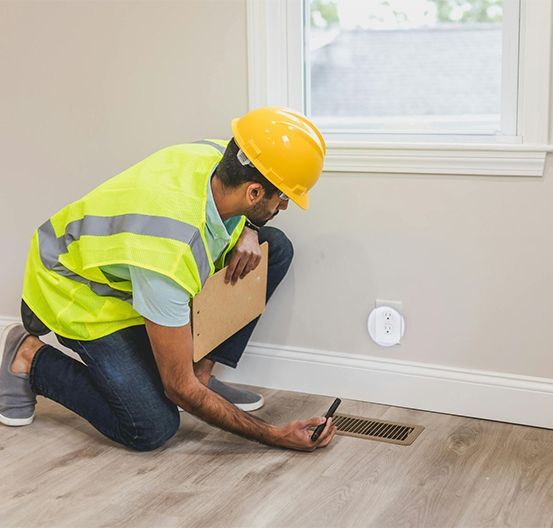
Thermal imaging for Denver homes and businesses
Thermal imaging inspections can be helpful if you’re dealing with:
- A musty smell or concern about dampness
- Past leaks and you want to check for hidden moisture
- Uneven temperatures, drafts, or high utility bills
- Suspected insulation problems
- Unknown “mystery” issues you can’t see but you can feel (cold spots, hot spots, humidity changes)
We serve both residential and commercial properties and tailor the inspection to your goals.
Common reasons Denver customers request thermal imaging
Hidden moisture and water intrusion
Thermal imaging can help highlight areas that may be holding moisture—behind drywall, under flooring, or around ceilings and windows—so you can address the issue before it spreads.
Related services:
Mold risk and damp conditions
Moisture is a common driver of mold concerns. Thermal imaging can help identify suspect damp zones to investigate further.
Related services:
Energy efficiency, insulation gaps, and air leaks
Thermal imaging can help you identify areas where the building envelope may be underperforming—such as missing insulation, drafts, or uneven heating/cooling.
Unusual heat patterns (investigate further)
Sometimes thermal imaging reveals unusual heat signatures. We’ll explain what we’re seeing and recommend the appropriate next step (which may include involving the right licensed trade when needed).
Thermal imaging is a diagnostic tool—repairs should be performed by appropriately qualified professionals depending on the issue identified.
How our thermal imaging inspection works
Goal setting + site overview
We start by understanding what you’re noticing (drafts, dampness, prior leaks, uneven temps) and which areas are most important to inspect.
Infrared scanning
We scan targeted areas with thermal imaging equipment to identify temperature anomalies and patterns.
Interpretation + confirmation approach
We interpret what the thermal patterns may indicate and recommend next steps. Where appropriate, we may suggest additional confirmation methods (for example, moisture checks) to validate findings.
Findings summary + next steps
You’ll receive a clear summary of what we found, what it likely means, and what to do next (repair options, service recommendations, or monitoring).
Optional coordination (when applicable)
If your situation requires follow-up services (drying, mitigation, leak detection, mold evaluation, HVAC assessment), we can help coordinate next steps.
What you’ll receive after the inspection
Deliverables (recommended):
- Summary of key findings (plain language)
- Infrared images for areas of concern (where applicable)
- Notes on likely causes and recommended next steps
- Guidance on which service is most appropriate (leak detection, mitigation, mold inspection, HVAC, etc.)
- Documentation support for insurance claims (when applicable)
Recent thermal imaging findings in the Denver area
Customer noticed musty smell near a wall
Property type
Residential / Commercial
What we found
Thermal anomaly suggesting moisture behind drywall
What we recommended
Targeted moisture confirmation + next-step plan
Outcome
Directed mitigation/drying to the right area
Area
Denver / Central Denver / Aurora / Lakewood / etc.
Homeowner noticed a cold, damp spot near the base of a living-room wall
Property type
Residential
What we found
Thermal anomaly indicating potential moisture wicking up from flooring
What we recommended
Moisture confirmation + inspection of adjoining room + targeted drying plan
Outcome
Source identified and drying directed to the correct affected area
Area
Central Denver
Office staff reported musty odor coming from a storage closet
Property type
Commercial
What we found
Thermal pattern consistent with moisture behind drywall near a slow plumbing leak
What we recommended
Opening the wall for verification + mitigation planning
Outcome
Leak located early, preventing additional structural damage
Area
Aurora
Condo owner concerned about discoloration and possible moisture near ceiling
Property type
Residential
What we found
Overhead thermal anomaly indicating temperature drop consistent with water intrusion
What we recommended
Targeted moisture testing + inspection of upstairs unit plumbing
Outcome
Moisture confirmed, upstairs leak repaired, and mitigation scoped correctly
Area
Lakewood
Why Denver customers choose Accountable Home Services for thermal imaging
- Clear explanations and practical next steps
- Non-invasive inspection approach
- Residential + commercial service
- Documentation support (when applicable)
- Straightforward scheduling and communication
For repairs that require licensed trade work, we coordinate or work alongside qualified contractors as needed.
Serving Denver, CO and the Denver Metro Area
We provide thermal imaging inspections across Denver and nearby communities. If you’re unsure about coverage, call and we’ll confirm availability.
SERVICE AREA
- Arvada
- Aurora
- Boulder
- Brighton
- Broomfield
- Castle Rock
- Centennial
- Cherry Hills Village
- Commerce City
- Columbine
- Dacono
- Denver
- Denver Tech Center
- Edgewater
- Englewood
- Erie
- Federal Heights
- Firestone
- Frederick
- Glendale
- Golden
- Greenwood Village
- Highlands Ranch
- Lafayette
- Lakewood
- Littleton
- Lone Tree
- Longmont
- Louisville
- Northglenn
- Parker
- Sheridan
- Southmoor Park
- Superior
- Thornton
- Westminster
- Wheat Ridge
Recommended module: Embed a Google Map here and keep Denver-first headings on this page.
Ready to schedule a thermal imaging inspection in Denver?
Tell us what you’re noticing—dampness, drafts, uneven temperatures, or suspected hidden issues—and we’ll help you plan the right next step.
Contact Us
Frequently Asked Questions
What does thermal imaging inspection detect?
Thermal imaging detects temperature differences on surfaces. These patterns can suggest issues like suspected moisture, insulation gaps, air leaks, or abnormal heat signatures that deserve closer inspection.
Can thermal imaging find hidden water leaks?
Thermal imaging can help identify areas that may be affected by moisture by showing temperature anomalies. It often guides where to investigate further, and confirmation methods may be recommended depending on the situation.
Is thermal imaging the same as a mold inspection?
No. Thermal imaging is a diagnostic tool that can help identify suspect damp areas. Mold inspection and remediation involve additional evaluation and remediation steps when mold is present or suspected.
Will I get a report?
You’ll receive a clear summary of findings and recommended next steps. Where applicable, we can provide infrared images and notes to support follow-up services or documentation needs.
Can thermal imaging help with energy efficiency?
> Yes. It can help identify temperature patterns that may point to insulation gaps, drafts, or uneven heating/cooling performance.
Do you inspect commercial buildings?
Yes. We provide thermal imaging inspections for both residential and commercial properties.
What happens if you find a problem?
We’ll explain what we’re seeing, what it likely indicates, and recommend the most appropriate next step—such as leak detection, mitigation/drying, HVAC evaluation, or engaging the appropriate qualified trade for repairs.
How soon should I schedule if I suspect moisture?
If you suspect moisture from a leak or intrusion, earlier assessment can help reduce the risk of broader damage. If the situation is active or worsening, call right away.
Do you help with insurance documentation?
When applicable, we can provide documentation that supports the insurance process, but coverage decisions are determined by the carrier.
What’s the next step if this is related to water damage?
If you’re dealing with active water damage, visit /water-damage-restoration or call so we can route you to the right service.
