Essential Steps for Basement Leak Repair
Essential Steps for Basement Leak Repair
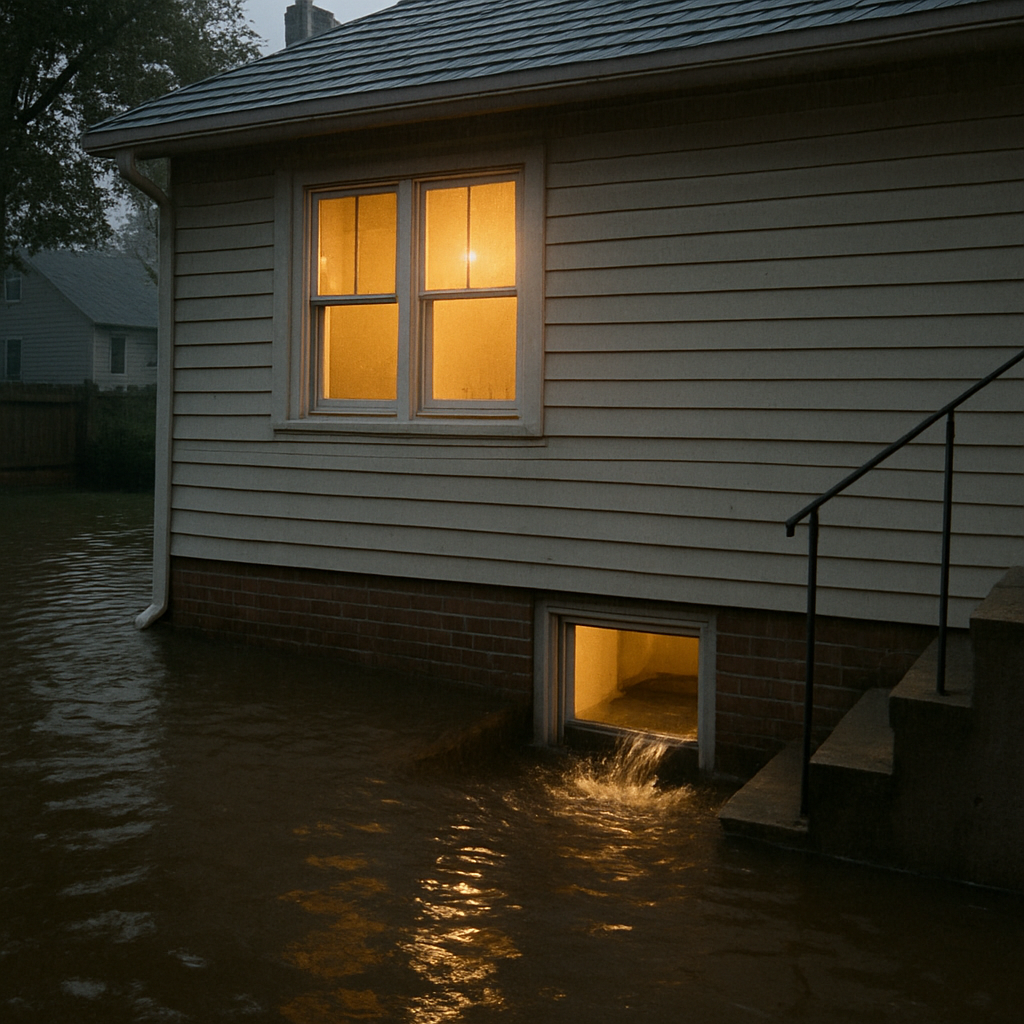
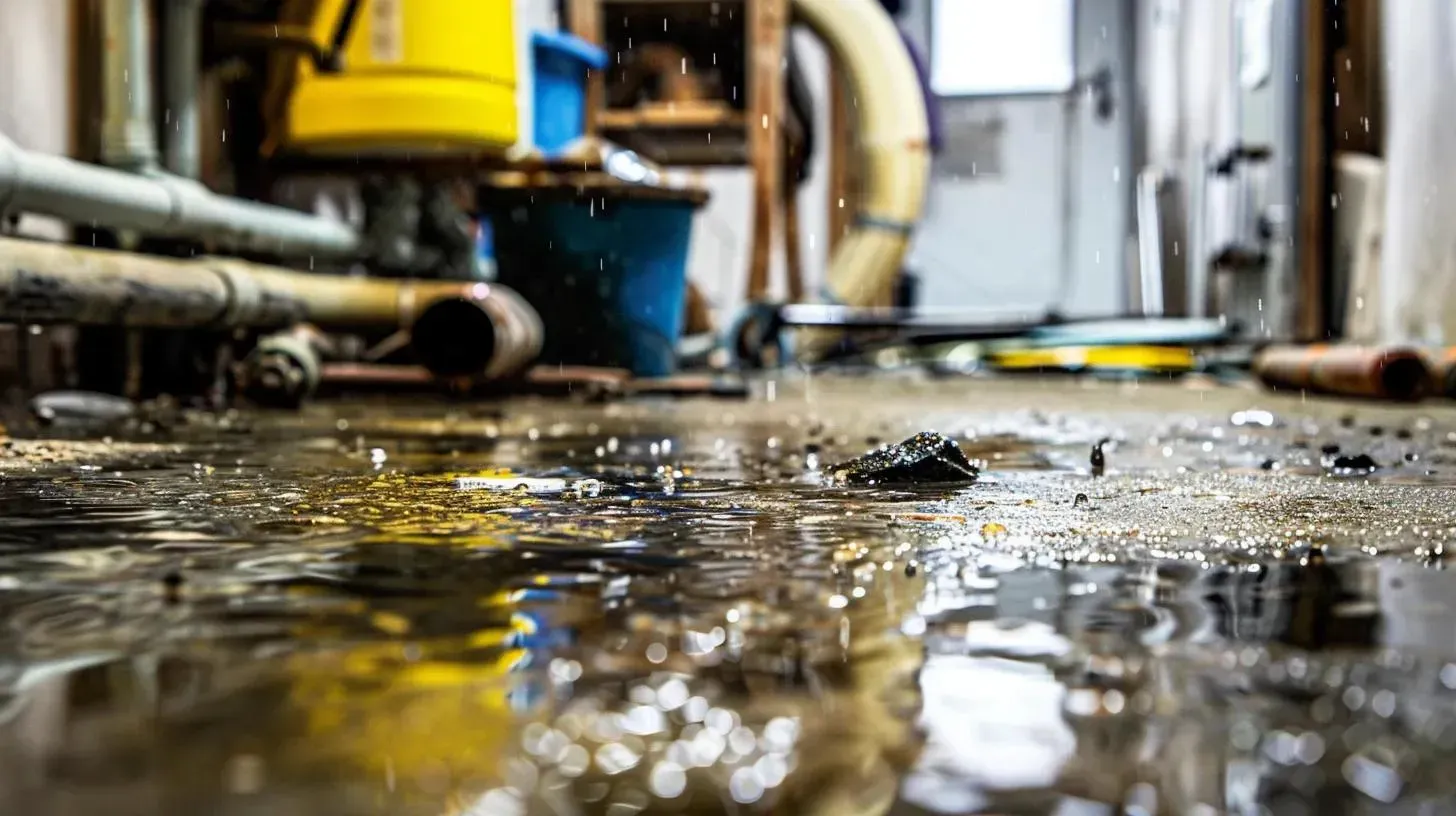
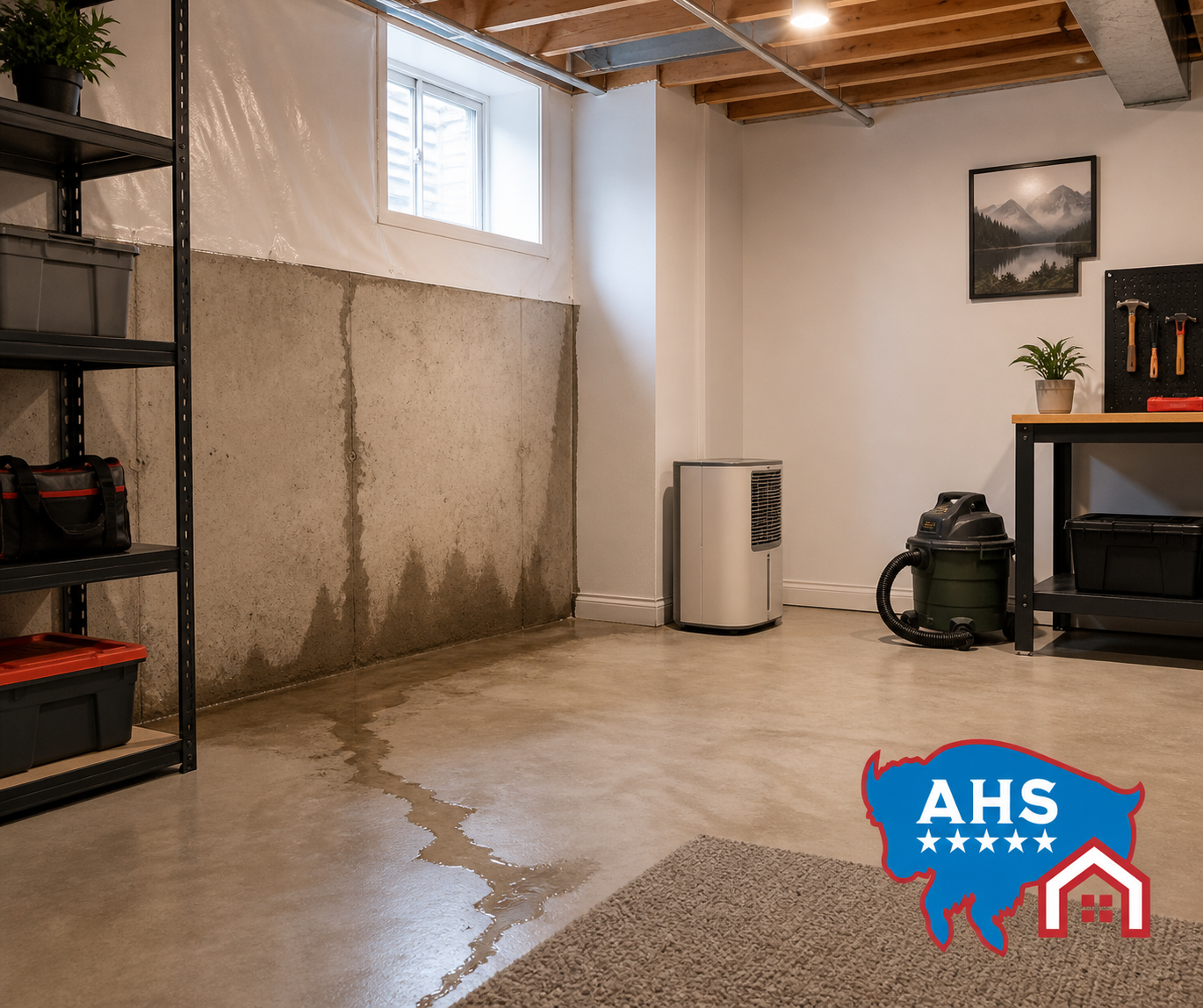
You walk downstairs, noticing an unmistakable musty smell and a thin water trail across the concrete. Discovering a basement water leak causes instant anxiety. Yet, according to home inspection data, most houses experience below-ground moisture at some point.
Picture your property as a ship, with the foundation acting as its sturdy hull. A leaking basement rarely means your vessel is sinking. It simply means we must patch the immediate breach and redirect the heavy exterior water pressing against the walls.
Addressing this now prevents costly issues later. Diagnosing the problem immediately enables you to implement easy exterior wins and apply simple DIY interior fixes to stop basement leaks completely.
Is Your Basement Leaking or Just Sweating?
You spot a damp patch and panic about a leaking basement wall. Before researching how to stop basement walls from leaking, determine if the concrete is breached or just "sweating." Like a cold soda can on a hot day, warm air creates condensation against cool masonry.
To test if you have internal humidity or actual water leakage in basement concrete, use the foil test:
- Dry a small square of the damp surface with a towel.
- Tape a piece of aluminum foil tightly over the spot for 24 hours.
- Moisture on the outside means room humidity; moisture trapped underneath indicates external seepage.
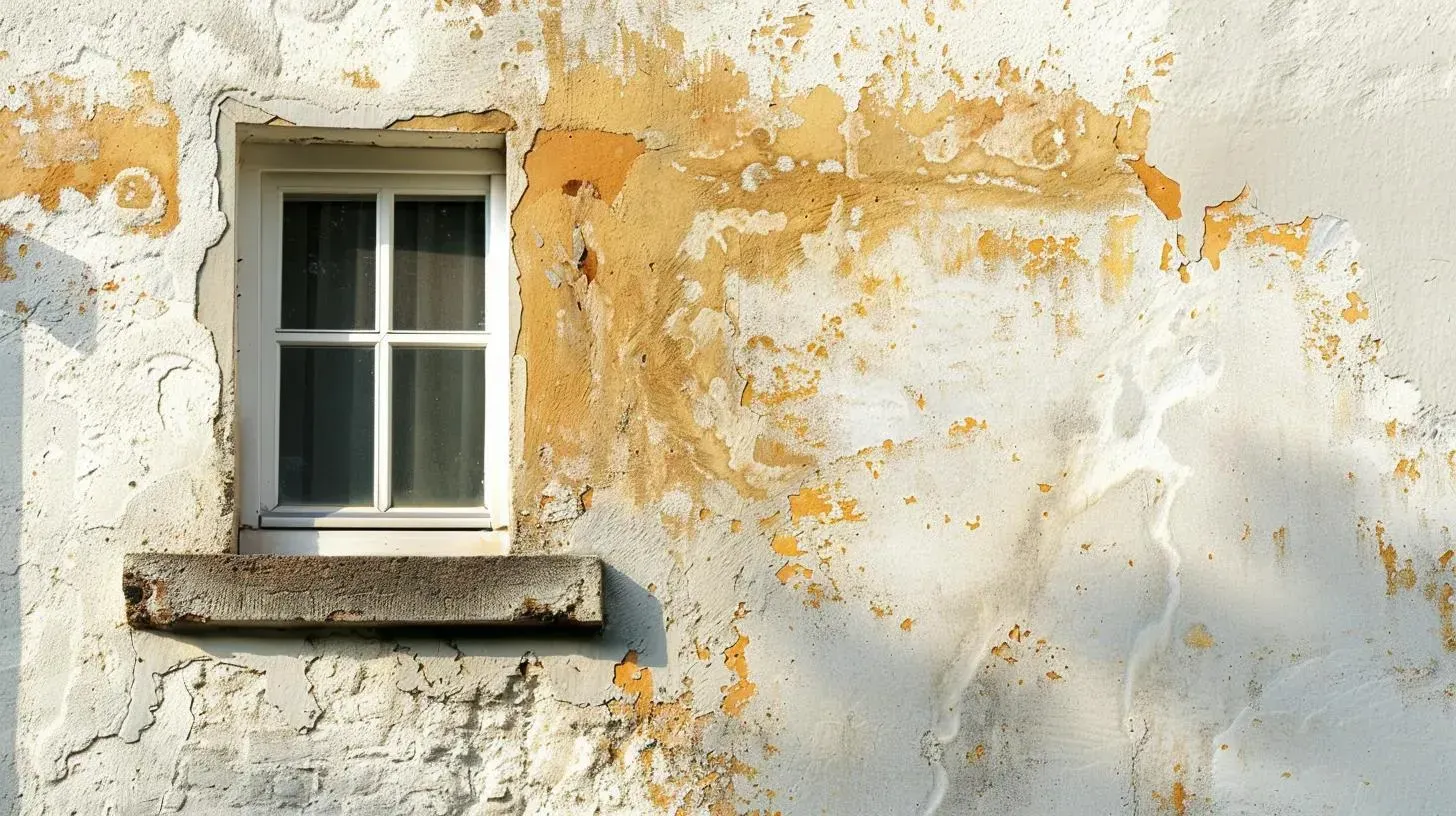
Another critical clue is efflorescence, a white, chalky powder left on your walls. This residue forms when heavy, saturated dirt pushes water through the concrete. As the water evaporates inside, it leaves salt deposits behind, proving that outside pressure is stressing your foundation.
Recognizing these signs dictates whether you simply need a dehumidifier or a proper basement moisture barrier installation. When outside water is the culprit, your best defense starts externally by fixing your home's "umbrella" to stop leaks at the source.
Fixing Your Home's 'Umbrella' to Stop Leaks at the Source
Think of your roof and gutters as your home's umbrella. If that umbrella is clogged, a heavy rainstorm dumps hundreds of gallons of water straight down your walls. Therefore, cleaning gutters to prevent basement leaks remains your essential first step in keeping the lower level dry.
Because water instinctively follows the path of least resistance, it will immediately pool into the earth next to your house. You can easily disrupt this habit by applying the "10-foot rule" with inexpensive downspout extensions. These handy plastic tubes act as simple exterior perimeter drainage solutions, carrying roof runoff a full ten feet away from your foundation before releasing it into the yard.
Even with clear gutters, the surrounding dirt might actually be funneling moisture inward. Stopping water from entering basement areas requires grading soil away from foundation limits using these simple steps:
- Walk your perimeter to spot where puddles form against the concrete after rain.
- Measure the dirt's slope; the ground must drop six inches over the first ten feet.
- Shovel dense topsoil into low spots to create a firm, downward ramp.
Correcting these outdoor vulnerabilities removes the massive water weight pushing against your masonry. With your home's umbrella finally working, you can confidently head indoors to seal cracks from the inside.
Patching the Puddles: Sealing Cracks from the Inside
Once you confirm you are dealing with a standard settling crack rather than a shifting structural crack, you can safely tackle a small leak in basement wall surfaces yourself. Before applying patches, remember preparation is everything; sealants cannot stick to dusty, crumbling concrete.
Gather these essentials for your foundation leak repair toolkit:
- Stiff wire brush to scrub away loose debris
- Putty knife and a small bucket
- Safety goggles and rubber gloves
- Your chosen sealant
For walls actively weeping water, use hydraulic cement for active leaks. Unlike regular concrete, this specialized putty actually expands as it dries, sealing the breach perfectly like a cork wedged into a ship's hull. Just remember the three-minute rule: mix only a small handful at a time, because it hardens into solid rock within 180 seconds.
Dry, dormant gaps require different tactics like epoxy injection for foundation cracks, acting as heavy-duty superglue to bond masonry back together. You might also brush on crystalline coatings—a clever treatment that grows microscopic water-blocking crystals inside concrete pores—to fix leaking basement wall areas. Should moisture still force its way through these tough barriers, it is time to address hydrostatic pressure.
Beating Hydrostatic Pressure: When to Bring in the Big Guns
Sometimes patching fails because you are fighting "heavy dirt," where water-logged soil pushes against your home with massive force. This weight causes hydrostatic pressure foundation damage, squeezing groundwater through the easiest entry point. Water leaks through the basement cove joint—the natural seam where the concrete floor meets the wall—because of this intense, constant squeezing effect.
Effective basement seepage repair eventually shifts from merely blocking water to actively redirecting it. Professionals often tackle this by installing an interior weeping tile system beneath the floor slab. Think of this setup like a hidden gutter buried along your foundation's perimeter, instantly catching moisture before it ever reaches your drywall or carpets.
Captured water still needs an exit, making a sump pump essential if you live in an area with a high water table. This machine acts as the mechanical heart of your waterproofing, safely ejecting the incoming groundwater far into your yard.
Severe storms frequently cause power outages exactly when you need that pump most. Securing battery backup sump pump benefits ensures your machinery runs flawlessly even when the house goes dark, keeping things perfectly dry and ensuring a flood-free future.
Your Blueprint for a Flood-Free Future
You’ve successfully transformed your home from a vulnerable, leaky hull into a protected, dry fortress. Recognizing how heavy soil and water act outside allows you to confidently apply effective leaky basement solutions inside.
To permanently stop basement leaks, establish this simple 6-month seasonal routine:
- Clean your gutters and test your sump pump.
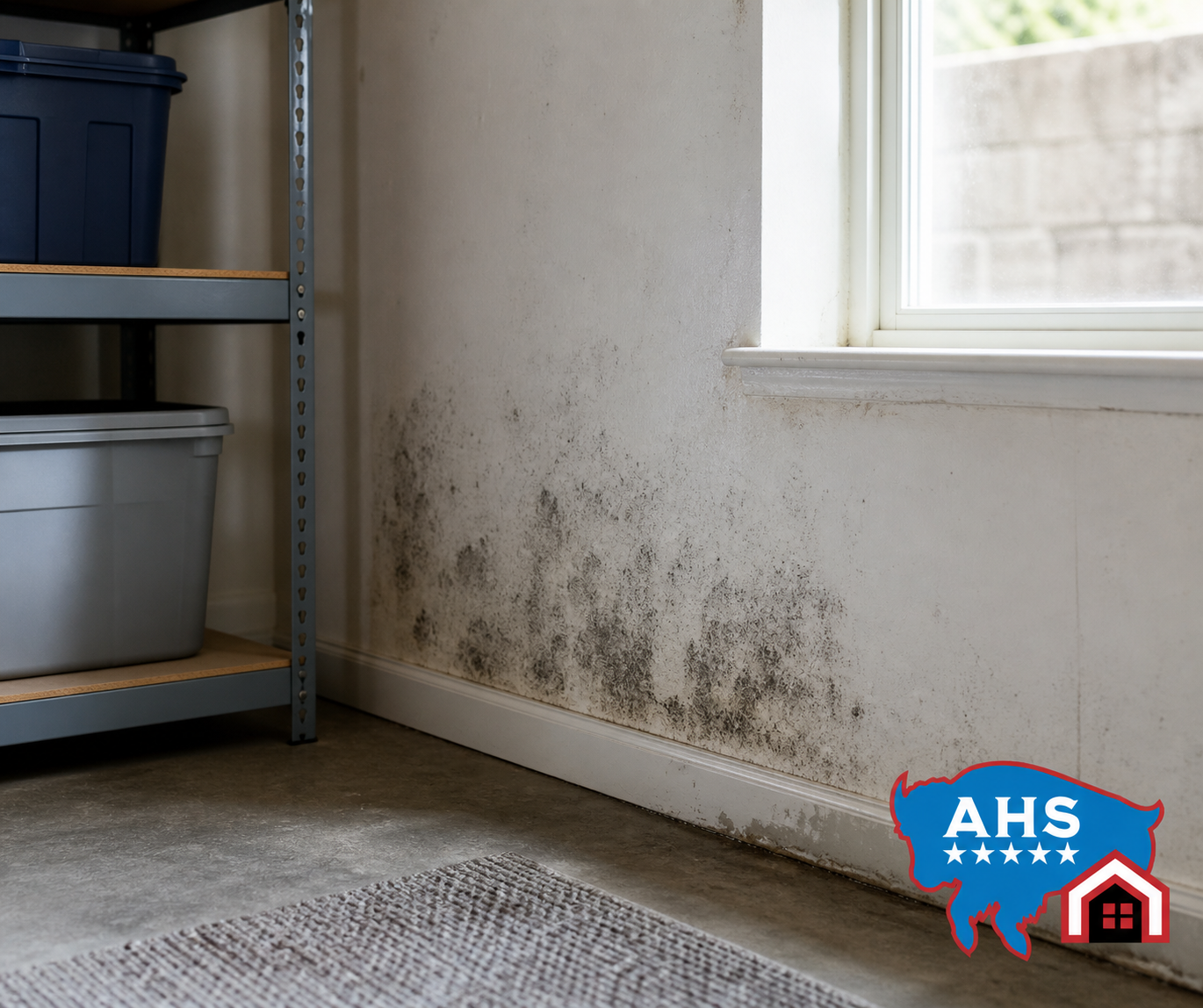
- Inspect concrete walls to catch minor dampness before it requires costly black mold remediation after flooding.
- Review your policy to answer: does homeowners insurance cover basement flooding? (Standard policies exclude it, so add a "water backup" rider).
If you discover severely bowing walls, stop your DIY efforts immediately and call a structural engineer. This proactive maintenance protects your property value and ensures lasting peace of mind.