You usually cannot date water damage with perfect precision just by looking at it. What you can do is use the clues the material is giving you to judge whether the damage looks active and recent, older and repeated, or uncertain enough that you should stop guessing and get it inspected.
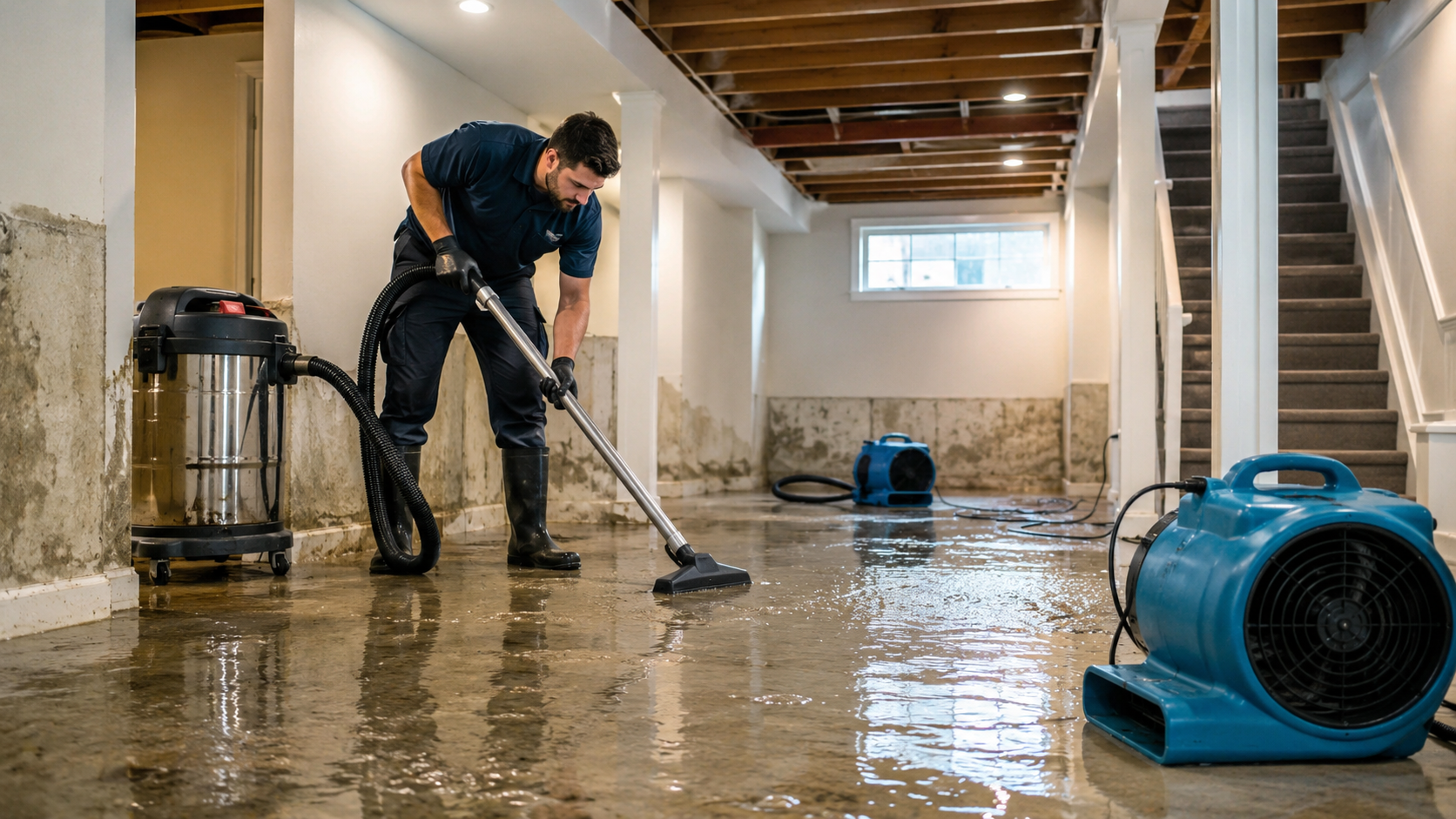
This guide focuses on one question only—whether a stain, damp area, or damaged material appears new or old—and is not a full insurance article, mold-remediation guide, or general “signs of water damage” list; if the area is still wet or spreading and you need emergency help in Denver, the appropriate next step is water damage restoration services.
What is the quickest way to tell if water damage looks new or old?
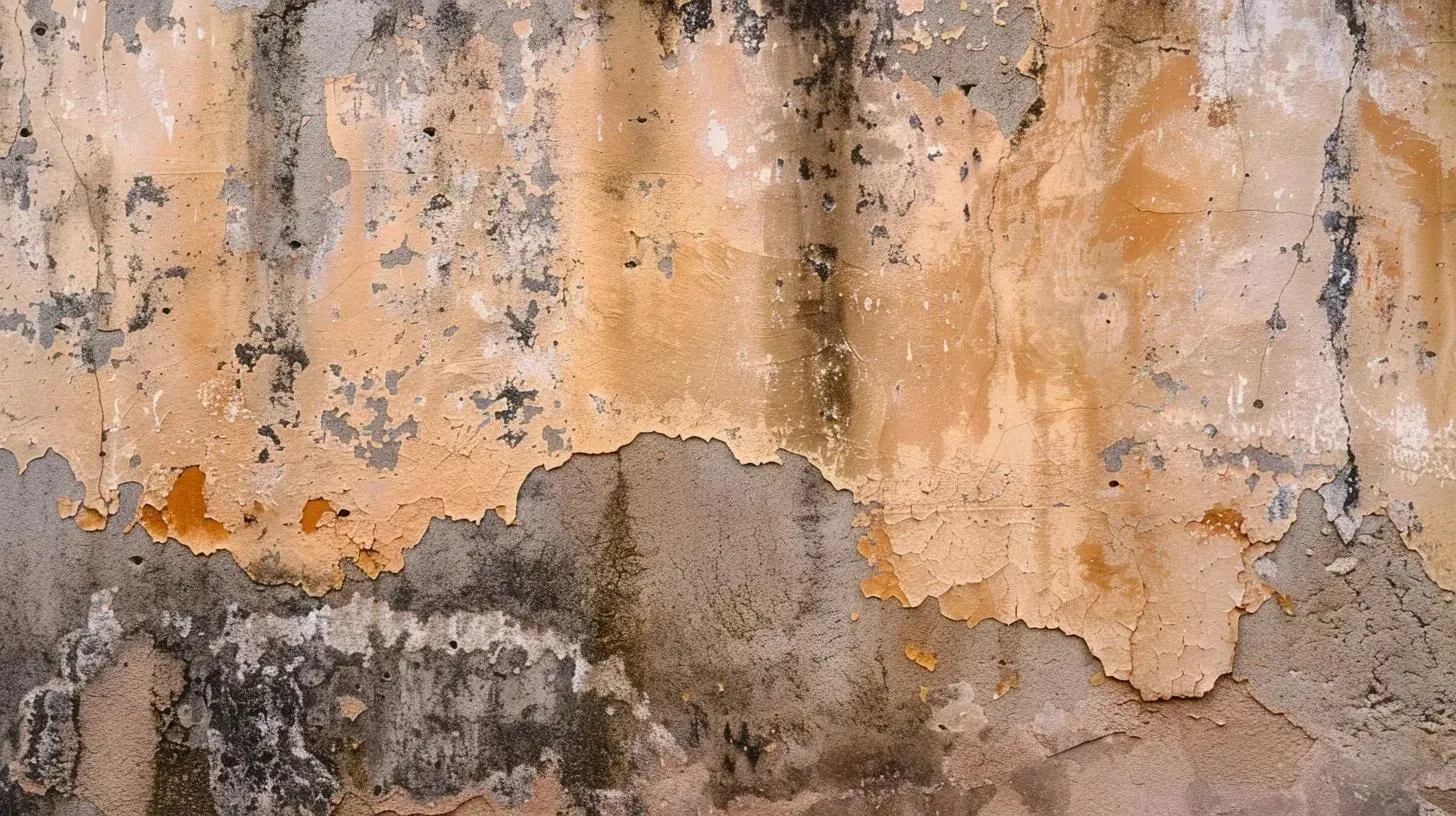
The quickest rule of thumb is this: newer water damage usually looks darker, feels wetter, and has sharper edges. Older water damage is more likely to look yellow, tan, or brown, feel dry or brittle at the surface, show ring patterns from repeated wet-dry cycles, and come with odor, peeling, or material breakdown.
That rule is useful, but it is not final proof. Water damage can look old and still be active, or look minor on the surface while moisture is still trapped behind it. The goal is not to become certain from one clue. The goal is to judge whether this looks recent, long-standing, or uncertain enough that you need proper moisture inspection.
| Clue you notice | More consistent with newer damage | More consistent with older damage | Why it matters |
|---|---|---|---|
| Color | Darker, freshly discolored, sometimes gray-brown or deep brown | Yellow, tan, brown, chalky, or faded | Materials often lighten or oxidize as the damage ages |
| Touch / texture | Damp, cool, wet, soft but still intact | Dry, brittle, flaky, crumbly, or chronically swollen | Surface condition changes as water cycles or materials degrade |
| Stain pattern | Sharper edges, fewer rings | Multiple rings, blurred edges, repeated tide marks | Repeated wet-dry cycles often leave layered stain patterns |
| Smell | Little or no odor yet | Musty or earthy smell is more likely | Long-term moisture exposure is more likely to create odor issues |
| Material condition | Fresh bubbling, swelling, or new sagging | Peeling paint, cracked drywall, delaminated trim, recurring warping | Older damage often leaves more breakdown behind |
Why can water stains look old even when the leak is still active?
Because the stain is not the same thing as the leak. A ceiling or wall stain may have started weeks ago, dried, and then become active again. Or a stain may look faded while moisture is still present behind the finish.
That is why visual age and current moisture are related but not identical. A yellow ring does not automatically mean the problem is over. It may simply mean the area has been getting wet, drying, and getting wet again.
What do newer water damage signs usually look like?
Newer water damage often looks darker and feels more obviously wet. The material may still be firm around the edges, but the damaged area can feel cool, damp, or soft. The stain may have one main dark patch without multiple older rings surrounding it.
SERVPRO’s water-damage age guide says that if the area is still wet and the surrounding wall or ceiling is still firm, the damage is more likely to be new, while a dark spot with no rings tends to suggest a newer event.
What do older water damage signs usually look like?
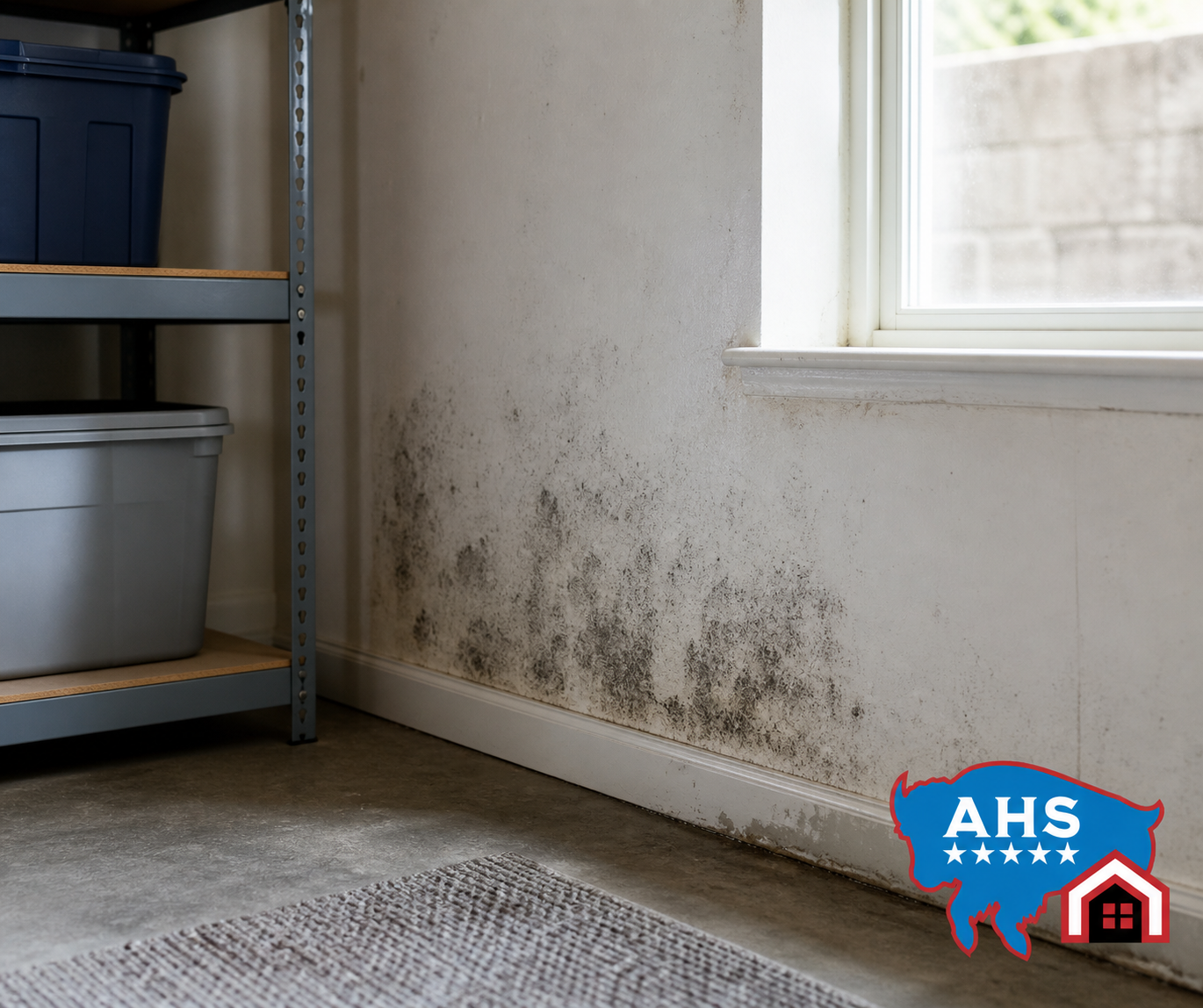
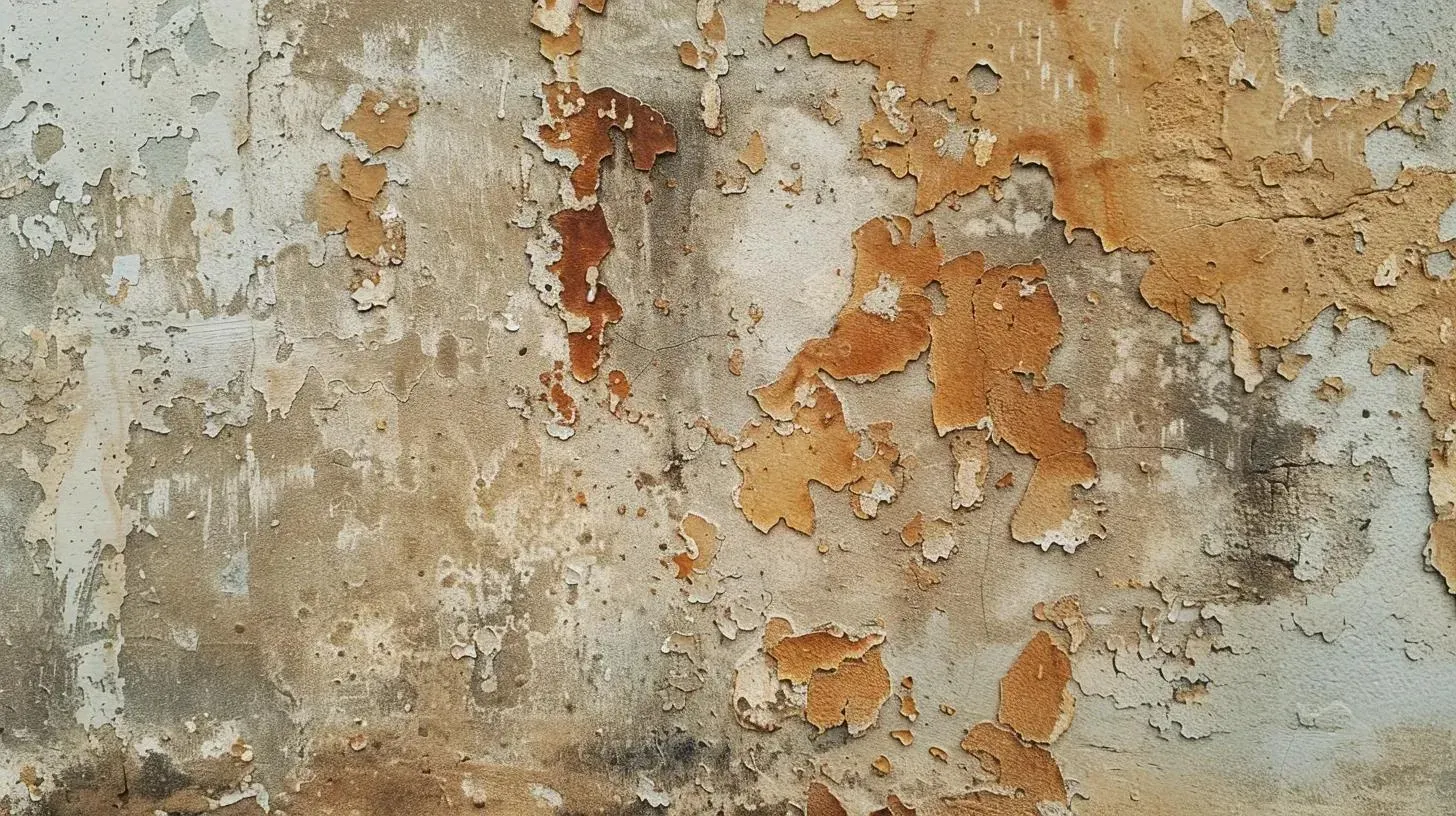
Older water damage is more likely to show repeated rings, lighter yellow or brown staining, peeling paint, brittle drywall, a musty smell, or chronic swelling in trim, flooring, or cabinets. The surface may even feel dry while the material still shows the history of repeated moisture.
ServiceMaster’s old-vs-new guide describes older damage as more likely to look yellow or tan with visible rings, feel drier or more brittle, and develop odor over time.
Restoration1 also describes older stains as more yellowish or brownish, while newer damage appears darker and wetter.
Are water rings a reliable clue?
They are one of the better visual clues, but they are still only a clue. Multiple rings often suggest the area has gone through repeated wet-dry cycles rather than one fresh event.
SERVPRO’s guidance on identifying whether water damage is new or old explains that a dark spot without rings often indicates newer damage, while multiple rings of different shades suggest the area has been repeatedly soaked and dried—often pointing to an intermittent issue rather than a fully resolved one.
What materials show age most clearly?
Some materials tell the story faster than others. Drywall, painted ceilings, trim, particleboard cabinets, laminate edges, and wood flooring often show age clues more clearly than tile or other non-porous finishes.
Material-check checklist
- Look at drywall or ceiling texture for sagging, cracking, or flaking.
- Check paint for bubbling, peeling, or repeated stain outlines.
- Check baseboards and trim for swelling, separation, or soft spots.
- Look at cabinet bottoms and toe-kicks for puffing or edge breakdown.
- Check wood or laminate flooring for cupping, lifting, and darkened seams.
- Notice whether the area smells musty even when the visible surface looks dry.
- Compare the suspicious area with a similar unaffected area nearby.
- If the material feels dry but still looks altered, do not assume the moisture problem is finished.
Can mold help you tell whether the damage is old?
It can suggest longer exposure, but it still does not tell you the exact age. EPA guidance on mold and moisture in homes states that water-damaged areas should be dried within 24–48 hours to prevent mold growth, which means visible mold or a strong musty odor usually points to a longer or repeated moisture issue rather than a brand-new event.
The safer way to use mold as a clue is this: mold or odor can make “older or ongoing” more likely, but it should not be used as your only test.
What if the area looks dry now?
A dry-looking surface does not tell you whether the material beneath it is actually dry. That is where many homeowners misread the situation.
The Massachusetts guidance on moisture-measuring devices explains that those devices are used to determine moisture concentrations in building materials. In practice, that means a stain can look old while a moisture meter still shows elevated moisture in the material, or a stain can look dramatic while the material is no longer actively wet.
If you’re unsure where the water is coming from, the logical next step is leak detection services.
What does this look like in real life?
Real examples make this easier because water damage rarely announces its age cleanly.
Scenario 1: Ceiling stain with one dark center and no rings
A homeowner notices a brownish-dark ceiling spot below an upstairs bathroom. The center looks darker than the edges, the drywall still feels damp, and there are no obvious rings. That points more toward a newer or currently active problem than an old one.
The right next step is not just to repaint it. It is to figure out whether the leak is still active and whether moisture spread into the ceiling cavity.
Scenario 2: Yellow stain with rings and a musty smell
A homeowner finds a pale yellow stain in a hallway ceiling with multiple darker rings around it. The surface feels dry, but the paint is slightly peeling and the area smells musty when the HVAC has been off.
That pattern is more consistent with older or repeated water exposure. The visual dryness does not prove the issue is finished; it only suggests the staining has been there long enough to cycle over time.
What mistakes do homeowners make when judging old vs. new water damage?
The most common mistake is thinking color alone tells the full story. Darker often means newer, and yellowed rings often suggest older damage, but those clues can mislead you if the leak has been intermittent.
Another common mistake is assuming that dry to the touch means dry inside the assembly. A surface can feel normal while the wall base, cabinet bottom, subfloor, or ceiling cavity still holds moisture.
A third mistake is waiting because the stain “looks old anyway.” Old-looking damage can still point to an active or recurring source that needs attention.
Red flags that mean you should stop guessing
- The stain is growing, darkening, or changing after rain or fixture use
- The area smells musty or earthy
- The drywall, trim, or cabinet edge feels soft, swollen, or brittle
- There are multiple rings or obvious repeated stain outlines
- The room still feels humid even when the visible surface looks dry
- The source is unknown
- The area is near plumbing, an appliance, a roof line, or a bathroom above
- You see any sign that the damage may be both old-looking and still active
When should you get professional confirmation instead of relying on appearance?
You should get confirmation when the source is unknown, when the area may still be active, when the material is layered or hidden, or when the answer matters for repair planning. Moisture-meter readings and inspection are much more useful than guessing when the stain is on a ceiling, inside cabinetry, around flooring seams, or anywhere a leak could be recurring behind the finish.
If you want a Denver team to determine whether the damage is active, old or both check -
Water Damage Restoration Services.

FAQ: how to tell if water damage is new or old
Does yellow water staining always mean the damage is old?
Not always, but yellow or tan stains with rings are more consistent with older or repeated exposure than a fresh dark spot.
Can new water damage have no odor?
Yes. Musty odor is more often associated with longer or repeated moisture exposure than with a very recent event.
Can old-looking water damage still be active?
Yes. A stain can look old because it has dried before, but the source may still be active or intermittent.
Is a moisture meter better than guessing by color?
Yes. Visual clues help, but moisture readings are much better for deciding whether material is still wet.
Should I paint over an old-looking stain if it feels dry?
Not until you are confident the source is fixed and the material is actually dry. Painting too early can hide a recurring problem instead of solving it.
Final takeaway
The best way to think about old versus new water damage is not as a perfect visual diagnosis, but as a decision tool. Darker, wetter, sharper stains tend to look newer. Yellowed, ringed, peeling, musty, or brittle areas tend to look older or repeated. But the most important question is not just how old the stain looks. It is whether moisture is still present or the source is still active.
If you need emergency water damage restoration or inspection help in Denver, check out the
water damage restoration
service page.