Emergency Water Removal in Denver: What Homeowners Should Do First
Water damage can strike unexpectedly, leaving homeowners in Denver feeling overwhelmed. Whether it's basement flooding or a burst pipe, quick action is crucial.
The first steps you take can significantly impact the extent of the damage. Acting swiftly can prevent mold growth and further property issues.
Safety should always be your top priority. Before entering a flooded area, ensure it's safe, especially if electrical systems are involved.
Documenting the damage is essential for insurance claims. Photos and videos provide a clear record of the situation.
Contacting your insurance company promptly can help streamline the claims process. Understanding your policy will clarify what is covered.
Professional emergency water removal services can make a significant difference. They have the expertise and equipment to handle the situation effectively.
Why Immediate Action Matters for Water Damage in Denver
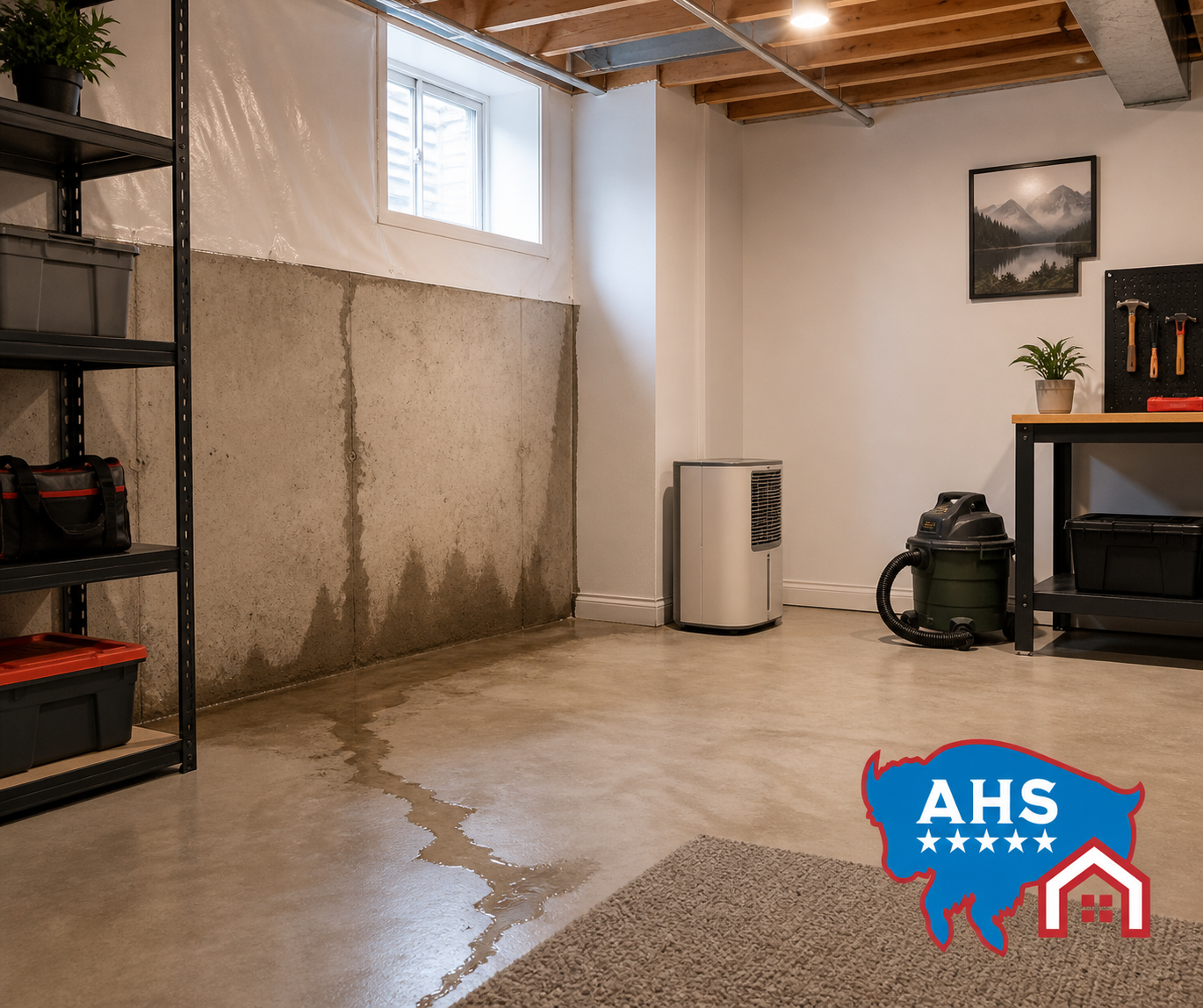
When water damage occurs, time is of the essence. Delay can exacerbate problems, turning minor issues into major headaches. In Denver, timely intervention is critical due to unique climate challenges, including heavy rains and snowmelt.
Taking prompt action can help minimize structural damage. Water can weaken foundations, walls, and floors if left unattended. The longer water sits, the higher the risk of costly repairs.
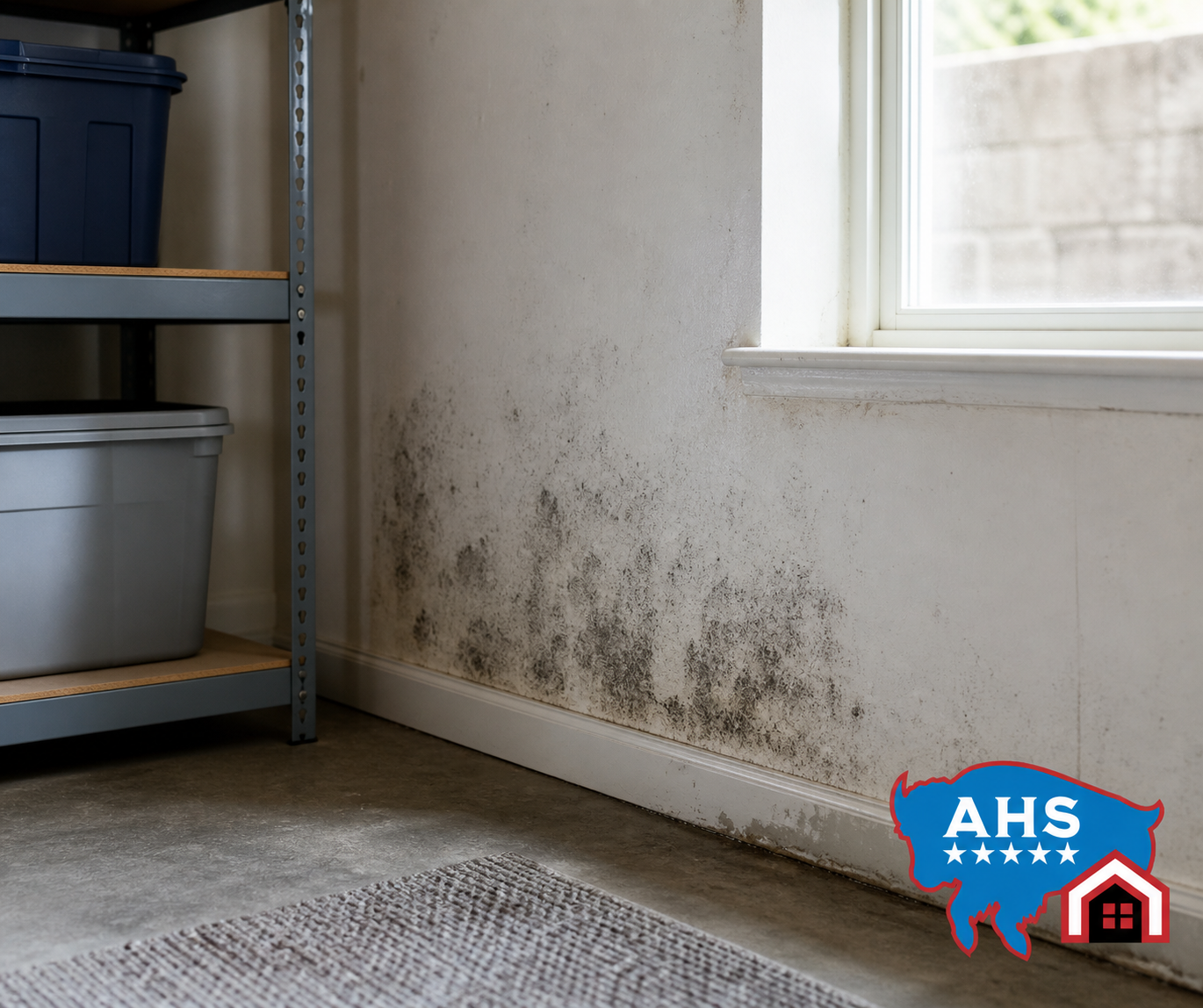
A quick response also prevents mold growth. Mold thrives in moist environments and can spread rapidly. Once it takes hold, it becomes more difficult and expensive to remove.
Consider these key reasons for immediate action:
- Reduce repair costs
- Prevent mold and mildew
- Preserve property value
Securing professional emergency water removal can safeguard your home. Experts in Denver are familiar with local conditions and provide efficient solutions. Fast action isn't just recommended—it's essential.
Safety First: Protecting Your Family and Property
Safety should always be your first concern during water damage incidents. Entering a water-damaged area can pose serious risks. Start by ensuring the electricity is off in the affected zones to avoid electrical hazards.
Check for structural instability before you proceed. Water can significantly compromise structural integrity, making areas unsafe. If you're uncertain, consult a professional before entering any damaged parts of your home.
Be on the lookout for signs of contamination. Water from floods may carry harmful pathogens and debris. Always wear protective gear like gloves and waterproof boots.
Consider these safety tips:
- Turn off electrical power
- Avoid unstable structures
- Wear appropriate gear
Prioritize your family's safety above all else. Once you're sure everyone is safe, proceed to the next steps with caution.
Step-by-Step: What to Do When You Discover Water Damage
Finding water where it shouldn't be can be overwhelming. Stay calm and follow these steps to manage the situation effectively. First, if you haven't already, shut off the water source. This can help prevent further leakage.
Next, assess the immediate area. Determine the extent of the damage and whether any items can be salvaged. Move undamaged valuables to a dry, safe spot if possible.
Promptly document the damage with photos and videos. These images are crucial for any insurance claims you may need to file. Take clear shots from different angles to capture all affected areas.
Contact your insurance provider without delay. Reporting the damage promptly helps start the claims process. Provide them with a detailed account and the documentation you've gathered.
Now it's time to call in the professionals for emergency water removal. They have the necessary equipment to properly extract water and dry your property. Professionals ensure safe and thorough cleanup.
Start ventilating the area by opening windows and doors. This helps reduce moisture levels and prevents mold growth. Use fans and dehumidifiers if you have them available.
Here's a quick checklist of initial actions:
- Shut off water sources
- Move valuable items
- Document the damage
And once that's done:
- Contact insurance
- Call for professional help
- Start ventilation
Remember, taking swift action can mitigate long-term damage and reduce recovery costs.
by National Cancer Institute (https://unsplash.com/@nci)
Documenting the Damage for Your Insurance Claim
Thorough documentation is key to a successful insurance claim for water damage. Start by taking clear photographs and videos of all the affected areas. Ensure you capture both close-ups and wide shots to show the extent of the damage.
Include any damaged belongings in your photos. Don’t forget to document serial numbers or any distinguishing marks. This can be vital for the claims process.
Keep a detailed record of all communications related to the damage. This includes emails and notes from phone conversations with your insurance provider and restoration professionals. Ensure you save receipts for any temporary repairs or emergency expenses you incur.
Create a detailed inventory of all damaged items. List each item, its condition, and approximate value. This inventory aids in establishing the extent of your loss.
Thorough documentation can support your case and expedite the claims process. Here’s a checklist to ensure you have it all:
- Photos and videos of damage
- Detailed inventory with item values
- Records of all communications
- Receipts for expenses
by Dima Khudorozhkov (https://unsplash.com/@payperlook)
Understanding Emergency Water Removal and Extraction
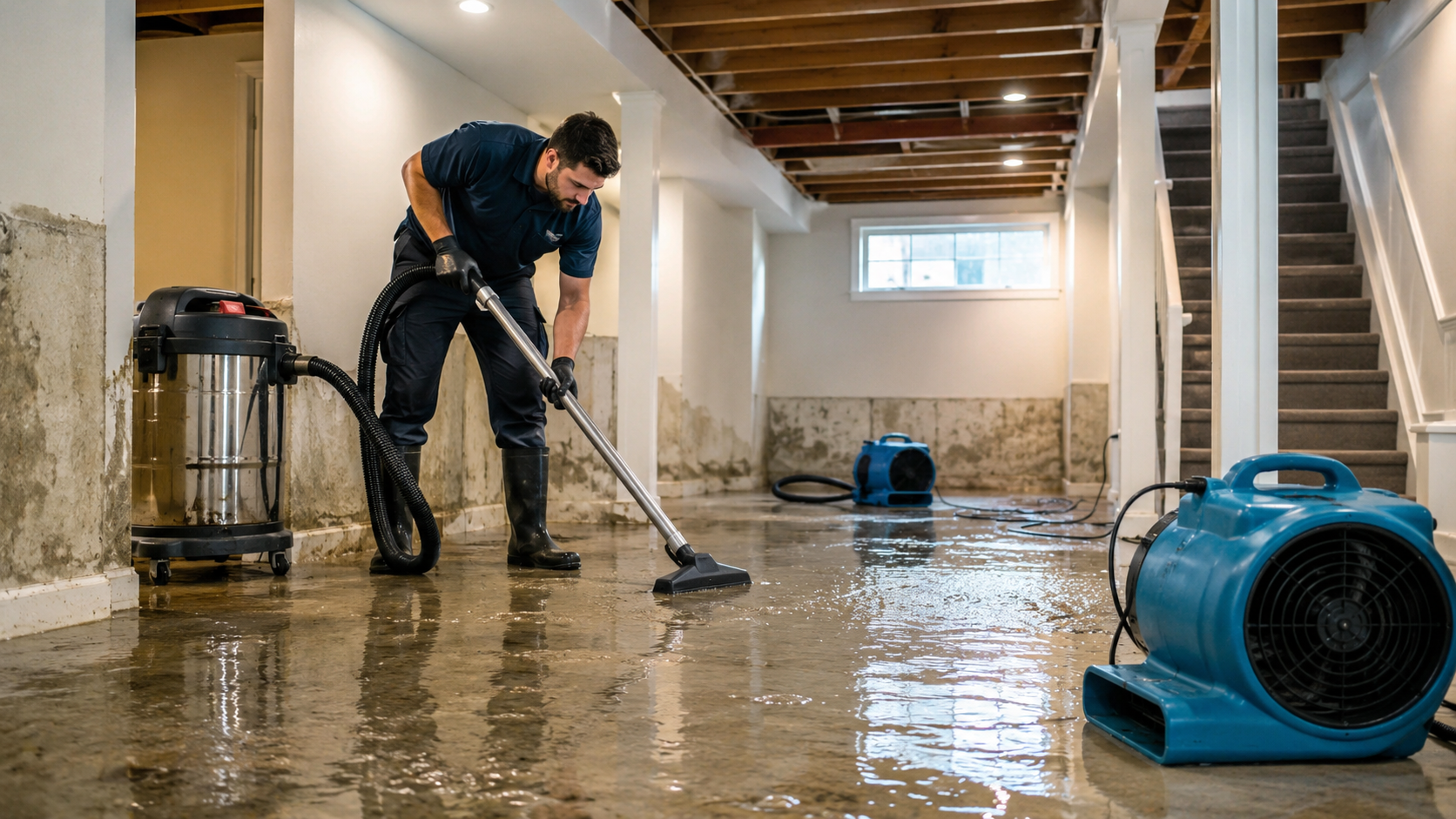
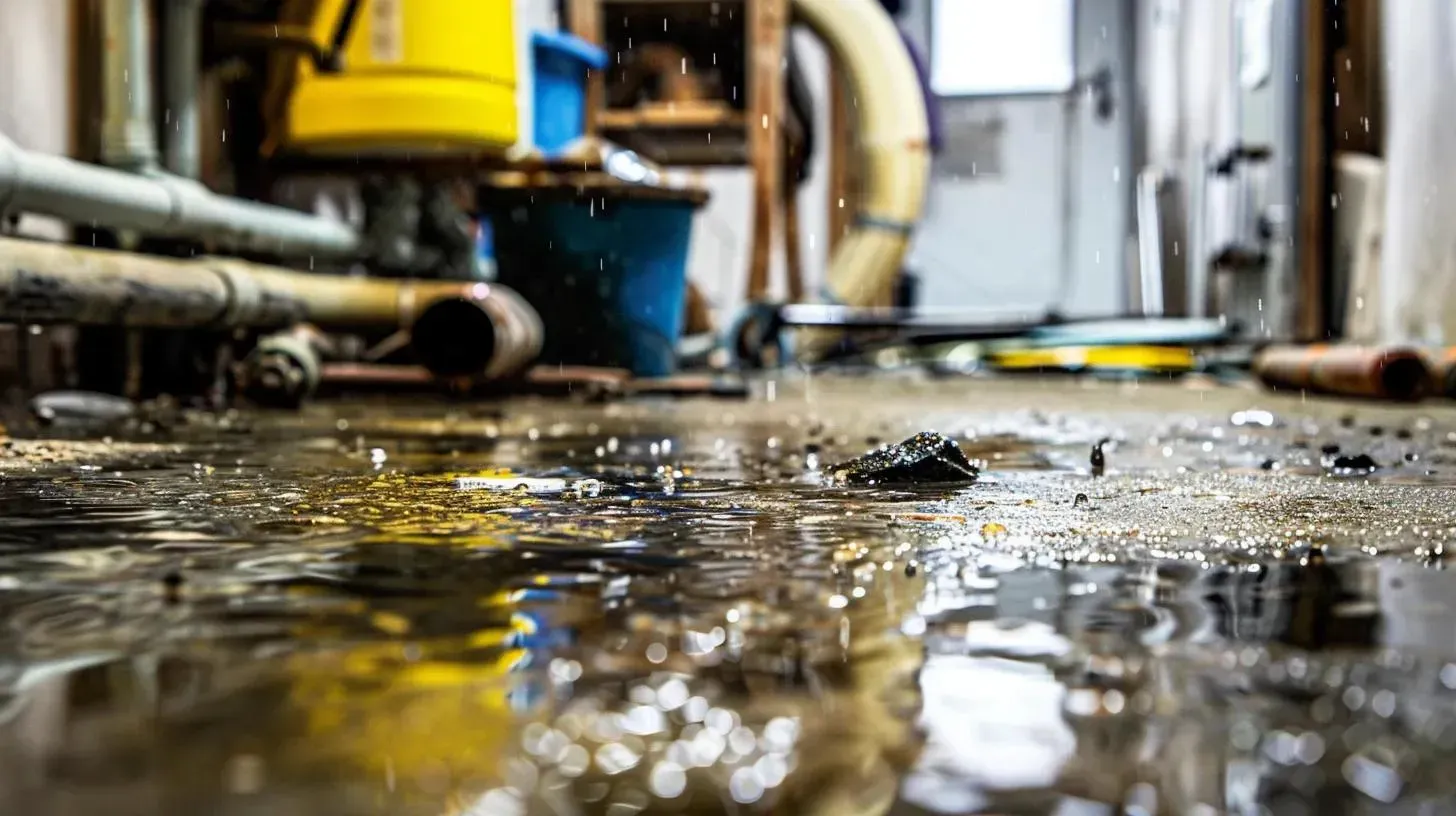
Emergency water removal is the first step in preventing further damage to your home. It involves quickly extracting standing water to mitigate potential issues. This process requires specialized equipment to handle the removal efficiently.
Professional restoration companies are equipped with high-powered pumps and vacuum units. These tools are essential for effective water extraction from floors, carpets, and enclosed spaces. It's more than just mopping up a mess.
Timely removal is critical in preventing structural damage and mold growth. Mold can begin forming within 24 to 48 hours if moisture remains. That's why experts stress the importance of quick action.
Before professionals arrive, try to stop the water source if it's safe to do so. Knowing where your main water shut-off valve is located can save precious time. Stay clear of affected areas until safety is assured.
Effective water extraction includes:
- Using industrial-grade equipment
- Prioritizing safety first
- Minimizing risk of mold growth
by Ronit Shaked (https://unsplash.com/@ronit_sha)
Why Professional Emergency Water Cleanup Is Essential
Handling water damage on your own can lead to overlooked issues. Professional emergency water cleanup ensures thorough, efficient work. Experts have the skills and tools to find hidden moisture.
Moisture can hide in walls and under flooring. Professionals use advanced techniques to detect it. This prevents future mold growth and structural problems.
Expert cleanup services involve not just water removal, but complete drying and dehumidification. These steps are crucial in avoiding long-term damage and improving indoor air quality.
A proficient cleanup team will handle complex situations. They can distinguish between clean, gray, and black water. Each category requires different approaches for safety.
Partnering with experts offers peace of mind. You'll get a comprehensive service that ensures your home is safe and dry.
Benefits of professional cleanup include:
- Complete moisture detection
- Safe handling of various water types
- Expert drying and dehumidification
by Dillon Wanner (https://unsplash.com/@dillydallying)
The Restoration Process: What to Expect from Start to Finish
Understanding the restoration process can reduce stress and uncertainty. From initial contact to final repairs, each step matters. Here's what homeowners in Denver should expect.
First, a professional team will assess the damage. They inspect the home to outline a customized restoration plan. Accurate assessment ensures effective treatment.
Next, the emergency water removal begins. Using advanced equipment, experts extract standing water. Quick removal prevents further damage.
Following extraction, they focus on drying and dehumidification. Specialized gear ensures thorough drying to thwart mold growth. This step is essential in stabilizing the property's condition.
Finally, the restoration crew repairs and sanitizes the affected areas. This involves fixing damaged structures and ensuring a safe environment. The home returns to its pre-damage state.
Expect the following steps in a professional restoration process:
- Initial damage assessment
- Water extraction
- Drying and dehumidification
- Repairs and sanitization
by Olek Buzunov (https://unsplash.com/@olek_bznv_photo)
Working with Insurance: Tips for a Smooth Water Damage Insurance Claim in Colorado
Navigating a water damage insurance claim can be daunting. Understanding your policy details is a key first step. Knowing what's covered helps manage expectations.
Prompt communication with your insurance company is crucial. Inform them about the damage as soon as possible. Timely reporting can expedite your claim.
Document every stage of the process. Photos, videos, and detailed notes are invaluable. Accurate records support your claim and can prevent disputes.
Consider working with professional restorers for comprehensive documentation. Restoration experts can provide necessary paperwork. This aids the claim process and ensures nothing is overlooked.
Here's a list to guide the process:
- Review your insurance policy
- Notify your insurer promptly
- Document damage thoroughly
- Use professional documentation services
by Vitaly Gariev (https://unsplash.com/@silverkblack)
Choosing the Right Emergency Water Removal Company in Denver
Finding the right emergency water removal company is vital. Look for one with a strong local reputation. Experience with Denver's unique challenges, like heavy snowmelt, is essential.
Ensure the company is licensed and insured. This provides security if something goes wrong during the restoration process. Additionally, being certified by industry organizations is a plus.
Ask for references or check online reviews. Customer experiences can offer insight into the company’s reliability and quality of work. Trust is key in stressful situations.
Consider these factors when choosing a company:
- Local expertise
- Proper licensing and insurance
- Positive customer feedback
by Dillon Wanner (https://unsplash.com/@dillydallying)
Preventing Future Water Damage: Local Tips for Denver Homeowners
Preventive measures can save you hassle and money down the road. Regular home maintenance is crucial. Begin by inspecting your roof, gutters, and downspouts for any issues.
Ensure your land slopes away from your home. This simple step helps prevent basement flooding in Denver by directing water away from the foundation.
Check your plumbing for leaks and fix them promptly. Familiarize yourself with the main water shut-off valve location. This can stop a minor leak from becoming a major problem.
Consider these preventive steps:
- Regularly inspect gutters
- Ensure proper land grading
- Monitor for plumbing leaks
These actions can make a significant difference in preventing water damage.
by Waz Lght (https://unsplash.com/@wazlght)
Conclusion: Taking Control After Water Damage
Water damage can feel overwhelming, but swift action makes all the difference. By taking immediate steps, from ensuring safety to contacting professionals, you can minimize harm to your home.
Understand that each stage, from documentation to emergency water cleanup, supports a smoother recovery. Staying informed equips you to handle emergencies with confidence and clarity.
Choosing a reliable water removal company is crucial. Trust local experts to guide you through the restoration process, restoring your peace of mind and home.