Emergency Water Removal in Denver: What Homeowners Should Do First
Water damage can strike unexpectedly, leaving homeowners in a stressful situation. Whether it's a burst pipe or a flooded basement, quick action is crucial. In Denver, where weather can be unpredictable, knowing what to do first can save time and money.
Safety should always be your top priority. Before entering a flooded area, ensure it's safe, especially if electrical systems are involved. Once safety is confirmed, try to stop the water source if possible. This can prevent further damage and make cleanup easier.
Documenting the damage is essential for insurance claims. Take clear photos and videos of the affected areas. This documentation will support your claim and help restoration experts understand the extent of the damage.
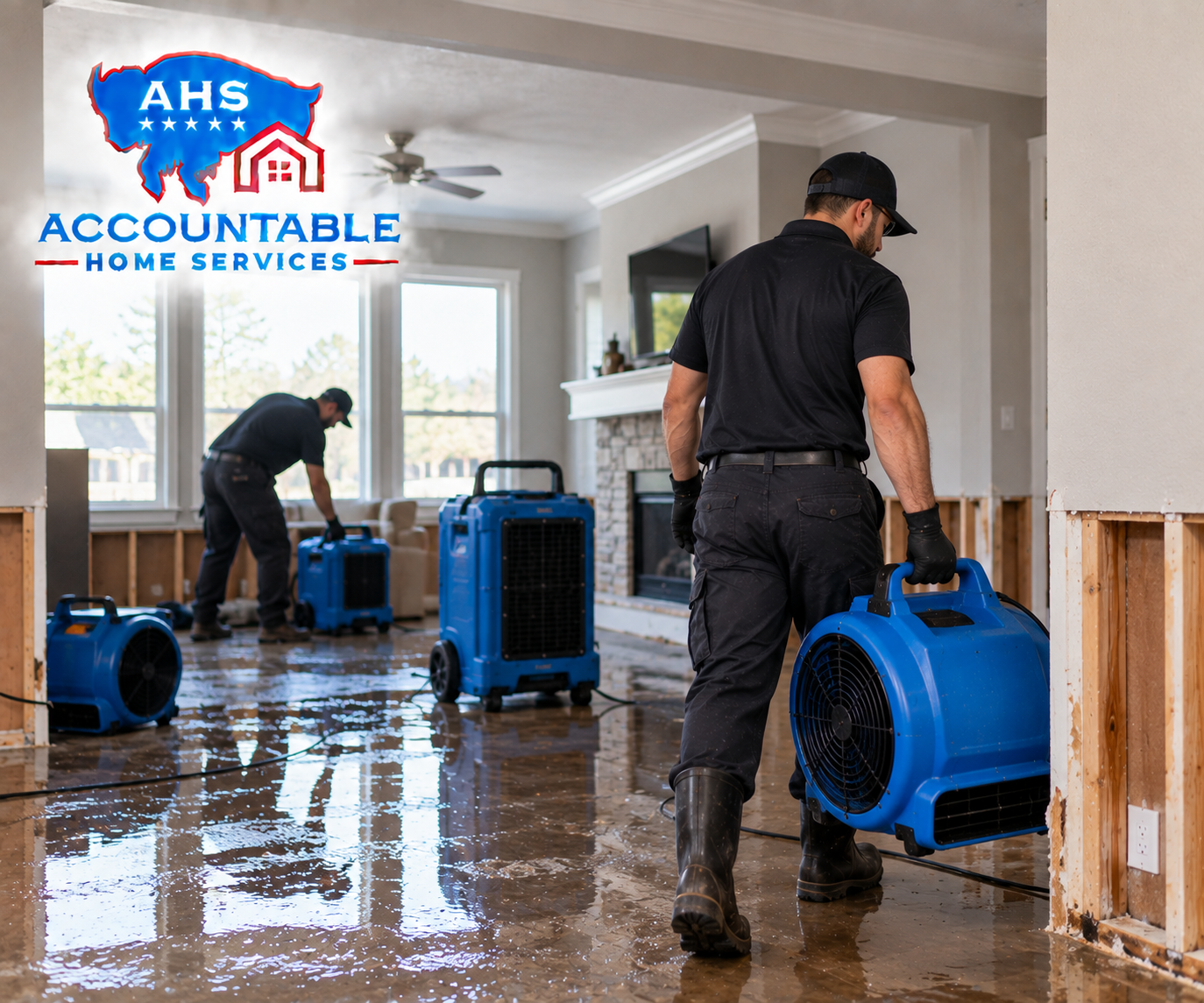
Professional emergency water removal services in Denver are equipped to handle these situations efficiently. They use specialized equipment for effective water extraction and drying. Acting quickly can prevent mold growth and structural damage, ensuring your home is restored to its pre-damage condition.
Understanding Emergency Water Removal: Why Speed Matters
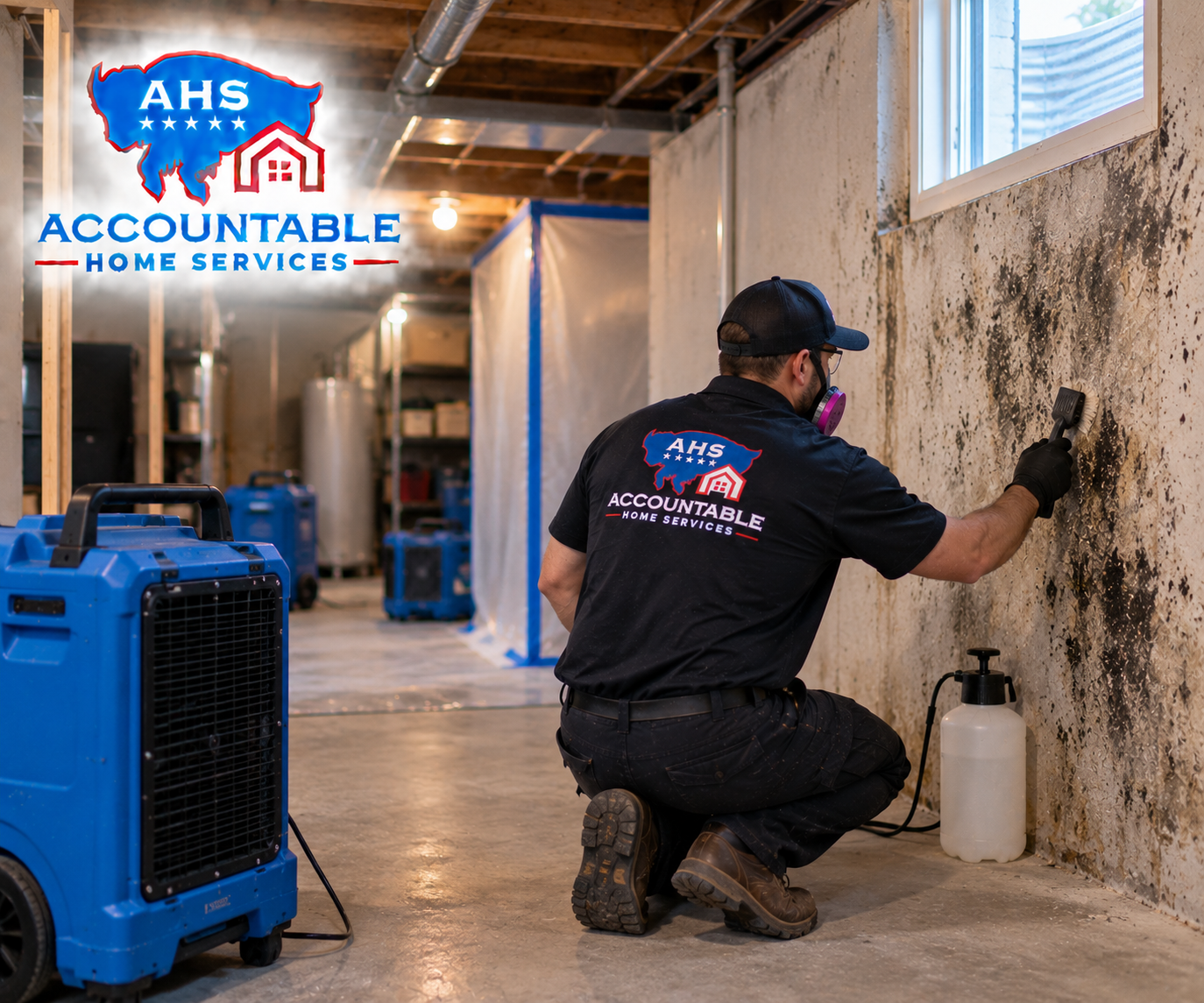
When water invades your home, every minute counts. Delays in addressing water damage can lead to more significant issues. Mold can start to grow within 24 to 48 hours in moist conditions, making speed a priority.
Water damage doesn't just affect visible surfaces. It seeps into walls, floors, and furniture. Rapid response is crucial to prevent widespread damage. This ensures that the affected areas are thoroughly dried and restored.
Professional emergency water removal in Denver is more than just extracting water. It's a comprehensive process. This involves drying, cleaning, and repairing to ensure your home is safe and sound.
Here's why quick action is imperative:
- Prevents mold growth: Mold thrives in damp environments.
- Reduces repair costs: Early intervention can limit damage.
- Preserves home structure: Water can weaken structural components.
by David Glessner | Photographer & Director (https://unsplash.com/@davidglessnerworks)
Restoration experts use advanced equipment designed for effective water extraction. Specialized pumps and dehumidifiers ensure thorough drying. Acting swiftly not only saves money but also preserves peace of mind.
First Steps for Homeowners: Safety and Immediate Actions
Safety is the top priority when water damage occurs. Before entering the affected area, ensure it's safe. Electrical hazards or unstable structures can pose serious risks.
If you can safely reach it, turn off the main water supply. This prevents further water from flooding your home. It's a simple step, yet crucial in mitigating further damage.
Next, disconnect any electrical appliances to prevent potential shock. Water and electricity are a dangerous combination. It's better to be overly cautious in these situations.
After securing the area, document the situation. Take clear photos and videos of the damage. This will be vital for insurance claims and helps professionals assess the situation accurately.
It’s essential to call a professional emergency water removal service in Denver as soon as possible. They can begin the water extraction process promptly, reducing further risks to your home.
Here are your immediate actions in a nutshell:
- Ensure the area is safe before entering.
- Shut off the main water supply.
- Disconnect electrical appliances.
- Document the damage thoroughly.
- Contact a professional water removal service.
by Maccy (https://unsplash.com/@jizhidexiaohailang)
Acting fast in the initial stages can save time and reduce repair costs down the line. Remember, professional help is a phone call away, and it’s the safest and most efficient option.
Common Causes of Water Damage in Denver Homes
Water damage is often unexpected but knowing the common causes can help you prepare. In Denver, certain issues are more prevalent due to local factors.
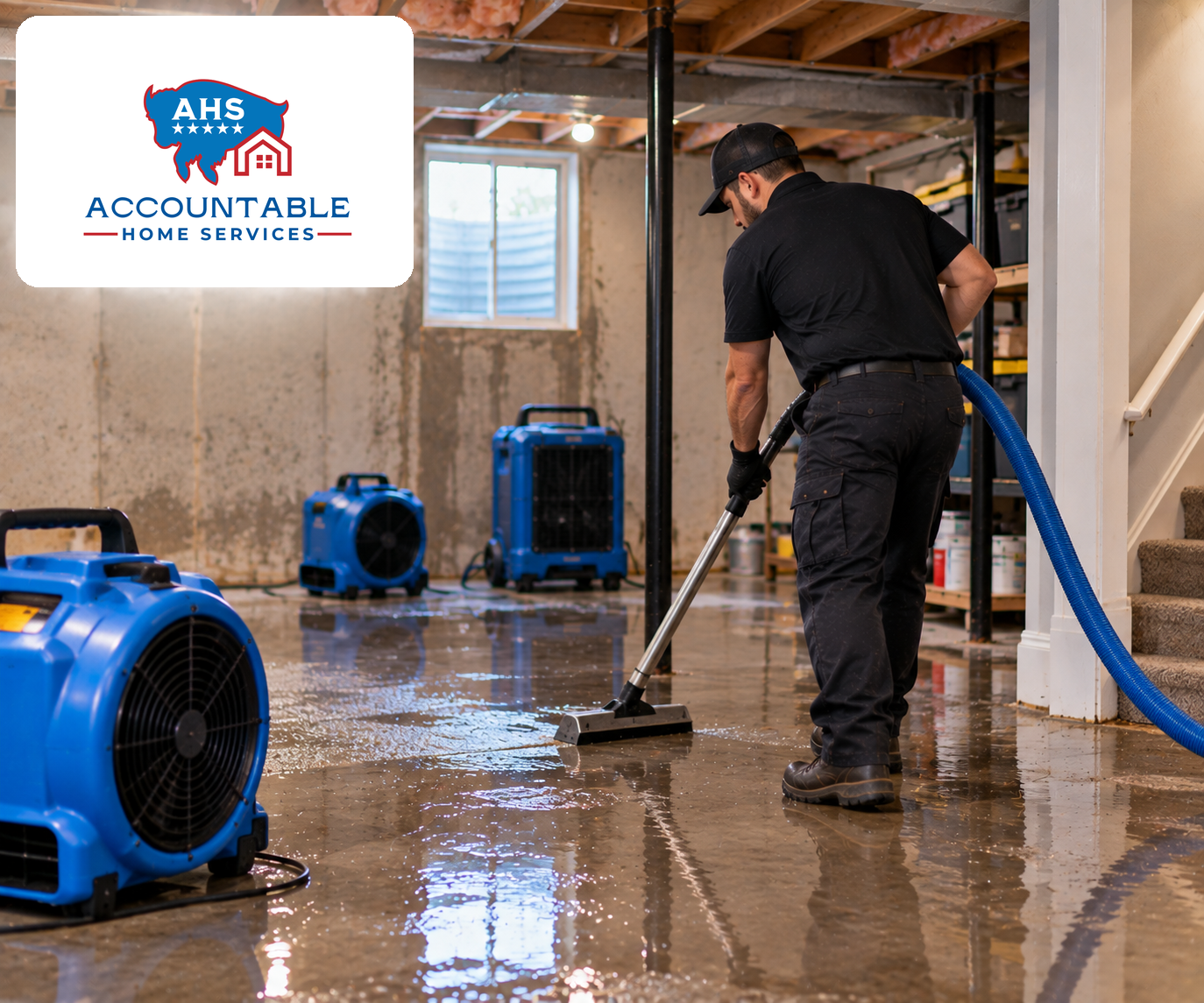
Basement flooding is a frequent concern, especially after heavy rains. The combination of rain and snowmelt can overwhelm drainage systems. This leads to water seeping into basements, causing damage.
Another common issue is sump pump failure. Many homes rely on sump pumps to keep basements dry. However, when they fail, flooding can occur rapidly.
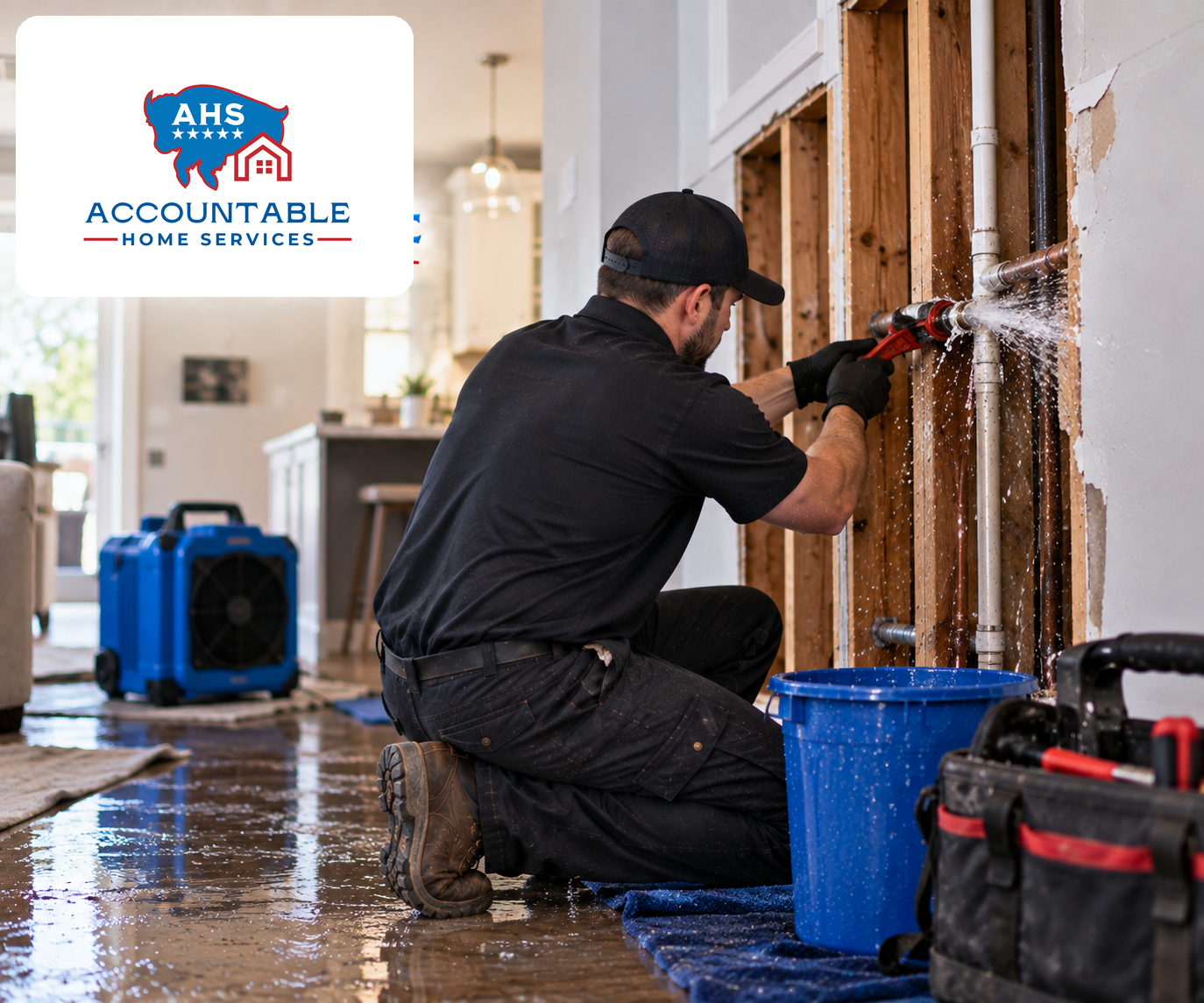
Burst pipes are also a significant cause of water damage. Cold temperatures can freeze pipes, causing them to crack. A burst pipe can release large amounts of water in a short time.
Appliance leaks are another frequent culprit. Water heaters, washing machines, and dishwashers can fail unexpectedly, leading to indoor flooding.
Here's a quick look at the common causes:
- Basement flooding due to rain or snowmelt
- Sump pump failures
- Burst pipes from cold temperatures
- Leaking appliances like water heaters
by Richard Burlton (https://unsplash.com/@richardworks)
Understanding these risks can help you take preventive measures. Regular maintenance and inspections are key to minimizing water damage in your home.
The Professional Emergency Water Removal Process Explained
When water invades your home, acting fast with a professional service is crucial. Emergency water removal experts in Denver offer efficient and thorough solutions.
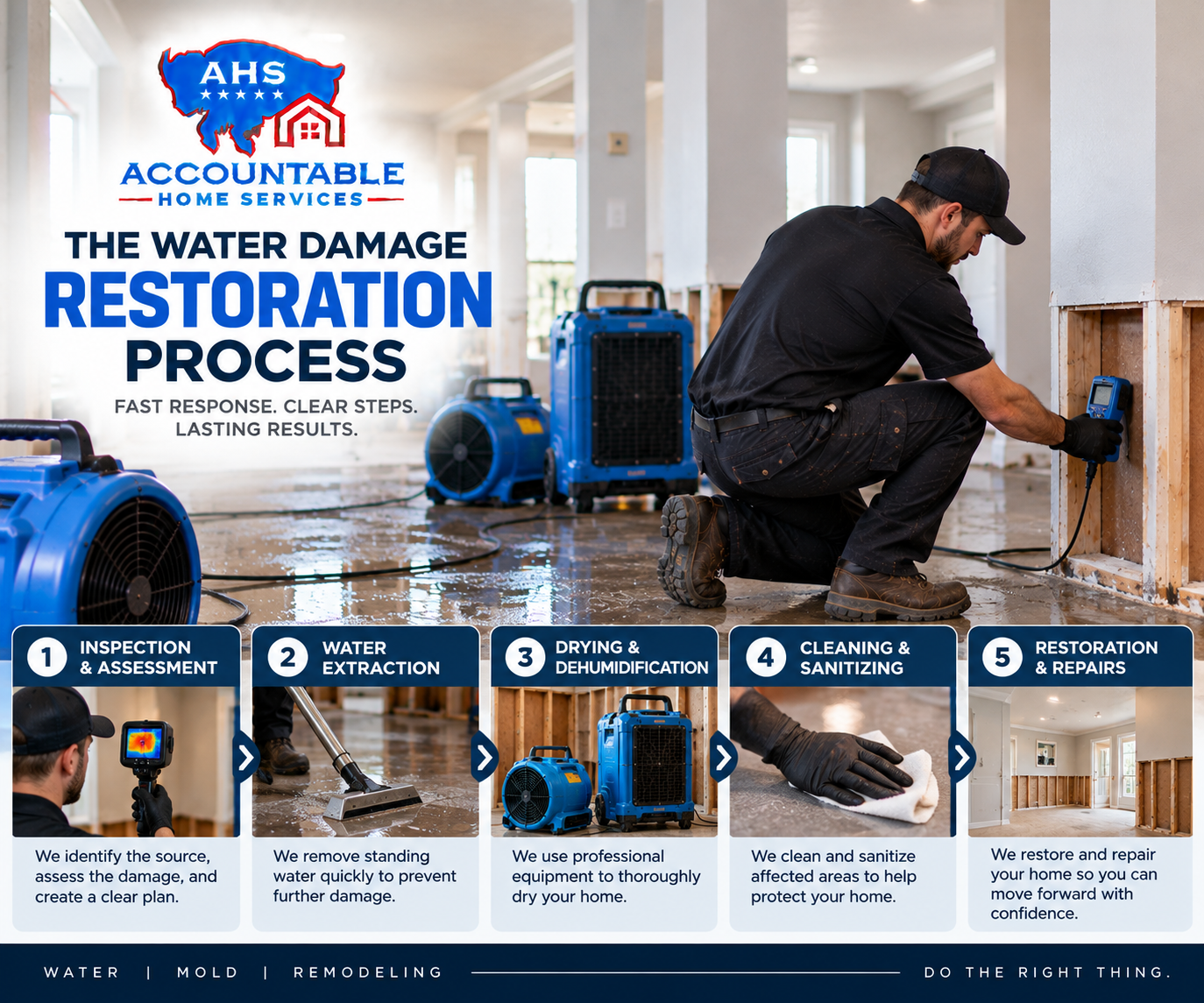
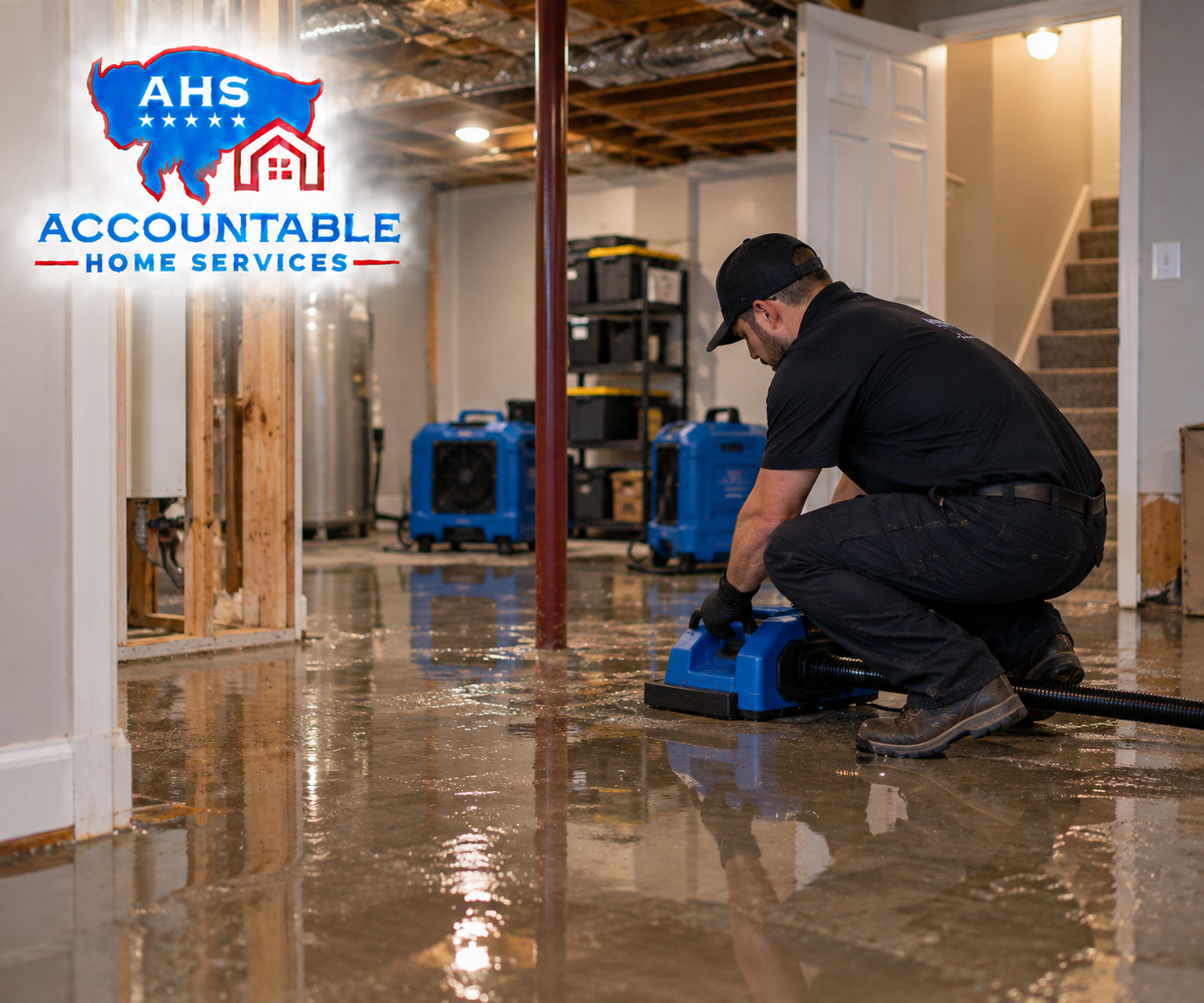
The first step in their process is water extraction. Specialized equipment is used to remove standing water swiftly. This helps prevent further damage and begins the drying process.
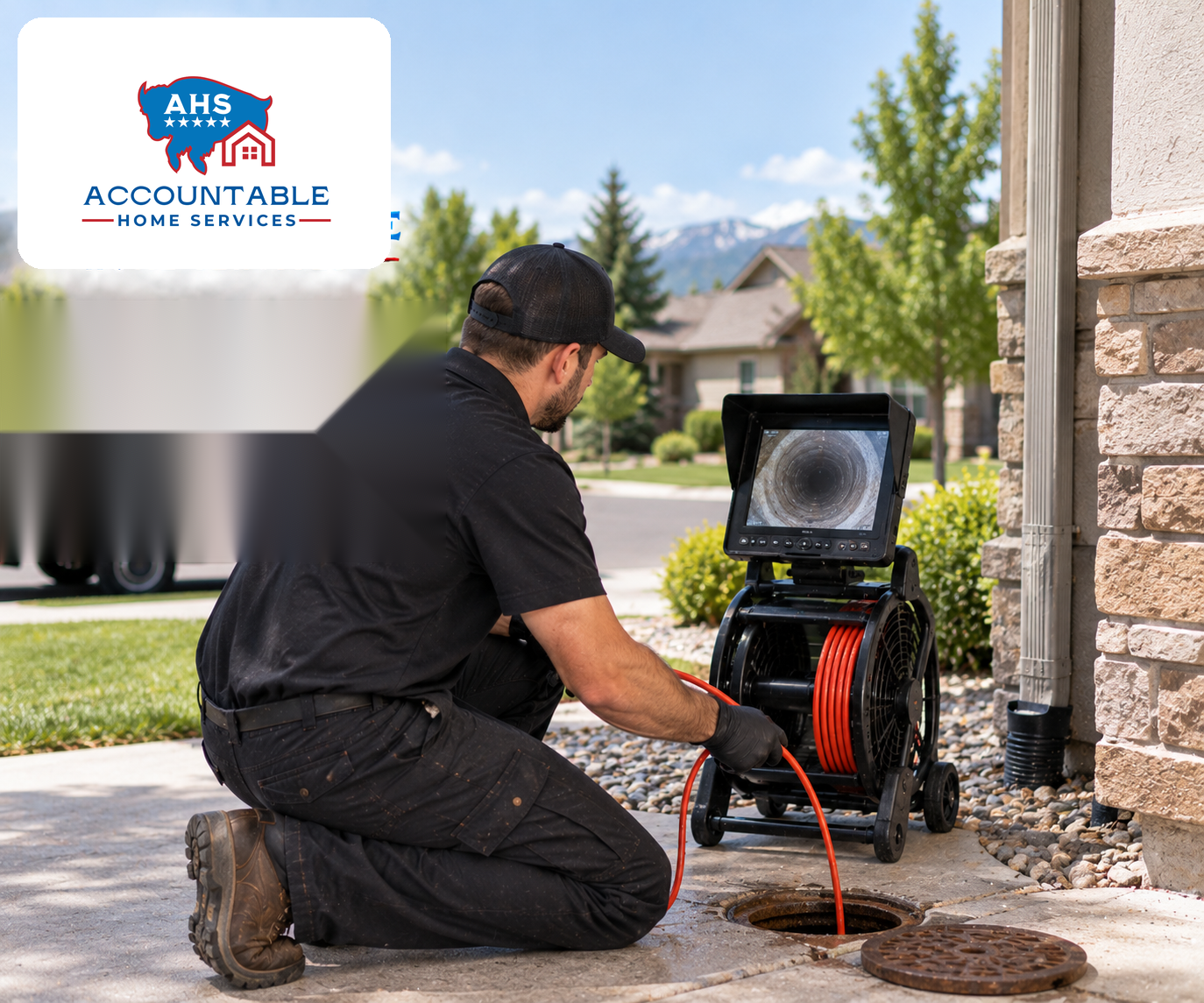
Next, they assess the moisture levels throughout affected areas. Professionals use advanced tools to detect moisture hidden in walls and floors. This step ensures that nothing is overlooked.
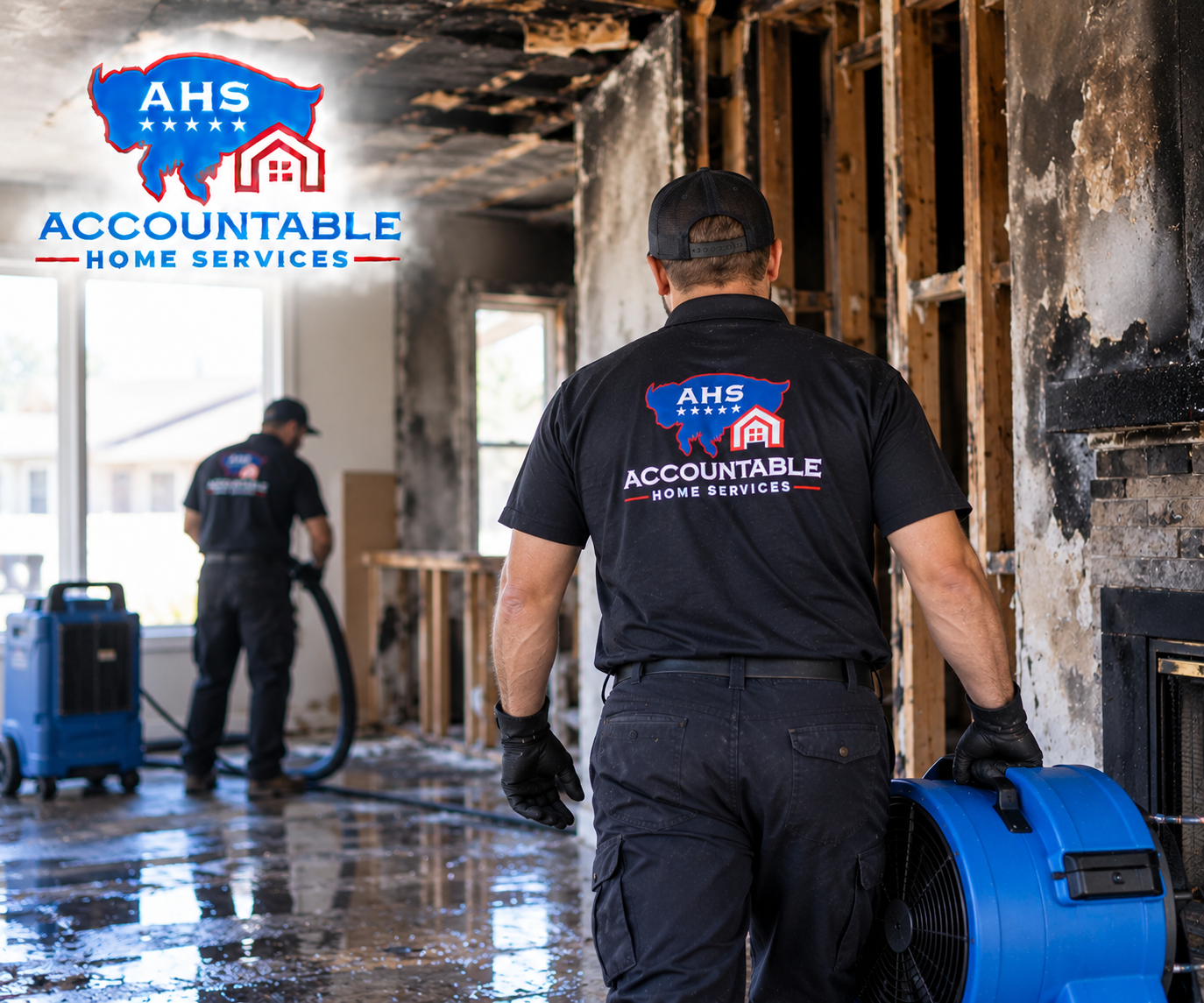
Once the moisture levels are understood, they start the drying and dehumidification. This is vital to prevent mold growth and structural harm. Industrial-grade dehumidifiers and fans speed up this process significantly.
Following drying, thorough cleaning and sanitizing are performed. This step eliminates potential health hazards left by contaminants in the water.
Restoration experts also help with recovery and repairs. They repair damaged areas to restore your home to its original condition.
Here's a typical professional water removal sequence:
- Water extraction
- Moisture level assessment
- Drying and dehumidification
- Cleaning and sanitizing
- Repairs and restoration
by Matthew Inamdar (https://unsplash.com/@matthew_inamdar)
Overall, using a professional service ensures all areas of water damage are addressed. This comprehensive approach not only speeds up recovery but also minimizes future risks.
Why DIY Water Removal Can Make Things Worse
Handling water removal yourself might seem cost-effective at first. However, DIY efforts can often lead to more problems. One common issue is incomplete drying. Without professional tools, hidden moisture can linger.
Lingering moisture can result in mold growth and structural damage. Mold thrives in damp spaces and can spread quickly. Additionally, missing hidden water can compromise your home's integrity.
Attempting to clean up water yourself can also pose safety risks. Contaminated water may contain hazardous substances. Without proper protective gear, you could expose yourself to health risks.
Professional water removal services use specialized equipment and techniques. These are designed to address all aspects of water damage. Key reasons to avoid DIY water removal include:
- Incomplete drying
- Increased risk of mold growth
- Potential health and safety hazards
- Hidden moisture leading to damage
Hiring professionals ensures thorough, safe, and effective water damage restoration.
Documenting Damage for Your Insurance Claim
Proper documentation is crucial for a successful insurance claim. Start by taking clear, detailed photos and videos of all affected areas. Capture close-ups and wide shots to provide comprehensive evidence of the damage.
Ensure that you document the time and date of each photo and video. Doing so demonstrates the urgency of the situation. It also helps establish a timeline for the insurance company.
Keep a written list of damaged items, including descriptions and estimated values. If possible, gather receipts or proof of purchase for high-value items. This information supports your claim by showing the extent of the loss.
In cases of water damage, document any visible mold or structural harm. This information is vital for assessing the full impact of the incident. Proper documentation can also expedite the claims process.
A well-documented claim improves your chances of a favorable settlement. For a smoother experience, follow these documentation tips:
- Take clear, timestamped photos and videos
- Record descriptions and values of damaged items
- Provide proof of purchase for significant items
- Include visible mold and structural damage
by Hari Shrestha (https://unsplash.com/@harishrestha)
How Restoration Experts Support Insurance Agents, Plumbers, and Property Managers
Restoration experts are a vital link in handling water damage. They work closely with insurance agents to streamline claims. Clear documentation and timely updates ease the claims process, enhancing client satisfaction.
Plumbers often encounter water damage beyond their scope of work. Restoration services complement plumbing work by addressing the aftermath. They ensure the property is thoroughly dried and restored, reducing further issues.
Property managers benefit from quick, efficient service. Tenant satisfaction improves when problems are resolved swiftly. Restoration experts help maintain property value through effective intervention.
The collaboration between these professionals leads to better outcomes. Each role, from assessment to repair, is vital to recovery. By working together, they ensure a smoother restoration process.
Key benefits of partnering with restoration experts include:
- Efficient documentation for smoother insurance claims
- Comprehensive care beyond basic plumbing repairs
- Fast response times to satisfy tenants and owners
by Isaac FIgueroa (https://unsplash.com/@figueroagraphics)
Choosing the Right Emergency Water Removal Partner in Denver
Selecting the right partner for emergency water removal is vital. Speed and professionalism matter most in restoration situations. Timely action minimizes damage and prevents future issues.
Look for companies with 24/7 availability. Emergencies don't wait for office hours. A prompt response can limit damage and bring peace of mind.
Experience with Denver’s climate is crucial. Local companies understand regional risks like snowmelt and summer storms. Their knowledge is invaluable in addressing local water issues.
Key qualities of a reliable restoration partner include:
- 24/7 emergency services
- Experience with local climate challenges
- Solid reputation for fast, professional service
A qualified partner will communicate clearly and act quickly. Their expertise ensures thorough cleanup and restoration. Choosing the right team helps restore your home and peace of mind efficiently.
by HiveBoxx (https://unsplash.com/@hiveboxx)
Frequently Asked Questions About Water Damage and Restoration in Denver
Water damage is a significant concern for homeowners. Many have questions about the process and what to expect. Here are some common inquiries and helpful answers.
What is the difference between water removal and water mitigation? Water removal involves extracting water. Mitigation involves preventing further damage, such as mold growth.
How quickly should I act after water damage occurs? Prompt action is crucial. Immediate steps reduce damage and save costs.
Will my insurance cover water damage repairs? Coverage varies. Review your policy details or contact your agent for specifics.
Common concerns about water damage in Denver include:
- The speed of emergency response
- What the restoration process involves
- Insurance coverage specifics
Addressing these questions helps homeowners feel informed. Understanding the process can ease stress and lead to better decisions.
Conclusion: Fast Action, Trusted Help, and Peace of Mind
Water damage in Denver homes can rapidly escalate, causing extensive damage if not addressed promptly. Taking swift action ensures safety and minimizes the impact on your property.
Partnering with a trusted emergency water removal service provides peace of mind. These professionals handle water extraction and restoration expertly. With their help, you can navigate insurance claims smoothly, ensuring your home returns to its pre-damage condition. Swift response, expert support, and proper documentation are key to overcoming water damage challenges.