Mold Remediation Near Me in Denver: What Homeowners Should Know
Mold is a common issue for homeowners in Denver, Colorado. The city's unique climate can create ideal conditions for mold growth.
Understanding mold remediation is crucial for maintaining a healthy home environment. Mold can develop quickly, often within 24-48 hours in damp areas.
Common spots for mold include basements, crawl spaces, and attics. These areas can harbor hidden mold that poses health risks.
Professional mold remediation involves several steps, including inspection, containment, and removal. It's important to know when to call in the experts.
Proper documentation of mold damage is essential for insurance claims. This ensures you get the support you need for repairs.
In this guide, we'll explore what homeowners should know about mold remediation in Denver.
Understanding Mold in Denver Homes
Mold thrives in environments with moisture and organic materials. Denver's climate can contribute to such conditions, especially during rainy seasons.
High humidity and frequent temperature changes can create condensation, leading to potential mold hotspots. Detecting these areas early is crucial.
Common places you might find mold in Denver homes include:
- Basements
- Crawl spaces
- Attics
- Bathrooms
Mold is not just unsightly; it can impact health. Mold spores can cause allergies or respiratory problems when inhaled.
To prevent mold, controlling moisture is key. Ensure good ventilation in at-risk areas and address leaks promptly.
Understand the local challenges of mold growth, and you'll be better prepared to prevent it. Denver homeowners need vigilance and regular home checks to maintain a mold-free environment.
Signs You Need Mold Remediation
Recognizing early signs of mold is essential for tackling problems before they escalate. One common sign is a persistent musty odor, especially in enclosed spaces.
Discolored patches on walls, ceilings, or floors can indicate mold presence. These spots can appear black, green, or even white, depending on the mold type.
Physical symptoms in household members, such as unexplained allergies or respiratory issues, may also hint at mold. If symptoms improve when leaving the house, mold might be the culprit.
Look out for the following warning signals in your home:
- Musty odors
- Visible mold growth
- Health issues like coughing or sneezing
- Water stains or discoloration
Timely action can prevent mold from causing further damage. Addressing these signs promptly ensures a safe living environment and protects your property's value.
The Mold Remediation Process: Step by Step
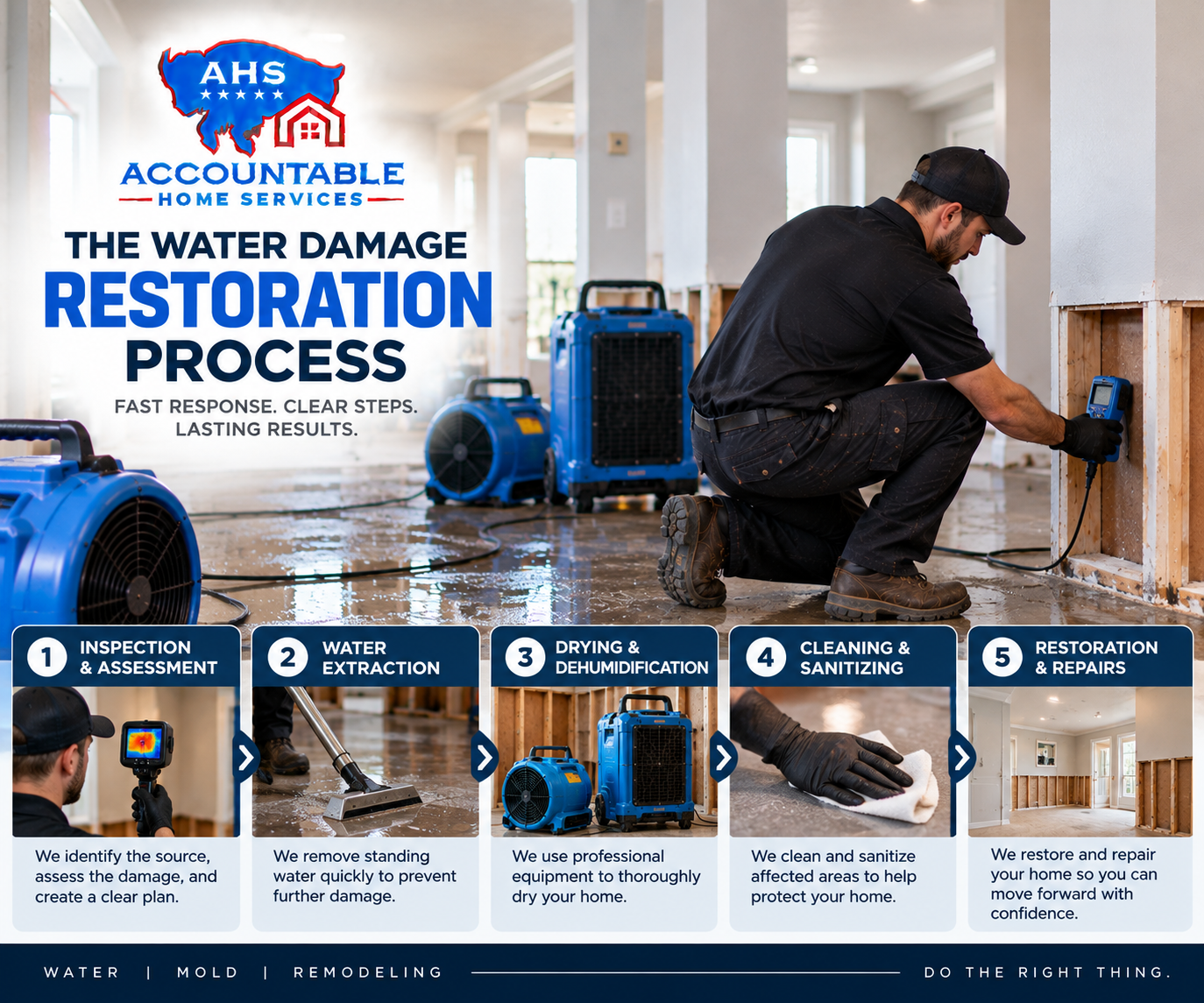
When dealing with mold, a structured approach ensures effective removal and prevention of future growth. The first step is a thorough inspection to assess the extent of mold contamination. Experienced professionals use specialized tools and techniques to uncover hidden mold.
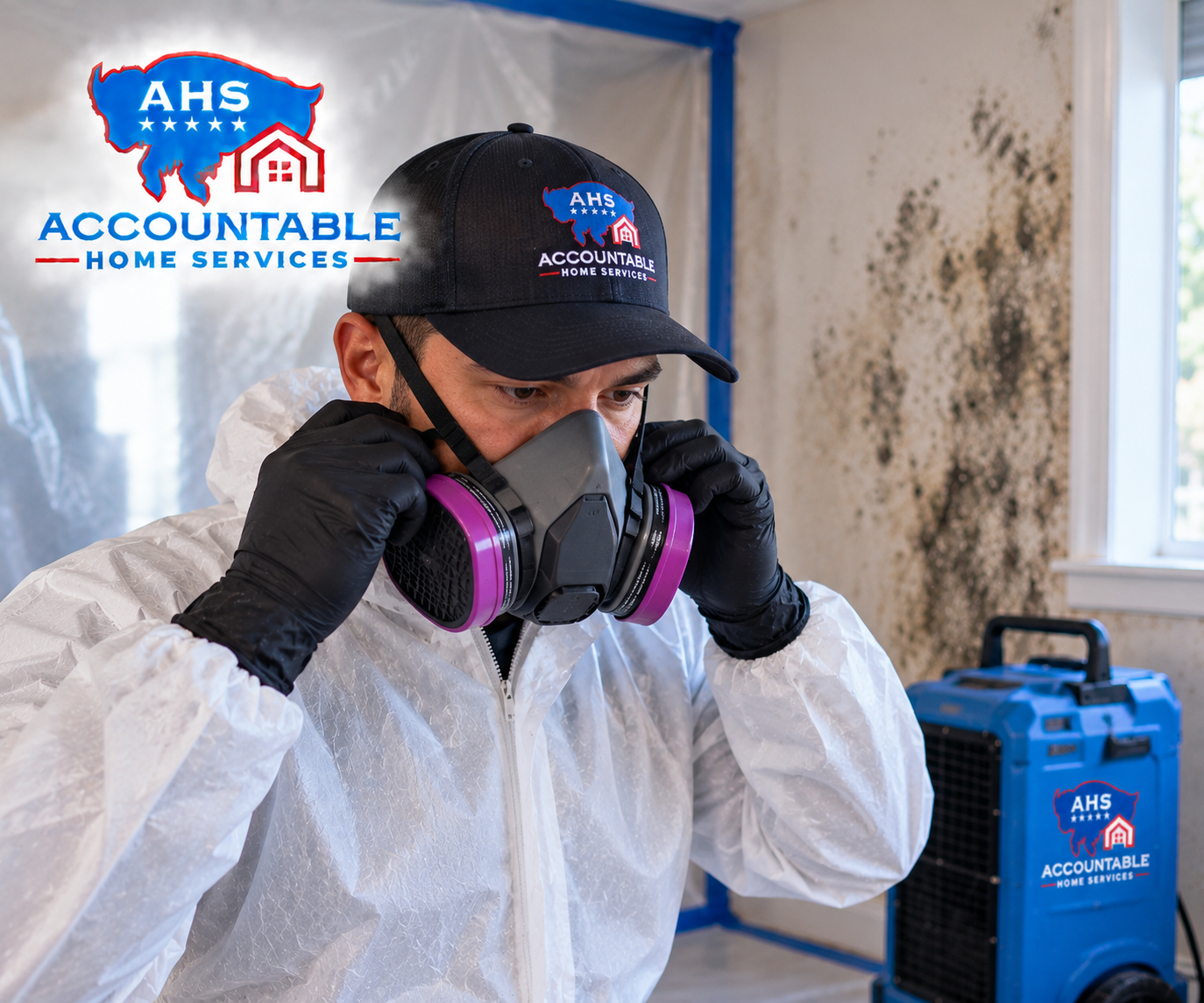
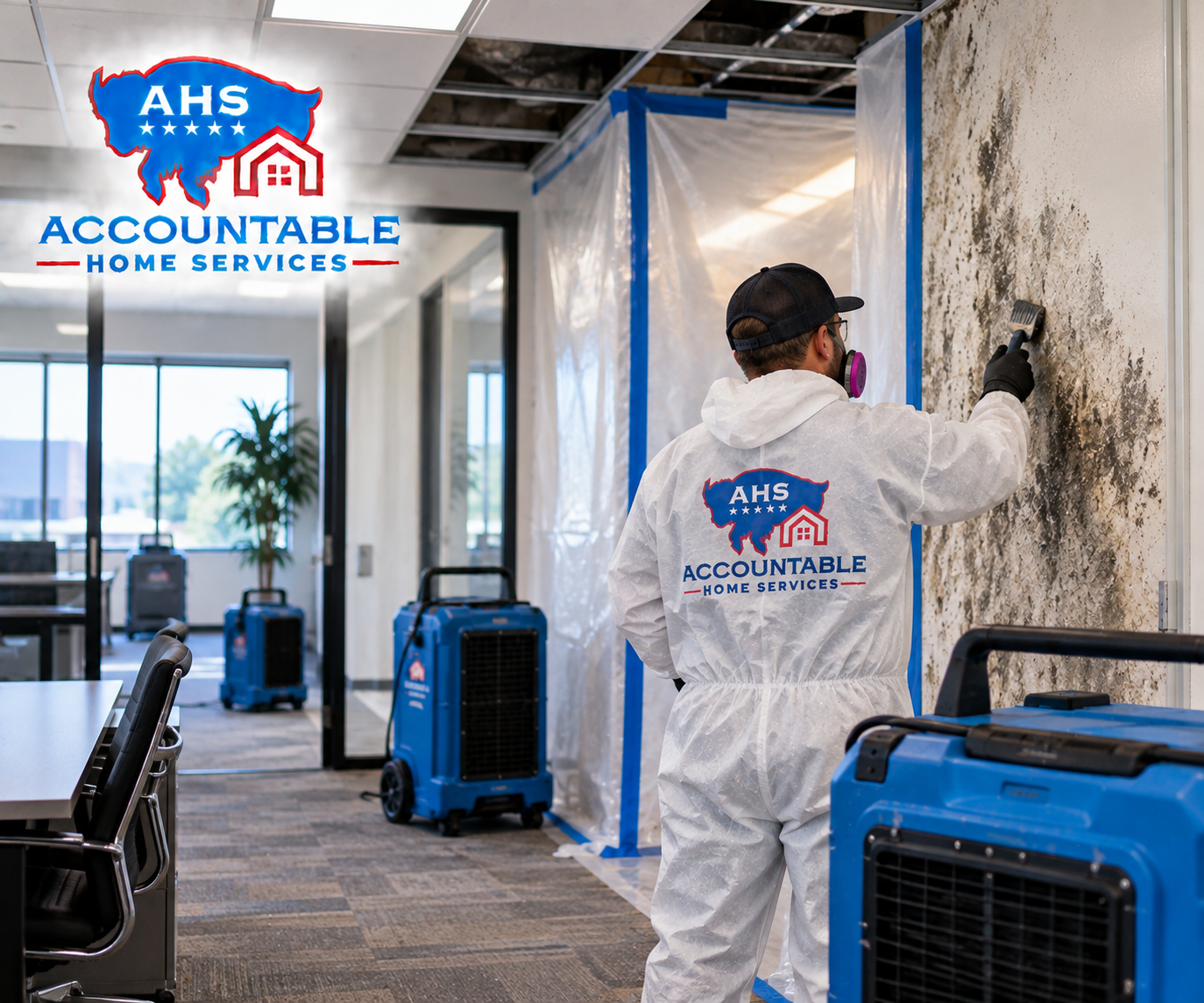
Following the inspection, containment procedures are crucial. Professionals isolate the affected areas to prevent mold spores from spreading. This step protects both unaffected areas and the health of those in the home.
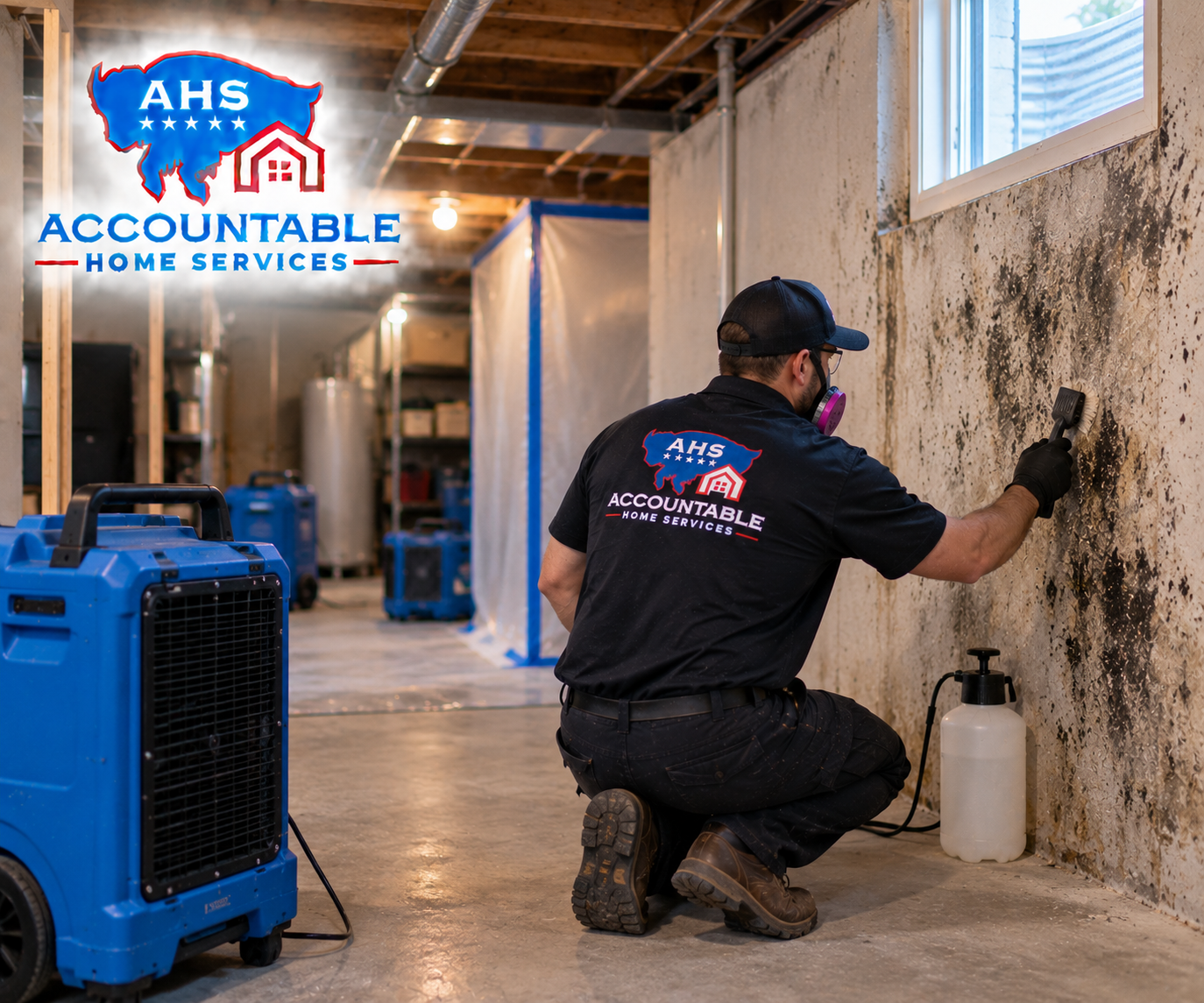
Next is the actual removal process. This involves using specialized cleaning agents and equipment to eliminate mold from surfaces. Mold-infested materials like drywall may need to be replaced.
Drying and dehumidifying is an essential step to remove any remaining moisture. This helps prevent mold regrowth by tackling one of the root causes: excess moisture.
The process often includes the following steps:
- Initial assessment
- Containment of the area
- Mold removal from materials
- Thorough drying and dehumidification
- Final cleaning and sanitization
After cleaning, professionals conduct a final inspection to ensure all mold is gone. They may offer ongoing monitoring services or tips to prevent mold from returning.
Proper documentation of each stage of the remediation process is crucial. This not only helps ensure thoroughness but is also vital for insurance claims. Handling mold appropriately restores a healthy environment and reassures homeowners of their home's safety.
Mold Inspection and Testing: What to Expect
Mold inspection and testing are crucial steps in identifying mold issues in your home. Professionals use advanced tools to detect hidden mold. This can often be lurking behind walls or in HVAC systems.
During an inspection, experts look for visible signs of mold. They may also take air and surface samples to determine mold spore levels. Testing helps identify the type of mold present, which can inform the remediation approach.
The process typically involves these steps:
- Visual inspection of visible mold growth
- Air and surface sampling for mold spores
- Lab analysis of samples to identify mold type
The inspection report provides a detailed overview of the findings. It includes recommendations for remediation if needed. This report is also useful for insurance claims, helping substantiate the presence and extent of mold damage.
In Denver, local experts understand the unique climate conditions that can contribute to mold growth. Their experience ensures a thorough inspection tailored to your home's needs. This step is essential to address mold issues effectively and maintain a healthy indoor environment.
Choosing a Professional Mold Remediation Company
Selecting the right mold remediation company is vital for your home's health. Look for firms with certified and experienced technicians. They should have a proven track record in handling mold issues.
Consider the scope of services they offer. A good company will handle everything from inspection to mitigation. They should provide a comprehensive plan tailored to your specific needs.
Here are factors to consider when choosing a company:
- Certification and experience of technicians
- Range of services offered (inspection, removal, prevention)
- Clear communication and detailed reports
- References and customer reviews
- Competitive pricing and transparent estimates
Ensure the company is licensed and insured. This protects you from liability during the remediation process. Also, ask about warranties or guarantees for their work.
Finally, choose a company that communicates clearly and promptly. This helps in understanding the process and managing your expectations. A reliable partner will guide you every step of the way, ensuring peace of mind and effective mold remediation.
Specialized Mold Remediation Services in Denver
In Denver, mold remediation can sometimes require specialized services. This is due to specific areas of your home being more vulnerable to mold growth. Knowing about these specialized services can help you address mold issues effectively.
Attics and crawl spaces are common places for mold problems. These areas often suffer from poor ventilation and moisture issues. Specialized services can focus on improving airflow and insulation to prevent mold.
Additionally, HVAC systems might harbor mold, impacting indoor air quality. Denver professionals offer HVAC mold remediation. This service ensures clean air circulation throughout your home, protecting your family's health.
Here's a list of specialized mold remediation services:
- Crawl space mold remediation
- Attic mold remediation
- HVAC mold removal
- Dry fog mold remediation
- Mold mitigation and prevention
These services help address specific challenges presented by Denver’s climate. Local experts are well-versed in these techniques. With their help, you can effectively resolve even the most complex mold situations.
Documentation and Insurance: Protecting Your Claim
Proper documentation is key when filing an insurance claim for mold damage. Keeping detailed records helps ensure your claim is processed smoothly and efficiently. It also provides vital evidence needed by insurance adjusters.
Start by taking photographs or videos of the affected areas. Capture the extent of the mold damage before and during the remediation process. This visual evidence helps substantiate your claim's validity and scope.
Additionally, maintain a record of all communications with your mold remediation company. Include estimates, invoices, and written agreements. These documents offer transparency and serve as proof of work performed.
Consider this checklist to protect your claim:
- Take clear, comprehensive photos
- Save all receipts and invoices
- Keep a detailed log of communication
- Obtain written confirmation of remediation steps
- Preserve copies of all reports or assessments
By organizing your records, you're better prepared for discussions with insurance agents. This proactive approach supports a straightforward claims process.
Preventing Mold in Your Home: Tips for Denver Residents
Mold thrives in moisture, making prevention a key strategy for homeowners in Denver. Reducing humidity and improving ventilation in your home can help stop mold before it starts. Regular maintenance checks are also essential.
Promptly repair any leaks in your roof, windows, or plumbing. Even small leaks can provide the moisture mold needs to grow. A dehumidifier can be beneficial, especially in basements where dampness tends to collect.
Consider the following tips to keep your home mold-free:
- Fix leaks immediately
- Use exhaust fans in bathrooms and kitchens
- Keep gutters clean and functional
- Monitor indoor humidity levels and keep them below 60%
- Ensure proper ventilation in your attic and crawl spaces
These efforts create a healthier indoor environment, minimizing mold risks and maintaining structural integrity. Regular vigilance can keep mold problems at bay and support your home's longevity.
Frequently Asked Questions About Mold Remediation Near Me
Homeowners often have many questions about mold remediation. Understanding the process can ease concerns and help prepare you for the next steps.
What is mold remediation?
Mold remediation involves identifying, containing, removing, and preventing mold growth. It ensures your home is safe and healthy.
How long does the remediation process take?
The time required depends on the extent of the mold problem. Most cases are resolved within a few days to a week.
Why should I hire a professional?
Professionals ensure complete mold removal and provide vital documentation for insurance claims.
Consider these common concerns when exploring mold remediation options. Engaging with a trusted local expert can provide clarity and help you make informed decisions.
When to Call a Local Mold Expert
Deciding when to call an expert can be tricky. However, some situations clearly require professional help.
If you notice persistent musty odors or see visible mold growth, it's best to consult a local mold expert. Health symptoms like allergies or respiratory problems could also indicate mold presence.
When to Seek Professional Assistance:
- Widespread or recurring mold growth
- Unexplained health issues in the home
- Mold in hard-to-reach or hidden areas
Remember, experts can identify problems you might overlook, ensuring your home remains safe and healthy.
Conclusion: Taking the Next Step Toward a Healthy Home
Mold issues can seem daunting, but they are manageable with the right approach. By understanding the signs and hiring a professional, you protect your home and your health.
Take action early to prevent further damage. Consult local mold experts in Denver to ensure comprehensive remediation, creating a safer and healthier living environment for everyone in your home.