OUR SERVICES
Water Damage Restoration in Denver, CO | 24/7 Water Removal, Drying & Repairs
When water gets into your home or business, the priority is to stop the spread, remove standing water, dry the structure properly, and document what was affected. Accountable Home Services provides 24/7 water damage restoration in Denver, including water extraction, structural drying, cleanup, and repair coordination for residential and commercial properties.
- 24/7 emergency response across Denver Metro
- Water extraction, structural drying, cleanup, and restoration
- Moisture tracking and drying documentation for insurance support when applicable
- Clear next-step communication from inspection through repairs
Talk to a live person any time, day or night.
When to call us
Active leaks, standing water, wet drywall or flooring, appliance overflows, ceiling leaks, flooded basements, sewage contamination, or hidden moisture after a leak.
24/7 emergency service + fast response (often on-site within 60-minutes)
Free estimates + family owned & operated
We bill insurance directly + provide restoration documentation for claims
Serving Denver Metro Area & surrounding cities.
Start with the situation you are dealing with
Different water losses create different priorities. Use the path below to get to the most relevant next step.
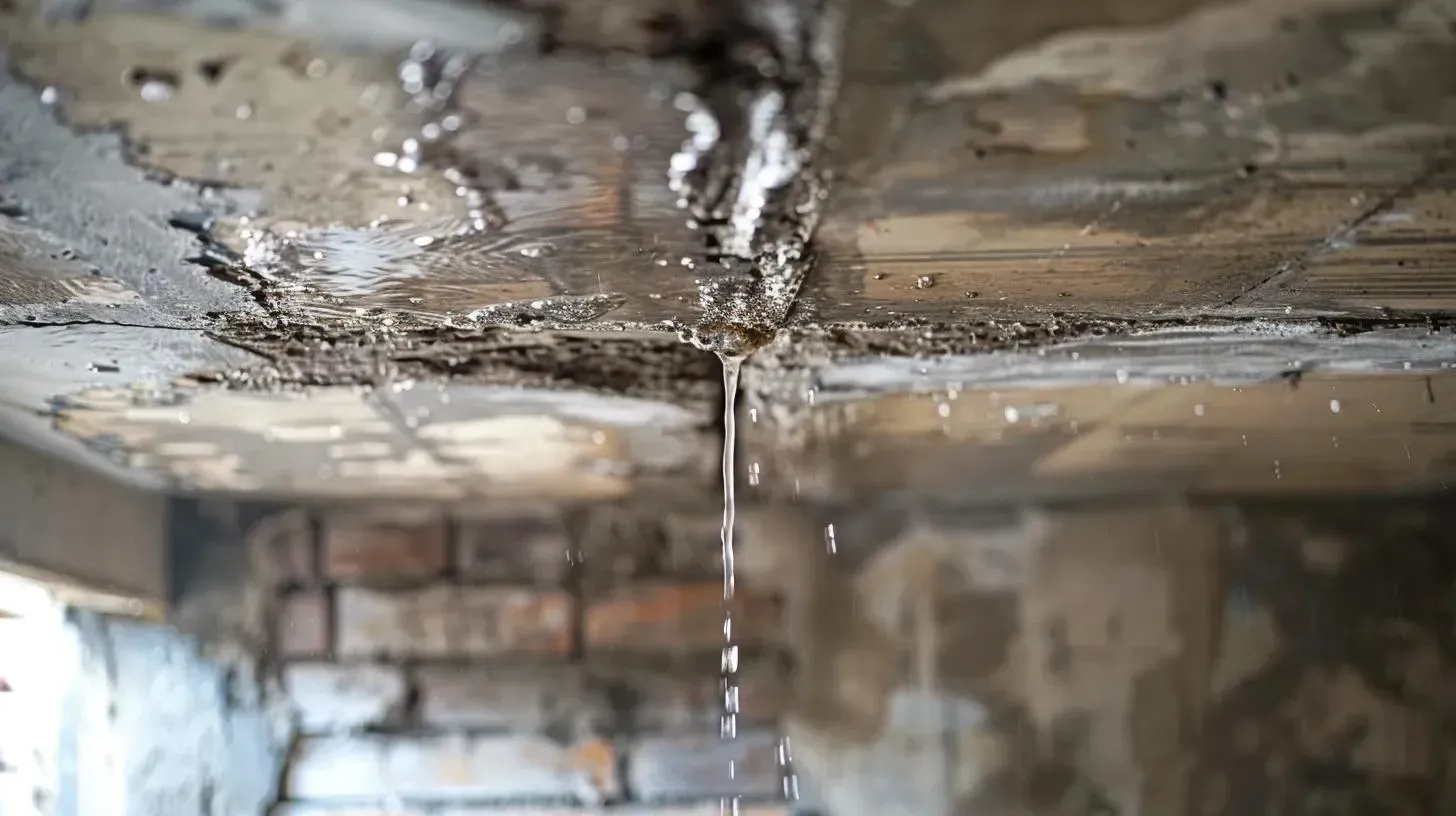
Water leaking from the ceiling
Shut off the source if safe, protect the area below, and check for electrical risk or sagging drywall.
Flooded basement
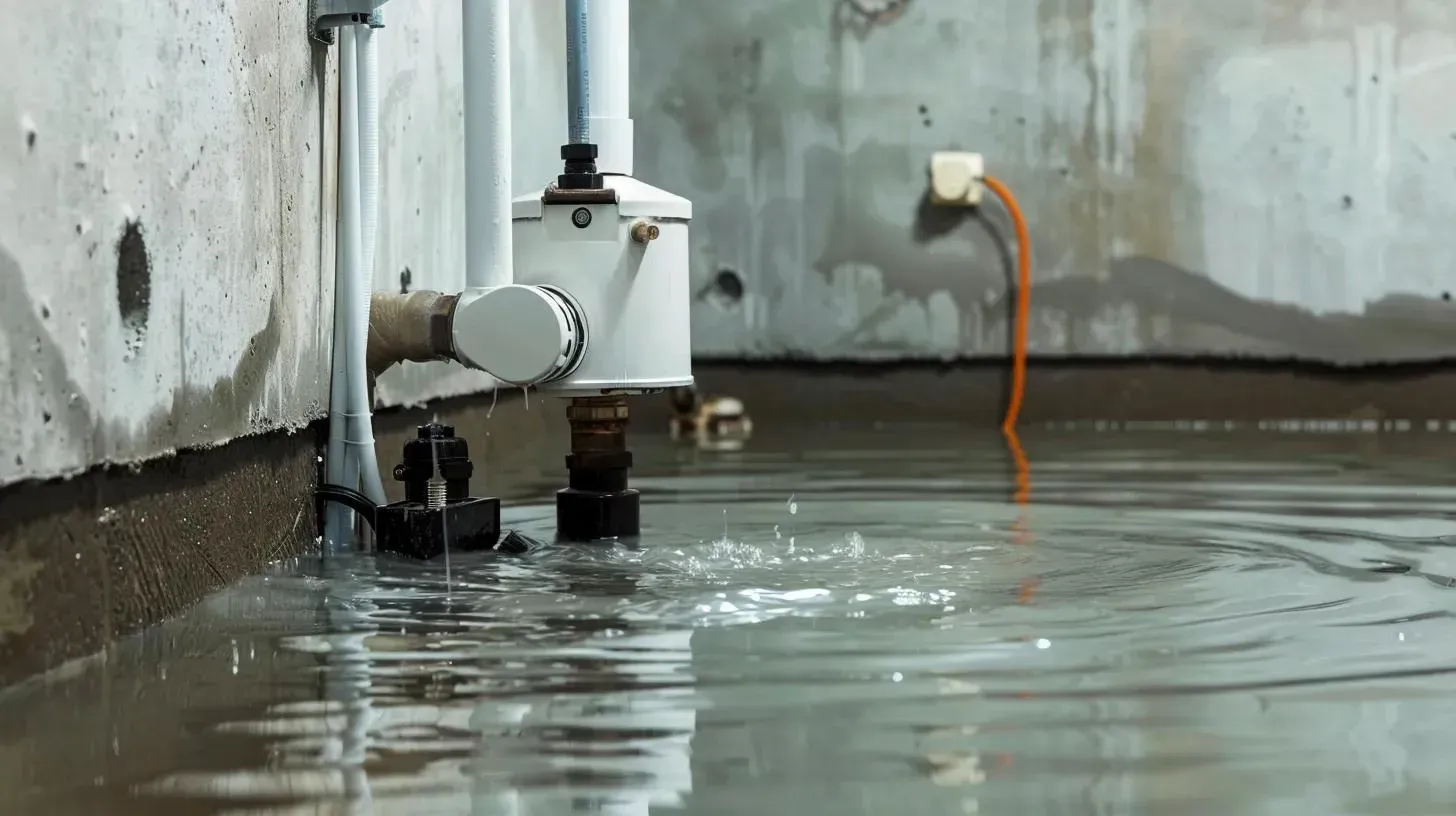
Standing water in a basement can affect flooring, walls, stored items, and nearby mechanical systems.
Toilet overflow or sewage backup
If the water may be contaminated, avoid contact and keep children and pets away until the area is assessed.
Appliance leak or overflow
Dishwashers, washing machines, refrigerator lines, and water heaters can send water under flooring and cabinets fast.
Hidden moisture or damp smell
If the source is not obvious, moisture can still be trapped behind walls, ceilings, or flooring.
What to do right now after water damage in Denver
A fast response can reduce how far water spreads into drywall, cabinets, flooring, insulation, and subfloors. These first steps help protect people and limit secondary damage while you arrange professional extraction and drying.
- Stop the water source if you can do it safely. Shut off the appliance valve, fixture shutoff, or main water supply if the leak is still active.
- Stay clear of electrical hazards. Do not step into standing water near outlets, cords, appliances, or electrical panels.
- Avoid contact with contaminated water. If the overflow involves sewage, drain backup, or unknown water, keep people and pets away.
- Move what you can without increasing risk. Lift rugs, paper goods, electronics, and small valuables out of the affected area if it is safe.
- Call for extraction and drying before moisture spreads further. Water that sits can move into baseboards, wall cavities, cabinets, underlayment, and insulation.
If you need immediate help, call now for water extraction, drying, and next-step guidance.
What happens when you call us for water damage restoration
When you call Accountable Home Services for water damage restoration in Denver, the goal is to move quickly from emergency response to controlled drying and documented restoration. We assess what is wet, what may still be wet out of sight, what needs immediate extraction, and what materials are likely to need drying, cleaning, or repair.
We then build a practical next-step plan for the property. Depending on the loss, that may include water extraction, containment, structural drying, dehumidification, cleaning and sanitizing, moisture monitoring, and repair coordination.
What you can expect
- An on-site assessment of the affected areas and likely water path
- Water extraction and moisture-control steps based on the severity of the loss
- Drying equipment placement and progress monitoring
- Cleaning and sanitizing when contamination or residue is a concern
- Documentation of affected materials and drying progress when needed for insurance support
- Repair planning to help return the property to pre-loss condition
Water damage services we may use during your restoration project
Water Extraction & Removal
Removal of standing water to reduce spread, shorten drying time, and protect surrounding materials.
Water Mitigation
Immediate stabilization steps that help limit further damage after the initial loss.
Structural Drying
Targeted drying for walls, flooring, subfloors, framing, and other affected building materials.
Dehumidification
Humidity control that supports effective drying and helps reduce lingering moisture problems.
Thermal Imaging Inspection
Used where appropriate to help identify hidden moisture patterns and guide drying decisions.
Flood Damage Cleanup
Cleanup and drying for water intrusion events affecting carpets, hard surfaces, and structural materials.
Sewage Cleanup
Specialized cleanup for contaminated water events that require hazard-aware handling.
Leak Detection
Inspection support when the source of water is not clear or may still be active.
Why Denver property owners call Accountable Home Services for water damage
When people compare water damage companies, they usually want the same things: a fast response, a clear plan, proper drying, useful documentation, and repairs that do not get lost between vendors. This page should answer those decision points directly.
- 24/7 emergency availability for active water losses
- A complete path from extraction and drying to cleanup and repair coordination
- Clear communication about what is wet, what needs attention first, and what comes next
- Moisture documentation and drying progress records when applicable
- Insurance-friendly support, including direct billing when appropriate and claim documentation support
- Certified restoration technicians referenced on-site
If you are comparing options, ask every company how they verify drying, what documentation they provide, and whether they handle both cleanup and repair coordination.
Common water damage situations we respond to in Denver homes and businesses
Some losses are obvious, such as a burst pipe or toilet overflow. Others start small and spread into flooring, cabinets, wall cavities, and ceilings before the full extent is visible.
- Burst or leaking supply lines
- Ceiling leaks from plumbing or roof-related water intrusion
- Washing machine, dishwasher, refrigerator line, and water heater leaks
- Overflowing sinks, tubs, and toilets
- Flooded basements and sump-related water intrusion
- Sewage backups and other contaminated-water events
- Hidden moisture behind walls, cabinets, and flooring after a leak
If you are not sure where the water started or how far it spread, inspection and moisture mapping help determine the right next step.
How our water damage restoration process works
A good restoration process does more than remove visible water. It identifies the water source, maps the affected materials, controls the spread, verifies drying progress, and creates a clear record of the work completed.
Emergency call and initial assessment
We confirm the type of loss, when it started, where the water may have traveled, and what immediate hazards need attention first.
Source control and water extraction
If the source is still active, the first priority is stopping it when possible and removing standing water from the affected area.
Moisture mapping and equipment setup
We inspect the visible damage and check for moisture in nearby materials so drying equipment can be placed where it is most useful.
Structural drying and dehumidification
Air movement, dehumidification, and drying adjustments are used to reduce moisture in affected building materials.
Cleaning, sanitizing, and material decisions
Where needed, surfaces are cleaned and sanitized, and we identify which materials can likely be dried versus which may require removal or replacement.
Final drying verification and restoration planning
Before moving fully into repairs, the goal is to confirm that affected materials have dried appropriately and that the restoration scope is clear.
How we verify the structure is drying properly
Drying is not just about running fans. The key question is whether moisture is actually leaving the affected materials. We use inspection methods and drying documentation to track progress and adjust the plan when needed.
- Moisture checks in affected materials
- Monitoring of areas with hidden moisture risk
- Drying-equipment adjustments based on progress
- Documentation that helps show what was affected and how drying progressed
If you want help understanding whether the property is truly dry or whether more investigation is needed, this page should make that process feel concrete and measurable.
Types of water damage (what it means for cleanup)
Not every water loss carries the same level of contamination risk. The cleanup approach depends in part on where the water came from and whether it may be unsafe to contact.
| Water category | Common examples | What it means | Recommended response |
|---|---|---|---|
| Clean Water | Broken supply lines, faucet overflows, some appliance leaks | Lower contamination risk if handled quickly | Stop the source if safe and schedule extraction and drying |
| Grey Water | Some appliance discharge, some sink or tub overflows | May contain contaminants that make cleanup more involved | Limit contact and arrange professional cleanup and drying |
| Black Water | Sewage backups, drain backups, heavily contaminated standing water | High hazard level | Avoid contact and call for specialized cleanup immediately |
| Unknown source | Water of unclear origin, long-standing water, mixed-source flooding | Risk level may increase until identified | Treat cautiously until the source and contamination level are assessed |
If the water may be contaminated, keep children and pets away and avoid direct contact until the area is assessed.
Does homeowners insurance cover water damage Restoration?
Coverage depends on the cause of the loss and the details of the policy. This section should help users understand the common pattern without sounding like legal advice.
| Situation | Often covered | Often not covered / may require added coverage | What we can provide |
|---|---|---|---|
| Burst pipe or sudden plumbing failure | Often yes | Coverage still depends on policy terms and exclusions | Photos, moisture records, affected-material notes, drying documentation |
| Appliance leak or sudden overflow | Often yes | Long-term neglect or unresolved leaks may create issues | Damage documentation and restoration records |
| Sewer backup | Sometimes | May require a sewer-backup endorsement | Cleanup records and supporting documentation |
| Natural flooding or groundwater intrusion | Often no under standard homeowners policies | May require separate flood coverage or policy-specific provisions | Scope details and restoration documentation |
We do not decide coverage and we do not interpret policy language for the customer. Our role is to restore the property, document the work, and provide records that may help support the claim process.
Recent water damage restoration work in the Denver area
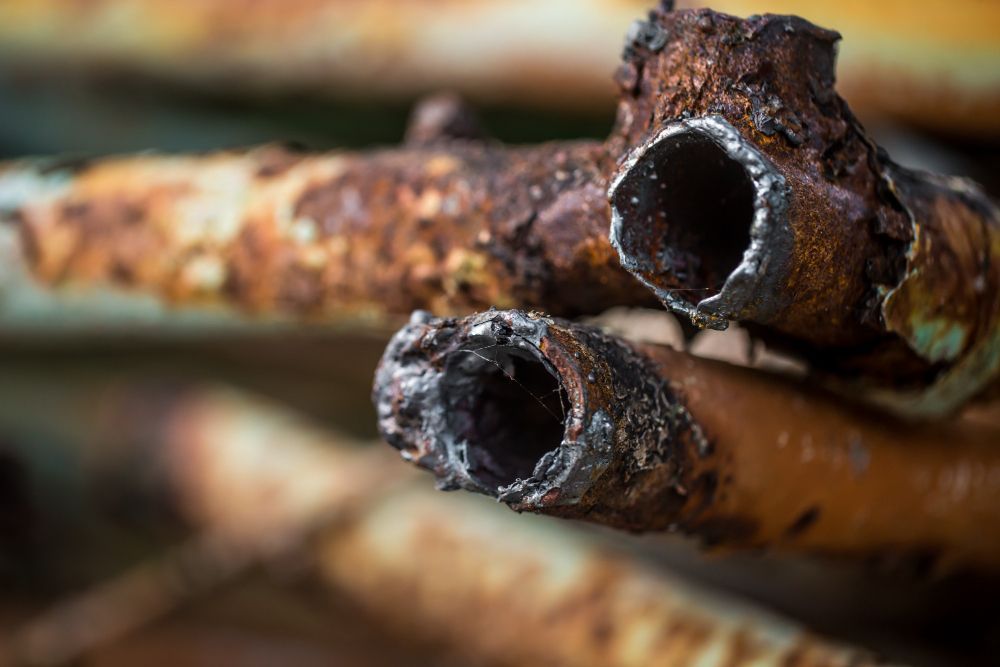
Burst pipe in a Denver condo near City Park
What happened
A frozen pipe burst overnight, flooding the kitchen and living area. Water spread into hardwood flooring and lower drywall sections.
What we did
Water extraction, structural drying, dehumidification, antimicrobial treatment, and selective drywall removal and replacement.
What was documented
Before and after photos, moisture readings, daily drying logs, and affected material documentation.
Outcome
All affected areas were fully dried and restored, preventing mold growth and preserving the flooring.
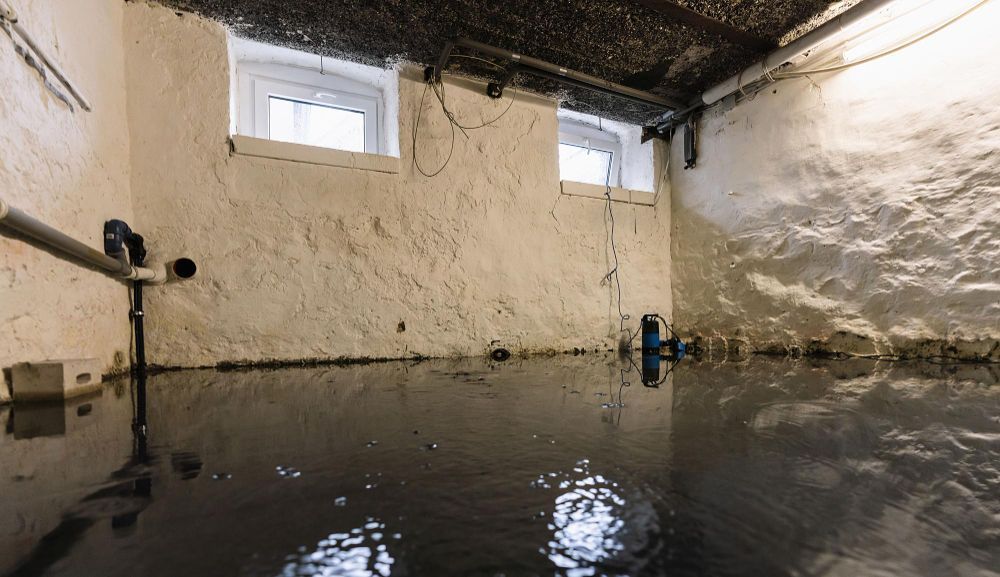
Basement flooding after heavy rain in Aurora
What happened
Heavy rainfall overwhelmed exterior drainage, causing water intrusion into a finished basement. Carpet, baseboards, and drywall were affected.
What we did
Water removal, carpet extraction, high-powered drying, dehumidification, sanitation, and removal of unsalvageable materials.
What was documented
Moisture mapping, drying equipment logs, photo documentation, and material removal records.
Outcome
Basement was safely dried and stabilized, with clean conditions ready for reconstruction.
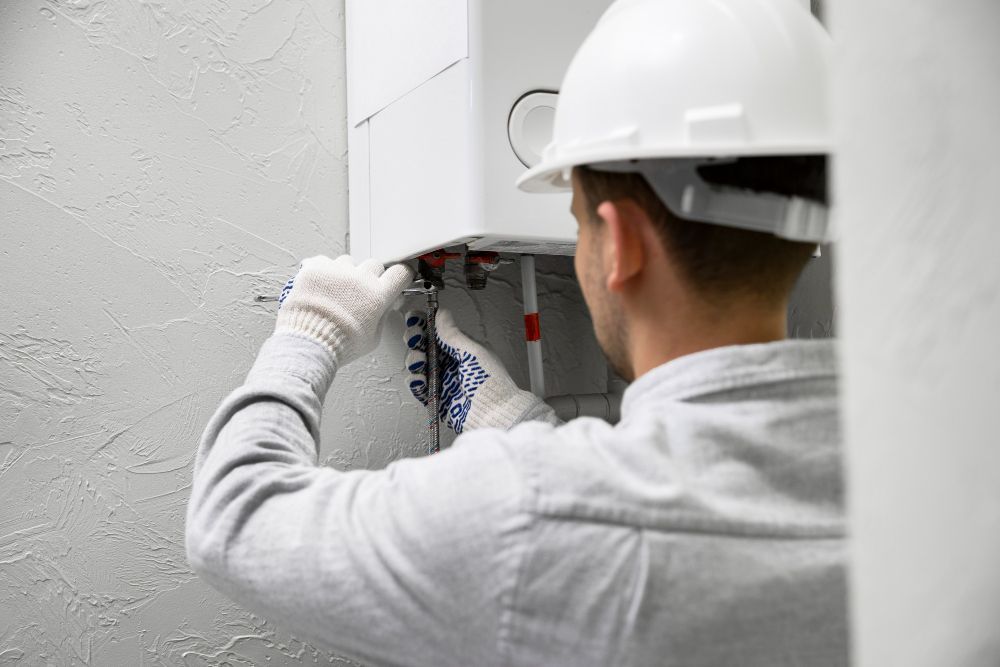
Water heater failure in a Lakewood home
What happened
A failed water heater leaked continuously, saturating the utility room and adjacent hallway flooring.
What we did
Water extraction, containment setup, drying, dehumidification, antimicrobial application, and minor repairs.
What was documented
Leak source verification, moisture readings, drying progress logs, and photo evidence.
Outcome
Moisture was fully eliminated, and affected areas were restored without further damage spreading.
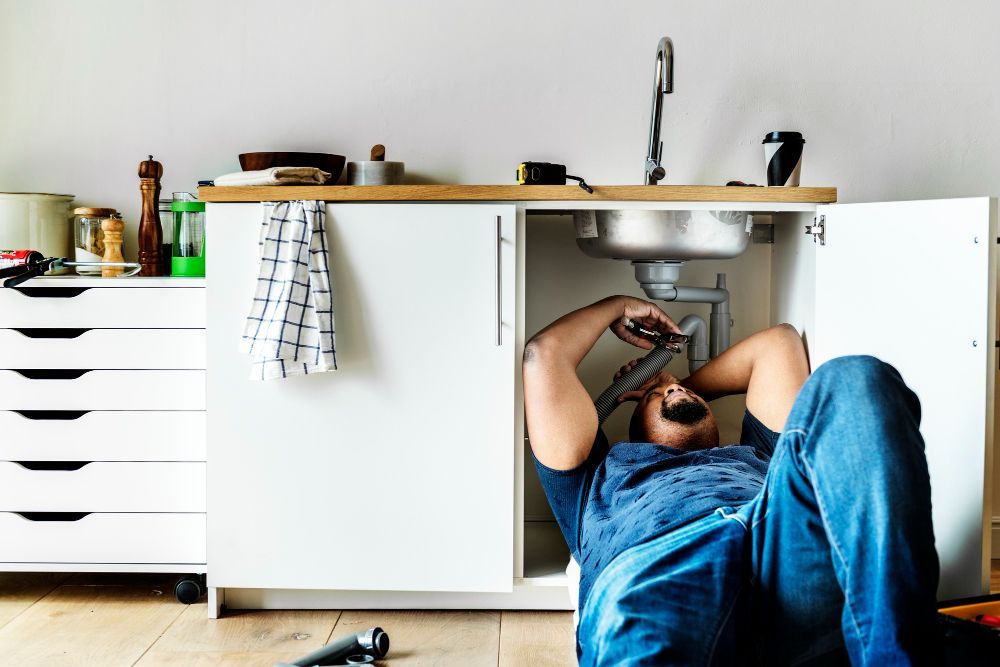
Appliance leak in a townhouse near Cherry Creek
What happened
A dishwasher supply line failed, causing water to seep under cabinets and into subflooring.
What we did
Targeted water extraction, cabinet base drying, dehumidification, sanitation, and selective material removal.
What was documented
Infrared moisture detection images, drying logs, affected material notes, and before/after photos.
Outcome
Hidden moisture was successfully addressed, preventing long-term structural and mold issues.
Common Denver water damage questions

How to choose a water damage restoration company in Denver
If you’re comparing options, here’s what to look for:
- 24/7 emergency availability (water damage doesn’t wait)
- Certified restoration technicians
- Clear written scope and documentation (not vague promises)
- A complete process (extraction → drying → cleaning → restoration)
- Insurance support (billing and documentation when applicable)
- Strong reviews and real photos of completed work
If you want a second opinion, we’re happy to provide a clear assessment and next-step plan.
Frequently Asked Questions
Do you provide 24/7 water damage restoration in Denver?
Yes. We provide 24/7 emergency response for water damage across Denver and the surrounding metro area.
Do you bill insurance directly?
When applicable, yes. We can provide documentation and work with the insurance process while focusing on the restoration work itself.
Do you handle sewage backups?
Yes. If the water is contaminated or involves sewage, avoid contact and call for specialized cleanup.
Can you do repairs after drying?
Yes. Water damage restoration may include repair coordination after extraction, drying, and cleanup are complete.
What areas do you serve around Denver?
We serve Denver Metro and surrounding cities. Call to confirm service for your location.
Get help for water damage in Denver
If water is actively spreading, call now for emergency response. If the loss is contained and you need an inspection, drying plan, or repair scope, schedule an appointment and we will confirm the next step.
Need help with extraction, drying, cleanup, or insurance-friendly documentation? Start with a call.