Who to Call First for Water Damage in Denver: Plumber, Insurance, or Restoration?
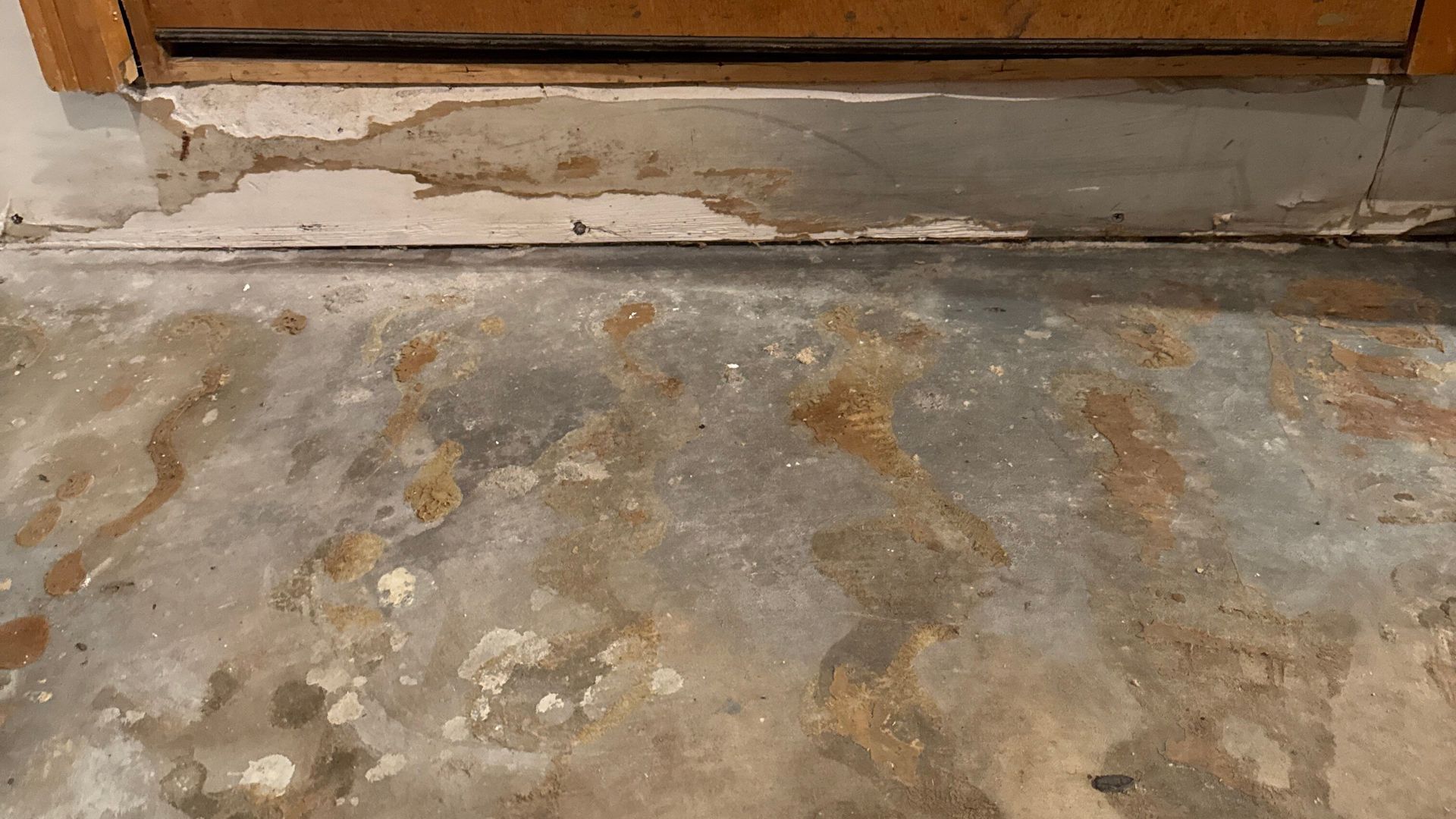
When water shows up where it should not, most homeowners get stuck on the same question first: who do I call right now? The right answer depends on whether the water is still actively flowing, whether there is a safety issue, and whether the damage has already spread into floors, walls, cabinets, or ceilings.
This guide is about call order and decision-making. It is not a full insurance-coverage article or a step-by-step cleanup tutorial. If you already know the damage has spread and need emergency mitigation, see “Accountable Home Services – Water Damage Restoration.”
What is the right first call in most water damage situations?
There is not one universal first call for every water-loss event. In most cases, the correct first call is the person who can stop the immediate threat fastest, and the second call is the team that can prevent the damage from spreading.
If water is actively flowing from a supply line, fixture, appliance, or plumbing connection and you cannot shut it off safely, call a plumber first. If the source is already stopped but water has reached drywall, flooring, cabinets, baseboards, or ceilings, call a water damage restoration company first so extraction, moisture mapping, and drying can begin. Insurance is usually the next call after the emergency is controlled and mitigation is underway.
That distinction matters because fixing the source and restoring the damage are not the same job. A plumber stops or repairs the failure. A restoration company deals with the water that already escaped.
Who should you call first based on the type of water problem?
The fastest way to make the right decision is to match the problem to the first call.
| Situation | Who to call first | Why | Who may be next |
|---|---|---|---|
| A pipe, supply line, or appliance hose is actively spraying or leaking and you cannot stop it | Plumber | The immediate priority is stopping the water source | Water damage restoration company, then insurance |
| The leak has already stopped, but floors, drywall, cabinets, or ceilings are wet | Water damage restoration company | The priority is extraction, moisture inspection, and drying before damage spreads | Plumber if repair is still needed, then insurance |
| Toilet overflow, sewer backup, or unknown contaminated water | Sewage or water damage restoration company | Safety and contamination control come first | Plumber if the backup cause is still active, then insurance |
| Ceiling leak with sagging drywall or an unclear source | Water damage restoration company | The priority is safety, moisture spread, and documenting what is affected | Plumber or roofer depending on the source, then insurance |
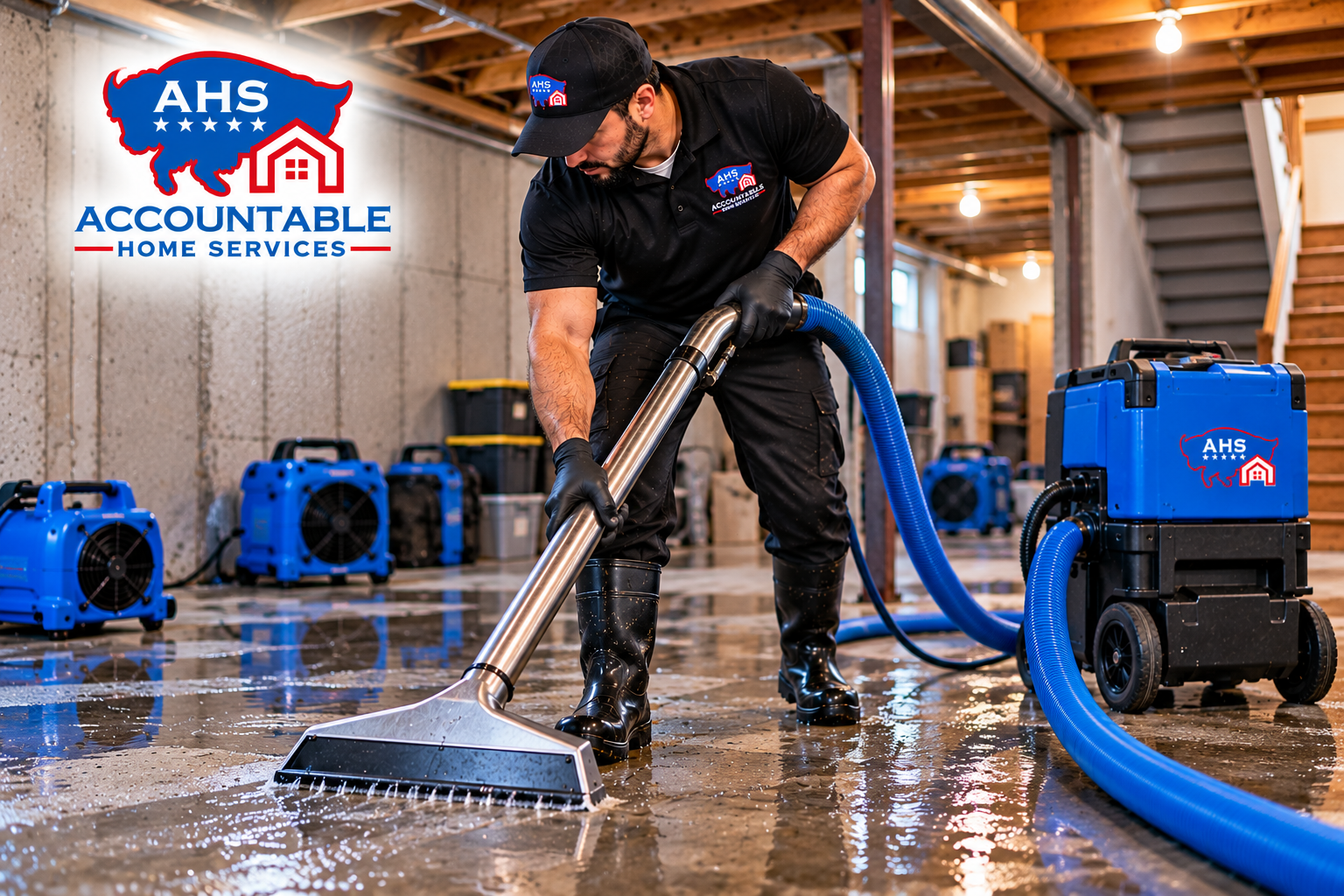
| Basement standing water after a storm or sump issue | Water damage restoration company | Water removal and drying usually cannot wait for normal business hours | Plumber or waterproofing/foundation specialist if the cause still needs diagnosis |
Why is a plumber not the same as a restoration company?
A plumber focuses on the source of the water problem. That usually means valves, supply lines, drains, fixtures, water heaters, appliances, and the plumbing system itself.
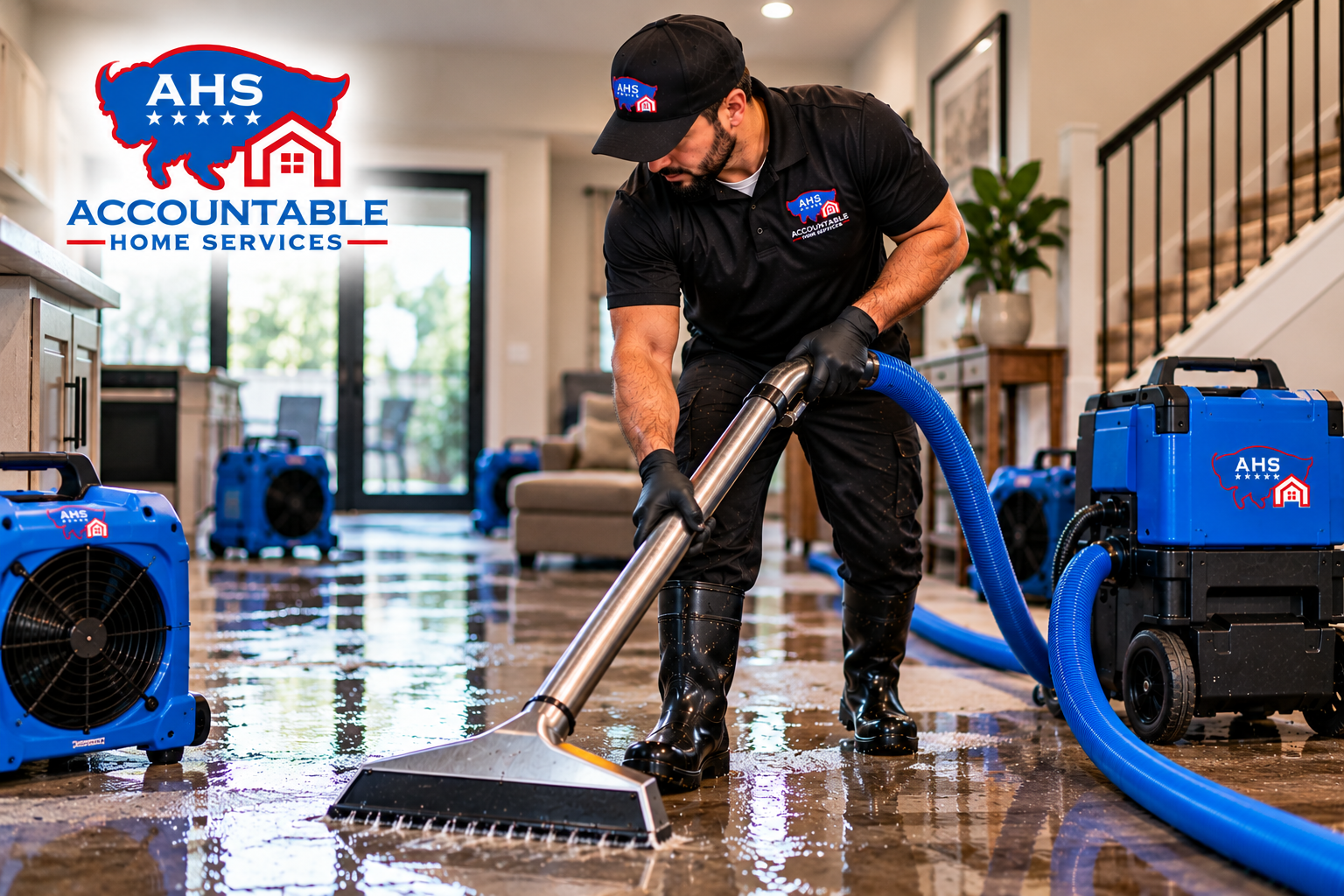
A restoration company focuses on the damage left behind. That includes standing water removal, moisture checks, structural drying, dehumidification, contamination-aware cleanup when needed, and documentation of what was affected. If you are comparing services, think of it this way: plumbers stop the cause, while restoration teams handle the consequences.
If you want to see how emergency mitigation fits into the bigger service path, this is the main page to support from this article. See “Accountable Home Services – Water Mitigation.”
What order should you follow in the first hour?
A simple order helps reduce damage and keeps you from losing time while materials stay wet.
First-hour checklist
- Shut off the water source if you can do it safely.
- Stay out of standing water near outlets, cords, appliances, or electrical panels.
- If the water may be contaminated, keep children and pets away.
- Take a few quick photos of the affected areas and major damaged items.
- Call the professional who can stop the active issue first.
- Call a water damage restoration company as soon as damage has spread beyond the source.
- Notify your insurance company once the emergency is stabilized and documentation has started.
- Keep receipts and notes for anything you do to protect the property.
Wet materials should not sit for long. Mold risk increases when moisture remains, which is why rapid drying is important; the EPA notes that if wet or damp materials are dried within about 24–48 hours, mold often will not grow. See “Mold, Moisture, and Your Home.”
When should you call insurance?
In most home water-loss situations, insurance should be contacted promptly after source control and emergency mitigation are in motion. Waiting too long is not a good idea, but calling insurance before you have stopped the leak or arranged drying can also slow the practical response.
A useful rule is this: stop the threat, start documentation, then notify the carrier. That gives you a clearer description of what happened, what areas are wet, and what emergency steps were needed to protect the property.
This article is intentionally not a full coverage guide. The separate coverage article will own that topic. Here, the main point is timing: insurance is important, but it usually should not come before safety and damage control.
What if the source is unknown or the water is hidden?
This is especially common with slow leaks behind walls, under cabinets, around tubs, and below upstairs bathrooms. If the source is uncertain, use this path: Accountable Home Services- Leak Detection.
What does the right call order look like in real life?
Real situations are rarely as neat as a one-line answer, which is why call order works better than a one-size-fits-all rule.
Scenario 1: Burst washing machine hose at 9 p.m.
A homeowner in Denver hears water running in the laundry area and finds a supply hose spraying the wall and floor. The correct move is to shut off the valve if possible. If that cannot be done quickly, call a plumber first to stop the active leak, and call a restoration company right after because the water has already reached flooring, baseboards, and drywall.
Insurance can be notified once the leak is under control and the affected areas have been photographed. In that scenario, calling insurance before either of the first two calls would not help protect the home as much as stopping the water and starting drying.
Scenario 2: Water heater leak found the next morning
A homeowner wakes up and finds that a water heater leaked overnight, but the active leak has already stopped. There is no spraying water, but the utility room floor is wet and moisture has traveled into nearby materials.
In that case, a restoration company is the better first call because the immediate problem is now water extraction, moisture inspection, and drying. The plumber may still be needed to replace or repair the water heater, but the damage side is already underway and time-sensitive.
What are the red flags that mean you should not wait?
Some situations deserve immediate professional help because the risk is bigger than a simple puddle.
- Water is still actively entering the home and you cannot stop it safely.
- The water may be sewage, drain backup, or another contaminated source.
- Ceiling drywall is sagging, bulging, or dripping heavily.
- Water has spread under flooring, into cabinets, or along baseboards.
- The home smells musty, feels humid, or the leak may have been active for hours or longer.
- Standing water is near electrical components or appliances.
Electrical hazards are a real concern around standing water. Do not touch electrical equipment if it is wet or if you are standing in water. See “Ready.gov – Flood Safety.”
What mistakes do homeowners make when deciding who to call?
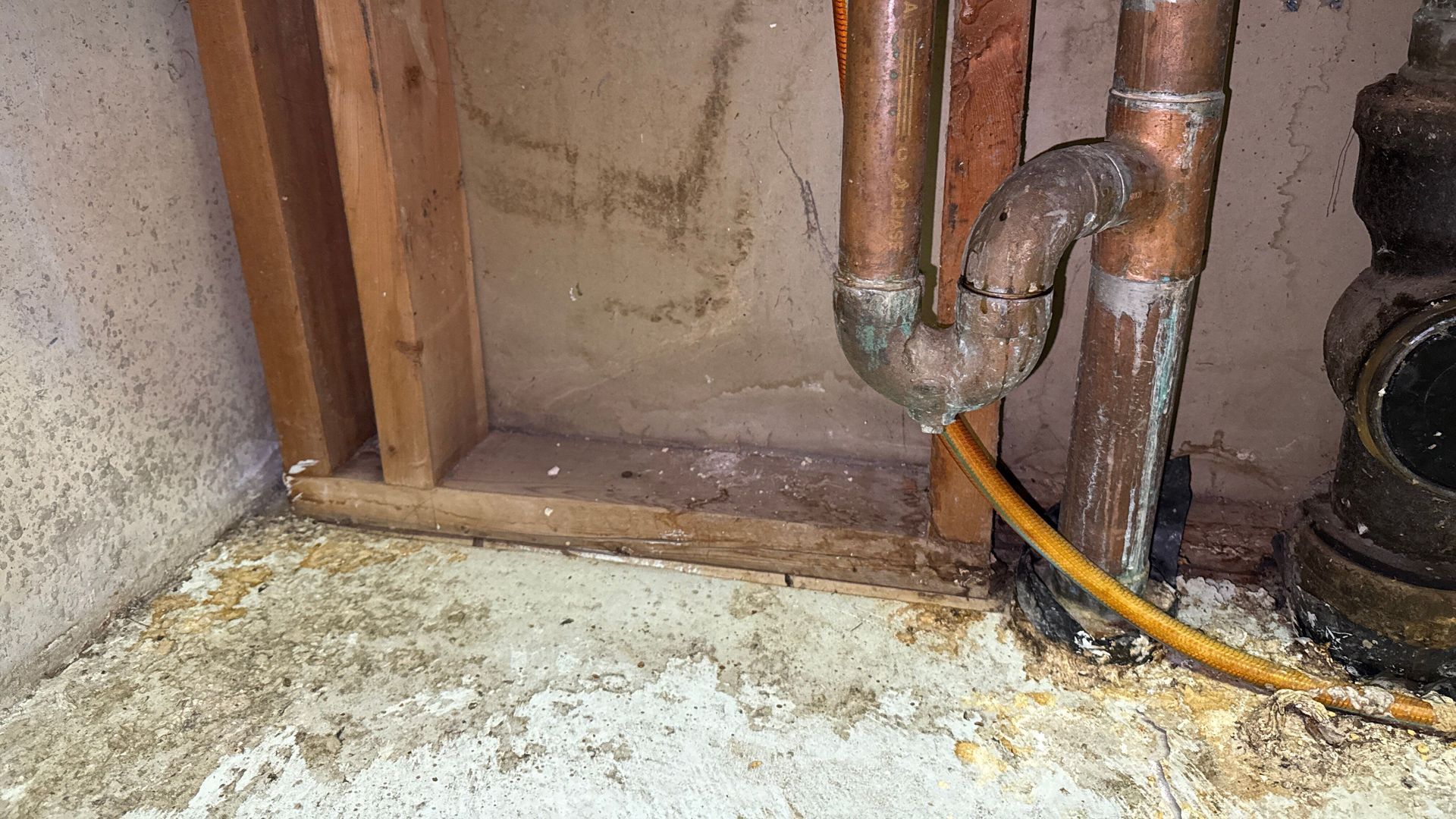
The most common mistake is thinking that fixing the leak means the problem is over. It is possible to stop the source and still have trapped moisture in drywall, under flooring, inside cabinets, or in insulation.
Another common mistake is delaying the restoration call because the visible water looks minor. Small appliance leaks, supply-line failures, and slow overnight leaks can travel farther than expected.
A third mistake is treating every event as an insurance question first. Insurance matters, but the more immediate issue is protecting the property from additional damage while materials are still wet.
Next step if you are unsure: If the water has already reached building materials and you need help deciding whether this is now a restoration issue, start here. See
“Accountable Home Services –
Water Damage Restoration.”
Who should you choose if both a plumber and restoration company are needed?
If both services are clearly needed, choose the team that solves the time-sensitive side first. For an active plumbing failure, that is usually the plumber. For water that has already spread into the structure, that is usually the restoration company.
The ideal outcome is coordinated timing, not choosing one profession forever. Many water-loss events need both. What matters is not losing hours while wet materials sit in place.
Industry restoration standards exist because proper water-damage work is more than surface drying. See “IICRC S500 Standard.”
FAQ: who should you call first for water damage?
Should I call insurance before cleanup starts?
Usually, no. In most cases you should first control the source if possible, arrange emergency mitigation if the damage has spread, and then notify insurance promptly with photos and notes.
Can a plumber dry out walls and floors after a leak?
Sometimes a plumber may point out visible damage, but plumbers are generally there to stop and repair the source. Drying, moisture mapping, extraction, and restoration are typically separate restoration functions.
What if the leak is coming through the ceiling?
If the ceiling is sagging, actively dripping, or the source is unclear, treat it as a safety and spread issue first. A restoration company can assess the affected materials while the source is traced to plumbing or roofing as needed.
Do I still need help if the leak stopped on its own?
Possibly, yes. Once water has reached drywall, flooring, cabinets, or insulation, the issue is no longer just the source. The remaining question is whether hidden moisture is still trapped in the structure.
Final takeaway
The best first call depends on the immediate threat. If water is actively flowing and you cannot stop it, call the professional who can stop the source fastest. If the source is already controlled but the damage has spread into the building, call a water damage restoration company right away and notify insurance once the emergency response is underway.
If you need emergency water damage restoration in Denver, use the main service page this blog is designed to support: Water Damage Restoration.