BLOG
How to Document Water Damage for an Insurance Claim Without Slowing Down Cleanup
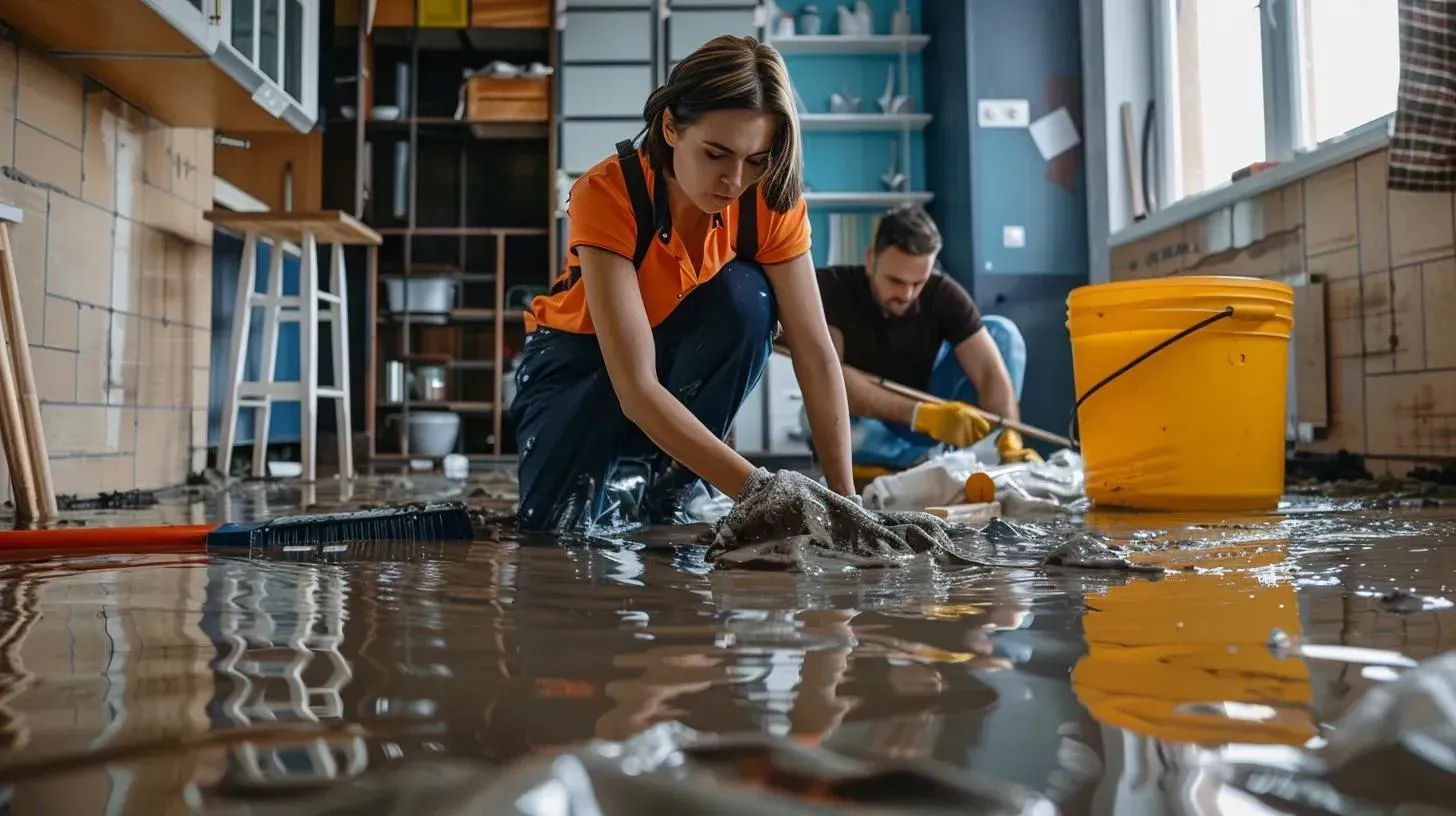
When water damage happens, homeowners often feel pulled in two directions at once: document everything for insurance, but also move fast so the damage does not spread. The good news is that you usually do not need to choose one over the other.
The goal is to document in layers. Capture the most important evidence first, then let emergency mitigation move forward while you keep collecting supporting records. This guide is about how to do that without turning the claim into a legal project or delaying the drying work your home may need. If the damage has already reached floors, drywall, cabinets, or ceilings, start here for emergency help in Denver: Water Damage Restoration.
What should you document first after water damage?
Start with the evidence that can disappear fastest. In most water-loss claims, the first things to capture are the water source if visible, wide photos of each affected room, close-ups of damaged materials, and the condition of any belongings before they are moved, discarded, or packed out.
That first layer matters because water damage changes quickly. Standing water gets extracted, soaked carpet gets lifted, damaged drywall may be opened, and contents may be moved for drying or safety. If you wait until everything is neat and underway, you may lose the clearest record of what the property looked like at the time of loss.
How can you document water damage without delaying cleanup?
The best approach is a short, structured capture before major movement begins, not a long photo session that holds up mitigation. In practice, most homeowners can gather the most important evidence in one quick pass and then continue documenting while professionals work.
Use this simple sequence:
| What to document | Capture before major cleanup starts | Keep adding during mitigation | Why it matters |
|---|---|---|---|
| Room-overview photos and video | Yes | Only if conditions change | Shows scope, spread, and the original condition of each affected area |
| Source and cause evidence | Yes, if it is visible and safe to access | Yes, if a plumber or contractor identifies more detail | Helps explain whether the loss was sudden, accidental, or still active |
| Damaged building materials | Yes | Yes, especially if removal reveals hidden damage | Shows what was visibly affected and what was discovered during drying |
| Damaged contents and personal property | Yes | Yes, while sorting or pack-out happens | Supports itemized loss lists and values |
| Emergency actions and temporary repairs | As they happen | Yes | Shows you acted to prevent further damage |
| Receipts, estimates, and communication records | Start immediately | Yes, throughout the claim | Helps connect the timeline, spending, and professional findings |
What does a fast documentation workflow look like?
A fast documentation workflow is about getting enough proof to preserve the claim, then letting the response move forward. You do not need perfect photos, but you do need clear, organized evidence.
A 10-minute documentation workflow
- Take one video walkthrough of every affected room. Move slowly and narrate what you see, where the water appears to have started, and what rooms or materials are wet.
- Take wide photos from the doorway or corners. These give context before anything is moved.
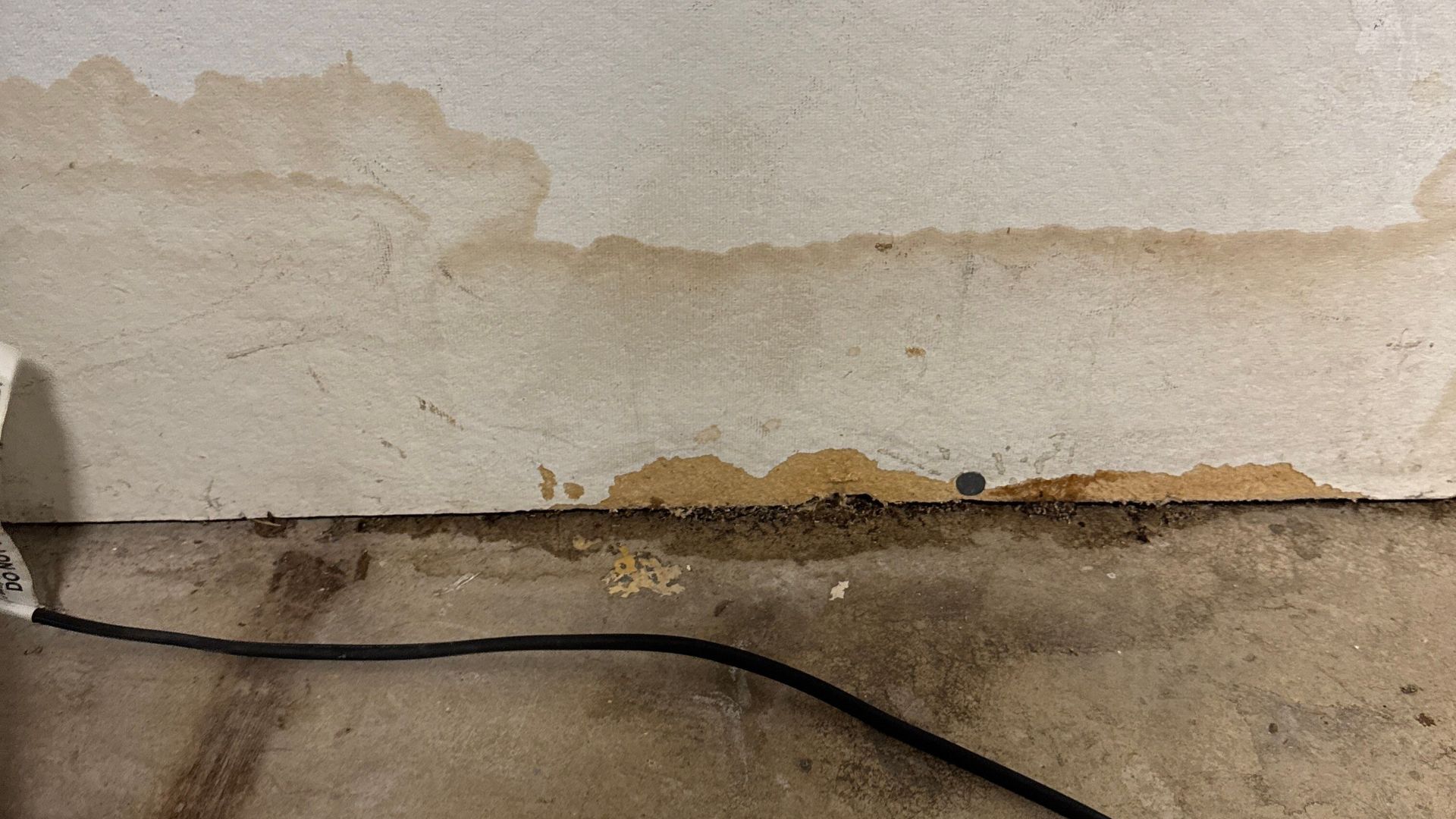
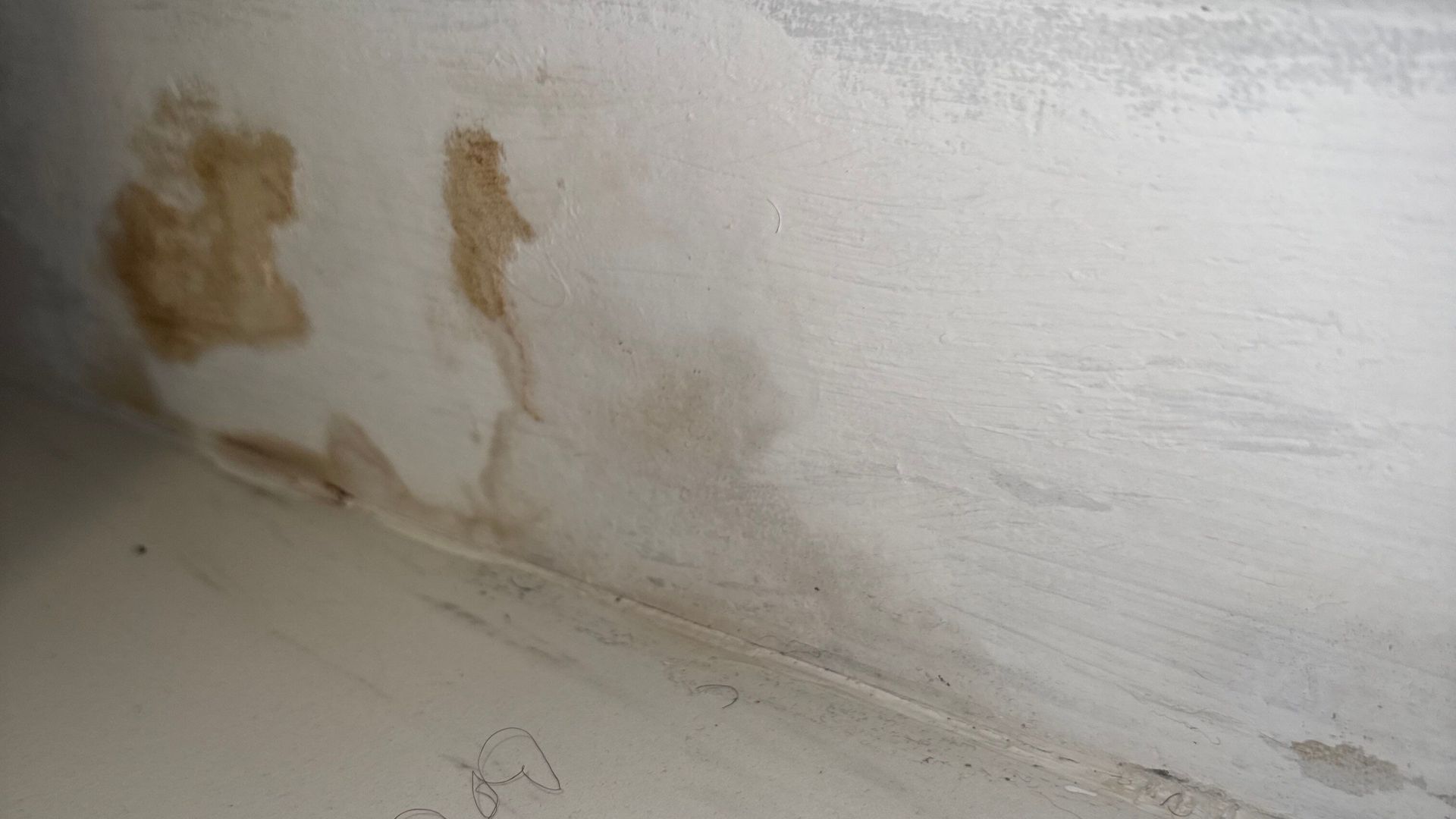
- Take close-ups of the water source and the worst damage. Capture stains, swelling, buckling, sagging, peeling, warped flooring, wet insulation, damaged cabinets, and visible water lines.
- Photograph damaged belongings before relocation. Include electronics, furniture, rugs, boxes, and anything with visible water impact.
- Save one note with the basic timeline. Record when you discovered the damage, when the source was shut off, and who was called.
- Then let extraction, drying, and emergency work begin. Continue documenting the changes rather than holding the process up.
If the source is still active or the damage is spreading, use a professional water mitigation service rather than waiting for a perfect claim file.
Which photos and videos matter most for a water damage claim?
The strongest photo set usually includes both context and detail. Insurers and adjusters need to understand not only that damage exists, but where it is, how far it spread, and what may have caused it.
A useful rule is to shoot in three layers: room-wide, medium-range, and close-up. Room-wide photos show the overall extent. Medium-range photos show the damaged wall, floor, ceiling, cabinet run, or appliance area. Close-ups show the specific signs of damage, such as staining, warping, delamination, swelling, corrosion, or visible moisture spread.
Photo checklist
- Wide-angle photos of every affected room
- A slow video walkthrough of each affected area
- The visible source, entry point, or failed component if safe to access
- Standing water, puddling, or visible moisture spread
- Water lines on walls or baseboards
- Wet drywall, insulation, trim, flooring, cabinets, and ceilings
- Damaged furniture, electronics, boxes, rugs, and stored items
- Appliance model labels or serial information when relevant
- Temporary protection measures, such as tarps, fans, or containment
- Removed materials, if they had to come out quickly, before disposal
Guidance from the Insurance Information Institute recommends documenting damage with photos or video, protecting the property from further damage, keeping damaged items until the adjuster has inspected them if possible, and saving receipts for any related costs.
What written records should you keep besides photos?
Photos show the condition of the property, but written records explain the story of the loss. The most useful written records are the event timeline, damaged-item list, emergency actions taken, receipts, and a communication log.
Start a simple note on your phone or in a document and keep it updated. Include when you discovered the damage, where the water was coming from if known, who shut off the source, who you called, when mitigation began, and what materials were removed or stabilized. This does not need to be formal. It just needs to be consistent.
According to guidance on filing a homeowners insurance claim from NAIC, homeowners should document damage with photos or videos, list damaged property, and be ready to explain what happened and how extensive the damage is.
Keep these records together in one folder
- A room-by-room list of damaged structural materials
- A list of damaged personal property with brand, model, purchase date, and estimated value when possible
- Receipts for emergency repairs, temporary lodging, storage, equipment rentals, and cleanup supplies
- Estimates, invoices, and work authorizations from plumbers, restoration teams, or contractors
- Claim number, adjuster name, and contact details
- Notes from phone calls, emails, and inspection visits
- Before-and-after photos if conditions changed during mitigation
How do you document personal property and contents clearly?
The most effective contents documentation is itemized, not general. “Damaged furniture” is weaker than “oak dining table with water-swollen legs and veneer separation.” “Wet electronics” is weaker than “Samsung 55-inch television from guest room, visible moisture exposure, will not power on.”
You do not need a perfect spreadsheet on day one, but you do want enough detail that each item can be understood later. If you still have receipts, online order history, manuals, or product photos, save them. If you do not, you can often rebuild a basic inventory from old photos, videos, email receipts, or online retailer records.
The NAIC consumer guidance on filing a homeowners insurance claim also recommends keeping an updated home inventory and saving receipts with it, as these records help support and simplify the claims process.
Should you throw away damaged materials or belongings before the adjuster sees them?
Usually, no, not until you have documented them and confirmed what should be kept. If possible, avoid throwing away damaged items until the adjuster has had a chance to inspect the loss or your insurer tells you what documentation is enough.
That said, real cleanup is not always that tidy. In contaminated water events or situations where saturated materials create a safety or hygiene problem, removal may need to happen quickly. In those cases, the safest approach is to photograph and video the items first, make a short note about why they had to be removed, and keep any related contractor notes or invoices.
The
NAIC’s consumer guidance on navigating the insurance claims process advises homeowners to document losses before removing debris or belongings if possible, keep damaged items available for inspection when practical, and take reasonable steps to prevent further damage.
What if emergency mitigation needs to start right away?
Then let it start. Documentation should support cleanup, not block it. If the water has already spread into flooring, drywall, cabinets, or insulation, delaying extraction or drying for the sake of perfect paperwork can make the property damage worse.
A good working rule is this: document fast, then mitigate. If professionals are on site, ask them to preserve their own records too. Restoration documentation can include moisture readings, affected-area notes, equipment logs, photos taken during setup, and material-removal records. Those details often help fill the gap between the first photos and the later repair scope.
The NAIC’s guidance on navigating the insurance claims process also says that after documenting damage, homeowners should take reasonable steps to prevent further destruction and keep receipts for emergency repairs and temporary expenses.
What does this look like in real life?
A claim gets easier when the documentation matches the pace of the emergency instead of fighting it.
Scenario 1: Water heater leak overnight
A homeowner finds a utility room and adjacent hallway wet at 7 a.m. The heater has already stopped leaking, but the flooring is wet and the baseboards are swollen. The best documentation move is not a two-hour room-by-room project. It is a quick walkthrough video, wide photos of the affected rooms, close-ups of the heater, flooring, and trim, and a written note of when the leak was discovered.
After that, extraction and drying can start. As work continues, the homeowner keeps receipts, saves the plumber’s invoice, and adds photos if wall cavities or subfloor damage are revealed during mitigation.
Scenario 2: Ceiling leak during active rainfall
A homeowner sees water dripping through a ceiling below an upstairs bathroom and is not sure whether the source is plumbing or roof-related. The ceiling drywall is stained and beginning to sag. The right move is to capture the room layout, the active drip, the stained ceiling, and any damage below it, then shift quickly to protection and emergency response.
If part of the ceiling later has to be opened for safety or drying, that removal should also be photographed. In that scenario, the strongest claim file is not just the first photos. It is the timeline from discovery to protection to mitigation to confirmed damage.
What common mistakes weaken or slow a water damage claim?
The biggest mistake is waiting too long because you think you need a perfect packet of evidence before anyone can touch the property. Most of the time, you need a fast first layer of proof and then ongoing records as the work unfolds.
Another common mistake is taking only close-ups and missing the full-room context. A stain or warped board may be obvious in close detail, but the adjuster still needs to understand where that damage sits in the room and how extensive the overall impact is.
A third mistake is discarding materials too early without photos, notes, or contractor records. Even when removal is necessary, the file is stronger if there is a clear record of what was removed and why.
Red flags to avoid
- Only taking photos after furniture has been moved and debris has been cleared
- Failing to photograph the source or likely entry point when it was visible
- Throwing away damaged items before they were documented
- Keeping receipts in multiple places instead of one claim folder
- Relying on memory instead of writing down the timeline
- Waiting days to notify the insurer after deciding to file a claim
- Letting mitigation proceed with no saved invoices, notes, or equipment records
How should you organize everything for the adjuster?
The easiest method is one digital folder with clear subfolders for photos, videos, receipts, estimates, communication notes, and item inventory. Keep file names simple, such as “Kitchen-floor-wide-1,” “Water-heater-source,” or “Ceiling-leak-living-room-close-up.”
Before the adjuster visit, prepare a short summary page with the date of loss, likely source, rooms affected, emergency steps taken, and the documents you have ready. That makes the inspection more efficient and helps you avoid forgetting key details under stress.
The NAIC’s claims guidance for homeowners after a disaster says the adjuster may ask for a home inventory or list of damaged property and that homeowners should be ready to show structural damage, damaged items, photos, videos, and any contractor estimates they have gathered.
If the property is still wet and the claim process needs to keep moving, starting with water damage restoration services can help begin drying while documentation and insurance steps continue.
FAQ: documenting water damage for an insurance claim
Should I wait for the adjuster before starting water damage cleanup?
Usually, no. Document the damage quickly, then take reasonable steps to prevent further damage. Emergency mitigation and claim documentation generally need to move together.
How many photos should I take?
Take enough to show the whole room, the damaged materials, the source if visible, and affected belongings from multiple angles. In practice, most homeowners benefit more from clear coverage than from trying to limit the number.
Do videos help, or are photos enough?
Videos help because they show context and continuity, especially when you narrate what happened and walk slowly through the affected areas. Photos are still important because they are easier to sort and reference later.
What receipts should I keep?
Keep receipts for emergency repairs, mitigation work, temporary protection, lodging, storage, supplies, contractor visits, and any other loss-related expense you may need to explain later.
What if I forgot to make a home inventory before the damage happened?
You can still build one after the loss using room-by-room notes, old photos, order history, product pages, receipts, and memory. It may take longer, but it is still worth doing.
Final takeaway
The best way to document water damage for an insurance claim is not to stop cleanup and create a perfect file before anyone touches the property. It is to capture the most time-sensitive evidence first, then keep building the record as mitigation, drying, and inspections move forward.
If you need emergency water damage restoration in Denver while gathering documentation for your insurance claim, the main water damage restoration service page can help you start the process.