BLOG
Water Leaking From Your Ceiling in Denver: What to Do Right Away
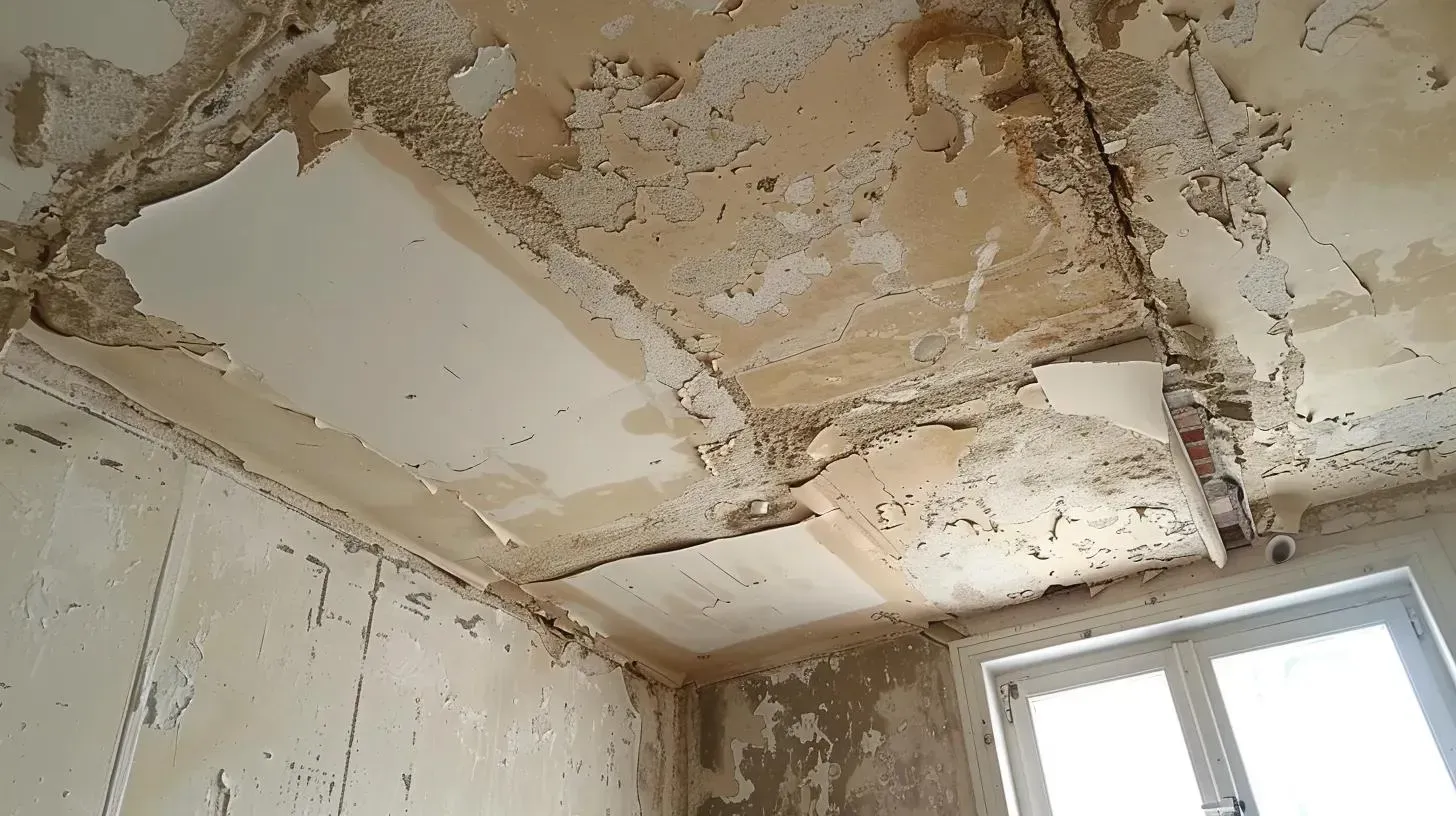
If water is leaking from your ceiling, act like it is both a leak problem and a damage-spread problem until you know otherwise. The priority is to protect people, contain the drip if you can do it safely, stop the source if it is obvious, and keep the moisture from spreading farther into drywall, insulation, flooring, cabinets, and contents.
This guide is about immediate response and decision-making for a ceiling leak. It is not a roof-replacement guide, a plumbing repair tutorial, or a full insurance article. If the leak has already spread into the structure and you need emergency help, start here: Accountable Home Services-Water Damage Restoration.
What should you do first when water is leaking from your ceiling?
Start with safety and containment, not diagnosis. If there is active dripping, keep people out from under the leak, move nearby contents if it is safe to do so, place a bucket or tarp below the drip, and shut off the water supply if a plumbing source is likely and you can do that safely.
Once the immediate risk is controlled, the next question is whether the leak is still active and whether the ceiling materials may already be holding trapped water. A small drip can still mean moisture has spread into drywall, insulation, framing, or the room below.
| What you see | Most likely immediate concern | Safest first move | Who usually comes next |
|---|---|---|---|
| Active drip below a bathroom, kitchen, or laundry area | Plumbing or appliance-related water still feeding the leak | Contain the drip, shut off water if safe, clear the area | Restoration company and plumber |
| Brown stain with no active drip | Hidden moisture may still be present even if the leak stopped | Photograph it, check for softness or spread, avoid waiting too long | Restoration company or leak detection |
| Sagging, bulging, or soft ceiling section | Ceiling materials may be saturated and unstable | Keep the area below clear and do not stand under it | Restoration company immediately |
| Leak that appears after rain or snow | Roof/exterior water intrusion may still be occurring | Contain the water and protect contents | Restoration company plus roofer as needed |
| Water near a light fixture or ceiling fan | Electrical hazard | Shut off power at the breaker if safe and stay clear | Restoration company and electrician if needed |
How do you tell whether the leak is plumbing, roof-related, or just condensation?
A ceiling leak does not always come from the same place it becomes visible. Water can travel along framing, pipe runs, insulation, or roof decking before it shows up in the ceiling below.
A leak under a bathroom, kitchen, or laundry room often points to plumbing, a drain issue, or an appliance line. A leak that shows up during or after rain may point to roofing, flashing, gutters, or another exterior entry point. In bathrooms, laundry rooms, and kitchens, ceiling moisture can sometimes be condensation rather than a true roof or pipe leak, especially when ventilation is poor.
That is why the first goal is not to guess perfectly. It is to stop obvious active water, protect the room below, and get the right kind of inspection if the source is not clear.
If the source is uncertain or the moisture may be spreading behind finished surfaces, use this bridge page next: Accountable Home Services-Leak Detection.
When is a ceiling leak a safety problem instead of just a cleanup problem?
A ceiling leak becomes a safety issue when electricity, contamination, or ceiling instability enters the picture. Water and electricity are the most urgent combination, but a heavily saturated ceiling can also become unsafe if the drywall or plaster loses strength.
If water is near a light fixture, ceiling fan, outlet, or wiring path, treat the area cautiously. If the ceiling is bulging, sagging, or feels soft, assume it may be holding more water than you can see.
Safety checklist for a leaking ceiling
- Keep people, pets, and valuables out from directly under the leak.
- Do not touch wet light fixtures, fans, cords, or electrical devices.
- Shut off the breaker to the affected area only if you can do it safely.
- If the leak may involve sewage or contaminated backup, avoid contact.
- Do not keep testing the ceiling by pressing on soft or swollen areas.
- Move furniture and rugs out of the drip path if you can do so safely.
- Take quick photos, then focus on controlling spread and getting help.
- If you are unsure whether the area is safe, step back and call for professional help.
What should you document before the area changes?
Document the parts of the loss that are most likely to disappear first. That usually means active drips, the visible stain pattern, the room layout, the source if visible, and any belongings already affected below the ceiling.
The point is not to delay response for a perfect insurance file. It is to preserve the clearest record before the bucket moves, the ceiling dries unevenly, wet contents are relocated, or part of the ceiling has to be opened during mitigation.
Quick documentation checklist
- One slow video walkthrough of the room
- Wide photos showing where the leak is in relation to the room
- Close-up photos of the stain, drip, sagging area, or damaged ceiling finish
- Photos of affected flooring, furniture, electronics, and contents below
- A note about when you first noticed the leak and whether rain, plumbing use, or an appliance was involved
- Photos of any visible source if it is safe to access
- Receipts for any emergency protection or temporary repair work
If hidden moisture is the bigger concern after the active drip is controlled, this is the related inspection path: Thermal Imaging Inspection.
Who should you call for a ceiling leak in Denver?
That depends on whether the priority is source control or damage control. If a supply line, fixture, or appliance is actively feeding the leak and you cannot stop it safely, a plumber may be part of the first response. If the source has stopped or the ceiling and nearby materials are already wet, water damage restoration is usually the more time-sensitive call because extraction, moisture mapping, and drying may need to start quickly.
For roof-related leaks, you may ultimately need a roofer, but the interior damage still needs to be protected, documented, and dried. A roof fix and a ceiling-restoration response are related, but they are not the same job.
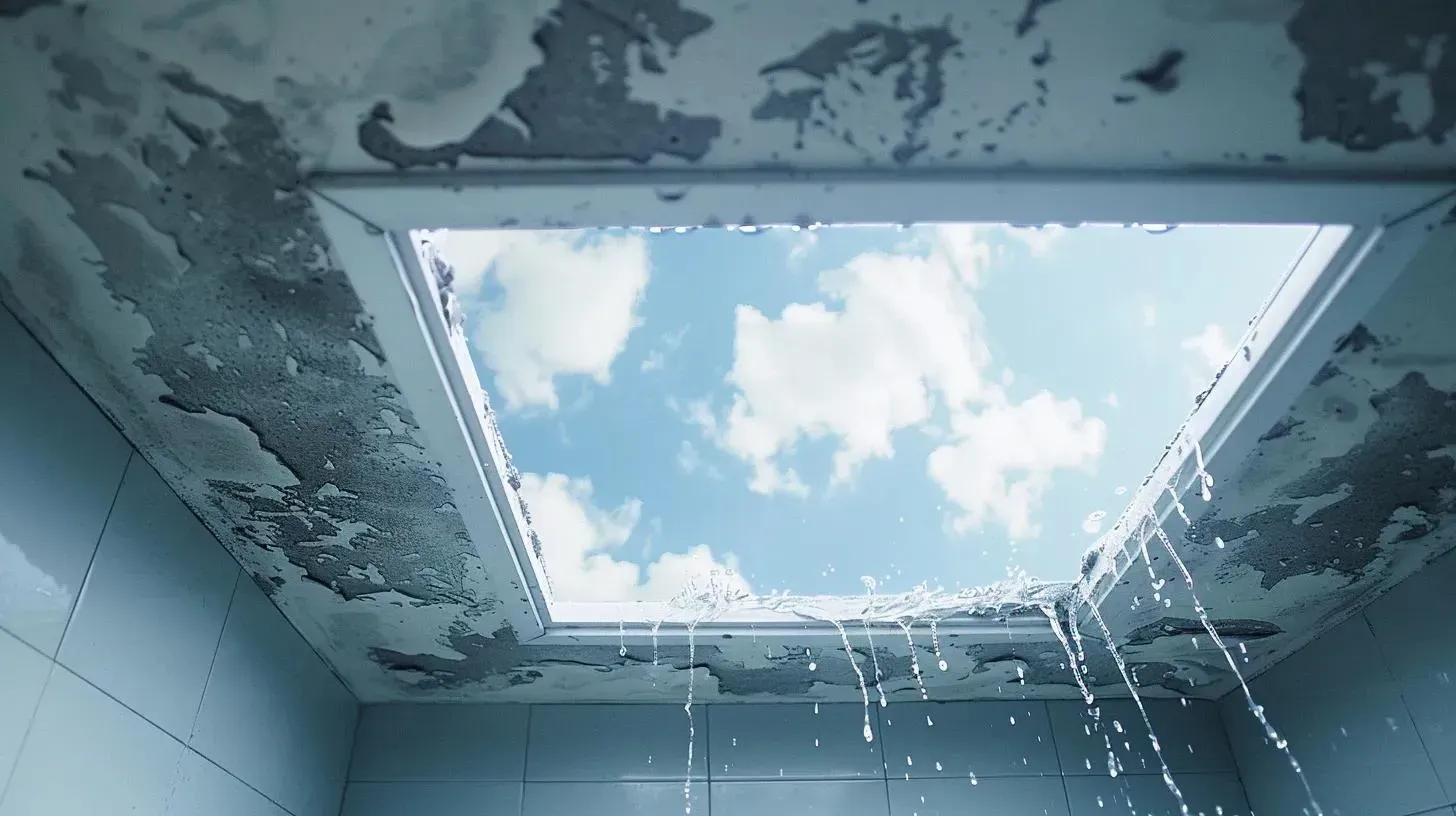
What does the first response look like in real life?
Real leaks are rarely neat, which is why a simple response pattern helps more than trying to diagnose everything in the first five minutes.
Scenario 1: Upstairs bathroom leak into the living room ceiling
A homeowner notices dripping from the living room ceiling directly below an upstairs bathroom. The correct first move is to stop using the bathroom fixture, contain the drip, clear furniture from below, and shut off the water if the source appears active and can be isolated safely.
At that point, the job is not finished even if the dripping slows down. The ceiling, insulation, and nearby wall surfaces may still be wet, so restoration and leak-source evaluation become the next practical steps.
Scenario 2: Brown ceiling stain turns into dripping after a storm
A homeowner has seen a stain before, but after a night of heavy weather the ceiling starts dripping. In that case, the response should focus on catching the water, protecting the room below, documenting the condition, and arranging help for both interior water damage and the likely exterior source.
Even if the rain ends, the question is no longer just whether the roof needs repair. It is also whether the ceiling cavity, insulation, drywall, or surrounding materials stayed wet long enough to require drying or selective removal.
What mistakes make ceiling leaks worse?
The biggest mistake is treating the ceiling as the actual source of the problem. In most cases, the ceiling is only where the water became visible. Waiting for a stain to “dry out on its own” can allow moisture to remain trapped above the finished surface.
Another common mistake is focusing only on the cause and ignoring the spread. A plumber or roofer may solve the source, but the wet ceiling, insulation, flooring, or wall materials may still need extraction, drying, or inspection.
A third mistake is standing directly below a sagging section while trying to inspect it more closely. If the area looks swollen, soft, or unstable, distance is safer than curiosity.
Red flags that mean you should not wait
- The ceiling is bulging, sagging, or actively shedding material
- Water is near a light fixture, fan, or electrical path
- The leak is still active and you cannot stop it safely
- The source is unclear and the stain is growing
- Water has spread into walls, floors, trim, or contents below
- The leak may involve sewage or contaminated water
- You noticed the issue late and the materials may have been wet for hours or longer
What happens after the immediate emergency is controlled?
Once the drip is contained and the source is either stopped or being addressed, the next step is to determine what stayed wet and how far the moisture traveled. That can include ceiling material, insulation, framing, upper-floor finishes, adjacent walls, and the room below.
This is where restoration differs from a simple repair. The visible ceiling spot is only part of the job. The more important question is whether the structure has actually dried and whether any materials need cleaning, drying, selective removal, or follow-up repair.
A soft next step if the leak has already affected the structure or contents below: Water Damage Restoration.
FAQ: water leaking from your ceiling in Denver
Should I turn off the water if my ceiling is leaking?
If you suspect the leak is coming from plumbing or an appliance line and you can shut off the water safely, yes. If the source seems weather-related instead, water shutoff may not change the leak, so containment and professional help become more important.
Is a ceiling stain always a roof leak?
No. Ceiling stains can come from plumbing, roof-related water intrusion, gutters, and in some rooms even condensation or ventilation problems. The stain tells you there is moisture; it does not always tell you exactly where it started.
Can I just repaint a water stain after it dries?
Not until the source has been solved and the area is confirmed dry. Repainting too early can hide an active problem rather than fix it.
Should I wait to see if the leak stops on its own?
Usually, no. Even when dripping slows or stops, moisture may still be trapped above the ceiling or in nearby materials.
Do I need restoration if a plumber already fixed the leak?
Possibly, yes. Fixing the source and drying the damage are different steps. If ceiling materials, insulation, walls, or flooring got wet, the damage side may still need attention.
Final takeaway
If water is leaking from your ceiling, think in this order: protect people, contain the drip, stop the source if it is obvious and safe to address, document the visible damage, and move quickly if the ceiling or nearby materials may still be wet. Ceiling leaks often look smaller than they are because the visible drip is only the exit point, not the full water path.
If you need emergency water damage restoration in Denver for a ceiling leak, use the main service page this article is designed to support: Water Damage Restoration.