BLOG
What Should You Do If Your Sump Pump Fails and Your Denver Basement Floods?
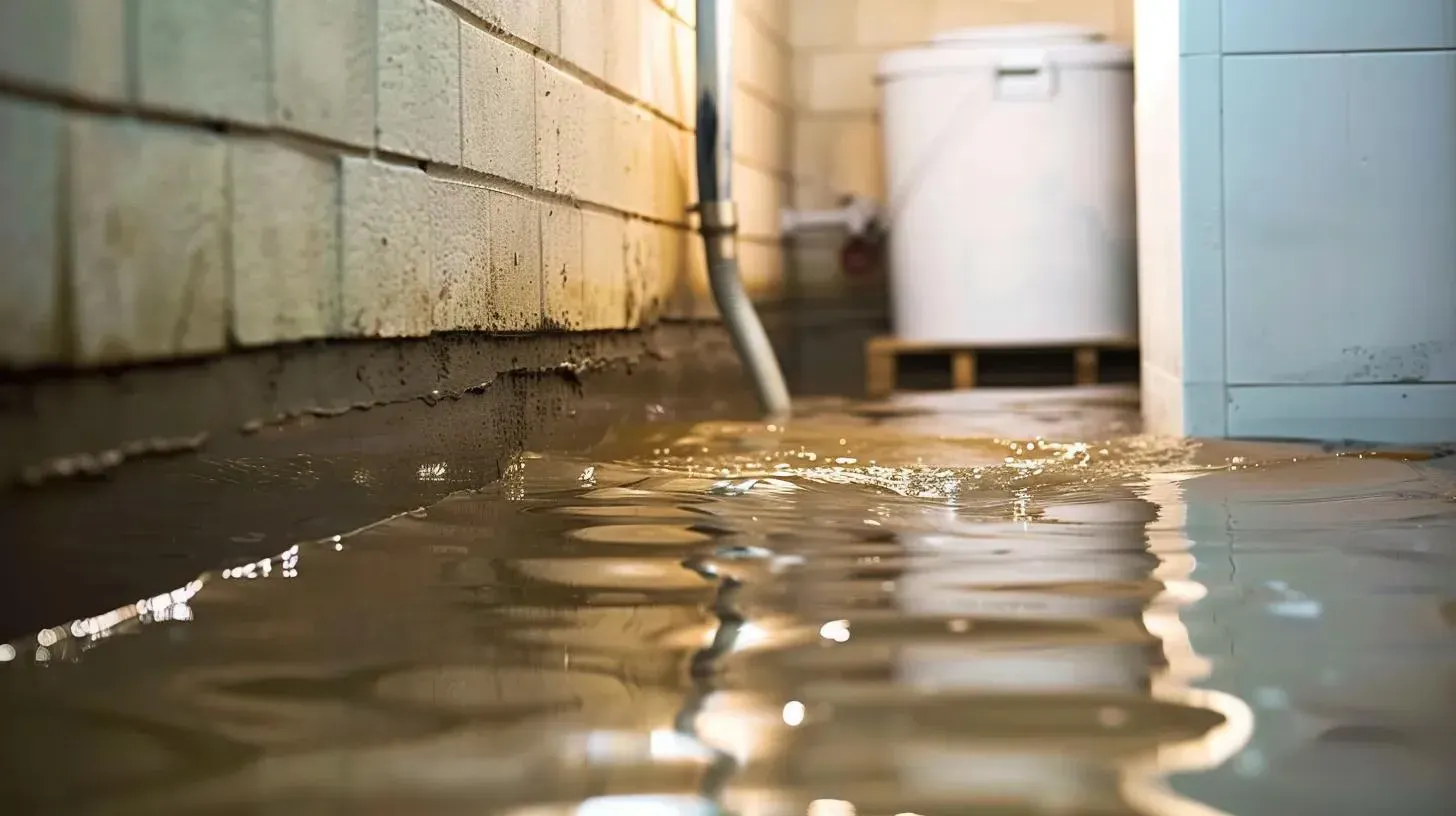
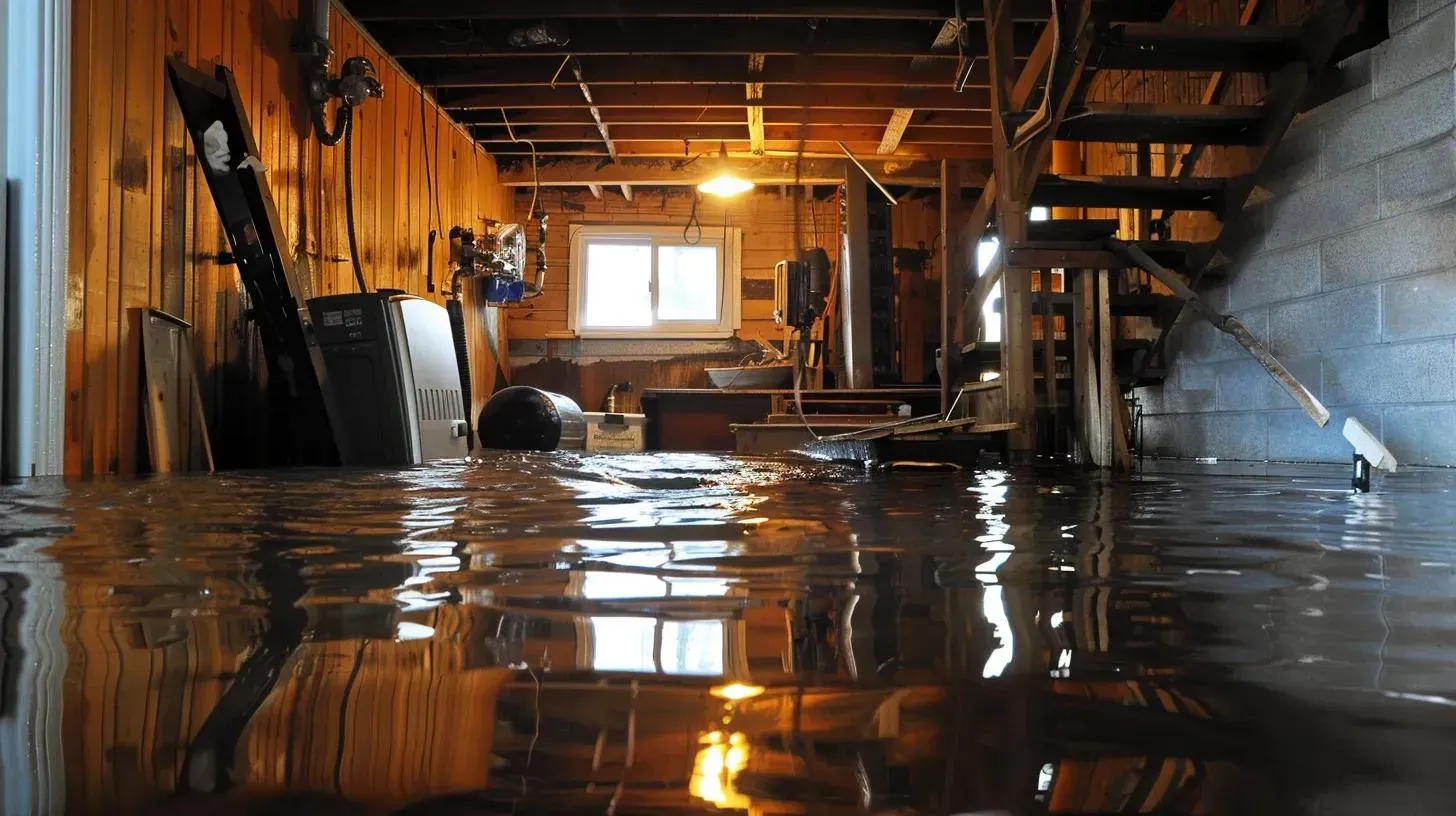
If your sump pump fails and your basement floods, the first priority is safety, not troubleshooting. Standing water in a basement can involve electrical hazards, contaminated water, hidden spread into flooring and wall materials, and damage that keeps getting worse while you decide what failed first.
This guide is about what to do right away after sump pump failure and how to tell whether you are dealing with a simple pump problem, a broader water-intrusion problem, or both. It is not a full insurance article, a waterproofing sales page, or a flooded-basement cost guide. If you already need emergency help with extraction and drying, start here: Accountable Home Services- Water Damage Restoration.
What should you do first when a sump pump fails and the basement is flooding?
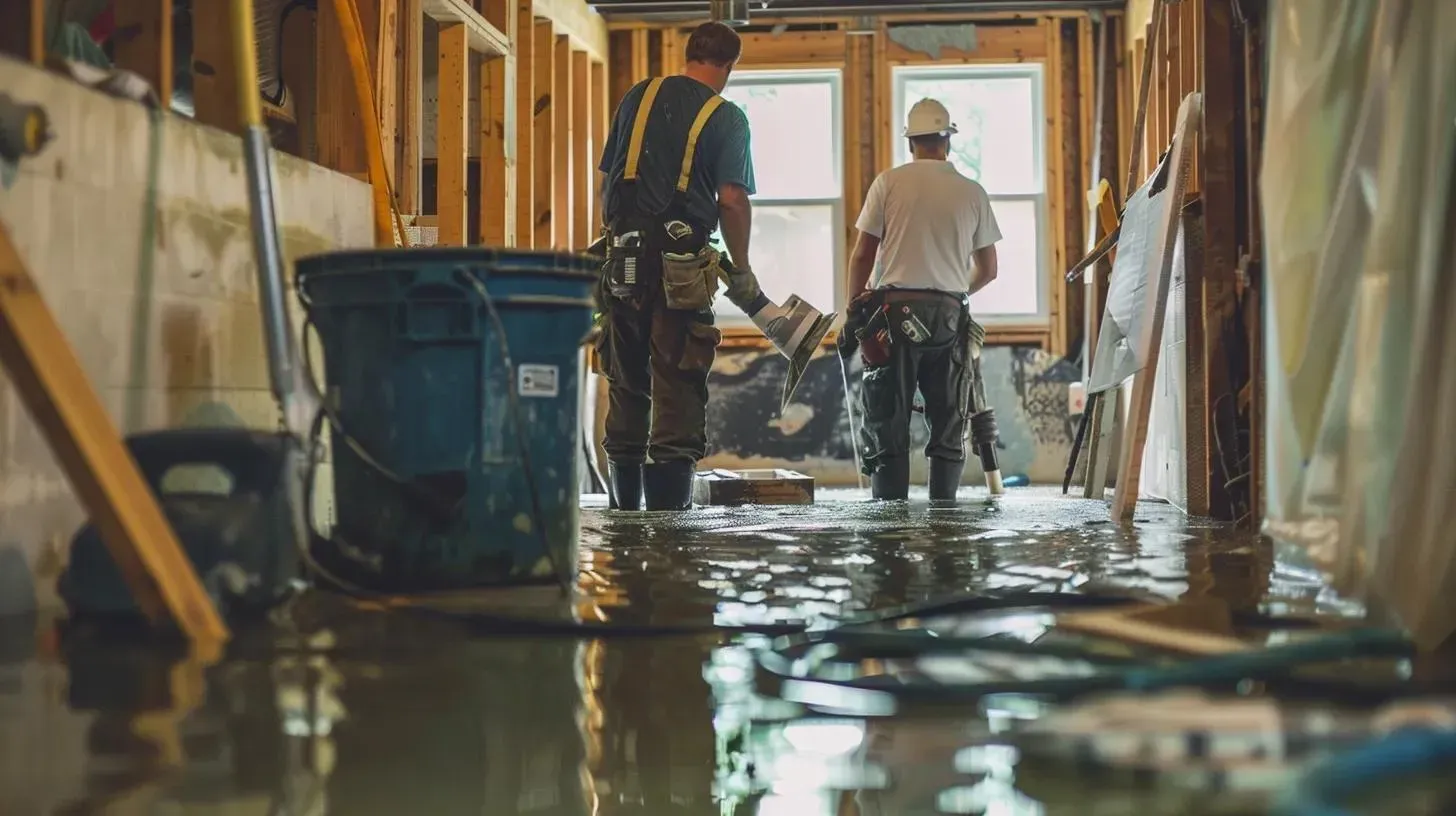
Start with safety and source control, not by walking straight into the water. If the basement may have electrical risk, do not step into standing water or touch electrical equipment while standing in water. If it is safe to do so, shut off power to the affected basement area before entering.
After that, focus on three quick questions: is water still actively entering, how deep is the water, and is the sump pump problem obvious enough to identify without turning this into a repair project. If the pump is overwhelmed, unplugged, tripped, jammed, or unable to discharge, you may be able to identify that. But if water is already spreading through the basement, cleanup and drying usually become the more urgent side of the problem.
| What you are seeing | First priority | Why it matters | Next move |
|---|---|---|---|
| Standing water with possible electrical exposure | Stay out until power is safely addressed | Basement flooding can create shock risk | Shut off power if safe, then reassess |
| Water still entering the basement quickly | Limit new inflow if possible and protect people | Rising water changes the scope fast | Call for emergency water removal and assess the pump cause |
| Sump pump is silent or clearly not turning on | Confirm power and obvious pump status only if safe | The issue may be power, switch, clog, or motor failure | If the basement is already wet, handle water damage in parallel |
| Pump is running but water is not leaving | Check visible discharge path if safe; do not lose time on deep DIY troubleshooting | A working pump can still fail functionally | Check visible discharge path if safe; do not lose time on deep DIY troubleshooting |
| Water reached contents, flooring, drywall, or utilities | Prevent spread and protect salvageable items | The event is already beyond the sump pit | Extraction, drying, and documentation become more important |
Why do sump pumps fail during basement flooding?
Sump pumps usually fail in a few recurring ways: power loss, float-switch failure, clogging in the pit or discharge line, pump burnout, frozen or blocked discharge lines, or simply being overwhelmed by how much water is arriving. Sometimes the pump is not technically broken at all. It is just undersized for the storm or the drainage load.
That distinction matters because homeowners often think of sump pump failure as one narrow mechanical problem. In real basement floods, the causes overlap. Heavy rain, exterior drainage problems, foundation seepage, discharge-line blockage, and pump limitations can all combine at once.
Denver-specific guidance on basement flooding risks notes that local factors such as expansive clay soil, drainage pressure, and common seepage patterns can make lower-level water problems more complicated than a simple appliance leak.
How can you tell whether the pump failed, the water was too much, or the source is something else?
You do not need a full diagnosis in the first few minutes, but you do need to know whether the basement flood is tied to pump failure alone or whether outside water, seepage, or another source is part of the picture.
If the pump is silent, the issue may be power, float-switch, or motor-related. If the pump is running but the pit is not dropping, the pump may be overwhelmed or the discharge may be blocked. If water is appearing far from the sump area, around wall joints, floor cracks, or foundation edges, the event may also involve seepage or exterior drainage pressure. If the water smells contaminated or multiple drains are involved, you may be crossing into sewer or backup territory instead of a pure sump-pump event.
What areas in the basement usually get wet first?
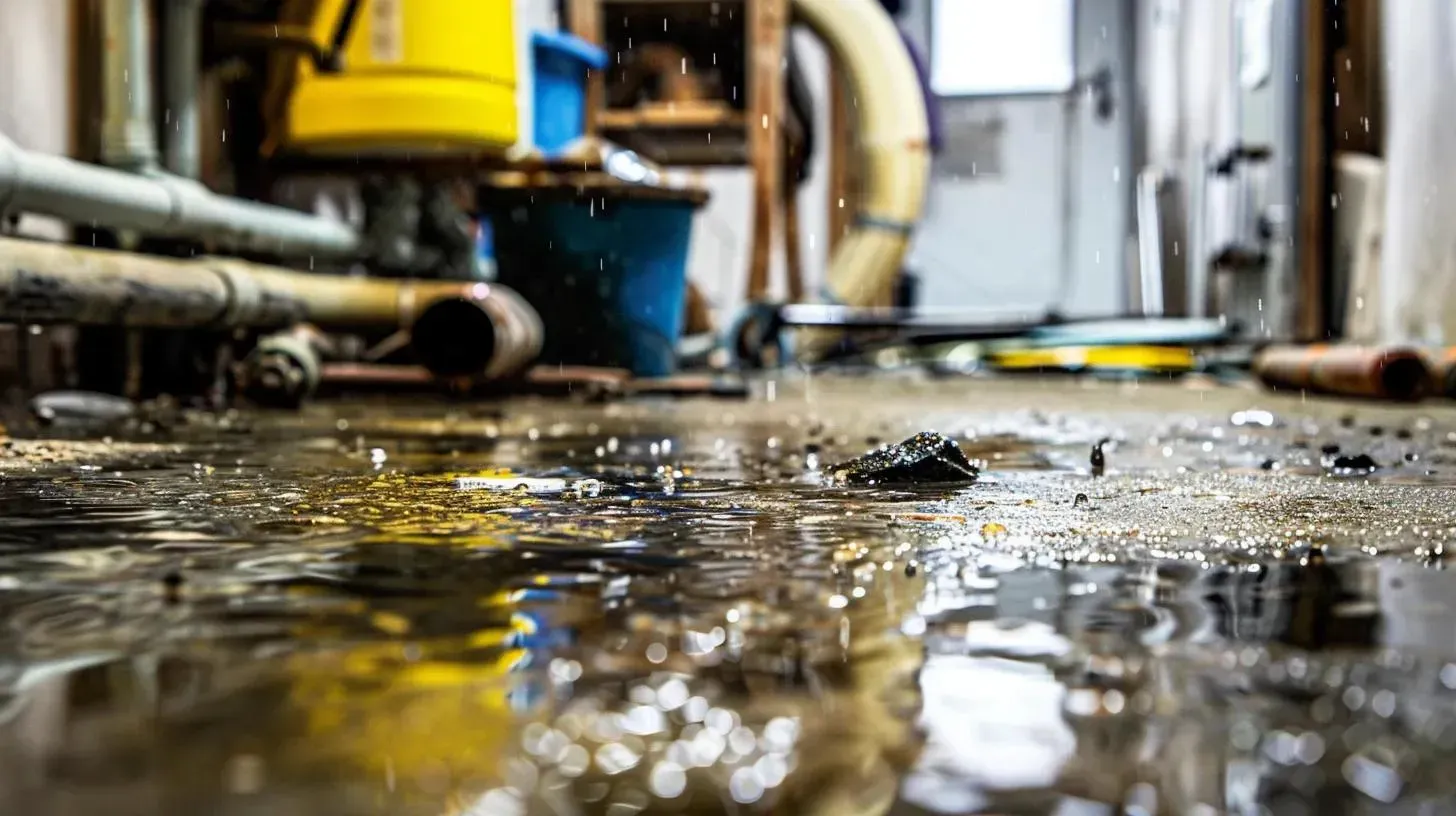
The first wet areas are usually the lowest floor sections near the sump pit, floor joints, wall-floor seams, and any path that lets water move toward finished or stored areas. If the basement is finished, water often reaches baseboards, carpet edges, laminate or vinyl-floor seams, storage closets, and drywall bottoms quickly.
In unfinished basements, the risk may shift toward stored belongings, lower wall materials, utility areas, and anything sitting directly on the slab. The visible standing water is only part of the problem. The bigger concern is where water moved before you noticed it and what materials can hold moisture after the surface is pumped out.
Basement flood check checklist
- Look for electrical risk before entering or touching anything.
- Check the depth and spread of standing water.
- Inspect the sump pit area only if it is safe to do so.
- Check whether the pump has power, appears jammed, or is running without lowering the water.
- Move stored items, boxes, electronics, and soft goods out of the water path if safe.
- Check baseboards, drywall bottoms, carpet edges, flooring seams, and nearby utility areas.
- Photograph the water line, the pump area, and the rooms or contents affected.
- If the basement is finished, assume hidden moisture may extend beyond the visible puddle.
- Start extraction and drying quickly if water has already spread into building materials.
If the immediate need is basement cleanup and water removal, the most relevant next step is flood damage cleanup services.
When is this a DIY pump check, and when is it already a restoration problem?
A quick pump check can make sense if the water is limited, the basement is safe to enter, and the issue looks obvious, such as a tripped power source or visible float obstruction. But once water has spread beyond the pit area and into floors, walls, contents, or finished spaces, the event is no longer just about restarting the pump.
At that point, even if the pump comes back on, the remaining water damage still needs attention. That is the decision line many homeowners miss. A restored pump does not automatically mean a restored basement.
| Sign you notice | What it likely means | Small DIY response may still help? | When professional help is more likely |
|---|---|---|---|
| Minor water near the sump pit, caught early | Localized event with limited spread | Sometimes | If finished materials or contents got wet |
| Pump has no power or a visible float issue | Simple failure may be identifiable | Sometimes | If water is already spreading or depth is increasing |
| Pump runs but water level stays high | Capacity or discharge issue | Less likely | Extraction and diagnosis are both needed |
| Water reached finished walls, carpet, or stored items | Structural or contents damage is underway | Less likely | Drying and material decisions are usually needed |
| Water came in from multiple spots or keeps returning | Broader drainage or intrusion issue | No | The problem may be larger than the pump alone |
What should you document before cleanup changes the scene?
Document the parts that will disappear first: standing water depth, the sump pit area, the visible water path, the finished areas or stored items affected, and any obvious clue about whether the pump had power or was running.
You do not need a perfect claim package before getting help. A short video walkthrough, a few wide photos of the basement, close-ups of damaged materials or contents, and notes about when you discovered the flood are usually enough to preserve the first layer of evidence before extraction begins.
If you want the insurance-focused documentation workflow, that belongs to the separate documentation article, not this page.
What does this look like in real life?
The fastest way to understand a sump-pump flood is to compare the likely paths the problem takes in real homes.
Scenario 1: Power outage during heavy rain
A homeowner notices basement water after a storm and finds the sump pump silent after a power interruption. The water is shallow but moving toward storage shelves and a finished wall. The right first move is not to wade in casually. It is to address electrical safety, document the water level and affected area, move what is safely movable, and begin water removal and drying because the damage question has already started even if the pump can later be restarted.
Scenario 2: Pump running, but finished basement still flooding
A homeowner hears the sump pump running, but water is still pooling across the basement floor and dampening carpet edges. In that case, the pump may be overwhelmed or the discharge may be blocked, but the water-damage problem is already larger than the sump pit. The next step is not just “fix the pump.” It is also to remove water, inspect the finished materials, and dry the basement before moisture stays trapped.
What mistakes make sump-pump basement floods worse?
The most common mistake is assuming the whole problem will go away once the pump starts again. That can be true for a tiny, quickly caught event near the pit. It is usually not true once water reaches finished areas, stored items, or wall and floor materials.
Another common mistake is spending too long troubleshooting while water sits in place. If the water is already spreading through the basement, every extra hour matters more than a perfect mechanical diagnosis.
A third mistake is making insurance assumptions too early. Standard homeowners coverage often excludes water backup or sump overflow unless the policy includes the right endorsement, so this is not the moment to assume all basement flood damage will be handled the same way. Coverage varies by policy and should be verified directly.
Red flags that mean you should not wait
- You suspect electrical exposure in the flooded basement
- The pump is running but the water level is not dropping
- Water is rising or continuing to enter from wall-floor seams or other areas
- Finished walls, flooring, carpet, or stored contents are already wet
- You do not know how long the water has been there
- The water smells contaminated or multiple drains are involved
- The basement feels humid even after visible water is removed
The
Ready.gov flood safety guidance says not to touch electrical equipment if it is wet or if you are standing in water, and recommends turning off electricity only if it is safe to do so.
What about insurance after sump pump failure?
Guidance from insurance providers and local Denver flood-preparedness resources explains that coverage for sump-pump overflow or water-backup events is frequently offered as an optional endorsement instead of being built into a standard homeowners policy, so homeowners should not assume it is automatically included.
That means the immediate job is still to protect the property, document the loss, and confirm your actual policy terms afterward.
How do you reduce the chance of the next sump pump flood?
Once the basement is dry and the cause is clear, prevention becomes practical. The most common follow-up measures are testing the pump regularly, clearing debris from the pit, checking the discharge line, adding a battery backup or water-powered backup, and using a flood alarm near the sump area.
FEMA’s basement flood mitigation guidance notes that installing a battery backup sump pump can be an inexpensive safeguard against basement flooding if the primary pump fails or power is lost.
The Paul Davis guidance on preventing sump pump failure also reflects the same practical pattern: test the pump quarterly, clean debris from the pit, check the discharge line, and install a battery-operated or water-powered backup pump with a flood alarm.
If the basement is currently wet and you need extraction, drying, or documentation support in Denver, the appropriate next step is water damage restoration services, which this article is designed to support.
FAQ: sump pump failed and basement flooded
Should I go into the basement right away?
Not until you have thought through electrical safety. If water may be in contact with electrical systems or equipment, treat the basement cautiously and stay out until it is safe.
What if the sump pump is running but the basement is still flooding?
That usually means the pump is overwhelmed, the discharge is blocked, or the inflow is coming from more than one source. Either way, the water-damage side of the event still needs attention.
Does homeowners insurance cover sump pump failure in Colorado?
Sometimes, but often only if you have the right water-backup or sump-overflow endorsement. It varies by policy, so verify your own coverage directly.
Can I just restart the sump pump and be done?
Not always. If water already reached finished materials, contents, or hidden layers, the basement may still need extraction and drying even after the pump issue is corrected.
What is the best prevention upgrade after a sump pump failure?
A backup power option or backup pump, regular testing, discharge-line checks, and an alarm near the sump area are among the most practical upgrades.
Final takeaway
If your sump pump fails and your Denver basement floods, the right sequence is safety first, fast documentation, limited troubleshooting only if the area is safe, and quick action on water removal and drying if the flood has already spread into the basement. The reason these events get underestimated is that homeowners often focus on the pump and miss the bigger question: what the water already reached before the pump problem was solved.
If a sump pump failure has caused flooding and you need emergency water damage restoration in Denver, the appropriate next step is the water damage restoration service page this article is designed to support.