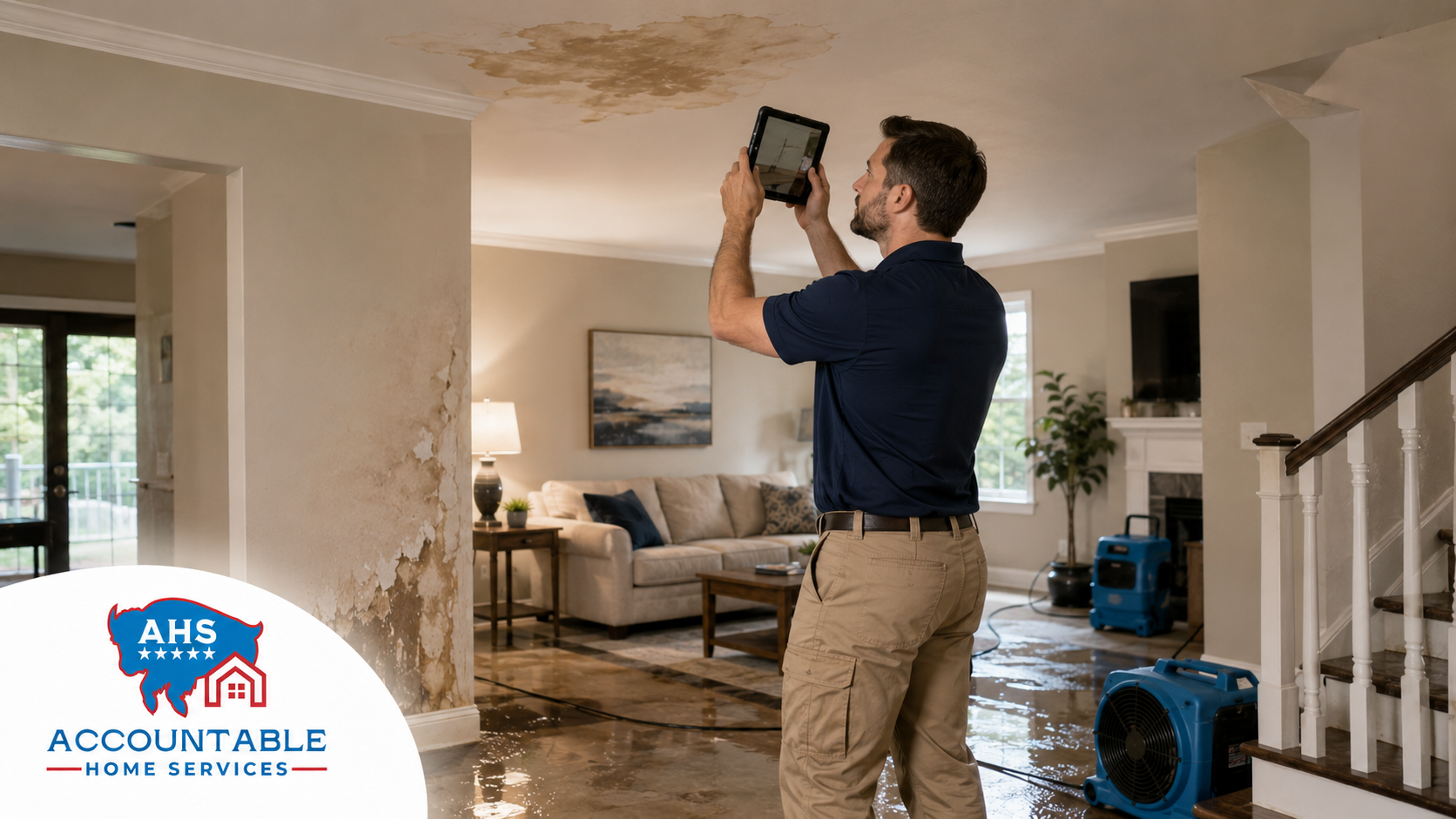
Is Water Damage Covered by Homeowners Insurance in Colorado?
Usually, water damage is covered by homeowners insurance in Colorado when the cause is sudden and accidental, such as a burst pipe or an unexpected appliance failure. It is often not covered when the damage comes from flooding, sewer or drain backup without the right endorsement, or a leak that developed over time because of wear, neglect, or deferred maintenance.
This article is about the common coverage pattern and how to think through the question clearly. It is not legal advice, policy interpretation, or a substitute for reading your policy and speaking with your carrier or agent. If the water has already affected floors, walls, cabinets, or ceilings and you need help now, start here: Accountable Home Services - Water Damage Restoration.
What is the short answer for Colorado homeowners?
The short answer is that many Colorado homeowners policies may cover water damage if it was sudden, accidental, and came from a covered cause inside the home or from a storm-created opening. The same policies often do not cover outside flooding, groundwater, sewer or drain backup unless added by endorsement, or long-term leakage that looks like a maintenance issue.
That is why two water losses that look similar on the floor can be treated very differently by insurance. The decision usually turns on source, timing, and policy language, not just on how bad the damage looks after the fact.
What types of water damage are often covered?
The situations most commonly treated as potentially covered are the ones that happen fast and unexpectedly. That usually includes plumbing failures, burst pipes, accidental appliance overflows, and some storm-related water entry if the weather event created a covered opening first.
The important point is that the policy may cover the resulting damage to parts of the home and belongings, not necessarily the broken item that caused it. In many cases, the water heater, dishwasher, supply line, or plumbing part itself is treated differently from the damage the failure caused.
| Water-loss situation | Often covered under a standard homeowners policy? | Why it may be covered | What to watch for |
|---|---|---|---|
| Burst pipe or frozen pipe that suddenly fails | Often yes | Sudden and accidental discharge from plumbing is commonly covered | Insurers may ask whether you took reasonable steps to maintain heat or prevent freezing |
| Sudden appliance leak or overflow | Often yes | Unexpected discharge from a household appliance may be treated as a covered event | The damaged appliance itself may not be covered |
| Rain enters after wind or hail damages the roof or exterior | Sometimes | Coverage may depend on whether a covered peril created an opening first | Long-term roof wear is a different issue |
| Water heater rupture | Often yes | The resulting water damage may be treated as sudden and accidental | The heater itself may not be covered |
| Overflow from a sink or tub left running | Sometimes | Policy wording and facts matter | Negligence, repeated issues, or exclusions can change the result |
What types of water damage are often not covered?
The most common exclusions fall into four buckets: flooding, water backup, long-term or repeated seepage, and damage tied to poor maintenance. These are the situations that create the most confusion because homeowners often think “water damage is water damage,” but insurance usually separates internal accidental discharge from outside water, preventable wear, and backup events.
This matters a lot in Colorado basements and lower levels, where people may assume that all water intrusion is handled the same way. It usually is not.
| Water-loss situation | Often covered under a standard homeowners policy? | Why it is often excluded | What to ask your agent about |
|---|---|---|---|
| Flooding from rising water, surface water, or groundwater | Often no | Standard homeowners policies usually exclude flood damage | Separate flood insurance |
| Sewer or drain backup | Often no | Backup is commonly excluded unless added back by endorsement | Water backup or sewer backup endorsement |
| Sump pump overflow or failure | Often no under standard coverage | This is often handled through optional backup coverage, not basic homeowners insurance | Water backup / sump overflow endorsement and limits |
| Slow leak behind a wall or under a sink over time | Often no | Long-term seepage, wear, or deferred maintenance is commonly excluded | Whether your policy has any limited hidden-leak language |
| Mold from unresolved moisture over time | Often limited or excluded | Mold coverage is often restricted and fact-specific | Mold limits and endorsements, if any |
Flood damage is typically handled outside a standard homeowners policy and is generally covered through FEMA’s flood insurance program.
How do source and timing affect whether water damage is covered?
When people ask whether water damage is covered, the real questions are usually these: where did the water come from, how quickly did it happen, and was this a sudden failure or a condition that had been developing over time?
That is why the phrase “sudden and accidental” shows up so often in insurance explanations. A pipe that bursts overnight is different from a small leak under a sink that has been staining a cabinet for months. A dishwasher hose that fails unexpectedly is different from years of deterioration around old caulk, rot, or unresolved plumbing issues.
For practical decision-making, source and timing usually matter more than the room where the damage happened. The insurer is less focused on whether the floor is wet than on why it became wet.
Is flood damage covered by homeowners insurance in Colorado?
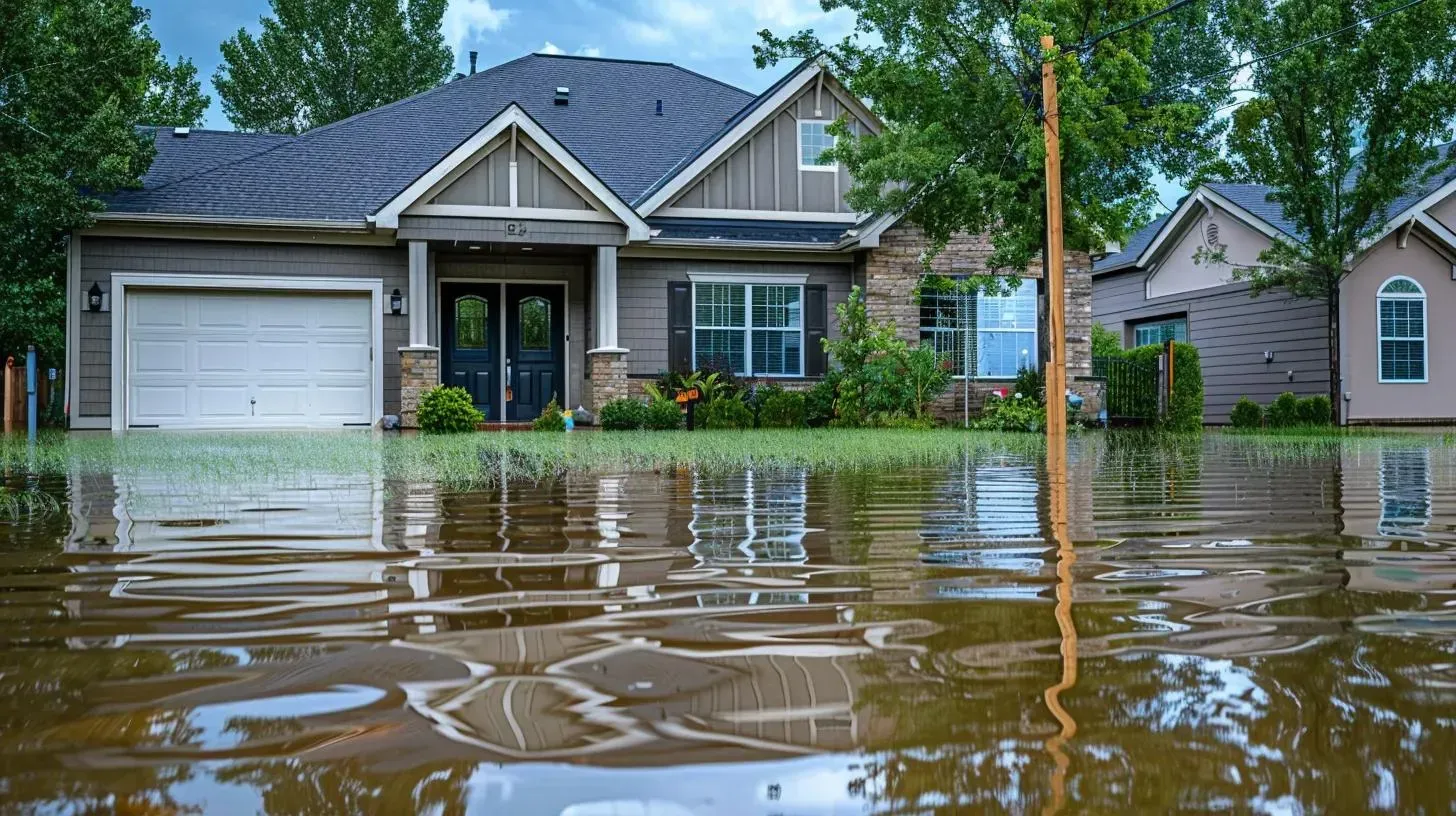
Usually, no. Standard homeowners insurance typically does not cover flood damage, which is why flood insurance is sold separately through the National Flood Insurance Program or private carriers.
This is one of the most important boundaries to keep clear. If water entered from rising outside water, overflow of inland water, runoff, or similar flooding conditions, it is usually considered a different insurance issue than an indoor pipe break or appliance leak, as explained in
flood insurance guidance from the Insurance Information Institute.
Are sewer backup and sump pump failures covered?
Often not under the standard policy alone. Sewer, drain, and sump-related backup losses commonly require an added endorsement or rider.
That is one reason this topic should not be reduced to a simple yes-or-no answer. A homeowner can be covered for one kind of indoor water damage and still be uninsured for a sewer backup or sump overflow if the endorsement was never added.
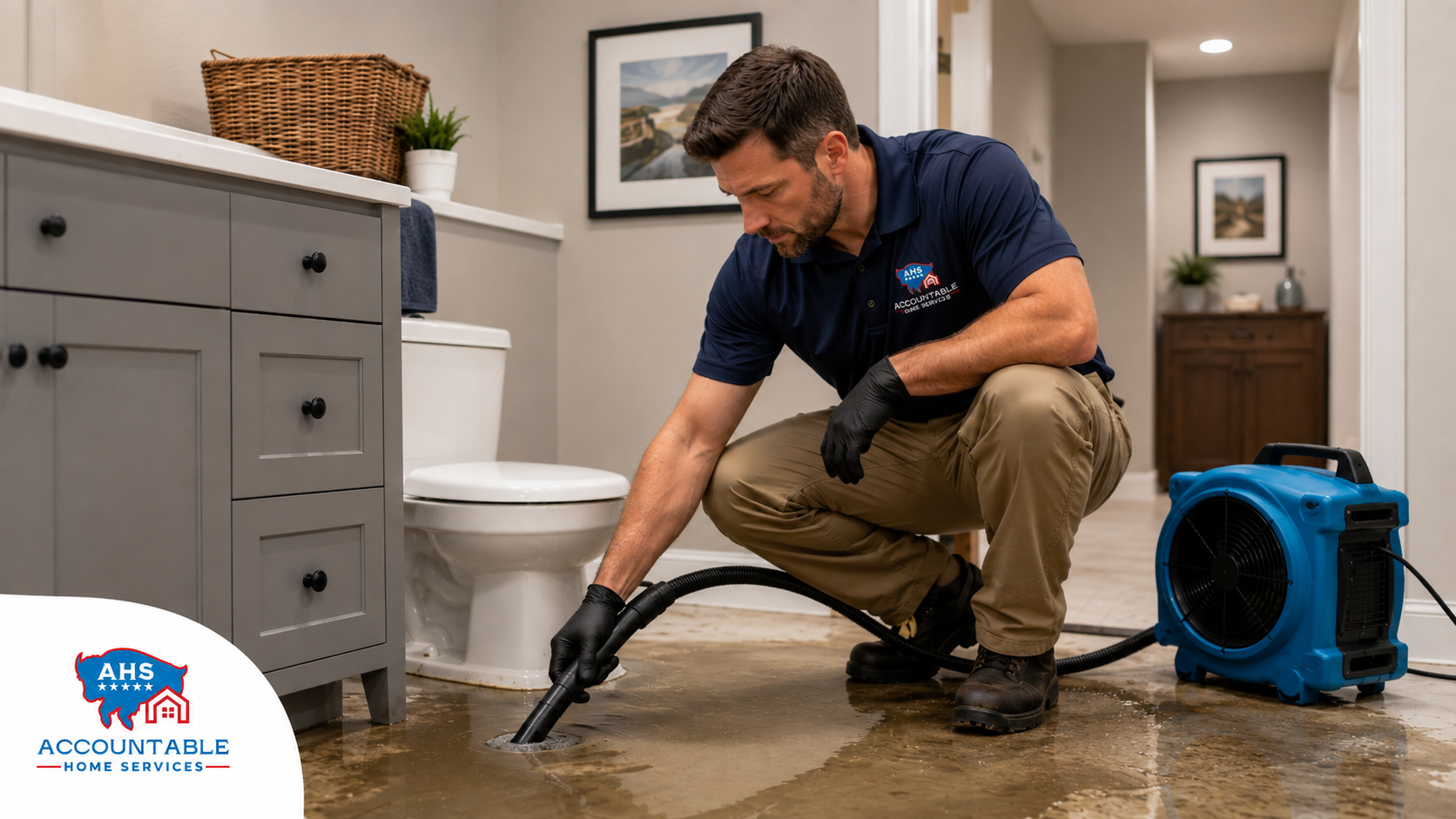
If the immediate problem involves contaminated backup or sewage cleanup, this is the related service path from the site: Accountable Home Services-Sewage Cleanup
Does homeowners insurance cover the broken pipe, water heater, or appliance too?
Not always. In many cases, the policy may help with the resulting water damage to the home, but not the repair or replacement of the item that failed.
That distinction catches people off guard. For example, the drywall, flooring, and damaged personal property may be part of the claim analysis, while the failed hose, valve, or appliance is treated as the homeowner’s repair responsibility unless another coverage applies.
What should you check in your policy before you assume you are covered?
A quick policy review can save a lot of confusion. You do not need to become an insurance expert, but you do need to know which version of “water damage” your policy actually addresses.
Coverage-check checklist
- Check whether the policy covers sudden and accidental discharge from plumbing or appliances.
- Check whether flood damage is excluded and whether you have separate flood coverage.
- Check whether sewer, drain, or sump overflow is excluded unless endorsed.
- Check whether mold has a limitation, exclusion, or low sub-limit.
- Check whether your deductible changes what is practical to claim.
- Check whether the policy pays replacement cost or actual cash value for damaged contents.
- Check whether there are vacancy, freezing, or maintenance-related conditions that apply.
- Ask your agent whether hidden leaks, repeated seepage, and backup events are handled separately.
The National Association of Insurance Commissioners advises homeowners to ask whether their policy covers sewer, drain, or sump pump backup and other common exclusions before a loss happens.
What does this look like in real life?
Coverage questions become clearer when you compare realistic scenarios instead of abstract definitions.
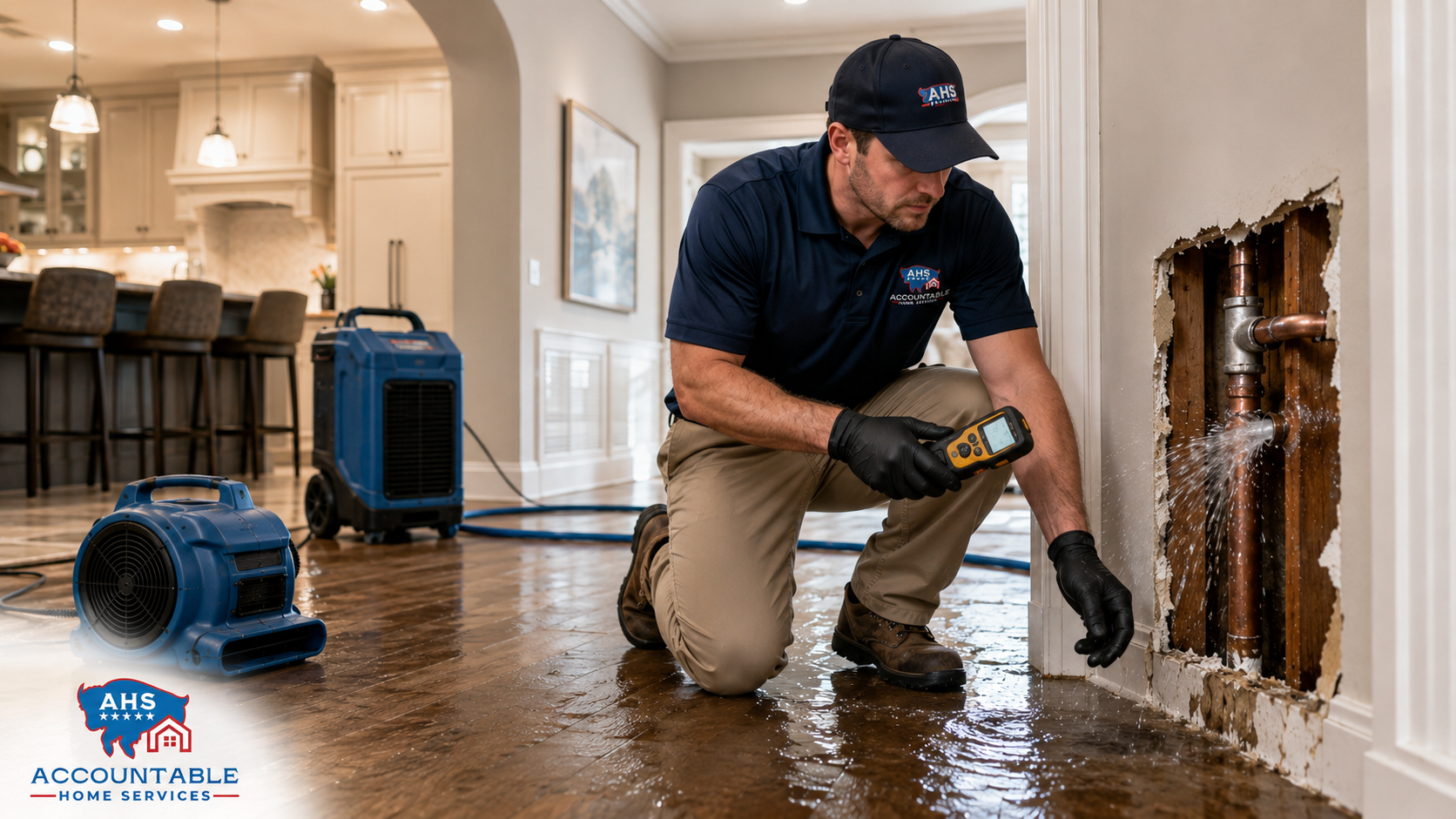
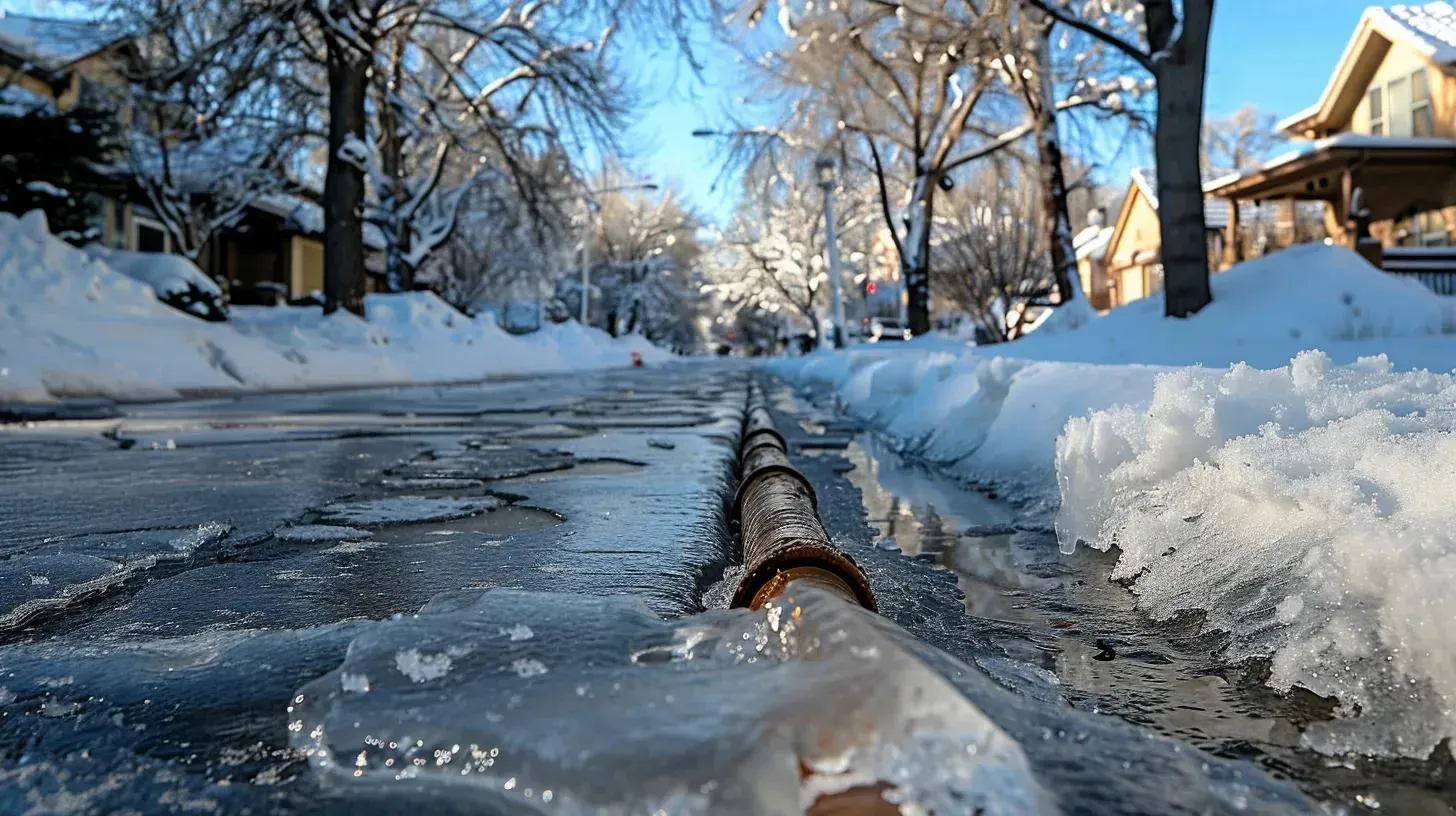
Scenario 1: Frozen pipe bursts during a Denver cold snap
A pipe freezes, bursts, and sends water into the wall cavity and onto the flooring. If the home was heated and reasonably maintained, the resulting damage is often treated as the kind of sudden and accidental water event that may be covered.
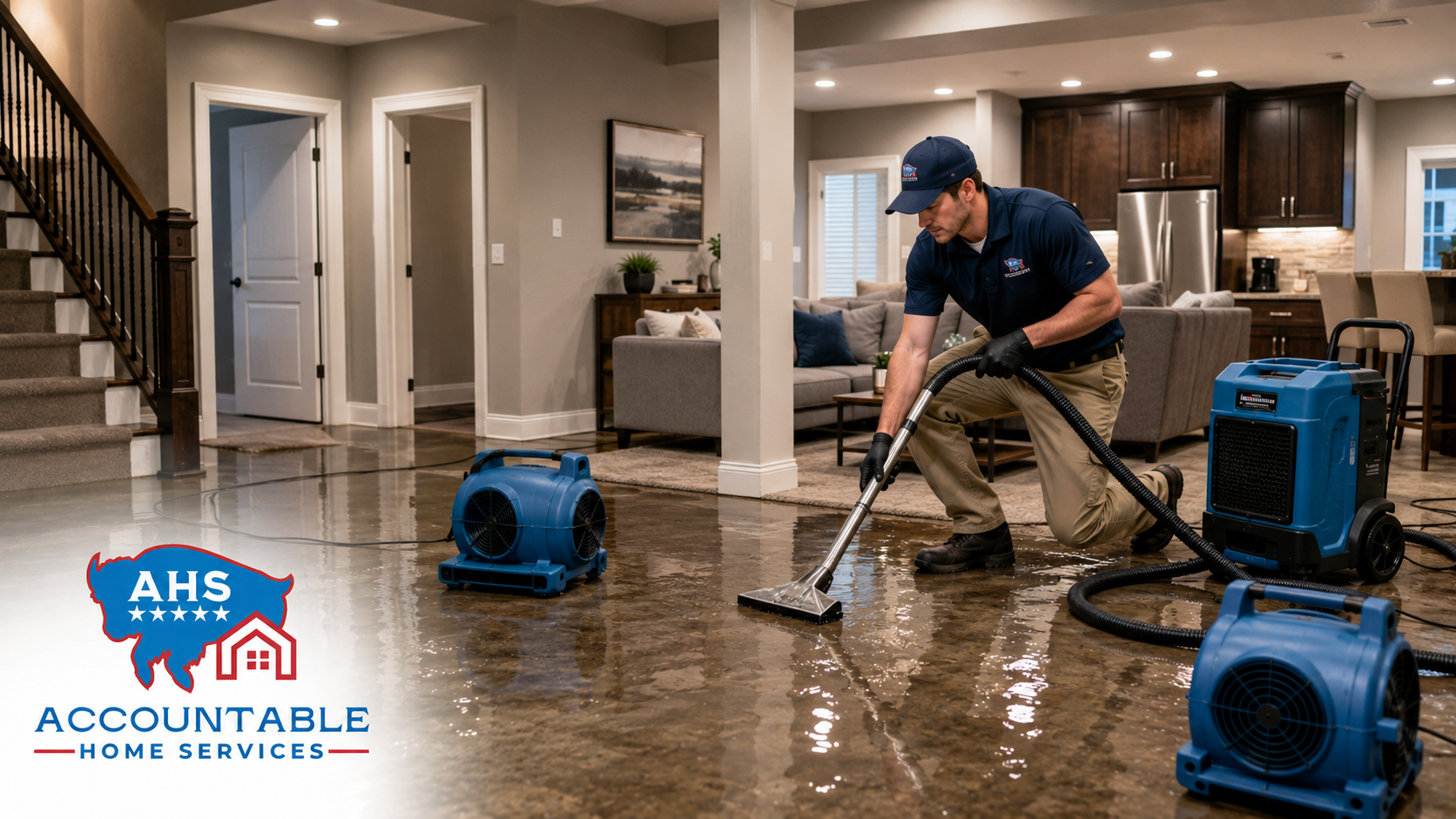
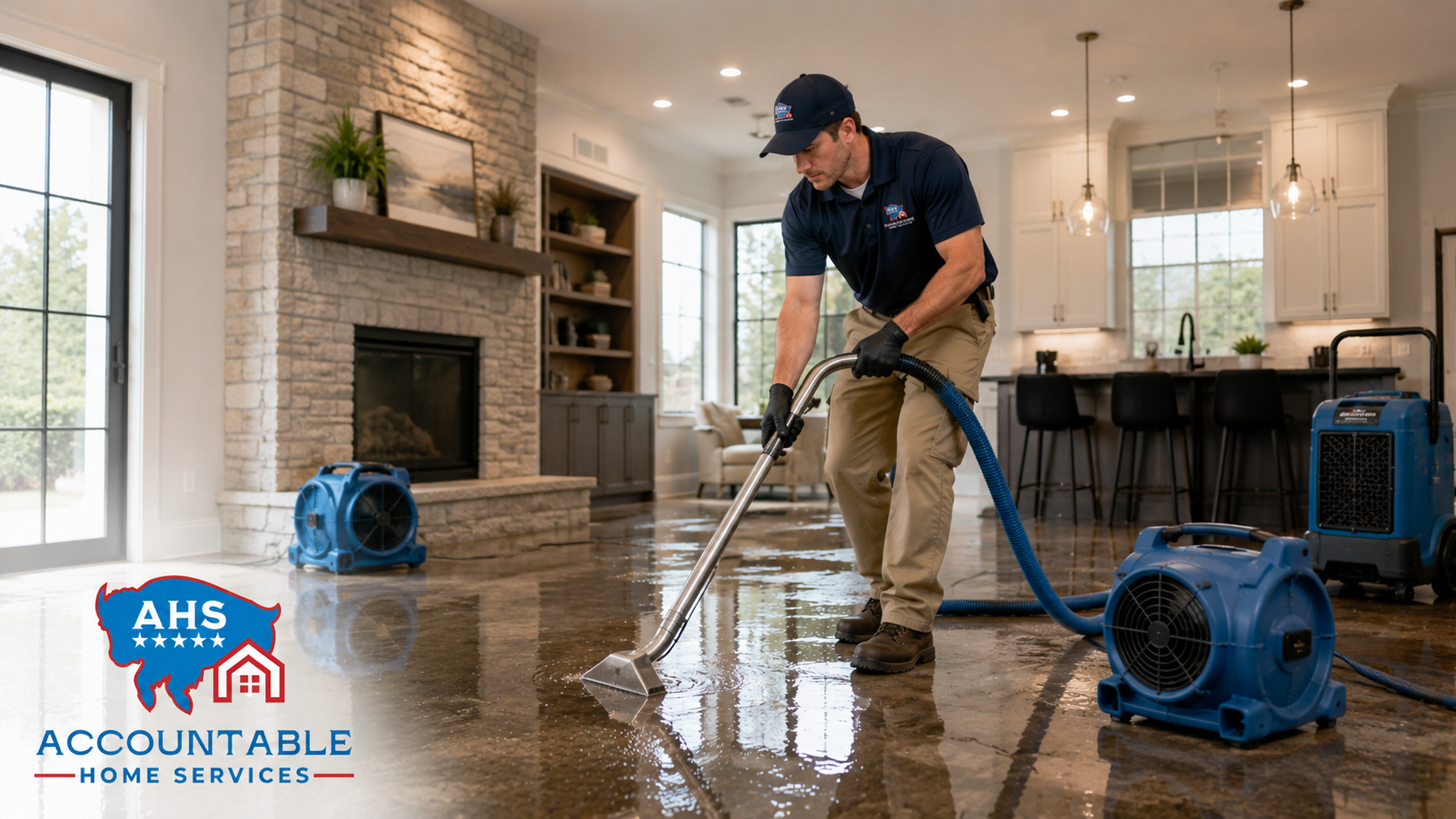
The next practical step is not just calling insurance. It is also documenting the damage and arranging water extraction and drying so the loss does not get worse while the claim is being opened.
Scenario 2: Slow leak under a bathroom sink for months
A homeowner discovers soft cabinet bottoms, staining, and musty odor under a vanity. Even though the final result is water damage, this type of long-developing leak is often where coverage gets weaker because it can look like ongoing seepage or poor maintenance rather than a sudden event.
That does not make cleanup optional. It only means the restoration need and the coverage decision are separate questions.
What are the most common mistakes people make with water-damage coverage?
The first mistake is assuming every water loss is covered if it happened inside the house. That is not how most policies work. Sewer backup, sump overflow, and long-term seepage are common reasons people discover gaps in coverage.
The second mistake is focusing only on the broken item. Even if the source item is not covered, the damage left behind may still need fast mitigation and documentation.
The third mistake is waiting too long to document the loss, protect the property, and notify the carrier. According to
Denver Water’s homeowner guidance, water damage coverage can vary, and homeowners are encouraged to confirm the specifics of their policy with their insurance agent.
Should you wait for the adjuster before starting cleanup?
Usually, no. Homeowners are generally expected to take reasonable steps to protect the property from further damage. In practice, that often means stopping the source, documenting the affected areas, and starting emergency mitigation rather than letting wet materials sit in place.
This article is not the full documentation guide, but the practical principle matters: claim timing and cleanup timing should work together, not against each other.
A soft next step if the damage has already reached the structure: Accountable Home Services-Water Damage Restoration.
FAQ: is water damage covered by homeowners insurance in Colorado?
Is a burst pipe usually covered by homeowners insurance?
Often, yes, if it was sudden and accidental and the homeowner took reasonable steps to maintain the property. Coverage still depends on the policy language and claim facts.
Is flood damage covered by standard homeowners insurance?
Usually, no. Flood damage is typically excluded from standard homeowners insurance and handled through separate flood coverage.
Is sewer backup covered by homeowners insurance?
Often not unless you added a sewer or water-backup endorsement. This is one of the most common coverage gaps homeowners miss.
Is a slow leak covered?
Often not, especially if it appears the issue developed over time or resulted from wear, deterioration, neglect, or unresolved maintenance.
Does insurance cover the broken appliance too?
Not necessarily. The resulting property damage may be evaluated separately from the failed appliance, hose, or plumbing part.
Final takeaway
In Colorado, the safest working assumption is this: homeowners insurance may help with sudden and accidental water damage, but it often does not cover flood damage, sewer or sump backup without the right endorsement, or long-term leakage tied to maintenance issues. The question is usually not “is water damage covered?” but “what kind of water event was this, and what does my policy say about that exact situation?”
If you already have wet drywall, flooring, cabinets, or ceilings and need emergency help in Denver, use the main service page this article supports: Water Damage Restoration.