Water Coming Into Your Basement in Arvada, CO? What to Check First
Few things induce immediate panic for a homeowner quite like the sight of water coming in basement areas. Whether it is a small, slow-moving puddle creeping across the concrete or a sudden rush of water pooling around your family heirlooms and storage boxes, discovering water coming in basement Arvada CO requires swift, decisive action.
Arvada’s unique climate—characterized by heavy spring snowmelt, sudden afternoon thunderstorms, and the region's notoriously expansive bentonite clay soils—means local properties are particularly vulnerable to moisture issues. If you have just discovered water in basement Arvada spaces, take a deep breath. You are not alone, and there is a clear, step-by-step process to mitigate the issue.
This comprehensive guide will walk you through exactly what to check first, how to identify the source of the problem, and the best ways to protect your home from future basement flooding Arvada CO.
Diagnosing the Source: Where is the Water Originating?
Before you can permanently stop a basement leak Arvada homeowners must first play detective. Water generally enters a lower level in one of three ways: from internal pipes, from sudden heavy rainfall, or from saturated groundwater surrounding the foundation.
Internal vs. External Sources
First, rule out your home’s internal systems. A plumbing leak basement scenario—such as a ruptured water heater tank, a disconnected washing machine hose, or a cracked overhead supply pipe—can easily mimic a severe foundation leak. If the water is clean and you can hear water running when all faucets are turned off, immediately shut off your home’s main water valve.
If your plumbing is intact, you are likely dealing with external forces. During intense Colorado downpours or rapid spring thaws, it is common to find storm water in basement areas. This usually points to poor exterior drainage systems that are overwhelmed by the sheer volume of water falling around your home.
The Silent Culprit: Hydrostatic Pressure
When the soil around your home absorbs massive amounts of rainfall or snowmelt, it expands. This saturated soil becomes incredibly heavy and pushes laterally against your concrete foundation walls. This phenomenon leads to hydrostatic pressure foundation damage.
The intense pressure forces groundwater to seek the path of least resistance. Over time, it will exploit tiny, microscopic pores and hairline fissures in your concrete, leading to the kind of basement water intrusion Arvada residents often battle during the wet season. If you do not relieve this pressure, the continuous pushing can eventually compromise the structural integrity of your home.
What to Check First When You Find Water
When you realize moisture has breached your home, run through this quick diagnostic checklist to limit the scope of the damage.
1. Evaluate Your Sump Pump System
If your home is equipped with a sump pit, your pump is your first line of defense against groundwater. Unfortunately, sump pump failure Arvada is a highly common issue during severe spring storms, especially when lightning knocks out the neighborhood power grid.
Take a flashlight and inspect the pit. Watch out for these common sump pump failure symptoms:
- The pump is running, but no water is leaving: This usually indicates a clogged discharge pipe or a broken impeller.
- Strange grinding or humming noises: The motor may be burning out or jammed with debris.
- A stuck float switch: If the float is pinned against the side of the pit, it won’t signal the pump to turn on.
If your pump relies solely on your home’s main electricity, a power outage renders it useless. To protect your home 24/7, installing a battery backup sump pump is one of the smartest investments you can make. These secondary systems automatically kick on the moment the primary power fails.
2. Inspect Window Wells and Gutters
Below-grade windows are notorious weak points for water entry. Check your window wells for accumulated debris, such as wet leaves, trash, or overgrown weeds, that might be clogging the drainage gravel at the bottom. Upgrading to proper window well drainage solutions—which includes digging out blockages, installing fitted polycarbonate covers, and ensuring the well drains down to your foundation’s perimeter drain—can instantly stop rainwater from pouring over the window sills.
Additionally, walk around your home’s exterior and look up. Clogged gutters or downspouts that discharge water less than five feet from your foundation will dump hundreds of gallons of water directly against your basement walls.
3. Look for Wall and Floor Cracks
Examine your bare concrete floors and walls closely. You might notice foundation seepage Arvada walls exhibiting vertical, diagonal, or stair-step cracks along the mortar joints. Meanwhile, basement floor cracks seepage happens when hydrostatic pressure pushes the water table up from directly underneath your concrete slab.
While minor hairline cracks are a normal part of concrete settling, widening gaps, bowing walls, or large horizontal cracks are serious red flags. These are classic signs of structural foundation failure that require immediate assessment by a structural engineer.
Early Warning Signs You Shouldn't Ignore
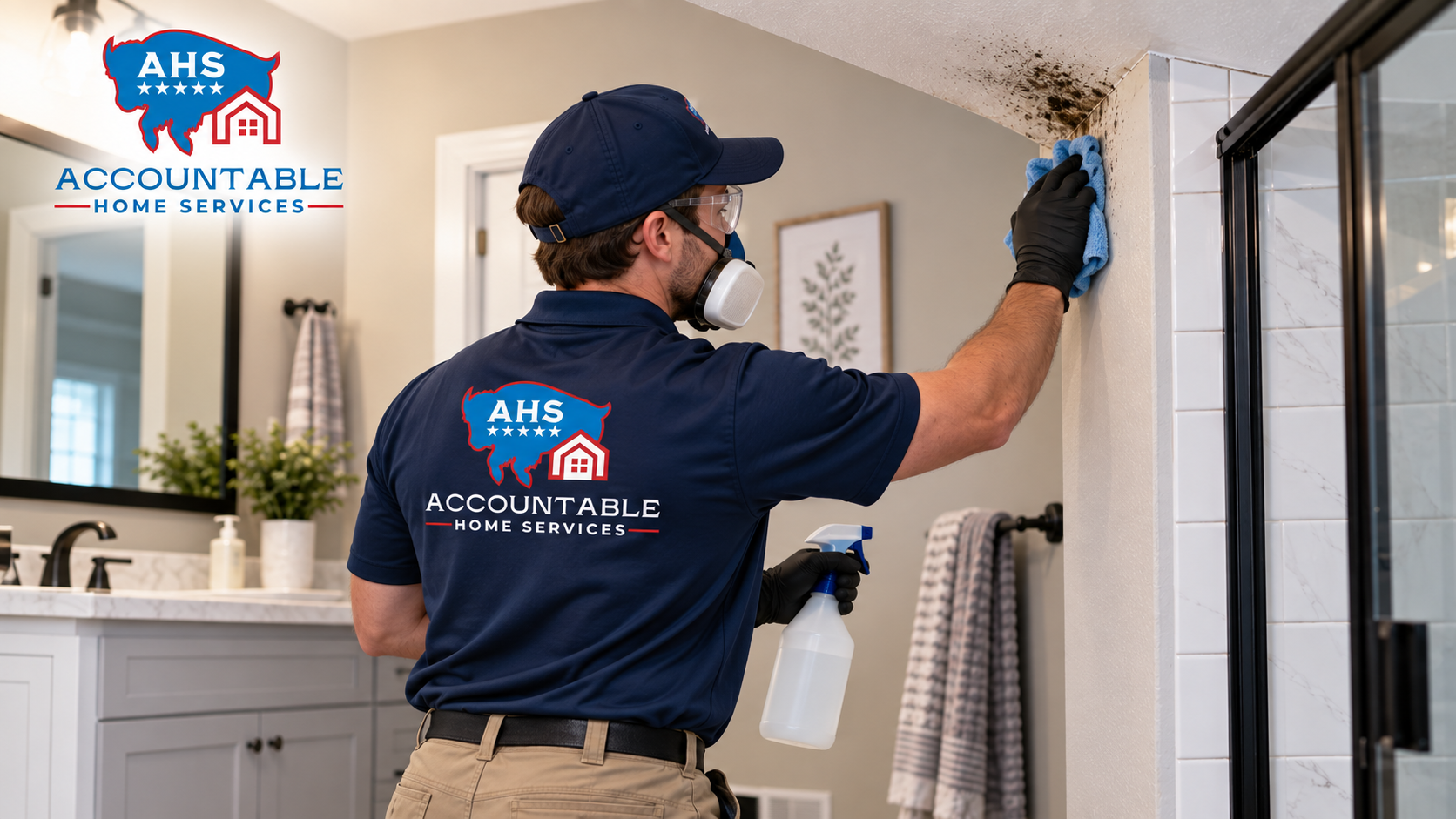
Sometimes, moisture issues develop slowly, offering subtle clues long before a catastrophic flood occurs. Have you ever walked downstairs and wondered, "why does my basement smell musty after rain?" That heavy, damp, earthy odor is a primary indicator of hidden moisture and early-stage mold growth, even if you can't see standing water.
Another visual telltale sign is efflorescence on concrete walls. If you see a chalky, white, powdery substance on your walls, you are looking at mineral deposits. As groundwater seeps through the porous concrete, it brings natural salts and minerals with it. When the water evaporates on the interior surface, it leaves the white powder behind. While efflorescence itself is harmless, it is concrete proof that moisture is actively migrating through your foundation.
Effective Solutions: Repairing and Waterproofing
Once you've identified how the moisture is getting in, it's time to map out a repair plan. Homeowners often ask how to fix leaky basement walls from inside to save money on invasive yard work, but a multi-faceted approach is usually best.
Interior Waterproofing Fixes
For isolated, non-structural wall cracks, an epoxy injection for foundation crack repair is a highly effective interior solution. A professional will inject a specialized polyurethane or epoxy resin directly into the crack. The material expands to fill the entire depth of the wall, sealing it permanently and flexibly from the inside out.
Additionally, if you have an interior perimeter drain, do not neglect weeping tile system maintenance. This involves having a professional periodically flush the internal drain tiles that lead to your sump pit, ensuring they do not become clogged with silt and mineral buildup.
Exterior Drainage Fixes
To truly prevent ground water intrusion before it touches your home, you must address the exterior landscape. Start by regrading soil around foundation walls. The ground should slope away from your house at a drop of at least six inches over the first ten feet. Adding dense topsoil and tamping it down forces surface water to run toward the street or yard, rather than pooling at the base of your walls.
If grading isn't enough, you may need to look into a French drain installation guide to understand how to manage heavy groundwater. Installing a French drain involves excavating a trench in your yard, laying down a perforated pipe wrapped in landscape fabric, and covering it with washed gravel. This system intercepts surface and groundwater, channeling it harmlessly away from your property.
Analyzing the Costs
When budgeting for these repairs, you'll naturally need to weigh interior vs exterior basement waterproofing cost. Interior systems—such as epoxy injections, installing interior drain tiles, and upgrading sump pumps—are generally more affordable and less disruptive to your property. Exterior waterproofing, however, requires excavating the soil completely around your foundation to apply waterproof membranes and exterior drain pipes. While exterior waterproofing is significantly more expensive and labor-intensive, it is considered the ultimate solution for stopping water before it ever breaches the concrete.
Dealing with the Aftermath: Cleanup and Insurance
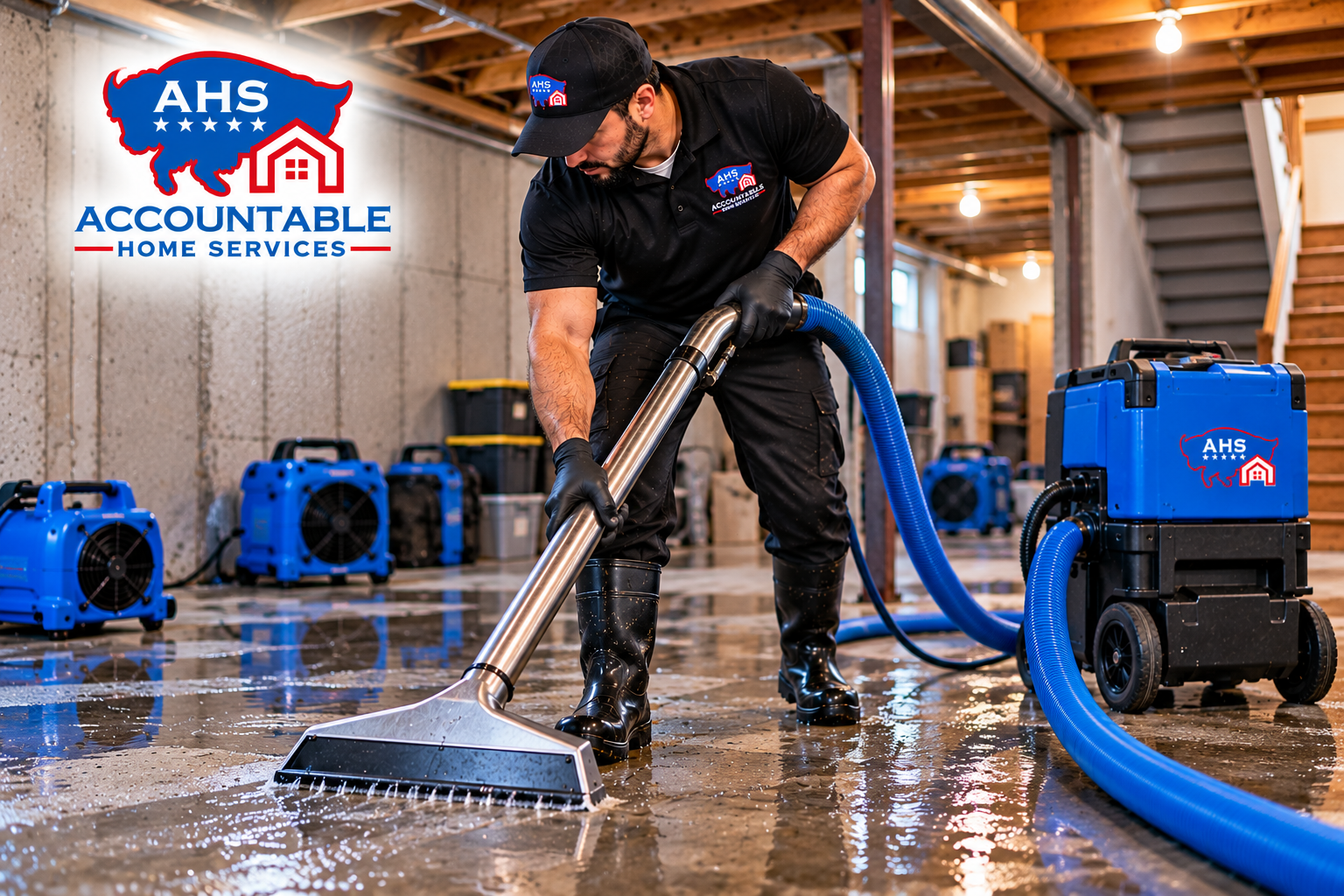
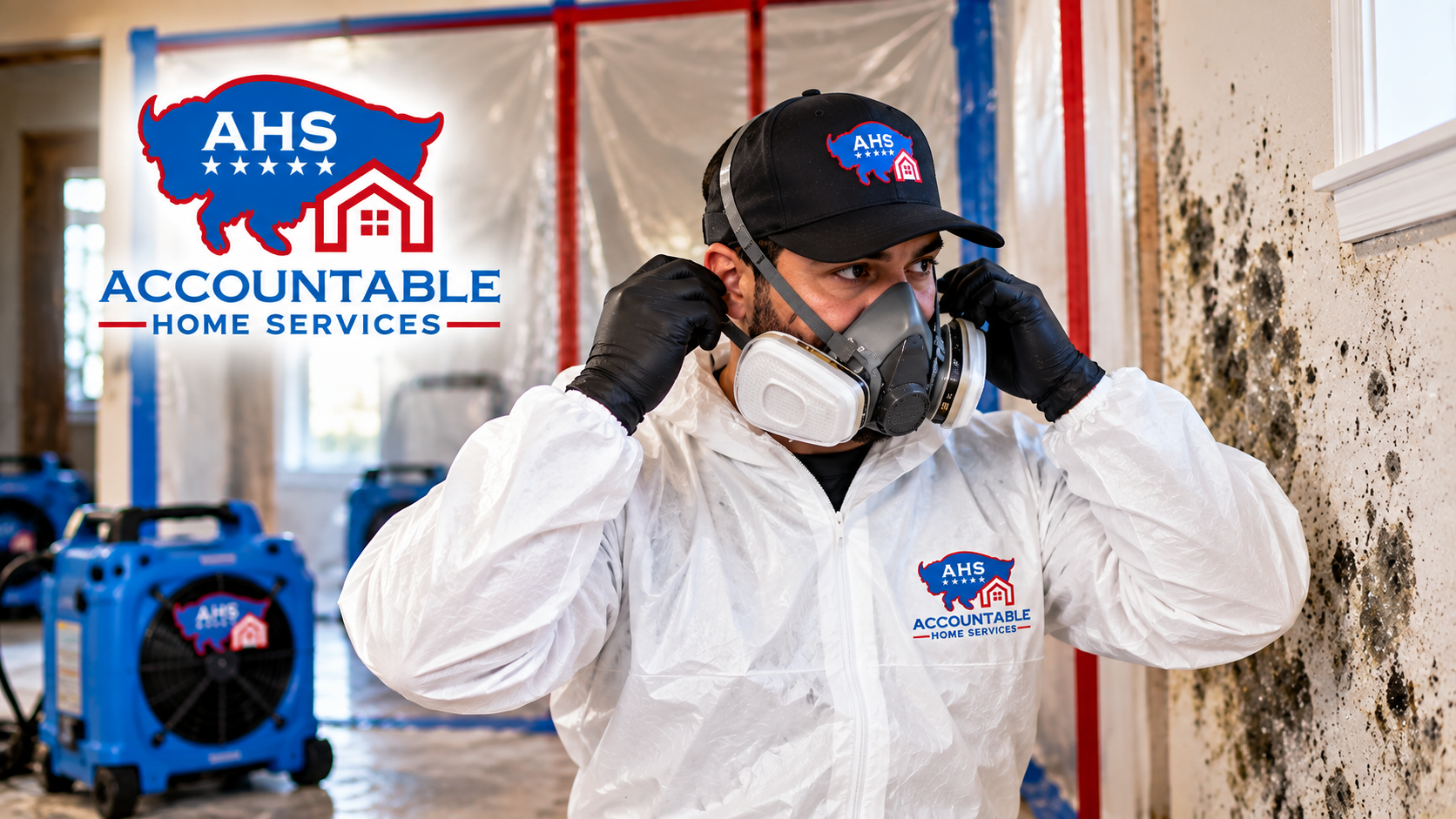
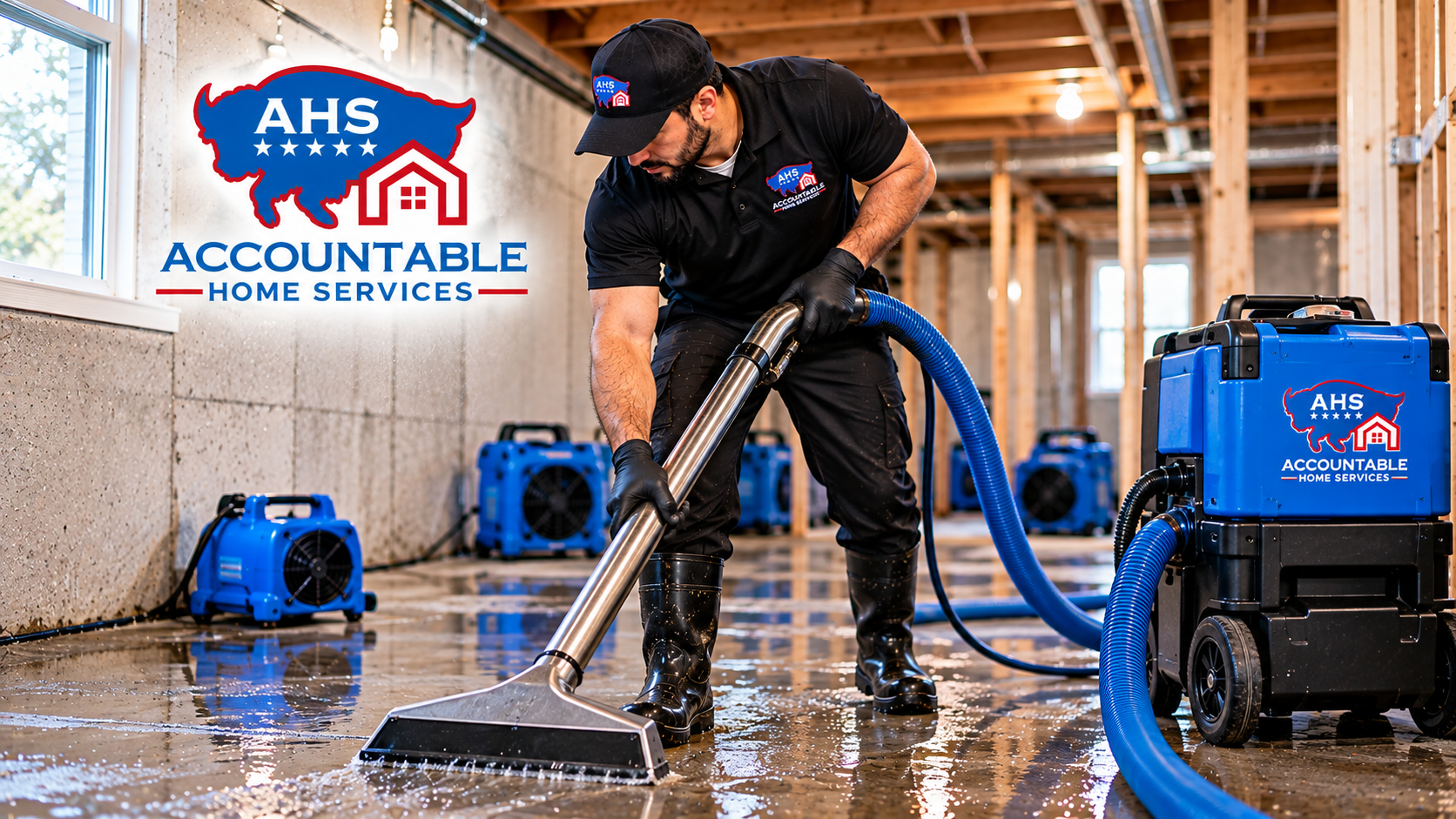
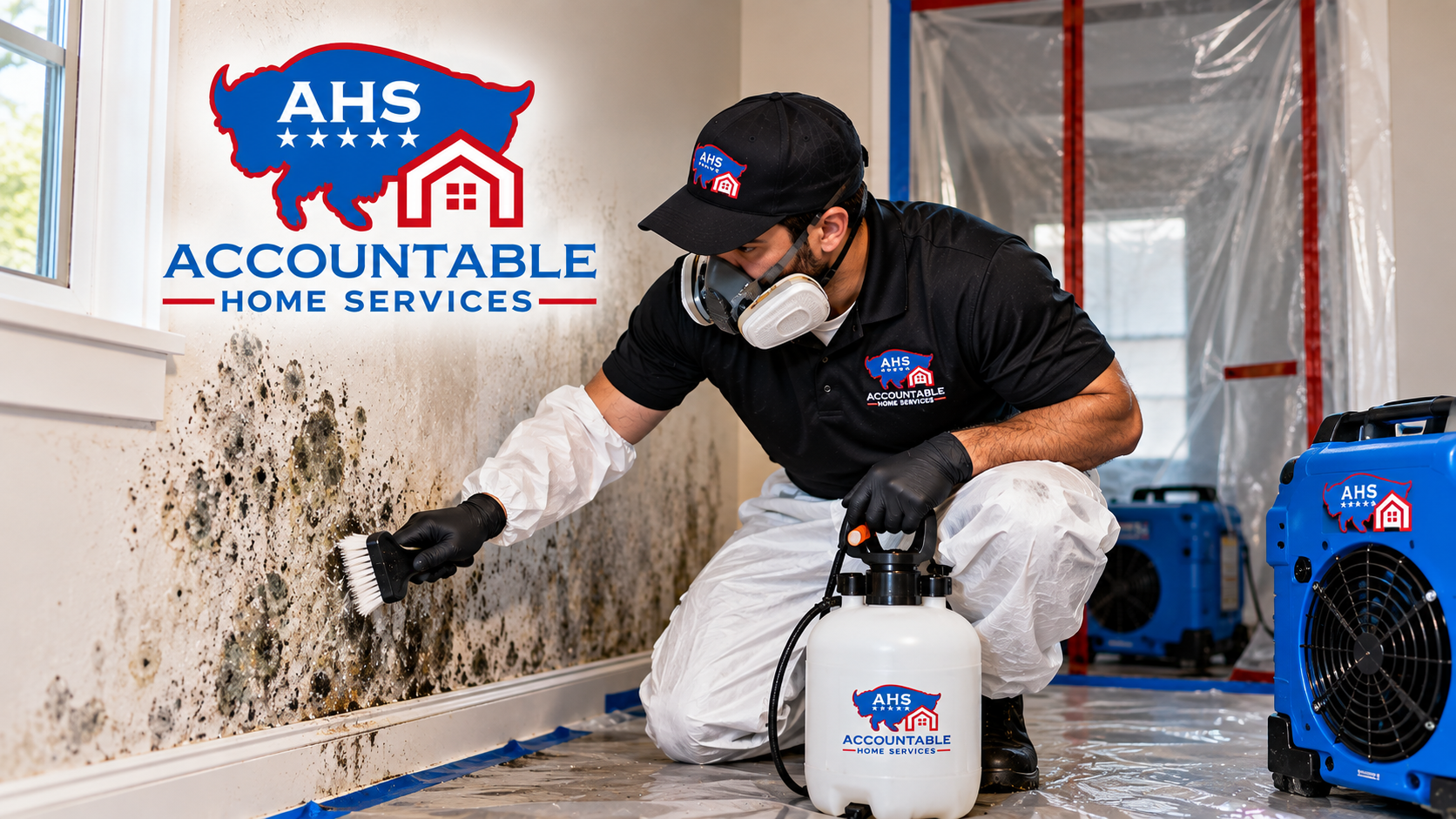
If the worst has already happened and you have inches of standing water, your priority shifts to rapid recovery. Standing water begins to breed dangerous mold in as little as 24 to 48 hours, meaning proper basement water cleanup requires more than just a shop vacuum and a few floor fans.
Professional Restoration
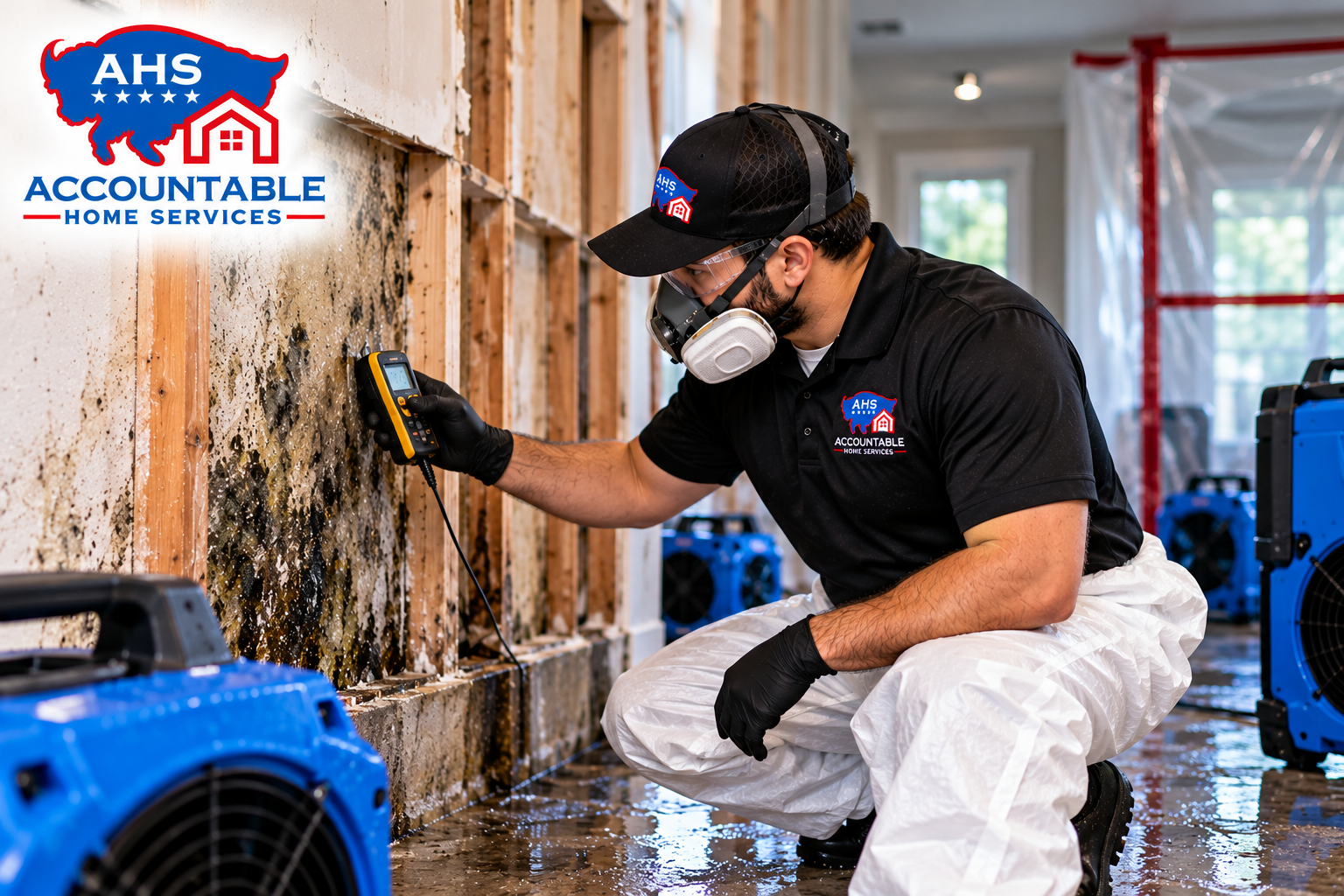
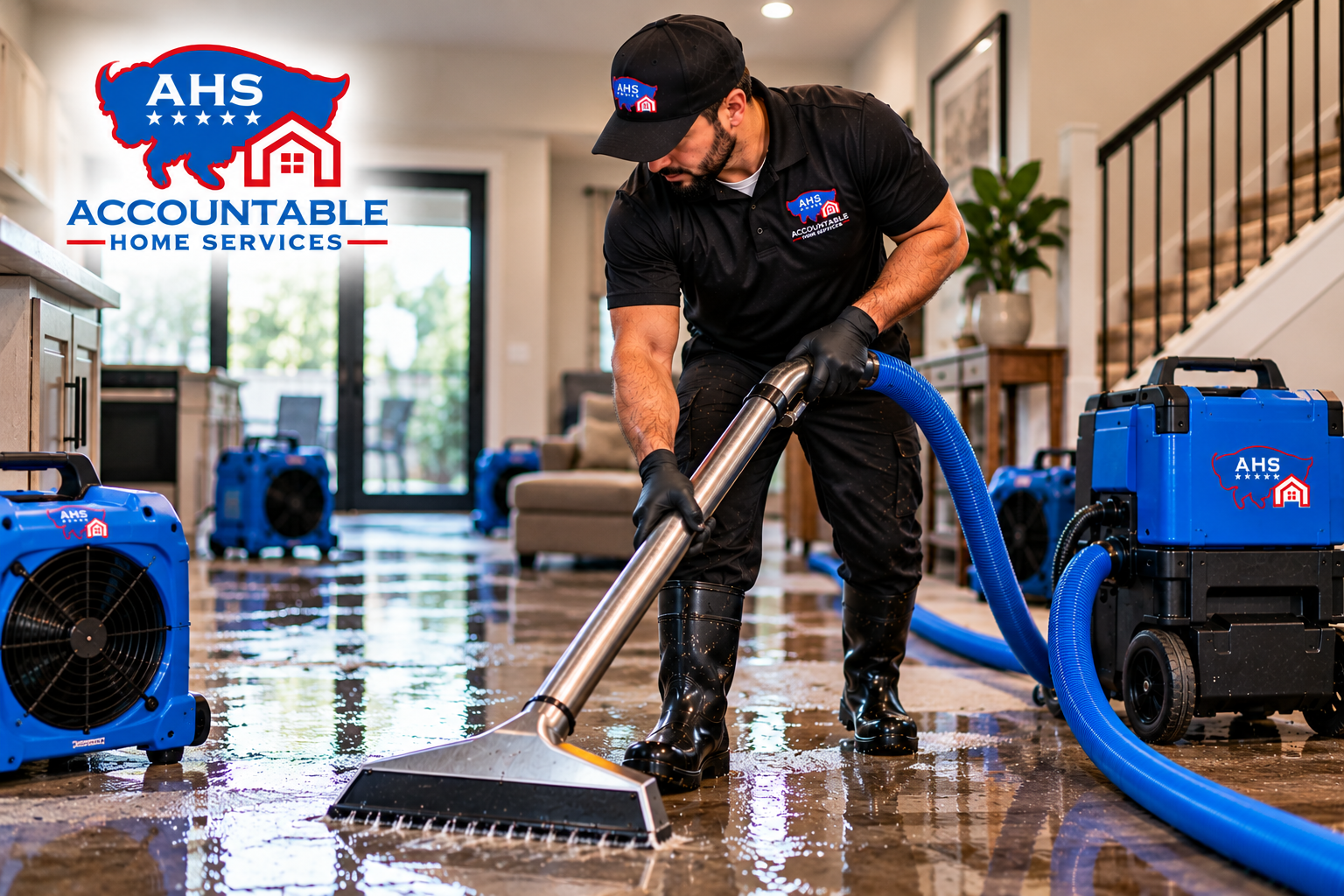
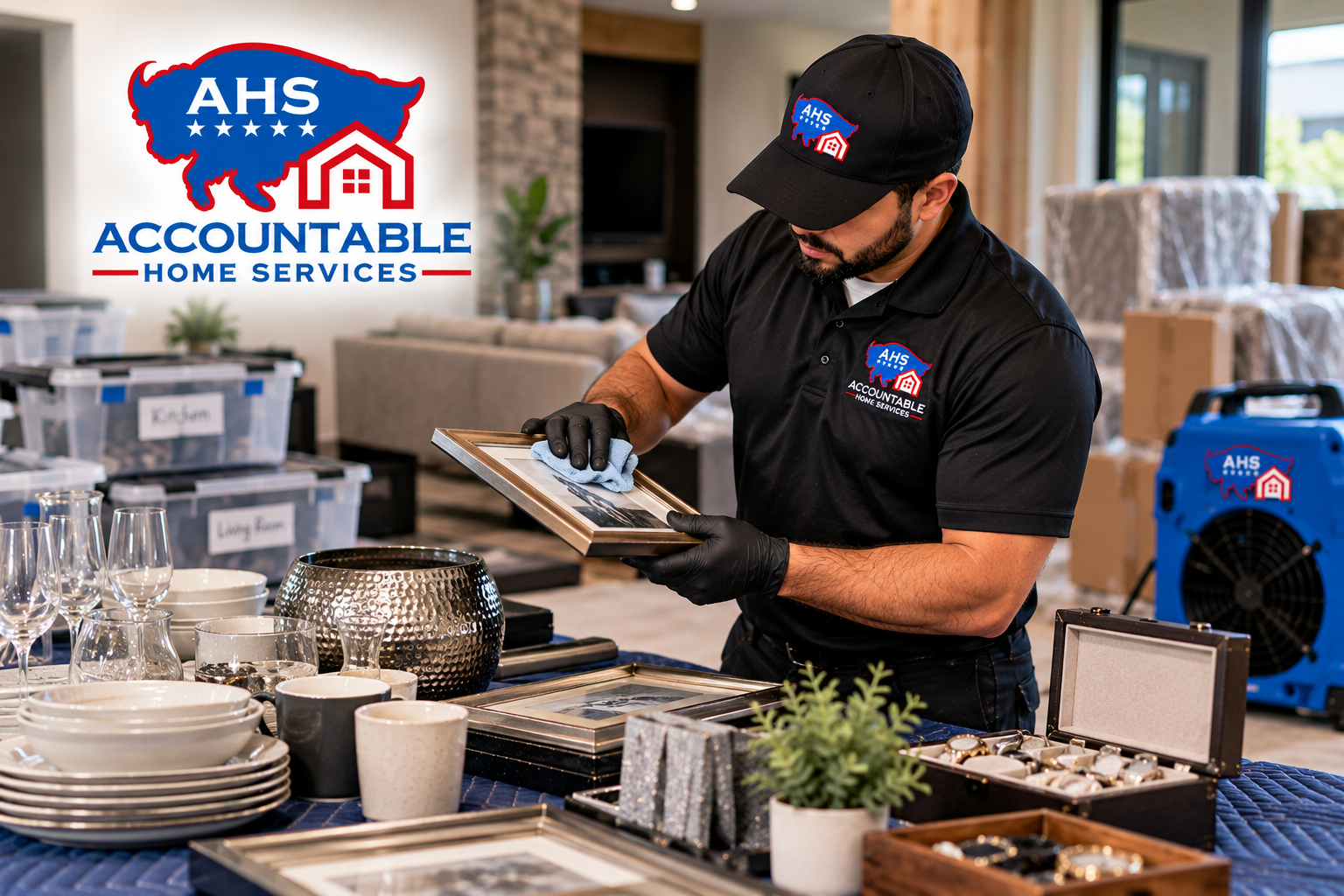
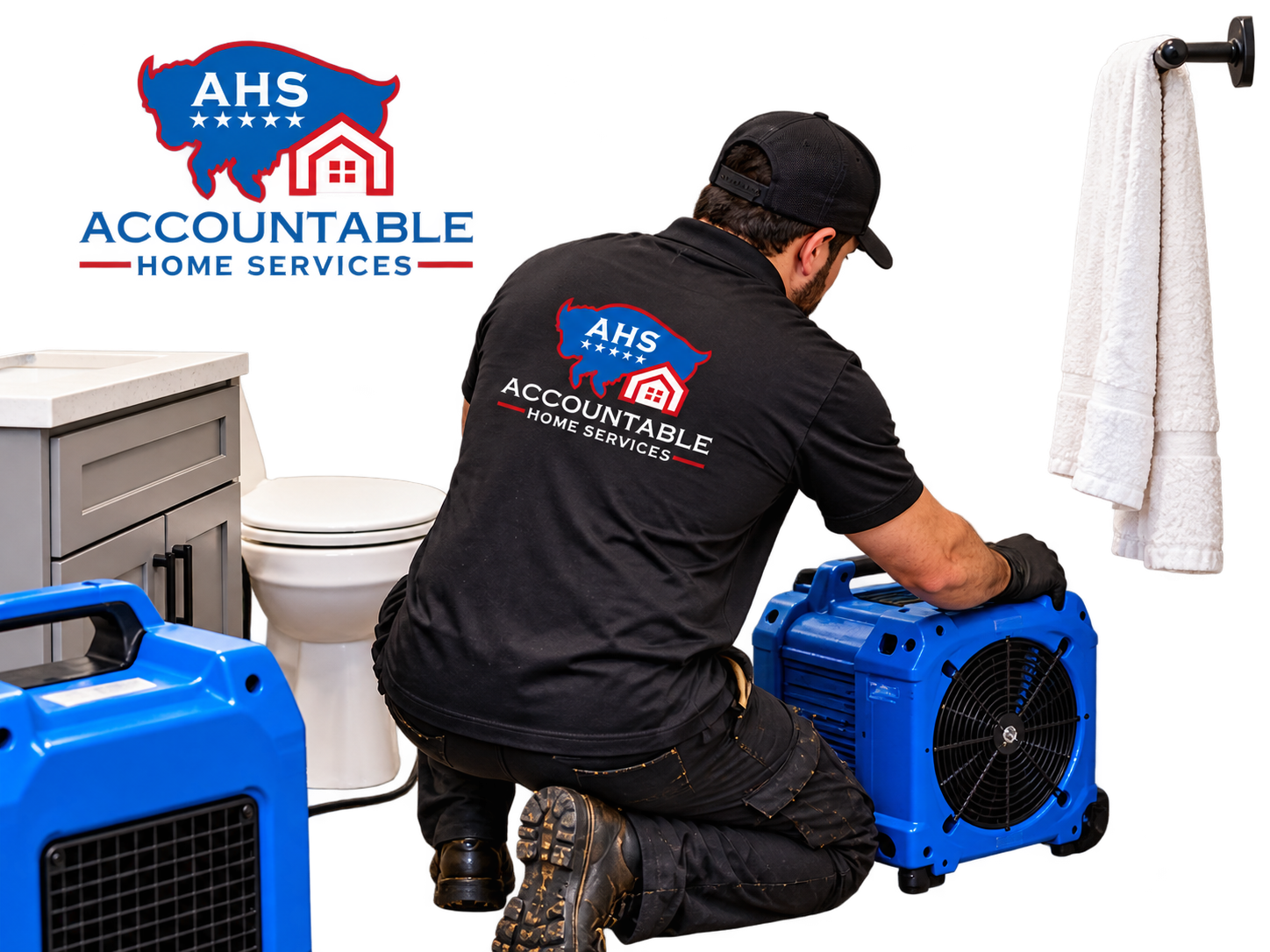
Calling a certified team for water damage restoration Arvada ensures that your property is thoroughly dried and sanitized. Professionals use thermal imaging to find hidden moisture trapped behind drywall, baseboards, and under carpet pads. They will deploy industrial-grade dehumidifiers, high-volume air movers, and antimicrobial treatments to salvage as much of your property as possible and protect your indoor air quality. Trying to handle severe basement water damage Arvada events on your own often leaves residual moisture that rots wood framing and fuels toxic mold colonies.
Navigating Insurance Claims
Filing a water damage insurance claim Colorado can be a complex and frustrating process. It is crucial to understand what your homeowners' policy actually covers. Most standard policies will cover sudden and accidental internal water damage, such as a burst frozen pipe or a ruptured appliance.
However, they almost always exclude damage caused by external natural flooding, surface water, or slow groundwater seepage, unless you have specifically purchased a separate flood insurance policy or a supplemental sump pump failure rider.
If you are filing a claim, do not throw anything away until the adjuster has seen it. Document the damage extensively with well-lit photos and detailed videos before the restoration cleanup begins. Providing a clear timeline and visual evidence will make the claims process much smoother.
The Bottom Line
Discovering water in your basement is incredibly stressful, but taking methodical, immediate action makes all the difference. By quickly checking your sump pump, inspecting your window wells, and identifying the source of the leak, you can stop the flow of water and protect your home's structural integrity. Remember, addressing small warning signs today like musty smells and minor seepage will save you from catastrophic, expensive flooding tomorrow. When in doubt, always reach out to a local Arvada foundation or water restoration expert to keep your home safe, dry, and secure.