What Does Water Mitigation Mean? A Plain-English Guide for Northglenn Homeowners
Imagine waking up on a freezing January morning in Colorado, stepping out of bed, and feeling your feet sink into a soaking wet carpet. Panic instantly sets in. A pipe has burst, and your home is taking on water. When you frantically call a local property rescue company, the dispatcher tells you they will send a team immediately to begin "water mitigation."
But in the midst of a crisis, industry jargon is the last thing you want to decipher. Grasping the true water mitigation meaning is your first line of defense in protecting your property.
If you are dealing with a flooded basement or a sudden plumbing failure, understanding what happens next can save your home, your wallet, and your sanity. This plain-English guide will walk you through exactly what this process entails, how it protects your home, and what you need to know to get your life back to normal.
What is Water Mitigation? Breaking Down the Term
At its core, the water mitigation meaning is simple: it is the immediate, temporary process of stopping water from causing further destruction to your property and belongings. It is the emergency triage of the home repair world.
To fully understand this, it helps to look at water restoration vs water mitigation.
- Water Mitigation: The emergency response. It involves stopping the leak, removing standing water, drying out the property, and preventing mold. It focuses on containment and prevention.
- Water Restoration: The rebuilding phase. Once the home is completely dry, restoration involves replacing drywall, installing new carpets, painting, and returning your home to its pre-loss condition.
You cannot have successful restoration without rapid, thorough mitigation.
Why Speed is Everything
There are massive benefits of immediate water damage response. Water is incredibly invasive. Within minutes, it spreads across floors and soaks into walls. Within hours, wood furniture can swell and ruin. Within 48 hours, toxic mold can begin to grow. Calling for emergency water mitigation the moment you notice a problem is the single best way to limit your financial and structural losses.
Water Damage Classes and Categories Explained
Not all water damage is created equal. Professionals evaluate the severity of the situation using specific industry standards. Having these water damage classes and categories explained will help you understand the scope of your emergency.
Categories of Water (Toxicity Level):
- Category 1 (Clean Water): From a clean source, like a broken drinking water pipe or an overflowing bathtub.
- Category 2 (Gray Water): Contains significant contamination that could cause sickness, such as water from a washing machine overflow or a dishwasher leak.
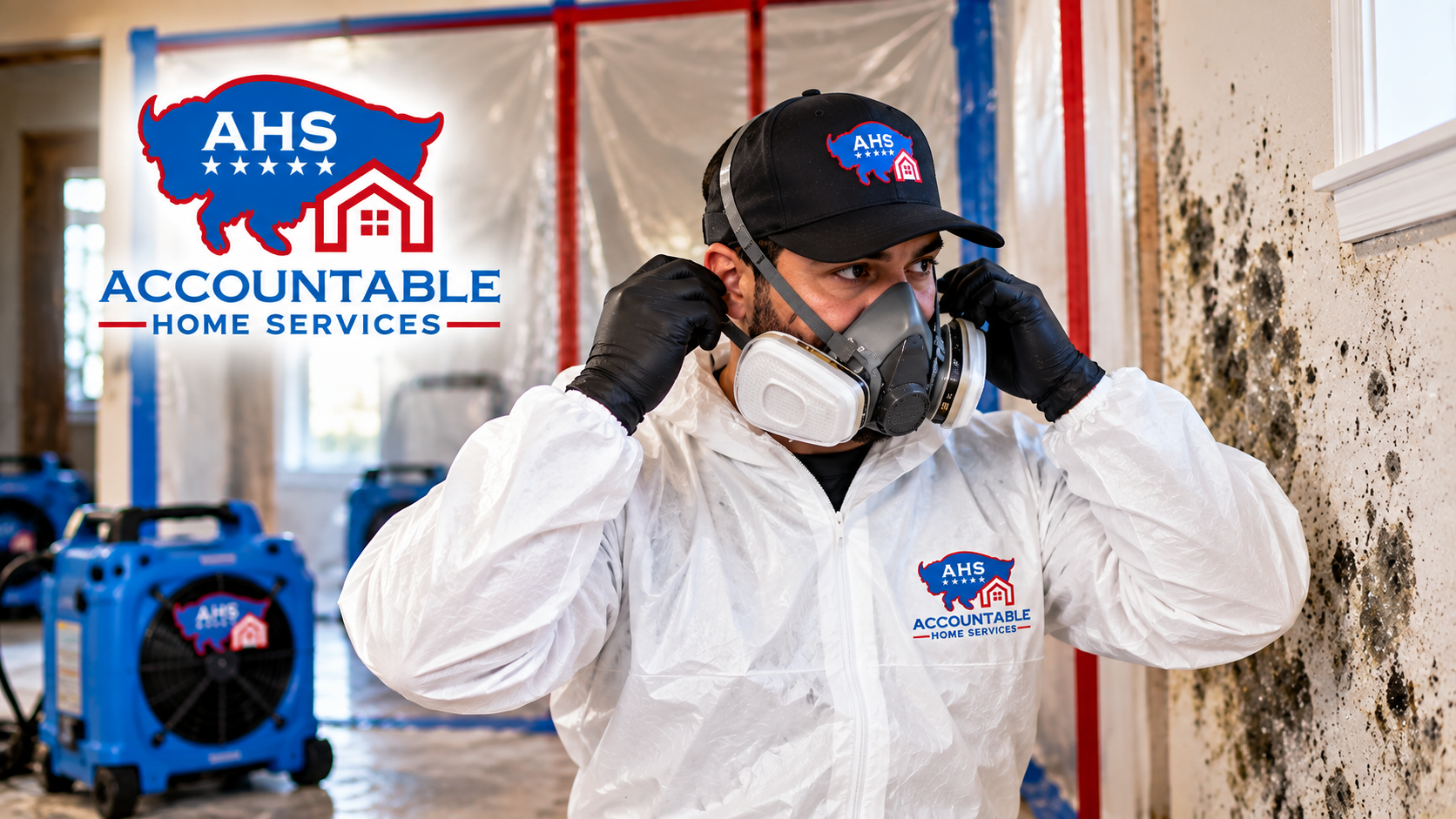
- Category 3 (Black Water): Highly toxic and packed with dangerous pathogens. This includes raw sewage, floodwaters from rivers, or stagnant water. Strict category 3 black water cleanup safety protocols must be followed by certified professionals wearing heavy-duty protective gear. If you experience a toilet backup, professionals will execute highly specific sewage backup remediation steps to sanitize the area and protect your family from severe illness.
Classes of Water (Volume and Absorption):
- Class 1: Slow evaporation rate. Only a portion of a room is affected, mostly materials that don't absorb much water (like tile or concrete).
- Class 2: Fast evaporation rate. Water affects an entire room, soaking into carpets and cushions.
- Class 3: Fastest evaporation rate. Water comes from above, soaking ceilings, walls, insulation, and floors.
- Class 4: Specialty drying situations. Water has saturated deep into dense materials like hardwood, plaster, or concrete.
The Core Steps of the Mitigation Process
If you ever need water mitigation, Northglenn CO experts will generally follow a rigid, scientific process to secure your home. Here is what you can expect when the trucks pull up to your driveway.
1. Thorough Inspection and Assessment
Before a single drop of water is vacuumed, professionals will evaluate the damage. They use a flood damage assessment checklist to identify the source of the water, classify the damage, and check for structural hazards like sagging ceilings or compromised electrical systems.
2. Rapid Water Extraction
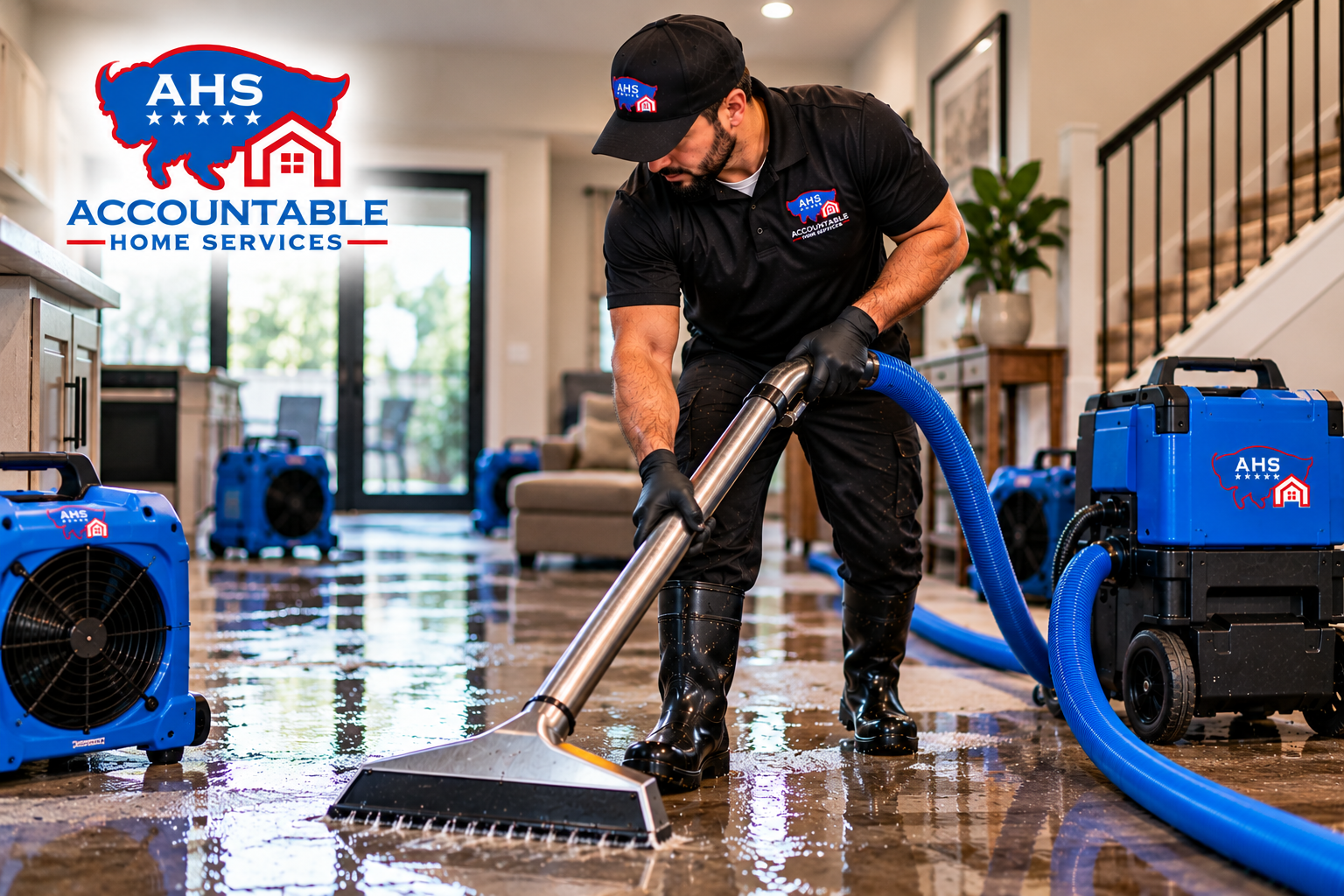
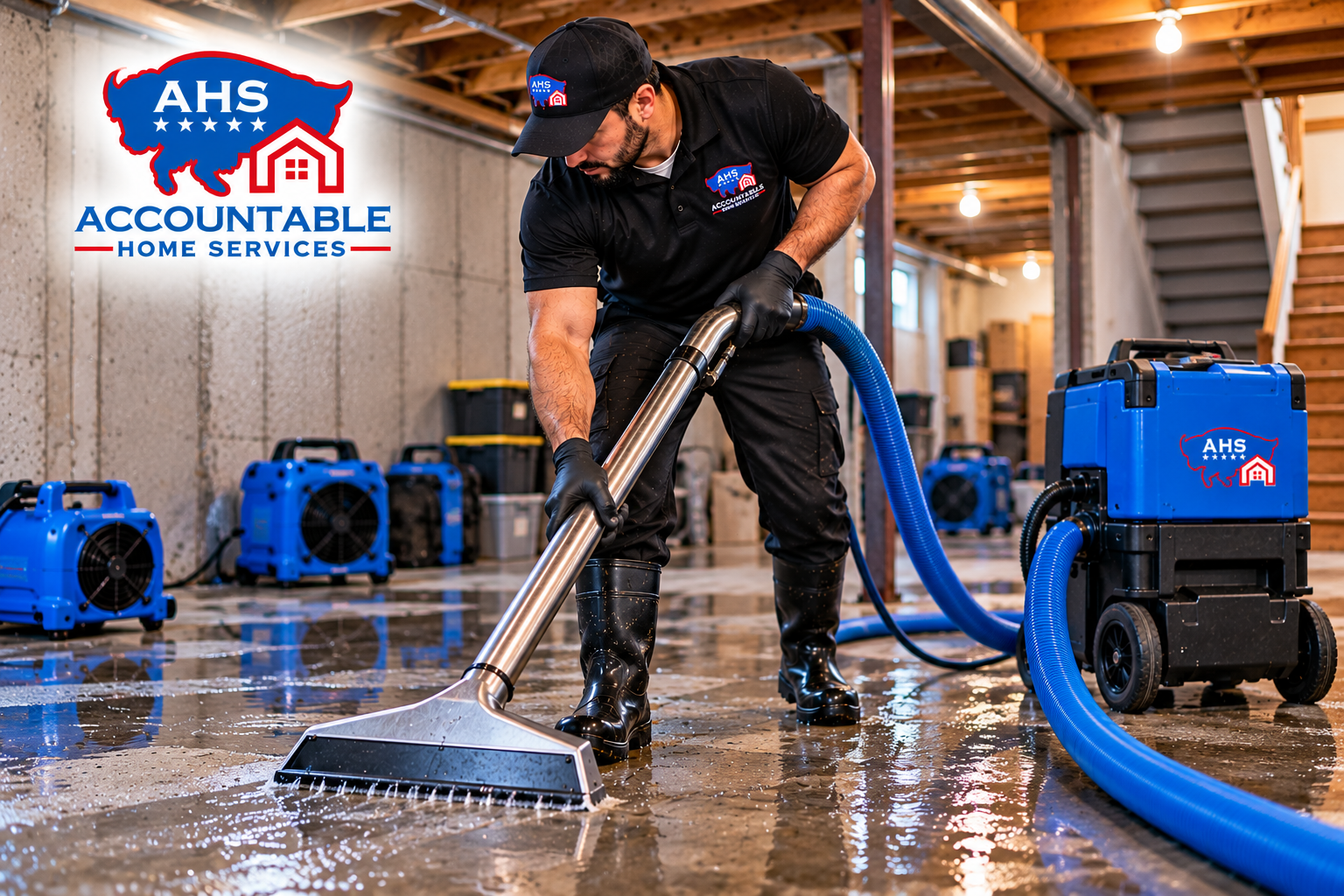
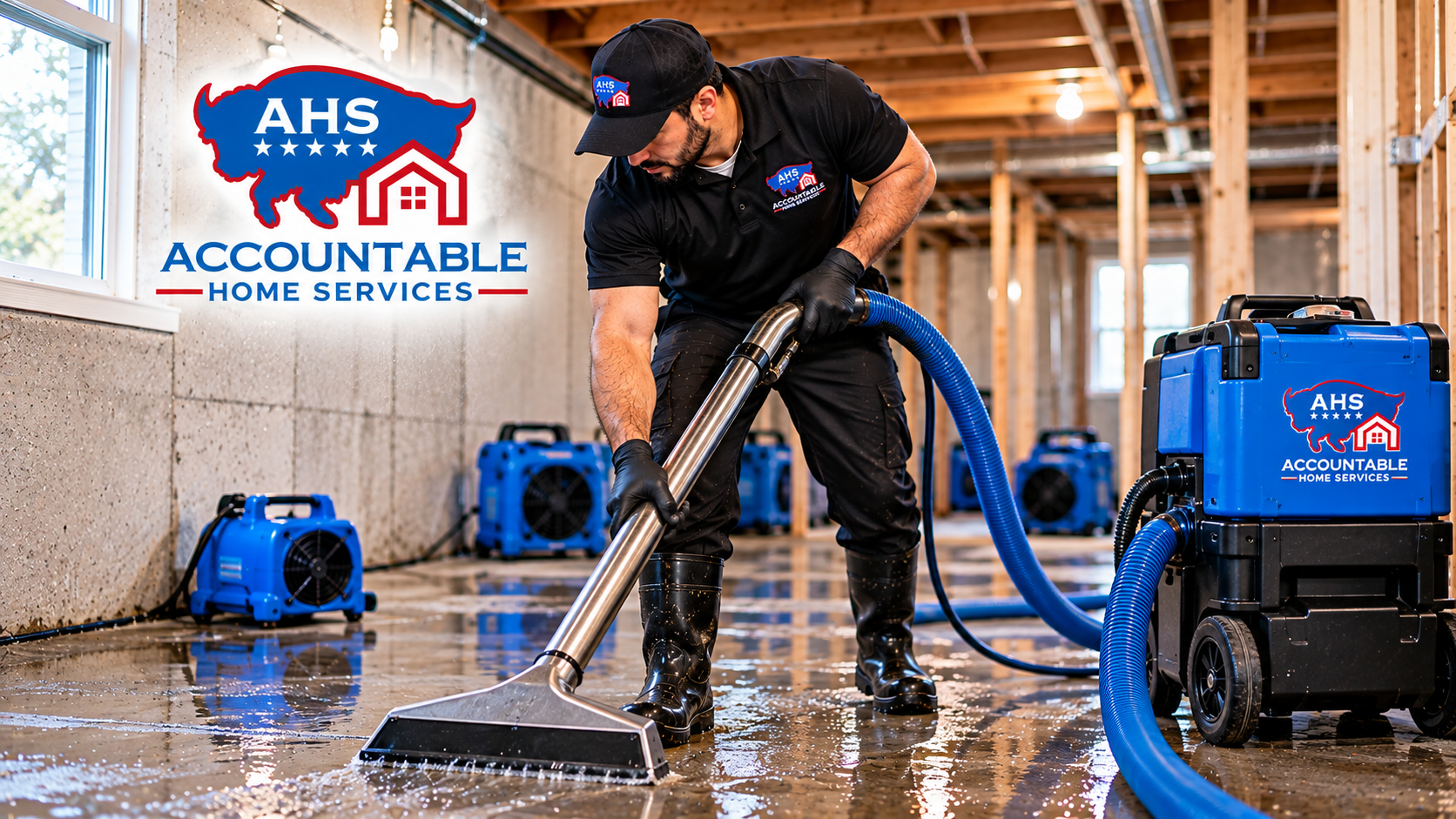
The next step is water removal. Using powerful, truck-mounted vacuums and submersible pumps, the team will pump thousands of gallons of water out of your home. By utilizing professional emergency water extraction services, the drying time is cut down significantly. When dealing with severe indoor flooding and water extraction, Northglenn homeowners should know that the bulk of the water is removed during this specific phase.
3. Structural Drying and Dehumidification
Once the standing water is gone, the home will still be incredibly damp. This is where structural drying techniques for homes come into play. Professionals rely on the science of psychrometrics in water damage restoration. Psychrometrics is the study of the thermodynamic properties of moist air. By calculating the exact temperature, humidity, and airflow needed, experts can manipulate the environment to pull moisture out of the drywall and framing.
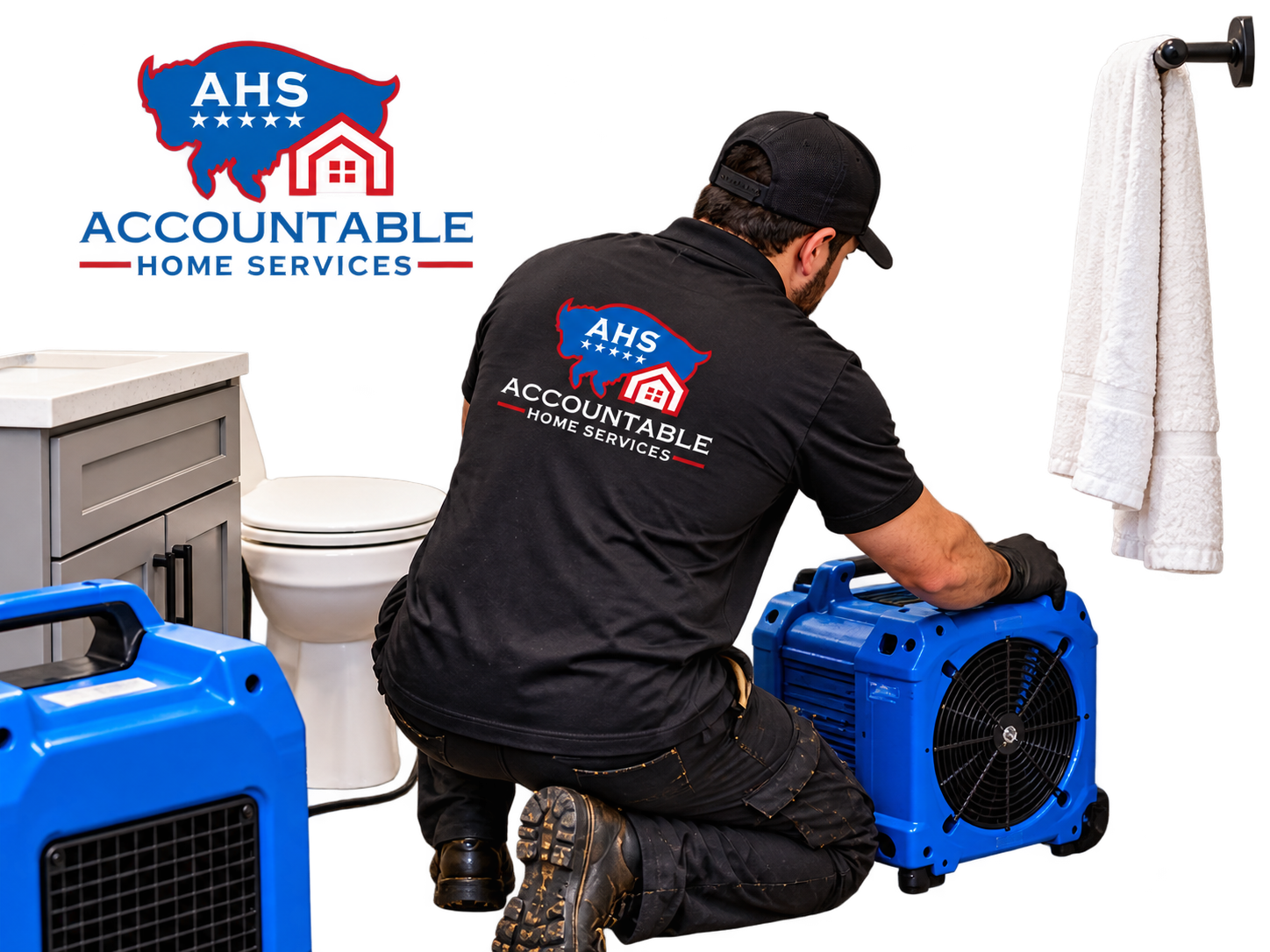
To achieve this structural drying, technicians will set up high-velocity air movers and industrial grade dehumidification equipment. These machines work together to lift moisture from deep within your home's structural framing into the air, where it is captured and pumped outside.
Dealing with the Unseen: Hidden Moisture and Mold
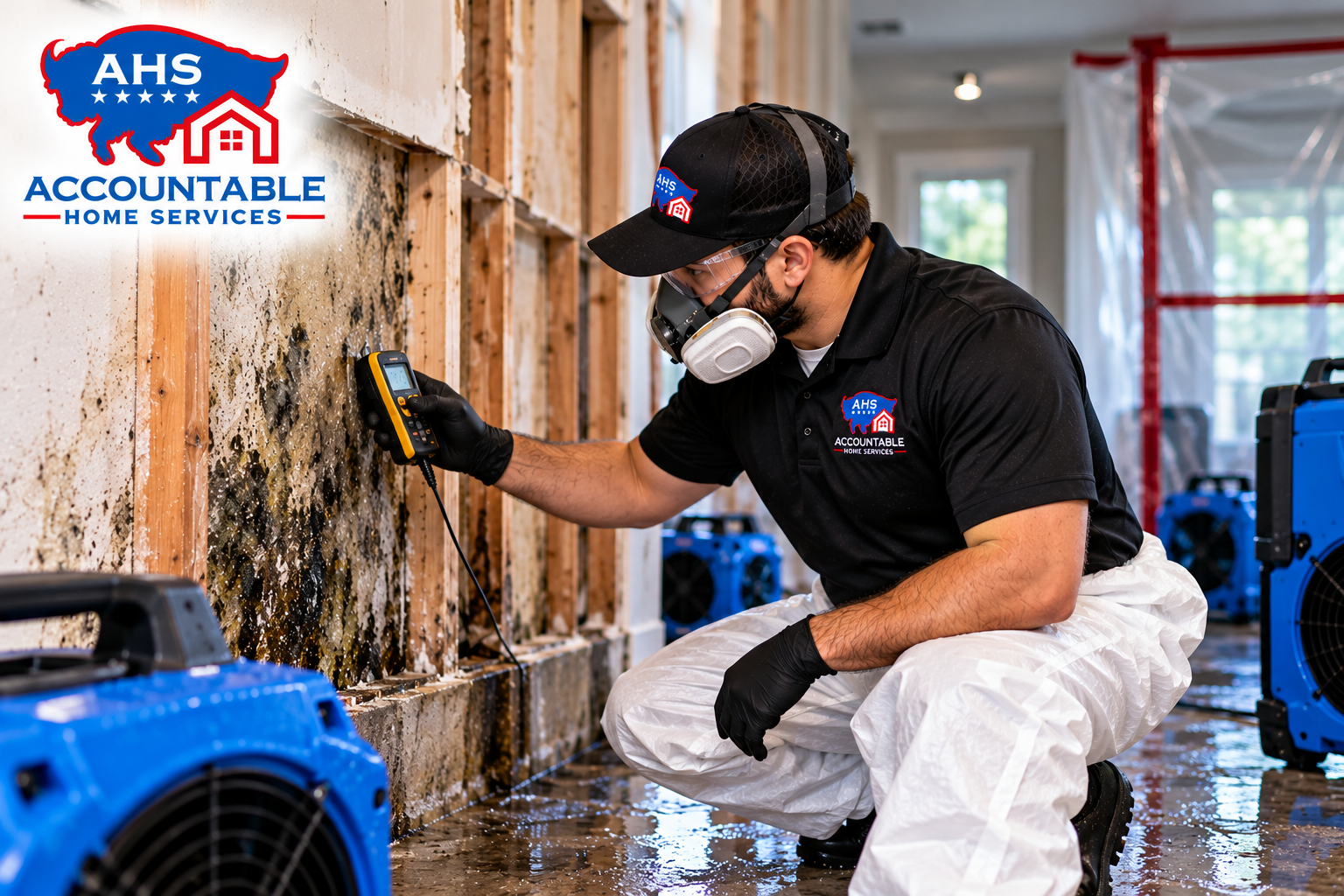
One of the biggest mistakes a homeowner can make is assuming a room is dry just because the carpet feels dry to the touch. Hidden moisture is a silent destroyer. Water wicks up the inside of drywall, seeps under baseboards, and pools in the subfloor.
If left unaddressed, you will soon notice the signs of hidden water damage in walls, such as:
- Bubbling, peeling, or flaking paint and wallpaper.
- Warped or buckling baseboards.
- A persistent, musty odor that won't go away.
- Discoloration or yellowish-brown water stains.
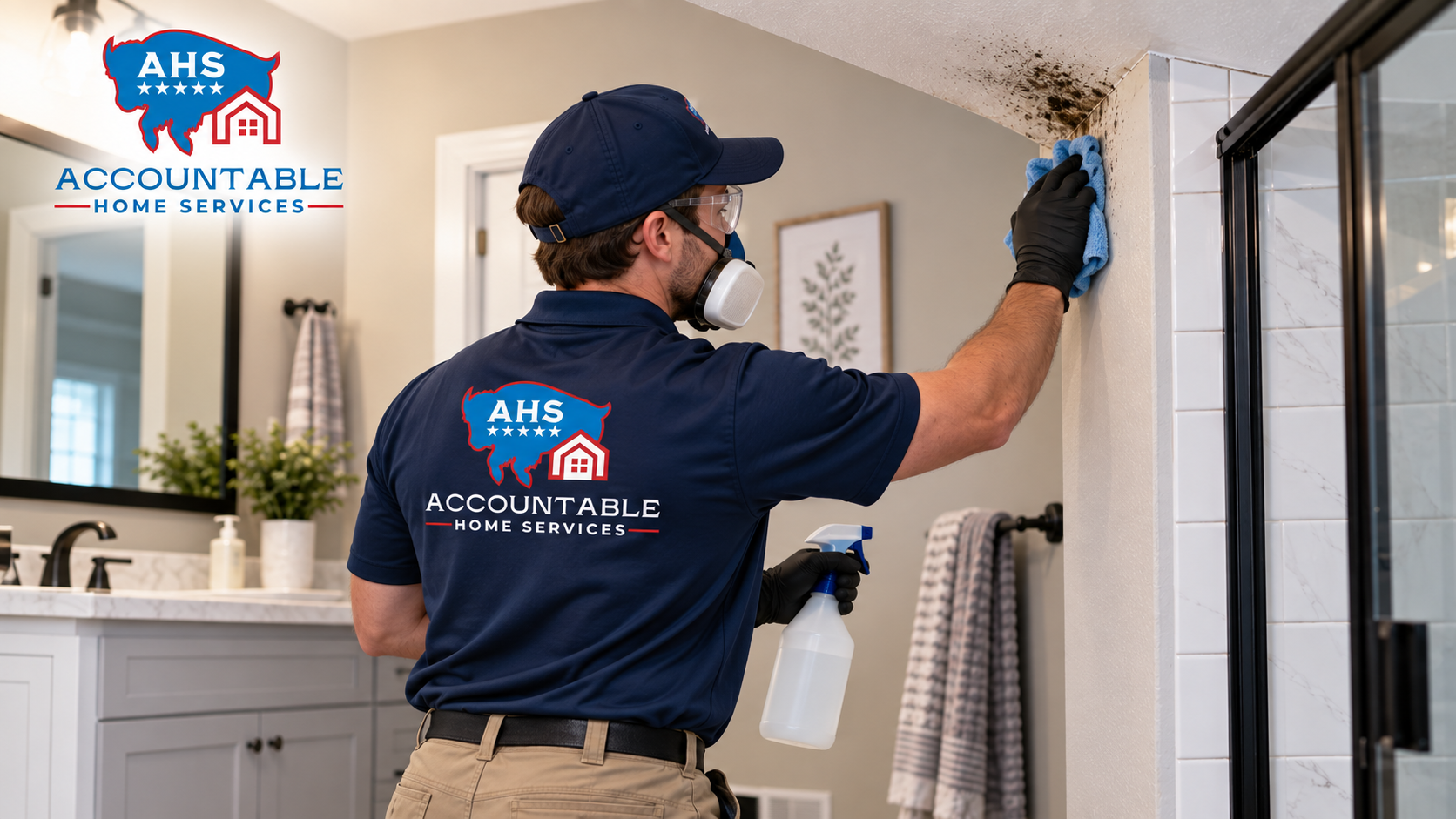
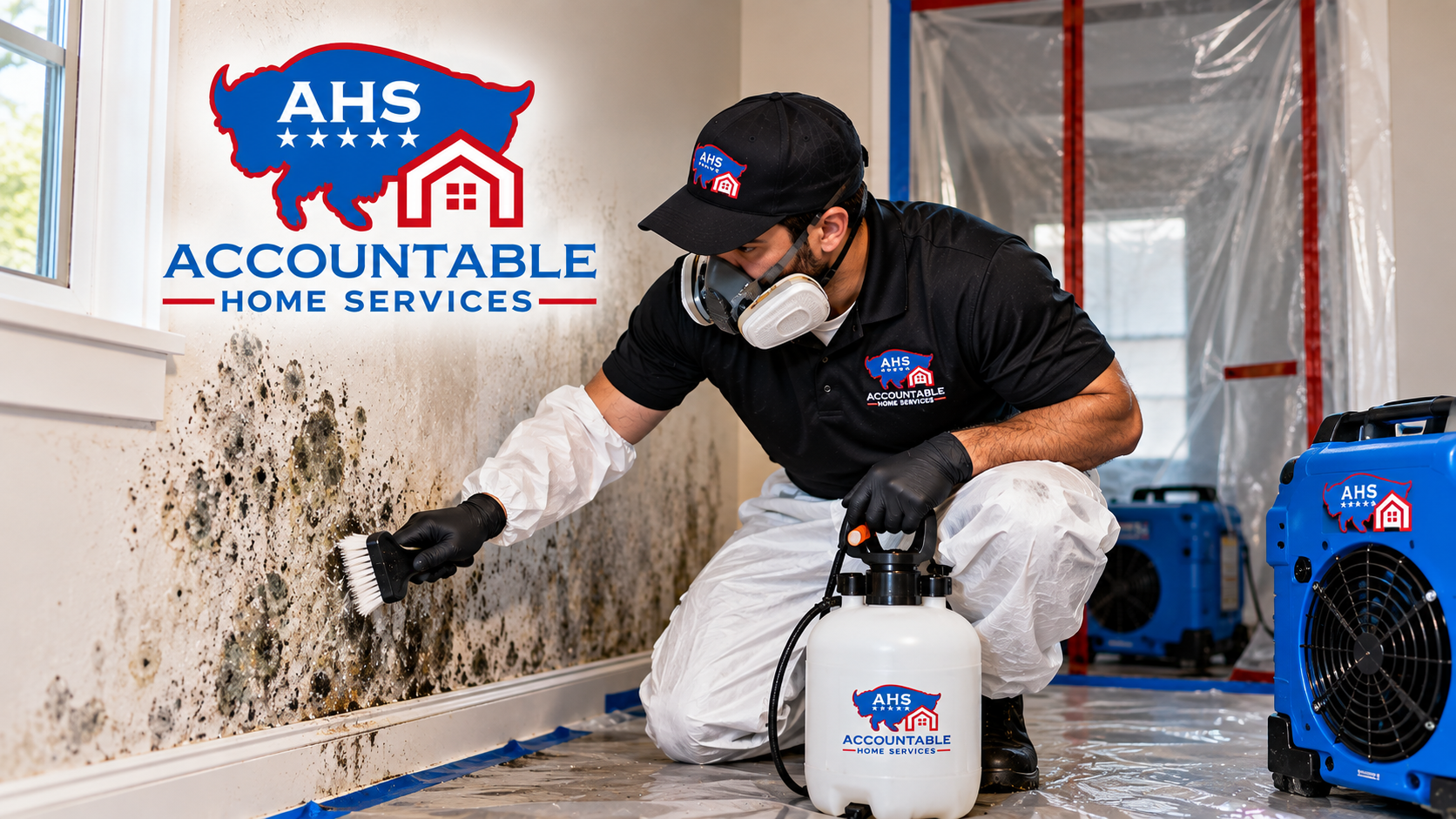
This trapped moisture is a breeding ground for fungi. Therefore, learning how to prevent mold after water damage is critical. The most effective method for mold prevention after water damage is immediate, professional extraction and drying. By removing the moisture within the first 24 to 48 hours, you remove the environment mold needs to survive. Antimicrobial treatments are also applied during mitigation to sanitize the area and halt any spore growth in its tracks.
Taking Action: What to Do When Disaster Strikes in Northglenn
When a plumbing disaster happens, panic is a natural reaction, but swift action is required. Here are the immediate steps to take after a pipe bursts:
- Shut Off the Main Water Valve: Locate your home’s main water shut-off valve (usually in the basement or utility closet) and turn it off to stop the flow of water.
- Turn Off the Electricity: If it is safe to do so, flip the breakers to the affected areas. Never wade through standing water if power outlets or appliances are submerged.
- Document the Damage: Take clear photos and videos of the standing water and damaged items. This will be invaluable for your insurance claim.
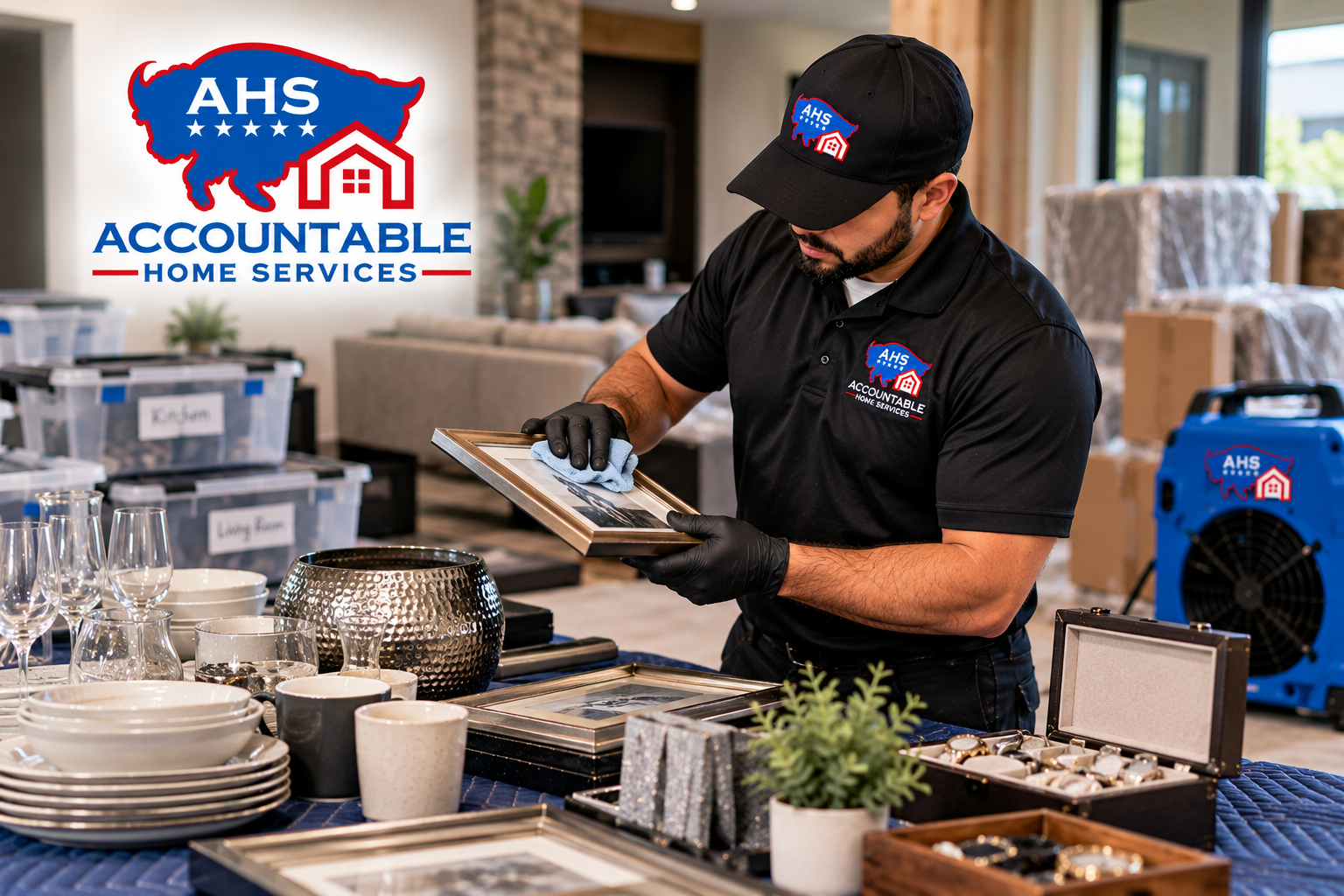
- Move Valuables: Carefully move small furniture, electronics, and important documents to a dry, safe area.
- Call the Professionals: Reach out for water damage mitigation. Northglenn has access to 24/7 emergency response teams who can dispatch to your home within the hour.
Navigating the Financial Side: Insurance and Costs
A major point of anxiety for homeowners is the cost of professional water damage cleanup. The total bill depends heavily on the size of the affected area, the category of the water, and how long the water was left sitting. While mitigation can cost anywhere from a few hundred to a few thousand dollars, delaying the process can result in tens of thousands of dollars in secondary mold and structural damage.
Fortunately, most standard homeowners' insurance policies cover sudden and accidental water damage (like a burst pipe or a failed water heater). Navigating the water damage insurance claim process can be overwhelming, but a professional mitigation company will heavily document their work with photos, moisture readings, and itemized logs to support your case.
When filing a water damage insurance claim, Colorado homeowners should:
- Report the damage to their insurance agent immediately.
- Provide the initial photographs and videos taken before cleanup began.
- Share the mitigation company’s assessment and drying logs with the adjuster.
- Keep a record of all communications, receipts, and claim numbers.
Note: Standard homeowners' insurance generally does not cover groundwater flooding (like a river overflowing). That requires a separate flood insurance policy.
Choosing the Right Local Experts
When researching water damage cleanup, Northglenn homeowners should always look for certified, licensed, and insured professionals. The Institute of Inspection, Cleaning and Restoration Certification (IICRC) is the gold standard for the industry. Ensure the team you hire holds these credentials.
Attempting to clean up a major leak with a shop vac and a few household fans simply won't cut it. Without specialized tools to detect hidden moisture, you risk long-term structural decay and serious health hazards from toxic mold.
A reputable mitigation team will handle the dirty work, stabilize your property, and transition smoothly into water damage restoration. Northglenn properties endure harsh winter freezes and spring thaws, making them susceptible to plumbing failures. Having a trusted local professional on speed dial provides incredible peace of mind.
Final Thoughts
The real water mitigation meaning is protection. It is the vital bridge between a catastrophic property disaster and a safe, restored home.
From executing emergency water removal to utilizing advanced structural drying techniques, mitigation experts step in during your most stressful moments to stop the destruction in its tracks. By understanding how the process works, recognizing the dangers of hidden moisture, and acting immediately when a pipe bursts, you can safeguard your property, streamline your insurance claims, and ensure your home remains a safe haven for your family.