Professional Water Extraction in Westminster, CO: When You Need It and What to Expect
Imagine walking into your home after a long day at work, only to hear the dreaded sound of rushing water. Whether it’s a frozen pipe that burst during a brutal Colorado winter, a failing sump pump, or a ruptured water heater, indoor flooding is a homeowner’s worst nightmare. In these critical, high-stress moments, swift and decisive action is essential.
When dealing with substantial indoor flooding, DIY methods like tossing down a few towels and turning on a ceiling fan simply won't cut it. To protect your property from permanent structural decay and hazardous health conditions, you need a 24/7 rapid response water removal team.
In this guide, we will break down the science, the timeline, and the critical steps of professional water extraction, helping you understand exactly when to call in the experts and what to expect when they arrive at your door.
When Is It Time to Call the Professionals?
Not every spill requires a fleet of restoration trucks, but knowing when to trigger an emergency water extraction protocol can save your home from devastating secondary damage. You might think you can mop up a sizable leak on your own, but moisture is incredibly insidious. It migrates rapidly, wicking up drywall and seeping into the subfloor where it becomes trapped.
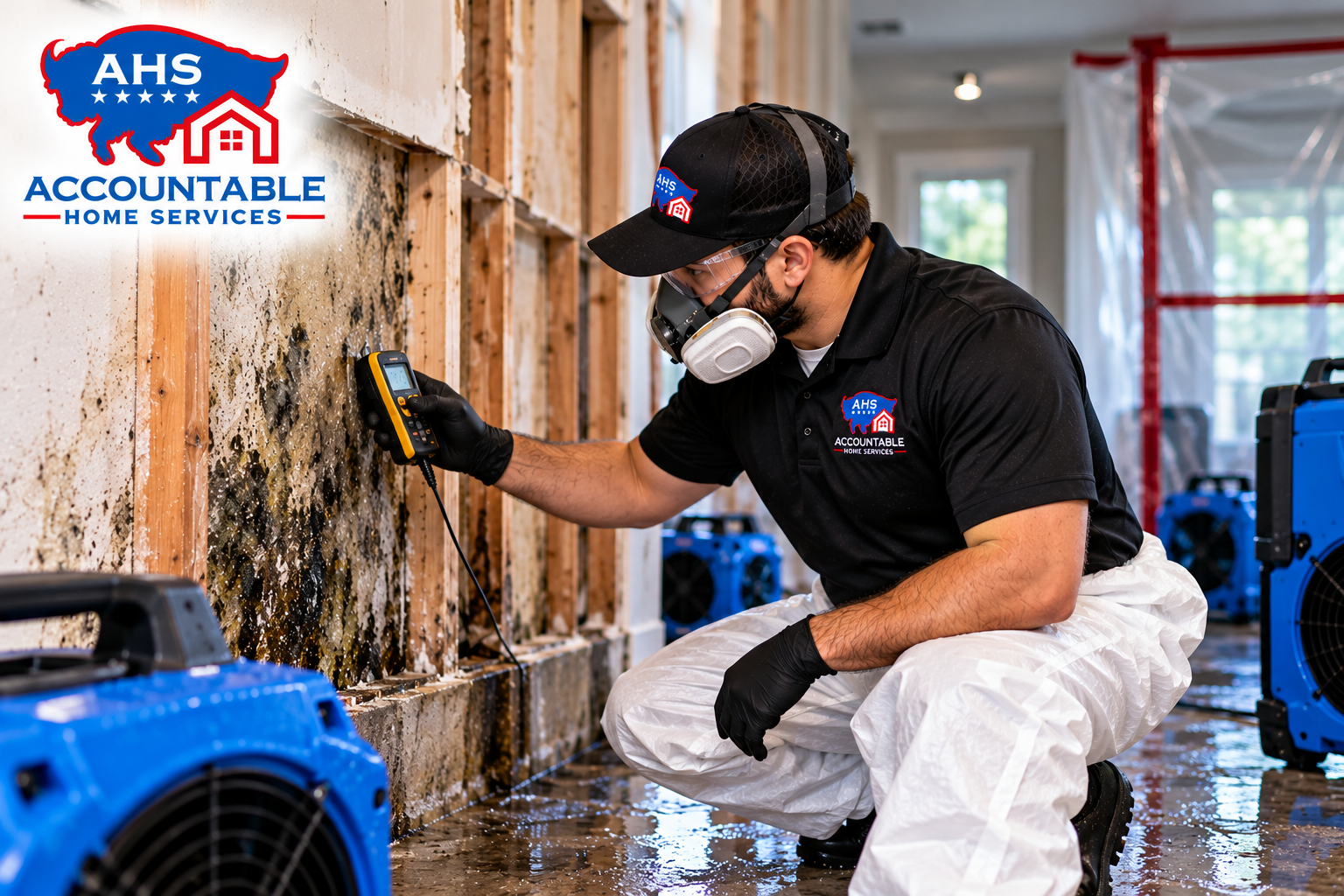
It is crucial to look out for the signs of hidden water damage behind walls. These often manifest as peeling paint, bubbling wallpaper, warped baseboards, or a lingering musty odor that you just can't seem to get rid of. By the time these symptoms appear, the moisture has likely penetrated deep into your insulation and structural framing.
Professionals utilize advanced technology, including thermal imaging leak detection, to see behind your walls. These infrared cameras pinpoint the exact source and hidden spread of moisture behind barriers, allowing technicians to address the root of the problem without tearing your house apart prematurely.
The Specific Threat of Basements
Many homes along the Front Range feature deep basements that are uniquely vulnerable to groundwater seepage, window well leaks, and plumbing failures. If you find yourself needing flooded basement cleanup Westminster, time is not on your side.
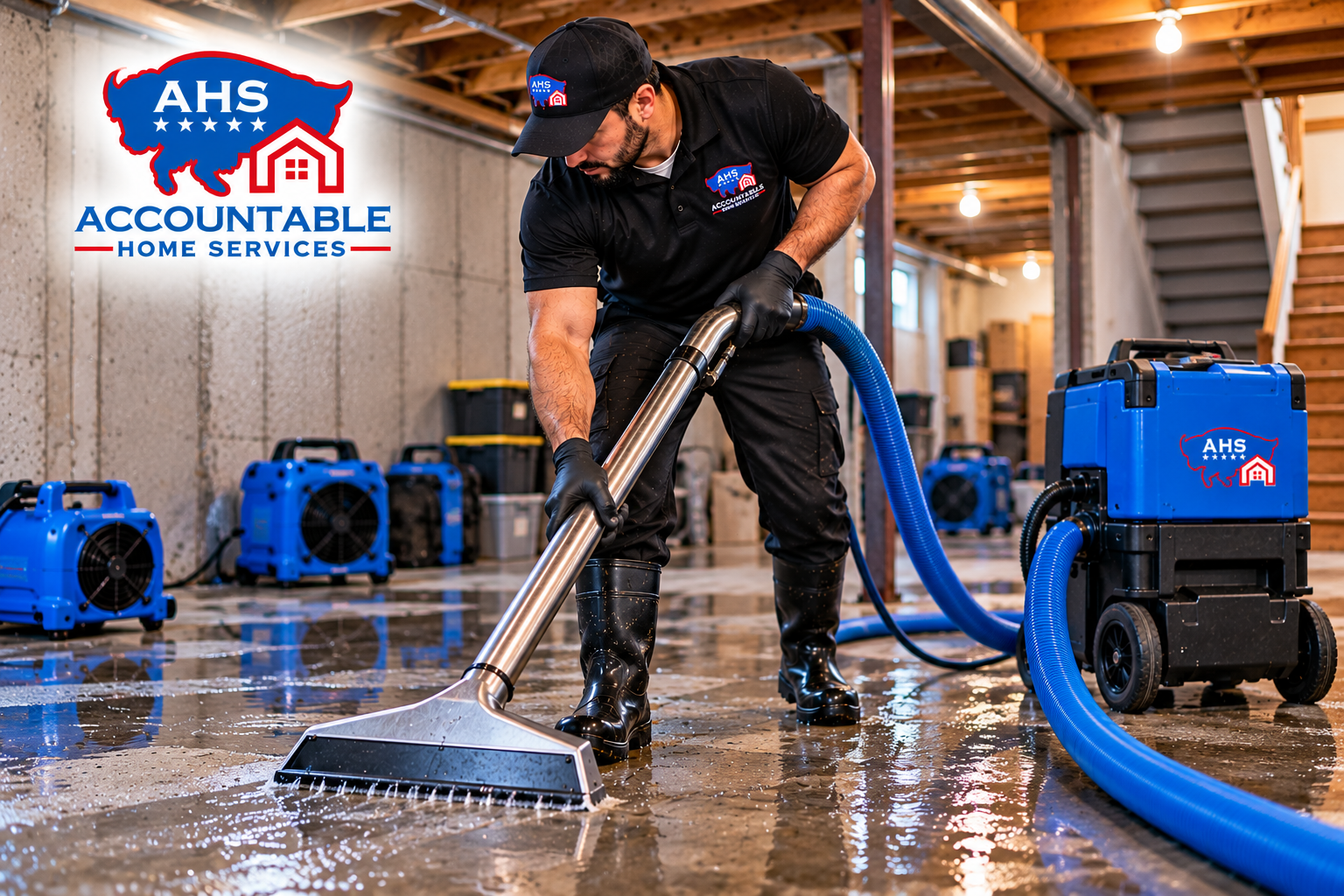
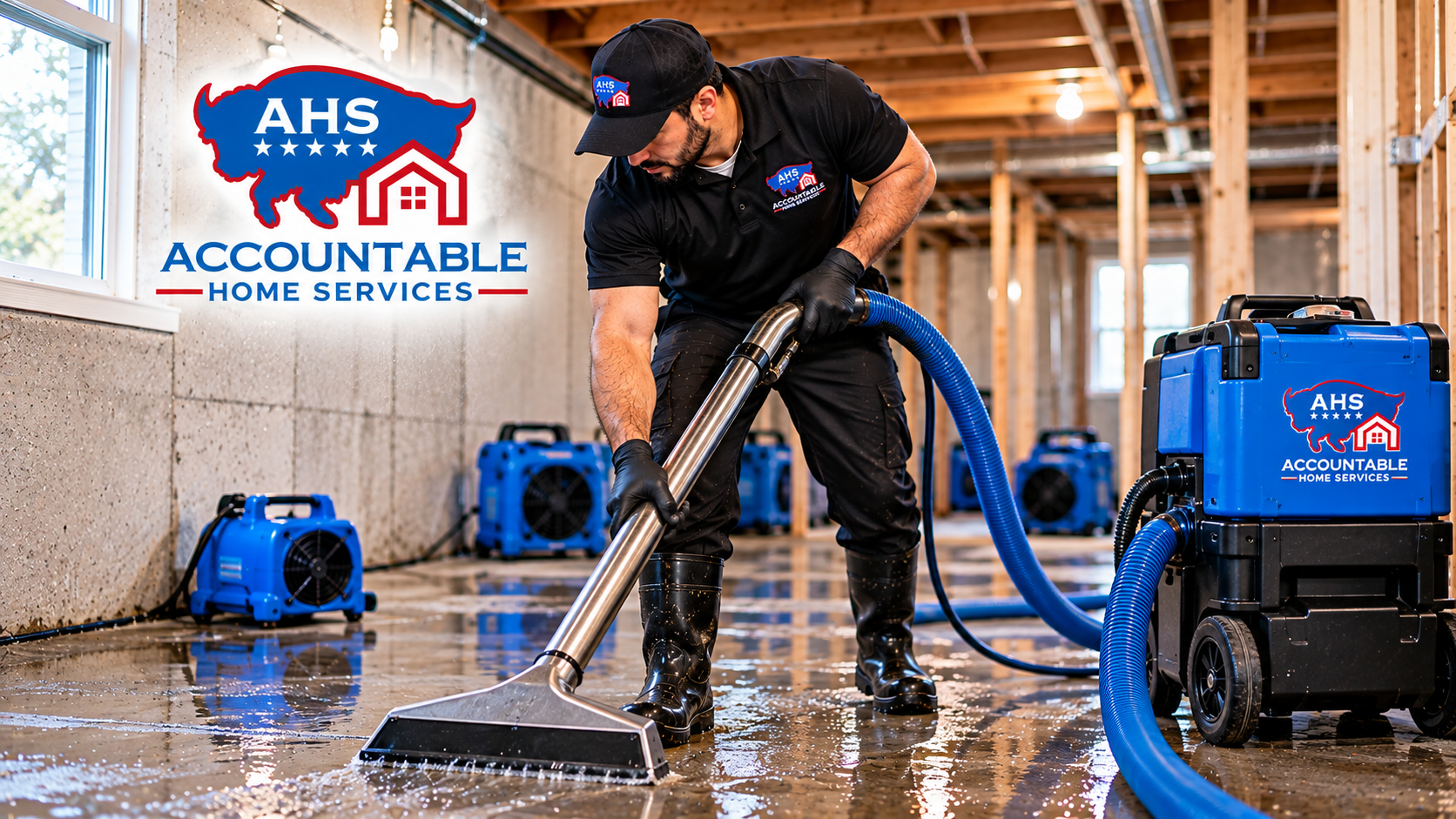
Removing standing water from basement floors requires specialized gear because water in lower levels lacks a natural drainage path. A robust approach to basement water extraction ensures that the concrete foundation and subflooring don't absorb excessive moisture, which can ultimately lead to foundational cracks, shifting, and compromised structural integrity.
What to Expect: The Professional Water Extraction Process
Understanding the phases of water damage cleanup Westminster can significantly reduce your anxiety during a chaotic time. Here is the step-by-step breakdown of what happens when the restoration experts arrive at your property.
1. Assessment and Water Categorization
Before the pumps are turned on, experts must assess the safety and contamination level of the water. Water is classified into three categories: clean (Category 1), gray (Category 2), and black (Category 3). If your flood involves a sewage backup or floodwaters from outside, it requires rigorous Category 3 black water sanitization. This highly contaminated water carries dangerous pathogens, viruses, and heavy metals, making professional intervention not just a good idea, but a strict health and safety requirement.
2. Heavy-Duty Extraction
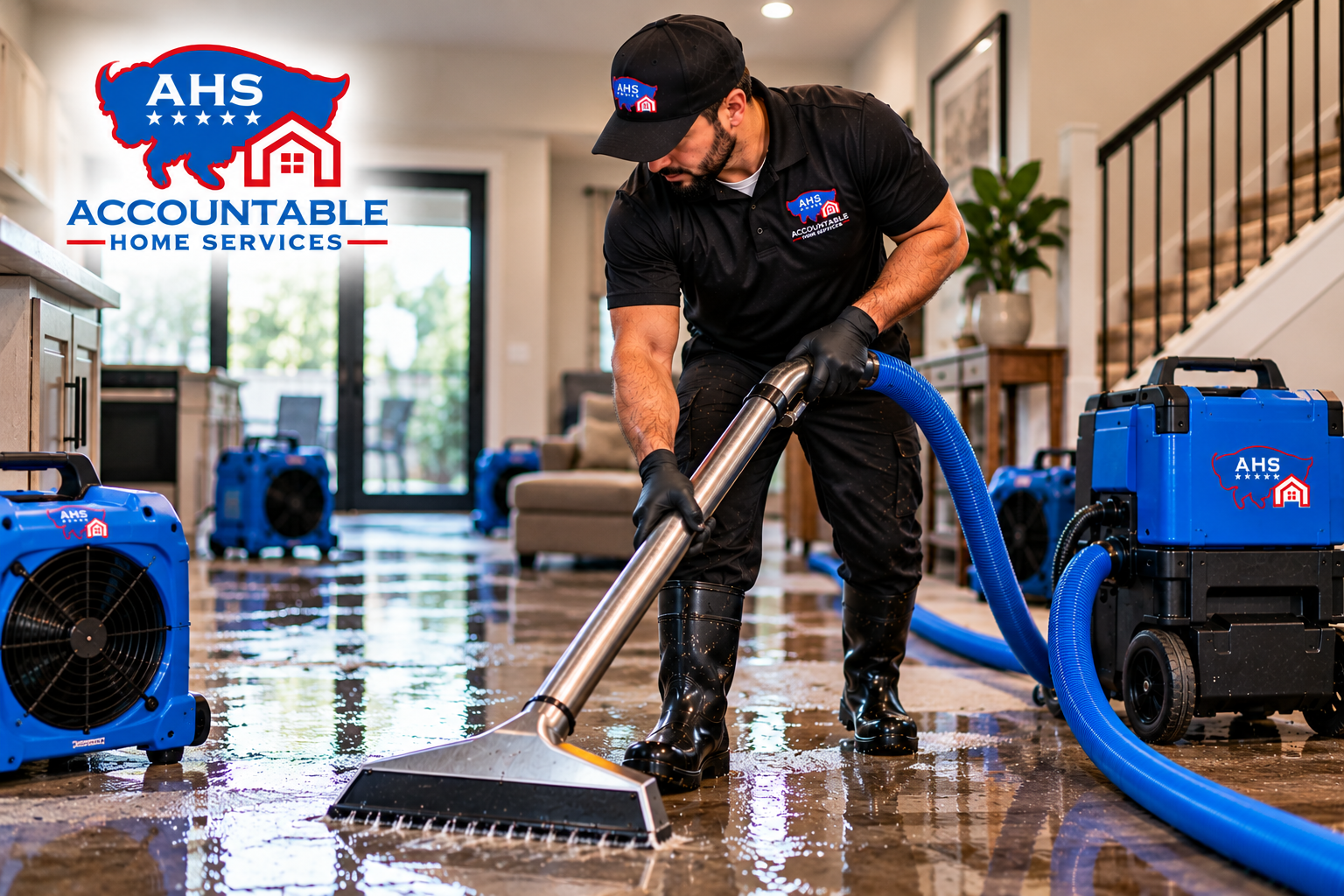
The physical removal of the liquid is the most crucial step of the entire recovery process. Technicians will immediately deploy an industrial grade submersible pump alongside powerful truck-mounted vacuums to handle massive volumes of water. This aggressive standing water removal phase minimizes the time your floors and drywall spend submerged, halting secondary damage in its tracks. Effective, rapid water removal Westminster sets the stage for a successful restoration.
3. Advanced Structural Drying
Once the visible pools of water are gone, the focus shifts to the hidden moisture absorbed by your building materials. This is the structural drying process, and it is governed by the rigorous psychrometric science in drying. Psychrometrics is the study of the thermodynamic properties of moist air. By calculating the exact temperature, humidity, and airflow needed, restoration technicians can manipulate the environment to pull moisture out of incredibly dense materials like concrete and wood framing.
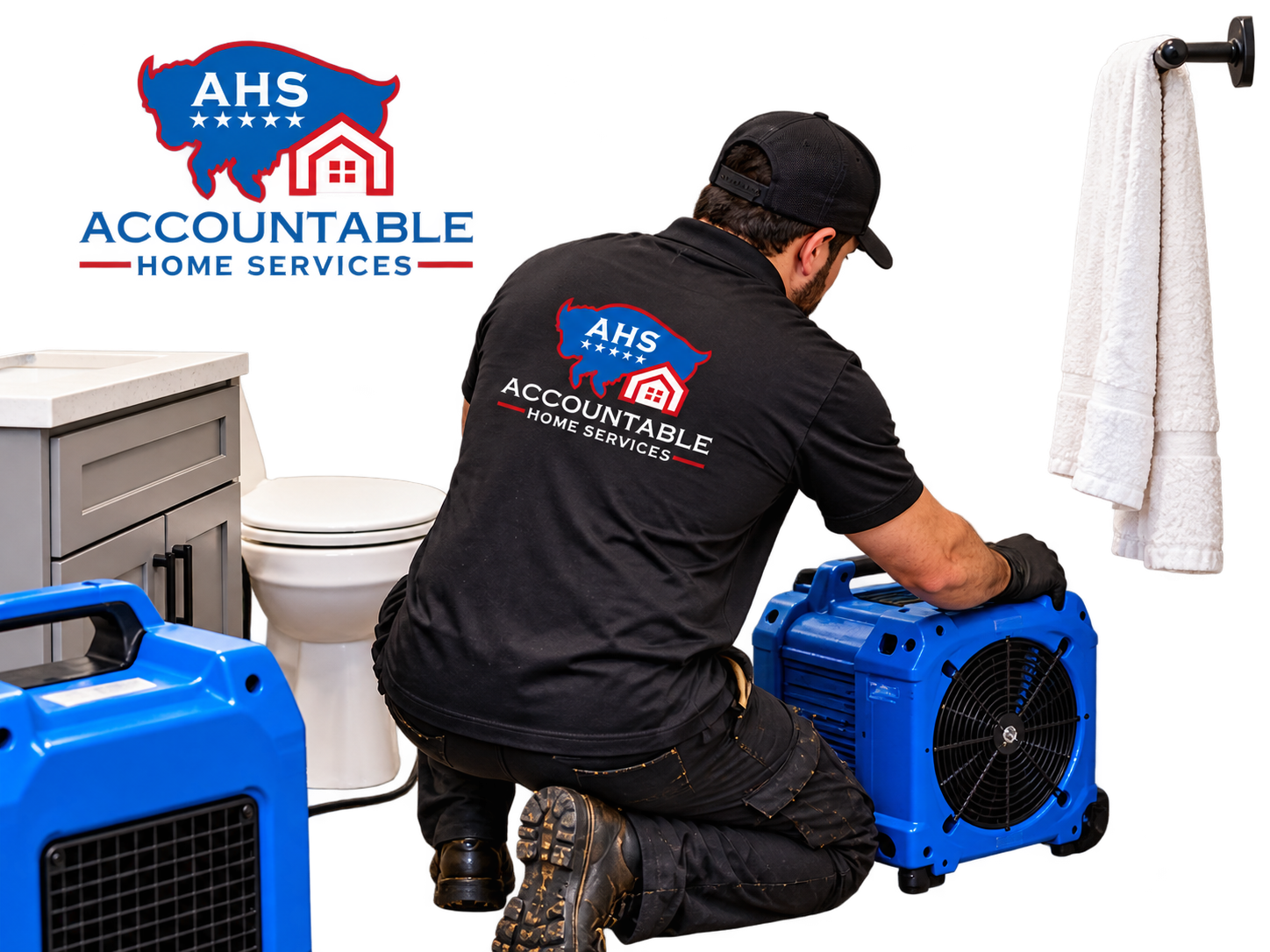
Many homeowners wonder about the difference between an industrial dehumidifier vs home unit during this phase. A standard residential dehumidifier you buy at a hardware store might pull 30 to 50 pints of water from the air per day, which is fine for a slightly damp basement. However, an industrial LGR (Low Grain Refrigerant) dehumidifier can extract well over 200 pints a day, dropping the humidity to near-zero levels to literally force deeply embedded moisture out of your walls and floors.
4. Cleaning, Sanitizing, and Salvaging
With the environment aggressively drying out, the team will clean and sanitize all affected areas. Applying specialized antimicrobial treatments for flood recovery eliminates harmful bacteria and stops odors before they permanently set into your home's framework.
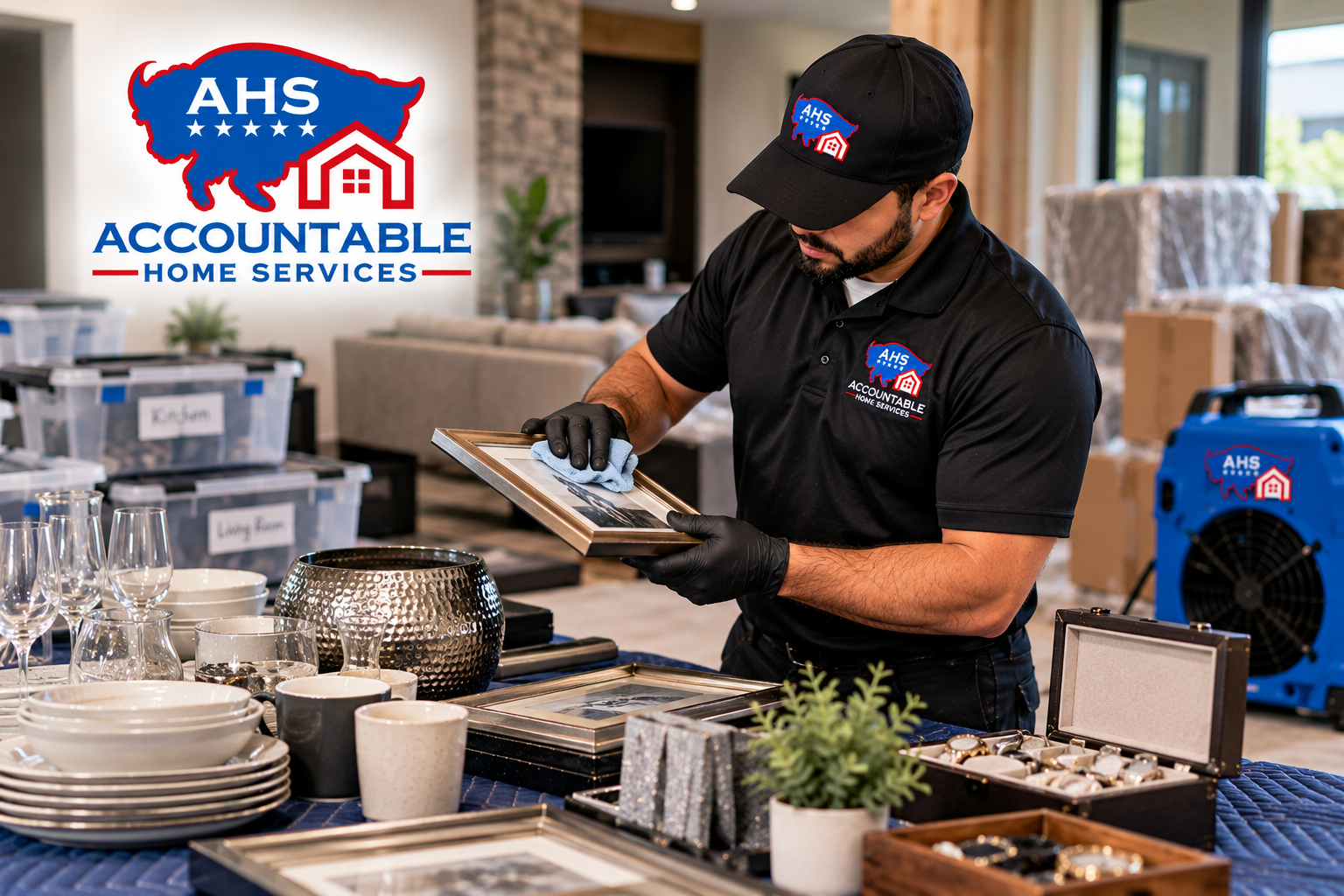
This is also the stage where advanced salvage operations occur. For example, restoring water damaged hardwood floors is often possible if caught early. Using specialized drying mats that vacuum moisture directly through the flutes of the wood, professionals can often save expensive, irreplaceable flooring that would otherwise buckle, cup, and require total replacement.
5. Final Restoration
The final step is bringing your home back to its pre-loss condition. Comprehensive water damage restoration Westminster can involve minor repairs like replacing a few panels of drywall and installing new carpet padding, or it could entail major reconstruction projects if the damage was severe.
The Race Against Time: Mold Prevention
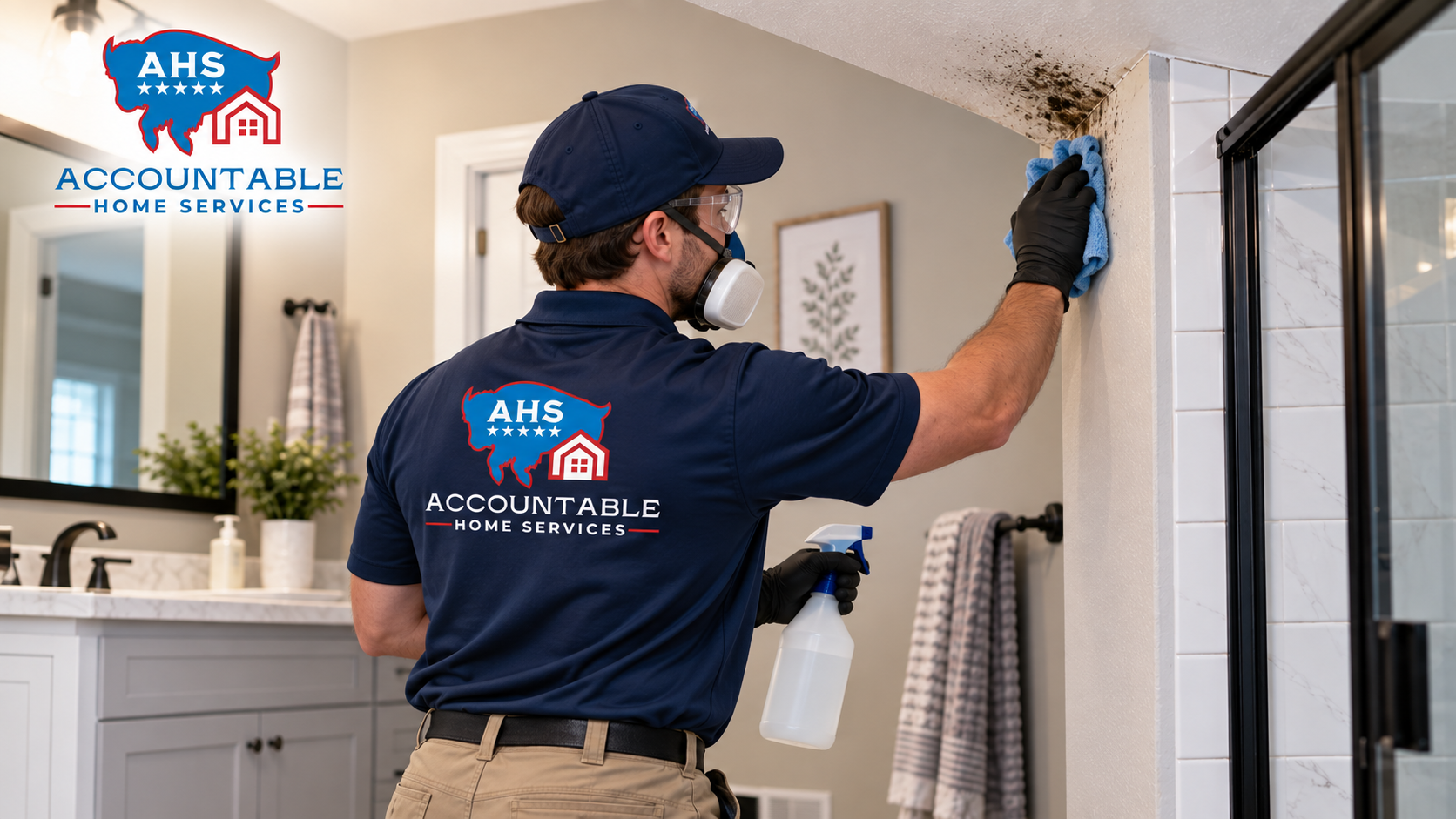
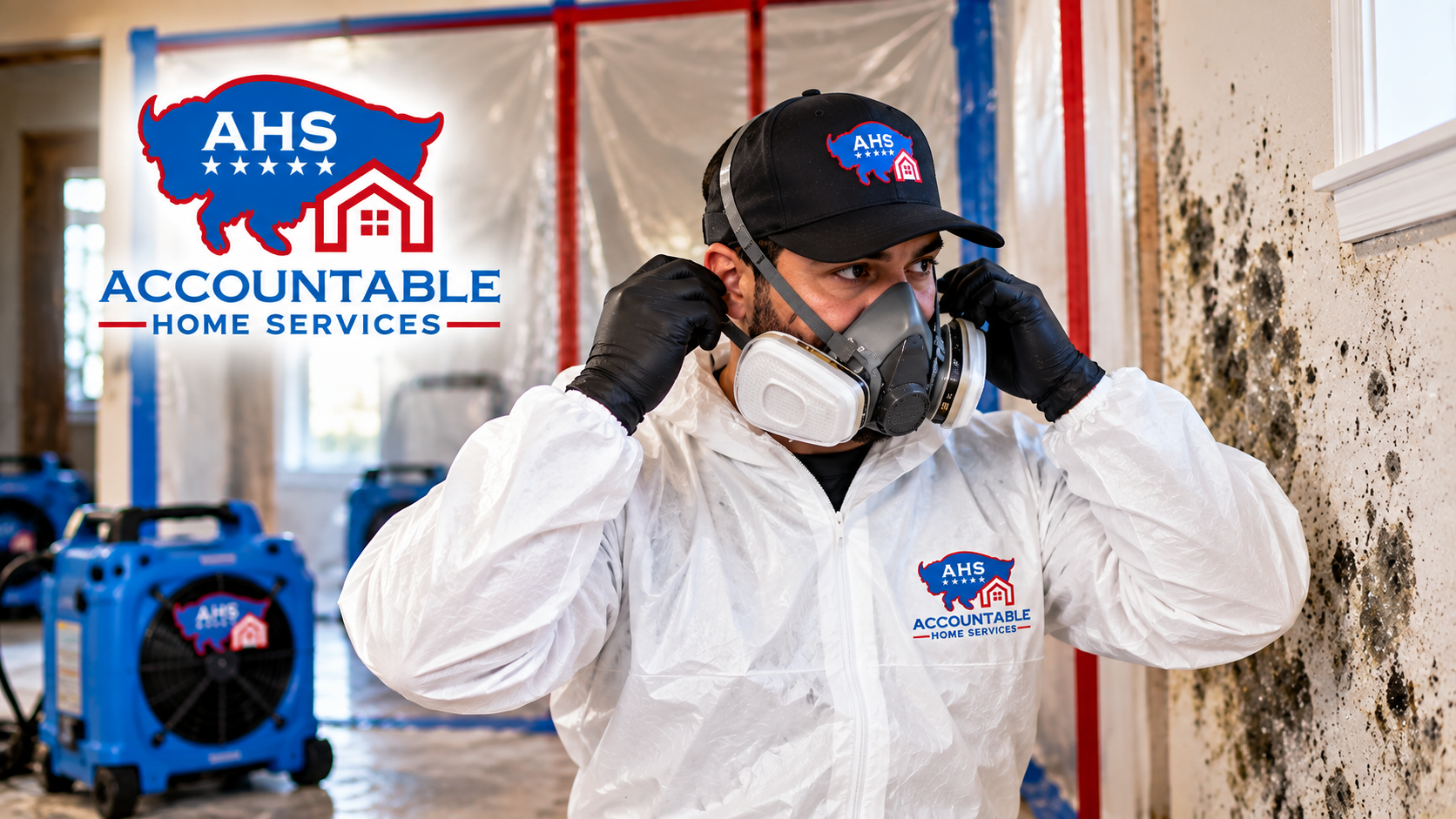
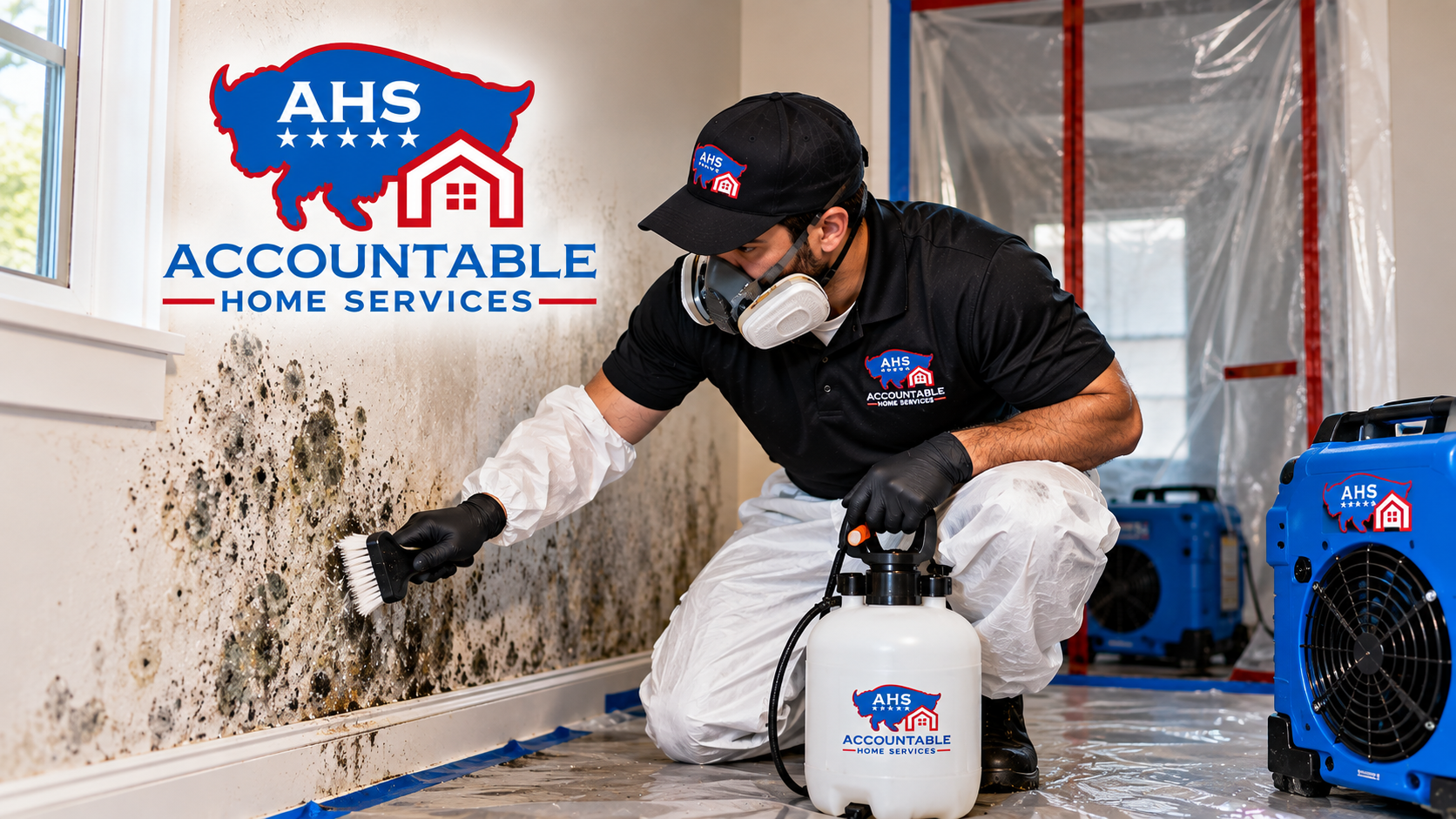
Moisture is the ultimate catalyst for mold, and in a flooded, climate-controlled home, spores can germinate and multiply in as little as 24 to 48 hours. Mold prevention after water damage is deeply intertwined with how quickly the water is extracted and how thoroughly the environment is dried.
Preventing mold growth after flooding requires a multifaceted, scientific approach:
- Immediate Extraction: The faster the standing water is gone, the less moisture is absorbed into porous materials.
- Air Scrubbing: High-Efficiency Particulate Air (HEPA) scrubbers are deployed to filter microscopic mold spores out of the environment while the drying process occurs.
- Aggressive Humidity Control: Maintaining relative humidity below 45% using industrial dehumidifiers effectively starves any existing, dormant spores of the moisture they need to thrive and spread.
If professional extraction is delayed, you will inevitably transition from a standard water damage scenario into a much more costly, hazardous, and time-consuming mold remediation project.
Navigating Costs and Insurance Claims
Dealing with the physical aftermath of a flood is stressful enough without worrying about the financial burden. Understanding emergency flood cleanup costs and how your insurance factors into the equation is vital for peace of mind.
In most cases, sudden and accidental water damage—such as a burst pipe, an overflowing bathtub, or a suddenly ruptured water heater—is covered by your standard homeowner's policy. However, gradual damage (like a slow, hidden plumbing leak you ignored for months) or external flooding from heavy rains (which usually requires a separate flood insurance policy) might not be covered. Knowing the exact details, limits, and deductibles of your homeowners insurance water damage coverage is essential before disaster strikes.
Filing a water damage insurance claim Colorado can be a highly complex, bureaucratic process. This is where professional restoration companies provide incredible value beyond physical cleanup. A reputable water mitigation Westminster CO company will document the damage meticulously from the moment they arrive. They provide the necessary evidence—ranging from initial moisture readings and thermal imaging photos to detailed inventory lists—that insurance adjusters require to process your claim smoothly, ensuring you receive the maximum compensation necessary to fully restore your property.
Timelines: How Long Does the Process Take?
When your daily routine is turned upside down by a residential flood, you naturally want to know when things will return to normal. The average time for water damage restoration varies based on the scope of the damage, the types of building materials involved, and the category of the water.
Generally, you can expect the following timeline:
- Emergency Extraction: Typically takes anywhere from a few hours to a full day, depending on the volume of water and the size of the affected area.
- Structural Drying: This is the most time-consuming active phase, usually lasting 3 to 5 days. High-powered fans and dehumidifiers will run non-stop during this period.
- Repairs and Restoration: This phase can take anywhere from a few days to several weeks. It depends entirely on whether you need minor cosmetic fixes or extensive drywall replacement and floor refinishing.
When you partner with a trusted team for professional water extraction Westminster CO, they will provide a clear, customized timeline from day one and give you daily updates on drying progress, so you are never left in the dark.
Why Local Expertise Matters
When disaster strikes locally, you need a local response. Relying on a company specializing in water extraction Westminster CO means they understand the regional building codes, the local soil types that affect basement drainage, and the specific weather patterns of the Front Range that can complicate the drying process.
Furthermore, utilizing localized services guarantees that help arrives quickly. In a water emergency, the difference between a 30-minute response time and a three-hour wait can literally mean the difference between salvaging your custom hardwood floors and having to tear them out entirely.
Water damage is a disruptive, highly stressful event, but it doesn’t have to mean the end of your beautiful home. By acting fast, relying on structural drying science, and partnering with experienced professionals, you can protect your investment, safeguard your family's health, and return your property to its former glory as quickly as possible.