How to Dry Wet Carpet in Commerce City, CO: What Homeowners Should Know
Discovering a soaked floor in your home is a stressful and overwhelming experience. Whether it is due to a sudden plumbing failure, a heavy rainstorm, or a malfunctioning water heater, knowing exactly how to dry wet carpet quickly is essential to saving your home’s interior and protecting your family’s health. If left untreated, moisture trapped in the fibers and padding can lead to structural decay, foul odors, and severe health hazards.
When facing a wet carpet, Commerce City, CO homeowners must act fast. The dry Colorado climate can sometimes work to your advantage, but serious indoor floods require a deliberate, multi-step approach. This comprehensive guide will walk you through everything you need to know about navigating carpet water damage, from the initial moisture extraction to deciding when it is time to call in the experts.
Step 1: Assess the Situation and Identify the Source
Before you can begin any flooded carpet cleanup, you must identify where the water is coming from and stop it at the source. Turn off the main water valve if you are dealing with a burst pipe or faulty appliance. Once the flow of water has ceased, evaluate the type of water that has saturated your floors.
- Clean Water: Water from a burst supply line, overflowing sink, or rainwater is generally considered clean and safe to handle yourself, provided you act immediately.
- Gray Water: Water from washing machines, dishwashers, or clean toilets contains chemical and biological contaminants. Carefully sanitizing flooring after gray water leaks is mandatory to protect your household from bacteria.
- Black Water: Sewage backups or ground surface floodwaters contain highly toxic pathogens. If your home has been contaminated by black water, DIY methods are unsafe. You must evacuate the area and contact professionals immediately.
Evaluating the water damage carpet severity will dictate your next steps and help you decide whether your carpet can be saved or needs to be entirely replaced.
Step 2: The Clock is Ticking: Understanding Mold Risks
One of the most common questions homeowners ask is: how long can carpet stay wet before mold grows? The Environmental Protection Agency (EPA) and restoration industry standards state that mold and mildew can begin developing within 24 to 48 hours of water exposure.
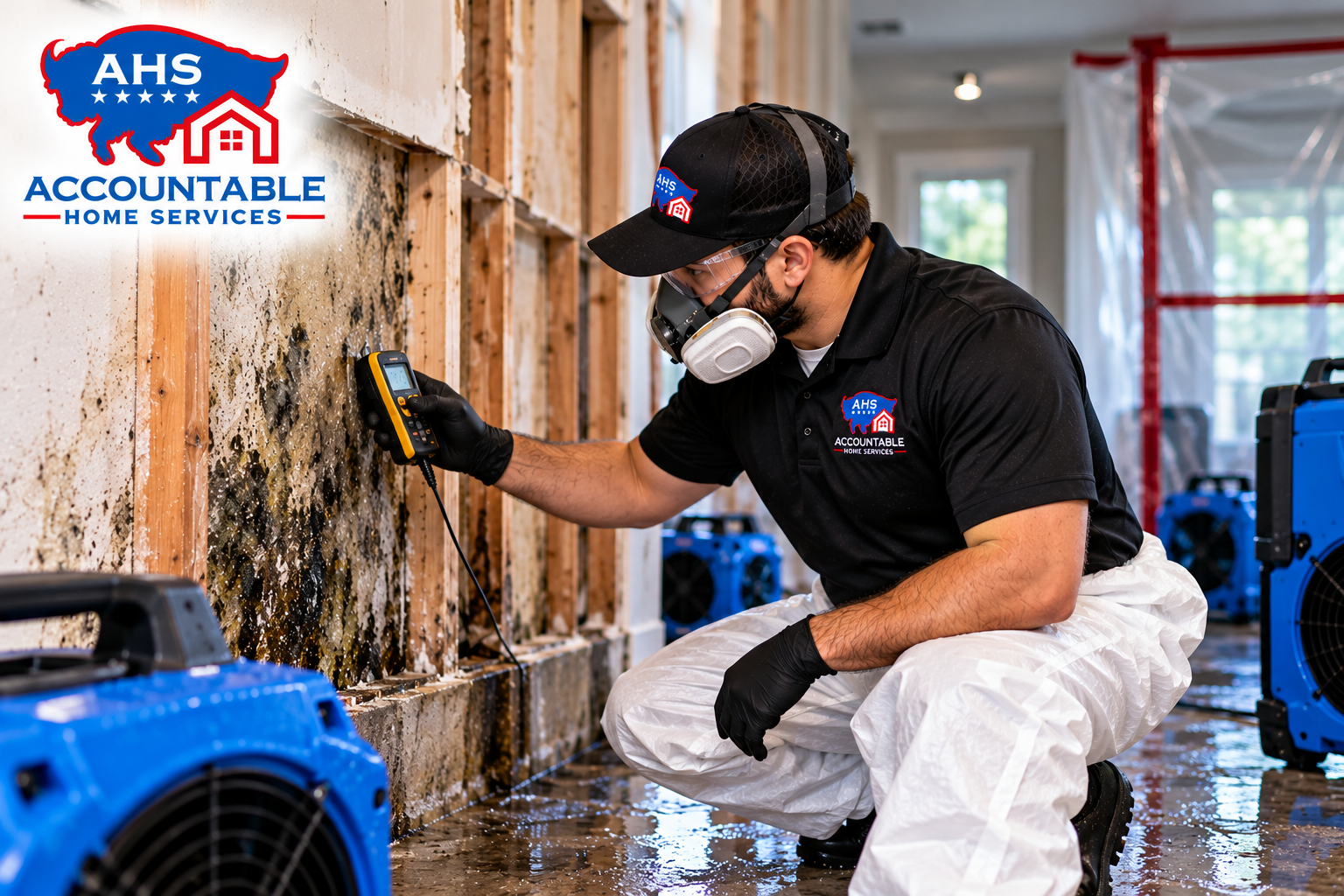
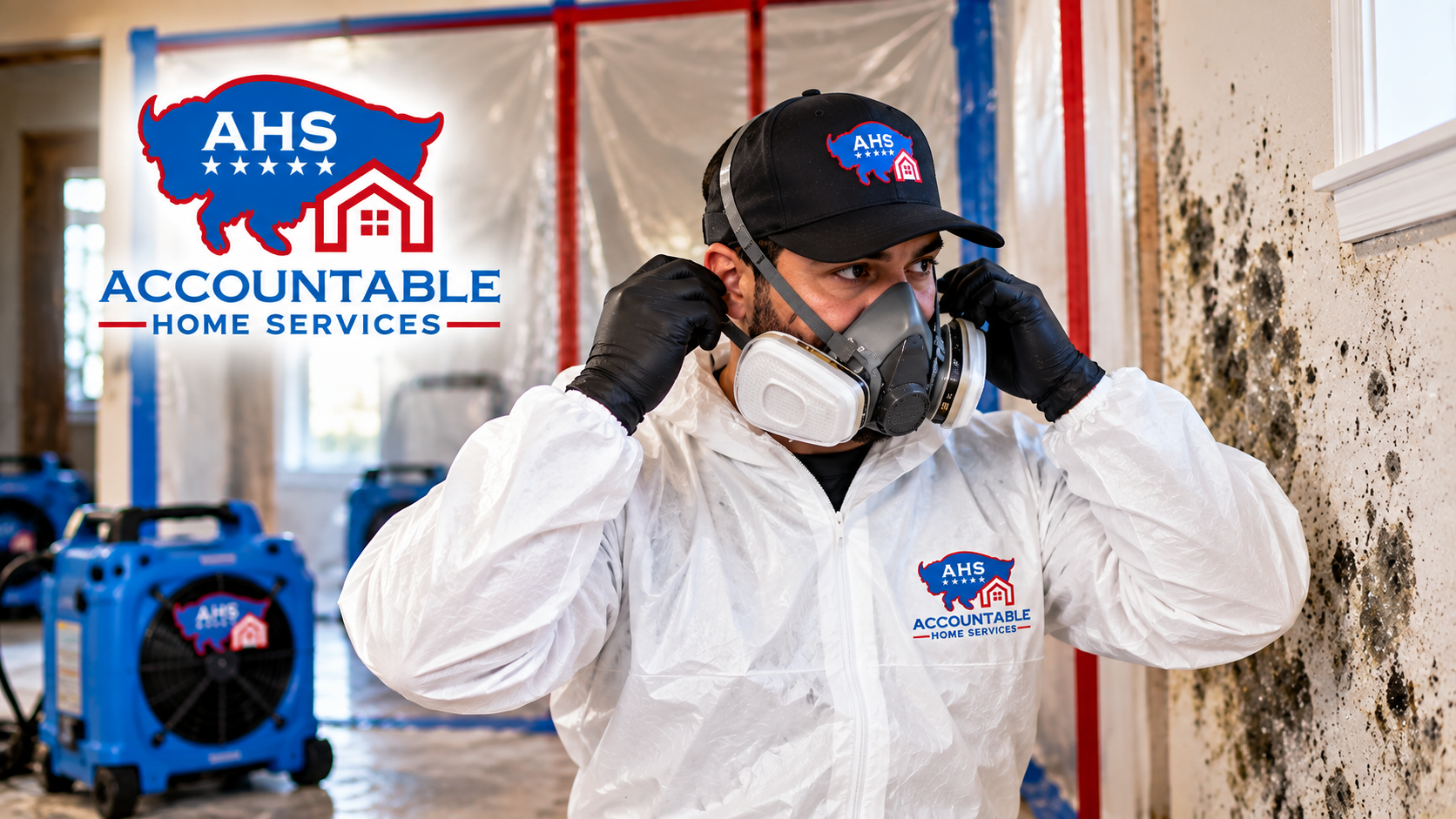
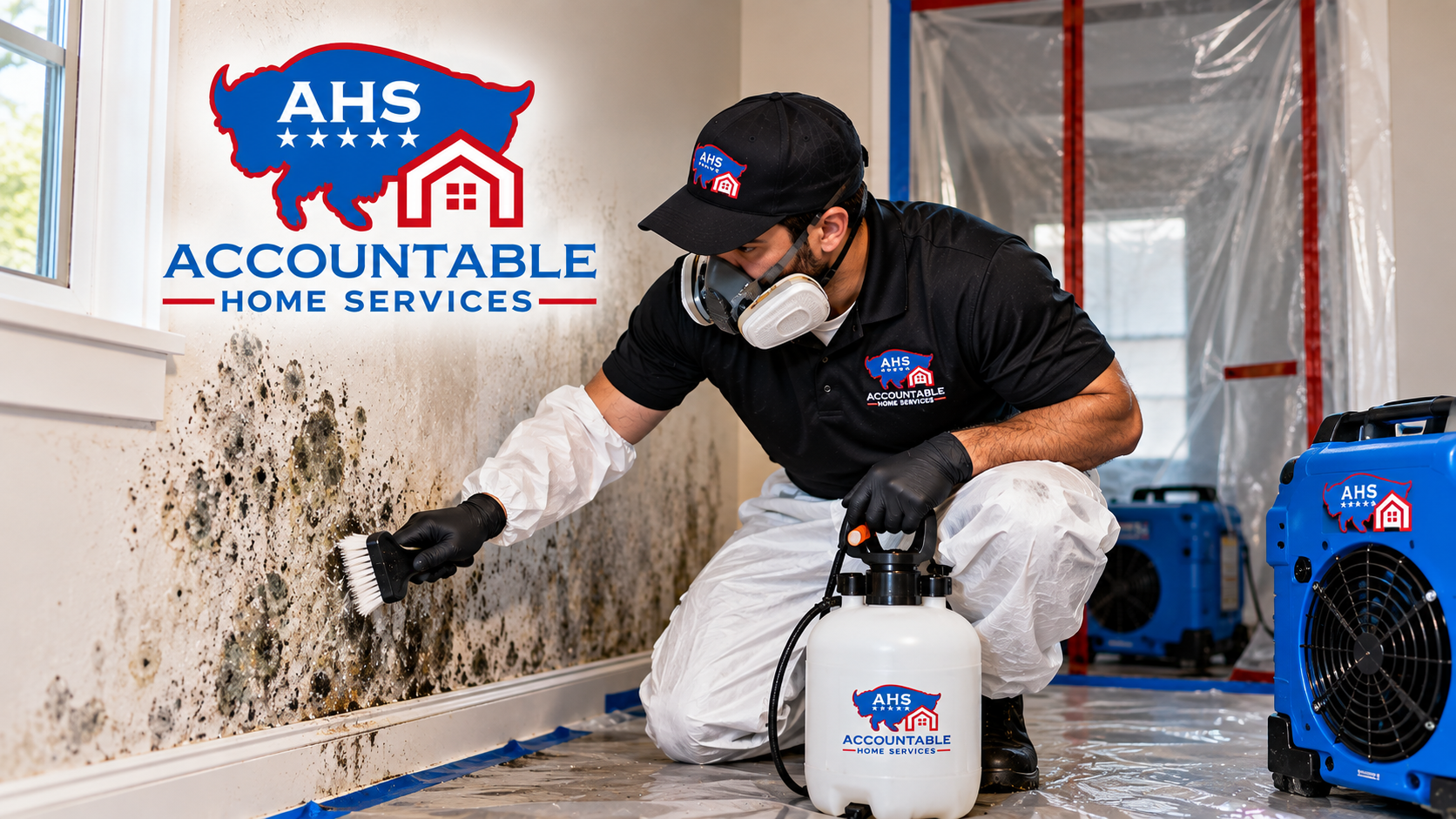
Mold thrives in dark, damp, and warm environments, making the space beneath your floorboards an ideal breeding ground. Mold after wet carpet is not just an aesthetic issue; it can trigger allergies, asthma, and severe respiratory issues. To successfully prevent mold growth in damp rugs and carpets, your goal should be to completely dry the affected area within that critical 48-hour window.
Step 3: Extracting the Water
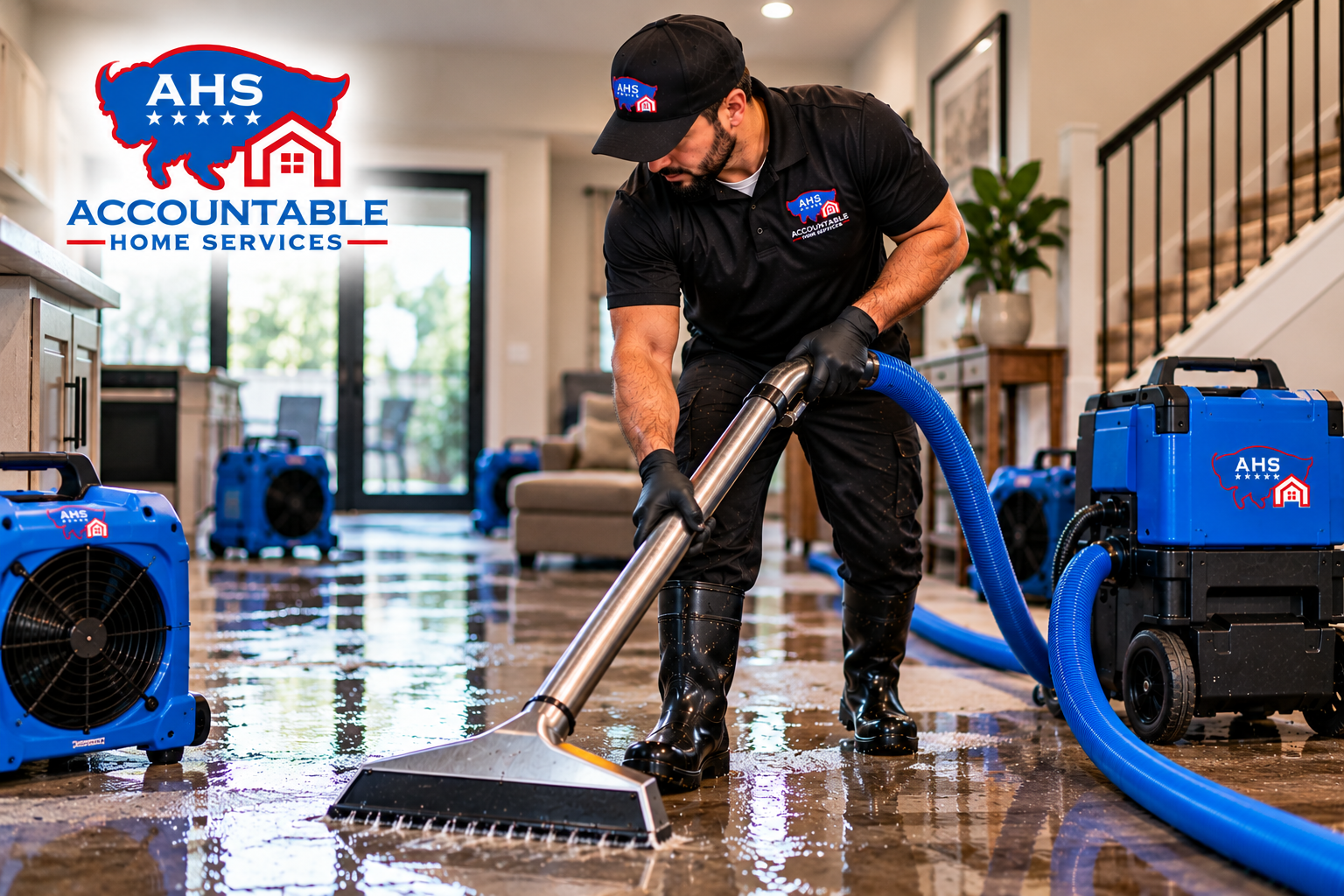
Once the area is safe, the physical removal of standing water is your absolute highest priority. The more water you can physically extract, the less work your drying fans and dehumidifiers will have to do.
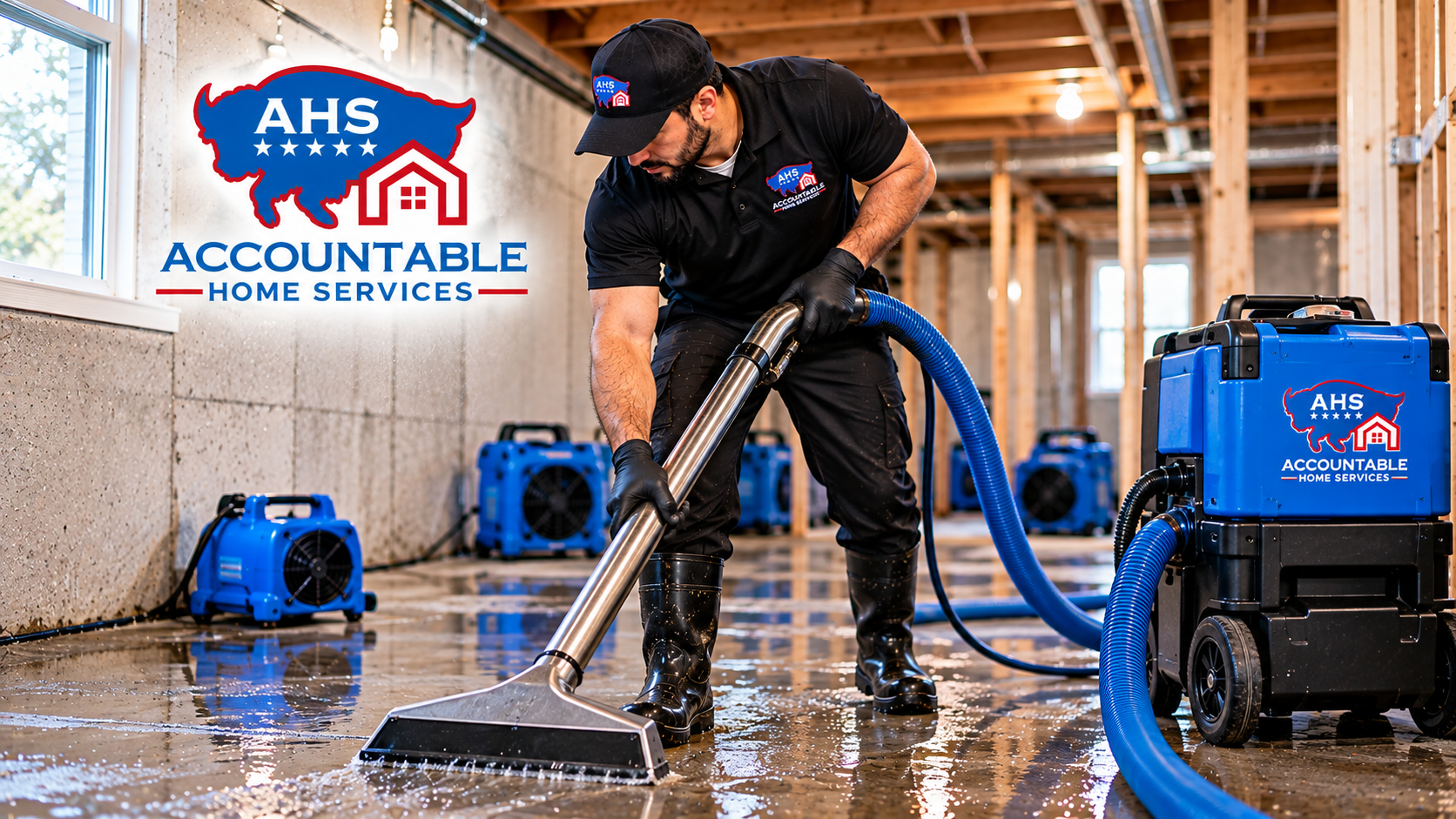
When choosing your extraction equipment, it is important to understand the difference in a wet vacuum vs shop vac water removal setup. A standard household wet/dry shop vac is great for minor spills and small puddles, but for significant flooding, a specialized wet vacuum with higher suction power and a built-in pump-out feature will save you hours of physical labor.
Furthermore, you might be tempted to use your household carpet cleaning machine to suck up the moisture. When evaluating a steam cleaner vs water extractor for flood cleanup, always opt for the water extractor. Steam cleaners introduce intense heat into the fibers, which can actually set stains permanently and create a warm, humid environment that accelerates bacterial growth. A dedicated water extractor removes moisture without adding dangerous heat.
Can You Dry the Padding Intact?
Homeowners often wonder how to dry carpet padding without removing it to save time and effort. While it is sometimes possible for very minor, clean-water spills using specialized weighted extraction tools (like a "water claw"), it is generally very difficult. Carpet padding acts like a dense sponge, holding significantly more water than the carpet fibers above it.
In most moderate to severe flooding scenarios, pulling up carpet to dry the underlay is the most effective approach. By carefully detaching the carpet from the tack strips and folding it back, you expose the soaked padding. Often, the most cost-effective and hygienic choice is to throw away the cheap padding and focus on drying the carpet and the subfloor beneath. This also allows you to utilize advanced subfloor moisture extraction techniques directly on the wood or concrete foundation.
Step 4: Accelerating the Drying Process
Once you have extracted as much physical water as possible, it is time to move on to evaporation. Opening a few windows and turning on a ceiling fan will not be enough to properly execute carpet drying after leak incidents. You need aggressive, targeted airflow and strict humidity control.
Maximizing Airflow
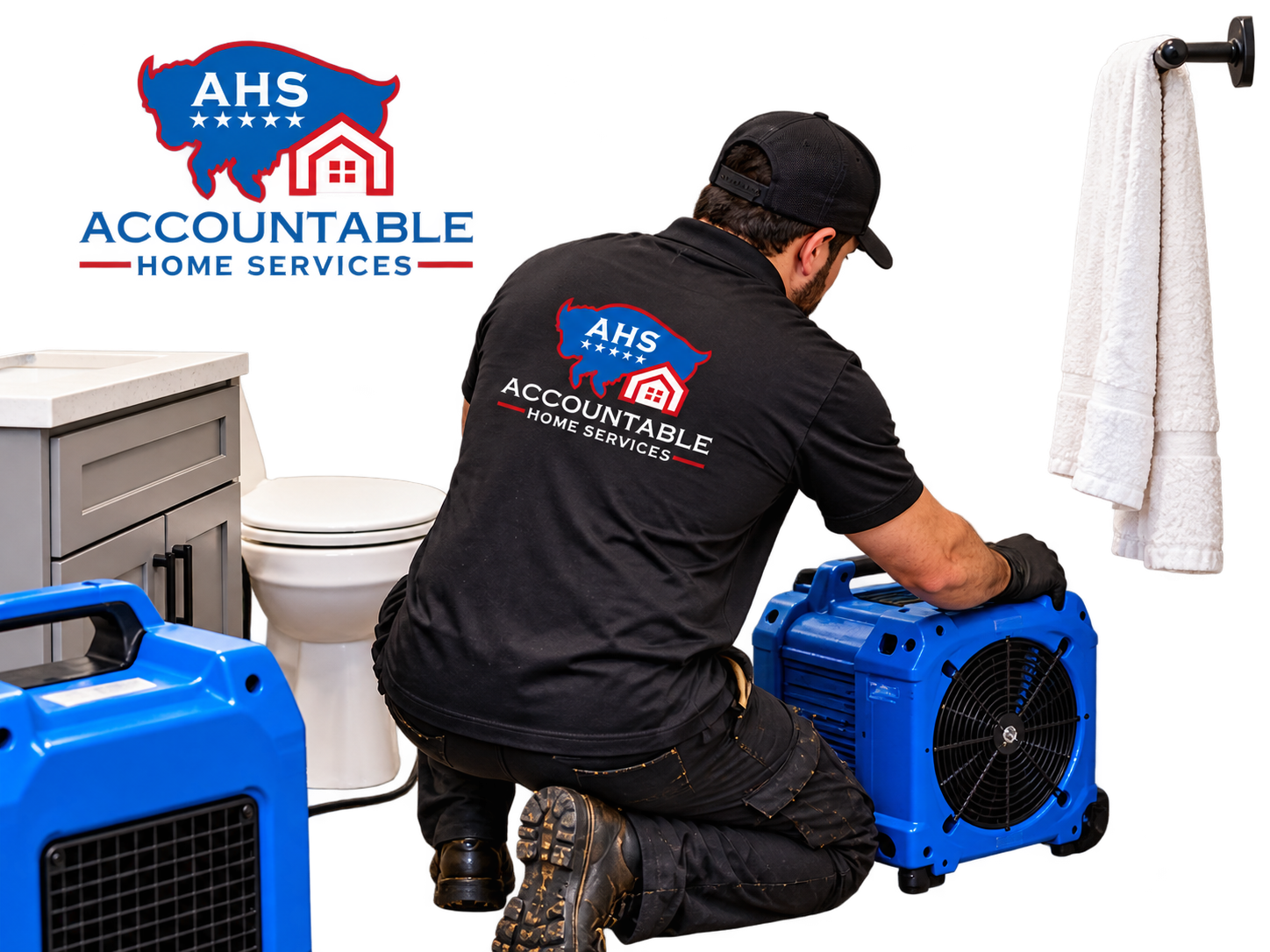
Standard box fans simply don't push enough air across the surface of the floor to be effective. Instead, you need high-velocity floor drying fans that blow concentrated air directly across the damp fibers and under the lifted carpet to speed up evaporation. If you do not own these specialized fans, look into industrial air mover rental for floods at your local hardware store. Position the air movers in a circular pattern around the room, creating a vortex of air that constantly sweeps moisture away from the floor.
Controlling Humidity
As the air movers lift the moisture out of the carpet and into the air, the room's humidity will spike. If this moisture is not removed, it will simply settle back onto the walls, furniture, and flooring. This is where dehumidifiers become essential.
Choosing the proper dehumidifier capacity for flooded basement or living room environments is critical. A small, residential dehumidifier meant for a bathroom will quickly be overwhelmed by a flooded living space. You need a high-capacity, commercial-grade dehumidifier capable of pulling dozens of pints of water out of the air per day.
To track your drying progress, use a hygrometer for measuring room humidity. A hygrometer will give you an exact reading of the moisture in the air. Keep running your dehumidifiers and fans until the room's humidity returns to normal baseline levels (typically between 30% and 50%).
Step 5: Special Considerations for Basements
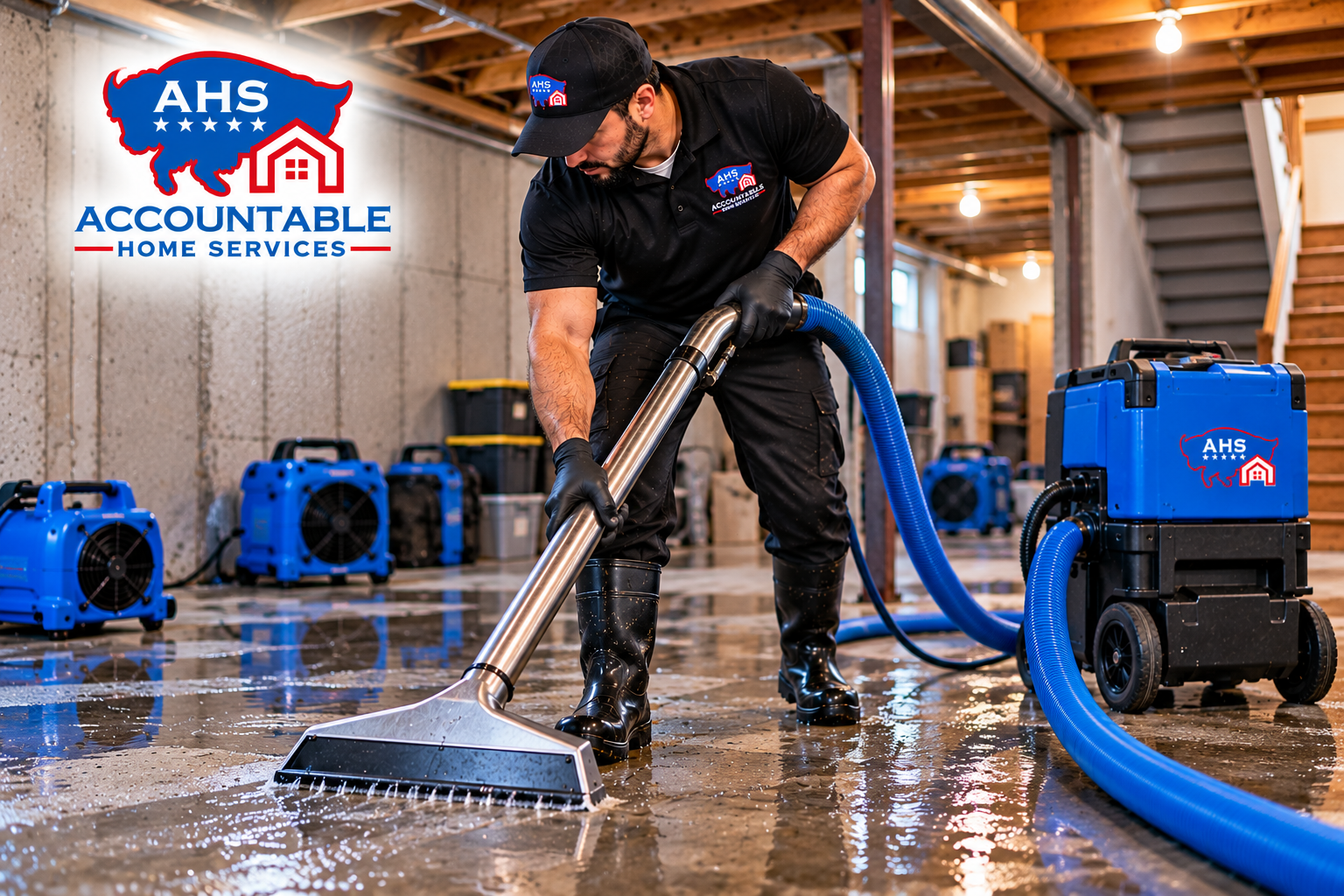
Basements are particularly vulnerable to flooding due to their subterranean nature. Basement carpet water damage can be exceptionally tricky to handle because concrete subfloors are porous and hold onto moisture, slowly releasing it back into the carpet over time.
If you are dealing with a wet carpet, Commerce City, CO basements can present unique challenges due to temperature fluctuations. Because basements tend to be cooler, evaporation happens at a much slower rate. You may need to safely introduce supplementary heat into the space while running your air movers and dehumidifiers to encourage the water to evaporate. Ensure that you are aggressively venting the moist air out of the basement to prevent secondary damage to the drywall and ceiling joists.
Step 6: Knowing When to Call the Pros
While taking immediate DIY action is admirable, water damage is complex. There is a vast difference between professional restoration vs DIY flood cleanup. If the flooded area is large, the water has been sitting for more than 24 hours, or you suspect the water is contaminated, it is time to call in the experts.
Professionals know exactly how to dry wet carpet using scientific drying principles and advanced monitoring equipment. Furthermore, experts can spot the hidden signs of permanent water damage in flooring that a homeowner might miss. These signs include carpet delamination (where the secondary backing separates from the primary backing, ruining the carpet's structural integrity), warped floorboards, and deteriorating tack strips.
Professional restoration teams also take crucial preventative measures that are difficult to replicate at home. They will apply a heavy-duty antimicrobial treatment for water damaged fibers, which actively kills lingering bacteria and stops mold spores from germinating in the deep, unseen layers of your flooring. Opting for professional carpet drying guarantees that not a single pocket of moisture is left behind to cause trouble later.
Finding Reliable Water Damage Cleanup in Commerce City
When a pipe bursts or an unexpected flood hits, localized expertise matters. Seeking out professional water damage restoration Commerce City services ensures that technicians can arrive at your property rapidly, minimizing the time water has to wreak havoc on your home.
Local experts are fully equipped to handle comprehensive flooded carpet cleanup, offering heavy-duty water extraction Commerce City residents can rely on. From tearing out ruined padding to setting up industrial drying equipment, professional water damage cleanup Commerce City teams take the burden off your shoulders, allowing you to focus on getting your life back to normal.
Conclusion
Dealing with a soggy, flooded floor is a race against the clock. By quickly identifying the water source, extracting the standing moisture, and utilizing high-powered airflow and dehumidification, you can successfully salvage your flooring. However, never underestimate the severe risks of mold and structural decay. When in doubt, investing in professional water extraction and restoration services is the smartest way to protect your home, ensuring your carpets are thoroughly dried, sanitized, and safe for your family to enjoy once again.