Water Damage Restoration in Denver: What Homeowners Should Do First
Living at a mile high comes with incredible perks, from stunning mountain views to over three hundred days of sunshine a year. However, Denver’s unique climate—characterized by rapid temperature swings, heavy spring snowstorms, and freezing winter nights—also makes local homes uniquely vulnerable to unexpected water disasters.
Whether it is a sudden thaw overwhelming your drainage system or a pipe snapping on a sub-zero January night, dealing with water damage restoration in Denver, Colorado, can be a highly stressful experience. Water acts fast, soaking into drywall, warping hardwood floors, and compromising your home’s structural integrity in a matter of hours. The key to minimizing damage, reducing repair costs, and saving your property is knowing exactly how to react.
Here is a comprehensive guide on what homeowners should do first when disaster strikes, and how to navigate the complex cleanup process.
The First 24 Hours: Immediate Actions to Take
When you discover water pouring into your living room or pooling in your lower level, panic is a natural response. However, taking swift, calculated action is essential. Here are the crucial steps to take immediately after a pipe bursts or a leak is discovered:
- Ensure Personal Safety First: Water and electricity are a deadly combination. Before stepping into any flooded area, turn off the power to the affected rooms at the circuit breaker.
- Stop the Source of the Water: If the flooding is coming from inside the house, locate your main water shut-off valve and turn it off immediately. Every homeowner should know where this valve is located before an emergency happens.
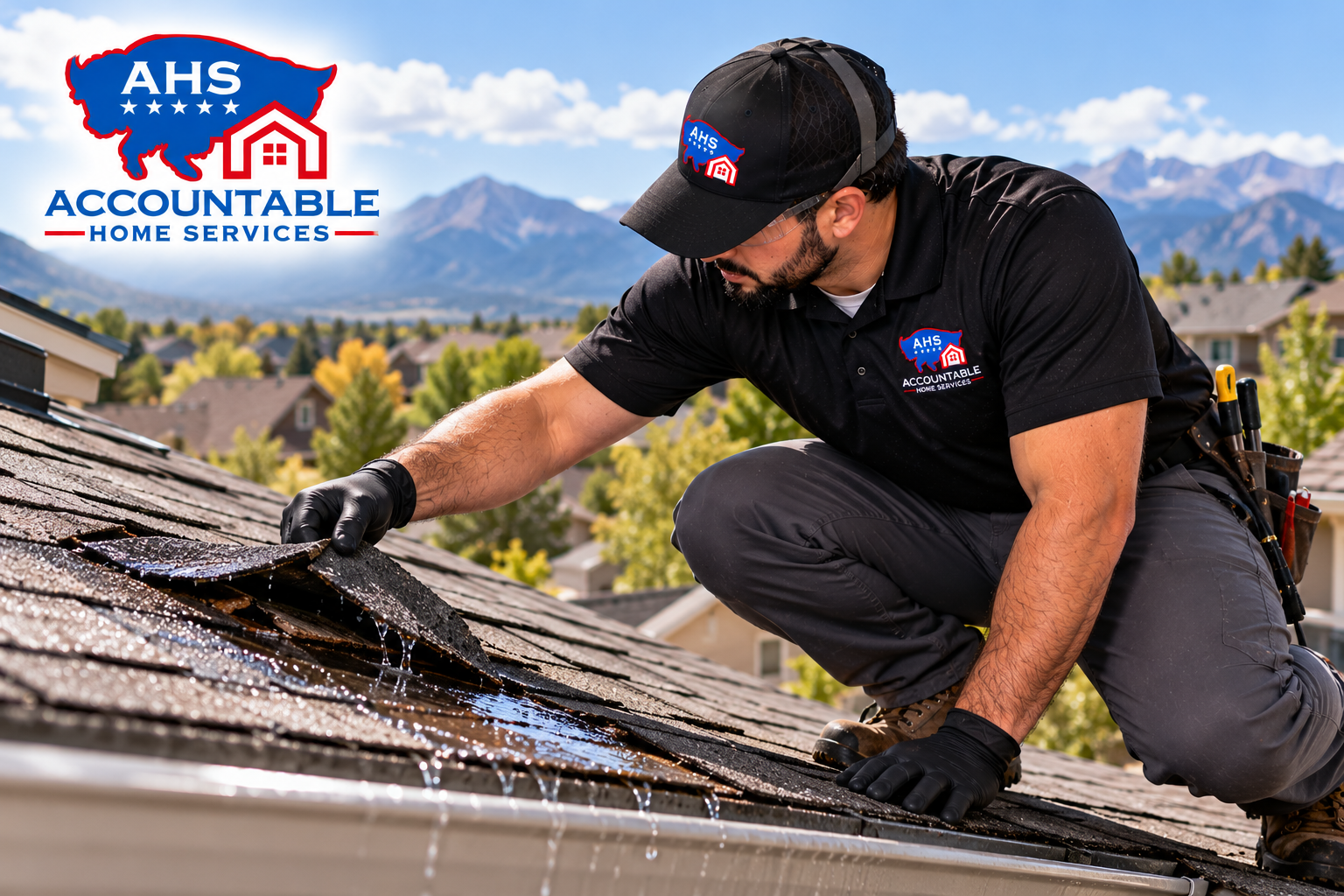
- Identify the Water Type: Not all water damage is created equal. A clean ceiling water leak Denver homeowners sometimes experience from a loose roof shingle is very different from a backed-up sewer line. If you are dealing with contaminated water, you must follow strict sewage backup decontamination safety steps. This includes keeping children and pets far away, wearing protective gear, and avoiding any direct contact with the affected area.
- Call for Professional Help: Time is of the essence. You need to contact a reliable Denver restoration company right away to mitigate the ongoing damage.
Evaluating and Documenting the Damage
Before the cleanup crew arrives, and only if it is safe to do so, begin documenting the situation. Use a residential flood damage assessment checklist to ensure you don't miss anything. Take extensive photos and videos of the standing water, the damaged structural materials (like drywall and baseboards), and your ruined personal belongings.
Do not throw anything away just yet—even the broken plumbing fixture that caused the leak. Your insurance adjuster will need to see this evidence later.
Common Causes of Water Damage in the Mile High City
Denver homeowners face specific seasonal threats that often lead to severe property damage. Understanding these can help you act faster:
Winter Freezes Extreme temperature drops frequently cause water inside pipes to freeze and expand. When the ice thaws, the pressure releases, leading to severe burst pipe water damage. In the winter months, frozen pipe burst cleanup Denver is one of the most frequently requested emergency services, as these ruptures can dump hundreds of gallons of water into a home in minutes.
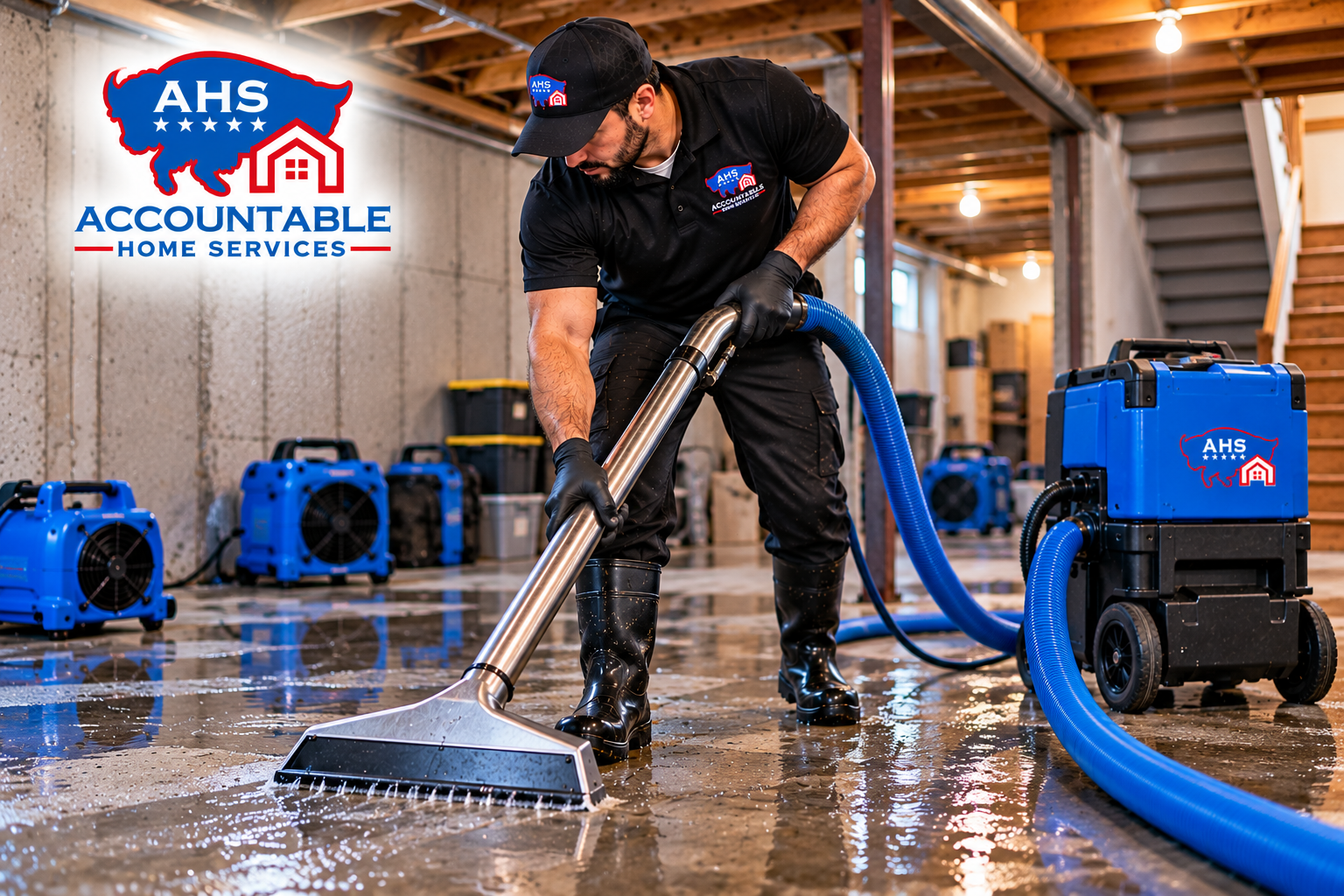
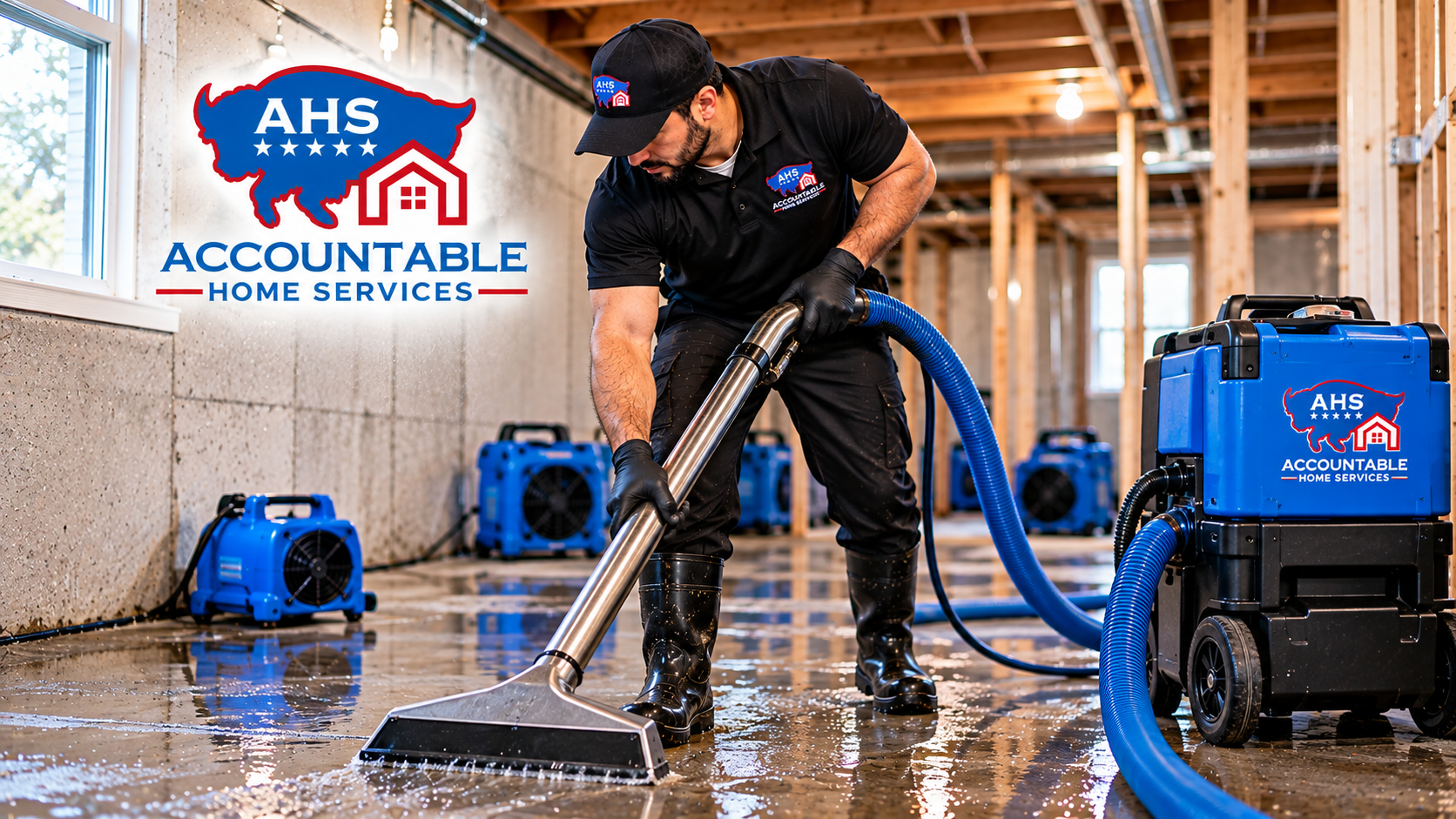
Spring Snowmelt When a heavy late-season blizzard is immediately followed by a 60-degree sunny day, the rapid snowmelt can overwhelm local soil and drainage systems. This often leads to groundwater seeping through foundations, necessitating urgent flooded basement cleanup Denver. When it comes to effective basement flood extraction, Front Range properties often require heavy-duty submersible pumps to remove the sheer volume of water.
Professional Restoration vs DIY Drying
A common mistake homeowners make is assuming they can handle the cleanup themselves using a wet/dry vacuum, some towels, and a few box fans. When considering professional restoration vs DIY drying, you have to look beyond the surface water.
Water follows the path of least resistance. It wicks up drywall through capillary action, seeps under engineered hardwood, and saturates the insulation behind your walls. A DIY approach almost always leaves hidden moisture behind, which inevitably leads to a massive secondary problem: mold after water damage.
By contrast, when you hire emergency water damage Denver professionals, you are paying for advanced technology and scientific expertise. Reputable companies deploy IICRC certified water mitigation specialists (Institute of Inspection, Cleaning and Restoration Certification). These experts use specialized tools, such as thermal imaging leak detection services, to see exactly where moisture is hiding behind your walls without having to tear down your entire house unnecessarily.
The Professional Water Mitigation and Cleanup Process
If you have never been through a home flood before, you might not know what to expect when the professionals arrive. Here is a breakdown of the standard water damage cleanup Denver residents will experience:
1. Emergency Water Extraction
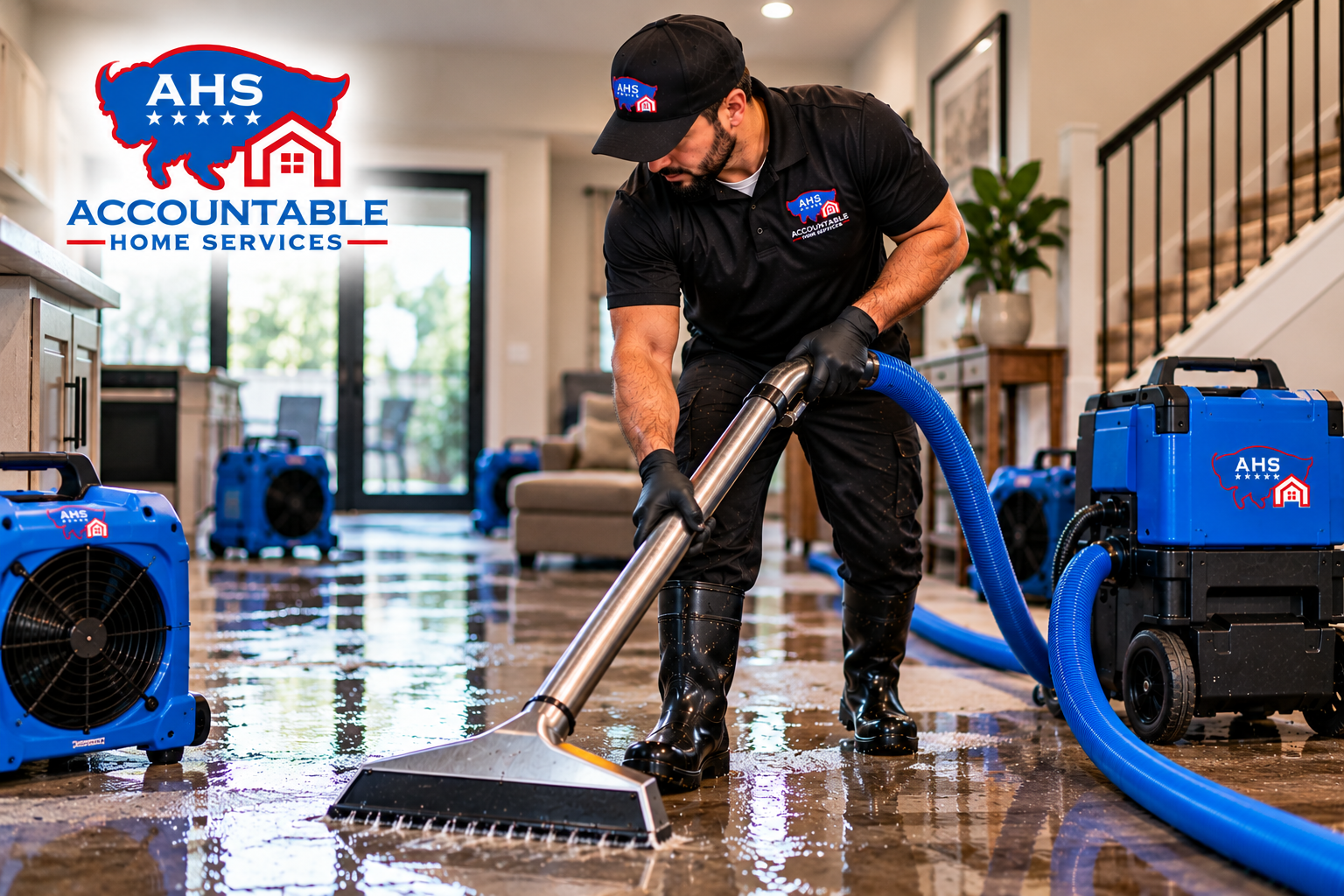
The first goal is to stop the water from migrating further. When you call for emergency water extraction services, Mile High City crews will arrive with truck-mounted pumps and industrial wet vacuums. The faster this water extraction Denver process happens, the less structural damage your home will suffer.
2. Structural Drying and Dehumidification
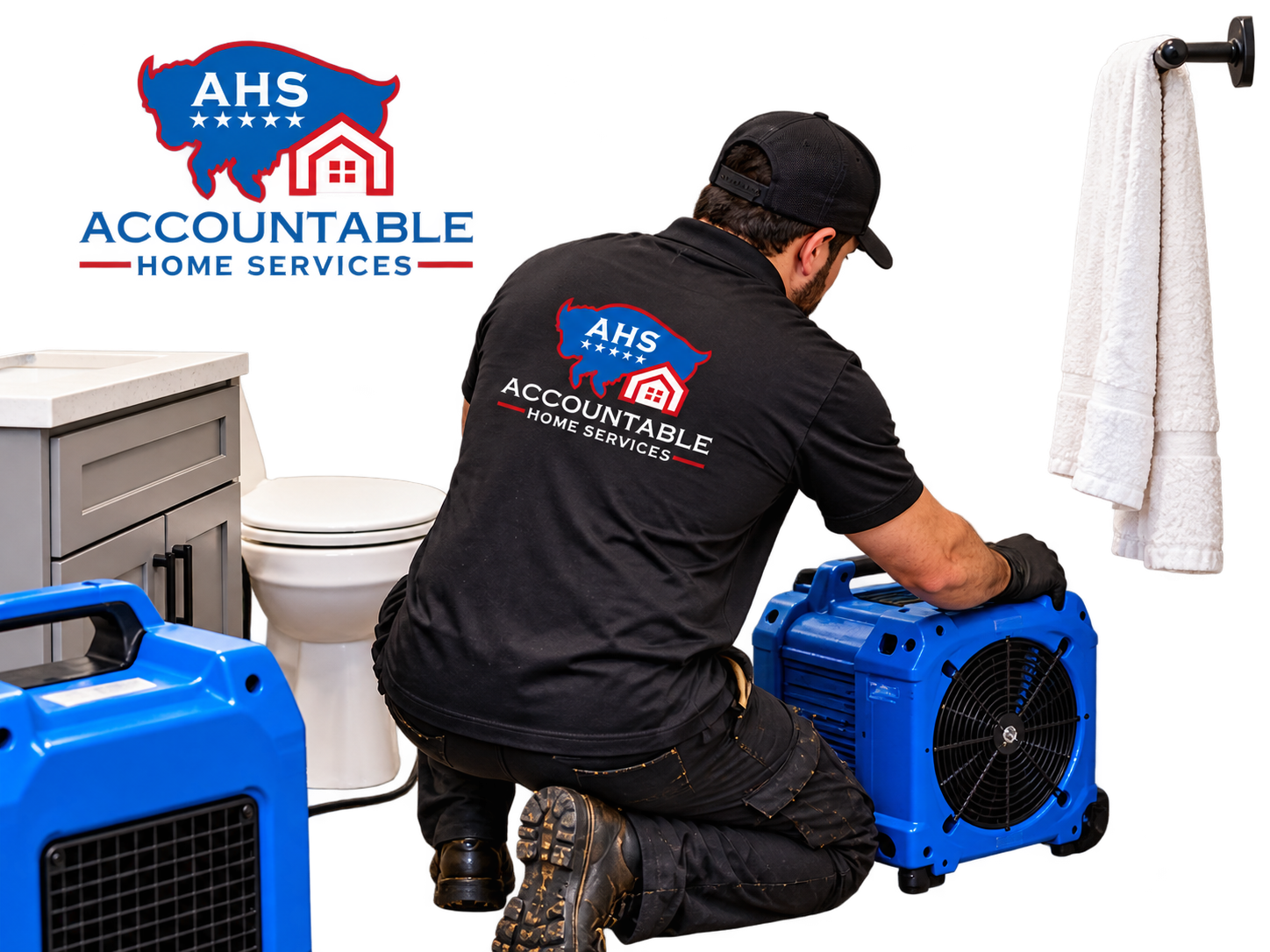
Once the standing water is gone, the home will still be incredibly damp. This is where the professional dehumidification process for homes begins. While Denver’s naturally dry climate can aid in evaporation, technicians must use specific structural drying equipment for high altitude climates. This includes industrial-grade air movers and low-grain refrigerant (LGR) dehumidifiers designed to pull deep-set moisture out of dense materials like wood framing and concrete.
Homeowners frequently ask, "how long does home drying take after a flood?" While every situation is unique, a properly managed professional drying process typically takes between 3 to 5 days.
3. Cleaning and Sanitizing
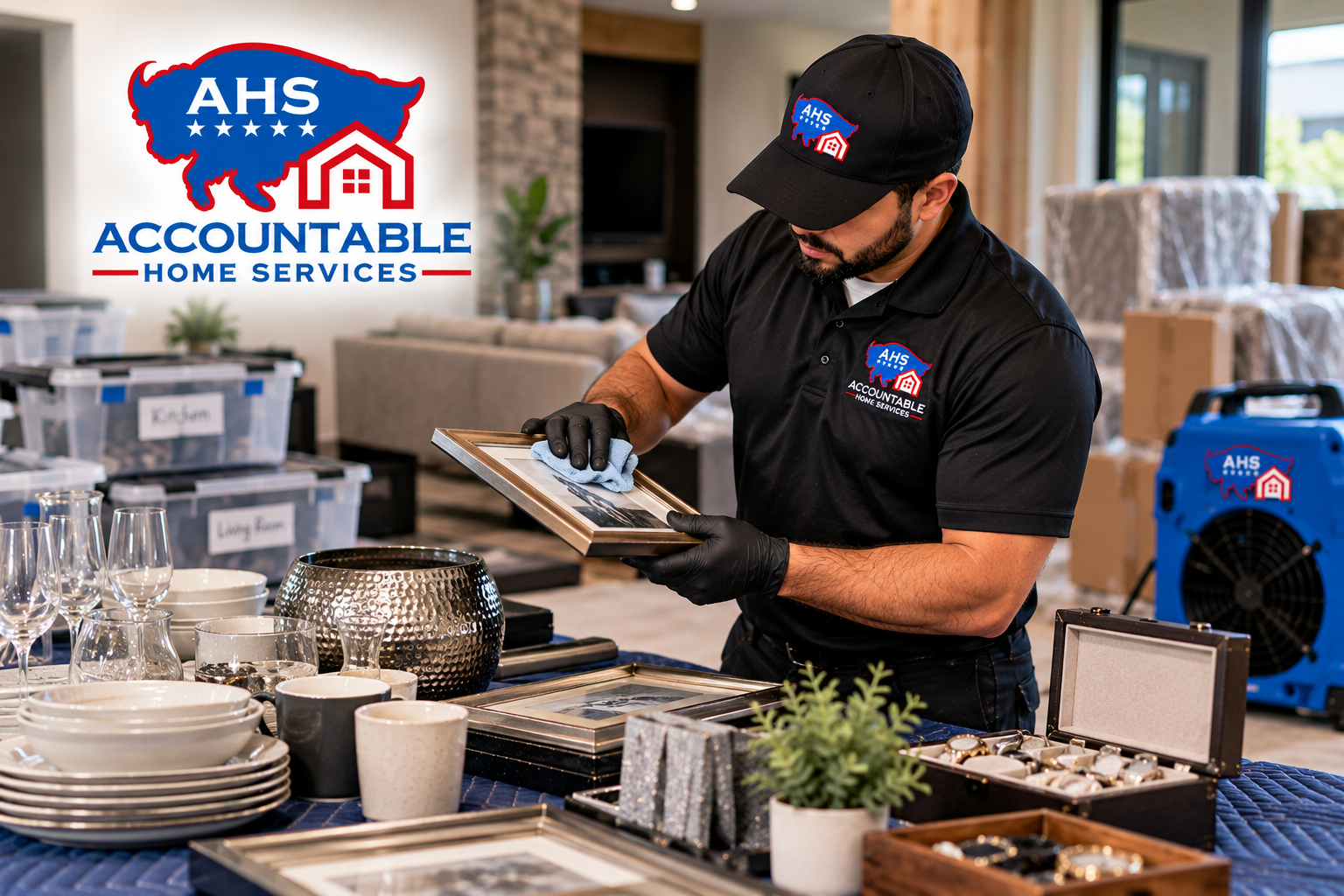
Any items or materials that can be saved are thoroughly cleaned and sanitized. This step is particularly vital if the water originated from an unsanitary source, such as a washing machine overflow or a drain backup.
4. Restoration and Repair
The final step is the actual water damage repair Denver homeowners need to get their property back to its pre-loss condition. This entire lifecycle—from the initial extraction to the final coat of paint on new drywall—is known comprehensively as water mitigation Denver.
Preventing Mold: The Silent Secondary Threat
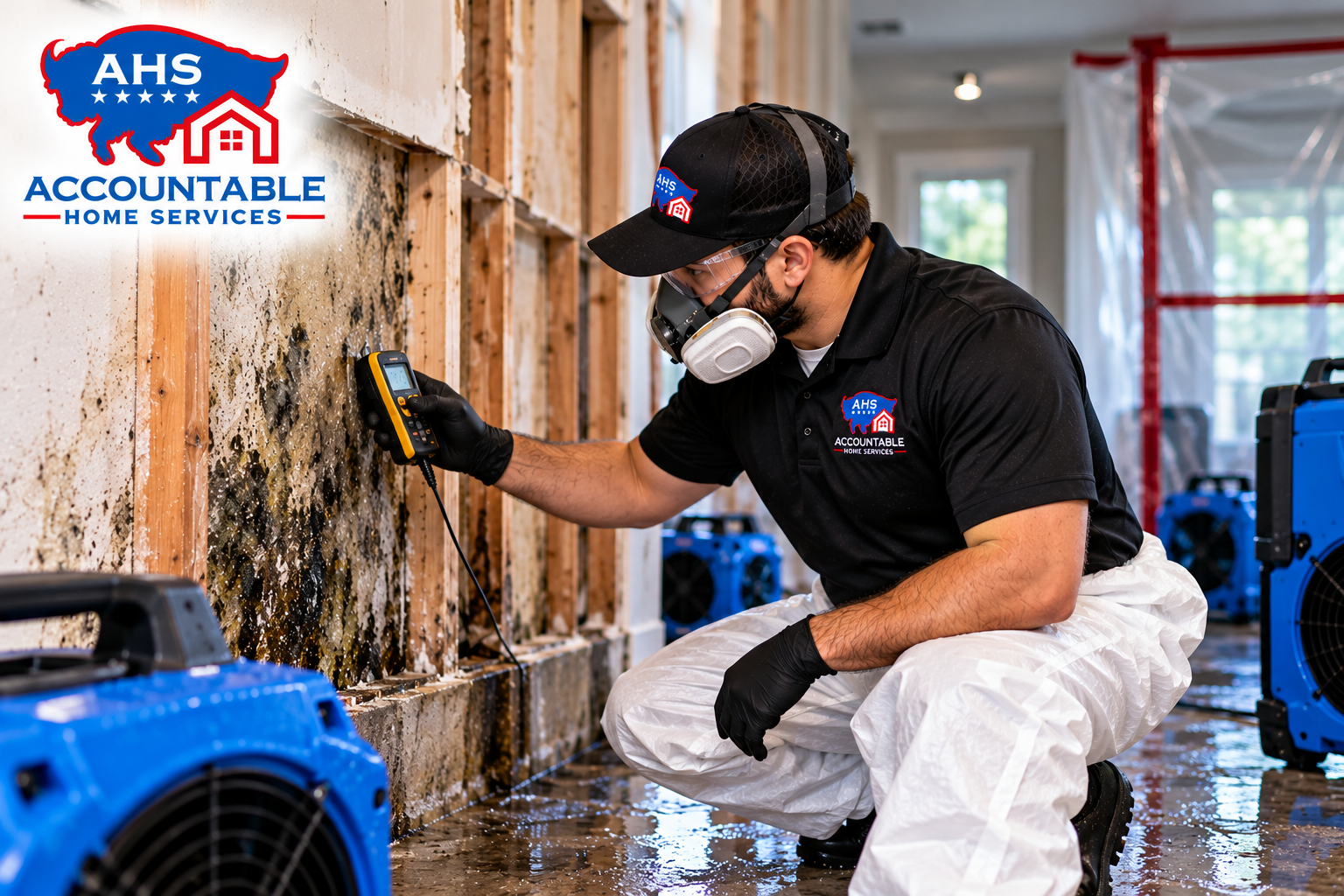
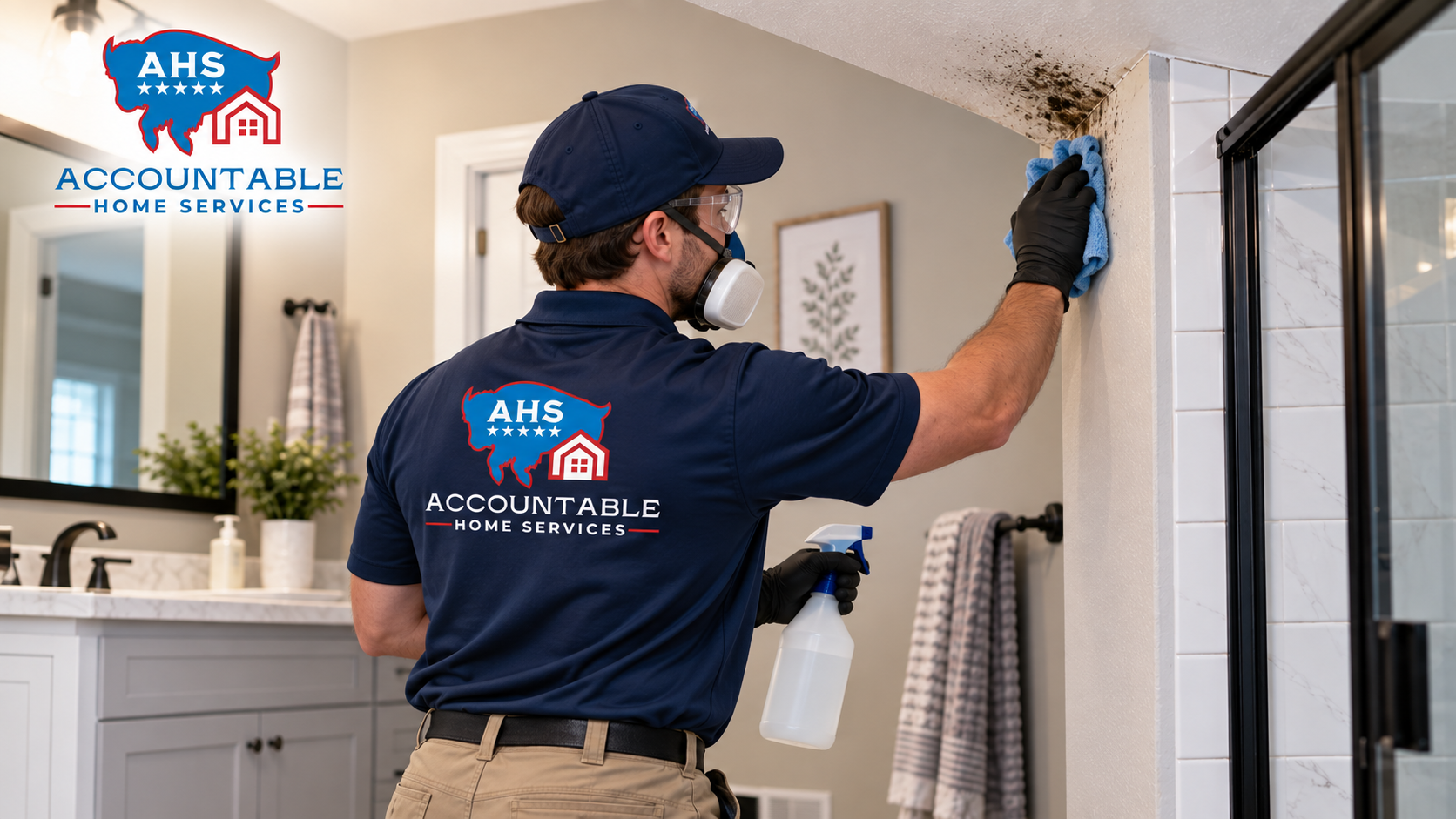
You might assume that because Colorado has a semi-arid climate, mold is not a significant concern. Unfortunately, this is a dangerous misconception. When water is trapped inside a wall cavity or beneath flooring, it creates a damp, humid microclimate perfectly suited for fungal growth. Mold can begin to colonize within 24 to 48 hours of initial water exposure.
It is absolutely vital to take proactive steps to prevent mold growth after basement flooding. If your DIY efforts fail and mold does take hold, the cleanup becomes exponentially more expensive and hazardous to your family's respiratory health.
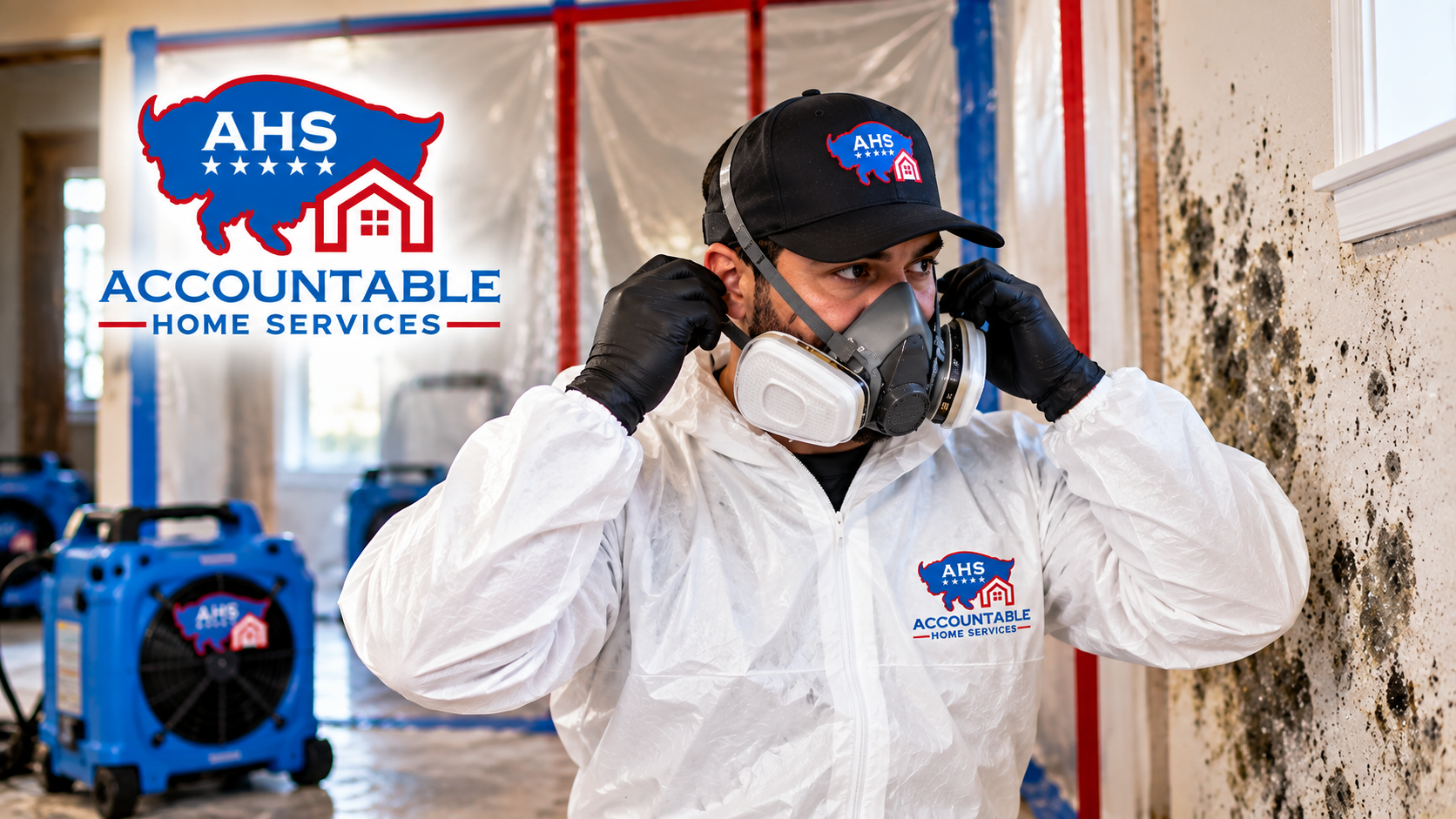
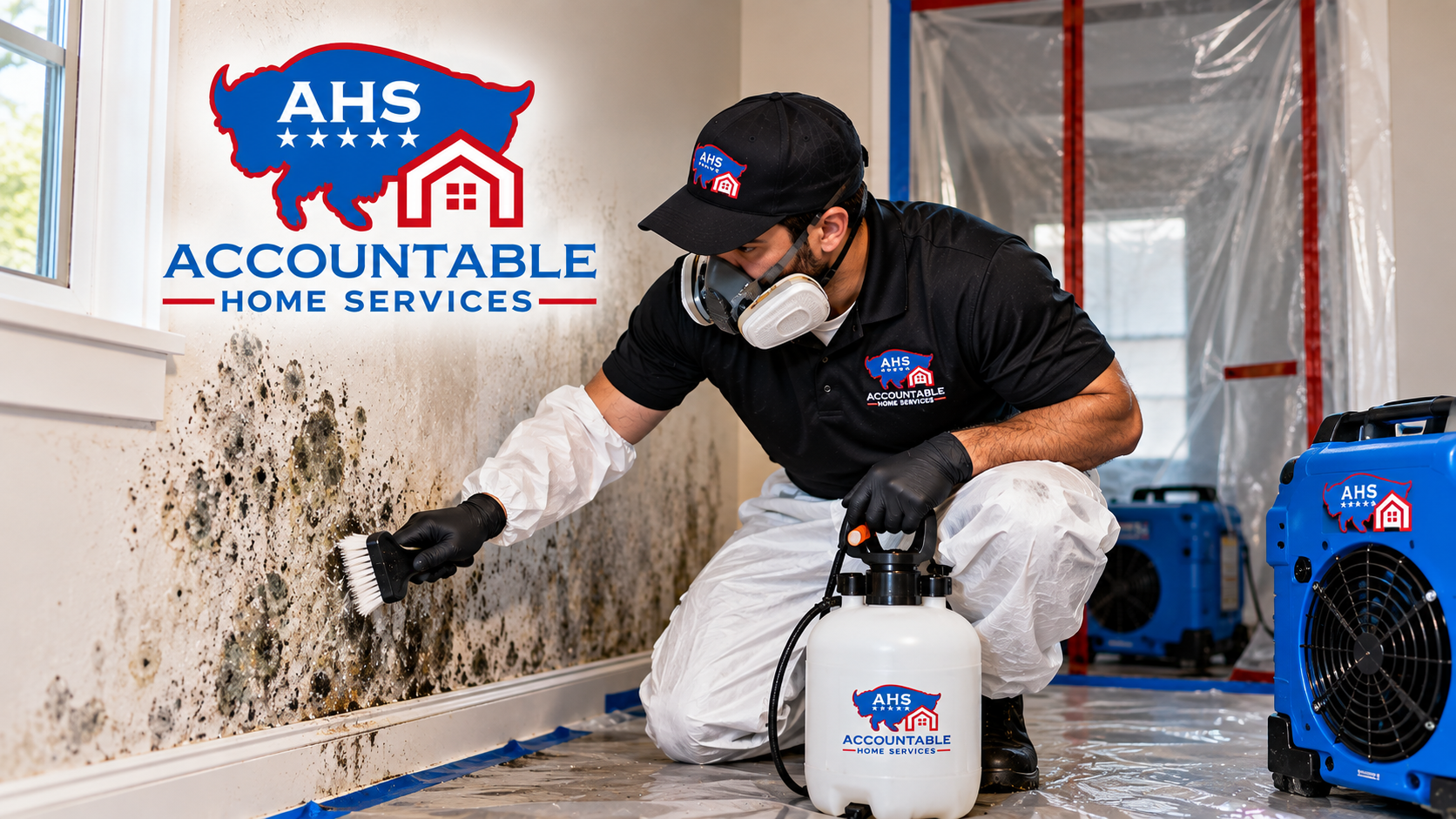
If fungal growth is discovered, your restoration team will shift their focus. They will set up containment barriers and negative air pressure systems, adhering strictly to current mold remediation standards in Colorado to ensure that spores do not spread to unaffected areas of your home during the removal process.
Navigating the Insurance Maze
Dealing with insurance can often feel as overwhelming as the flood itself. The most pressing question on every homeowner's mind is usually: "does homeowners insurance cover water damage in Colorado?"
Generally speaking, standard homeowners insurance policies will cover water damage if it is sudden, accidental, and originates from inside the home. For example, a water heater rupturing or a pipe bursting in your ceiling is typically covered. However, standard policies almost never cover damage caused by neglected maintenance (like a slow, long-term leak you ignored) or outside flooding (like groundwater seeping into your basement during a storm), unless you hold a separate flood insurance policy.
When filing a water damage insurance claim Colorado homeowners should keep the following tips in mind:
- Act Quickly: Most insurance policies require you to report the damage and take reasonable steps to prevent further loss immediately. Failing to call for professional water damage restoration Denver can actually give your insurance company grounds to deny a portion of your claim.
- Communicate Clearly: Provide your insurance adjuster with the residential flood damage assessment checklist, photos, and videos you took before the cleanup began.
- Use Licensed Professionals: Most insurance companies prefer, and sometimes require, that you use certified mitigation experts. Reputable restoration companies are accustomed to working directly with insurance adjusters. They use standardized billing software (like Xactimate) to ensure the scope of work and pricing align perfectly with industry standards, making claim approval much smoother.
Conclusion
Experiencing a flood or a severe leak in your home is a disruptive and chaotic event. However, the actions you take in the first 24 hours will dictate the trajectory of the entire recovery process.
From shutting off the main water valve to documenting the damage, your immediate response matters. More importantly, resisting the urge to tackle the cleanup yourself and instead relying on qualified professionals will save your home from the long-term devastation of hidden rot and mold. By understanding the local climate risks and partnering with a trusted Denver restoration company, you can confidently navigate the recovery process, protect your investment, and restore peace of mind in your Mile High home.