Storm Damage Restoration in Broomfield, CO: What Homeowners Should Do First
Storms can hit Broomfield, CO, with little warning, leaving homeowners overwhelmed. The aftermath often involves dealing with water damage, roof leaks, and debris.
Knowing what to do first can make a big difference. Safety should always be your top priority.
Before entering your home, ensure it's safe. Look for hazards like downed power lines or structural damage.
Once safe, document the damage. Take photos and videos for your insurance claim. This step is crucial for a smooth process.
Next, contact your insurance company. Reporting the damage promptly helps start the claims process.
Finally, consider hiring a professional for storm damage restoration. They can handle emergency storm cleanup and repairs efficiently.
by Clay Banks (https://unsplash.com/@claybanks)
Understanding Storm Damage in Broomfield, CO
Broomfield, CO, faces a variety of storm-related challenges. This includes strong winds, hail, and torrential rain. Each type of storm can cause unique damage to homes.
For instance, wind can tear off shingles, and hail can break windows. Heavy rain often results in water intrusion and flooding. These weather patterns are intensified by Broomfield's location at the foothills of the Rockies.
Understanding how storms affect your home is essential. It allows you to prepare and respond effectively. Knowing which areas are most vulnerable can save time and resources when a storm strikes.
Here's a quick list of common storm impacts:
- Roof and window damage from hail
- Water intrusion causing interior damage
- Basement flooding due to heavy rain
- Structural damage from strong winds
Being familiar with these risks prepares homeowners to take prompt action after a storm.
Immediate Steps to Take After a Storm
After a storm passes, assess your home's safety. Look for hazards like fallen power lines or dangerous debris. Avoid stepping in water-damaged areas until checking for electrical hazards.
Once safe, document visible damage. Use a camera or smartphone to capture detailed photos and videos. Focus on both structural damage and personal belongings.
Next, call your insurance company. Report the damage quickly to start the claims process. Understanding your policy coverage will help you anticipate what to expect.
Secure your property against further damage. Use tarps to cover roof leaks or broken windows. This helps prevent additional water damage.
A quick response can minimize your repair costs significantly. Waiting may lead to secondary damage and mold growth.
Here's a helpful checklist for after the storm:
- Confirm the safety of your home.
- Document all visible damage thoroughly.
- Contact your insurance company right away.
- Secure the property to prevent more damage.
- Avoid DIY repairs that might complicate insurance claims.
by Vitolda Klein (https://unsplash.com/@little_klein)
Safety First: Protecting Yourself and Your Family
Before anything else, prioritize your family's safety. Listen to local alerts and stay informed about potential risks. This knowledge guides safe actions.
Next, check for structural damages that might pose a hazard. Avoid areas that appear unstable or have visible damage.
In case of serious damage, evacuate and seek shelter. Your safety comes first. Here's what to keep in mind:
- Avoid walking through pooled water.
- Never touch downed power lines.
- Leave if there are structural concerns.
Ensuring personal safety reduces the risk of injury during a stressful time.
Documenting the Damage for Insurance
Documentation supports your storm damage insurance claim. Start with pictures of all affected areas. Detail is crucial—capture every visible impact.
Video recordings offer an additional perspective. Walk through your home, narrating damage as you record. This provides context and helps adjusters understand the extent.
Keep a running list of damaged items. Include details like purchase dates and values. This helps your adjuster fairly assess the loss.
Here's a quick guide to effective documentation:
- Take clear photos of all damage.
- Record videos with descriptive narration.
- List all damaged items with details.
Effective documentation not only facilitates a smoother claims process but also ensures you receive fair compensation.
by Thomas Delacrétaz (https://unsplash.com/@zhamot)
Common Types of Storm Damage in Broomfield
In Broomfield, storms bring diverse challenges. Each impacts homes in unique ways, requiring different restoration strategies. Understanding these helps prepare homeowners for potential issues.
Hailstorms are frequent here and can cause extensive damage. These small ice pellets can harm roofs, siding, and windows, leading to leaks and water intrusion.
Winds often accompany storms, with gusts strong enough to tear off shingles. This can expose your home to water damage, and swift action is crucial.
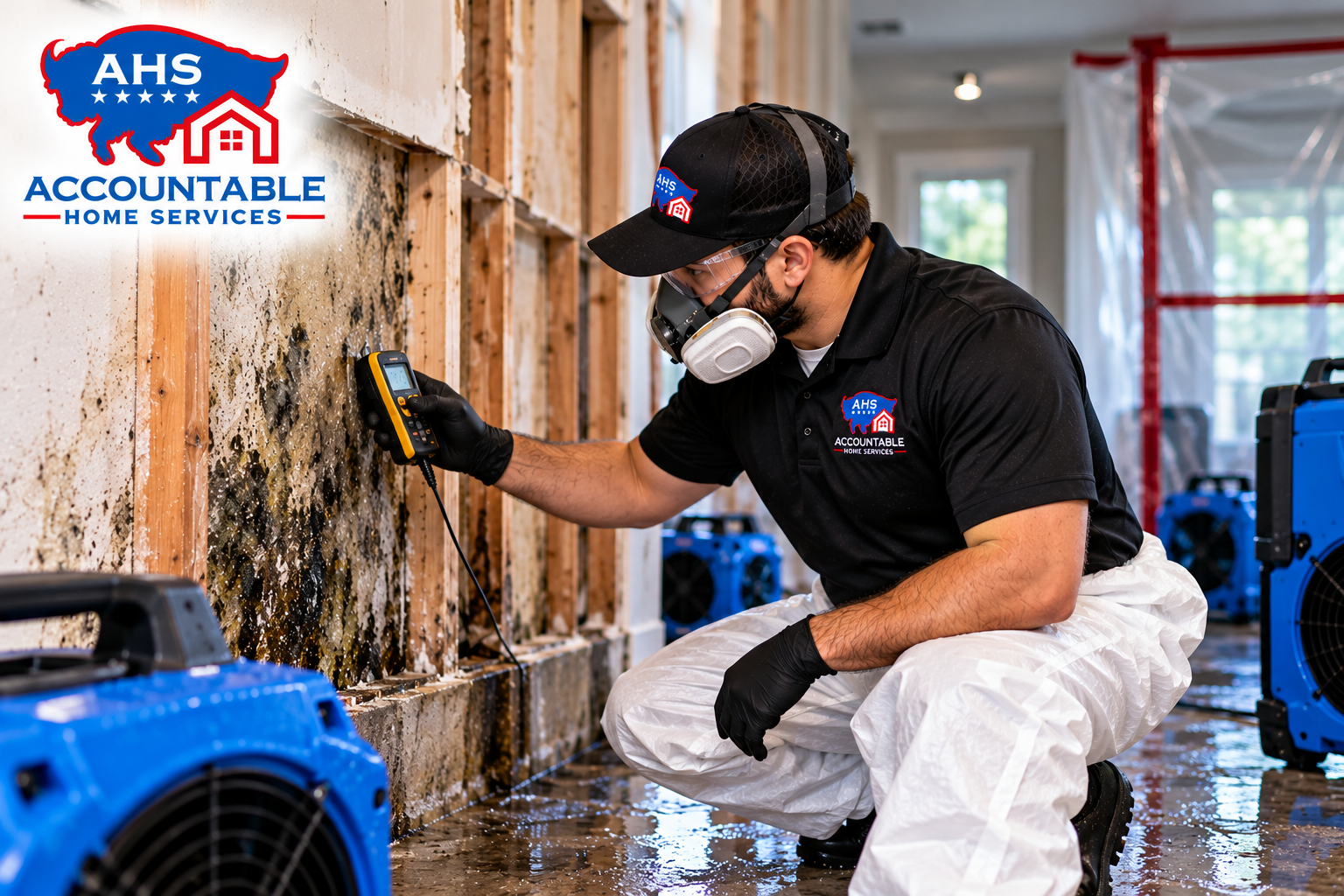
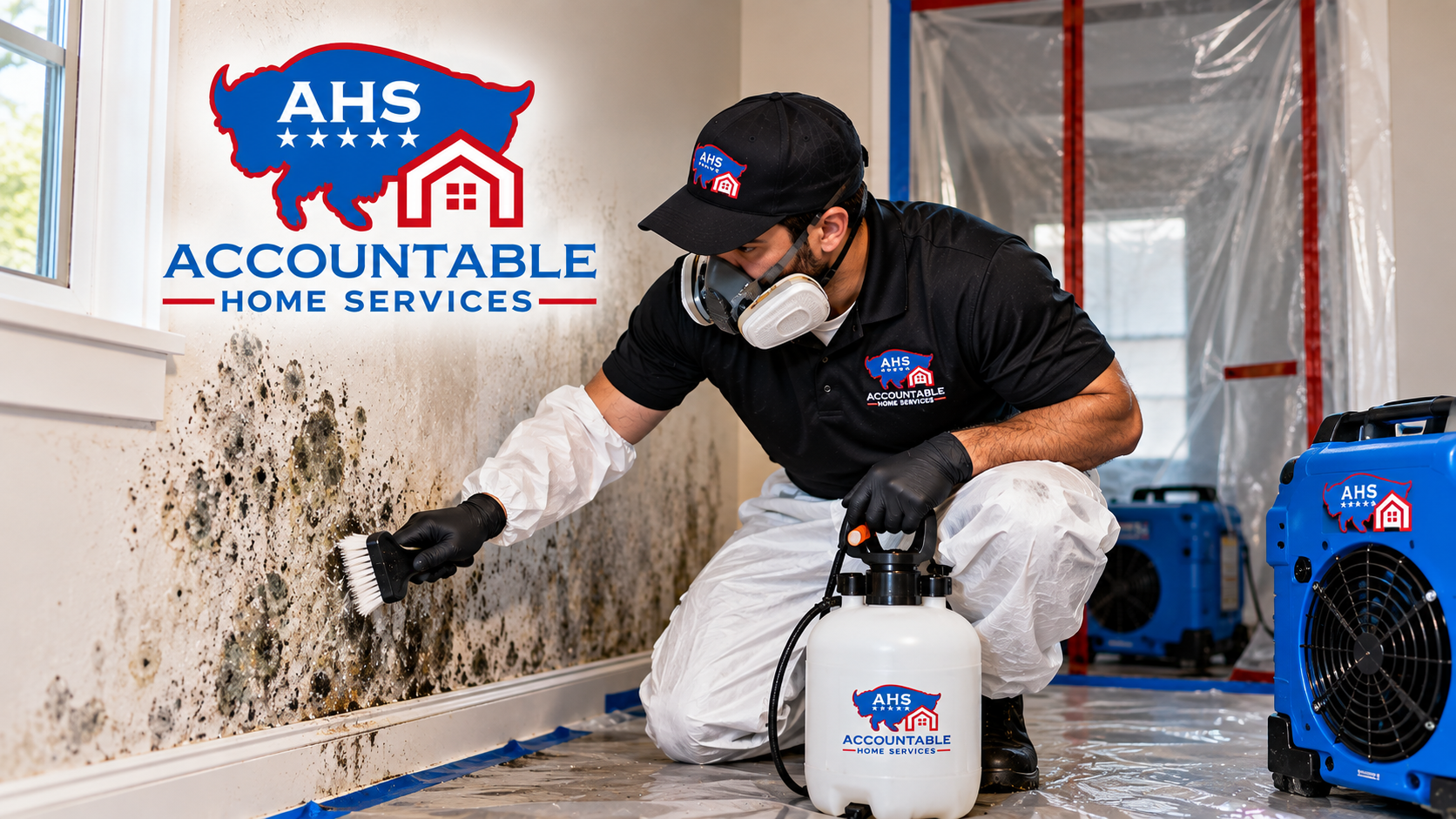
Heavy rains can lead to basement flooding, especially when drainage systems fail. Standing water poses risks for mold growth and structural compromise.
Homeowners should stay vigilant and conduct regular maintenance to minimize storm damage. Here are key types to watch for:
- Hail damage
- Water intrusion
- Wind damage
- Roof leaks
- Basement flooding
by Juan Pablo (https://unsplash.com/@who0ne)
Hail Damage and Water Intrusion
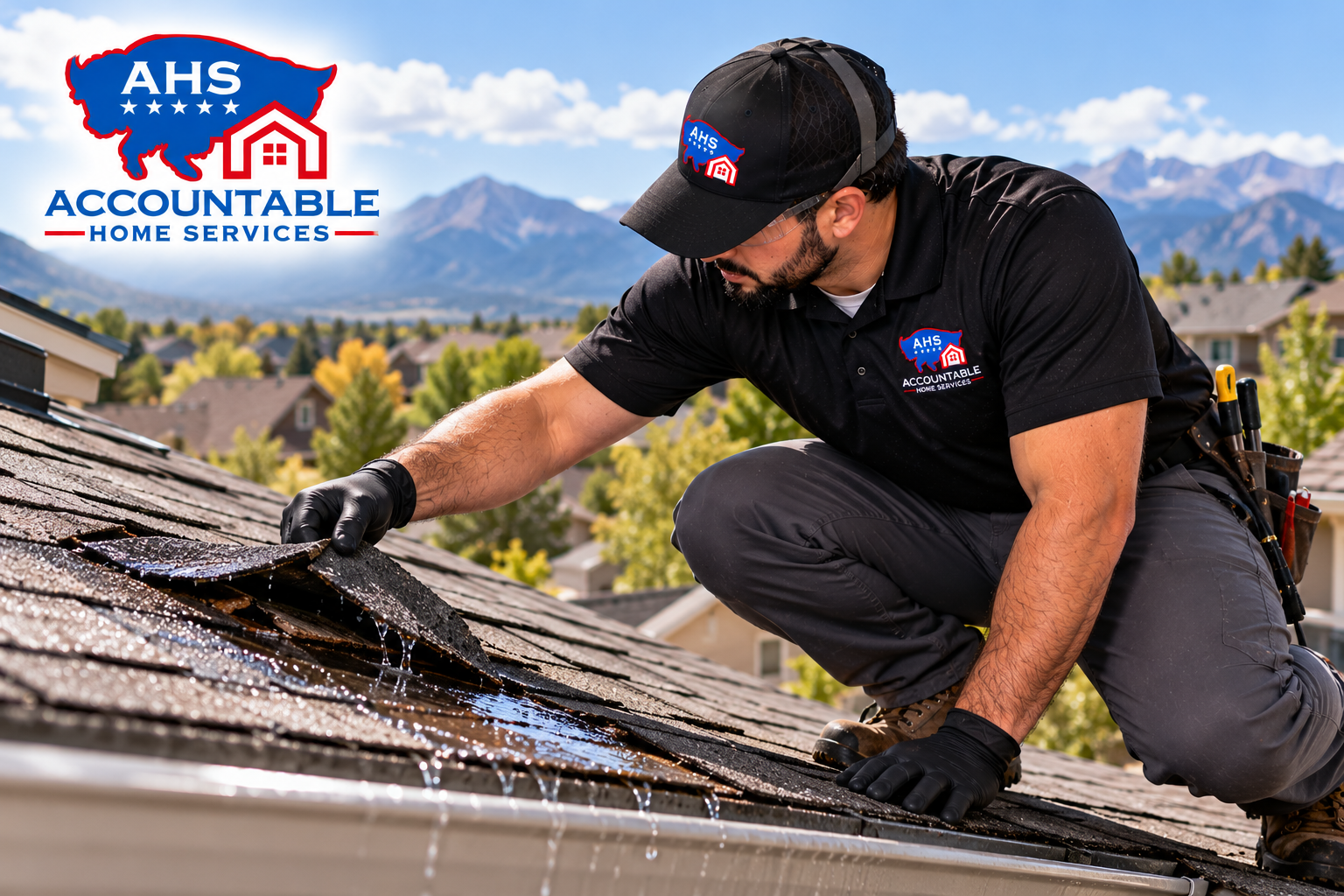
Hail impacts homes by damaging roofs and siding. These surfaces protect against water, so damage can lead to problems. Water intrusion, if unchecked, can promote mold and rot.
Inspect roofs and gutters after hailstorms. Look for dents or broken shingles and address them quickly. Prevention reduces serious water issues.
To tackle hail damage and water intrusion, consider:
- Regular roof inspections
- Immediate repairs of visible damage
- Checking for water leaks after storms
Prompt action can preserve your home’s integrity and save you from long-term repair costs.
Wind Damage and Roof Leaks
Strong winds can be incredibly destructive. They often cause roof leaks by dislodging shingles or damaging gutters. When this happens, water can seep into your home's structure.
Wind can also topple trees, which may damage property if they fall. It's essential to address these issues swiftly to prevent further problems.
Here’s how to mitigate wind damage:
- Check for loose or missing shingles
- Inspect for tree damage and fallen branches
- Conduct regular maintenance of gutters and drains
Immediate repairs help maintain your roof's integrity and prevent interior water damage.
Basement Flooding After a Storm
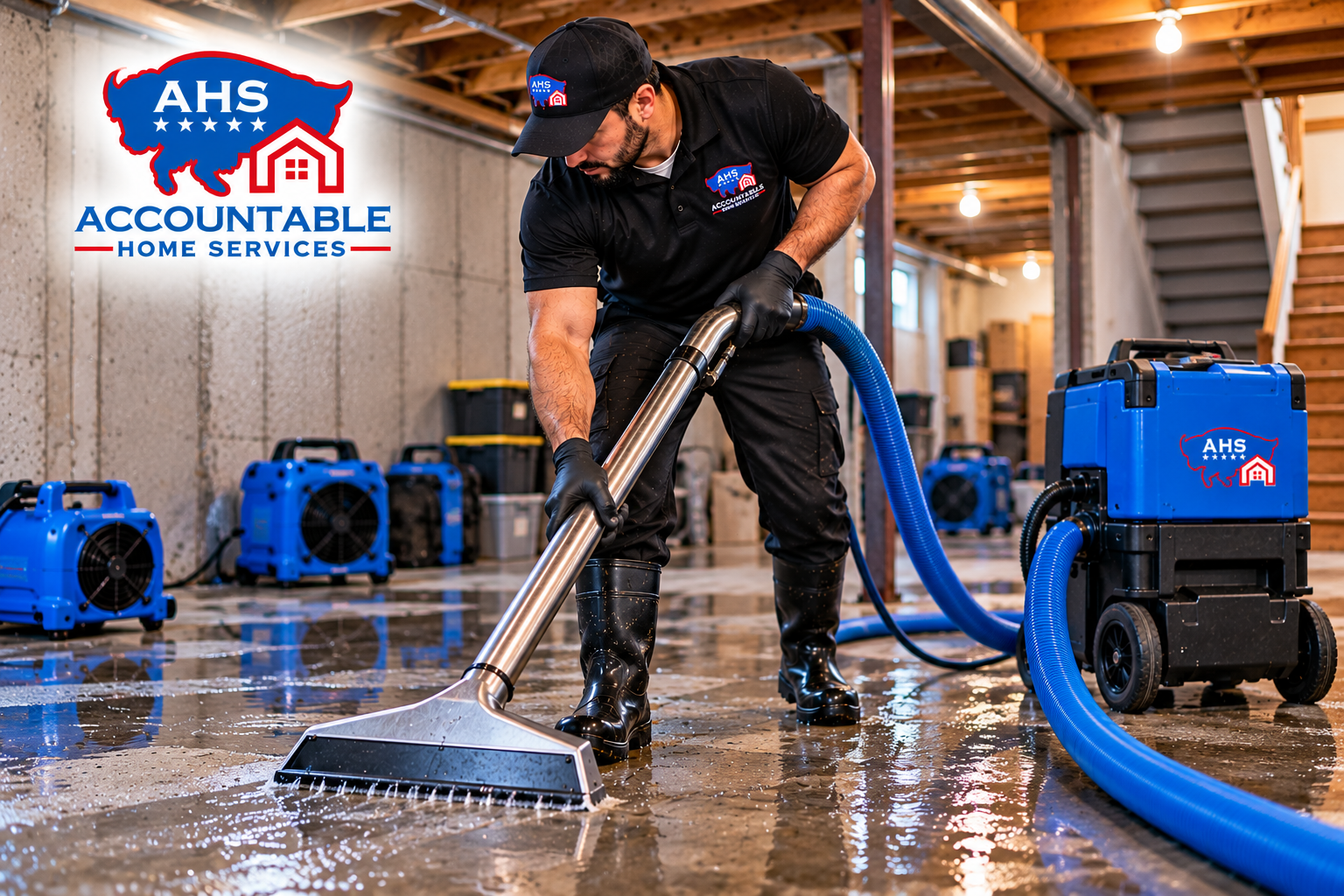
Basement flooding is a common aftermath of storms, especially with heavy rainfalls. It can result from poor drainage or sump pump failures. Basements without protection are particularly vulnerable.
To protect your basement, ensure drainage systems work properly. Regularly test sump pumps, especially before stormy seasons. Early detection helps avoid extensive damage.
Consider these strategies to prevent basement flooding:
- Ensure proper grading around your foundation
- Install a backup sump pump system
- Regularly clean and maintain gutters and downspouts
These measures help minimize the risk of water damage and safeguard your property's value.
Emergency Storm Cleanup: What to Expect
Emergency storm cleanup is critical after a storm hits your home. Acting quickly prevents further harm. Professionals are skilled in identifying and fixing damage efficiently.
When you hire a restoration company, they start by assessing the situation. They'll check for immediate dangers and create a plan to secure your home from further damage.
You'll see them remove debris and safely clear your property. This step is essential before starting repairs. Pros ensure safety is a top priority throughout the cleanup.
Expect the team to work swiftly while keeping you informed. Here's what they typically tackle:
- Evaluate damage: Initial inspection to assess the extent of damage.
- Secure the area: Board up windows or tarps for roof protection.
- Debris removal: Safely clear fallen branches and dangerous obstacles.
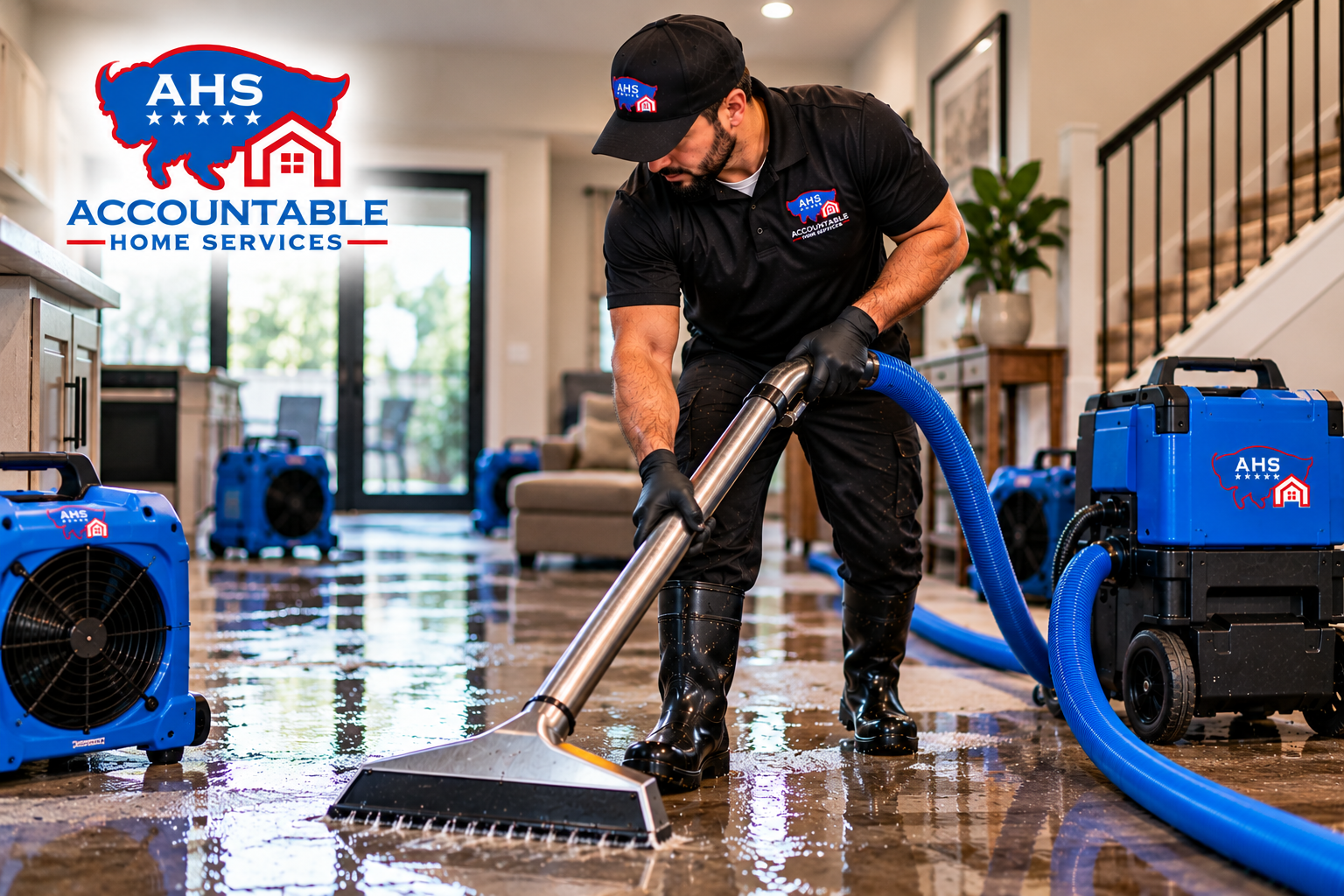
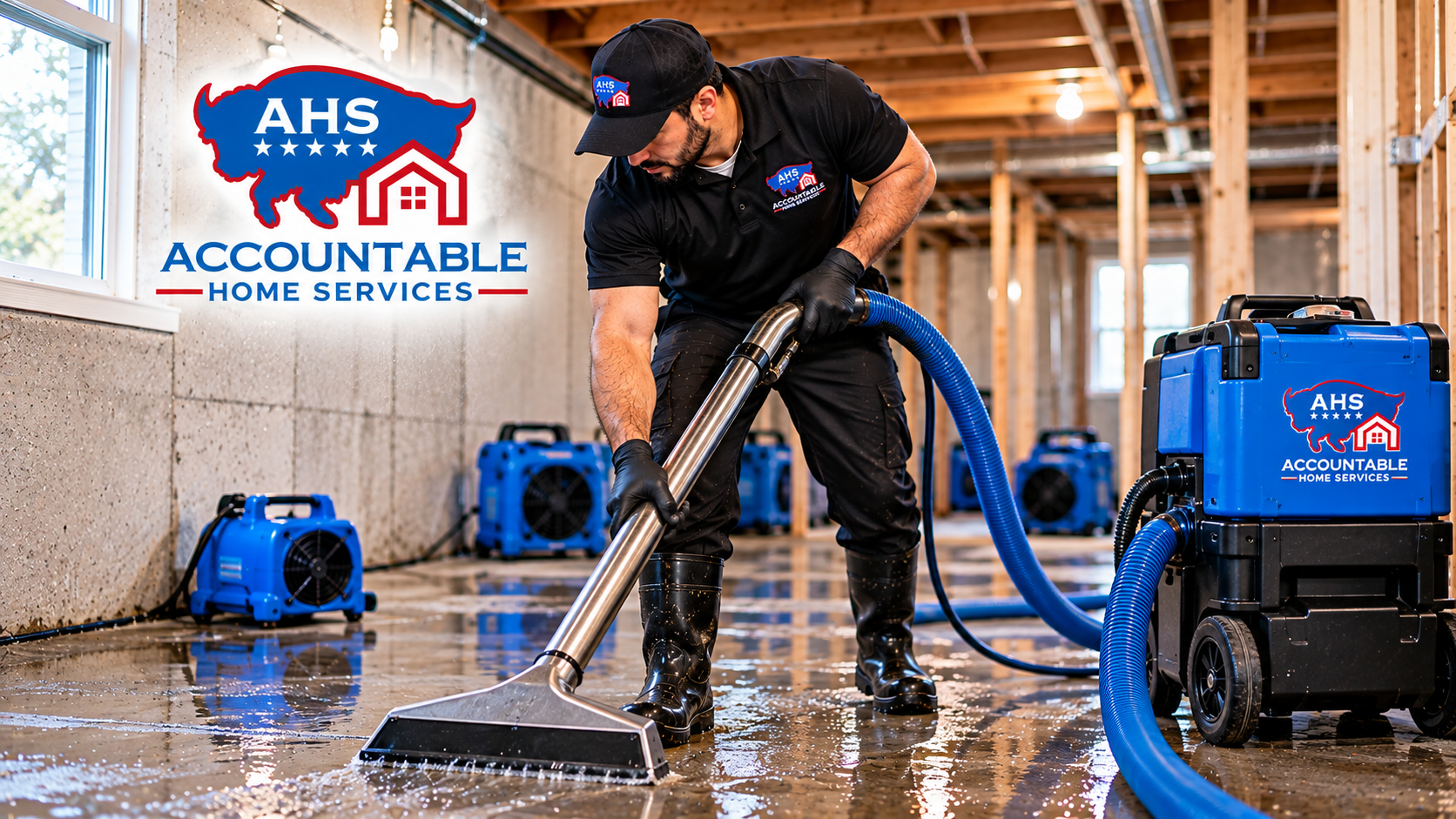
- Water extraction and drying: Remove standing water to prevent mold growth.
by Taylor Friehl (https://unsplash.com/@taylor_friehl)
Involving a professional ensures comprehensive and efficient cleanup. They help streamline recovery, often working with your insurer to document necessary repairs.
Navigating the Storm Damage Insurance Claim Process
Filing a storm damage insurance claim can seem daunting, but following clear steps helps simplify the process. Start by contacting your insurance company as soon as possible to report the damage.
Understand the details of your policy. Knowing your coverage can prevent surprises later. A policy typically covers wind and hail damage, but check specifics.
Documentation is vital. Gather photos, videos, and a detailed list of all affected items. This supports your claim and helps ensure fair compensation.
Stay organized by keeping copies of every interaction with your insurer. This includes emails, call logs, and any submitted documentation.
An experienced restoration company can also aid with the claims process. They provide comprehensive damage assessments and interact with adjusters to ensure that all repair needs are accurately documented.
Here’s a quick checklist:
- Contact insurer: Report damage immediately.
- Review policy: Confirm coverage for specific damages.
- Document damage: Use photos, videos, and lists.
Keep in mind these support options:
- Restoration companies: Provide reports and repairs.
- Insurance agents: Offer guidance on coverage queries.
by Vitaly Gariev (https://unsplash.com/@silverkblack)
Choosing a Storm Damage Restoration Company in Broomfield, CO
Finding the right restoration company is crucial for a smooth recovery. Start by seeking recommendations from trusted sources like insurance agents or neighbors.
Verify that the company is licensed and insured. This ensures they meet local standards and you are protected against liability.
Experience with storm damage specific to Broomfield is vital. Local experts understand the area’s weather patterns and building codes, leading to more effective repairs.
Communication is key in this process. Choose a company that provides clear timelines and regular updates, ensuring you are always informed.
Here are some factors to consider:
- Recommendations: Ask insurance agents or neighbors.
- Credentials: Check for licenses and insurance.
Consider these benefits of local expertise:
- Knowledge of Broomfield: Familiar with weather and regulations.
- Clear communication: Regular updates and transparency.
by Raze Solar (https://unsplash.com/@razesolar)
The Restoration Process: What Happens Next?
Once you've chosen a restoration company, they'll begin with a thorough assessment. This helps identify all areas affected by storm damage.
The next step typically involves water extraction and drying. Prompt action prevents further deterioration, particularly with water damage.
Repairs follow, which can range from fixing roofs to replacing damaged drywall. The goal is to restore your home to its pre-storm condition.
Throughout the process, clear documentation is maintained. This not only aids insurance claims but also ensures transparency and peace of mind.
Key stages in the restoration process include:
- Assessment: Identifying all damage.
- Water extraction and drying: Preventing further damage.
- Repairs: Restoring structural integrity.
Preventing Future Storm Damage
Preventive measures can save you money and hassle. Regular maintenance helps your home withstand future storms.
Start by inspecting your roof and gutters. Clear any debris to allow proper water flow.
Consider reinforcing windows and doors. Installing storm shutters and sealing gaps can protect against wind damage.
A few key preventive steps include:
- Roof inspection: Address loose or damaged shingles.
- Gutter maintenance: Ensure efficient drainage.
- Window reinforcement: Consider storm shutters.
Taking these proactive steps can greatly reduce storm-related risks and keep your home secure.
Frequently Asked Questions About Storm Damage Restoration
Homeowners often have questions about storm restoration. Getting clear answers is crucial for a smooth recovery process.
Here are some common questions:
- How quickly should I contact a restoration company?
- Does my homeowners insurance cover all types of storm damage?
- How long does the restoration process usually take?
Understanding these aspects can help you plan and manage your storm recovery effectively. If you're unsure, reaching out to a local expert can provide peace of mind and additional guidance.
Conclusion: Taking the Right Steps for Recovery
Facing storm damage is undoubtedly stressful, but taking the right steps can ease your journey to recovery. Act quickly to prevent further damage and document everything thoroughly.
Choosing experienced local professionals ensures you get the best care and support. Their expertise will guide you through the entire restoration and insurance process.
Remember, with proper planning and the right partners, your home can return to its former glory efficiently and smoothly.