BLOG
Can You Stay in Your House During Water Damage Restoration?
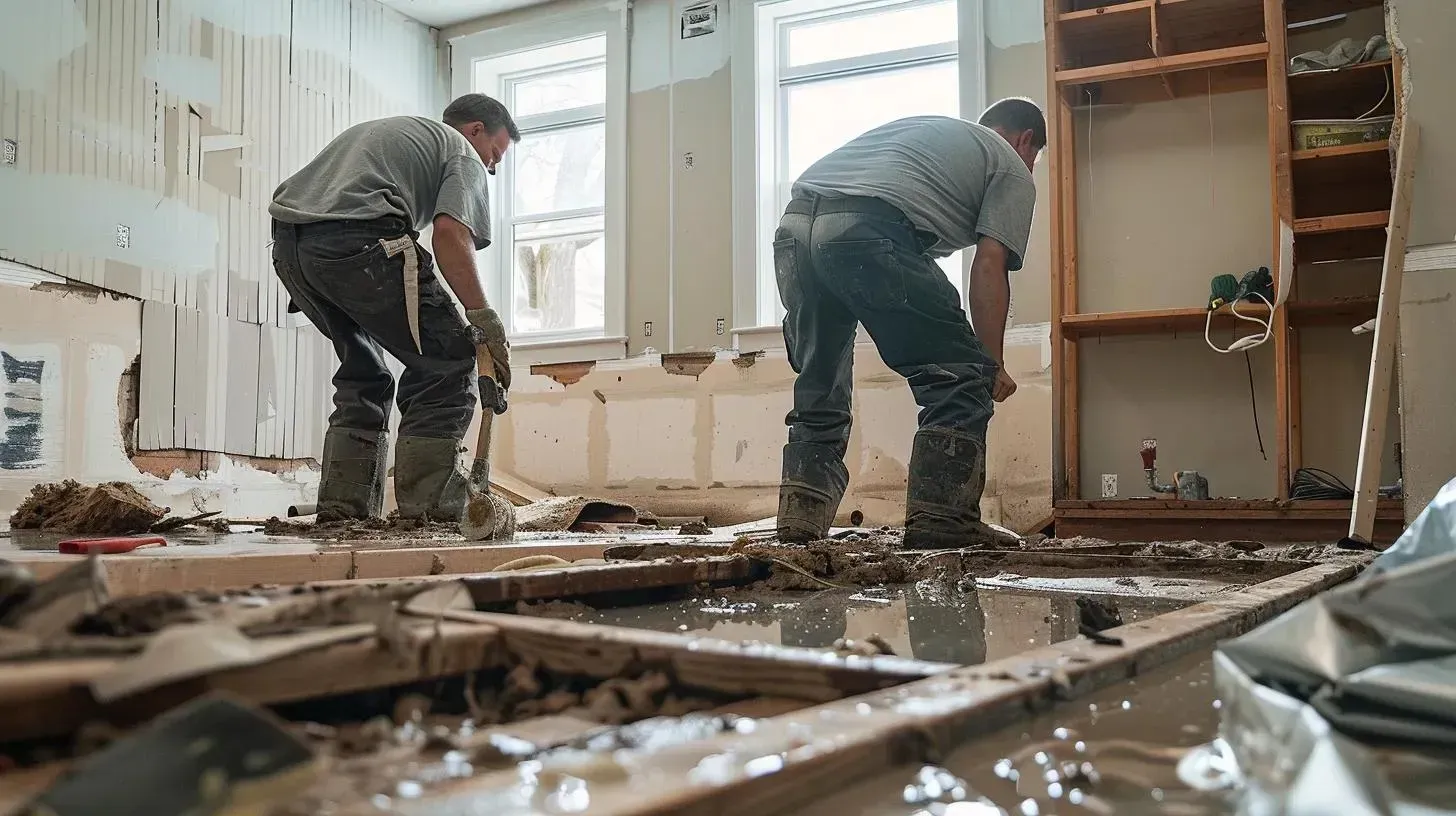
Sometimes you can stay in your house during water damage restoration. Sometimes leaving for a few days is the safer and more practical choice. The difference usually comes down to five things: what kind of water is involved, how much of the home is affected, whether utilities and safe pathways still work, whether air quality is a concern, and how disruptive the restoration work will be.
This guide is about making that stay-or-leave decision clearly. It is not a hotel reimbursement article, a mold-diagnosis article, or a restoration timeline page. If the property is actively wet and you need emergency help in Denver, start here: Water Damage Restoration.
When is it usually reasonable to stay in the house during water damage restoration?
It is usually more reasonable to stay when the damage is limited, the water is not contaminated, the affected area can be isolated, and the parts of the home you still need every day remain safe and functional. In practice, that often means one room, a basement, or another non-essential area is being dried while the rest of the house still has working power, safe walkways, clean water, and at least one usable bathroom.
That does not mean staying is always comfortable. Drying equipment can be noisy, access to parts of the home may be restricted, and routines may be disrupted. But those issues are different from the question of whether the house is still reasonably safe to occupy.
| Situation | Staying may be reasonable? | Why | When leaving becomes more likely |
|---|---|---|---|
| Small clean-water loss in one room or basement | Often yes | The work can often be contained while the rest of the home remains usable | The room is essential, like the only bathroom or kitchen |
| Damage isolated from main living spaces | Often yes | Safe zones may still be available | Access routes, utilities, or air quality are affected |
| Proper containment is in place | Often yes | Containment helps keep work and moisture from spreading into living areas | Containment is not possible or the damage keeps spreading |
| All essential systems still work | Often yes | Occupancy is more practical when power, water, and bathrooms still function | Power, plumbing, or HVAC must be shut off for long periods |
| No contamination or mold concerns are present | Often yes | Health and cleanup risks are lower | Sewage, floodwater, or suspected mold changes the decision |
Restoration guidance on whether you can stay in your home during water damage restoration notes a consistent pattern: staying is more realistic when the damage is minor, isolated, and non-contaminated, and when unaffected areas still provide safe living conditions such as working plumbing, clean water, electricity, and safe access pathways.
When should you seriously consider leaving the house?
You should seriously consider leaving when the water is contaminated, multiple rooms are involved, critical systems are damaged or shut down, or the work itself makes the home hard to occupy safely. That can happen with sewage or floodwater, larger demolition, major reconstruction, heavy equipment throughout the house, or situations where the only bathroom, kitchen, or sleeping areas are directly affected.
Leaving can also be the better choice when the restoration zone cannot be separated well from the rest of the home. The issue is not only damage. It is whether there is still a safe, practical living area that is truly separate from the active work.
What safety issues make staying a bad idea?
The three biggest safety issues are electrical risk, contamination, and air-quality concerns. If there is standing water near energized systems, floodwater or sewage in the home, or conditions suggesting mold or heavy demolition dust, the decision should shift more cautiously.
SERVPRO’s water-damage FAQ says it may not be safe to stay in a flooded home because contaminated water can make you sick and standing water in an occupied structure can create electrocution risk through outlets and appliances. Ready.gov also says not to touch electrical equipment if it is wet or if you are standing in water, and to turn off electricity only if it is safe to do so.
CDC’s flooded-home guidance adds another practical warning: flooded homes may be contaminated with mold or sewage, and if you have standing water and can only reach the main power switch by entering water, you should call an electrician rather than trying to shut it off yourself.
Stay-or-leave checklist
- Is the water clearly clean, or could it be sewage, backup, or floodwater?
- Is the damage limited to one contained area, or has it spread through multiple rooms?
- Do you still have safe electricity in occupied areas?
- Do you still have access to clean water, a working bathroom, and safe walkways?
- Can the restoration crew isolate the work area from the living area?
- Will demolition, dust, odor, or equipment affect your family’s breathing or sleep?
- Are children, elderly family members, or anyone with respiratory sensitivity in the home?
- Is the only bedroom, bathroom, or kitchen inside the work zone?
- Has anyone actually verified whether the structure is dry enough to reduce ongoing moisture concerns?
If the issue is contaminated water rather than a simple clean-water leak, this is the relevant bridge page on the site, Sewage Cleanup.
Do contaminated water or sewage losses change the answer?
Yes, significantly. Once sewage, drain backup, floodwater, or another contaminated source is involved, staying becomes much less attractive and often much less safe. The issue is no longer just disruption. It is exposure.
CDC says homes affected by flooding may be contaminated with sewage, and SERVPRO’s guidance also notes that contaminated floodwater can make occupants sick. That is why a contaminated-water event should be treated more cautiously than a limited clean-water leak, even when the visible affected area looks smaller.
What if the damage is dry now, but the equipment and work are still going?
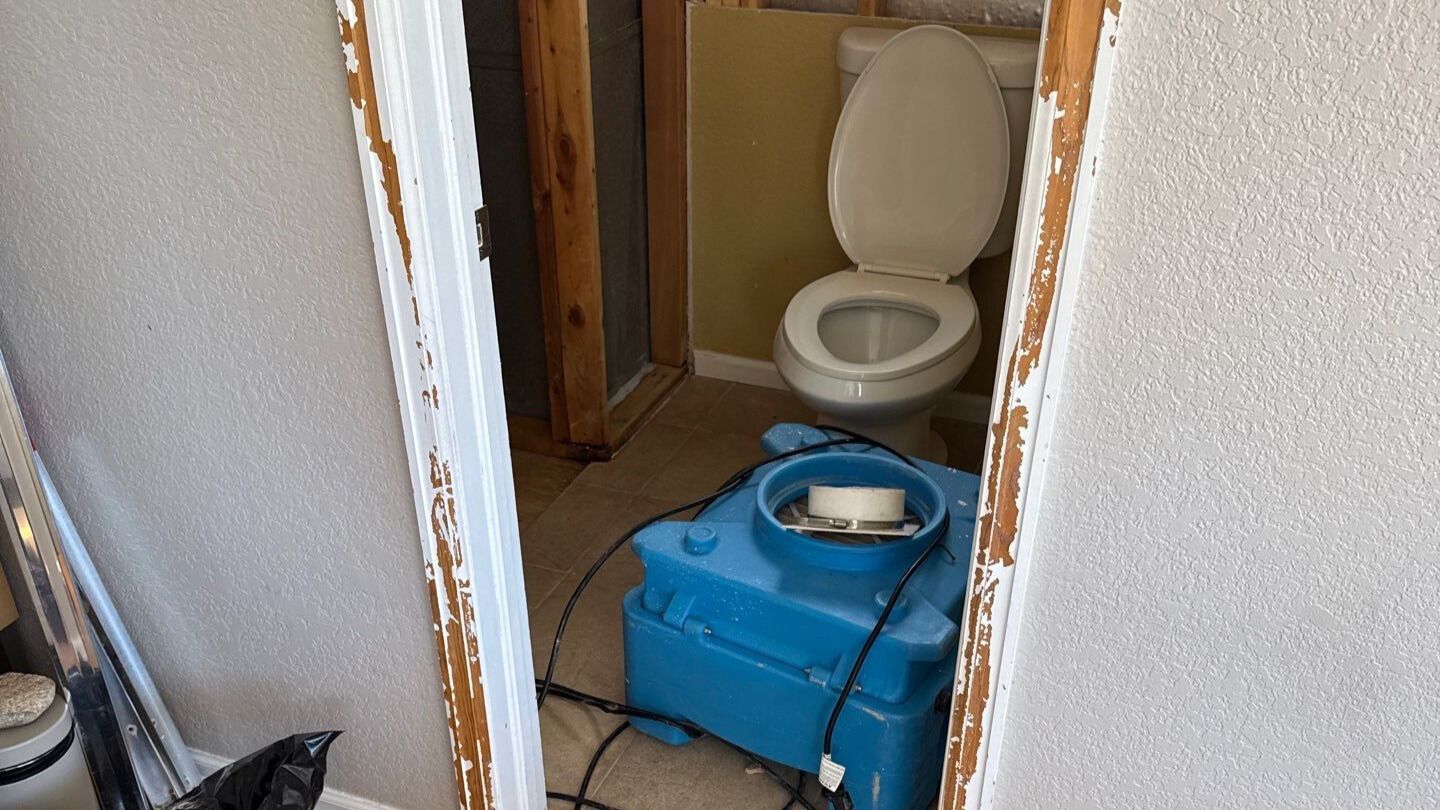
The answer then becomes more about practicality than emergency danger. Many homeowners can physically stay while dehumidifiers and air movers run, but that does not mean it is comfortable or realistic. Equipment can be loud, safe pathways may be narrower, and parts of the home may be off-limits.
Courtesy Care’s decision guide specifically flags major demolition, long power shutdowns, and industrial equipment taking up living space as reasons temporary relocation may make more sense, even when the home is not a total evacuation case.
If the drying side of the project is what matters most, this is the best bridge page on the site: Structural-Drying
How do children, older adults, or sensitive occupants change the decision?
They usually justify a more cautious threshold. Even if the home might be technically occupiable for a healthy adult, the decision can change when there are infants, older adults, people with asthma, or anyone who does poorly with dust, odors, humidity, disrupted sleep, or air-quality uncertainty.
EPA’s mold guidance says mold can trigger reactions such as stuffy nose, sore throat, coughing or wheezing, burning eyes, or skin rash, and that people with asthma or mold allergies may have more intense reactions. That does not mean every water-damage project requires relocation. It does mean that a household with more vulnerable occupants should be slower to “just stay and see how it goes.”
What questions should you ask the restoration company before deciding?
The right questions can make the decision much easier because they turn a vague worry into a practical yes-or-no framework.
| Question to ask | Why it matters | A reassuring answer sounds like | A concerning answer sounds like |
|---|---|---|---|
| Which rooms will be active work zones? | You need to know if living areas are truly separate | Work is limited and containment is planned | The scope may expand room to room |
| Will power, plumbing, or HVAC be interrupted? | Essential systems determine basic habitability | Occupied areas will stay functional | Utilities may be shut off for long stretches |
| Is the water considered contaminated? | Exposure risk changes the whole decision | Source is clean and isolated | Source is unknown, sewage-related, or possibly contaminated |
| Will there be demolition, dust, or strong odor? | Work method affects comfort and respiratory tolerance | Minimal demolition, controlled work area | Open demolition and major debris flow |
| What signs would make you recommend relocation? | You want the crew’s threshold, not guesswork | Clear criteria for staying safely | No clear plan or shifting expectations |
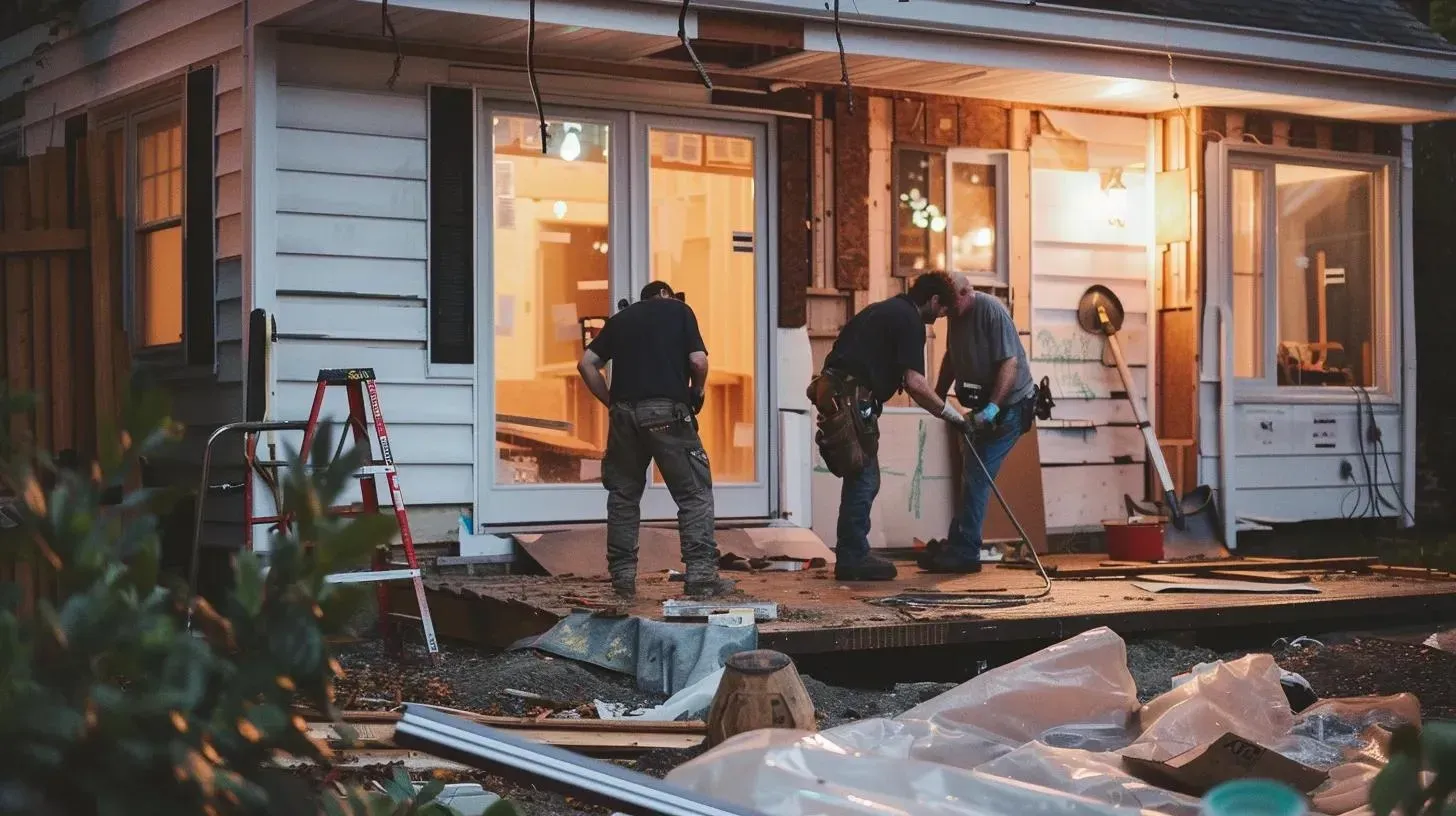
What does this look like in real life?
A stay-or-leave decision is easiest to understand when you compare the kind of homes and losses that create different answers.
Scenario 1: Small clean-water leak in a finished basement
A pipe leak affects one finished basement room. The rest of the home still has power, two working bathrooms, a usable kitchen, and no sign of contamination. The crew can contain the basement work area, and the family can sleep upstairs away from the equipment.
In that case, staying may be reasonable, even if it is inconvenient. The key is that the work zone is separate and the house still functions safely.
Scenario 2: Sewage backup through multiple lower-level rooms
A backup affects a basement bathroom, hallway, and adjacent finished room. The odor is strong, the water is contaminated, and demolition will likely be required. Even if the upstairs bedrooms are physically untouched, staying is much harder to justify because the contamination and work conditions change the whole environment.
That is a stronger case for temporary relocation, at least until the hazardous phase of cleanup and initial drying is under control.
What mistakes make this decision harder than it needs to be?
The most common mistake is treating this like a simple comfort question instead of a safety-and-function question. Noise matters, but contamination, electrical safety, and whether you still have a usable bathroom matter more.
Another common mistake is assuming that because the leak source was fixed, the house is automatically fine to occupy normally. A repaired source does not tell you whether the structure is dry, whether demolition is still needed, or whether the work zone can be isolated effectively.
A third mistake is making the decision before asking the restoration team what utilities, rooms, or pathways will actually be affected during the next few days.
Red flags that mean leaving is more likely the right call
- Sewage, floodwater, or another contaminated source is involved
- Multiple rooms are affected or the damage cannot be isolated
- Power, plumbing, or HVAC will be shut down in living areas
- Standing water is near electrical systems or appliances
- Mold is suspected, or demolition will create dust and debris
- The only bathroom, kitchen, or bedrooms are inside the work zone
- Children, older adults, or sensitive occupants are having difficulty with the conditions
- The crew cannot define a clear safe-living zone within the home
What is the simplest rule of thumb?
If the damage is limited, the water is not contaminated, the work can be contained, and the rest of the house still functions safely, staying is often possible. If contamination, major spread, utility loss, or heavy demolition is involved, leaving is often the better decision.
That is the cleanest way to keep this from becoming overcomplicated. The right answer is not “always stay” or “always leave.” It is “stay only when the unaffected part of the home is still truly safe and livable.”
A soft next step if you need a Denver team to assess the damage and tell you honestly whether staying is realistic is the main service page this article is designed to support: Water Damage Restoration.
FAQ: can you stay in your house during water damage restoration?
Can you usually sleep at home during water damage restoration?
Sometimes, yes, if the work is isolated and the bedrooms remain safe, functional, and outside the active restoration zone. It becomes much less practical when equipment, demolition, contamination, or utility shutdown affects the sleeping area.
Do you have to leave for every water damage job?
No. Smaller clean-water losses in isolated areas often do not require temporary relocation. The decision changes when the damage spreads, contamination is involved, or daily living systems are disrupted.
Is it safe to stay if there is sewage or floodwater?
That is much more questionable. Contaminated water changes the health and cleanup risks enough that temporary relocation is often more appropriate.
What if the home still has power and water?
That helps, but it is not the whole answer. You still need to consider contamination, safe pathways, air quality, demolition, and whether the work zone is truly separate.
Should families with kids or older adults be more cautious?
Usually, yes. The threshold for staying should be more conservative when occupants may be more affected by dust, odors, humidity, disrupted sleep, or air-quality concerns.
Final takeaway
You can sometimes stay in your house during water damage restoration, but only when the unaffected parts of the home are still safe, functional, and truly separate from the damaged area. Once contaminated water, major spread, unsafe utilities, poor air quality, or heavy demolition enters the picture, temporary relocation usually becomes the smarter choice.
If you need emergency water damage restoration in Denver and want a realistic answer about whether staying home is practical, use the main service page this article is designed to support: Water Damage Restoration.