BLOG
After a Toilet Overflow, Can You Clean It Yourself or Do You Need Professional Sewage Cleanup?
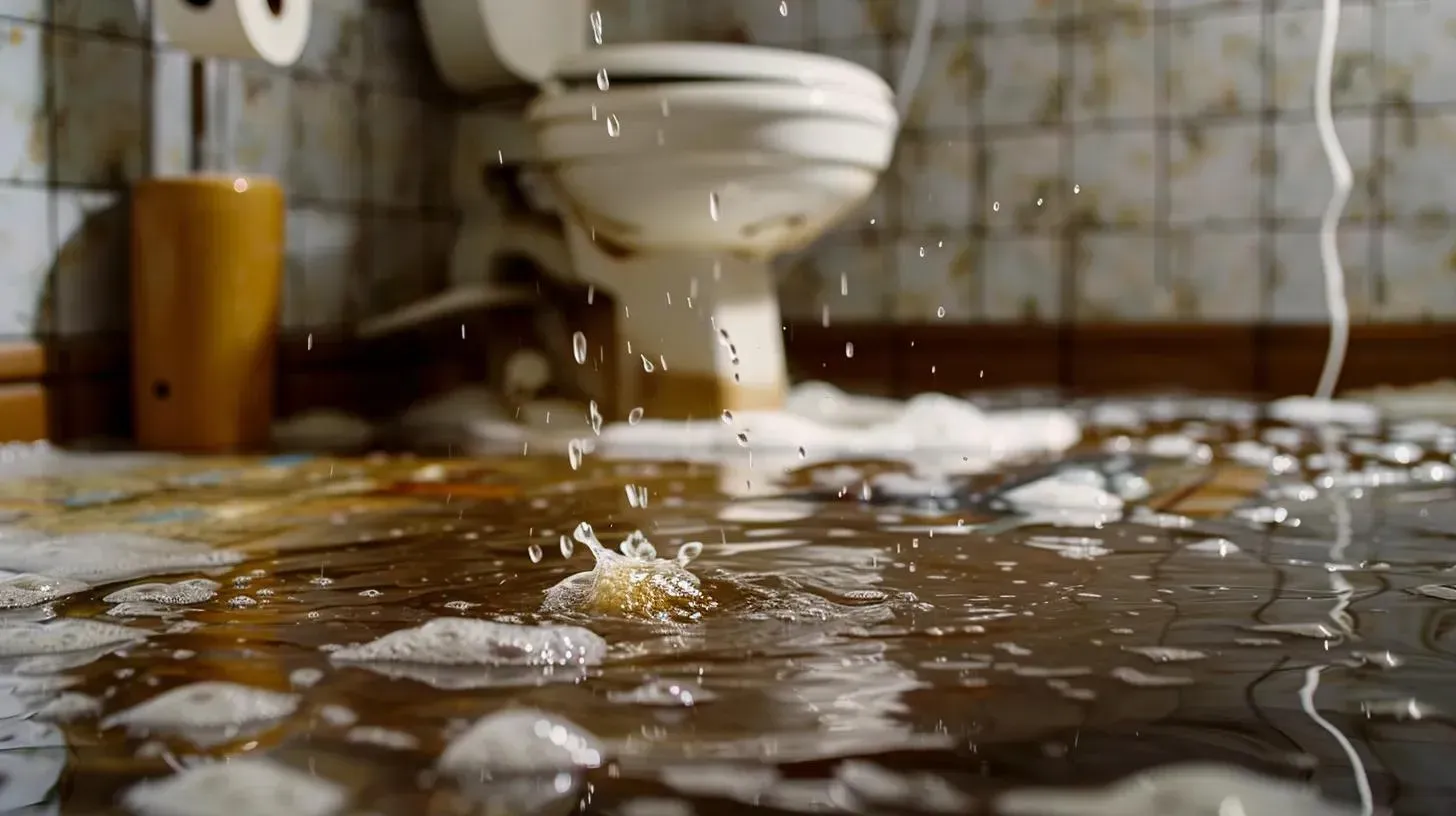
Sometimes a toilet overflow is a small cleanup problem. Sometimes it is a contamination problem that should not be handled like a normal household spill. The difference usually comes down to what type of water came out, how far it spread, and whether it reached materials that are hard to disinfect and dry completely.
This guide is about the decision line between DIY cleanup and professional sewage cleanup. It is not a sewer-repair tutorial, a pricing article, or a full insurance guide. If the overflow has already affected flooring, baseboards, cabinets, drywall, or rooms beyond the bathroom, start here for emergency help in Denver: Accountable Home Services-Water Damage Restoration.
Can you ever clean up a toilet overflow yourself?
Yes, sometimes you can. A small overflow may be manageable as a DIY cleanup if the water is limited, the source is clearly the toilet bowl or tank, there is no sewage backup involved, there is no visible fecal contamination, and the water stayed on easy-to-clean non-porous surfaces for a short time.
The key is not the toilet itself. The key is whether the event stayed in the "small spill, low spread, low contamination" category. Once the water is dirty, recurring, coming back up from the drain system, or spreading into porous materials, the risk changes and the case starts looking more like a sewage-cleanup job than a normal bathroom cleanup.
When is DIY cleanup reasonable, and when is professional cleanup the safer choice?
The most useful way to answer that question is to compare the actual situation, not just the room where it happened.
| Situation | DIY may be reasonable? | Why | Professional cleanup is usually the better choice when... |
|---|---|---|---|
| Small overflow from a fresh flush, quickly contained on tile or another non-porous bathroom floor | Sometimes | The water may be limited and easier to remove, clean, and disinfect if it did not contact waste and did not spread far | Water reached baseboards, vanity toe-kicks, flooring seams, or nearby rooms |
| Overflow that includes visible waste, sewage odor, or drain backup | Usually no | Contamination risk is much higher | Any sewage, fecal matter, or backup from a clogged line is involved |
| Overflow that sat for a while before discovery | Usually no | Even a smaller event can spread under trim, behind fixtures, or into adjacent materials | The area stayed wet long enough that hidden moisture is likely |
| Overflow onto carpet, under vinyl edges, under cabinets, or into subfloor gaps | Usually no | Porous or layered materials are harder to disinfect and dry fully | The water migrated below the visible surface |
| Repeated toilet overflow or multiple fixtures backing up | No | This may point to a larger drain or sewer-line issue | There is recurrence, system-wide backup, or unknown contamination level |
What should you do first after a toilet overflow?
Start by stopping the overflow, not by mopping blindly. If you can do it safely, shut off the toilet water valve behind the toilet or stop the tank from refilling by lifting the float or closing the flapper. Then keep people and pets out of the area until you understand what kind of water you are dealing with.
If the problem appears limited and clean, you can move into basic containment. If the overflow appears contaminated, smells like sewage, or may be tied to a line backup, the safer next step is to isolate the area and arrange professional cleanup rather than turning it into a DIY project.
First-response checklist
- Stop the water supply to the toilet if you can do so safely.
- Keep children and pets out of the bathroom.
- Do not use nearby sinks, tubs, or other fixtures if you suspect a drain or main-line backup.
- Put on gloves and keep exposed skin covered if you need to enter the area.
- Take a few quick photos before cleanup changes the scene.
- Determine whether the water is likely clean toilet water or contaminated wastewater.
- If contamination is possible, avoid splashing, scrubbing aggressively, or spreading the water further.
- If the spill is minor and clearly low-risk, remove the water and begin cleaning and drying immediately.
- If the water spread beyond the bathroom floor or the contamination level is uncertain, call for professional sewage cleanup.
What makes a toilet overflow a sewage-cleanup issue?
A toilet overflow becomes a sewage-cleanup issue when the water is no longer just clean tank or bowl water and starts looking like contaminated wastewater. That includes visible fecal matter, backflow from a clogged sewer or drain line, repeated overflow from the system, or any event where the contamination source is uncertain.
It also becomes a sewage-cleanup issue when the water reaches places that are difficult to clean and dry completely, such as carpet, pad, subfloor seams, baseboard edges, drywall bottoms, vanity cavities, or adjacent rooms. At that point, the question is not just whether the surface can be wiped down. It is whether the materials below and around it can be safely restored.
If the overflow involves contamination or a backup event, the appropriate next step is professional sewage cleanup services.
What can you safely do yourself in a minor, low-risk overflow?
If the event is truly minor and limited to low-risk water on hard, non-porous surfaces, DIY cleanup can be reasonable. The emphasis should be on fast removal, cleaning, disinfection, and drying, not on half-cleaning the visible surface and hoping the rest takes care of itself.
Use disposable towels, a mop, or a wet/dry vacuum that can be cleaned afterward. Wash the hard surfaces with detergent first, then disinfect according to the product label. Dry the area completely, including around the toilet base and corners where water may have collected.
Washington State Department of Health guidance for sewage spills says to keep children and pets out, wear rubber gloves and boots with eye protection, wash thoroughly afterward, and clean hard surfaces with detergent and then a bleach solution; it also notes that saturated wall-to-wall carpet and pad usually cannot be adequately cleaned. Check the guidance on cleaning up sewage spills here.
What should you not try to handle yourself?
Do not try to DIY a toilet overflow when the water may be sewage, when it has spread into porous materials, or when multiple fixtures suggest a larger backup. Those are the situations where a simple household cleanup can leave contamination or moisture behind even if the room looks better on the surface.
You also should not try to force normal bathroom use to continue while the cause is unresolved. If the toilet overflow may be tied to a main-line issue, using sinks, tubs, laundry, or other toilets can worsen the backflow problem.
CDC guidance for workers handling human waste and sewage says exposure control requires proper PPE, handwashing, and hygiene precautions, including waterproof gloves, boots, face and eye protection, and avoiding contact with the face or open wounds. See guide on Global Water Sanitation/Hygiene about workers handling waste.
How do you tell if the water spread farther than it looks?
A toilet overflow often looks contained because most of the water remains near the bowl. The harder question is whether it got under something before you saw it. Water can move beneath bath mats, into vanity toe-kicks, under vinyl edges, through grout lines, into subfloor joints, and along trim or drywall edges.
That is why visible cleanup is only part of the decision. If the floor stayed wet, if the bathroom has layered materials, or if water escaped into the hallway or room next door, the event may need extraction, moisture checks, and drying rather than only disinfection.
What does this look like in real life?
Real toilet overflows usually feel ambiguous in the moment, which is why examples are more useful than broad rules.
Scenario 1: Small overflow, caught immediately
A homeowner flushes, notices the bowl rising, shuts off the valve, and catches a small amount of water on a tile bathroom floor. There is no visible waste, no sewage smell, and no spread beyond the immediate area. In that case, DIY cleanup may be reasonable if the area is cleaned, disinfected, and dried quickly and thoroughly.
The decision changes if water got under the vanity, into adjacent flooring seams, or if the same toilet overflows again the next day. What looked small at first may no longer be a simple one-time cleanup.
Scenario 2: Overflow with waste and water into the hallway
A homeowner discovers toilet water on the bathroom floor and into the hallway, with visible contamination and a strong sewage odor. The water has reached baseboards and wicked into a bath mat and hallway runner. That is no longer a normal cleanup job.
In that situation, professional sewage cleanup is the safer path because the issue now involves contamination control, material decisions, and drying beyond the bathroom’s visible surface.
What mistakes make toilet-overflow cleanup riskier or less effective?
The most common mistake is assuming every toilet overflow is the same. Some are basically minor clean-water events. Others are wastewater contamination events, even if the volume looks small.
Another common mistake is cleaning only the visible water and skipping the hidden spread areas. Water around a toilet often moves into corners, beneath mats, under flooring edges, and along the base of cabinets or trim.
A third mistake is trying to disinfect before actually cleaning. Dirt and residue need to be removed first so the disinfectant can work the way it is supposed to.
Red flags that mean you should stop DIY and call a pro
- Visible fecal matter or strong sewage odor
- Overflow tied to a drain, sewer, or main-line backup
- Water that spread into carpet, pad, baseboards, drywall, cabinets, or adjacent rooms
- Repeated toilet overflows or more than one fixture backing up
- Standing water that sat for a while before discovery
- Anyone in the home who is especially vulnerable to contamination risk
- Uncertainty about whether the water is clean or contaminated
Do you need both a plumber and a restoration company?
Sometimes, yes. A plumber addresses the cause, such as a clogged toilet, blocked drain, or main-line issue. A restoration or sewage-cleanup company addresses the contamination, extraction, cleaning, disinfection, drying, and material-restoration side of the event.
Those are related jobs, but they are not the same job. If the cause is fixed but contaminated water already spread into the bathroom or nearby rooms, the cleanup and drying side may still need professional attention.
A soft next step if the overflow has already moved beyond a simple wipe-down situation is the main water-damage service page this blog supports: Water Damage Restoration.
FAQ: toilet overflow cleanup DIY or professional?
Can I clean up toilet overflow water myself?
Sometimes, yes, if it was a small, quickly contained overflow involving low-risk water on non-porous surfaces. If sewage, visible waste, or hidden spread is involved, professional cleanup is usually safer.
Is toilet overflow water always contaminated?
Not always. A minor overflow from a fresh flush may be lower risk than a backup from a clogged drain or sewer line. But once contamination is uncertain, it is safer to treat the event more cautiously.
Do I need to remove carpet after a contaminated toilet overflow?
Possibly.Public-health guidance from the Washington State Department of Health’s sewage spill cleanup recommendations notes that saturated carpet and padding exposed to sewage typically cannot be properly cleaned, particularly when contamination is severe or prolonged.
Should I use bleach right away?
Clean first, then disinfect according to the product label or trusted health guidance. Disinfectant works better after visible dirt and residue have been removed.
What if the toilet overflow happens again after I clean it?
Repeated overflow is a strong sign that the problem may be larger than a one-time clog. At that point, professional plumbing and possibly professional cleanup become much more likely.
Final takeaway
A toilet overflow is safe to handle yourself only when it is small, clearly low-risk, quickly contained, and limited to surfaces you can clean and dry thoroughly. Once contamination is possible, the water spreads beyond the immediate bathroom floor, or the cause points to a drain or sewer problem, professional sewage cleanup is usually the safer and more complete response.
If the overflow has already affected the structure or you need emergency help in Denver, click: Water Damage Restoration.