BLOG
How Do You Know If Your House Is Actually Dry After Water Damage?

A room can look dry long before the structure is actually dry. After a leak, overflow, or flood cleanup, the real question is not whether the surface feels better. It is whether moisture is still trapped in drywall, subfloors, insulation, cabinets, wall bases, or other materials that dry more slowly than the visible surface.
This guide is about verifying dryness after water damage. It is not a general timeline article, a hidden-signs listicle for every kind of leak, or a mold-remediation guide. If your home is still wet or you need professional drying help in Denver, start here:Accountable Home Services Water Damage Restoration.
What is the best way to know whether your house is really dry?
The best way is to combine what you can observe with actual moisture verification. Visual improvement alone is not enough, because water often stays in layered or enclosed materials after the top surface looks normal again.
In professional drying, the goal is not just “feels dry.” The goal is to bring affected materials back toward a dry standard by measuring them during and after the drying process. Moisture mapping guidance used in restoration describes testing conditions at the beginning, during, and end of drying, comparing affected materials to an unaffected dry standard, and using moisture meters, thermo-hygrometers, and moisture mapping to document progress.
Why doesn’t a room that looks dry always mean the structure is dry?
Water moves farther and dries more unevenly than most homeowners expect. It can wick into drywall, sit under laminate or vinyl edges, remain in subfloors, collect behind cabinets, or stay inside wall cavities and insulation after the visible puddle is gone.
Thermal imaging doesn’t directly detect moisture. FLIR explains that thermal cameras show temperature differences that may suggest hidden water, but those areas still need confirmation with a moisture meter since other factors can cause similar patterns. See “How to Detect a Water Leak with Thermal Imaging.”
What signs suggest the house may still be wet?
The most useful signs are the ones that point to trapped moisture rather than just past damage. A musty smell that keeps returning, flooring that feels soft or uneven, cool damp-feeling wall sections, recurring stains, trim swelling, or a room that still feels humid can all suggest moisture is still present somewhere in the assembly.
Public health guidance consistently points to fast action — the EPA notes mold is unlikely if materials are dried within 24–48 hours, and OSHA reinforces that early cleanup, drying, and removal of damaged materials are key to limiting mold growth. See “Mold, Moisture, and Your Home” and “A Brief Guide to Mold in the Workplace.”
| Sign you notice | What it may mean | Could it still be from past damage only? | When it points more strongly to ongoing moisture |
|---|---|---|---|
| Musty or earthy odor | Damp material or microbial activity somewhere out of sight | Sometimes | The smell comes back after cleaning or changes with humidity |
| Soft, warped, cupped, or uneven flooring | Moisture may still be under the surface or in the subfloor | Sometimes | The floor changes shape, flexes, or gets worse with time |
| Cool or damp-feeling wall or ceiling area | Hidden moisture or slower drying behind the finish | Sometimes | The area stays noticeably different from nearby surfaces |
| Swollen trim, baseboards, or cabinet edges | Water may still be trapped in porous material | Sometimes | The swelling increases or the finish keeps bubbling |
| Staining that grows, darkens, or reappears | Moisture may still be migrating | Less often | The mark changes after cleanup or after rain/use cycles |
| Lingering indoor humidity in one zone | Water may still be evaporating from hidden materials | Sometimes | The room feels persistently humid compared with nearby rooms |
What should you check first if you want a practical answer today?
Start with the materials that usually stay wet longer than the visible surface. That means wall bottoms, baseboards, flooring edges and seams, cabinet toe-kicks, drywall near the original water path, and the room below if the event happened upstairs.
This does not mean you have to open walls randomly. It means you should look for clues in the places where water commonly collects, wicks, or gets trapped.
Dryness-check checklist
- Smell the area at different times of day for musty or earthy odor.
- Check whether flooring feels soft, cupped, spongy, or uneven.
- Look at baseboards, trim, toe-kicks, and cabinet bottoms for swelling or bubbling.
- Check wall and ceiling areas near the original water path for coolness, staining, or texture changes.
- If the leak happened upstairs, inspect the ceiling below.
- Notice whether one room still feels humid compared with nearby rooms.
- Review whether drying was verified with moisture readings or only with fans and time.
- If you have a moisture meter and know how to use it, compare affected areas with an unaffected similar area.
- If you are unsure, schedule proper moisture inspection instead of guessing from the surface.
If you need the drying side of the service path, this is the most relevant bridge page on the site. See
“Accountable Home Services – Structural Drying.”
What tools do professionals use to verify that materials are dry?
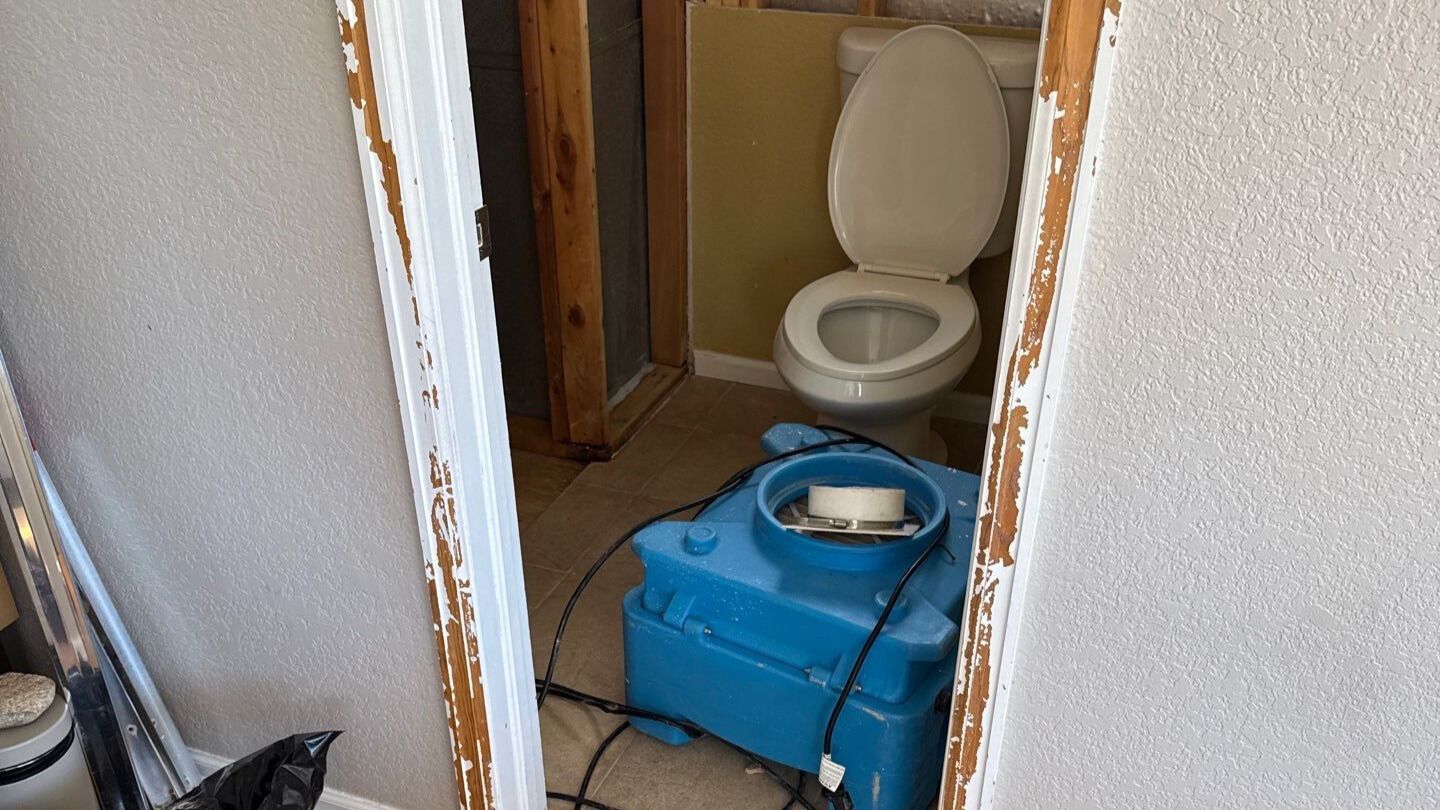
Professionals generally use a combination of moisture meters, thermo-hygrometers, moisture mapping, and sometimes thermal imaging to identify suspicious areas and measure drying progress. The reason multiple tools are used is that each one answers a different question.
Moisture meters help quantify moisture in materials or compare wet and dry areas. Thermal cameras help find patterns that may indicate hidden moisture, but those patterns must be confirmed. Moisture-mapping guidance for restoration says drying conditions should be measured at the beginning, during, and end of the process, and that affected materials are compared with an unaffected dry standard. Moisture Detection And Moisture Mapping.
| Tool or method | What it helps answer | What it does not prove by itself | Why it matters |
|---|---|---|---|
| Visual inspection | Where damage looks obvious | Whether hidden layers are dry | Good starting point, but incomplete |
| Moisture meter | Whether a material still has elevated moisture | Full source path or every hidden void | Gives measurable proof instead of guesswork |
| Thermal imaging | Where suspicious temperature patterns suggest moisture | That moisture is definitely present | Helps target hidden areas without opening everything |
| Dry standard comparison | Whether affected materials are back near normal for that material | Why the area got wet in the first place | Keeps dry enough from becoming subjective |
| Ambient humidity / temperature checks | Whether the room environment is helping or slowing drying | Moisture inside a specific wall or floor layer | Shows whether the conditions support drying |
If you need the hidden-moisture detection side of the process, this is the related bridge page. See “Accountable Home Services – Thermal Imaging Inspection.”
Is a musty smell enough to say the house is still wet?
Not by itself, but it is a meaningful warning sign. Musty odor often means moisture or microbial activity is still present somewhere, especially when the smell returns after cleaning or changes with humidity.
OSHA highlights musty odors as a clue that moisture may still be present, and EPA guidance explains that without prompt drying and moisture control, damp materials can support mold growth. See “A Brief Guide to Mold in the Workplace” and “Mold, Moisture, and Your Home.”
Can fans and dehumidifiers alone prove the house is dry?
No. Fans and dehumidifiers can help dry a structure, but their use alone does not confirm that the affected materials reached appropriate dryness. The better question is whether anyone measured the materials and compared them with a dry baseline or dry standard.
That is where many homeowners get a false sense of security. A room may feel better after airflow and dehumidification, but moisture can still remain in subfloors, insulation, lower drywall, behind cabinets, or other slow-drying assemblies.
What does this look like in real life?
Examples make this easier because “dry” often depends on where the water traveled, not just how long ago the leak happened.
Scenario 1: Surface looks normal, but the floor feels wrong
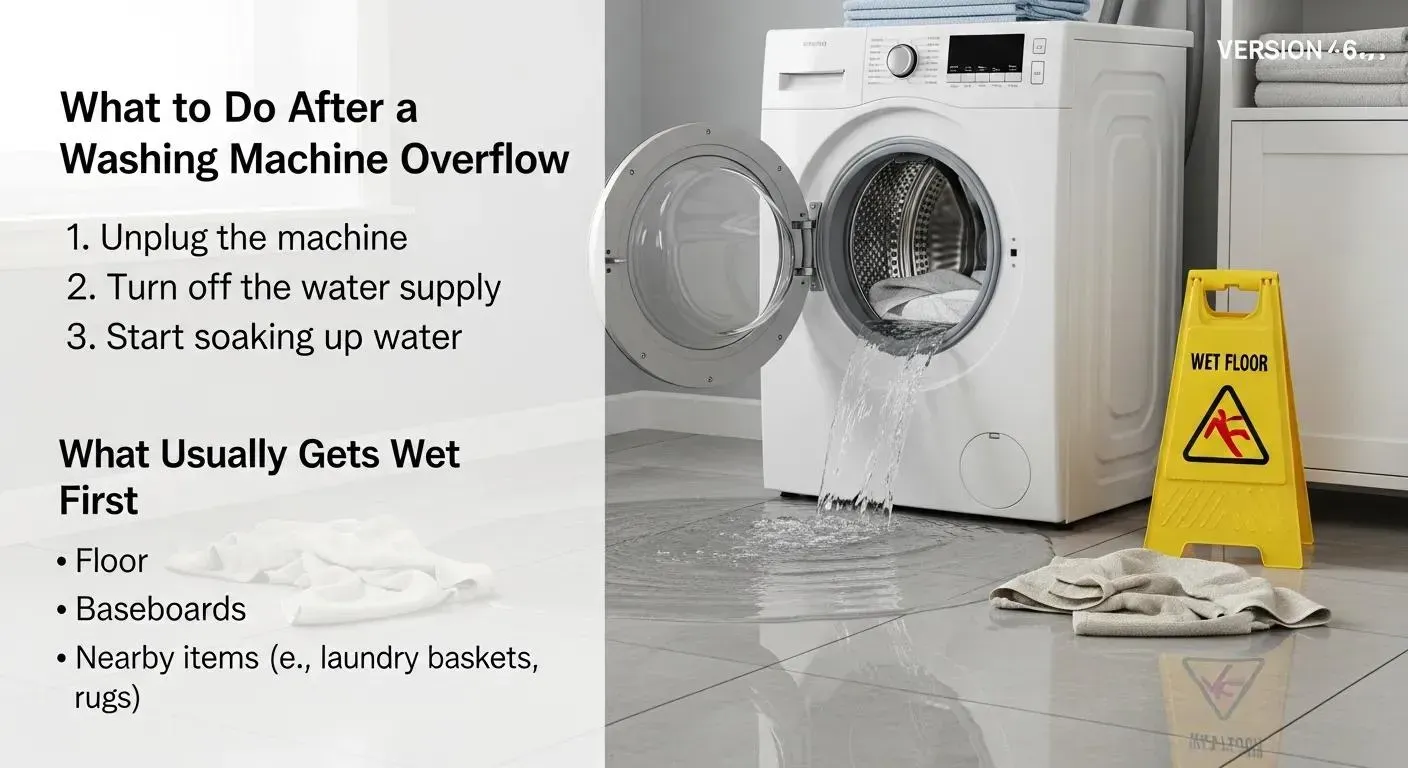
A homeowner had a washing-machine leak cleaned up three days ago. The visible water is gone, the room looks normal, and a fan ran all weekend. But the laminate seam near the laundry threshold still feels slightly raised and the baseboard nearby looks swollen.
That home should not be treated as clearly dry yet. The surface may be fine, but the changed floor seam and trim suggest moisture may still be below the visible layer or in the wall base.
Scenario 2: Ceiling stain is dry to the touch, but the room still smells off
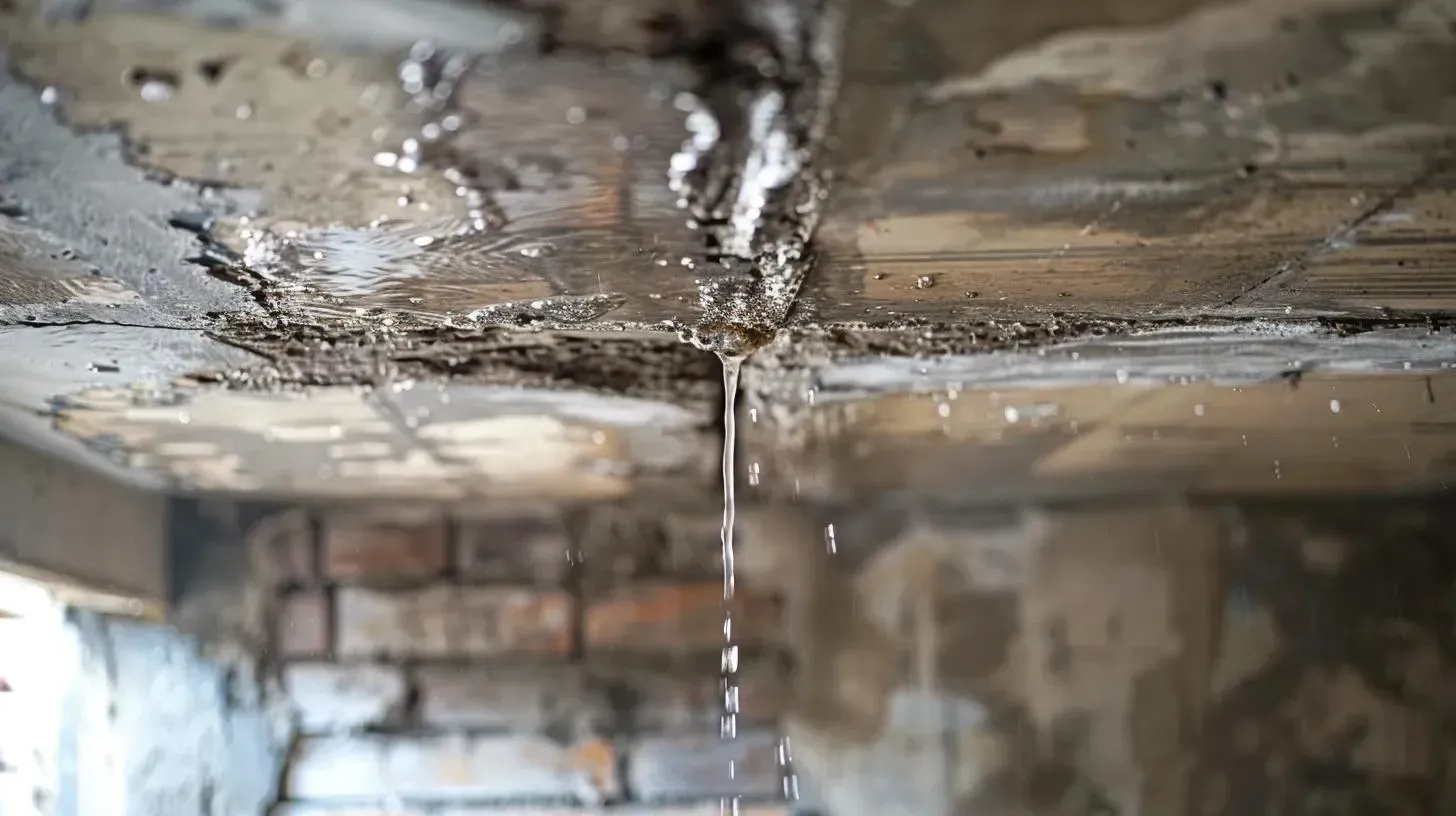
A ceiling leak from an upstairs bathroom stopped after a plumbing repair. The stain feels dry, but the room below still smells musty when the door has been closed for a while. No moisture readings were taken during cleanup.
That is not proof of ongoing moisture, but it is enough uncertainty that verification is still warranted. Odor plus missing measurements is a weaker situation than odor alone with documented dry readings.
What mistakes make homeowners think the house is dry when it is not?
The biggest mistake is using touch as the only test. Dry on the surface is not the same as dry through the assembly. Floors, walls, and cabinets often dry unevenly, especially where water entered from below or from behind.
Another common mistake is relying on time alone. The fact that a few days have passed does not tell you whether a subfloor, insulation pocket, or wall bottom has returned to a normal moisture condition.
A third mistake is treating thermal imaging like final proof. Thermal cameras are useful, but FLIR notes they show temperature differences that may suggest moisture — not confirmed moisture — so verification still requires a moisture meter or other direct measurement. See “How to Detect a Water Leak with Thermal Imaging.”
Red flags that mean you should not assume the house is dry
- A musty smell keeps returning
- Flooring feels soft, raised, cupped, or uneven
- Baseboards, trim, or cabinets are swelling or bubbling
- Stains keep changing, spreading, or coming back
- One room still feels more humid than surrounding rooms
- No one took moisture readings during drying
- Drying equipment was removed based only on appearance or time
- You know water reached layered materials such as subfloor, insulation, or cabinet bases
When should you get professional verification instead of watching it longer?
You should get professional verification when the water affected layered or enclosed materials, when the event was discovered late, when the room still smells or feels different, or when you never received measured drying documentation. The more hidden the water path was, the less reliable visual judgment becomes.
That is especially true after appliance leaks, ceiling leaks, basement events, and any loss that involved flooring systems, wall cavities, insulation, or cabinetry. In those situations, “it looks okay now” is weaker than measured evidence.
If you need Denver drying verification or moisture inspection, this is the main service page this article supports. See “Accountable Home Services – Water Damage Restoration.”
FAQ: how to know if your house is dry after water damage
Can a house feel dry but still have hidden moisture?
Yes. Surface dryness can return before wall cavities, subfloors, insulation, trim, or cabinet bases are actually dry.
Is thermal imaging enough to confirm dryness?
No. Thermal imaging helps locate suspicious patterns, but those areas still need confirmation with moisture measurement.
How long does it take for a house to dry after water damage?
Drying time varies too much by material, spread, and conditions for a single answer to prove anything. This page is about verification, not timeline assumptions.
Is a musty smell a sign the house is still wet?
It can be. A recurring musty smell is a warning sign that moisture or microbial activity may still be present somewhere.
What is a dry standard?
It is a baseline moisture condition taken from an unaffected comparable material or area, used to judge whether the affected material has returned close enough to normal.
Final takeaway
The safest way to know whether your house is actually dry after water damage is not to rely on appearance, touch, or time alone. It is to combine obvious signs with moisture verification and compare affected materials to a true dry reference. That is how you separate “looks better” from “is actually dry enough.”
If you need emergency water damage restoration or drying verification in Denver, use the main service page this article is designed to support. See “Accountable Home Services – Water Damage Restoration.”