BLOG
Water Damage Categories and Classes Explained in Plain English

Water damage gets labeled in two different ways, and that is where many homeowners get confused. One label tells you how contaminated the water is. The other tells you how difficult the structure will be to dry.
This guide focuses only on categories and classes. It is not a full mitigation-vs-restoration glossary, pricing article, or insurance explainer. If you need emergency help in Denver while you sort out what those terms mean. See “Accountable Home Services – Water Damage Restoration.”
What is the difference between a water damage category and a class?
A category tells you how risky the water is from a contamination and health standpoint. A class tells you how much water was absorbed and how hard the affected materials may be to dry.
That means category answers the question, “How dirty or hazardous is this water?” Class answers the question, “How big and how difficult is the drying job?” Once you separate those two ideas, the terminology becomes much easier to follow.
| Term | What it describes | Main question it answers | Why it matters |
|---|---|---|---|
| Category 1, 2, or 3 | Contamination level of the water | How safe is contact with this water? | It affects safety, cleanup methods, and whether disinfection is likely needed |
| Class 1, 2, 3, or 4 | Extent of absorption and drying difficulty | How much of the structure is wet, and how hard will it be to dry? | It affects drying strategy, equipment needs, and likely project complexity |
What do Category 1, Category 2, and Category 3 mean in plain English?
Think of categories as a sliding scale of contamination. Category 1 starts with relatively sanitary water. Category 2 means the water is significantly contaminated and can cause discomfort or sickness. Category 3 is grossly unsanitary water, often associated with sewage, floodwater, or heavily contaminated sources.
The category matters because it changes how cautious the response should be. The same amount of water can lead to very different cleanup decisions depending on what is in it.
| Water category | Plain-English meaning | Common examples | What it usually changes |
|---|---|---|---|
| Category 1 | Clean or sanitary source water at the start | Broken supply line, sink overflow, tub overflow, appliance supply-line leak | Lower health risk at the start, but still time-sensitive |
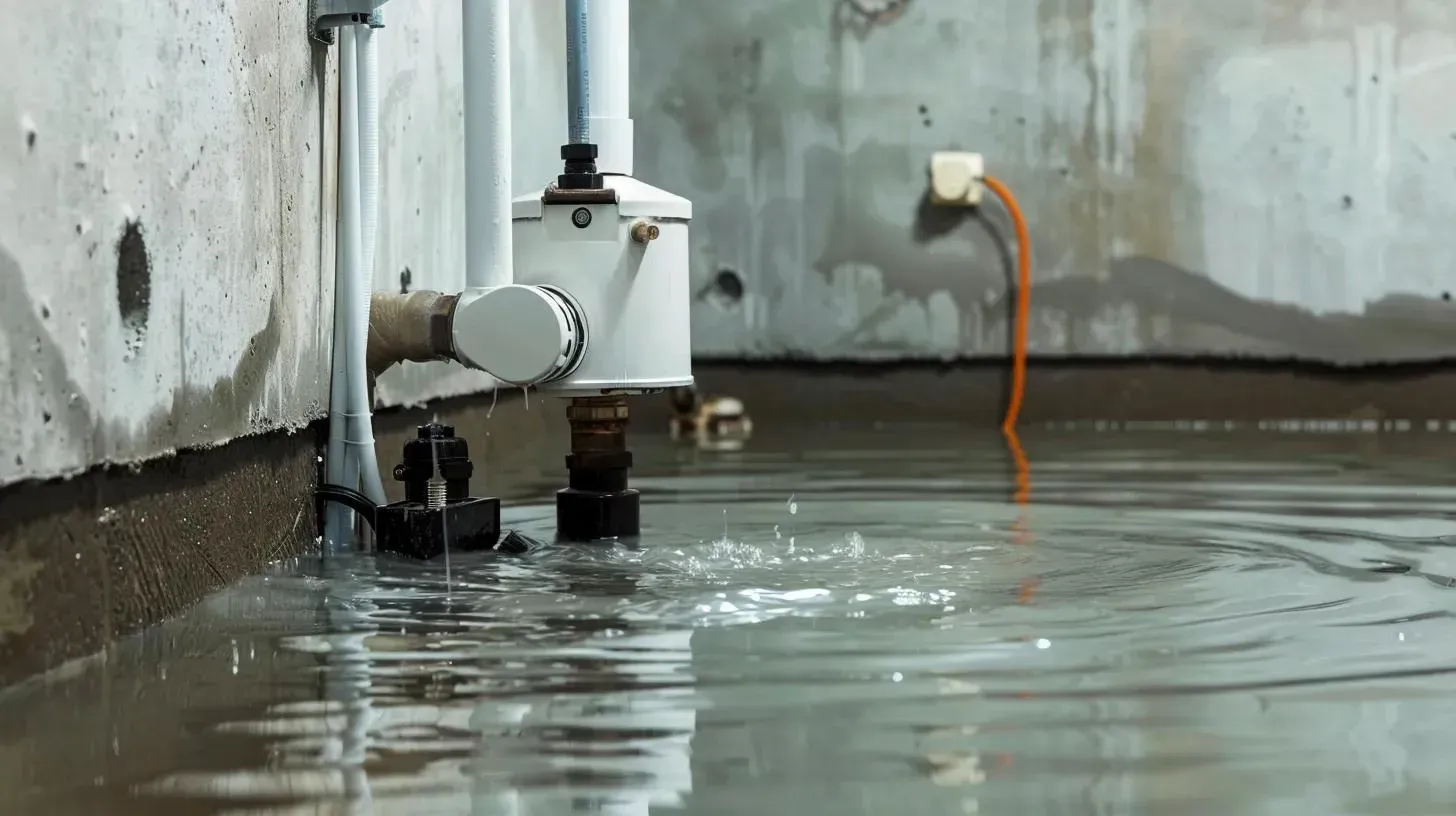
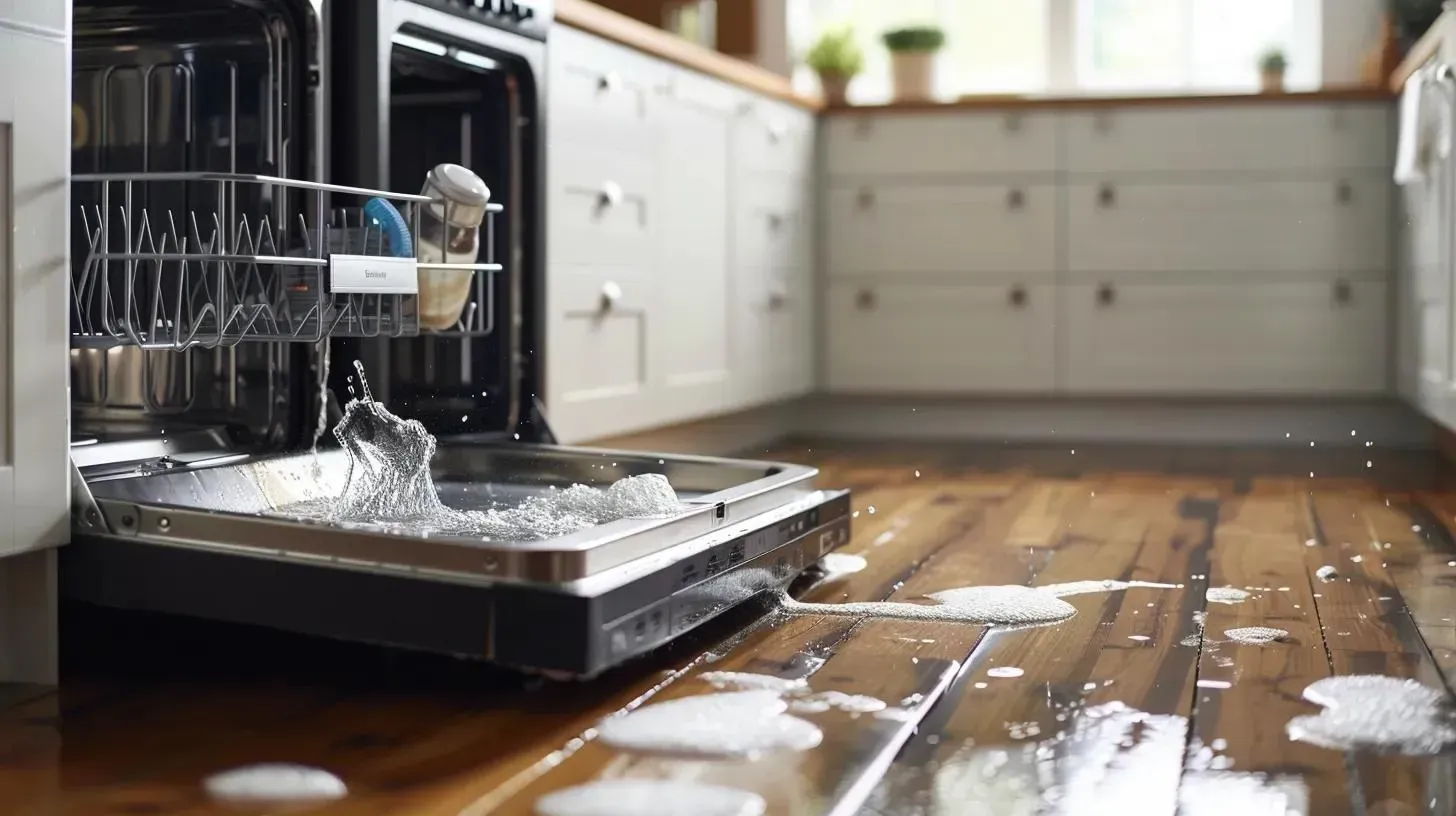
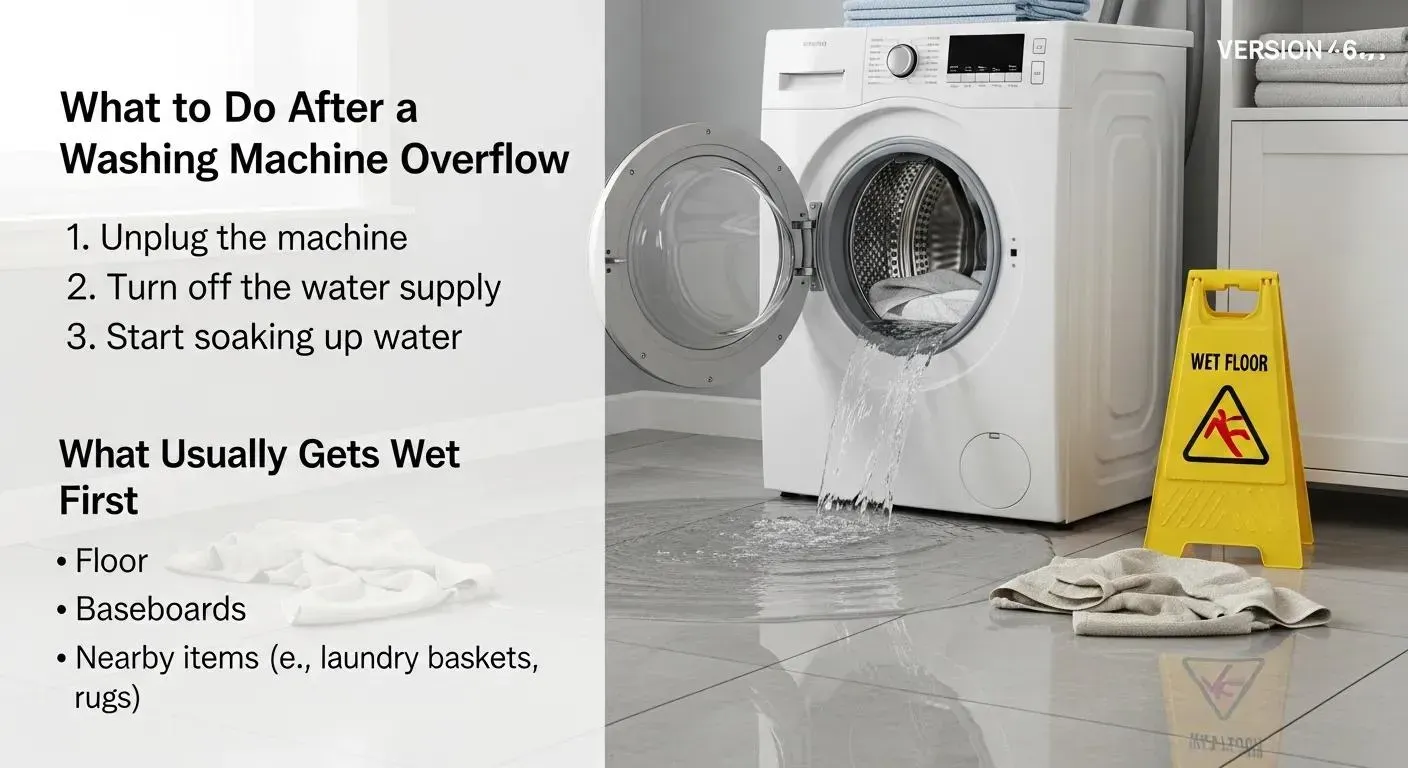
| Category 2 | Water with significant contamination | Dishwasher discharge, washing machine discharge, some toilet overflows, some sump-related or seepage situations | More caution, more cleaning, more concern about materials that absorbed it |
| Category 3 | Grossly unsanitary water | Sewage backup, river or stream water, some floodwater, toilet backflow beyond the trap | High hazard level, stronger safety precautions, and more aggressive cleanup decisions |
If the water may be contaminated or you are dealing with a sewage-related event, this is the relevant service path on the site. See “Accountable Home Services – Sewage Cleanup.”
What do Class 1, Class 2, Class 3, and Class 4 mean in plain English?
Think of classes as the drying side of the job. A lower class usually means a smaller, simpler dry-out. A higher class usually means more materials are wet, the water spread is broader, or the materials hold water more deeply and require a more specialized drying approach.
Class does not tell you whether the water is clean or dirty. It tells you how much of the structure was affected and how hard the moisture is likely to remove.
| Water class | Plain-English meaning | Typical pattern | Why it matters |
|---|---|---|---|
| Class 1 | Small, limited, relatively simple dry-out | Only part of a room is wet, often with lower-absorption materials | Lowest drying complexity |
| Class 2 | Broader spread, faster evaporation load | An entire room or large portion of a room is affected; carpet, cushion, flooring, or lower walls may be wet | More equipment and more material monitoring are often needed |
| Class 3 | Widespread saturation, often from overhead | Ceilings, walls, insulation, carpet, and subfloor may all be involved | High drying complexity and quick escalation risk |
| Class 4 | Deeply held or bound water in harder-to-dry materials | Hardwood, plaster, concrete, masonry, multilayer assemblies | Specialty drying methods and more time are often needed |
If you want the service path behind the drying side of this topic, this is the best bridge page on the site. See “Accountable Home Services – Water Mitigation.”
Can a clean-water loss still be a big project?
Yes. That is one of the most important things homeowners miss. A loss can start as relatively clean water and still become a large, difficult drying project if it spreads across multiple rooms, comes from overhead, soaks insulation and subflooring, or sits long enough to contaminate materials.
That is why it helps to think of category and class as two different dimensions. One describes contamination. The other describes drying difficulty. A water-loss event can be lower-risk from a contamination standpoint but still be large and structurally complicated.
Quick homeowner checklist
- Ask what category the water is and why.
- Ask what class the drying job is and what materials are driving that classification.
- Ask whether the water source is still active.
- Ask what materials are wet beyond the visible surface.
- Ask whether the classification could change if the water sits longer.
- Ask what safety precautions apply to the current category.
- Ask what drying verification will be used before equipment is removed.
- Ask which parts of the home are most likely to hold hidden moisture.
Why do these labels matter in the real-world response?
These labels are not just industry jargon. They help shape the practical response. Category affects how careful the crew needs to be around contamination, what can safely be cleaned versus what may need removal, and how much direct contact a homeowner should avoid. Class affects how aggressive and targeted the drying plan needs to be.
In other words, category helps answer “How careful do we need to be?” and class helps answer “How big and technical is the dry-out?” That is the information most homeowners actually need from these terms.
If you are trying to understand what the labels mean for your own Denver loss, this is the main service page this article supports. See “Accountable Home Services – Water Damage Restoration.”
How can the category change over time?
Water that starts out cleaner can become more contaminated if it sits, contacts dirty materials, or remains trapped long enough for conditions to worsen. That is one reason fast extraction and drying matter even when the source looks relatively harmless at first.
A homeowner should not treat “clean water” as a permanent label. The longer the water sits in flooring, drywall, cabinets, insulation, or debris, the less useful that original label may become for practical decision-making.
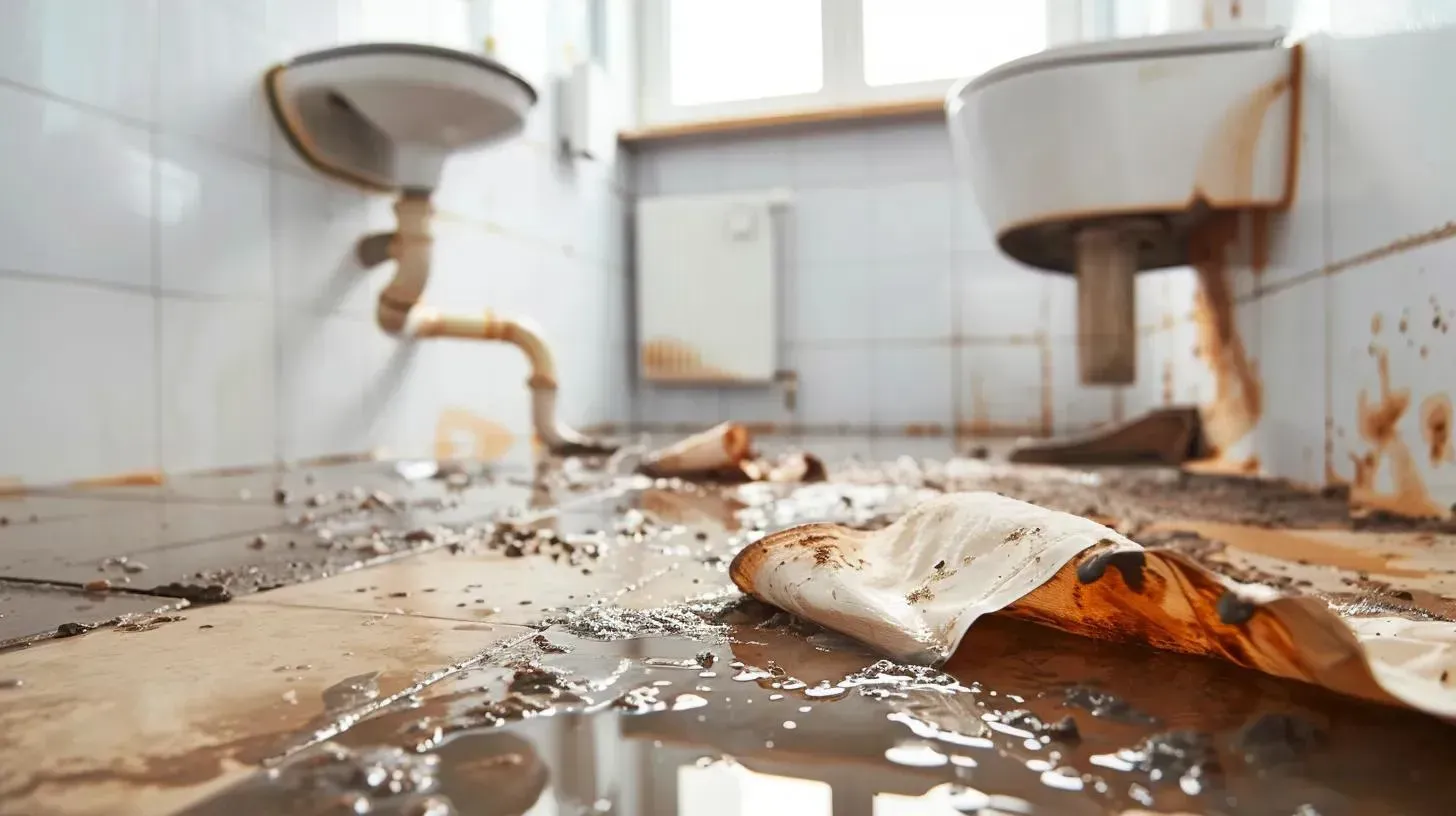
What does this look like in real life?
Real examples make the labels much easier to understand than definitions alone.
Scenario 1: Burst supply line in an upstairs bathroom
A supply line fails and sends relatively clean water through the bathroom, into the hallway, and into the ceiling below before anyone notices. The water may begin as Category 1 because of the source, but the event can still become a large Class 3 drying project because ceilings, walls, insulation, and flooring are now involved.
That is why “clean water” does not automatically mean “small job.” The contamination level and the drying difficulty are different questions.
Scenario 2: Small sewage backup caught quickly in one bathroom
A sewage-related backflow is caught early and stays limited to a small bathroom floor. The affected area may be physically smaller than the first scenario, but the category is much more serious because the contamination risk is higher.
That event may be a smaller class than the upstairs burst pipe, but a more hazardous category. Again, the two labels answer different questions.
What mistakes do homeowners make with categories and classes?
The most common mistake is thinking the numbers all mean the same thing. They do not. Category 2 is not “better” or “worse” than Class 2 in any direct way, because the words are measuring different things.
Another common mistake is assuming that cleaner water means an easy project. A Category 1 leak can still spread into ceilings, insulation, wood flooring, or multiple rooms and become technically difficult to dry.
A third mistake is focusing only on the size of the puddle. A small visible spill can still turn into a deeper Class 4 issue if the water is trapped in hardwood, concrete, plaster, or other low-permeance materials.
Red flags that mean the labels matter more than you think
- The water source may be contaminated or unknown.
- Water came from overhead and spread into walls or ceilings.
- Hardwood, plaster, concrete, or multilayer flooring got wet.
- The event was discovered late and the water sat for hours or longer.
- A room looks mostly dry, but materials still feel altered or swollen.
- There is confusion about whether the problem is “clean water” or just clear-looking water.
What should a homeowner actually do with this information?
Use categories and classes to ask better questions, not to self-certify the whole loss. These labels are most useful when they help you understand risk, urgency, and why one water loss may need a very different response than another.
If the water may be contaminated, act more cautiously. If the class sounds more severe, expect the drying side to be broader or more technical than a simple surface cleanup. And if you are hearing both labels during an inspection, you now know they are describing two different parts of the same event.
If you need Denver water mitigation and restoration help, this is the main service page this article is meant to support. See “Accountable Home Services – Water Damage Restoration.”
FAQ: water damage categories and classes explained
Is Category 3 always the worst situation?
From a contamination standpoint, yes, Category 3 is the most hazardous. But a smaller Category 3 event can still be physically smaller than a massive Class 3 or Class 4 clean-water loss.
Is Class 4 the same thing as black water?
No. Class 4 is about drying difficulty in low-permeance or specialty materials. Black water refers to Category 3 contamination.
Can Category 1 water become more serious if it sits?
Yes. Water that starts cleaner can become more problematic over time as it sits, contacts materials, and contamination conditions change.
Why would a small-looking leak still need specialized drying?
Because the visible spill is not always the whole job. Water trapped in hardwood, plaster, concrete, subfloors, or multilayer assemblies can be much harder to dry than a larger puddle on an easy surface.
Should homeowners try to classify the loss themselves?
You can use the labels to understand what is being discussed, but the safer approach is to treat them as guidance for asking better questions rather than as a DIY final verdict.
Final takeaway
Water damage categories and classes are easier to understand once you separate the two ideas. Categories tell you how contaminated the water is. Classes tell you how difficult the drying job is likely to be. That is why a loss can look “clean” but still be technically serious, or look limited in size but carry a much bigger contamination concern.
If you need emergency water damage restoration in Denver, use the main service page this article is designed to support. See “Accountable Home Services – Water Damage Restoration.”
For the industry framework behind these labels, see the IICRC standards page. The IICRC standards establish industry-accepted terminology and best practices for inspection, cleaning, and restoration work. See “IICRC Standards.”
Restoration guides often use two labels together: categories to define contamination level (from clean to hazardous water) and classes to describe the scope and drying difficulty (from minimal to extensive saturation). These frameworks help determine both safety precautions and drying approach. See “Three Categories of Water Damage” and “Four Classes of Water Damage.”