Fire Damage Restoration Cost in Denver: Smoke, Soot, Odor Removal, and Rebuild Factors
This guide answers one question: What drives the cost of fire damage restoration in Denver, and what should be included versus priced separately?
Not covered: step-by-step emergency actions, detailed cleaning instructions for DIY, or water-damage pricing in general. (We only mention water when it’s part of a fire loss from extinguishing.)
For your canonical service overview, keep BOFU details on:
- Fire damage restoration
- Water damage restoration (when firefighting water creates a second loss).
External high-trust references (safety + standards):
- IICRC S500 overview (industry best-practice framework).
- EPA wildfire smoke and indoor air quality guidance.
- Public health soot/smoke cleanup guidance (PDF).
What determines the cost of fire damage restoration?
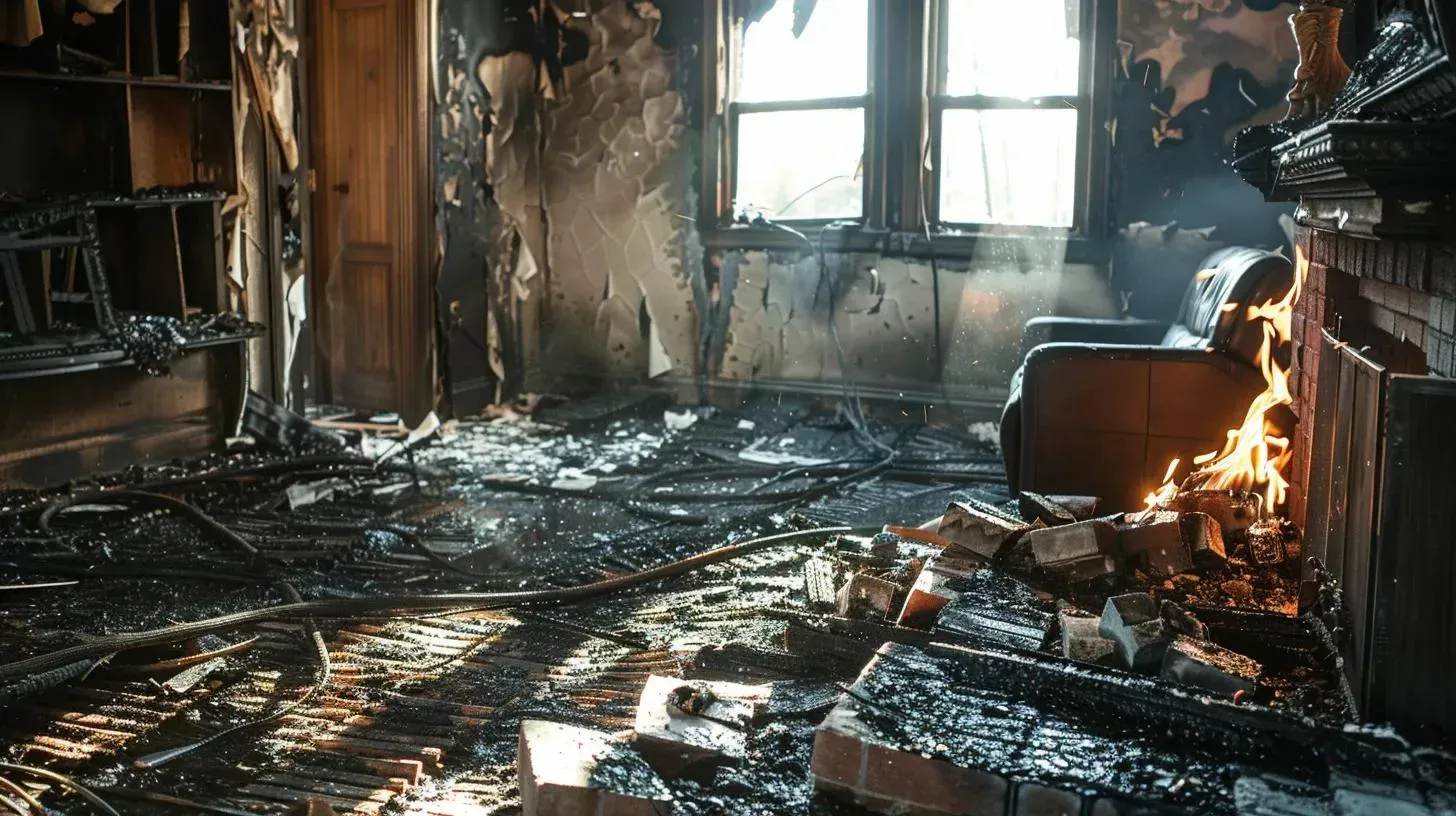
Fire restoration cost is driven by how far smoke/soot traveled, what materials were affected, whether there’s structural charring, and whether you also have water damage from suppression. The visible “burn area” is often a smaller part of the total scope than smoke residue and odor migration.
Instead of relying on a single “average,” the most useful approach is to understand what scope you’re paying for and how to compare estimates.
What are you actually paying for in a fire restoration estimate?
Most fire restoration estimates break into a few buckets: site protection and debris work, smoke/soot cleaning, odor control, specialty cleaning (HVAC/contents as scoped), and repairs/rebuild.
A clear estimate should describe:
- The included boundary (which rooms/levels)
- The residue type (light smoke film vs heavy soot)
- The odor plan (how odors are addressed and verified)
- What is excluded (repairs, contents, HVAC, specialty surfaces)
Smoke-only, soot-heavy, and structural fire: how the scope changes
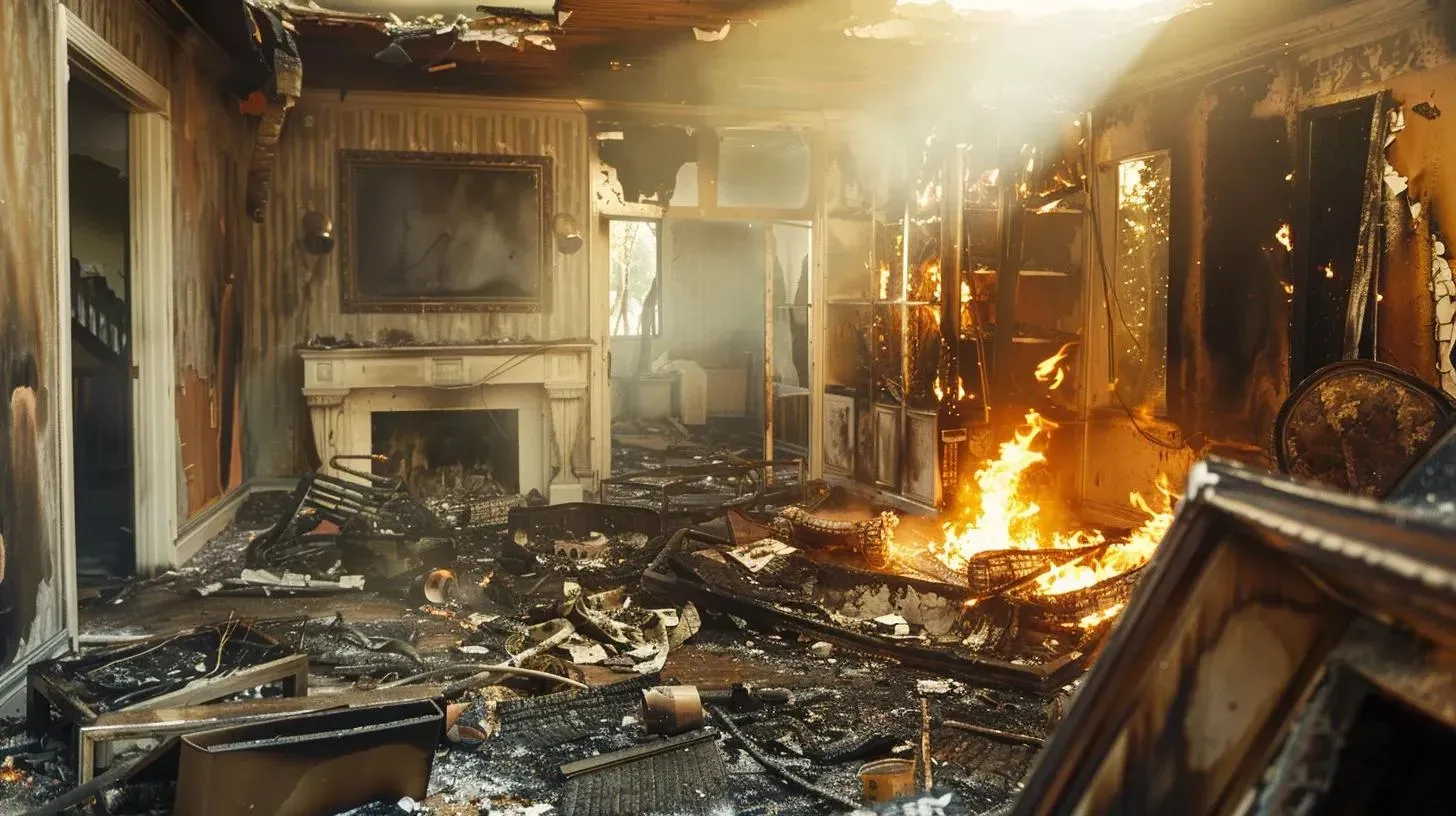
The biggest pricing jumps happen when a job shifts from “clean and deodorize” to “remove materials and rebuild.”
Scope comparison table (what type of loss you have)
| Loss type (plain language) | Typical scope focus | Why costs change | What to confirm in writing |
|---|---|---|---|
| Smoke odor with light residue | Surface cleaning + odor control | Less demolition, shorter scope boundary | Which rooms are included for odor removal and verification? |
| Soot on surfaces (walls/ceilings/contents) | Detailed soot cleaning + possible seal/prime steps | Labor increases; more surfaces and detailing time | Which surfaces are cleaned vs sealed or primed, and what’s excluded? |
| Heavy soot + residue in multiple rooms | Wider boundary + containment + deeper cleaning | More rooms, more detailing, more verification time | How do you prevent cross-contamination into clean areas? |
| Structural charring / materials burned | Selective demolition + rebuild + smoke/odor work | Repairs and code or permitting needs can dominate cost | What is cleanup versus rebuild, and who owns each scope? |
| Firefighting water present | Adds extraction + drying + monitoring | Second loss can extend timeline and equipment needs | What is being dried or verified due to water, and how is it documented? |
If water was used to extinguish the fire and materials absorbed it, drying and monitoring are typically separate from smoke cleaning. Canonical overview: Water Damage Restoration
The biggest fire restoration cost drivers (what moves the number)
Most estimates vary based on these factors:
- Room count and boundary size: Smoke moves through airflow pathways; the boundary is often bigger than the burn zone.
- Residue intensity: Light smoke film is different from greasy soot that clings to surfaces and contents.
- Material sensitivity: Porous items (textiles, unfinished wood) and delicate finishes require more specialized work.
- Odor migration: Odors can embed in insulation, carpets, and HVAC systems, increasing scope.
- Structural damage and demolition: Charred materials often require removal and later rebuild.
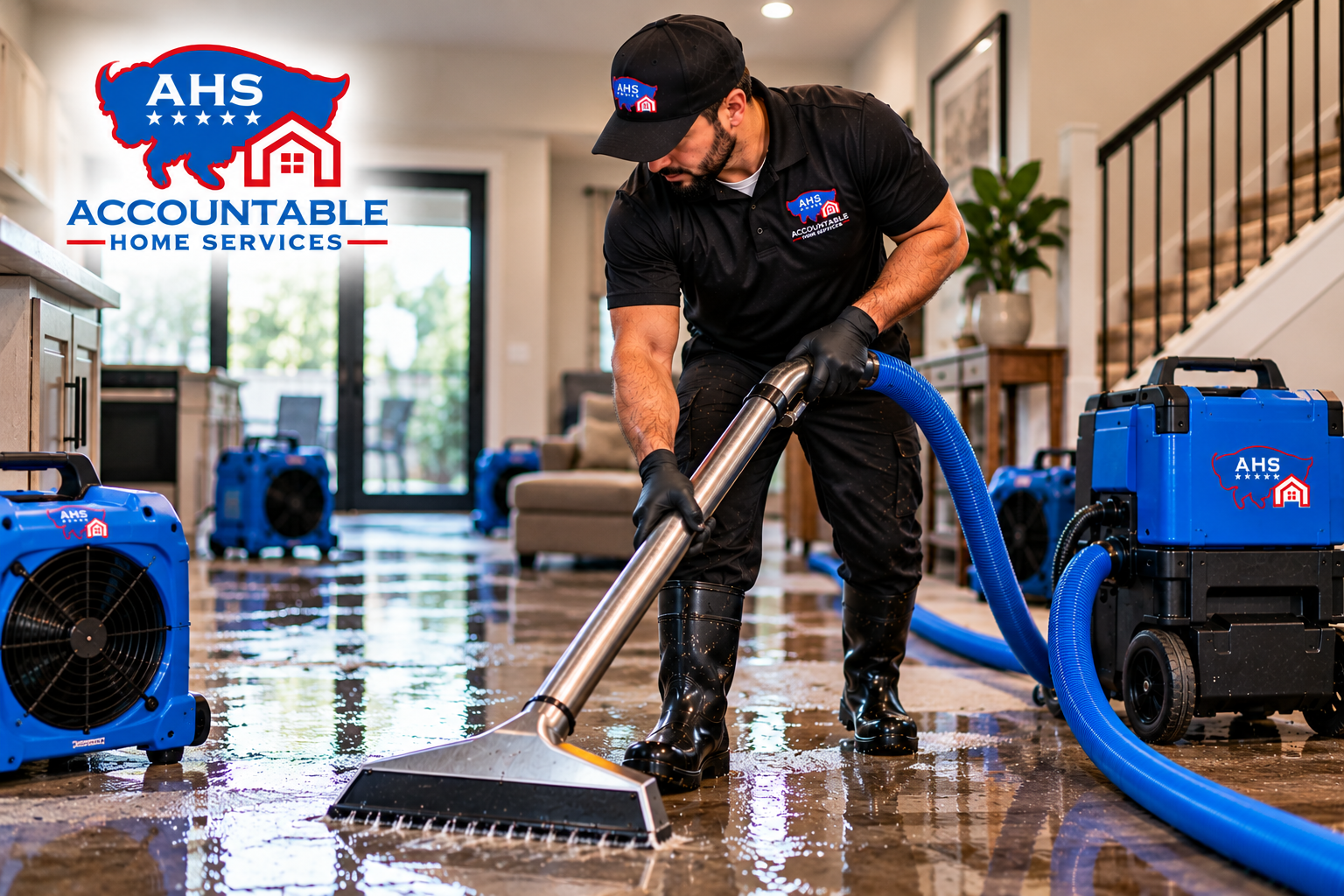
- Water from suppression: Extraction, drying equipment time, and moisture verification can add meaningful scope.
- Contents handling: Packing out, cleaning, and storing contents can be a major separate line item.
- HVAC involvement: If smoke residue entered returns/ducts, cleaning scope may be expanded (only if specifically included).
What’s usually included vs priced separately?
Fire restoration can be confusing because multiple scopes overlap (cleanup, deodorization, rebuild, contents). Here’s a practical way to read an estimate.
Often included (depending on scope)
- Site protection (boarding/temporary barriers) and debris handling (as scoped)
- Smoke/soot cleaning of listed surfaces
- Odor control steps described in the estimate
- Documentation of affected areas and scope boundaries
Often separate (or explicitly excluded)
- Rebuild/repairs: drywall replacement, flooring replacement, paint, trim, cabinetry
- Specialty surface restoration: stone, fine wood, specialty coatings (unless included)
- Contents restoration: furniture/textiles/electronics cleaning (often a separate program)
- HVAC cleaning or filter replacements (unless included)
- Permitting/code-required upgrades (varies by local requirements and scope)
Internal service references for BOFU pages (keep these links light and non-salesy):
- Fire damage restoration
- Water mitigation (if water spread needs stabilization).
Checklist: how to compare two fire restoration estimates (without getting tricked)
Use this checklist to compare scope quality, not just price.
- Does each estimate define the boundary (which rooms/levels are included)?
- Does it clarify smoke residue intensity (light smoke vs heavy soot) and match the cleaning approach to it?
- Is odor removal described in plain language (methods + what “done” looks like)?
- Are repairs/rebuild clearly separated from cleanup work?
- If there is water from suppression, does it include drying and moisture verification steps?
- Are contents and HVAC clearly stated as included or excluded?
- Are exclusions written (so you don’t assume something was covered)?
Public health guidance emphasizes careful cleanup and protective measures when dealing with soot and smoke residues.
Common mistakes and red flags that increase the final cost
Most “surprise” costs come from scope gaps—especially when odor, hidden soot, or water from suppression is underestimated.
Red flags
- The estimate doesn’t define the boundary (no clear included rooms/levels)
- Odor removal is promised but not described (no method, no verification)
- Repairs are bundled vaguely into “restoration” without listing materials and finishes
- Water from extinguishing is treated as a minor detail (no drying/verification plan)
- The scope ignores HVAC/returns entirely even though smoke traveled widely (only matters if included)
A reliable principle is that smoke/soot and moisture problems are solved by removal/cleaning and verified drying, not by cosmetic cover-ups. (EPA)
Two realistic scenarios (how scope changes cost)
Scenario 1: Kitchen fire with heavy smoke but limited structural burning
The burn area is contained to the stove zone, but smoke and odor traveled into adjacent rooms. The scope shifts from “repair the burn zone” to “clean and deodorize the boundary,” often including detailed soot cleaning on surfaces and odor control across multiple rooms. Repairs might be modest, but labor for cleaning and verification can be significant.
Helpful internal references:
- Fire restoration overview
Scenario 2: Small bedroom fire plus water from suppression
Structural burning requires selective demolition and rebuild. Water from extinguishing soaks flooring edges and wall bottoms, adding extraction, drying equipment time, and moisture verification before repairs. Cost drivers become “rebuild + drying + monitoring,” not just soot cleanup.
Helpful internal references:
- Water damage workflow (when water is part of the fire loss).
- Structural drying (definition-level reference).
Frequently Asked Questions
Is smoke damage cheaper than fire damage?
Often yes, because smoke-only losses can be more cleaning-and-odor focused, while fire losses often include demolition and rebuild. The boundary size and residue intensity still matter.
Why does odor removal affect the estimate?
Because odor can migrate into porous materials and HVAC pathways, and it may require multiple steps and verification to resolve.
If firefighters used water, is that a separate restoration scope?
It can be. Water from suppression can require extraction, drying equipment, and moisture verification before repairs. Canonical overview: Water-Damage-Restoration
Do I need to clean soot myself before a professional visit?
Be careful. Public health guidance recommends protective measures and careful cleanup to avoid spreading soot and irritating the lungs/skin.