Mold Remediation Cost in Denver: Testing, Containment, and Removal (What Changes the Price)
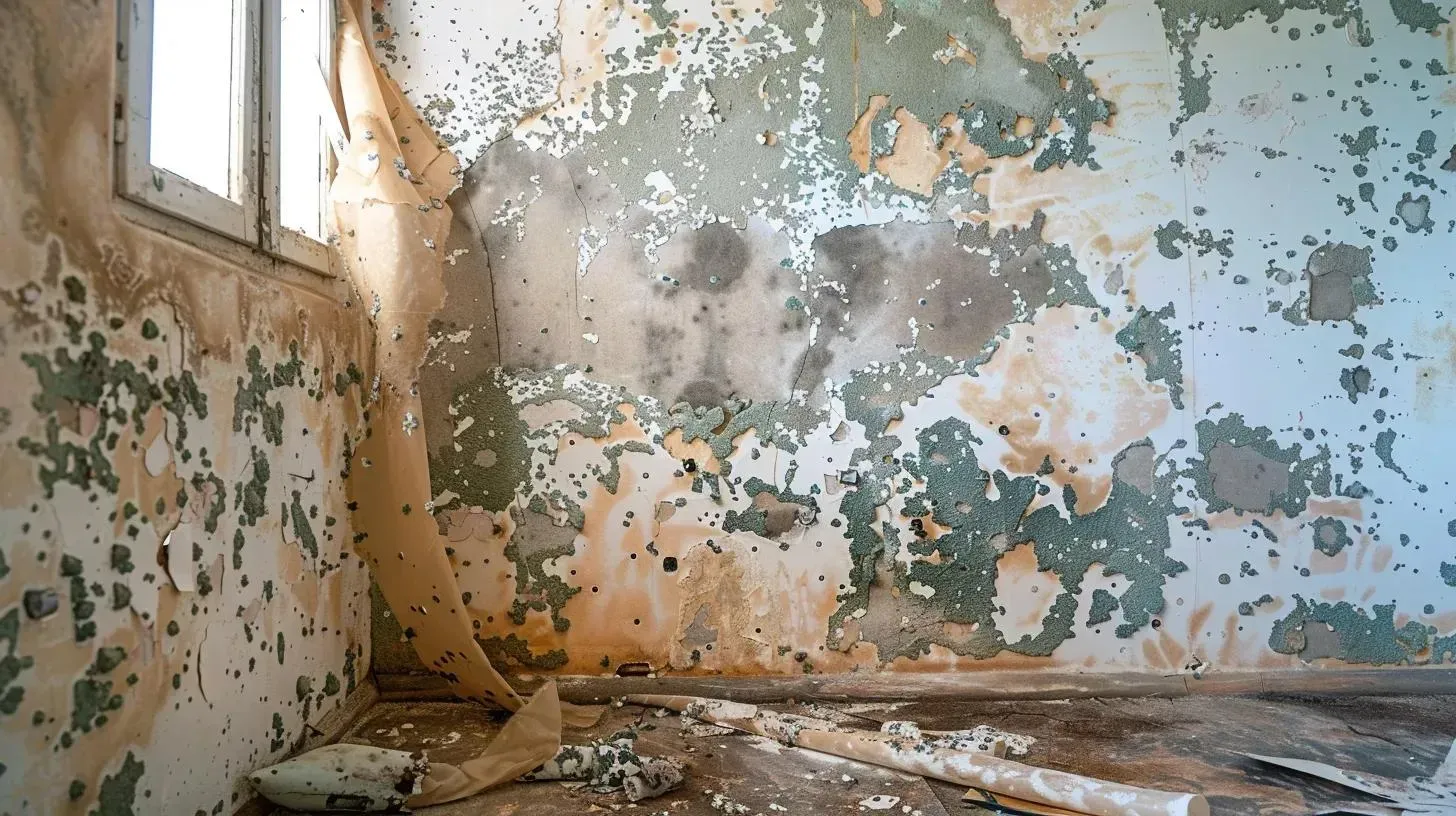
This guide answers one question: What drives mold remediation cost in Denver, and what should be included in a proper remediation scope?
Not covered: mold prevention timing after water damage (separate intent), general water restoration pricing, or medical advice. For mold timing/prevention in the first 48 hours after water damage, keep that separate here: https://www.accountablehomeservices.com/blog/how-fast-mold-grows-after-water-damage
Internal canonical service reference for mold remediation.
Authoritative mold guidance used for general best practices (not pricing):
How much does mold remediation cost in Denver?
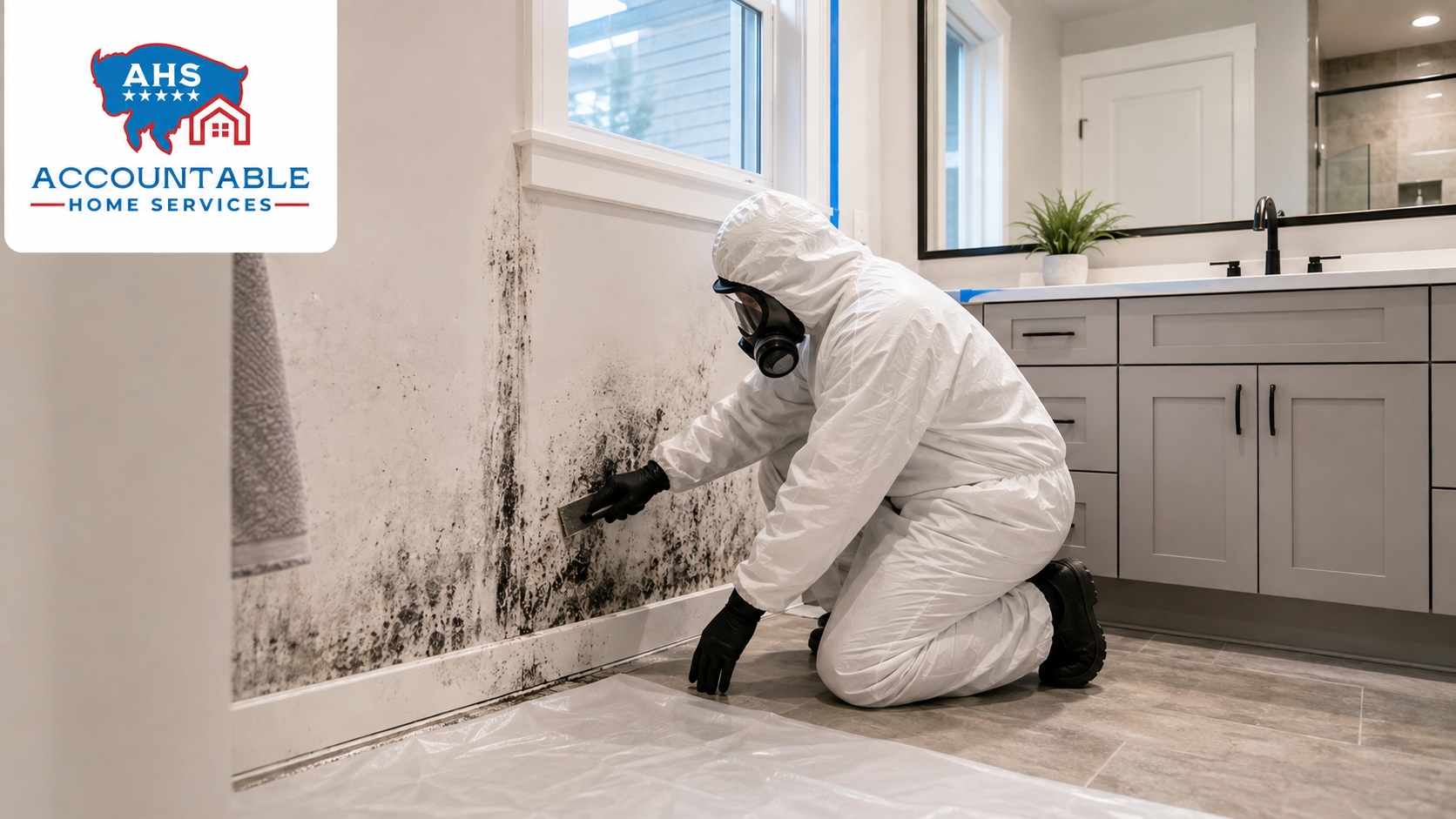
Mold remediation cost varies widely because it depends on how much area is affected, how difficult it is to access, and what level of containment and material removal is required. Online “average” numbers are often not helpful unless they also explain the scope assumptions.
A better way to estimate is to understand what drives scope and what line items typically appear in a remediation proposal.
What are you actually paying for in a mold remediation estimate?
A remediation estimate typically reflects four buckets: inspection/planning, containment and safety controls, removal/cleaning, and post-remediation verification steps (when included).
Internal references (kept informational):
- Mold remediation service.
- If mold is connected to a moisture event, keep the water-restoration workflow canonical here.
What factors increase mold remediation cost the most?
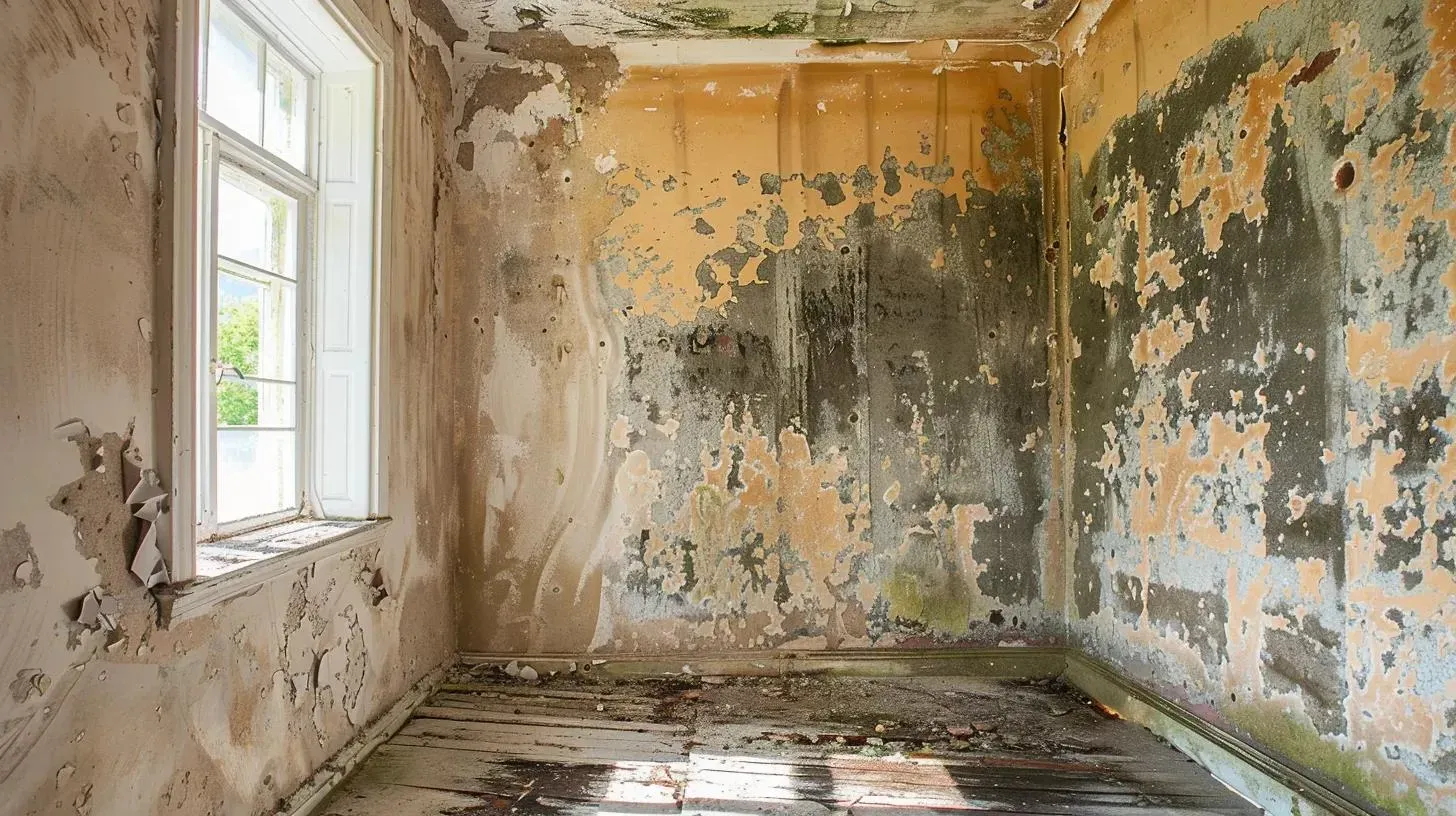
The biggest cost drivers are area size, access, material removal, containment complexity, and whether the root moisture problem is resolved.
Mold remediation cost-driver table
| Cost driver | Why it increases scope | What it looks like in a home | What to ask on an estimate |
|---|---|---|---|
| Affected area size | More labor, more removal, more cleaning | Several rooms vs a small closet patch | What is the included remediation boundary? |
| Location and access difficulty | Tight spaces require more time and setup | Crawlspaces, behind built-ins, attic corners | What access is needed to reach all affected materials? |
| Materials involved (porous vs non-porous) | Porous materials often require removal | Drywall, insulation, carpet padding | Which materials are being removed vs cleaned, and why? |
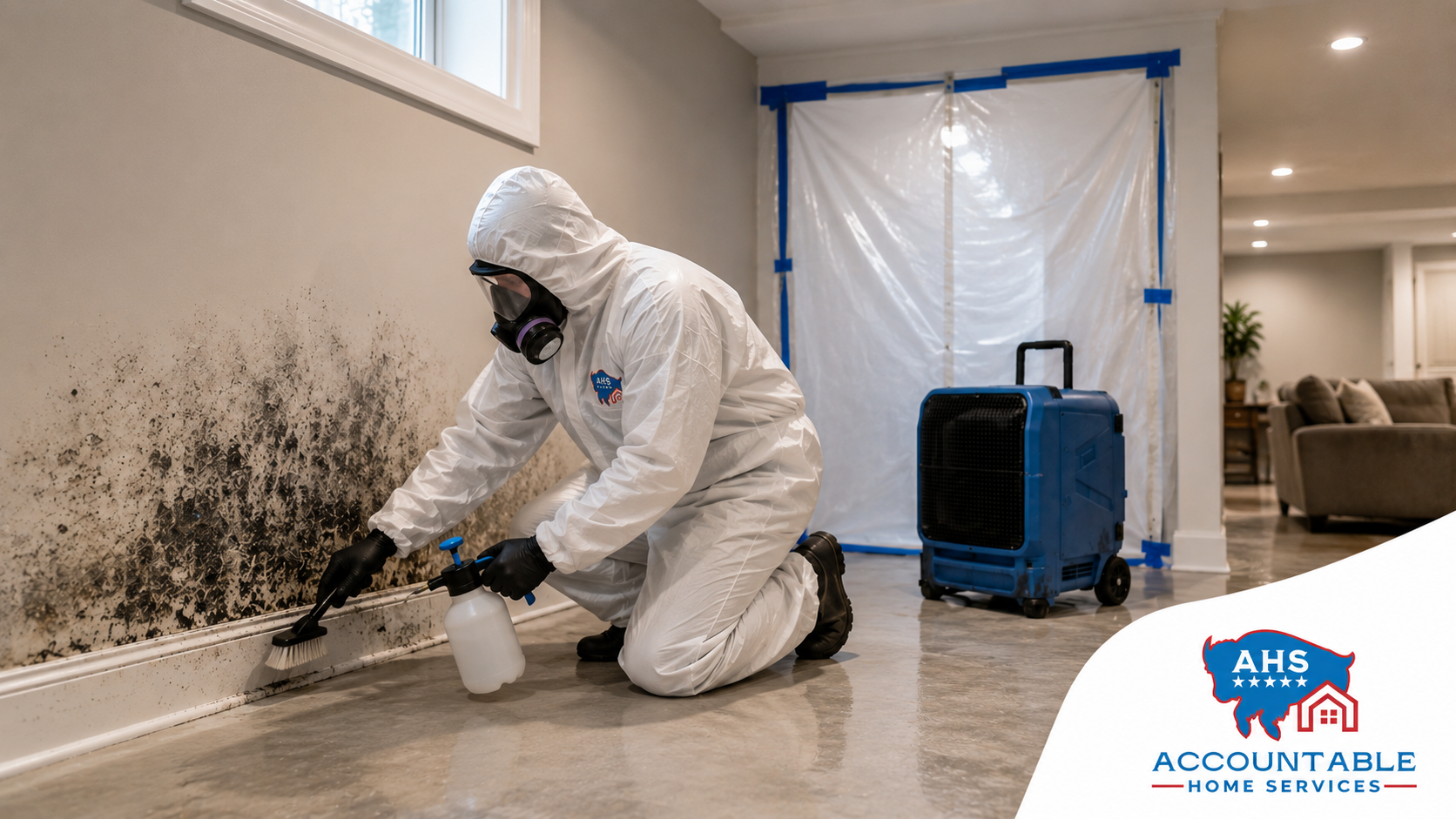
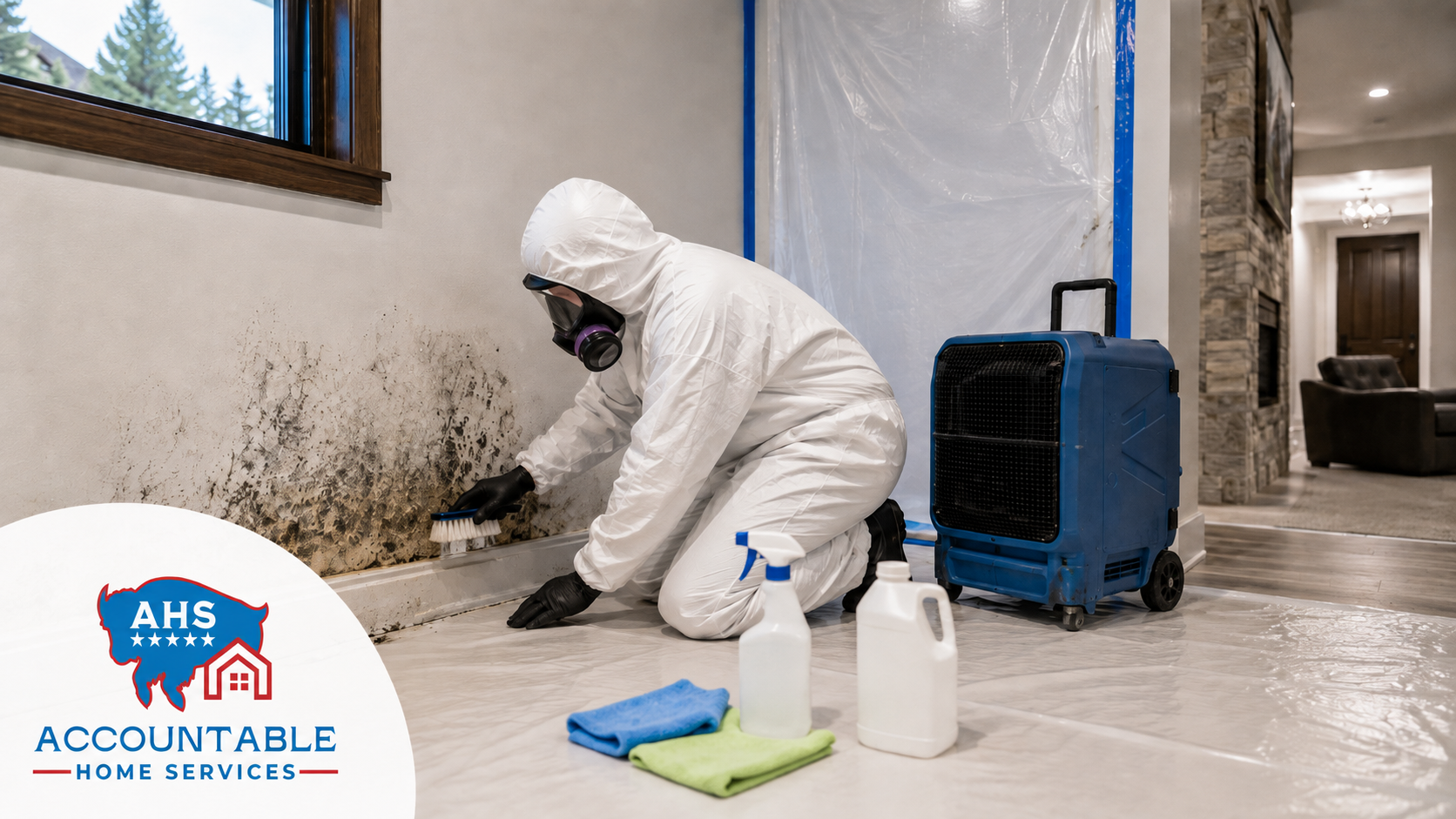
| Containment level | Prevents spores and dust from spreading | Plastic barriers, controlled pathways, negative air/filtration | What containment is included to protect unaffected areas? |
| Degree of disturbance/demolition | Opening walls adds labor and rebuild coordination | Cutting access, removing baseboards or drywall sections | What demo is required and who handles repairs after? |
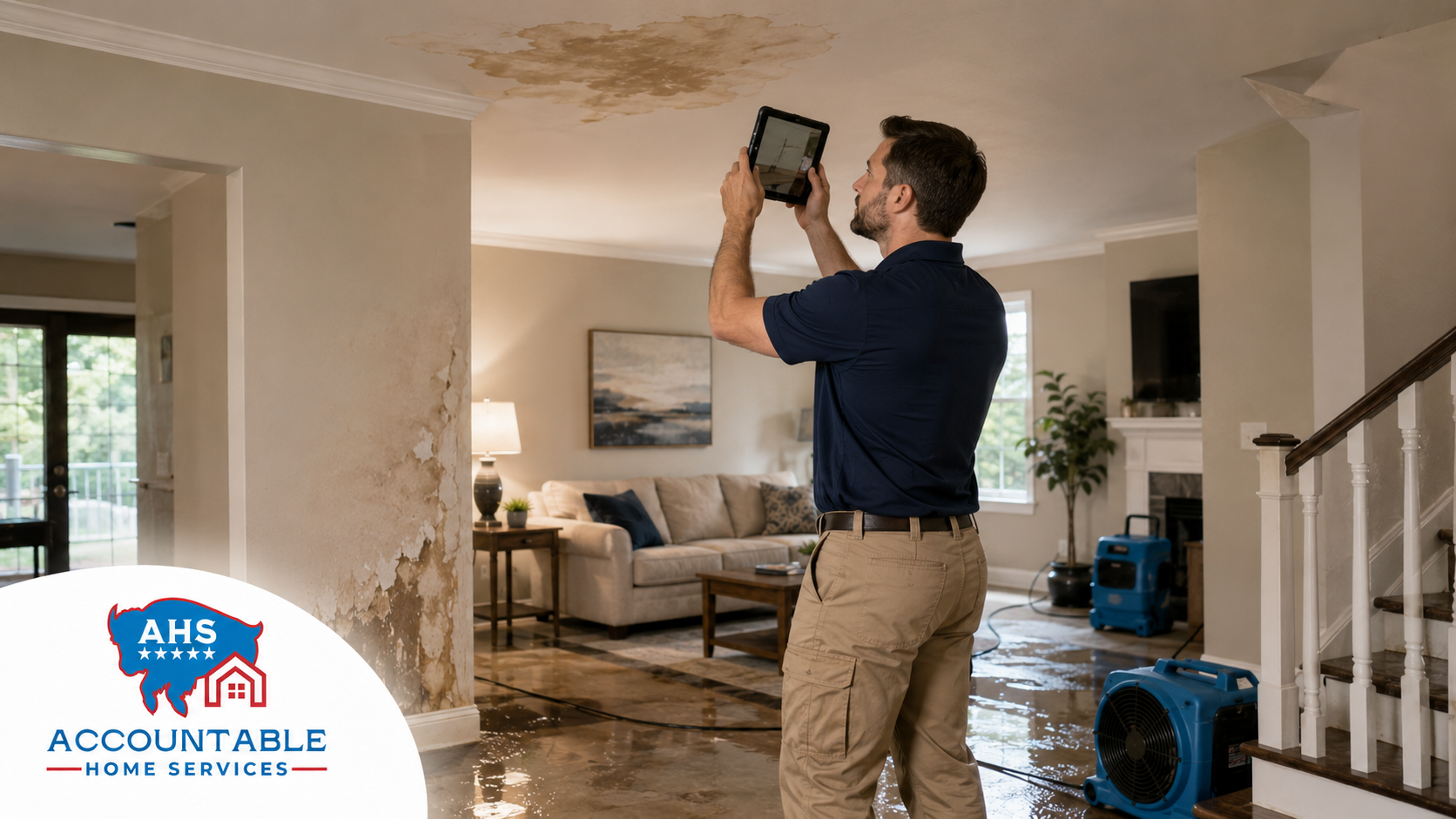
| Moisture source not resolved | Remediation can fail if moisture returns | Ongoing leak, chronic humidity, seepage | What is the moisture cause and how will it be resolved? |
| Post-remediation verification | Testing or inspection adds steps and cost | Clearance testing or documented verification | Is clearance testing included or optional? |
EPA emphasizes that mold problems can’t be solved without fixing the moisture source.
Do you need mold testing before remediation?
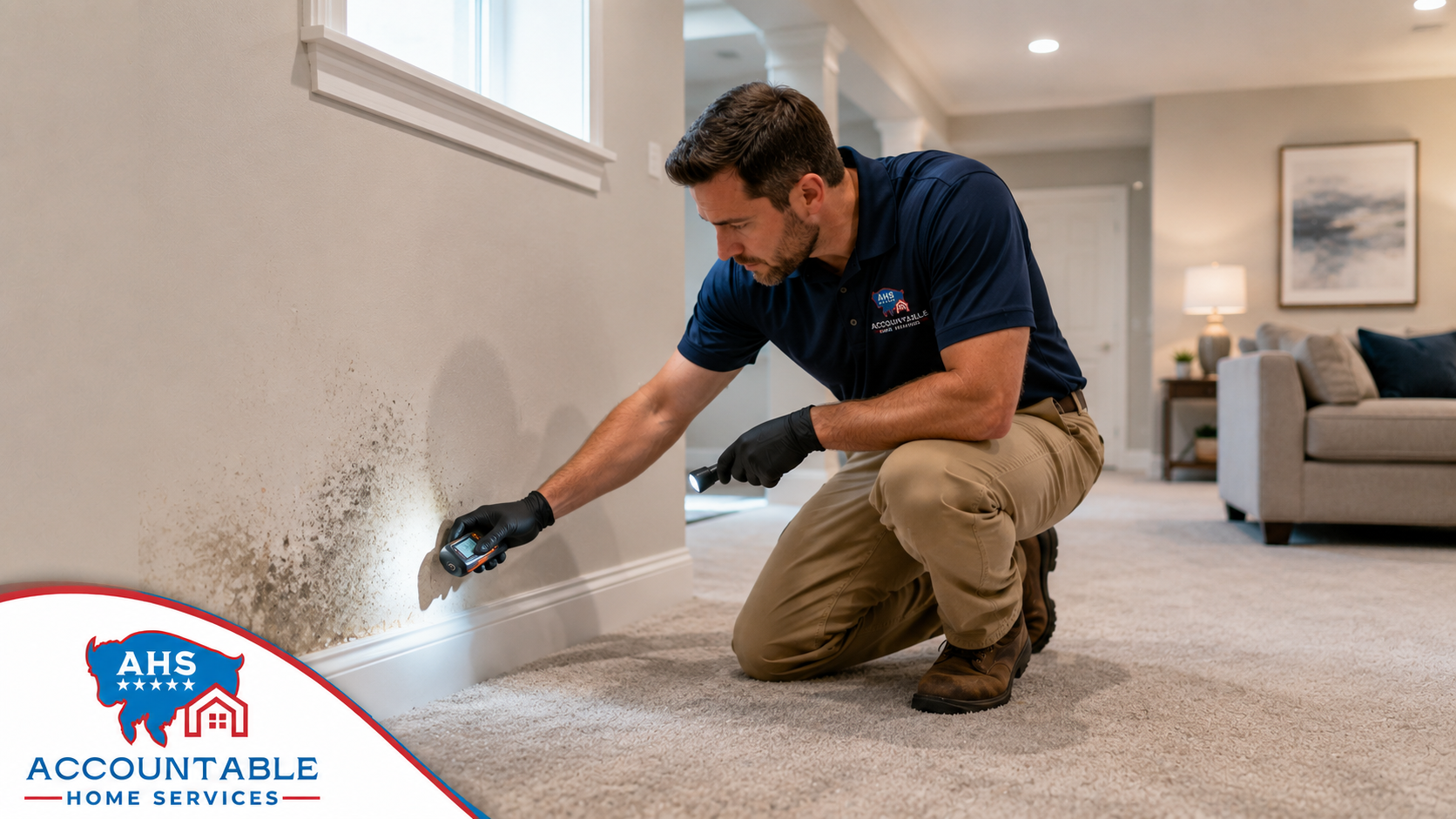
Not always. In many cases, the practical question is not “what species is it,” but why it’s there and how far it spread. Testing can be useful when you need documentation, you have a complex case, or you need a baseline for clearance.
A simple way to decide:
- If mold is visible and the moisture source is obvious, remediation can often proceed based on inspection and scope boundaries.
- If the situation is disputed, widespread, hidden, or medically sensitive, testing and documentation may be more helpful.
EPA notes that if you can see or smell mold, you generally don’t need testing to confirm it’s there; fixing moisture and cleanup are the priorities.
What should be included in a “good” remediation proposal?
A good proposal is defined by clear boundaries and controls, not by vague promises.
Included (commonly)
- Defined remediation boundary (rooms/materials included)
- Containment plan to prevent spread
- Removal of affected porous materials when needed
- Cleaning of appropriate surfaces and HEPA vacuuming (as applicable)
- Drying/moisture control steps (when needed)
- Documentation of what was done
Often excluded or separate
- Repairs/rebuild after material removal (drywall replacement, paint, flooring)
- Major moisture-source repair (plumbing replacement, foundation drainage work)
- HVAC duct cleaning unless specifically scoped
- Contents restoration (furniture/textiles) unless included
If the mold is related to water damage, keep the moisture-management workflow canonical here: Water Damage Restoration
Checklist: how to compare two mold remediation estimates
Use this checklist to compare scope quality without getting stuck on the bottom-line number.
- Does it define the remediation boundary (which rooms/materials are included)?
- Does it explain the containment level (how spread will be prevented)?
- Does it specify what materials will be removed vs cleaned?
- Is there a plan to address the moisture source so mold doesn’t return?
- Are exclusions clear (repairs, plumbing work, contents, HVAC)?
- Is clearance testing included or optional (and what does it cover)?
Common mistakes and red flags that raise costs later
The most expensive mold situations are the ones where remediation happens but moisture returns.
Red flags
- No moisture-cause plan (“we’ll kill it and it won’t come back”)
- No containment plan for occupied homes
- Vague scope (“treat area”) without defining what is removed vs cleaned
- Repairs scheduled before moisture issues are stabilized
CDC’s mold information emphasizes that moisture control is central to preventing recurrence.
Two realistic scenarios (how scope changes cost)
Scenario 1:
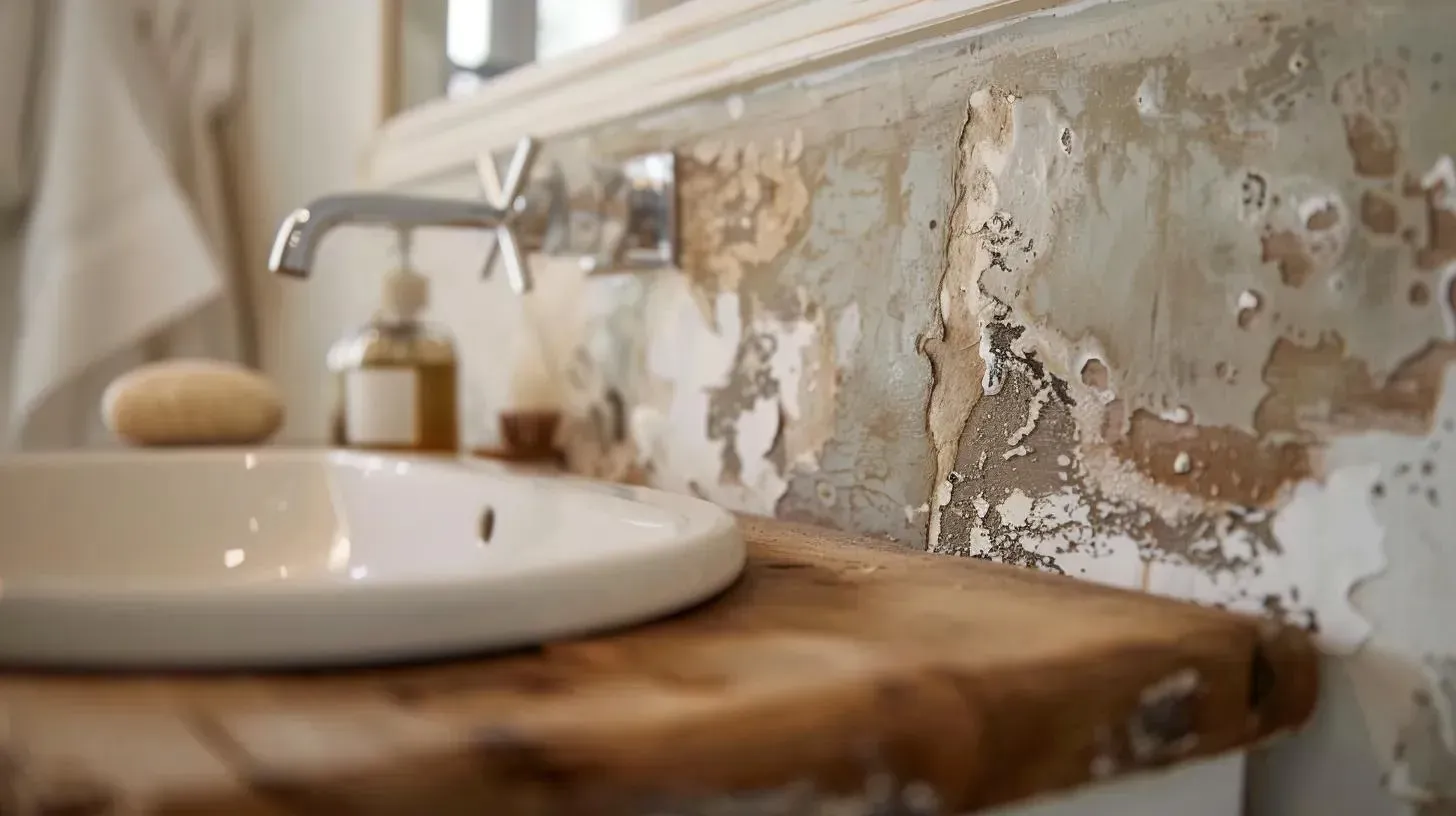
Small visible mold patch behind a bathroom vanity
If the cause is a slow
leak and the affected area is localized, the scope may involve limited containment, removal of a small drywall section, cleaning, and a moisture-fix plan. The cost drivers are access, removal, and ensuring the leak is resolved.
Internal references:
Scenario 2: Chronic basement humidity with mold across stored items and wall bottoms
A broader boundary and stronger containment may be needed, along with removal of affected porous materials and a plan to control humidity. Costs rise with area size and the work needed to prevent recurrence.
Internal references:
- Dehumidification
- Structural drying (if materials are wet after a moisture event).
Frequently Asked Questions
Does mold remediation always include testing?
No. Testing is sometimes used for documentation or complex cases, but many scopes are based on inspection, moisture cause, and clear boundaries.
Why do quotes vary so much?
Often because containment levels, removal decisions (what gets cut out), and the defined boundary differ.
Can you remediate mold without fixing the moisture source?
You can remove mold temporarily, but recurrence risk stays high. EPA emphasizes fixing the moisture problem as the foundation of lasting remediation.
If mold is connected to water damage, what changes?
It becomes a combined problem: moisture management (drying/verification) plus remediation.