Basement Flooding Repair Near Me in Commerce City, CO: What Homeowners Should Do First
Basement Flooding Repair Near Me in Commerce City, CO: What Homeowners Should Do First
If you discover basement flooding in Commerce City, CO, the first goal is to stay safe, stop more water from entering if you can, and document the damage before cleanup changes the scene. Standing water may look like the main problem, but hidden moisture inside walls, flooring, insulation, and framing is what often leads to bigger repairs later. This guide from The Local Restoration Guide walks through the first steps, how to spot the likely source, and when to call for professional water mitigation Commerce City homeowners can rely on.
What should you do first when your basement floods?
Start by protecting people, pets, and the structure before trying to save belongings. A flooded basement can involve electricity, sewage, slick surfaces, contaminated storm water intrusion, or a burst pipe basement situation that is still releasing water. If there is any doubt about safety, stay out of the water and call qualified help before entering.
Immediate flooded basement checklist
- Avoid standing water if electricity may be involved. Do not step into water near outlets, appliances, extension cords, or the electrical panel.
- Shut off the water supply if the source is plumbing-related. If a pipe, water heater, toilet line, or supply line failed, turn off the main water valve if you can reach it safely.
- Call a plumber for active plumbing failures. A plumber can stop the leak, but water damage restoration Commerce City work may still be needed afterward.
- Move dry valuables away from the affected area. Do not carry wet, heavy boxes upstairs if it puts you at risk of slipping or injury.
- Take photos and video before major cleanup. Capture the water level, damaged contents, wet flooring, wall stains, and the suspected source.
- Contact your insurance carrier or agent. Ask about claim steps, coverage questions, and documentation requirements.
- Call water removal services quickly. The sooner water extraction Commerce City crews begin, the better the chance of reducing secondary damage.
1. Make the area safe before entering
Before flooded basement cleanup begins, slow down and look at the room from the stairs or doorway. If water is near electrical devices, a furnace, water heater, freezer, washer, dryer, or breaker panel, do not walk in. It may feel frustrating to wait, but one unsafe step can turn property damage into a medical emergency.
If the basement smells like sewage, fuel, gas, or chemicals, stay out and call the right professional. Drain backups, outside floodwater, and some storm water intrusion can carry contaminants that require protective equipment and careful removal. For property managers, this is also the point to keep tenants out of the area and document that access was restricted for safety.
2. Stop the water if it can be done safely
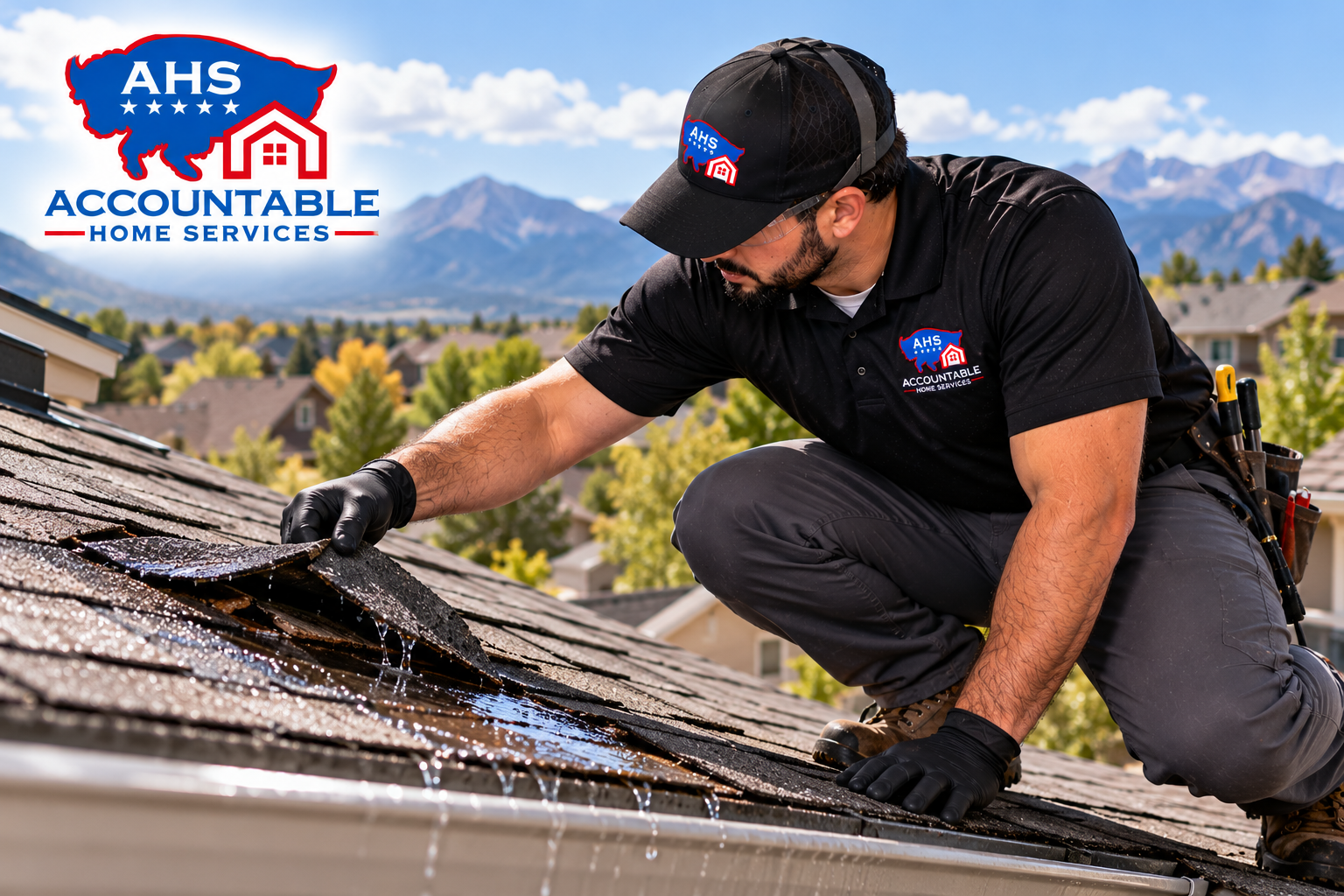
If you can see that water is coming from a broken pipe, failed supply line, water heater, or appliance, shut off the water at the nearest valve or at the main shutoff. This does not fix the damage already done, but it can keep the basement flooding repair job from growing. If you cannot find the valve, call a plumber right away and avoid tearing into walls or ceilings on your own.
For sump pump failure, check only what is safe and obvious. A tripped GFCI outlet, unplugged pump, stuck float, or overwhelmed pump may be part of the issue, but do not reach into water around powered equipment. If the pump cannot keep up during heavy rain, the basement may need both emergency water removal services and a longer-term sump pump installation or drainage review.
3. Identify where the water is coming from
Finding the source helps you decide who to call first and how to explain the loss to your insurance agent. You do not need to solve everything before calling for help, but a few observations can point the team in the right direction. Look for where water is deepest, where it appears clean or dirty, and whether it increases during rain, plumbing use, or sump pump activity.
Common basement water sources include:
- Plumbing leaks: Water appears near a pipe, ceiling line, appliance, bathroom, laundry area, or mechanical room. The flow may continue even when it is not raining.
- Burst pipe basement damage: Water may spread quickly and may be connected to freezing, pipe age, high pressure, or a failed fitting.
- Sump pump failure: Water often enters around the sump pit or low points in the slab during storms or snowmelt, especially if the pump stops working.
- Storm runoff: Water may enter after heavy rain when gutters, grading, window wells, or exterior drains direct water toward the foundation.
- Foundation seepage: Water may show up as damp walls, staining, slow trickles, or wet corners where the foundation meets the floor.
- Groundwater intrusion: Water rises from below or through cracks when the soil around the home is saturated, even if no pipe is leaking.
These causes can overlap. For example, heavy rain can overwhelm a sump pump, while poor grading can increase foundation seepage. A restoration technician, plumber, and sometimes a foundation or drainage specialist may all play a role.
4. Document the damage before cleanup changes the scene
Good documentation supports clear communication between the homeowner, plumber, restoration company, property manager, and insurance agent. Take wide photos of each room, then close-ups of water lines, damaged materials, wet contents, and the suspected entry point. If possible, record short videos showing water movement, active dripping, or the sump pump condition.
Write down the date and time you found the water, what you did first, who you called, and whether rain or plumbing activity was happening. Keep receipts for emergency service, plumbing repairs, temporary lodging, fans, storage, or supplies. A professional basement flooding repair team should also document moisture readings, affected materials, equipment placement, and drying progress.
5. Remove standing water the right way
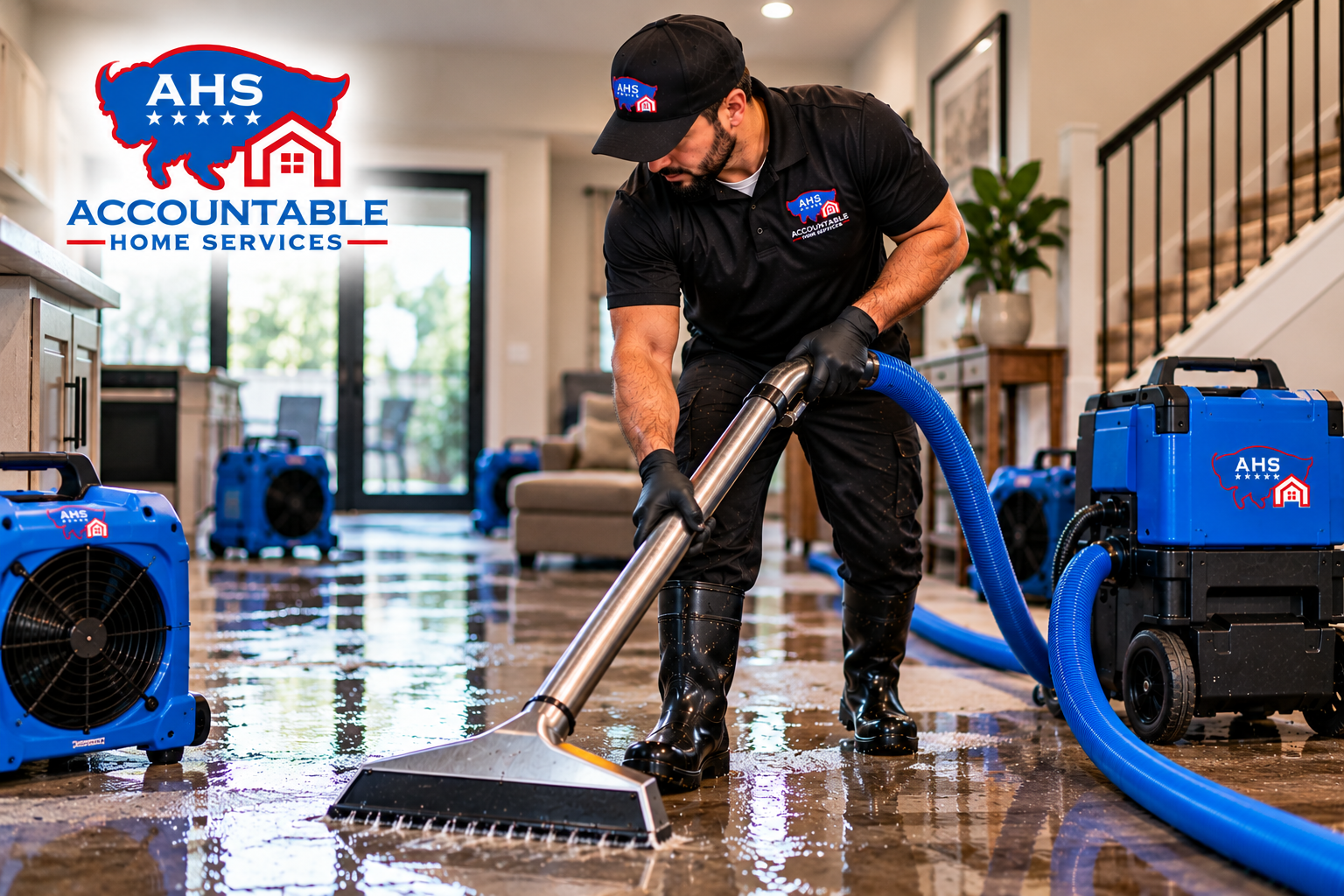
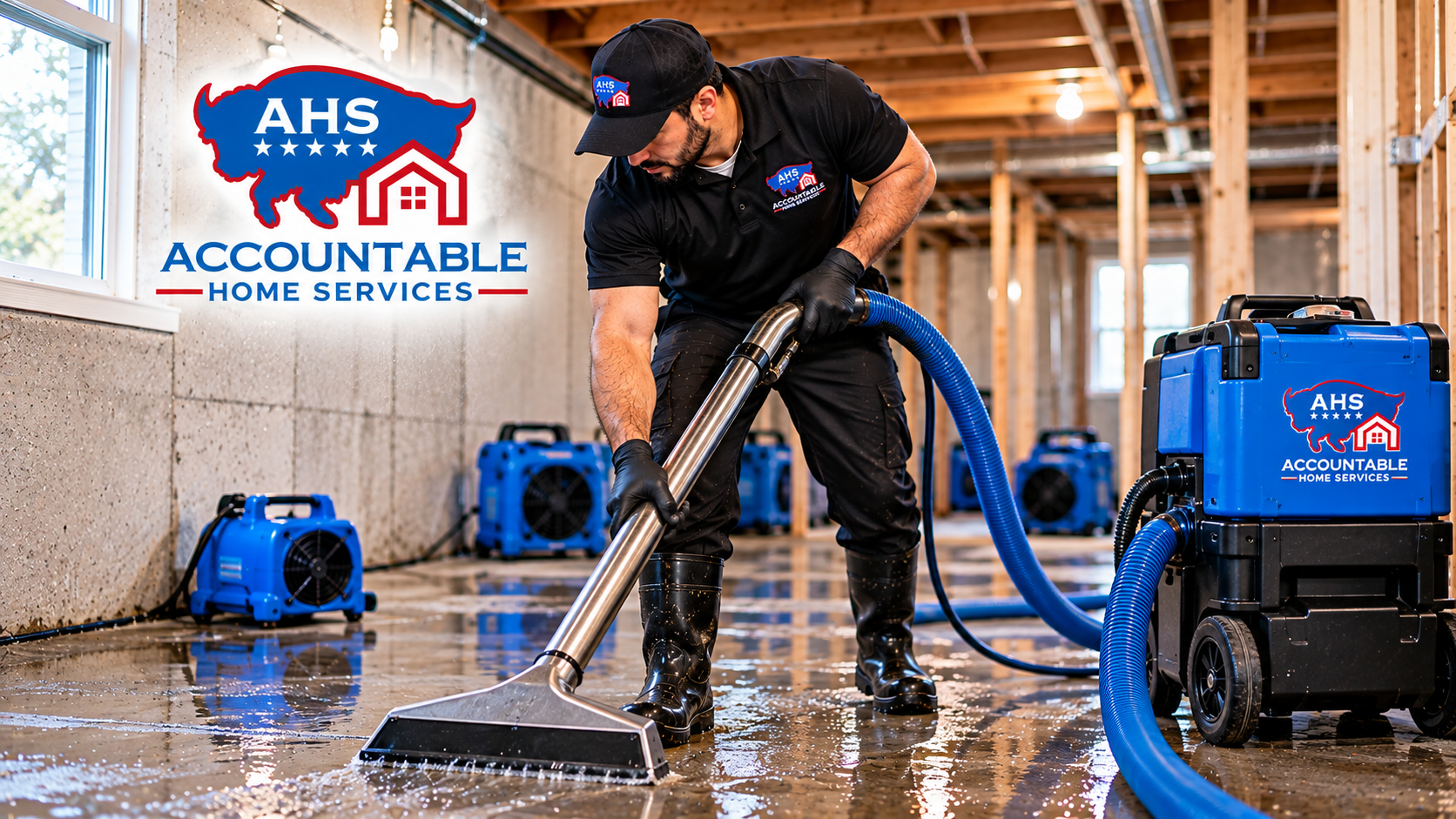
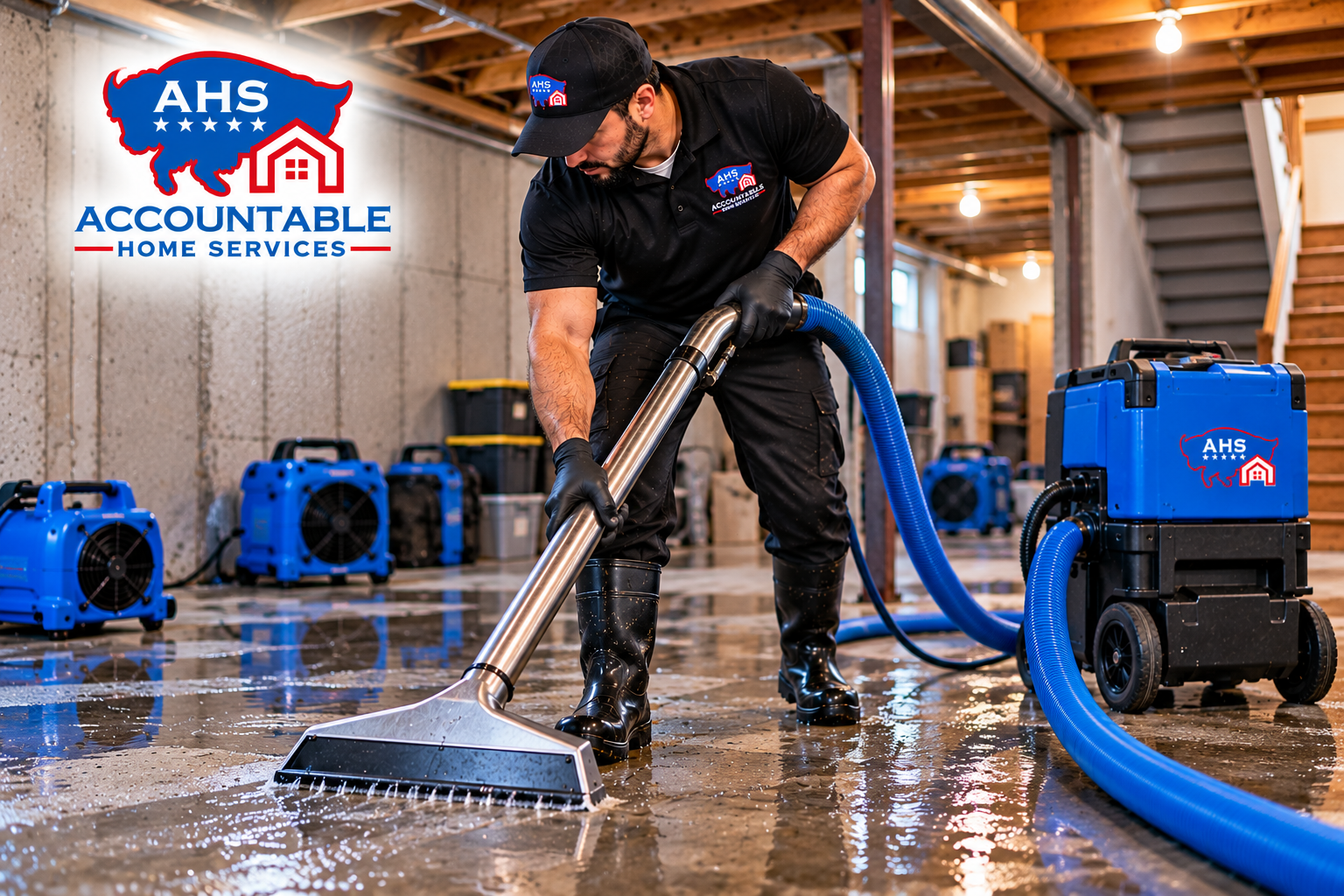
Water extraction is usually the first physical cleanup step. Crews use pumps, extraction tools, and vacuums designed to remove water from concrete floors, carpet, pad, and low areas. This is different from pushing water toward a drain with a broom, which may leave large amounts of moisture behind.
Standing water removal is not enough by itself. Water can move under flooring, behind baseboards, into drywall, through insulation, and into wood framing. If repairs begin before hidden moisture is found and dried, new flooring or drywall can trap moisture and increase the chance of odor, swelling, deterioration, or mold after basement flooding.
6. Locate hidden moisture before deciding what to remove
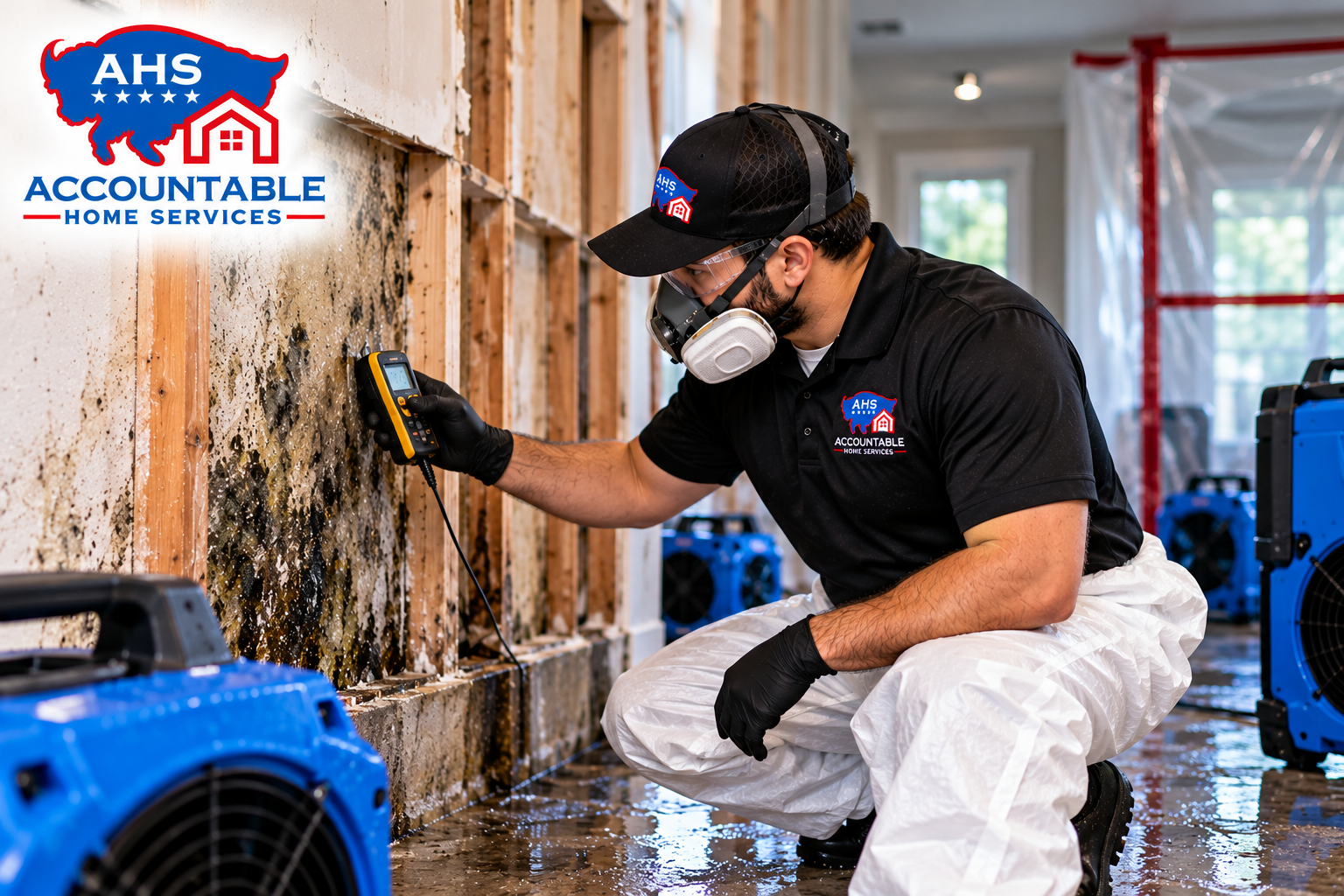
Moisture detection helps determine how far the water traveled. Restoration crews may use moisture meters, thermal imaging, humidity readings, and physical inspection to check walls, flooring, trim, insulation, cabinets, and framing. This step matters because basement water damage Commerce City homes experience is not always visible from the surface.
For example, drywall may look normal while the lower section is wet inside. Carpet may feel only slightly damp while the pad underneath is saturated. Finished basements with vinyl plank, laminate, built-ins, or insulated walls often need careful inspection before anyone can say the area is truly dry.
7. Remove damaged materials when drying is not enough
Some materials can be dried in place. Others should be removed because they hold water, lose strength, or are contaminated. The decision depends on the water source, how long materials were wet, and whether the material can be cleaned and dried properly.
Common removal decisions include:
- Carpet pad: Often removed because it traps water and slows drying.
- Wet baseboards and trim: May need removal so air can reach wall cavities.
- Drywall: Lower sections may need to be cut out if moisture is trapped behind them.
- Insulation: Wet insulation usually loses performance and can hold moisture against framing.
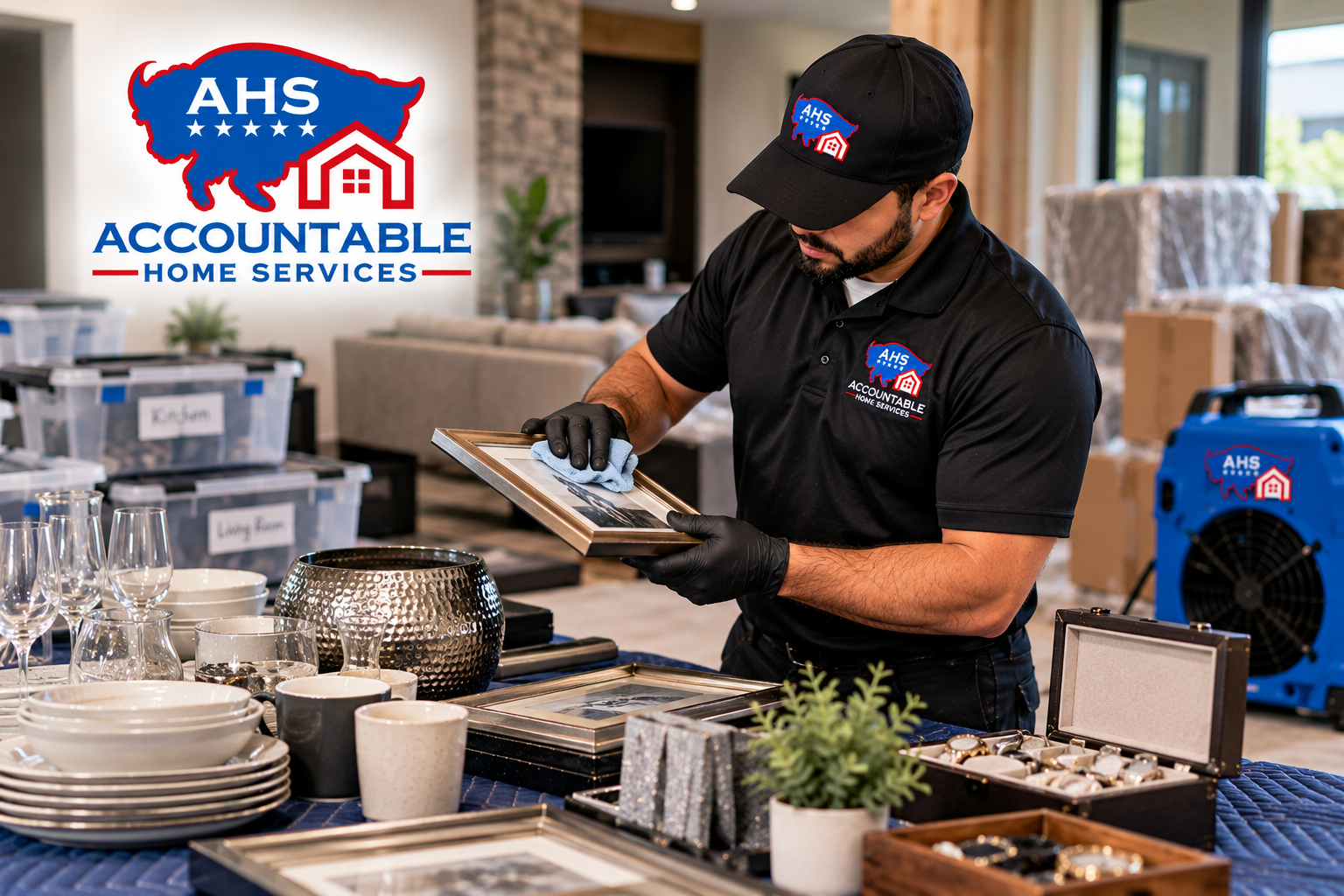
- Porous contents: Cardboard, fabric, and pressed wood may not be salvageable after prolonged exposure.
This is where a calm, documented process helps. Removing too little can leave hidden moisture behind. Removing too much can create unnecessary repair costs and claim confusion.
8. Dry the structure before starting repairs
Structural drying uses air movers, dehumidifiers, and monitoring to dry framing, concrete, subfloor materials, wall cavities, and other affected areas. The goal is not just to make the basement look dry; it is to bring materials back to acceptable moisture conditions before rebuild begins. Drying equipment may need to run for several days depending on the amount of water, materials affected, and basement conditions.
During this stage, a restoration company should take ongoing readings and adjust equipment as needed. Doors, containment, temperature, airflow, and humidity all affect drying. This is why opening a few windows or placing a household fan in the room usually is not enough for significant basement flooding Commerce City CO homeowners may face after storms or plumbing failures.
9. Prevent mold and odor problems early
Mold prevention starts with fast water removal, proper material removal, and complete drying. The concern is not meant to scare you; it is simply how wet building materials behave when moisture remains trapped. Basements are already prone to lower airflow and cooler surfaces, so hidden moisture can linger if it is not checked.
Cleaning may include removing debris, treating affected hard surfaces, controlling humidity, and separating clean areas from damaged areas. If visible mold is already present, avoid disturbing it with aggressive scrubbing or fans. Ask for a clear plan that explains what will be cleaned, what will be removed, and how the area will be verified before basement leak repair or rebuild work begins.
10. Complete repairs after the basement is dry
Repairs should come after extraction, moisture detection, damaged-material removal, mold prevention steps, and structural drying. This may include drywall replacement, trim installation, flooring repairs, painting, foundation seepage correction, plumbing repair, or sump pump installation. The exact repair path depends on the water source and how much of the basement was affected.
If the cause was exterior water, repairs may need to include grading, gutters, downspouts, window wells, drainage, or foundation work. If the cause was plumbing, the damaged pipe or fixture should be repaired before finishes go back in. A finished basement should not be rebuilt over wet framing, damp insulation, or unresolved water entry.
When should you call for basement flooding repair near me?
Call for professional help if there is more than a small, clean, quickly contained spill. You should also call if water touched drywall, carpet, insulation, electrical areas, built-ins, or mechanical systems. If you are searching for basement flooding repair near me, look for a team that handles water mitigation, documents the work, communicates clearly, and coordinates well with plumbers, insurance agents, and property managers.
For insurance agents and plumbers, the best referral is often the team that reduces confusion for the homeowner. For property managers, it is the team that responds quickly, protects tenants, documents conditions, and keeps owners informed. For homeowners, it is the team that explains the next step without pressure and does not treat water extraction as the whole job.
Final steps for a smoother recovery
Basement flooding repair works best when the response follows the right order: safety, source control, documentation, extraction, moisture detection, material removal, drying, cleaning, and repairs. Skipping ahead can create hidden moisture problems and make an insurance claim harder to explain. If you are dealing with basement water damage Commerce City, start with safe actions, take photos, stop the source if possible, and bring in the right help before repairs begin.