Leaking Roof in Thornton, CO: What Homeowners Should Do First

Leaking Roof in Thornton, CO: What Homeowners Should Do First
A leaking roof can move from a small drip to attic water damage, ceiling water damage, and wet insulation faster than most homeowners expect. If you are dealing with a leaking roof in Thornton, CO, your first job is to protect people, reduce more damage, document what you see, and get the right professionals involved. A roofing contractor should stop the roof leak, while AHS can help with interior water damage, moisture inspection, drying, damaged materials, mold prevention, documentation, and restoration.
What should you do first when water comes through the ceiling?
When water starts showing up inside the house, treat it as an active water damage situation, not just a roofing problem. Move items out of the wet area, contain the visible water if you can do so safely, take photos, and call for roof leak repair and water mitigation in Thornton as soon as possible. Buckets and towels can help control the mess, but they do not stop hidden moisture after a roof leak from spreading through insulation, framing, ceilings, or walls.
Stay calm, but do not ignore it. A ceiling leak in Thornton may look small from the living room, yet the water may have already traveled a long path before it became visible. The sooner you respond, the easier it is to limit roof leak water damage and support a cleaner roof leak insurance claim in Colorado.
1. Protect people and avoid unsafe areas
Start with safety. If water is near light fixtures, outlets, ceiling fans, appliances, or an electrical panel, do not touch the wet area or try to investigate closely. Water and electricity are a dangerous mix, and a stained or sagging ceiling can also release water or damaged material without warning.
If the ceiling is bulging, keep people and pets away from that room. A bubble in the drywall may mean water is collecting above the ceiling surface. Do not poke it unless a qualified professional tells you how to do it safely, because trapped water can come down quickly and damage flooring, furniture, or electronics.
Use common sense with attic access too. During a storm roof leak, the attic may be dark, slippery, and full of wet insulation from roof leak activity. If you are not comfortable walking in an attic, or if you cannot see the framing clearly, wait for help.
2. Move belongings out of the leak area
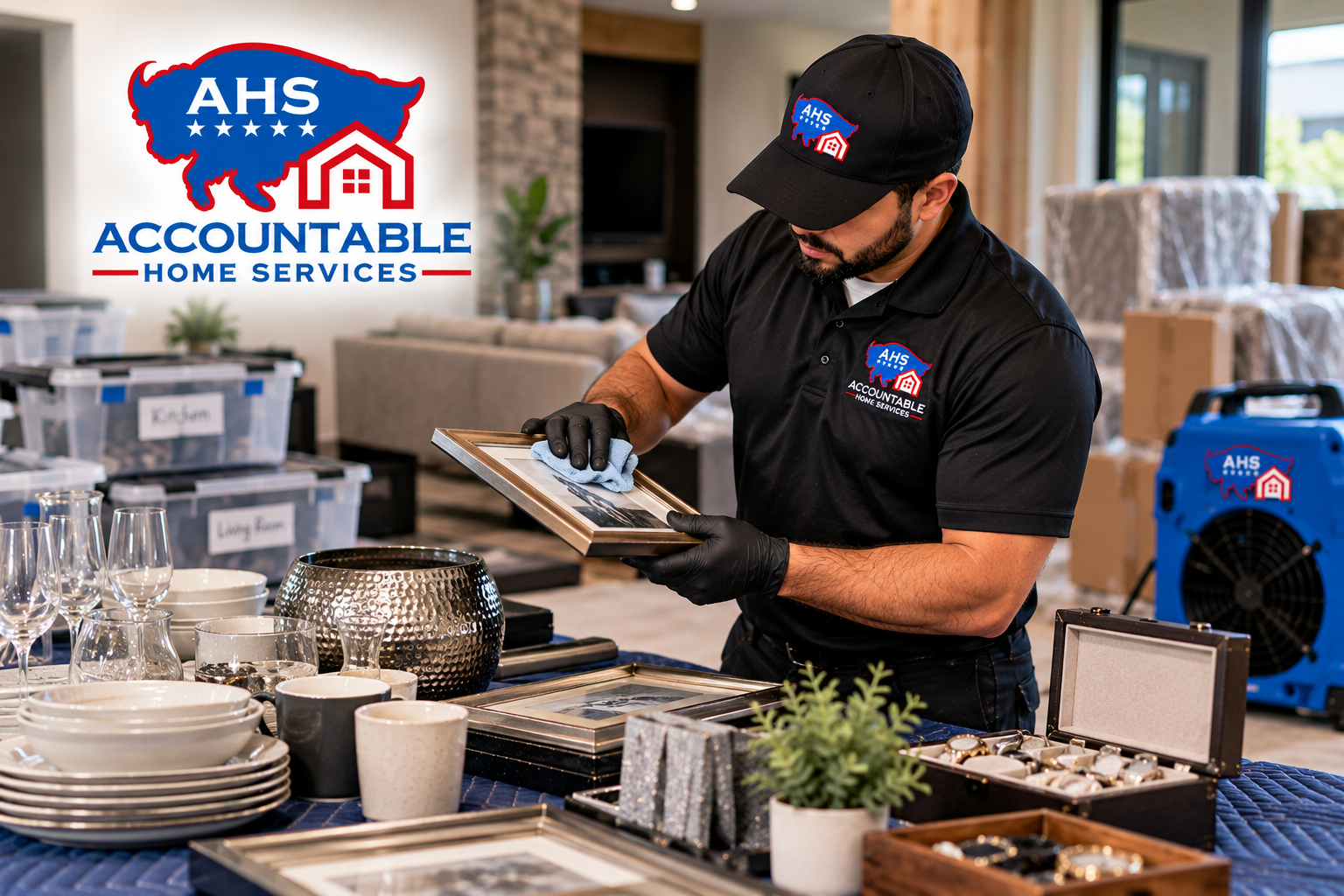
Once the area is safe to enter, move furniture, rugs, clothing, electronics, documents, and valuables away from the water. If something is too heavy to move, place plastic, foil, or blocks under furniture legs to reduce contact with wet flooring. This small step can help prevent staining, swelling, and additional damage.
For property managers, this step matters because tenants may be focused on the visible drip and not the surrounding contents. For insurance agents and plumbers who get the first call, reminding the homeowner to move belongings can reduce frustration later. It also helps create a clearer work area for emergency roof repair or emergency water damage Thornton crews.
Do not throw damaged items away right away unless they are unsafe or creating a health issue. Set them aside if possible, photograph them, and keep notes. Documentation can be important if the homeowner files a roof leak insurance claim in Colorado.
3. Control the visible water without confusing it for the fix
Place buckets, pans, or towels under the active drip to protect floors and slow the spread of water. If water is running down a wall, use towels at the baseboard and move anything absorbent away from that wall. If flooring is getting wet, remove small rugs and mats so moisture is not trapped underneath.
This is symptom control, not root cause repair. Buckets and towels collect visible water, but they do not repair the leaking rooftop, close the exterior opening, remove wet insulation, dry the attic, or confirm whether moisture has moved into walls. They are useful for the first few minutes, but they are not a complete response to roof leak water damage.
Avoid using household fans if the ceiling, attic, or insulation may be contaminated with debris or mold. Air movement can sometimes spread particles through the home. It is better to have the area inspected and dried with the right equipment after the roof opening has been addressed.
4. Document the damage before cleanup changes the scene
Take clear photos and short videos before you move too much around. Capture the active leak, ceiling stains, wet floors, damaged contents, attic conditions if safely visible, and any exterior storm damage you can see from the ground. Do not climb onto the roof to get photos.
Good documentation helps everyone understand what happened. It helps the roofer see where the roof leak repair may be needed, helps AHS evaluate the interior water damage, and may support the insurance claim process. It also helps reduce confusion when multiple people are involved, such as the homeowner, tenant, property manager, insurance agent, roofing contractor, and restoration team.
Write down the basics while they are fresh:
- Date and time you first noticed the leak
- Weather conditions, such as heavy rain, hail, wind, or melting snow
- Rooms affected by visible water
- Any ceiling stains, soft drywall, peeling paint, or musty odor
- Steps you took, such as placing buckets or moving contents
- Calls made to the roofer, restoration company, plumber, property manager, or insurer
How does roof leak water travel before you see it?
Water rarely drops straight from the roof into a room below. It often enters through a damaged shingle, flashing gap, vent, skylight, or other exterior opening, then moves into the attic, soaks insulation, follows framing, reaches ceilings, and may run down wall cavities before it becomes visible inside the home.
That path is why damage can be delayed or hidden. A homeowner may see a small ceiling stain today even though the attic water damage started earlier. Wet insulation can hold moisture like a sponge, framing can stay damp, and drywall may not show a stain until enough water has collected behind it.
A roof leak can also appear in a different place than the exterior opening. Water may enter near the upper part of the roof, travel along rafters or roof decking, then drip onto insulation several feet away. From there, it can settle on ceiling drywall, move toward light openings, or run down into walls. This is why guessing from the indoor stain alone can be misleading.
5. Call a roofing contractor to stop the roof opening
A roofing contractor’s job is to address the exterior source of the leak. That may include inspecting shingles, flashing, vents, roof penetrations, gutters, skylights, or storm-damaged areas. If the leak is active, they may provide temporary emergency roof repair first, then return for permanent roof leak repair when conditions allow.
This is an important first part of the process because interior drying will not hold if rainwater keeps entering the home. A restoration company can remove water and dry materials, but the roof opening still needs to be corrected by the roofing side. In simple terms, the roofer stops new water from coming in.
If you are calling during a storm, describe what you are seeing in plain language. Mention whether water is dripping from the ceiling, running down a wall, coming through a light fixture area, or showing up near a chimney, skylight, or bathroom vent. The more specific you are, the easier it is for the roofer to prioritize the response.
6. Call AHS for interior water damage and moisture inspection
After the roof issue is being addressed, the inside of the home still needs attention. AHS handles the interior side of the problem: moisture inspection, water mitigation Thornton services, drying, removal of damaged materials when needed, mold prevention, documentation, and water damage restoration Thornton support. This is different from roofing work, and both roles matter.
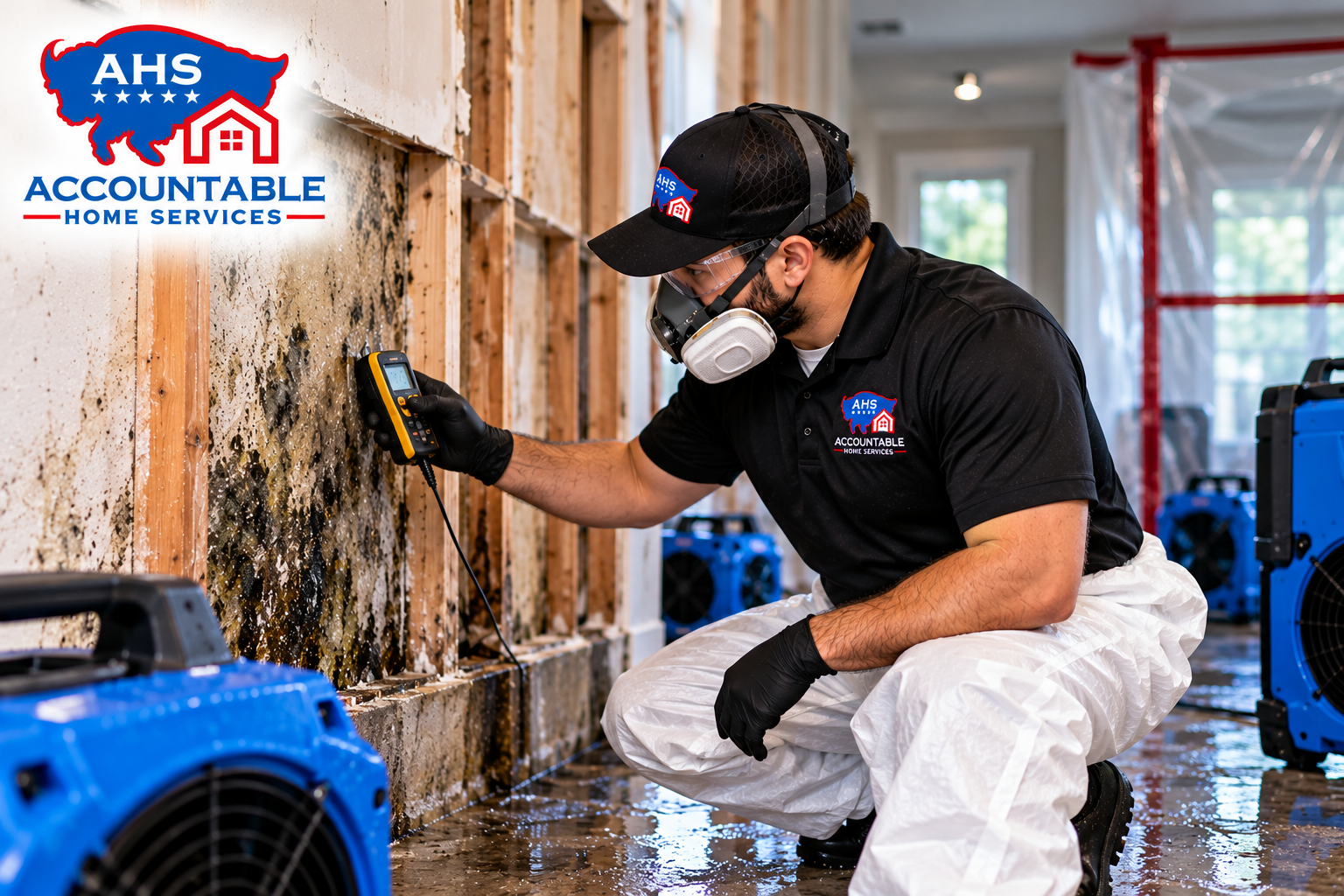
AHS can check areas that may look dry on the surface but still hold moisture. That may include attic insulation, roof decking, rafters, ceiling drywall, wall cavities, baseboards, and flooring near the leak path. This step is especially important when there is hidden moisture after roof leak activity, because damp materials can continue to deteriorate even after the drip has stopped.
Moisture detection also helps avoid unnecessary demolition. The goal is to find what is actually wet, dry what can be properly dried, and remove materials that cannot be safely restored. Clear findings and photos can also help homeowners, property managers, insurance agents, and adjusters understand the scope of the damage.
7. Do not assume the problem is over when the roof is patched
A patched roof stops or slows new water intrusion, but it does not automatically dry the inside of the house. Wet insulation from roof leak damage can stay damp inside the attic. Ceiling drywall may hold moisture above the painted surface. Wood framing may need time and controlled drying to return to normal conditions.
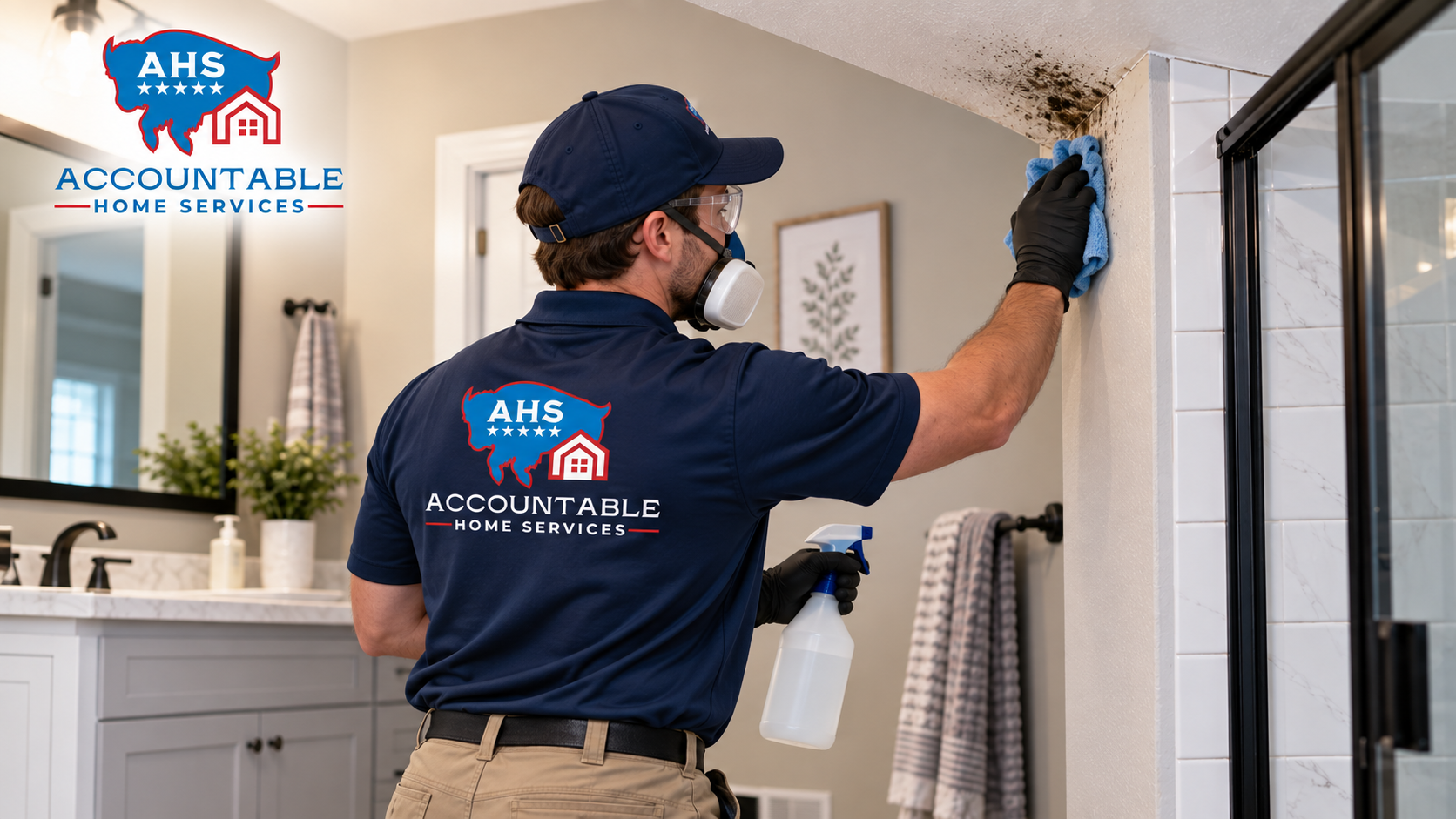
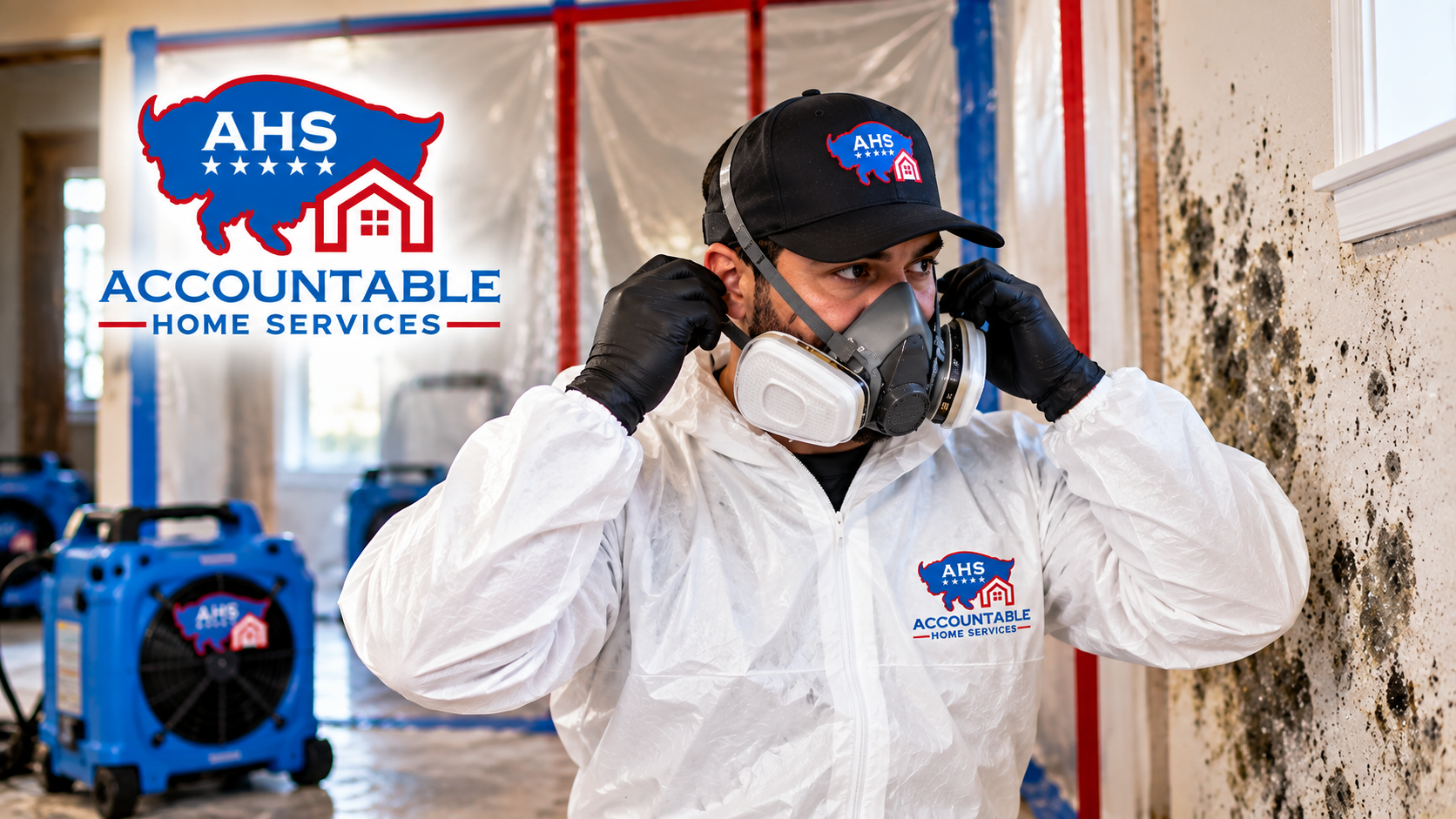
If moisture remains, the home can develop odor, staining, material breakdown, or mold after roof leak damage. Mold risk depends on moisture, material, temperature, and time, so the practical move is not panic; it is inspection and drying. Finding and drying damp areas early is usually simpler than waiting until musty smells or visible growth appear.
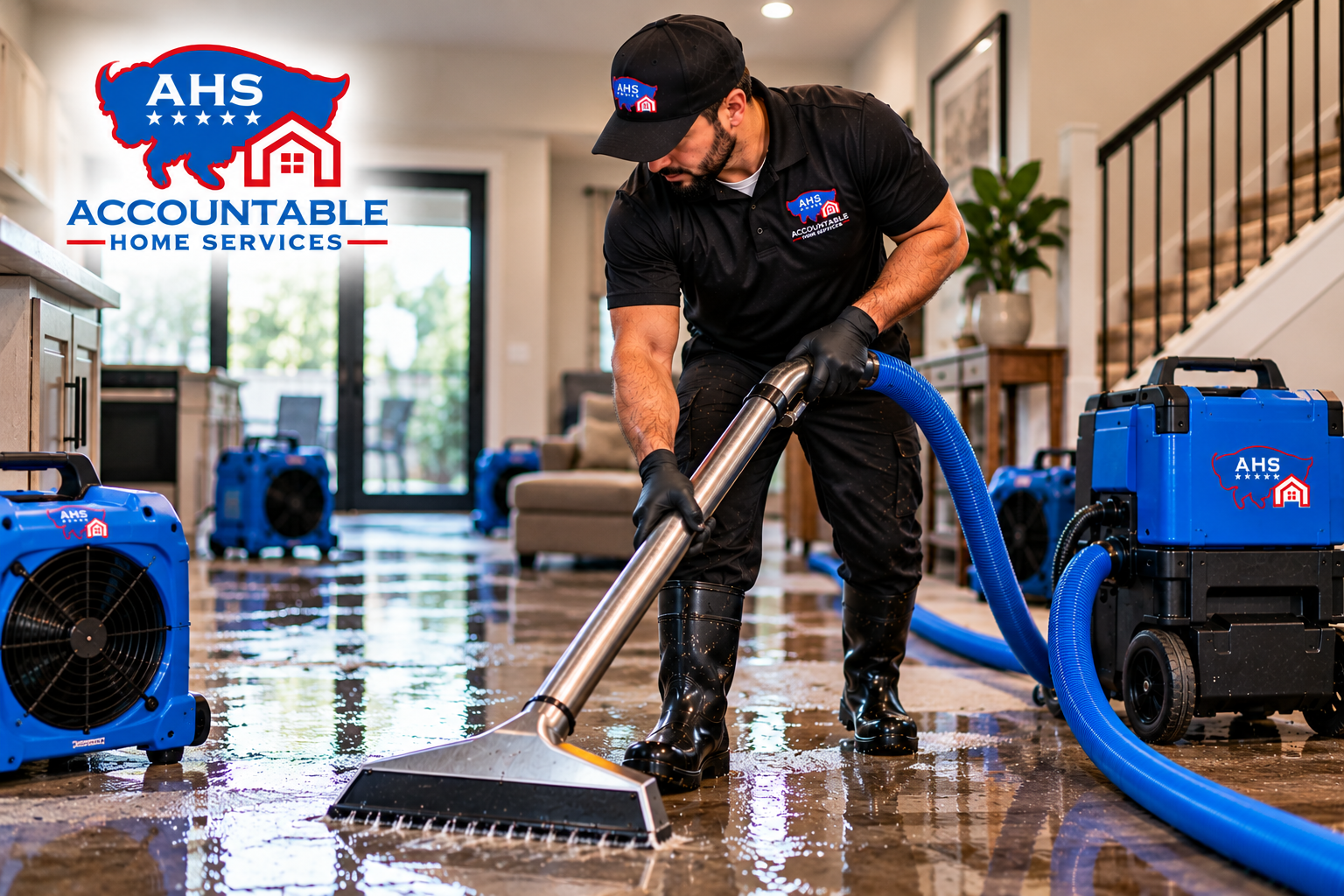
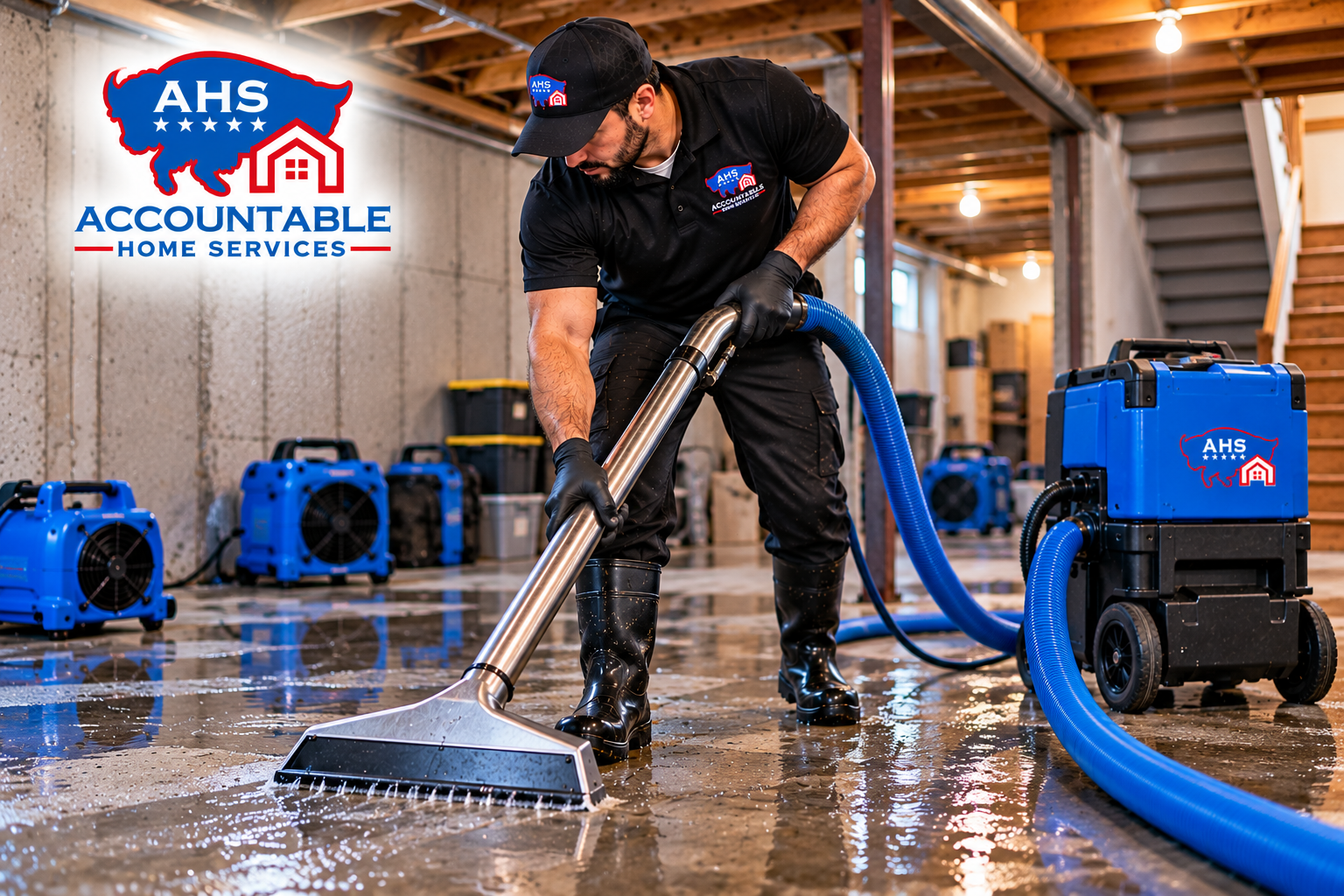
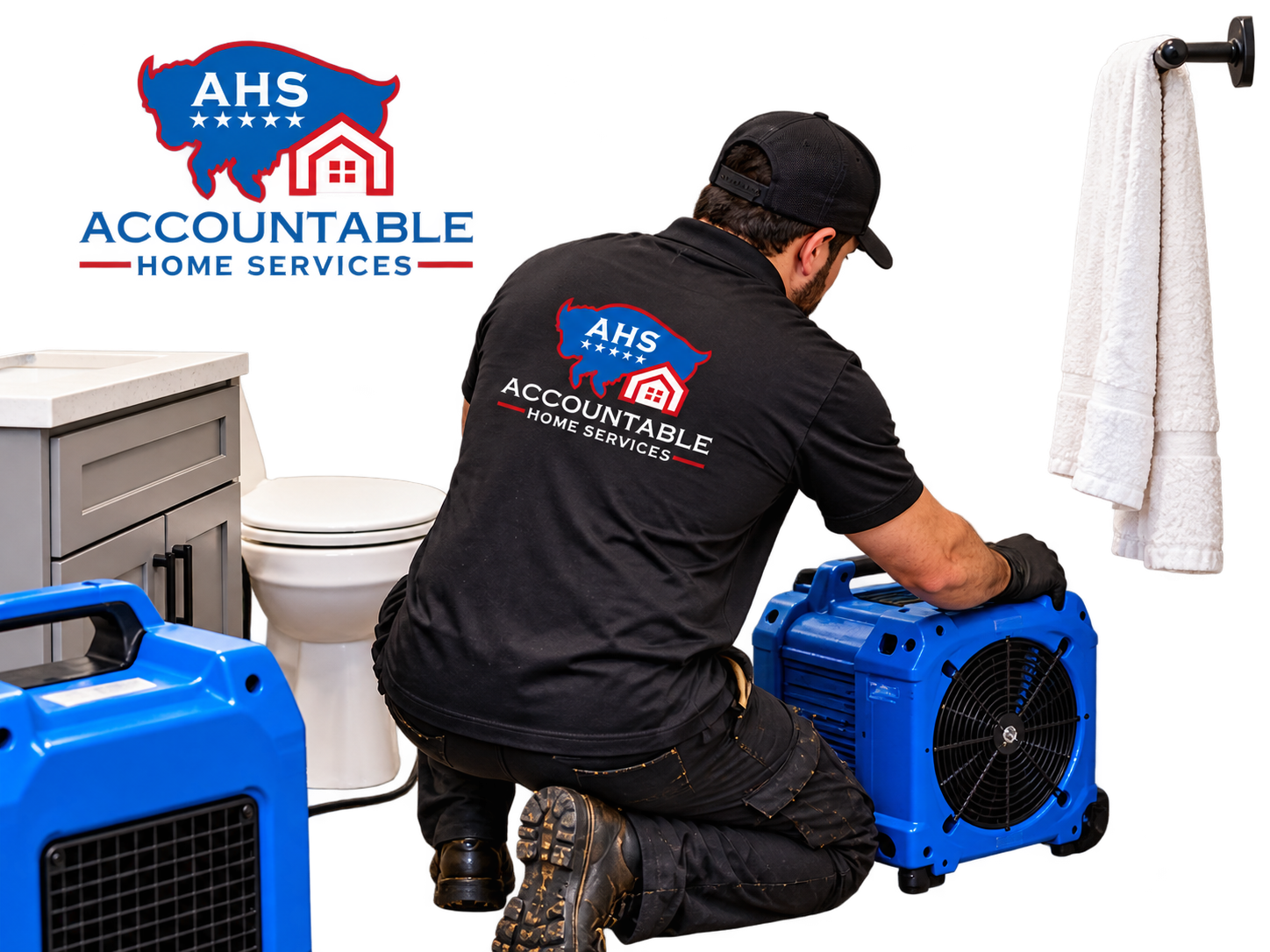
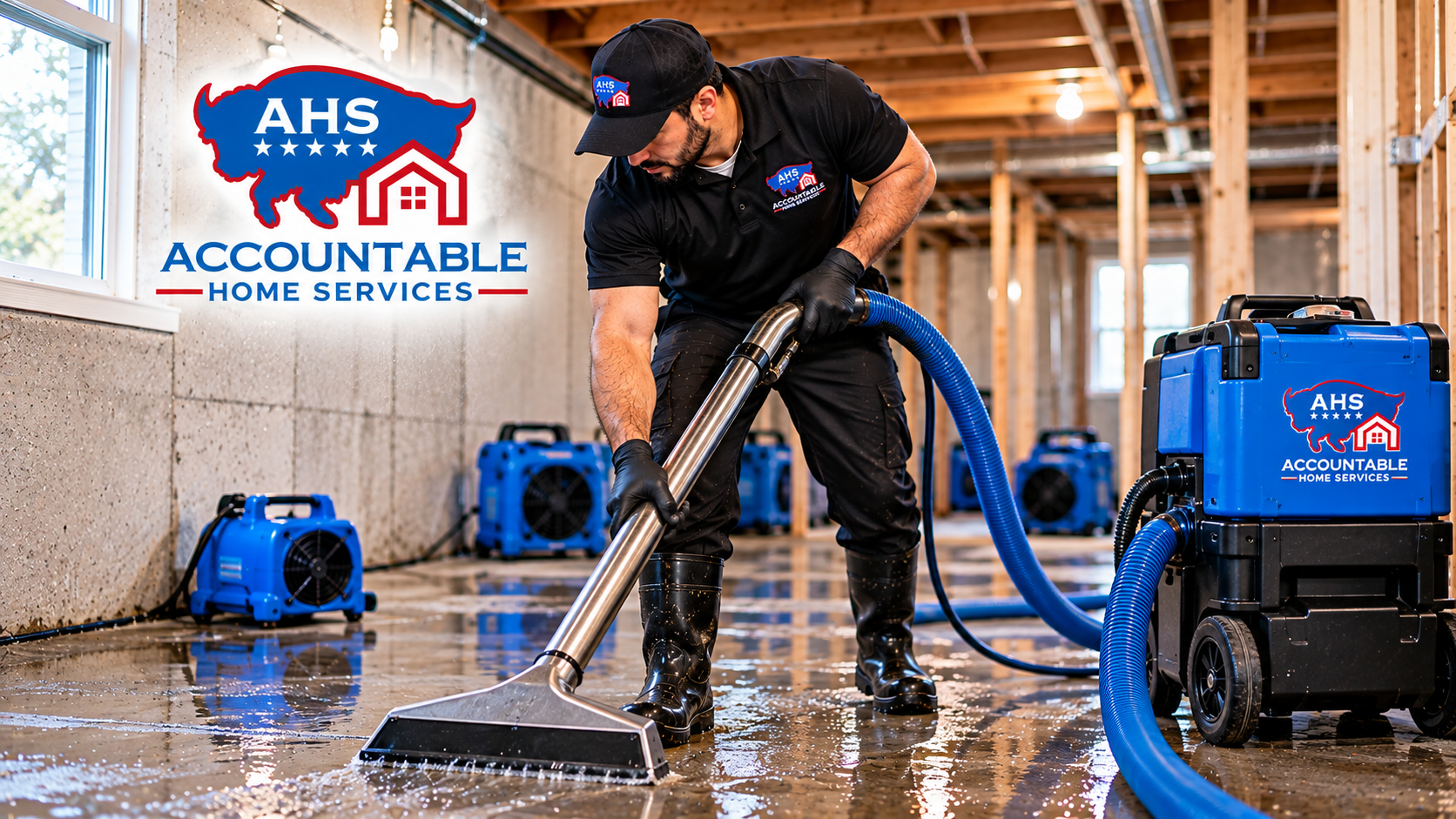
This is where professional drying equipment makes a difference. Restoration teams can use moisture meters, thermal imaging when appropriate, air movers, dehumidifiers, containment, and monitoring. The equipment is only part of the work; the ongoing moisture checks tell the team whether the structure is actually drying.
What should you avoid after a storm roof leak?
Avoid anything that creates more risk, hides the damage, or makes the claim harder to understand. It is normal to want to clean everything up immediately, but slow down long enough to document the situation and get the right inspections. A careful first response can prevent extra damage and confusion.
Common mistakes include:
- Climbing onto a wet or storm-damaged roof
- Ignoring a small ceiling stain because the dripping stopped
- Painting over ceiling water damage before moisture is checked
- Running fans into wet insulation or questionable attic spaces
- Removing damaged materials before taking photos
- Throwing away contents without documenting them
- Assuming a plumber can handle roof-related drying and restoration
- Assuming the roofer handles interior water mitigation
- Waiting several days to check for attic water damage or wet drywall
Plumbers are often the first trusted trade homeowners call when water appears inside. If the source is clearly the roof, the plumber may not be the right professional to solve the exterior opening or the interior drying. A good plumber can still help by recognizing when the issue is outside their scope and referring the homeowner to a roofer and a restoration partner.
8. Keep communication clear for insurance and property management
Roof leaks can involve several moving parts, especially after hail, wind, or heavy rain in the Denver metro area. Homeowners may talk with an insurance agent, adjuster, roofer, restoration company, tenant, property manager, or HOA. Clear notes and steady communication reduce stress for everyone.
For insurance agents, the best restoration partner is one that explains the process without making the client feel lost. For property managers, fast updates matter because tenants and owners both want to know what is happening. For plumbers, a reliable referral helps the customer get water mitigation and drying support beyond the plumbing repair.
Homeowners should keep all photos, invoices, inspection notes, drying logs, and repair communications in one place. If an insurance claim is opened, ask what documentation the carrier needs and follow their instructions. AHS can provide restoration documentation related to the interior water damage, moisture readings, drying work, affected materials, and restoration steps.
9. Watch for signs of hidden moisture after the leak
Even after the roof is repaired and the ceiling looks calm, keep an eye on the affected rooms. Some signs show up later because moisture moves slowly or remains trapped inside building materials. A small change can be useful information when shared early.
Look for:
- New or spreading ceiling stains
- Soft, sagging, or bubbling drywall
- Peeling paint near the leak area
- Musty odor in the attic or room below
- Damp insulation or compressed insulation in the attic
- Warped trim, swollen baseboards, or staining on walls
- Persistent humidity or a room that feels damp
- Visible spots that may suggest mold after roof leak damage
If any of these appear, do not cover them up. Call for moisture inspection and water damage restoration guidance. The goal is to confirm what is wet, dry the affected materials correctly, and prevent a roof leak from turning into a larger interior restoration project.
10. Use the right professional for each part of the job
A roof leak needs two kinds of attention: the outside opening and the inside damage. The roofing contractor repairs the roof, flashing, vents, skylights, shingles, or other exterior conditions that allowed water into the structure. That work helps stop future water from entering through the same area.
AHS handles what happened after the water got inside. That includes checking for attic water damage, wet insulation, ceiling water damage, wall moisture, damaged materials, drying needs, mold prevention, restoration planning, and claim-supporting documentation. If materials need removal, cleaning, drying, or repair coordination, that falls on the restoration side.
The easiest way to think about it is this: the roofer stops the leak at the source, and AHS helps dry and restore the areas the leak affected inside the home. When both sides are handled properly, the homeowner has a clearer path from emergency response to repair.
Homeowner roof leak response checklist
Use this quick checklist when you notice a leaking roof in Thornton, CO:
- Keep people and pets away from electrical hazards and sagging ceilings.
- Move belongings out of the wet area and protect furniture legs if possible.
- Place buckets and towels to control visible water, but remember this is temporary.
- Take photos and videos before major cleanup.
- Write down when the leak started and what weather was happening.
- Call a roofing contractor for roof leak repair or emergency roof repair.
- Call AHS for moisture inspection, drying, and interior water damage restoration.
- Save damaged materials and contents when reasonable until they are documented.
- Keep all receipts, notes, photos, and repair records together.
- Watch for delayed staining, odor, soft drywall, or signs of hidden moisture.
A roof leak is stressful, but the first steps are straightforward: stay safe, limit the spread, document the damage, stop the roof opening, and dry the affected interior materials. If you are a homeowner, property manager, insurance agent, or plumber helping someone with a ceiling leak in Thornton, getting the right help early can make the process smoother. AHS can step in after the leak is discovered to inspect the interior damage, support proper drying, help prevent mold, and provide clear documentation for the next steps.