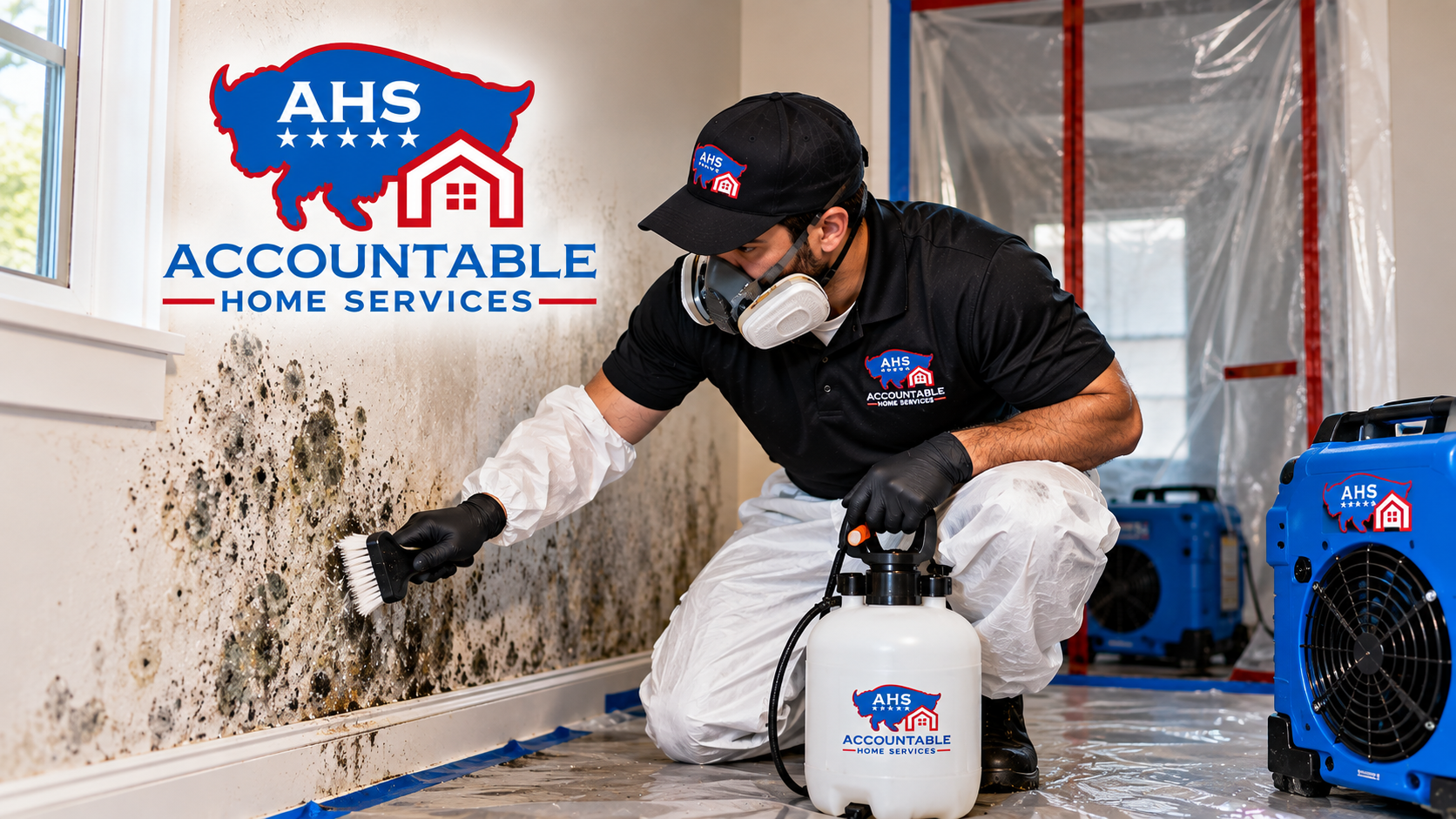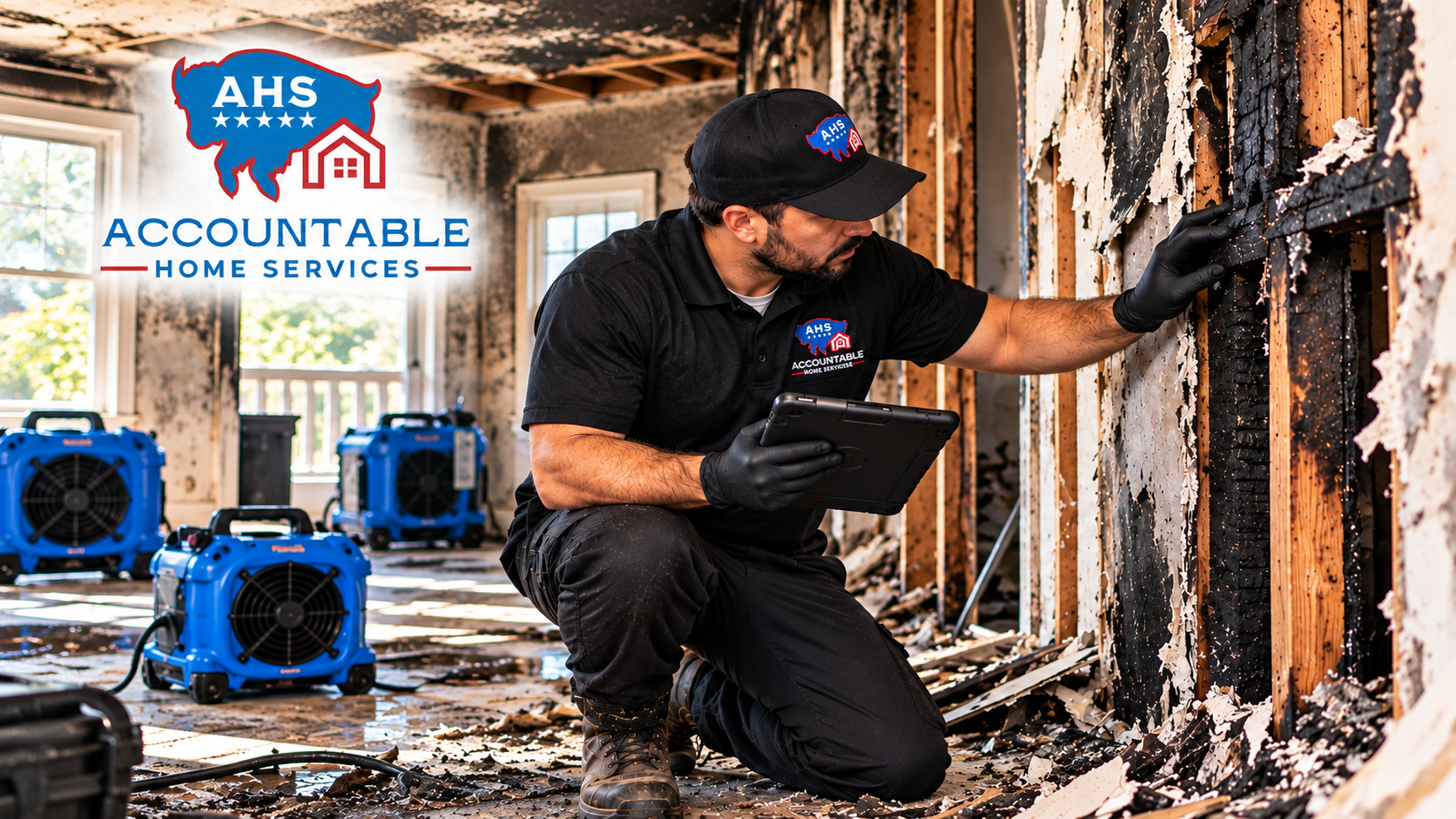
Mold Remediation and Bleach in Arvada, CO: Does Bleach Actually Work?
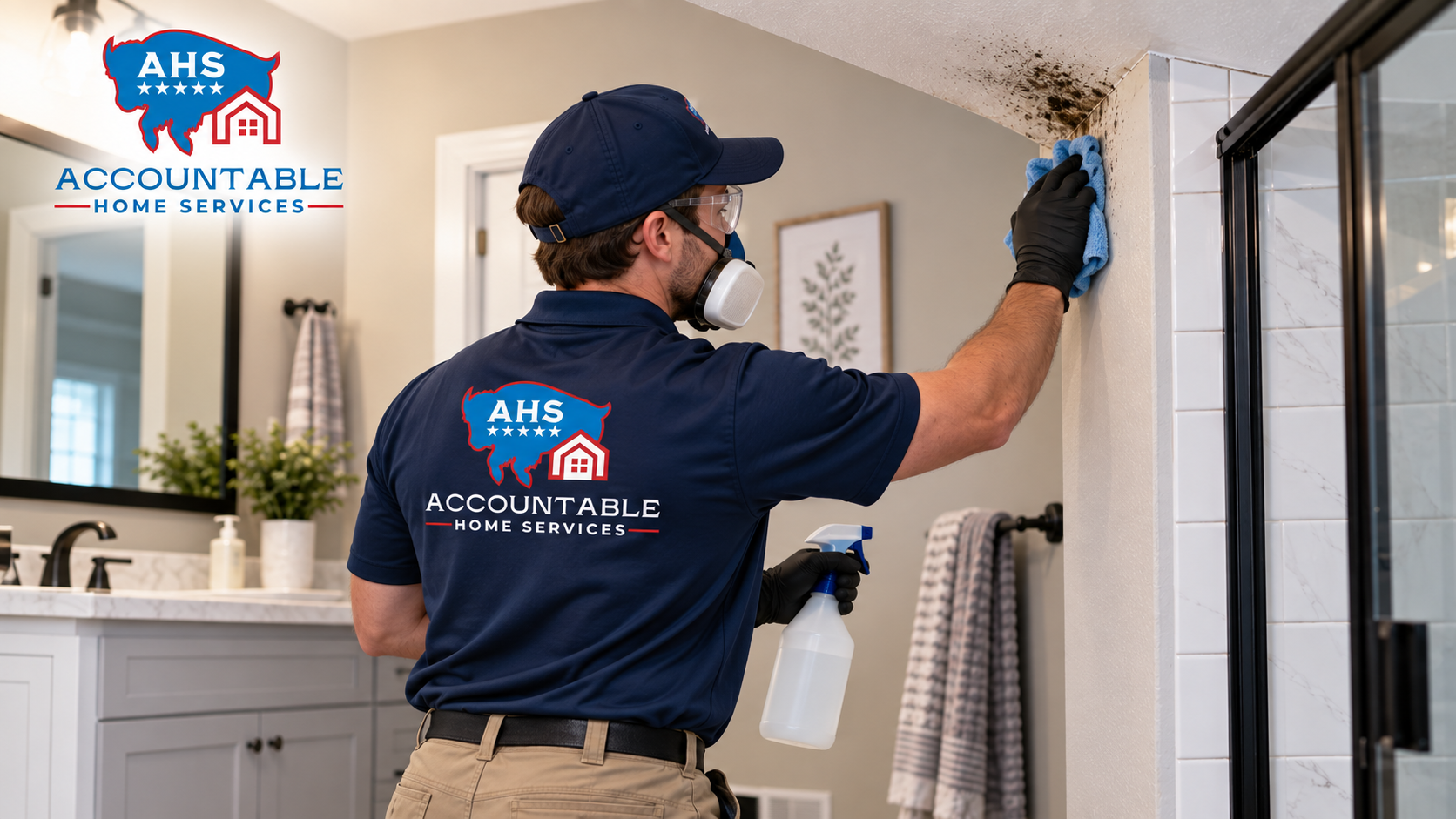
Mold Remediation and Bleach in Arvada, CO: Does Bleach Actually Work?
When mold shows up after a leak, flood, or slow plumbing issue, bleach is often the first thing people reach for. It can make visible staining look better on some hard surfaces, but it does not solve the moisture problem that allowed the mold to grow. For Arvada homeowners, property managers, plumbers, and insurance agents, the key difference is simple: cleaning what you can see is not the same as proper mold remediation.
Does bleach kill mold?
Bleach can affect surface mold on non-porous materials like tile, glass, or some sealed surfaces, but it is not a complete mold remediation solution. If you are asking, “does bleach kill mold?” the honest answer is: sometimes on the surface, but not reliably where the real problem may be hiding. Mold grows because moisture is present, and bleach for mold does not dry materials, find the water source, remove damaged building materials, or prevent the problem from coming back.
That is where many homeowners get stuck. They spray bathroom mold bleach on a shower corner, the dark spots fade, and it feels handled. A few weeks later, the same area looks stained again because humidity, a leak, poor ventilation, or wet materials were never corrected.
The same concern applies to black mold bleach searches online. Color alone does not tell you everything about the mold or the risk. More important questions are: How much growth is present? What materials are affected? Is there hidden moisture? Has the source been fixed? Those answers matter more than using a stronger cleaner.
Cleaning visible mold is not the same as remediation
There is a clear difference between mold cleaning bleach and professional mold remediation. Cleaning is focused on the visible surface. Remediation is focused on the full condition that allowed mold to grow, including moisture, affected materials, air movement, containment, cleaning, drying, and prevention.
Bleach may remove surface growth or lighten stains. It does not confirm whether drywall, insulation, framing, flooring, or cabinets are wet. It does not tell you whether there is hidden mold in walls. It also does not stop spores from being disturbed and spread if a moldy area is scrubbed, cut, or dried incorrectly.
Proper remediation looks at the whole picture:
- Source of moisture: Was it a roof leak, pipe leak, toilet overflow, appliance failure, sump issue, or condensation problem?
- Extent of damage: Is the growth limited to a small surface area, or has moisture traveled behind trim, under flooring, or into wall cavities?
- Type of material: Hard surfaces may be cleanable, while porous materials may need removal.
- Containment needs: The work area may need to be isolated to reduce cross-contamination.
- Drying plan: Materials must be dried to appropriate conditions so mold does not return.
- Documentation: Photos, moisture readings, and clear notes can help support insurance claim conversations when coverage applies.
For insurance agents, plumbers, and property managers, this distinction matters. A client or tenant may think they “treated it with bleach,” but the claim, repair plan, and health of the building depend on whether the water damage and moisture conditions were actually handled.
Why bleach has limits on mold removal
Bleach is a surface disinfectant, not a moisture investigation tool. It can discolor growth on some hard surfaces, but it is not designed to penetrate porous building materials in a way that solves a mold problem. When people search for mold remediation bleach, they are usually looking for a simple answer. The safer answer is that bleach may be part of basic surface cleaning in limited situations, but it is not a substitute for remediation.
Porous materials are the main issue. Drywall, carpet pad, insulation, unfinished wood, fabric, and some ceiling materials can hold moisture and organic matter. Spraying bleach on mold walls may lighten the surface while leaving wet paper backing, wall cavities, or insulation untouched. If the area stays damp, mold can continue to grow even if the surface looks cleaner for a short time.
Bleach also does not solve widespread growth. If mold covers a larger area, shows up in multiple rooms, follows a water damage path, or returns after cleaning, the problem is no longer basic housekeeping. At that point, looking for mold removal near me is reasonable because the building needs a closer inspection, not just another cleaning product.
What should happen after mold appears after water damage?
When you find mold after water damage, the first step is to stop the water source if it is safe to do so, then limit disturbance and get the affected area evaluated. Mold is a symptom of moisture. If the moisture source remains active, any cleaning product is only a temporary cosmetic step.
A practical response usually includes these steps:
- Stop or control the water source. A plumber may need to repair a leaking pipe, water heater, fixture, drain line, or supply line before restoration work can be effective.
- Document the condition. Take clear photos of visible damage, affected rooms, damaged contents, and any suspected source before major cleanup begins.
- Avoid aggressive scrubbing or demolition. Scrubbing moldy drywall or pulling materials apart without containment can spread particles into nearby areas.
- Check moisture beyond what is visible. Water can travel under flooring, behind baseboards, inside cabinets, and into wall cavities.
- Use containment when needed. Containment helps separate affected work areas from clean areas during mold cleanup.
- Remove materials that cannot be properly cleaned. Some porous or damaged materials may need to be taken out rather than sprayed and left in place.
- Clean and dry the area. Cleaning without drying is incomplete. Drying without correcting the source is also incomplete.
- Confirm the prevention plan. Ventilation, repairs, drainage, or humidity control may be needed to reduce the chance of recurrence.
This is why mold cleanup Arvada projects often involve more than wiping surfaces. A proper plan protects the building, reduces repeat calls, and gives everyone involved a clearer record of what happened and what was done.
Moisture detection matters more than stronger chemicals
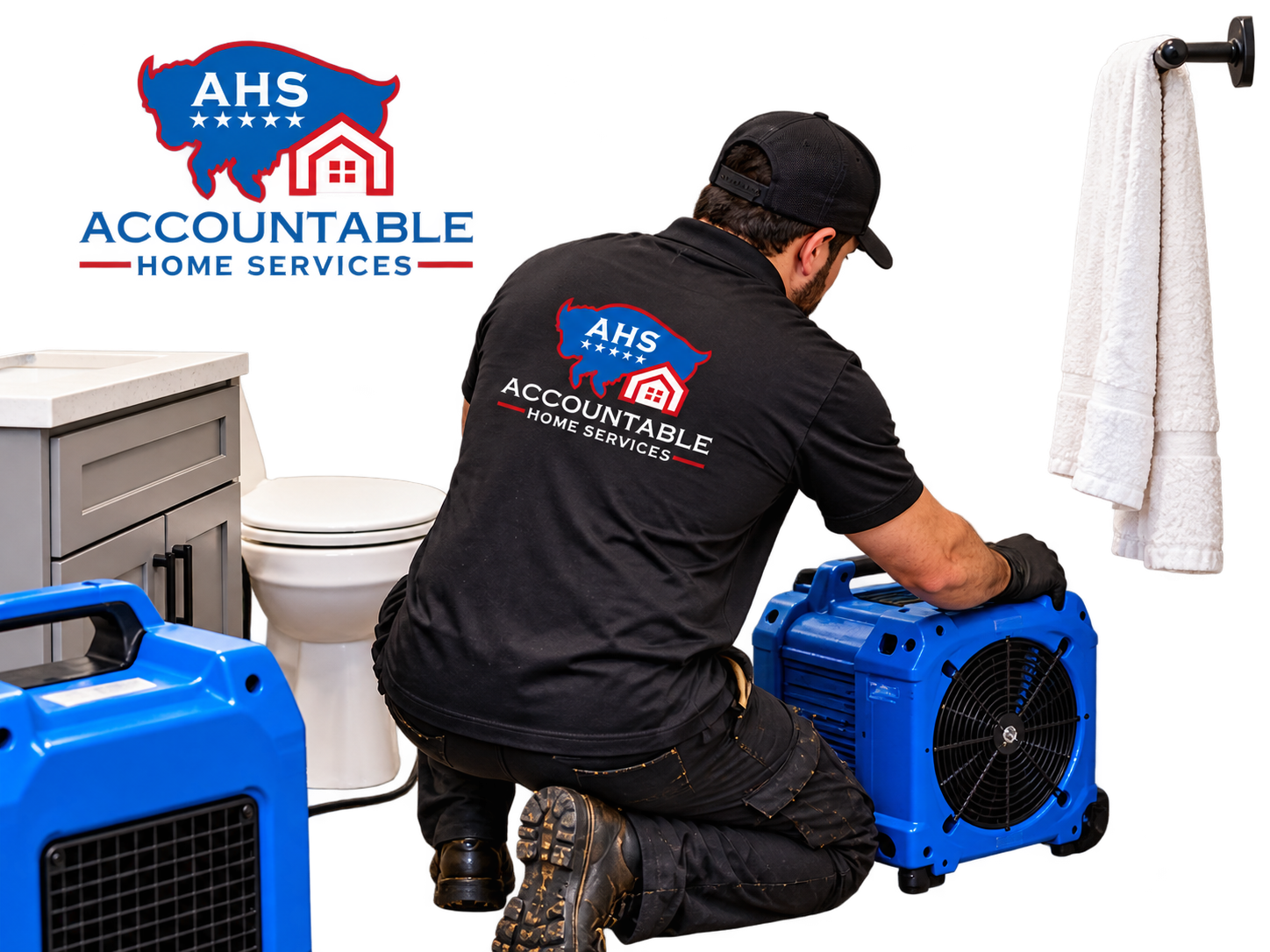
A stronger cleaner does not help if water is still trapped in the building. Moisture detection is one of the most important parts of mold remediation Arvada homeowners should expect, especially after a basement leak, frozen pipe, roof issue, appliance overflow, or drain backup.
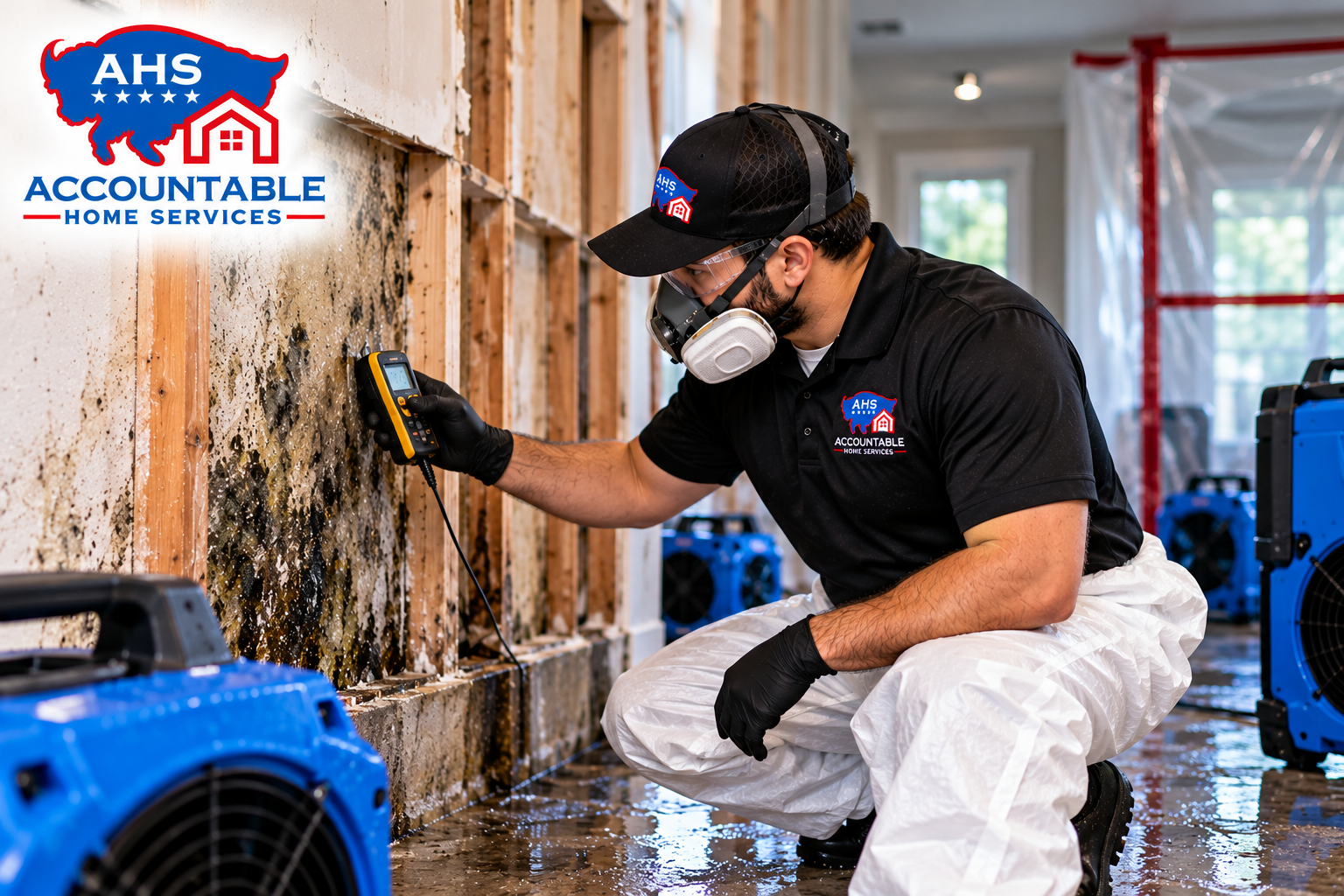
Restoration professionals use inspection methods and moisture readings to understand where water traveled. That matters because mold does not always grow exactly where the leak started. Water may run down a stud bay, collect behind baseboards, settle beneath flooring, or wick into drywall. Without checking moisture, a person may clean the obvious spot and miss the damp area feeding the problem.
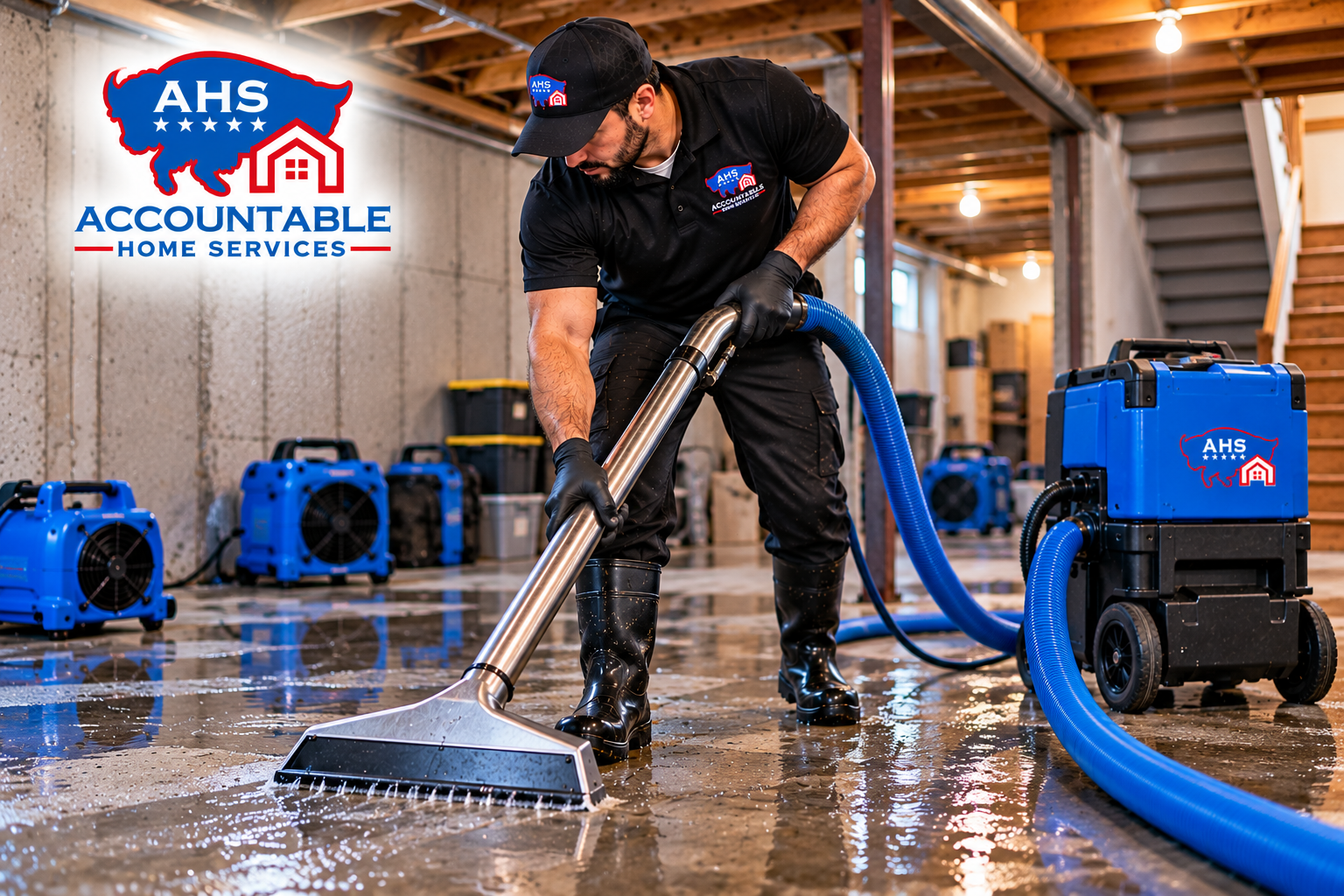
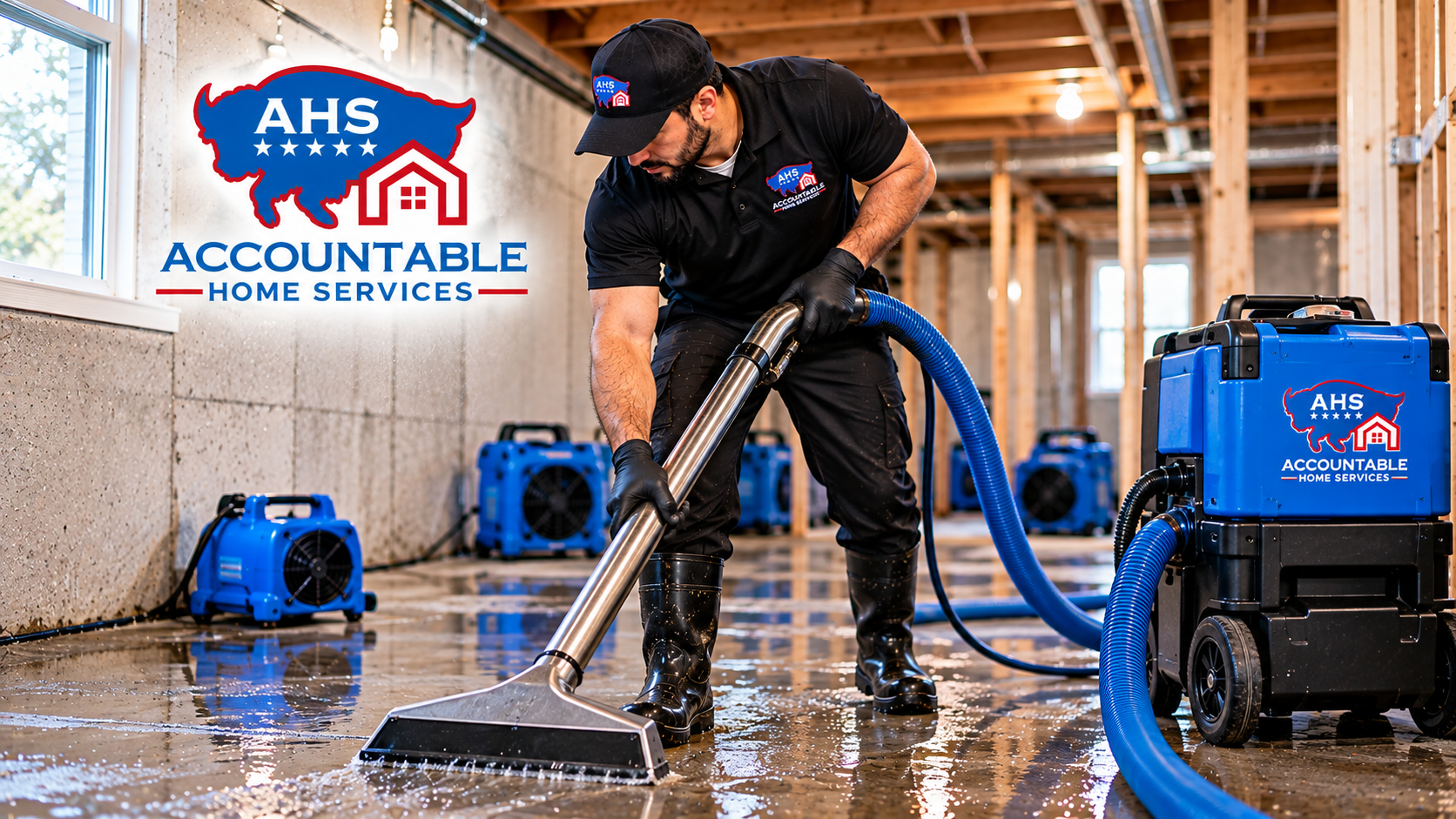
This is common with basement mold Arvada calls. Basements may have foundation seepage, sump pump trouble, high humidity, poor air circulation, or finished walls that hide damp materials. Spraying visible spots does not answer whether framing, carpet pad, drywall, or stored contents are affected.
For property managers, moisture detection also helps with communication. Owners and tenants need clear information: what areas were checked, what materials were wet, what needs to be removed, what can be dried, and what repairs may follow. Good documentation helps reduce confusion and keeps the process more organized.
Containment and material removal protect the rest of the property
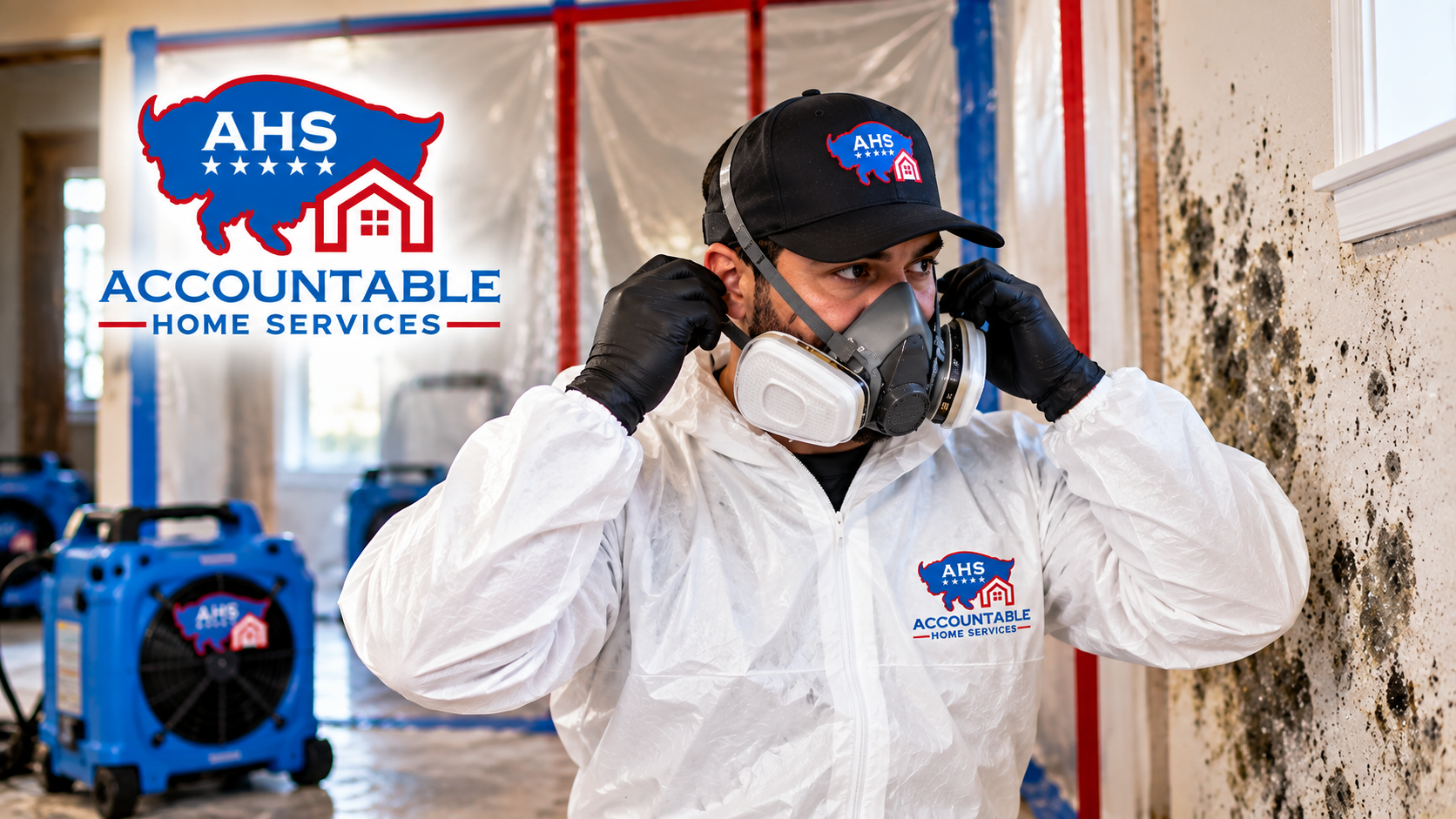
Containment is one of the big differences between do-it-yourself cleaning and professional mold remediation. The purpose is not to make the situation sound scary. It is to keep an affected area from becoming a larger affected area while work is underway.
When moldy materials are disturbed, particles can move with dust, air currents, tools, shoes, and debris. Containment may include closing off the work zone, controlling airflow, protecting nearby areas, and removing debris carefully. The exact setup depends on the size and location of the damage.
Material removal is another important decision. Some surfaces can be cleaned. Others cannot be restored safely or practically once they are moldy, wet, or damaged. For example, stained tile grout may be a cleaning issue, while moldy drywall from a long-term leak may require removal. Wet insulation inside a wall is not fixed by spraying the painted surface.
This is where searches like mold removal Arvada CO can lead to better next steps. A qualified restoration team can determine whether the situation calls for cleaning, removal, drying, or a combination. The goal is not to remove more than necessary. The goal is to remove what cannot be properly cleaned or dried and protect the parts of the property that are still unaffected.
When bleach may be reasonable for small surface spots
There are limited cases where surface cleaning may be reasonable, especially for small spots on hard, non-porous materials in a well-ventilated area. A little mildew-like growth on bathroom tile or a small spot on glass is different from growth on drywall after a pipe leak. Even then, the cleaning product is only one part of the fix.
Before using bleach, homeowners should think about safety and the bigger moisture issue:
- Do not mix bleach with other cleaners, especially ammonia-based products.
- Ventilate the area if using any cleaning chemical.
- Wear basic protection such as gloves and eye protection.
- Avoid spraying large areas or porous materials.
- Look for the reason the area became damp.
- Stop and call for help if growth returns, spreads, smells musty, or follows water damage.
If the mold is connected to a plumbing leak, overflow, sewage or drain backup, roof leak, or wet building materials, bleach should not be the main plan. That is a restoration issue, not just a cleaning task.
Clear documentation helps insurance conversations
Mold and water damage claims can be confusing. Coverage depends on the policy, cause of loss, timing, exclusions, and the facts of the situation. A restoration company should not promise coverage, but it can help by documenting conditions clearly.
Helpful documentation may include photos, moisture readings, notes about affected areas, source information when known, equipment records, material removal notes, and drying progress. This supports homeowners, insurance agents, plumbers, and property managers because everyone has a clearer timeline and fewer unanswered questions.
For an insurance agent, a restoration partner who communicates plainly can reduce client frustration. For a plumber, it means the customer is not left wondering who handles drying after the leak is fixed. For a property manager, it helps show owners and tenants that the response was organized and aimed at reducing further damage.
The right next step for Arvada properties
If you see a small surface spot in a bathroom, cleaning and improving ventilation may be enough. If you see mold after water damage, smell a musty odor, notice staining that returns, or suspect hidden mold in walls, it is time to slow down and get the moisture problem checked. Bleach can make a surface look cleaner, but it cannot tell you what is happening inside the building.
The best path is simple: find the source, document the damage, contain the affected area when needed, remove materials that cannot be cleaned, dry the structure, and prevent the same conditions from coming back. That is the difference between temporary mold cleaning and real mold remediation.
If moisture remains, mold will return regardless of the cleaning product used. Bleach, sprays, scrubbing, and stronger chemicals cannot replace fixing the water source and drying the affected materials. For Arvada homes and managed properties, addressing moisture first is what turns a stressful mold problem into a controlled restoration plan.