Mold Cleaner in Erie, CO: What Works, What Doesn’t, and When to Call a Professional
Mold Cleaner in Erie, CO: What Works, What Doesn’t, and When to Call a Professional
When mold shows up in an Erie home, the first question is usually simple: can I clean this myself, or is there a bigger moisture problem hiding behind it? Our mold cleaner and mold remediation guidance helps homeowners, plumbers, insurance agents, and property managers understand what a cleaner can handle, what it cannot, and when professional mold remediation is the safer next step. The goal is not to create alarm. It is to help you stop the source, document the damage, and avoid the same mold coming back again.
What does a mold cleaner actually fix?
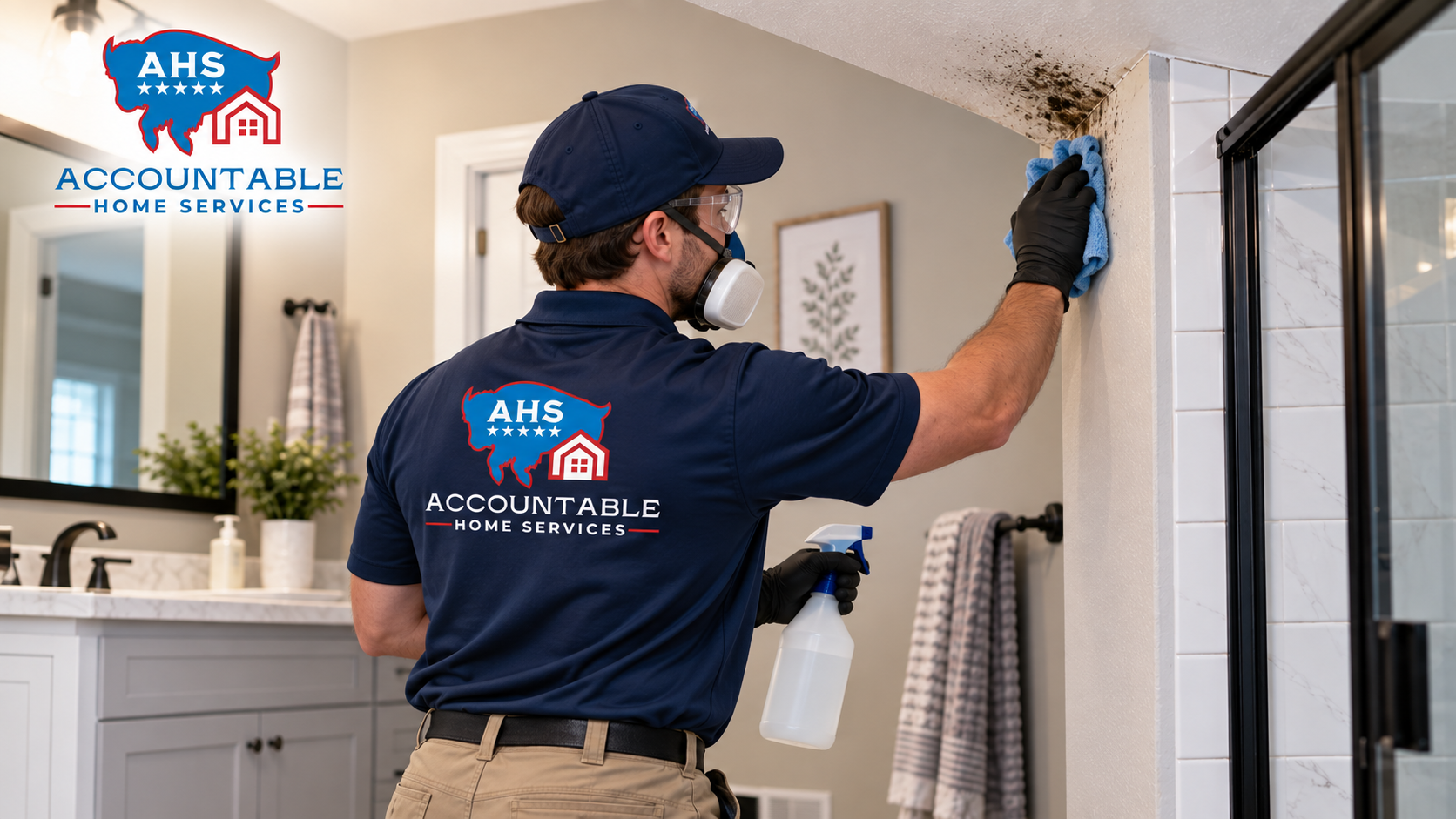
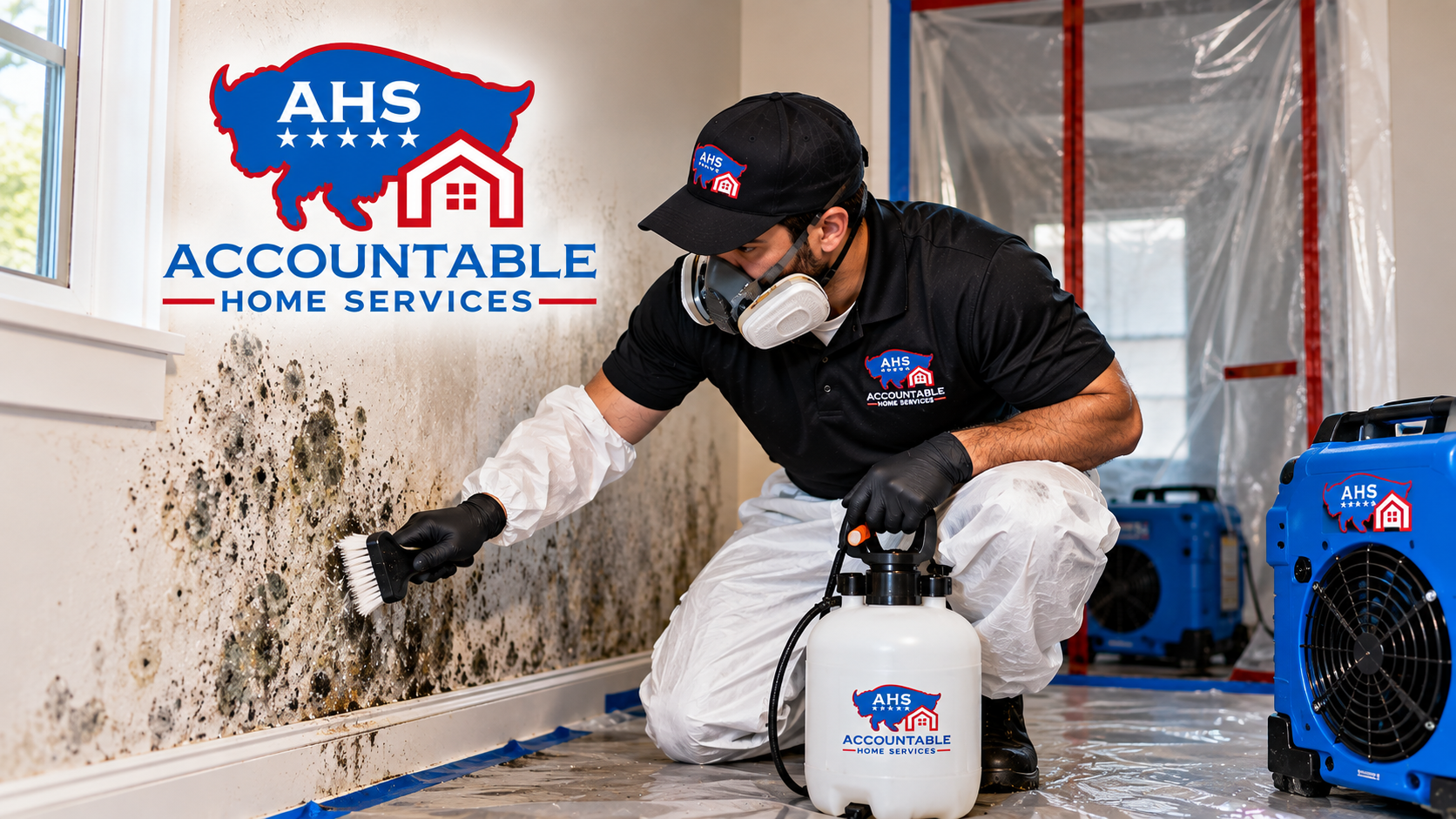
A mold cleaner can remove or reduce visible mold from certain surfaces, especially small, hard, non-porous areas like tile, glass, sealed countertops, tubs, and some fixtures. A bathroom mold cleaner, for example, may help with light surface growth on grout lines or shower walls when the area is small and the moisture issue is minor. In that situation, cleaning is mainly a surface task: apply the product as directed, scrub or wipe the visible growth, dry the area well, and improve ventilation.
That is different from solving a mold problem. Mold needs moisture to grow. If a leak, condensation issue, wet drywall, damp cabinet, or basement humidity problem is still present, mold can return no matter which mold killer or black mold cleaner you use. Cleaner choice matters, but moisture control matters more.
A practical option for Erie homes with mold concerns
Our mold cleaner Erie CO service is built for situations where a homeowner or property contact needs clear guidance, not guesswork. Sometimes the right answer is a small cleaning plan. Other times the right answer is moisture testing, containment, removal of affected porous materials, drying, and documentation for an insurance claim.
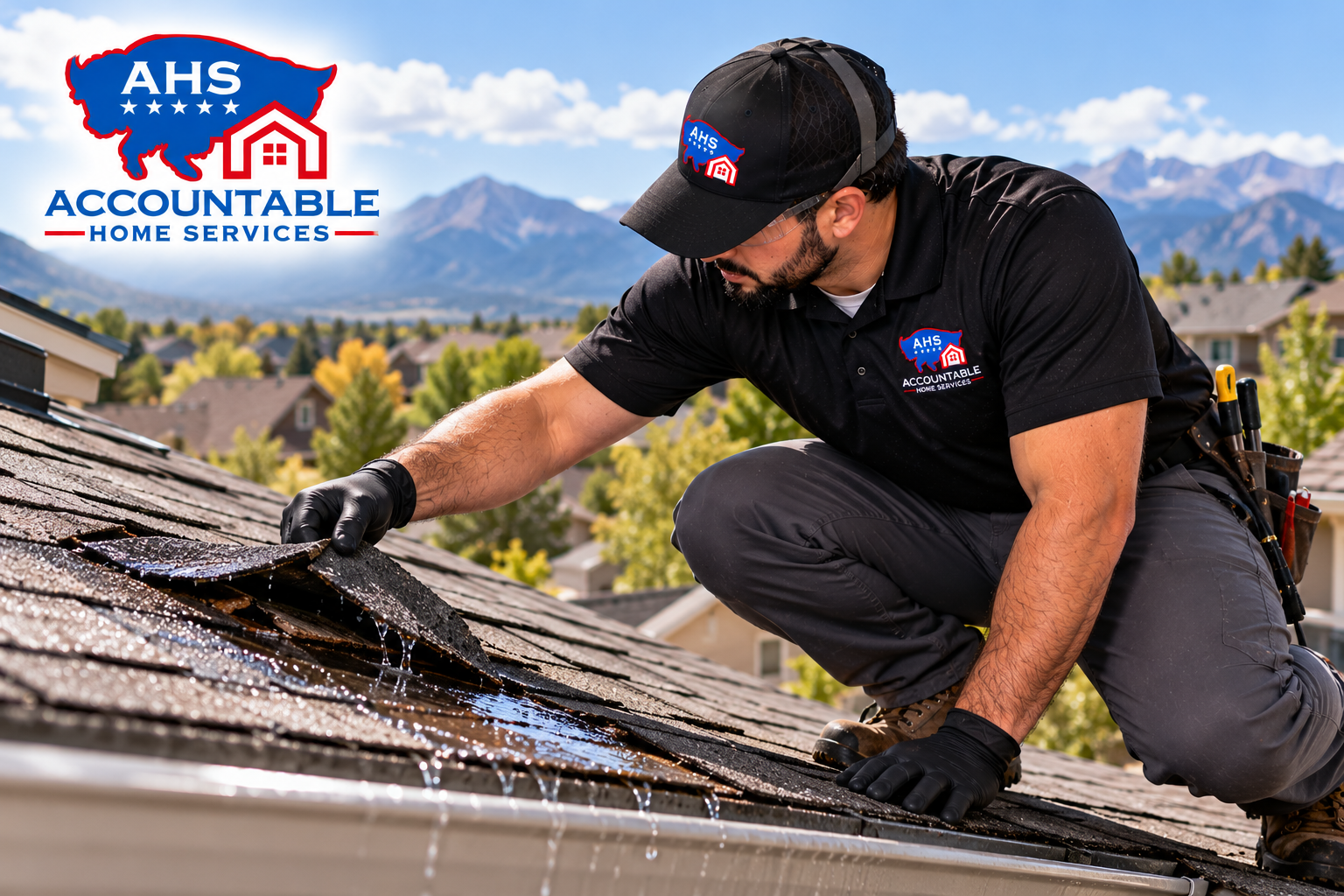
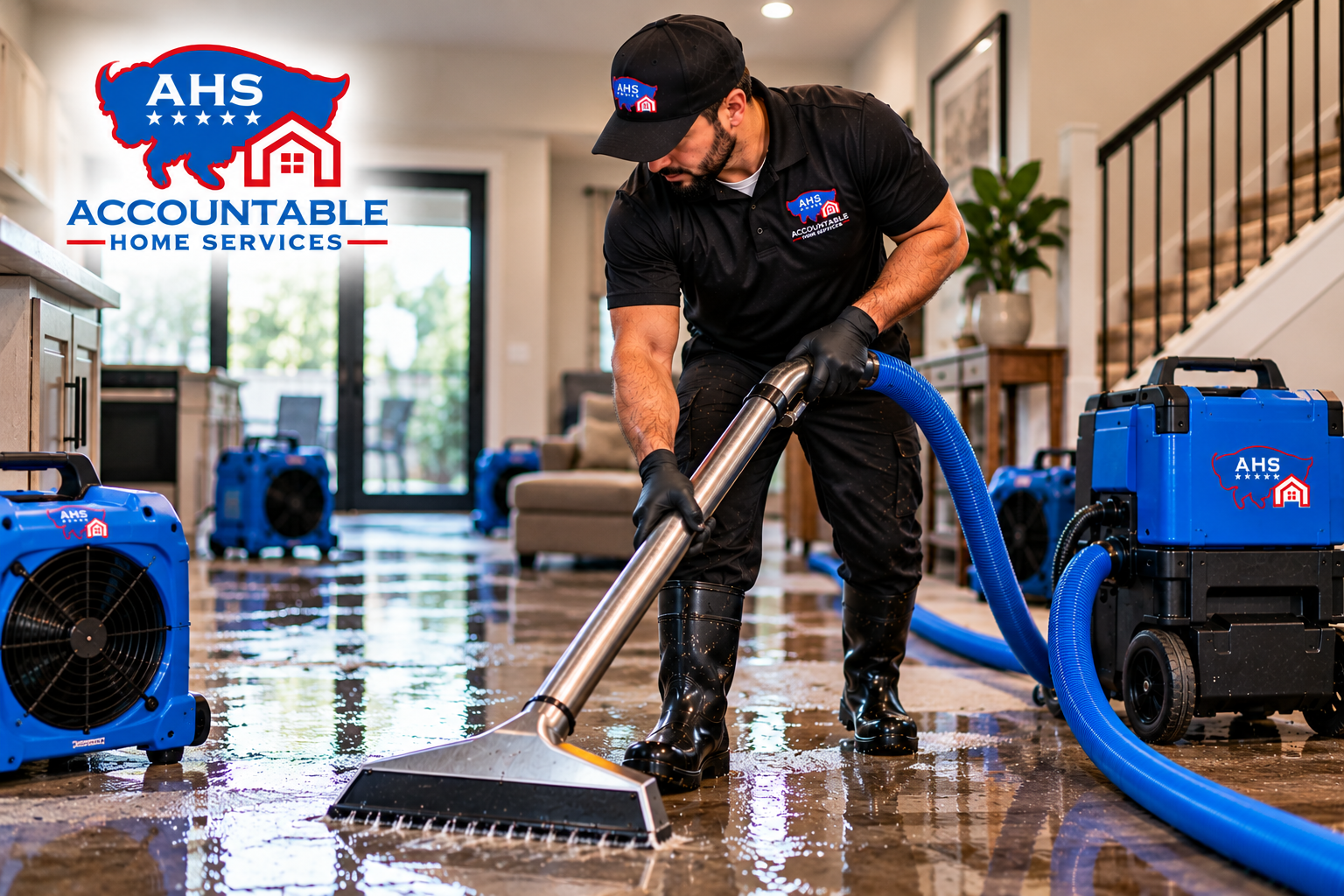
This is especially helpful after plumbing leaks, water heater failures, sump pump issues, drain backups, roof leaks, and slow hidden leaks under sinks or behind walls. Mold after water damage can develop when wet materials are not dried quickly or completely. Even if the room looks normal, moisture can remain behind baseboards, cabinets, drywall, and flooring.
Our focus is simple: identify the visible issue, look for the moisture source, explain the risk in plain language, and recommend the least disruptive responsible next step.
What household mold cleaners can handle
A household mold cleaner may be reasonable when the growth is limited, the surface is non-porous, and the source of moisture is obvious and easy to correct. This is usually a cleaning job, not a full remediation project.
Common examples include:
- Small bathroom spots on tile, glass, tubs, or sealed surfaces caused by poor ventilation.
- Light surface growth around a window where condensation is controlled after cleaning.
- Minor mildew-type staining on washable, non-porous surfaces.
- Isolated fixture or caulk areas where the affected material can be cleaned or replaced.
Even in these cases, follow product directions and avoid mixing cleaners. More product does not mean a better result, and mixing chemicals can be dangerous. After cleaning, dry the area fully and correct the moisture source, such as improving ventilation, repairing a small leak, or reducing indoor humidity.
Household products have limits. They are not designed to evaluate hidden mold in walls, dry wet building materials, protect unaffected areas during demolition, or document a larger water damage loss.
Where surface cleaning falls short
Cleaning visible mold can make a wall, cabinet, or bathroom look better for a while. It does not tell you whether mold is active behind the surface, whether framing or insulation is wet, or whether the same conditions are still feeding growth. That is why recurring mold is a warning sign.
If mold keeps coming back after cleaning, the issue is usually one of these:
- A leak has not been repaired.
- Materials are still damp behind the surface.
- Humidity or condensation is too high.
- Airflow is poor in a bathroom, basement, or cabinet cavity.
- Mold is growing on porous material that cannot be fully cleaned in place.
This is the main point: if the underlying moisture problem is not fixed, mold will return regardless of the cleaner used. A mold cleaner for walls can clean what you can see. It cannot dry a wet wall cavity or remove mold growth on the backside of drywall.
Porous materials need a different approach
Porous materials complicate mold removal because mold can grow into the surface, not just on top of it. Drywall, insulation, carpet pad, unfinished wood, particleboard, and some ceiling tiles can hold moisture and organic material. Once mold growth gets into those materials, wiping the face of the surface may leave contamination behind.
That is why a stained patch on drywall is different from a spot on shower tile. Tile can often be cleaned because it is hard and non-porous. Drywall is paper-faced and absorbent. If the wall has been wet, mold may be on the front, back, and inside the wall cavity.
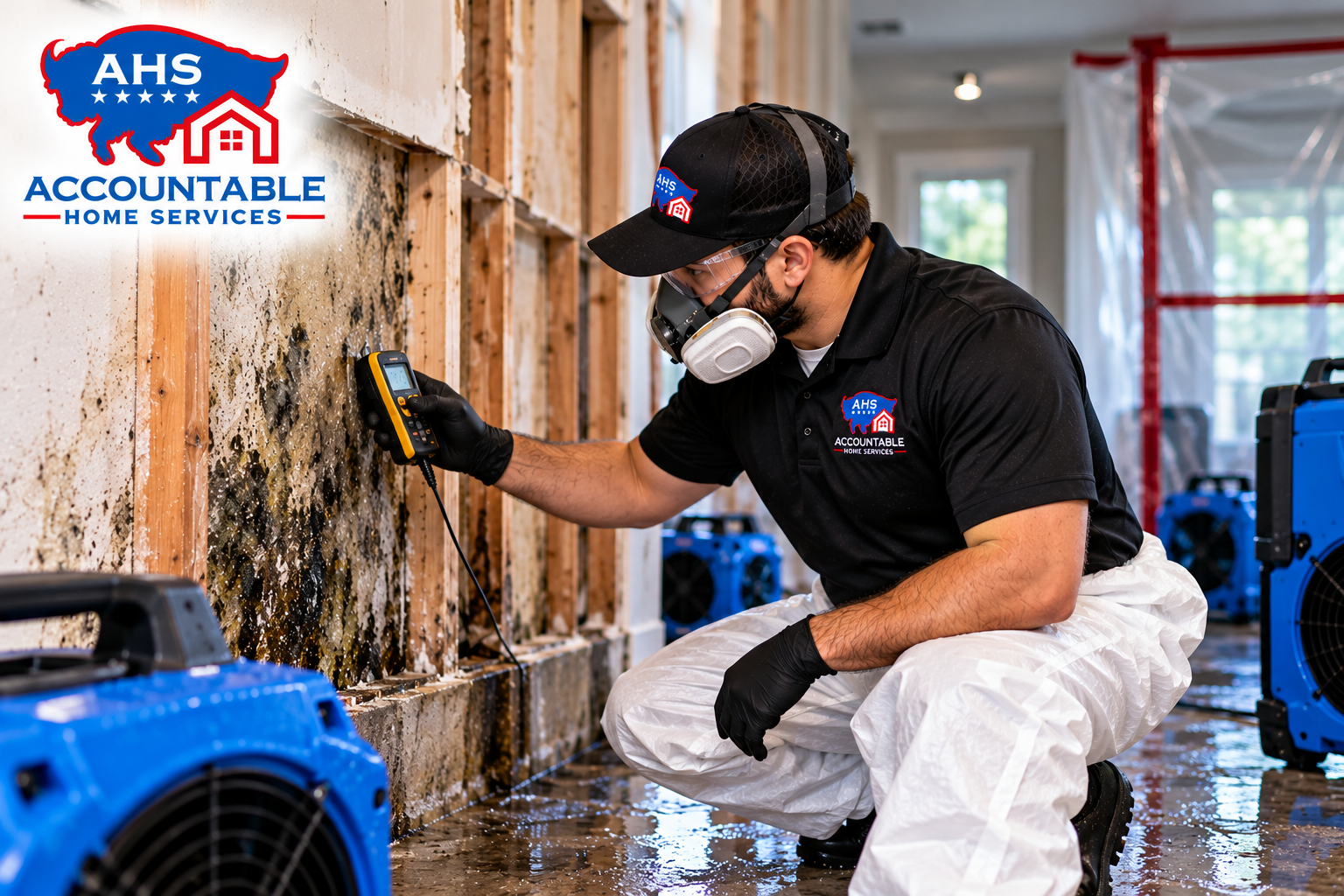
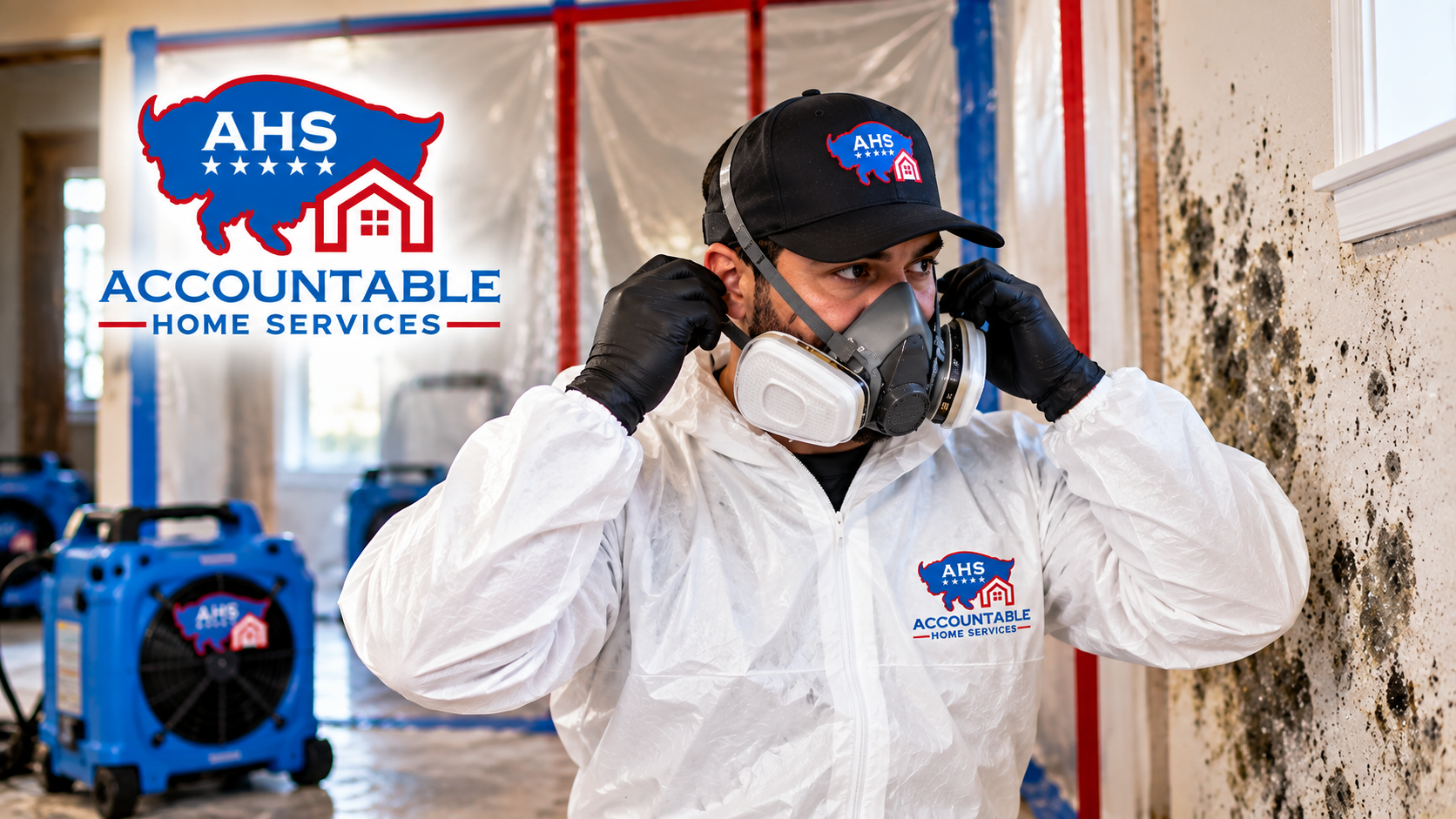
Professional mold remediation may involve controlled removal of affected porous materials, containment to limit spread, air filtration, cleaning of remaining surfaces, and drying. The exact scope depends on what is wet, what is contaminated, and how far the moisture traveled.
Signs you may have hidden mold
Hidden mold in walls, cabinets, and basements is common after slow leaks because the visible surface may not show the full problem. This often happens under kitchen sinks, behind bathroom vanities, around tubs, near washing machines, behind baseboards, and in finished basements.
Watch for these signs:
- Musty odor that returns after cleaning.
- Staining, bubbling paint, or soft drywall.
- Swollen baseboards, cabinet bottoms, or flooring.
- Mold growth inside a cabinet or behind stored items.
- Recent water damage followed by new odor or discoloration.
- Tenant or homeowner reports of dampness in the same area more than once.
For property managers, these signs are worth taking seriously because delays can create tenant frustration and a larger repair. For plumbers, they are often the point where the plumbing repair is only part of the solution. For insurance agents, clear notes and photos from the beginning can help the client understand what happened and why additional restoration work may be needed.
When professional mold remediation is advisable
Professional mold remediation is usually the right call when the affected area is more than a small surface spot, when porous materials are involved, or when the moisture source is unclear. It is also advisable when mold appears after a water damage event, keeps coming back, or may be hidden behind drywall, cabinets, flooring, or basement finishes.
Consider calling for mold removal Erie CO support when you are dealing with:
- Mold after water damage from a leak, flood, backup, or failed appliance.
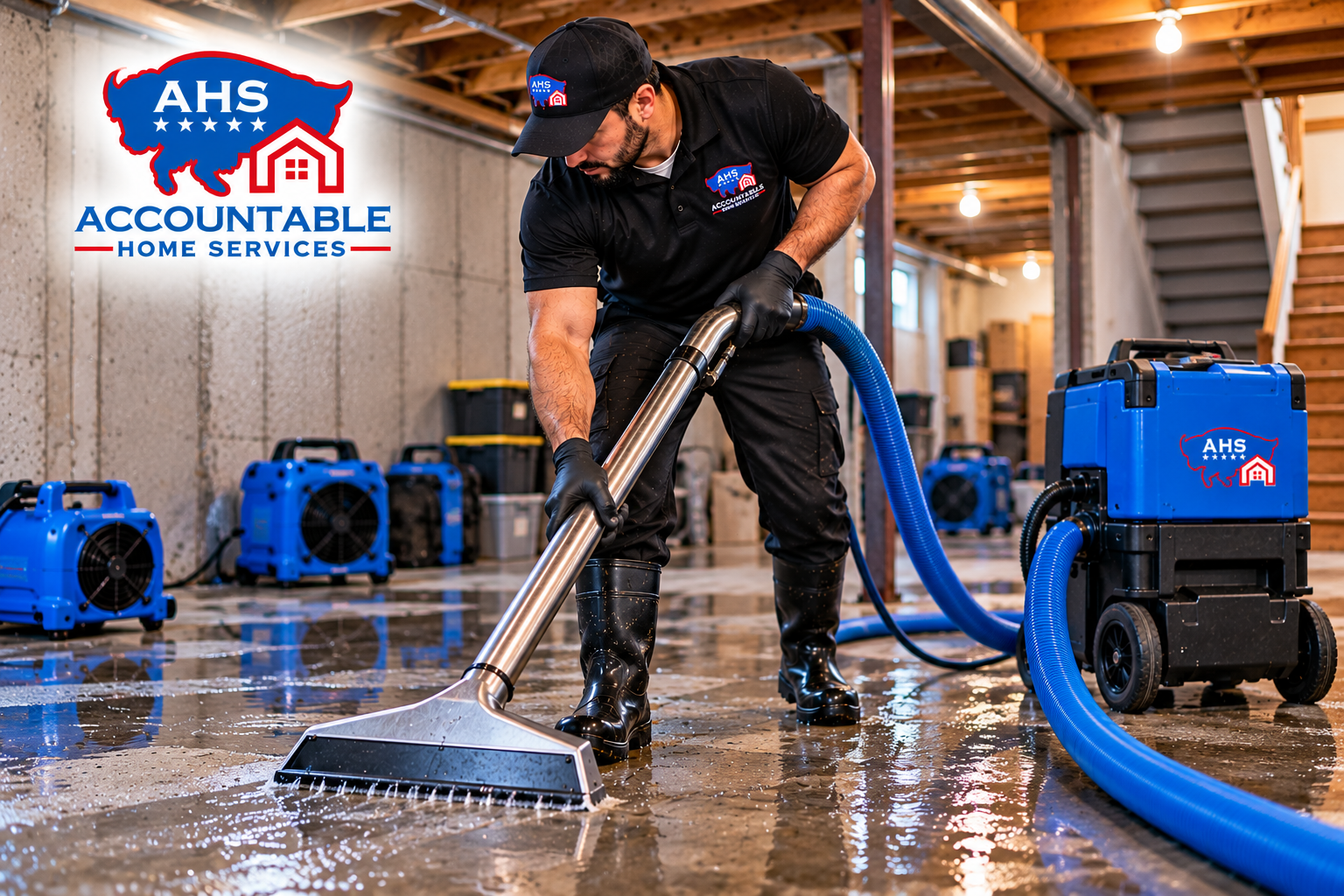
- Basement mold Erie homeowners notice after seepage or high humidity.
- Mold on drywall, carpet, insulation, wood, or cabinet materials.
- A musty smell with no clear visible source.
- Recurring mold after repeated cleaning.
- Damage connected to an insurance claim.
- A rental, managed property, or occupied space where documentation matters.
A professional can help separate cleaning from remediation. Cleaning is about removing visible surface growth. Remediation is about controlling the work area, removing or cleaning affected materials properly, drying the structure, and addressing the conditions that allowed mold to grow.
What is included in a professional visit
A professional visit is meant to give you a clear plan, not a confusing sales pitch. The first step is usually a visual inspection of the affected area and nearby moisture sources. The technician may check for moisture in building materials, look for signs of water migration, and ask what happened, when it happened, and what has already been done.
Depending on the situation, the service may include:
- Moisture source review to identify leaks, condensation, humidity, or water damage history.
- Visible mold assessment to determine whether the issue appears limited or more widespread.
- Moisture mapping to understand where materials may still be wet.
- Containment planning when removal or cleaning could disturb affected materials.
- Removal recommendations for porous materials that cannot be cleaned reliably.
- Cleaning and drying guidance for surfaces and materials that can be saved.
- Photo documentation and notes that may support an insurance claim or property file.
Pricing depends on the size of the affected area, the materials involved, access, moisture conditions, and the amount of containment or removal needed. Small cleaning jobs are very different from mold remediation Erie projects involving wet drywall, insulation, or finished basement areas. A clear estimate should explain the proposed scope before work begins.
Built for homeowners, agents, plumbers, and property managers
Good mold cleanup is not only about the cleaner. It is about communication. Homeowners need to know what to do first. Insurance agents need a restoration partner who documents conditions clearly and does not create extra headaches. Plumbers need someone they can refer when the leak is fixed but the water damage remains. Property managers need fast, plain updates they can share with owners and tenants.
That is why the best next step is often a simple conversation. If the mold is minor and on a cleanable surface, you may only need basic cleaning and better moisture control. If the mold is recurring, hidden, connected to water damage, or growing on porous materials, professional mold remediation is the safer path.
If you are searching for mold removal near me Erie or trying to decide whether a black mold cleaner is enough, start with the real question: where is the moisture coming from? Once that answer is clear, the right cleanup plan becomes much easier to choose.
Start with the moisture source, then choose the cleanup plan
Before buying another mold killer or scrubbing the same spot again, look for the reason mold grew there in the first place. Repair active leaks, dry wet materials, improve airflow, and document what you see with photos. If the affected area is small and non-porous, a household mold cleaner may be enough after the moisture issue is corrected.
If you see signs of hidden mold, mold after water damage, basement mold, recurring growth, or damage to porous materials, call a professional for mold remediation guidance in Erie. A careful inspection and clear documentation can protect the property, support the claim process when applicable, and help prevent the same problem from returning.