Mask for Mold in Louisville, CO: What Homeowners Should Know Before Cleanup
Mask for Mold in Louisville, CO: What Homeowners Should Know Before Cleanup
If you find mold after water damage in a Louisville, CO home, choosing a mask matters, but it is only one part of staying safe. A basic face covering, an N95-style respirator, and a higher-level respirator for mold do very different jobs, and using the wrong protection can give a false sense of security. The Local Restoration Guide explains the practical difference, when cleanup may be reasonable for a small area, and when professional mold remediation Louisville homeowners can trust is the safer next step.
What kind of mask for mold should homeowners use?
For light, limited cleanup, many homeowners ask whether a mask for mold is enough. The plain answer is that an N95-type respirator is usually the minimum respiratory protection people think of for small mold cleanup tasks, while a basic cloth or surgical-style face covering is not designed for mold removal. For larger, hidden, recurring, or heavy mold growth, a mask alone is not enough; the situation should be evaluated by a qualified restoration professional.
Mold cleanup can disturb spores, dust, insulation particles, and contaminated building materials. That is why a mask for mold removal should be viewed as respiratory protection, not just something that covers your nose and mouth. Fit, filtration, the size of the affected area, and the source of the moisture all matter.
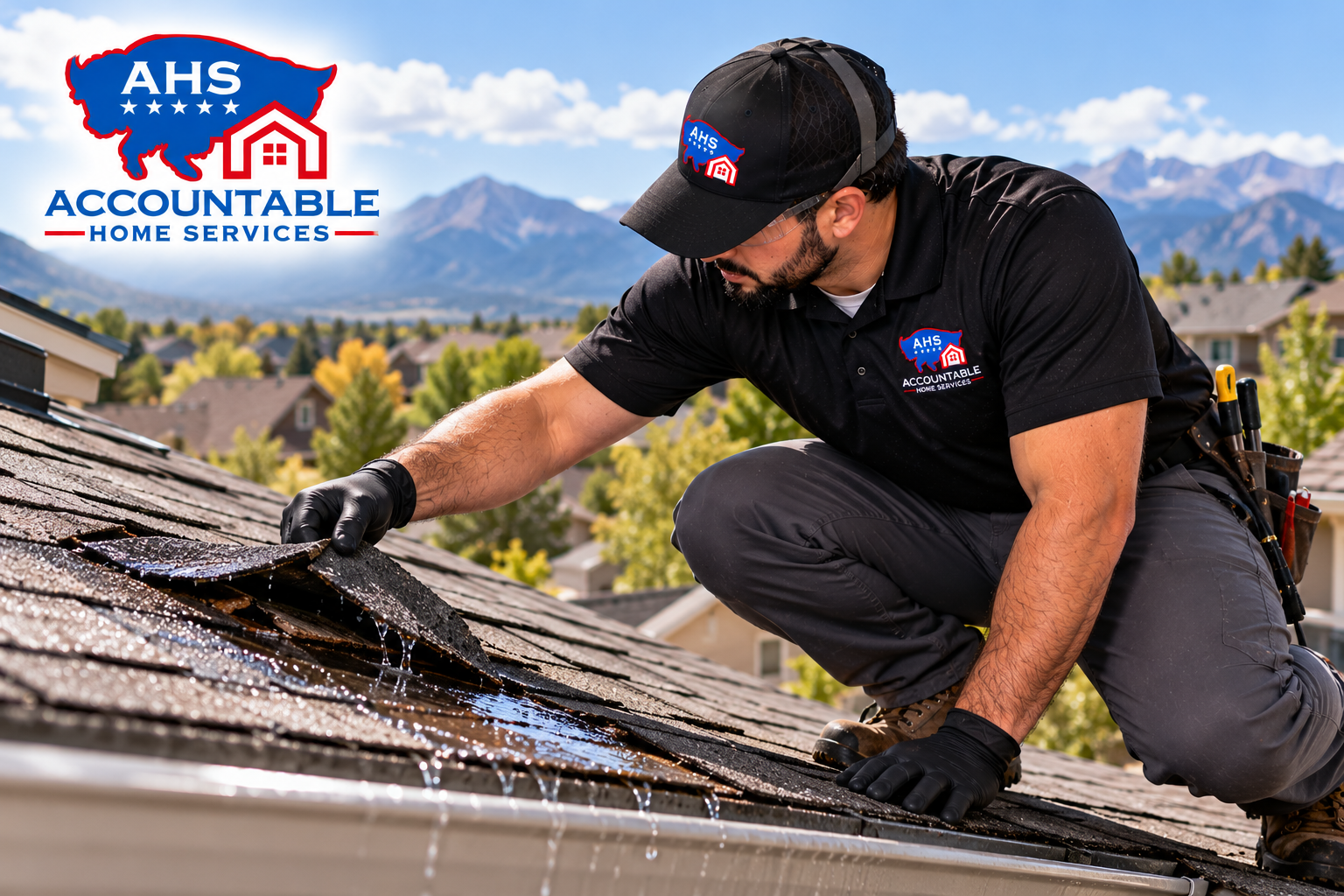
In Louisville and the north Denver metro area, mold often shows up after plumbing leaks, failed water heaters, frozen pipe breaks, roof leaks, appliance leaks, or basement moisture. If the material stayed wet long enough, cleanup is not just about wiping the surface. The moisture source must be corrected, wet materials must be handled properly, and the affected area may need containment so the problem does not spread.
Basic face coverings, N95 respirators, and professional respirators
Not all masks are the same. A basic face covering may help reduce large droplets or keep dust out of your mouth, but it is not a tight-fitting respirator and it is not intended as mold PPE. It usually does not seal to the face, and air can leak around the sides. For mold cleanup safety, that limitation is important.
An N95 respirator is different. When properly fitted and worn correctly, an N95 is designed to filter very small airborne particles. That is why people often search for an N95 mask for mold removal or an N95 for mold when they discover a small area of visible growth. Still, an N95 only works as intended when it fits the person’s face, is not damaged or wet, and is worn throughout the task.
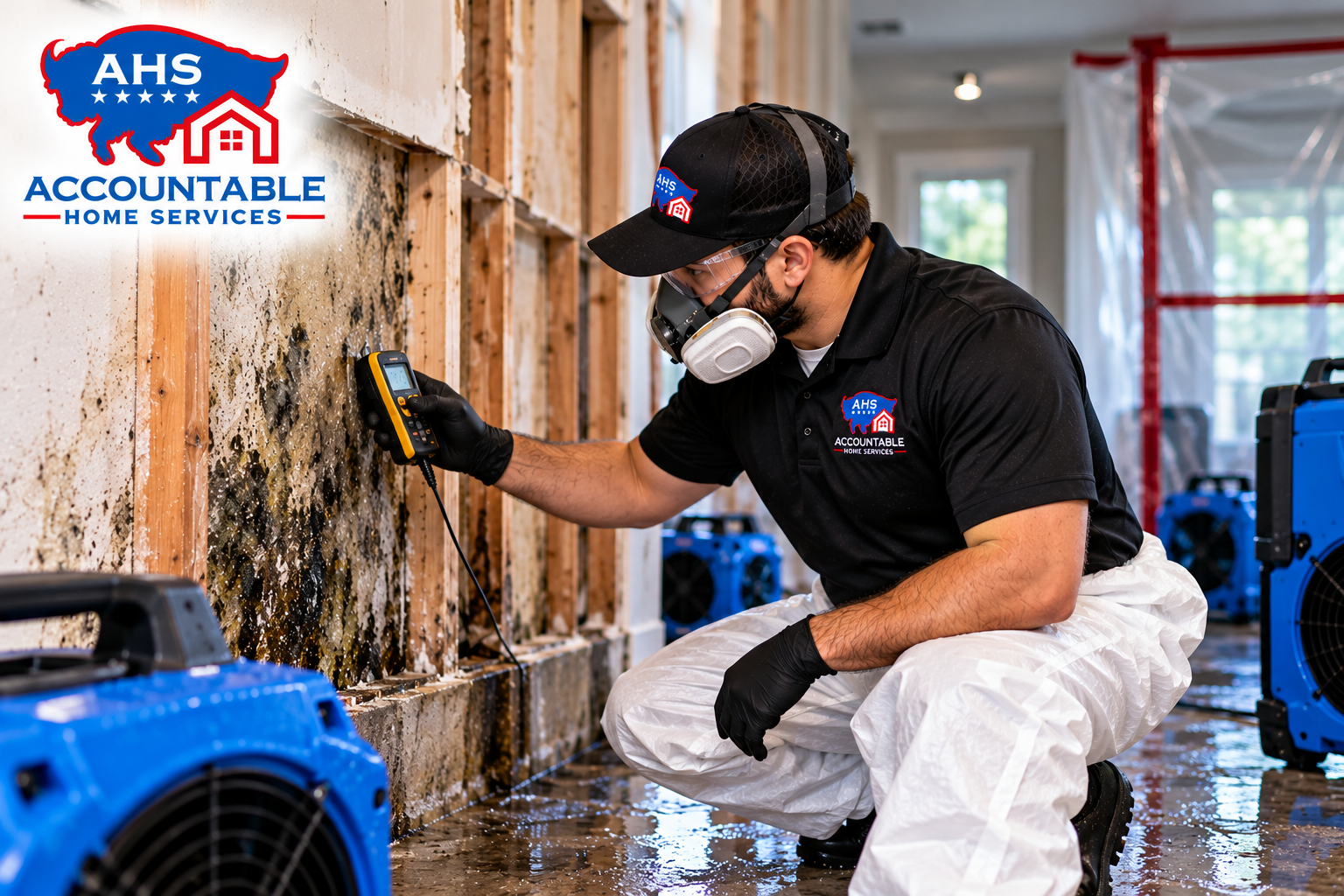
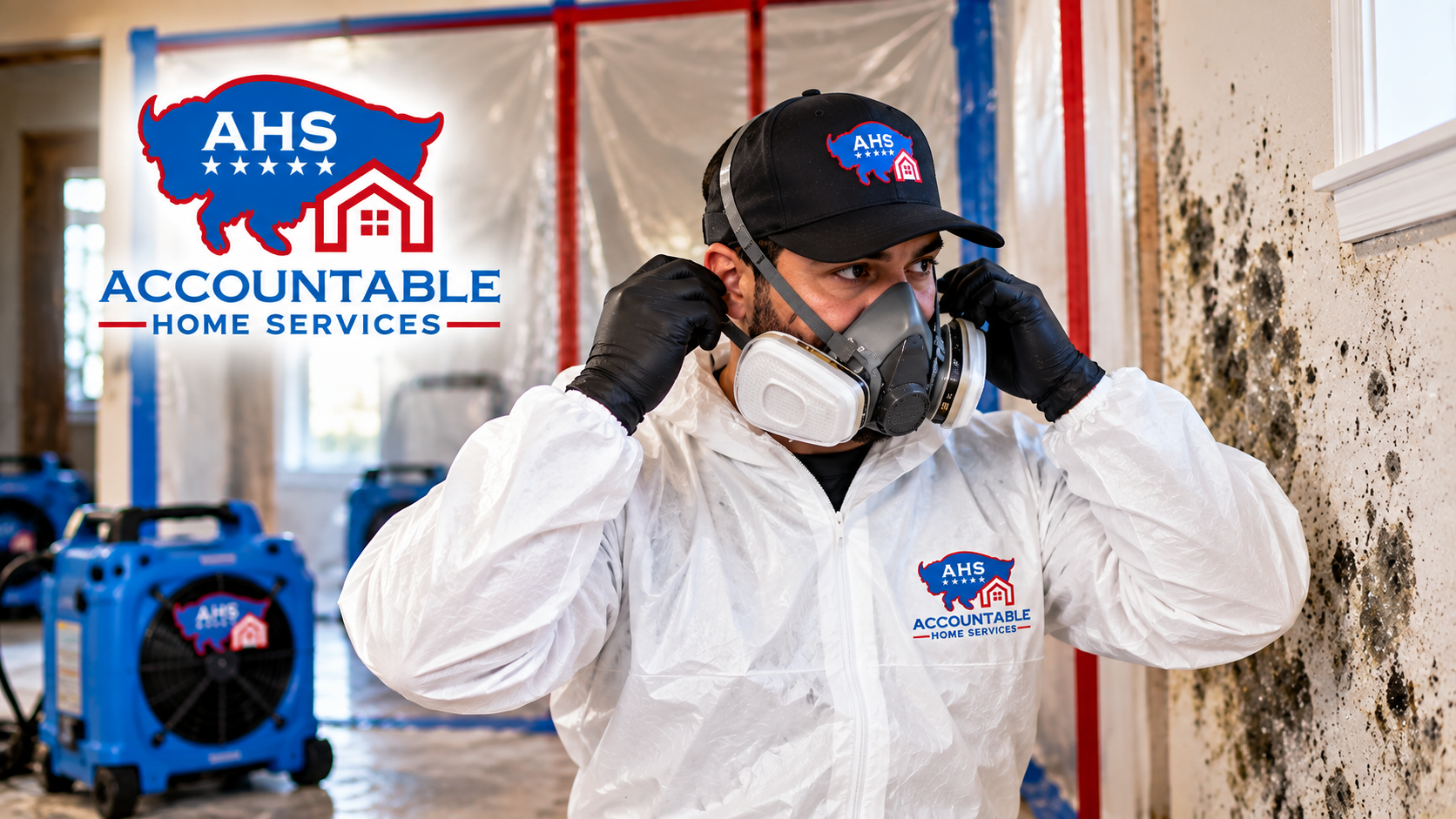
Higher-level respiratory protection is common during professional mold remediation. This may include half-face or full-face respirators with appropriate cartridges or filters, such as a P100 respirator mold setup. A full-face respirator also helps protect the eyes, which can be irritated during demolition or cleaning. Professionals may use different equipment depending on the work area, contamination level, materials being removed, and safety plan.
Here is the simple breakdown:
- Basic face covering: Loose-fitting, limited protection, not a true mold mask for cleanup.
- N95-type respirator: Filters fine particles when properly fitted; more appropriate for small, limited tasks.
- P100 or cartridge respirator: Higher-level protection often used with other mold PPE during professional work.
- Full-face respirator: Adds eye and face coverage when conditions call for stronger protection.
A black mold mask is not a special category by itself. The color or marketing name matters less than whether the product is a real respirator, whether it is rated for the task, and whether it fits correctly.
A mask does not replace full mold safety
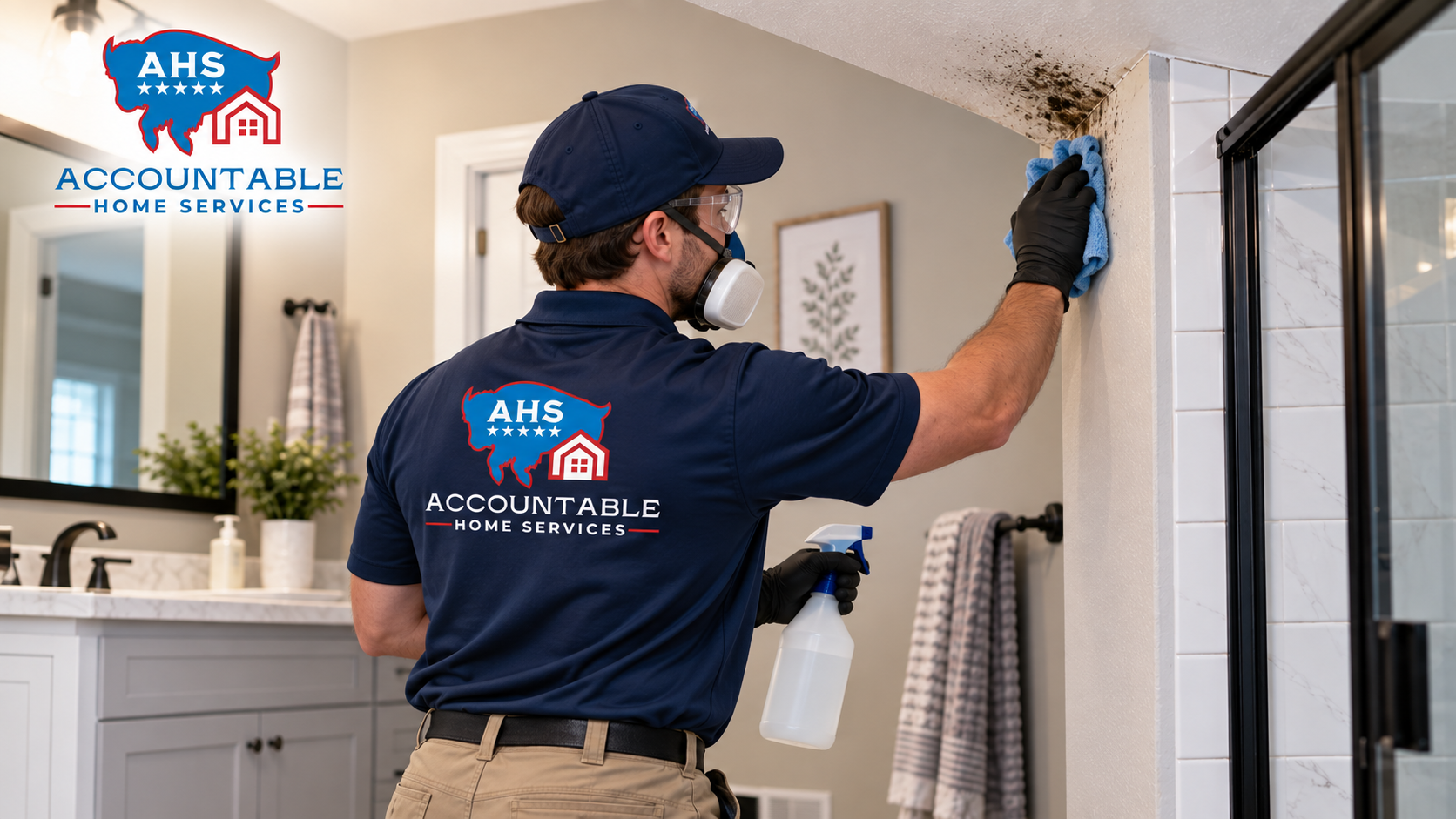
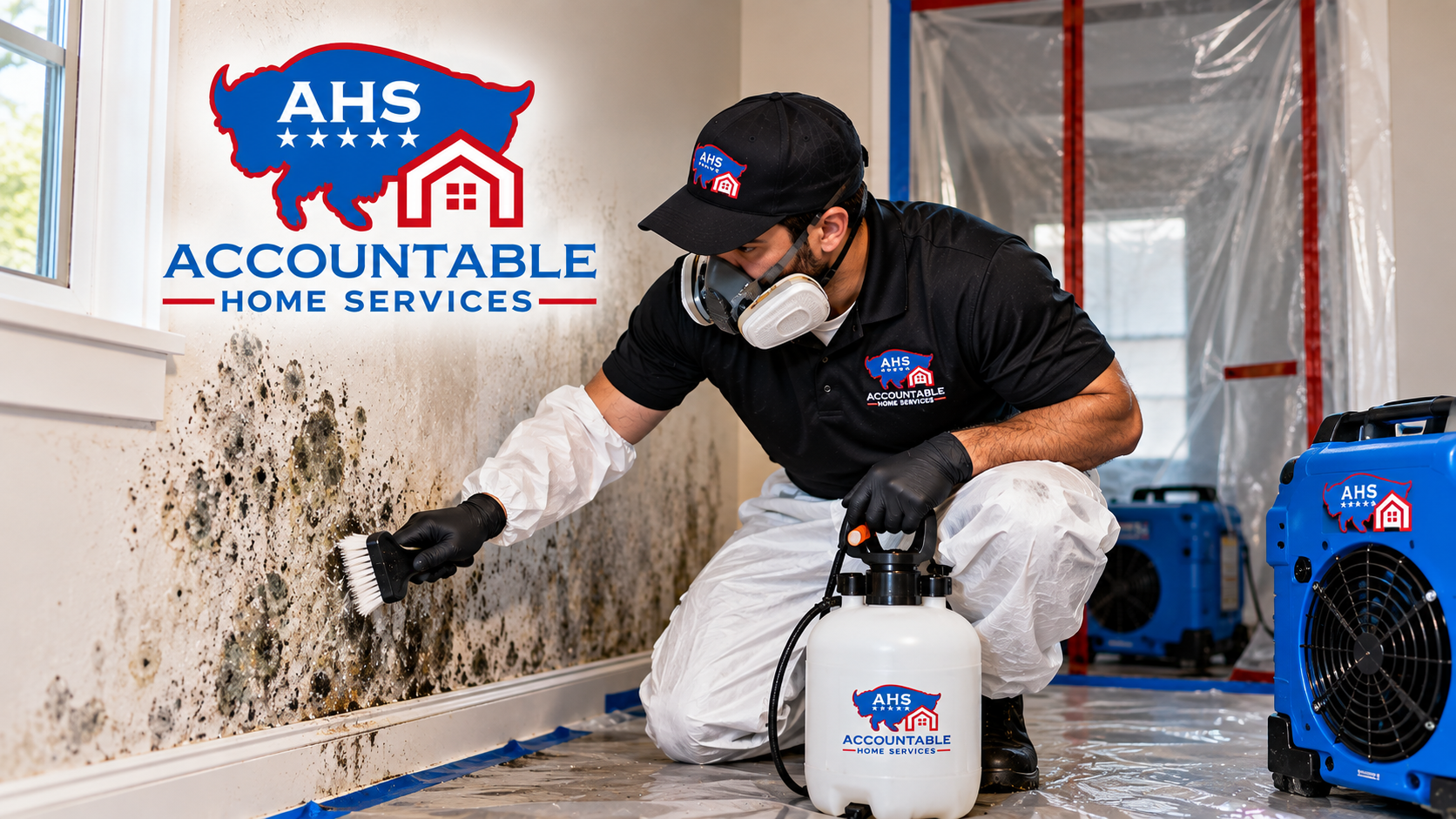
A mask for mold cleanup can reduce what you breathe in, but it does not control the whole job. Mold safety also includes containment, gloves, eye protection, protective clothing, moisture correction, and proper removal practices. If those steps are skipped, a respirator may protect your lungs somewhat while the work still spreads contamination through the home.
Containment helps separate the affected area from clean areas. This may involve plastic sheeting, controlled access, and air control methods used by trained crews. The goal is to keep disturbed dust and spores from moving into bedrooms, living areas, HVAC returns, or neighboring units in a managed property.
Gloves protect your hands from contaminated materials and cleaning products. Eye protection matters because mold cleanup can release particles at face level, especially when removing drywall, baseboards, carpet, insulation, or cabinet materials. Protective clothing helps keep particles off your everyday clothes so you do not track them through the house.
Moisture correction is just as important as removal. If the leak, condensation, humidity, or drainage problem remains, mold can come back. Proper mold removal practices focus on removing affected porous materials when needed, cleaning salvageable surfaces correctly, and drying the area to a reasonable condition before repairs begin.
When is DIY cleanup not the right choice?
DIY cleanup is not the right choice when mold is widespread, hidden behind walls, connected to sewage or contaminated water, affecting HVAC components, or returning after repeated cleaning. Owning a respirator for mold does not make a large or hidden mold problem safe to handle on your own. In those cases, professional mold remediation Louisville services are the safer path because the job requires inspection, containment, removal methods, drying knowledge, and documentation.
This warning matters for homeowners, plumbers, insurance agents, and property managers. A plumber may stop the leak, but the water damage may still need drying and evaluation. An insurance agent may have a client who is upset and unsure what is covered. A property manager may need fast action to protect tenants, owners, and the building.
A respirator is a tool, not a full plan. It does not tell you how far moisture traveled, whether cabinets are wet behind the toe kick, whether insulation is holding moisture, or whether the subfloor is affected. It also does not create photos, drying logs, scope notes, or other documentation that may support an insurance claim.
Call for help when you see any of the following:
- Mold growth covering more than a small, isolated surface area
- Musty odors with no obvious source
- Mold near a recent leak, flood, drain backup, or water heater failure
- Staining or swelling on drywall, trim, cabinets, or flooring
- Moisture in more than one room or unit
- Concerns involving children, older adults, tenants, or sensitive occupants
- Mold inside wall cavities, crawl spaces, attics, or HVAC areas
- Repeated mold growth after cleaning
For mold removal Louisville CO homeowners and property managers often need more than cleaning. They need the moisture problem identified, the affected materials handled correctly, and the project documented in a way that is clear for everyone involved.
Mold after water damage needs fast moisture control
Mold after water damage is usually a moisture problem first. The visible growth may be what gets your attention, but the leak, trapped dampness, or humidity is what allowed it to start. The sooner the water source is stopped and materials are dried or removed, the better the chance of limiting damage.
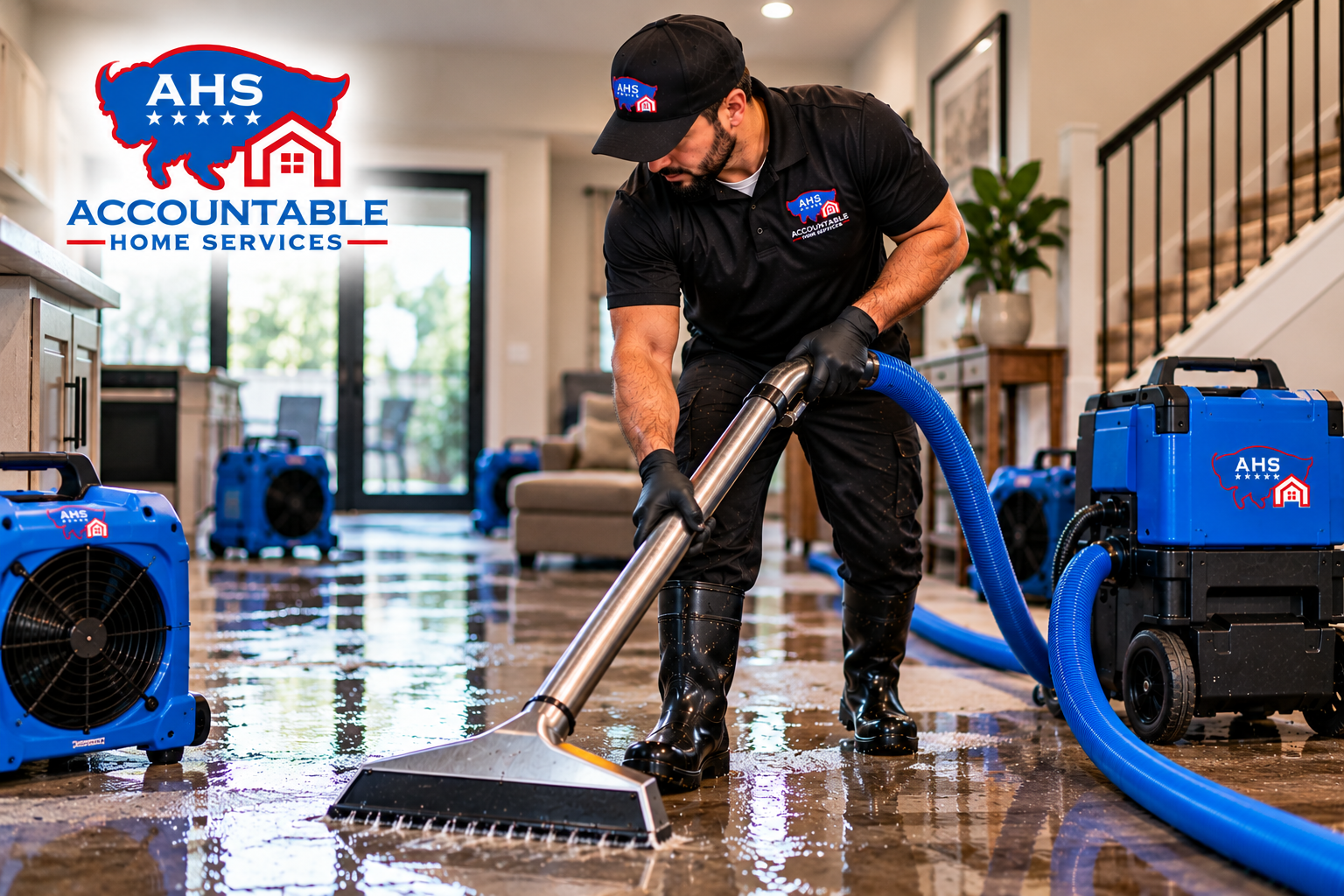
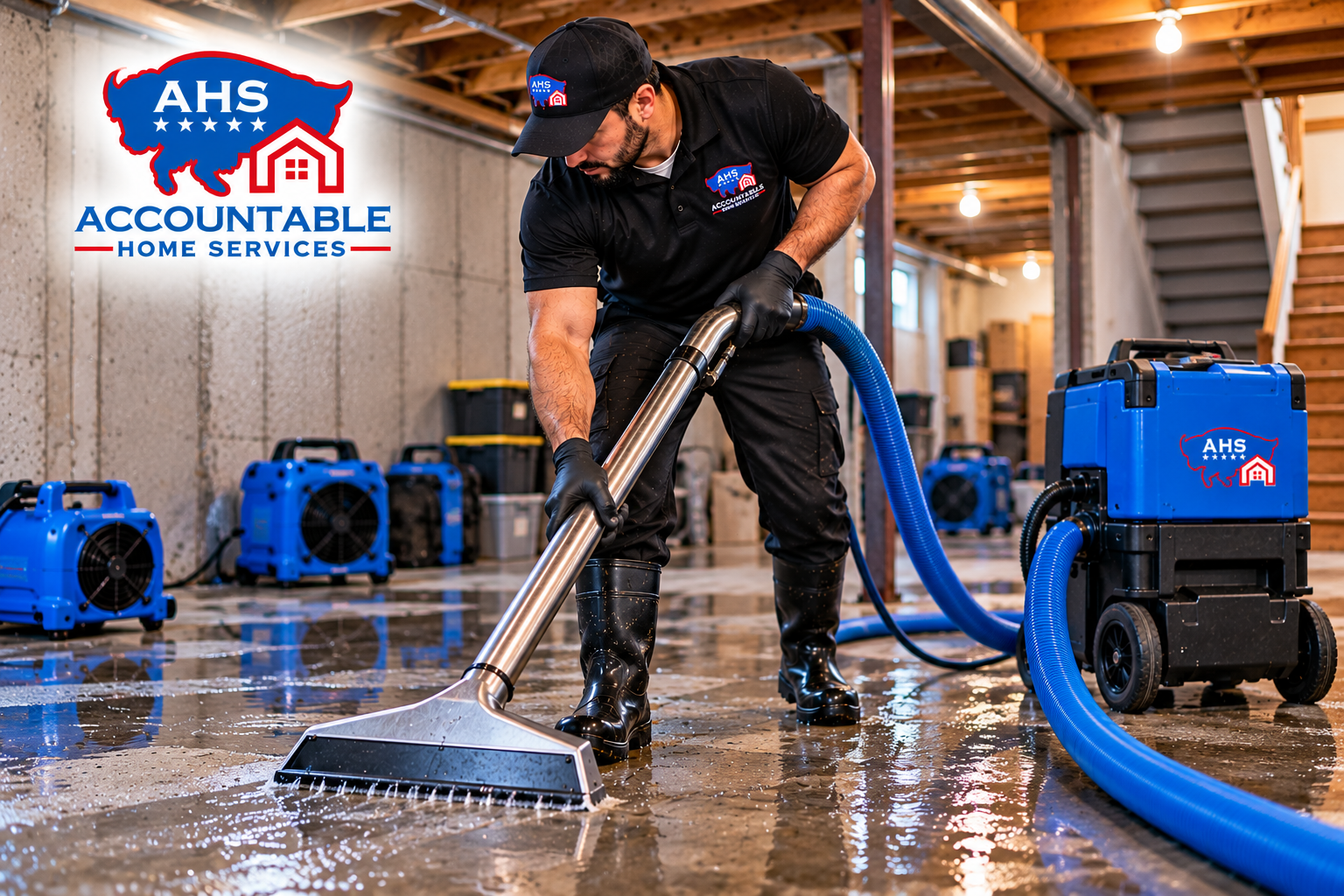
In Louisville homes, water can travel farther than it looks. A supply line leak under a sink can run behind cabinets. A failed washing machine hose can soak flooring and the ceiling below. A basement backup can affect baseboards, drywall, stored items, and framing. Even when the surface looks dry, moisture may remain inside building materials.
This is where a restoration partner can help the whole process move more smoothly. A good mitigation team documents the source, affected areas, moisture readings, demolition needs, and drying progress. For insurance agents, that helps reduce confusion for the client. For plumbers, it means the customer gets help beyond the repair. For property managers, it creates a clearer record for owners and tenants.
Practical steps before cleanup begins
Before anyone starts scrubbing, cutting, or spraying, slow down and make the area safer. Rushing into cleanup can spread debris, destroy useful claim documentation, or miss the real moisture source.
Use this basic checklist:
- Stop the water source if possible. Shut off the supply line, call a plumber, or stop the leak safely.
- Avoid disturbing moldy materials. Do not sand, scrape, or tear out materials without a plan.
- Limit access to the area. Keep children, pets, tenants, and unnecessary foot traffic away.
- Take photos before moving items. Capture visible damage, the leak source, affected rooms, and damaged materials.
- Use appropriate PPE for small tasks. At minimum, consider an N95-type mask, gloves, and eye protection for minor handling.
- Do not rely on a mask alone. Remember that containment, protective clothing, drying, and proper removal all matter.
- Call a professional for larger or hidden issues. If you are unsure how far the moisture went, get an evaluation.
These steps are not meant to turn a homeowner into a remediation crew. They are meant to help you avoid making the situation worse while you decide what level of help is needed.
Clear communication helps everyone involved
Mold situations can become stressful fast because they involve health concerns, property damage, repair costs, and sometimes insurance questions. Clear communication lowers that stress. Homeowners need plain answers. Agents need reliable documentation. Plumbers need a trusted handoff after the leak repair. Property managers need fast updates they can share with owners and tenants.
Professional mold remediation should not feel mysterious. A responsible restoration team should explain what they found, what needs to be contained, what materials may need removal, how drying will be monitored, and what documentation will be provided. They should also avoid scare tactics. Not every spot on a wall is a major project, but real mold and moisture problems should not be minimized either.
If you are comparing options for mold remediation Louisville, look for a company that communicates clearly from the first call. Ask how they document moisture, whether they use containment when needed, what PPE their crews use, and how they coordinate with plumbers, insurance representatives, property managers, and occupants.
The bottom line on choosing a mold mask
A mask for mold is helpful only when it matches the task and is used as part of a larger safety plan. A basic face covering is not enough for mold cleanup. An N95 respirator can be appropriate for small, limited work when it fits correctly. A P100 respirator mold setup or full-face respirator may be used during professional remediation when conditions call for stronger protection.
The bigger point is simple: the mask is not the whole solution. Safe mold cleanup depends on containment, gloves, eye protection, protective clothing, moisture correction, and proper removal practices. If mold is large, hidden, connected to significant water damage, or causing repeated concern, do not take it on just because you own a respirator.
For Louisville homeowners, agents, plumbers, and property managers, the right next step is often a calm evaluation and a clear plan. The Local Restoration Guide is here to help you understand what matters, protect the property, and move the cleanup process forward with less confusion.