Water Damage and Mold in Erie, CO: What Homeowners Should Know
Water Damage and Mold in Erie, CO: What Homeowners Should Know
Water inside a home is never just a surface problem. In Erie, a burst pipe, sump pump failure, roof leak, appliance overflow, or flooded basement can leave moisture behind in drywall, framing, flooring, insulation, and cabinets long after the visible water is gone. The right response is simple but time-sensitive: stop the source, document the damage, begin water mitigation, and confirm that drying is complete before repairs cover anything up.
Why does mold sometimes appear after water damage?
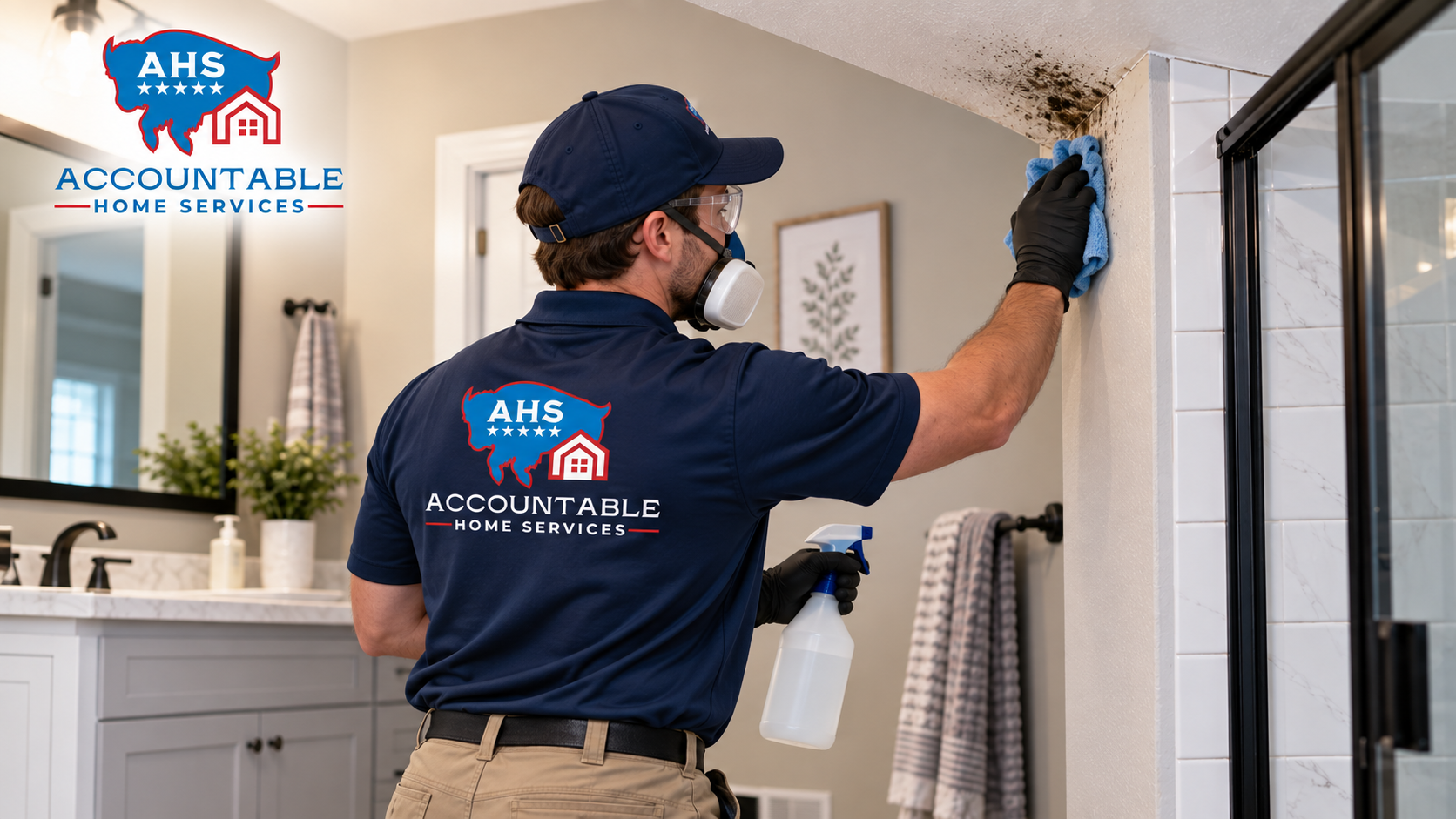
Mold after water damage appears when moisture remains in building materials long enough to support growth. It does not require standing water; hidden moisture behind baseboards, under flooring, inside wall cavities, or in ceiling assemblies can be enough. That is why a room may look mostly dry while wet drywall mold or basement water damage mold is already becoming a concern.
Most homeowners first notice musty odors, staining, peeling paint, swollen trim, soft drywall, or visible spotting. In other cases, the concern starts after a plumber fixes the leak but finds damp subflooring or insulation. Mold after burst pipe events is common because supply lines can release a large amount of water quickly, especially when nobody is home to shut off the valve.
The practical point is not to panic. It is to treat water damage mold as a moisture-control issue first. If the water source is corrected and the affected materials are properly dried or removed, the risk is easier to manage. If damp materials are sealed behind new paint, cabinets, or flooring, the problem can return and become harder to document.
Early actions that protect the home and the claim
The first few hours matter. Homeowners, plumbers, property managers, and insurance agents all benefit when the response is orderly and well documented. Fast action can limit secondary damage, reduce confusion, and create a clearer record for the insurance claim.
Use this sequence as a practical starting point:
- Stop the water source if it is safe. Shut off the nearest fixture valve or the main water supply. For sewage, electrical hazards, or deep standing water, keep people out and wait for qualified help.
- Call the right trade for the source. A plumber should repair the failed pipe, water heater, fixture, drain line, or sump pump issue. Restoration professionals handle extraction, drying, containment, and documentation.
- Photograph and video the damage. Capture wide shots, close-ups, affected rooms, flooring transitions, wet contents, ceilings, walls, and the suspected source before major cleanup begins.
- Remove only what is necessary for safety. Do not throw away damaged materials without photos, and do not begin cosmetic repairs before moisture has been assessed.
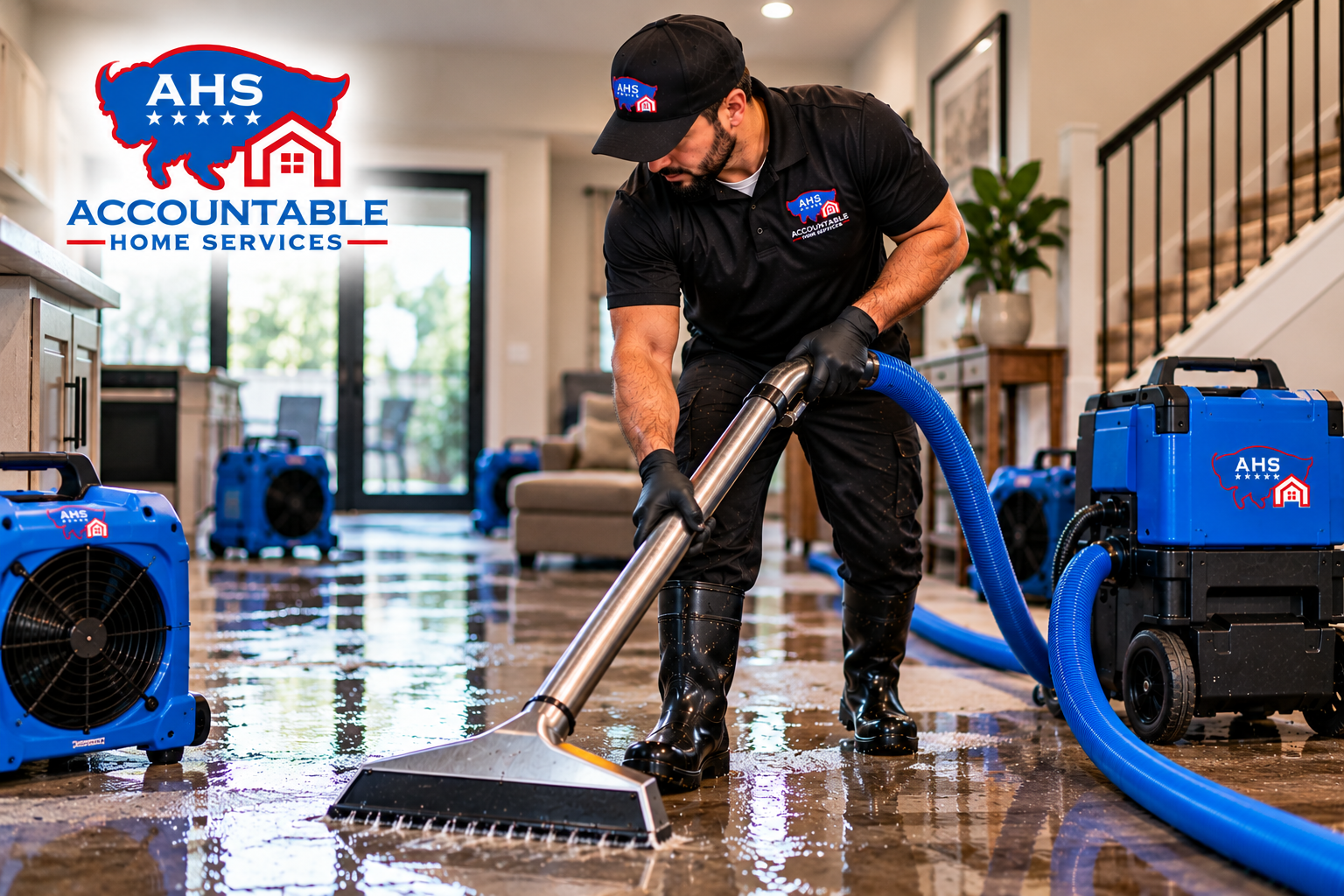
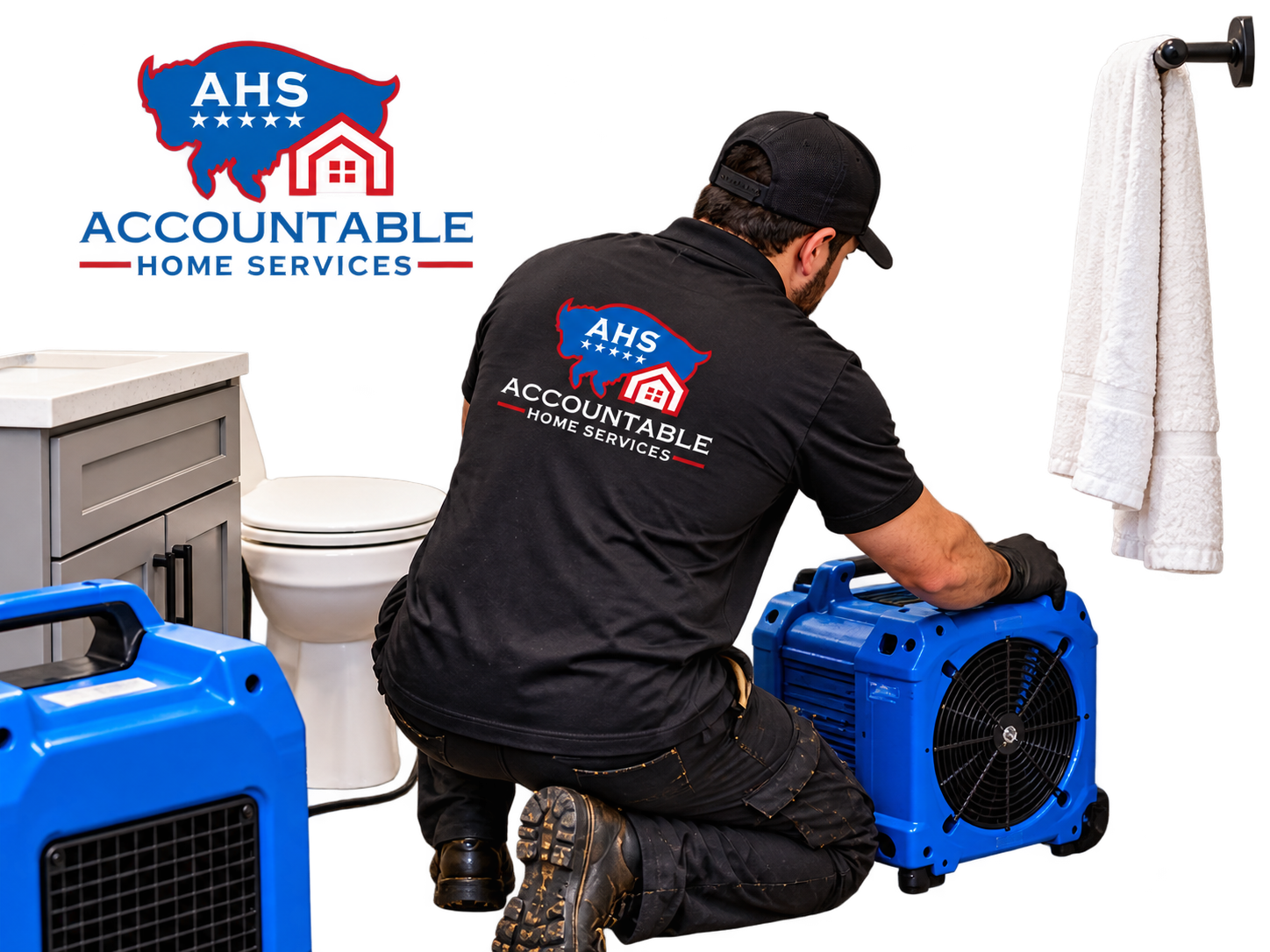
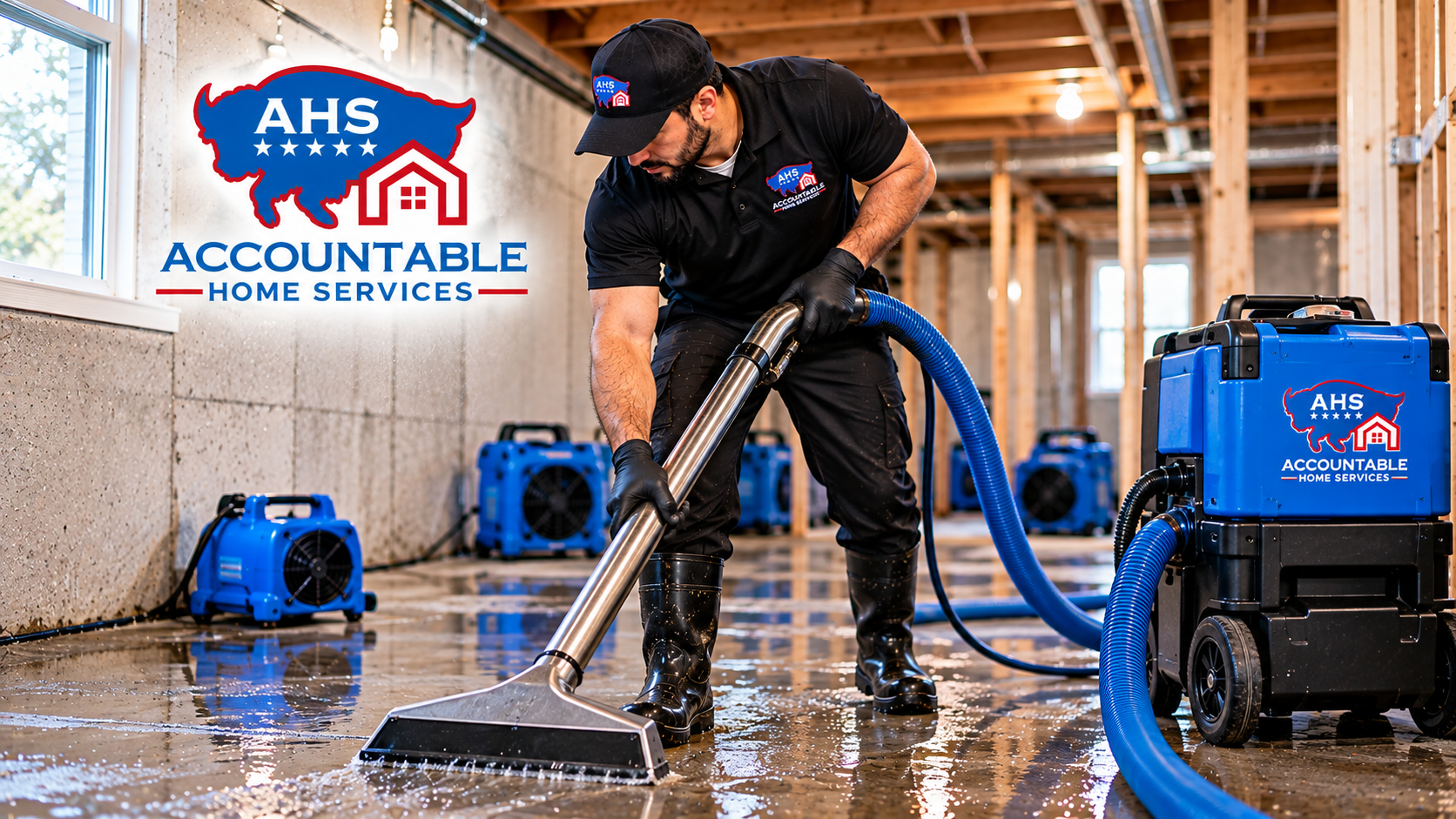
- Start water mitigation Erie services quickly. Extraction, controlled demolition, dehumidification, and structural drying Erie work help prevent trapped moisture from spreading.
- Keep records organized. Save plumber invoices, mitigation estimates, drying logs, photos, emails, and claim numbers in one place.
For insurance agents, this kind of structure helps clients feel less lost. For plumbers, it gives customers a next step after the leak is fixed. For property managers, it supports communication with tenants, owners, and carriers.
Hidden moisture is the main reason problems continue
Hidden moisture is one of the most misunderstood parts of water damage restoration. A fan blowing across a wet room may dry the surface, but it may not remove moisture from wall cavities, insulation, sill plates, subfloor layers, or the underside of cabinets. In finished basements, water can also travel under walls and into adjacent rooms without leaving an obvious trail.
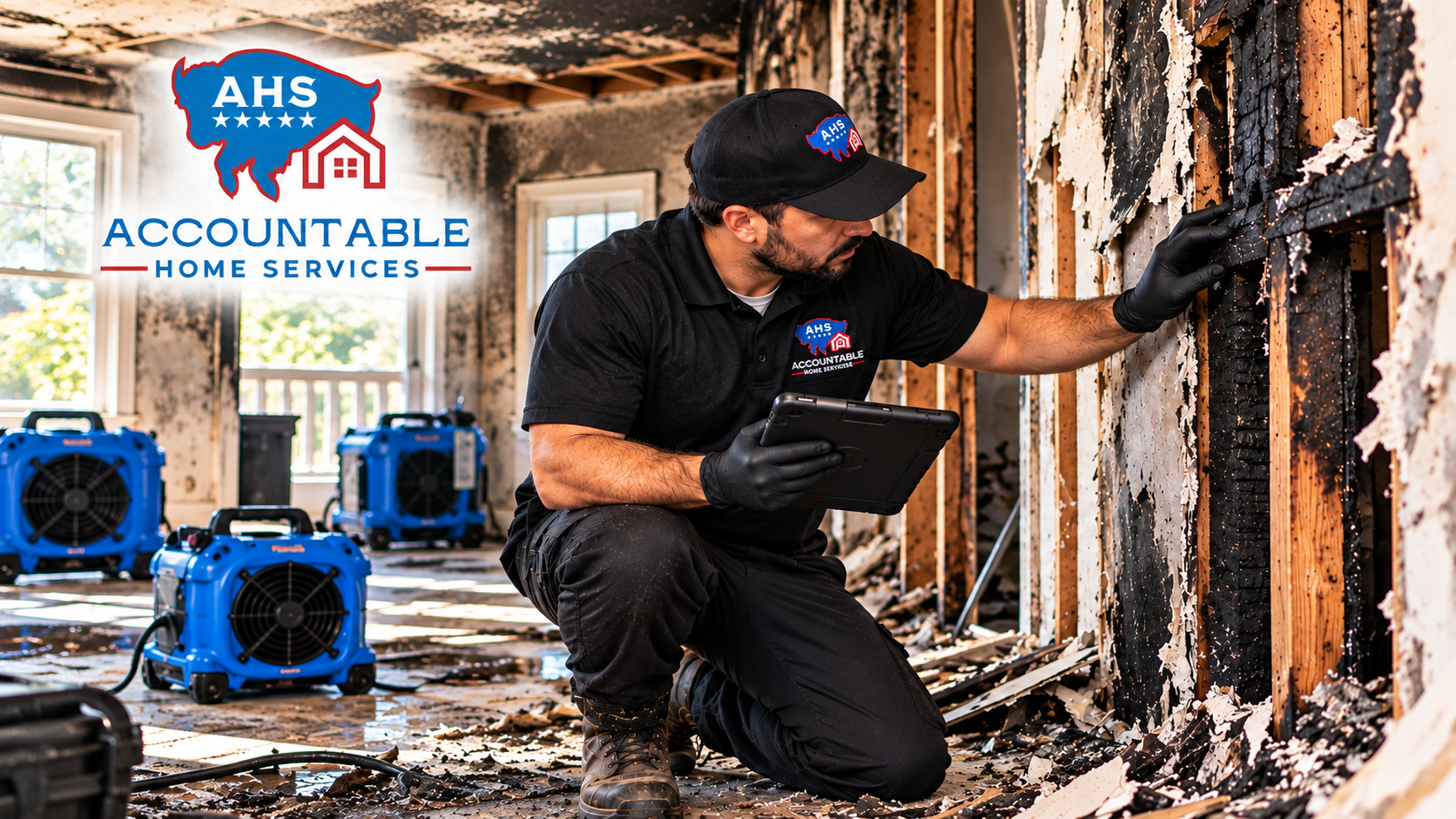
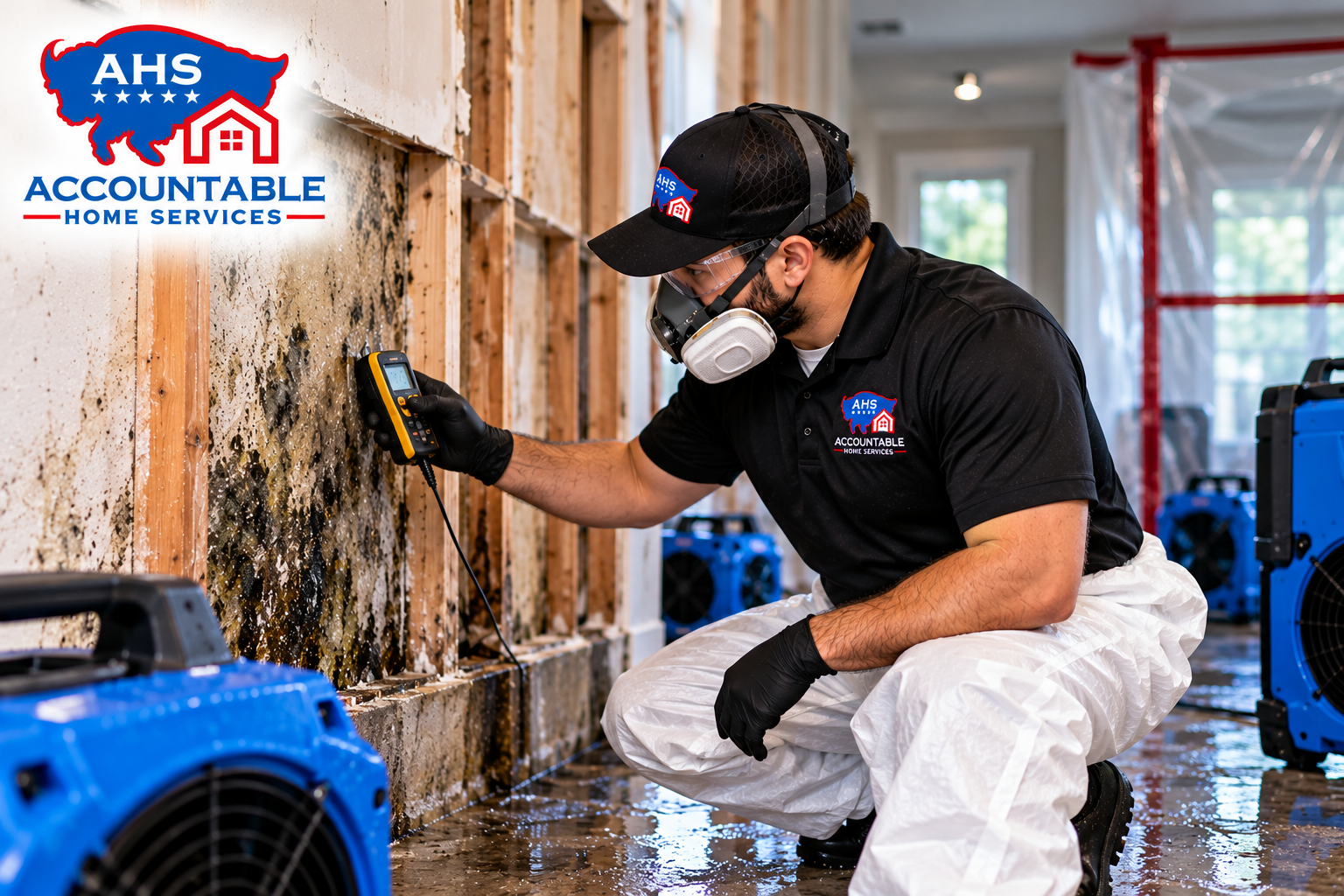
This is where professional moisture mapping matters. Restoration technicians use moisture meters, thermal imaging when appropriate, and site observations to identify affected areas. The goal is not to remove more material than necessary. The goal is to understand where the water went, what materials are affected, and whether drying is realistic.
Drywall, carpet pad, laminate flooring, particleboard cabinets, and insulation all respond differently to water. Some materials can be dried in place under the right conditions. Others may need removal because they hold moisture, lose integrity, or create conditions where mold after flooding becomes more likely. A careful assessment helps avoid both extremes: doing too little and causing a later mold issue, or tearing out more than the situation requires.
Mold risk depends on the source and the materials
Not all water damage is the same. A clean supply-line leak is different from a toilet backup, groundwater intrusion, or long-term roof leak. The water source, the time involved, the temperature, the materials affected, and the amount of airflow all influence whether mold remediation may be needed.
Common Erie-area scenarios include:
- Burst supply pipe: Often sudden and clean at first, but mold after burst pipe damage can develop if flooring, drywall, and insulation remain wet.
- Failed water heater: Water may spread into utility rooms, finished basements, storage areas, and adjoining walls.
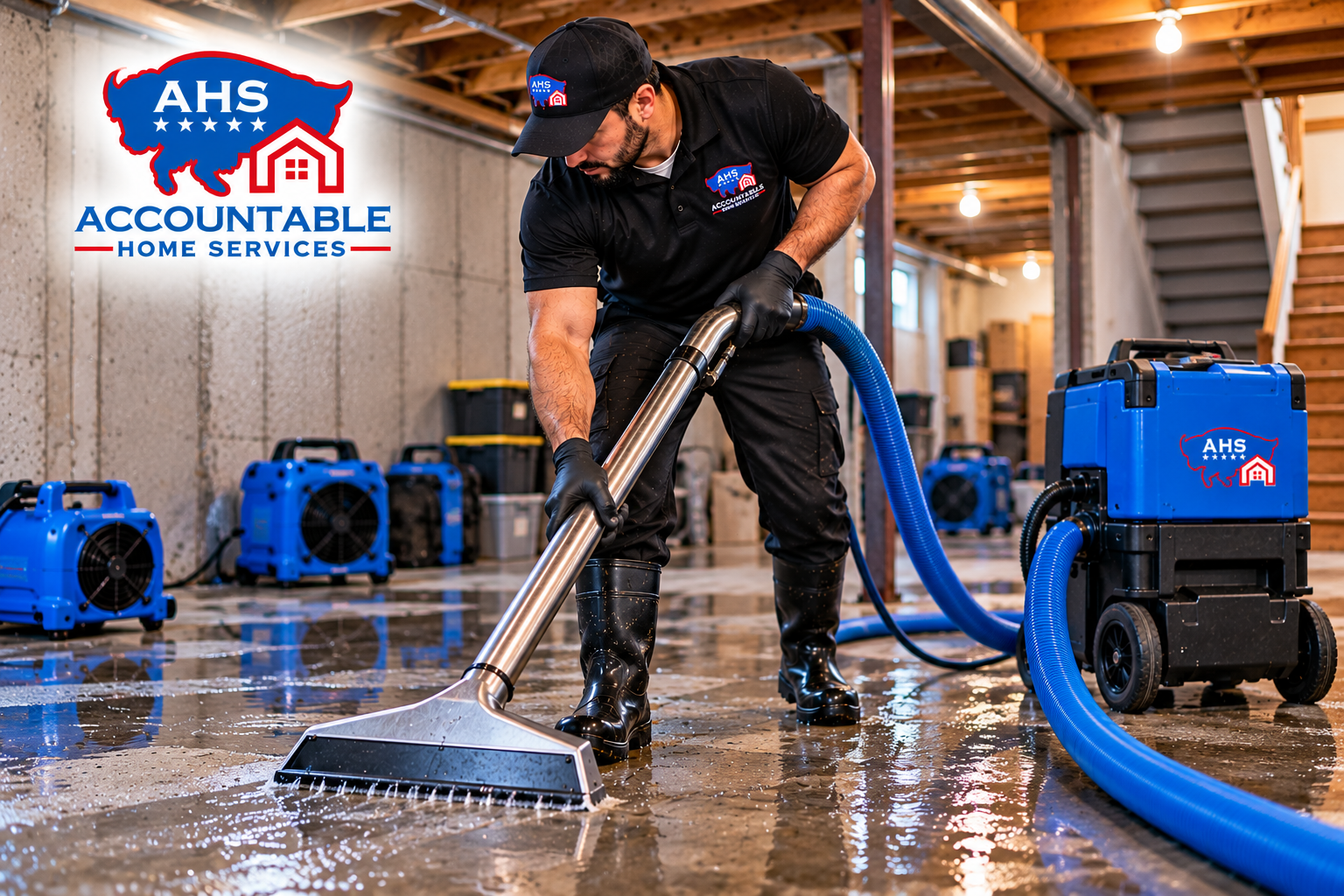
- Sump pump failure: Basement water damage mold risk increases when water sits against drywall, carpet, trim, and stored contents.
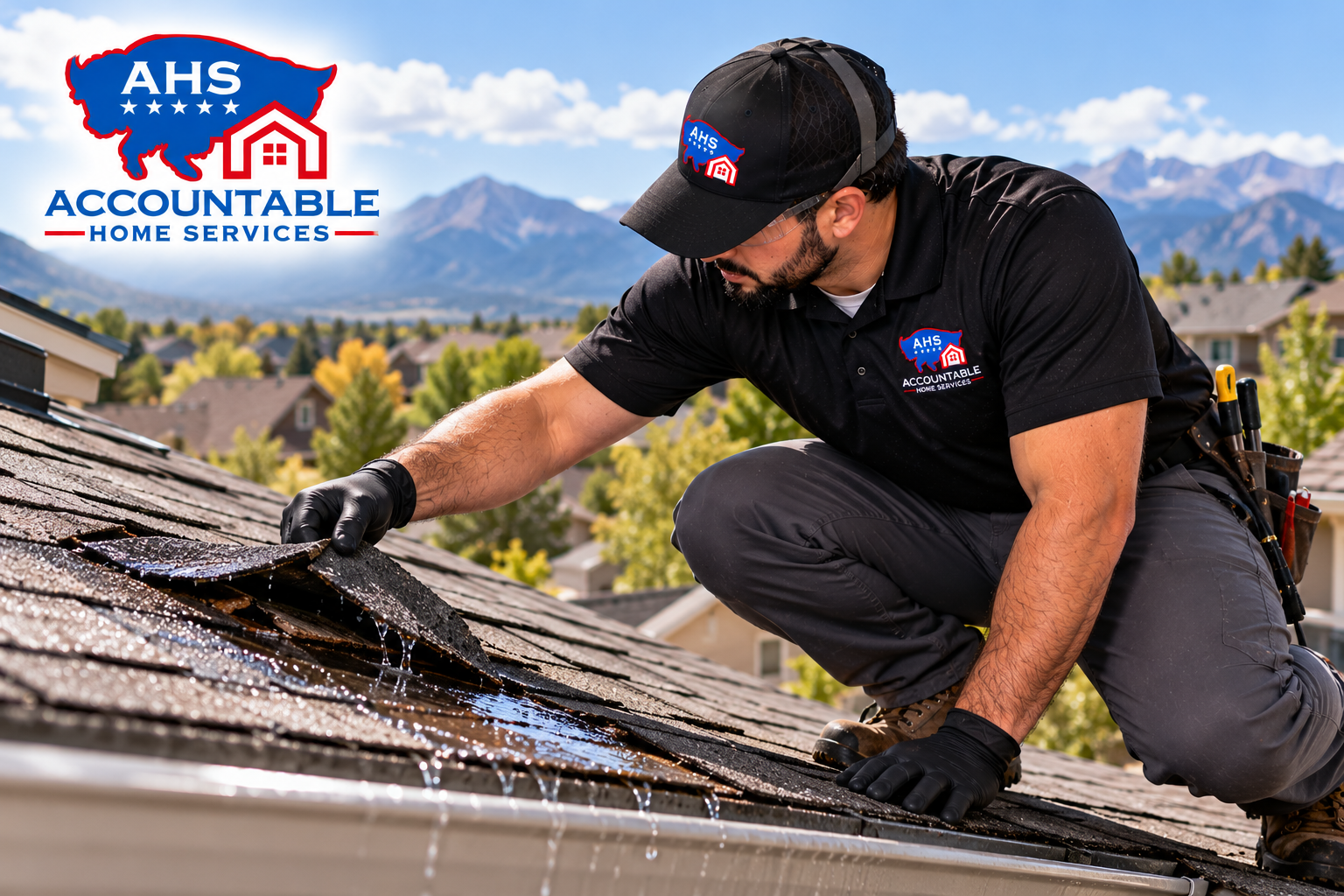
- Roof or window leak: These can be slow and concealed, making hidden moisture and staining more likely by the time anyone notices.
- Drain or sewer backup: These situations require extra caution because contamination may affect cleaning, removal, and drying decisions.
Homeowners sometimes search for black mold after water damage because dark growth is alarming. Color alone does not reliably identify the type of mold or the actual risk. The safer approach is to avoid disturbing suspected growth, correct the moisture source, and have the affected area evaluated by a qualified professional.
When should homeowners call for mold remediation?
Homeowners should call for mold remediation when there is visible mold growth, persistent musty odor, known moisture trapped in porous materials, or water damage that was not dried promptly and properly. They should also call when mold is suspected inside walls, under flooring, around HVAC components, or in a basement where water has affected drywall, carpet, or insulation. Professional mold remediation Erie CO services are especially important when the affected area is more than a small surface issue or when the source of moisture is unclear.
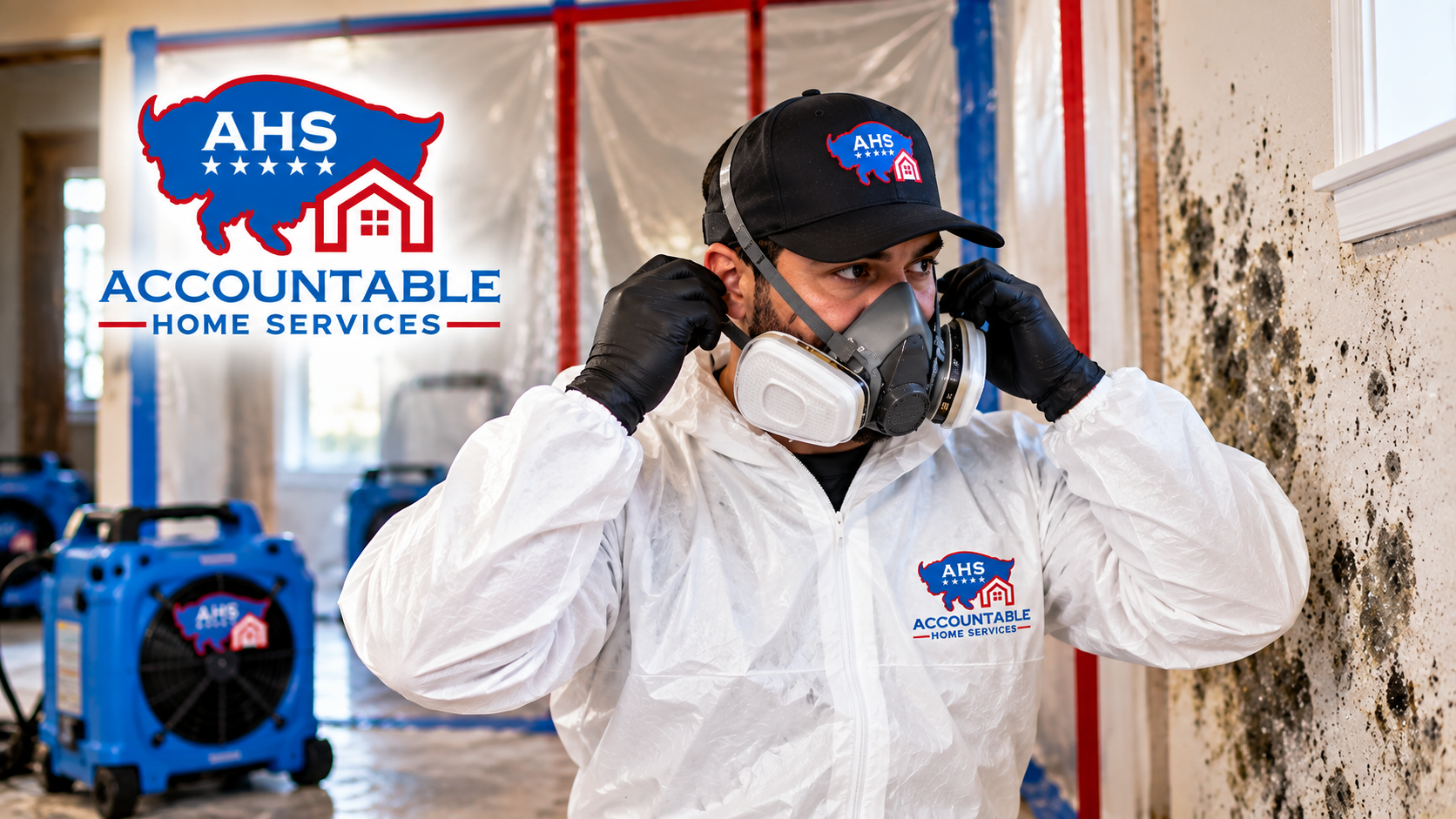
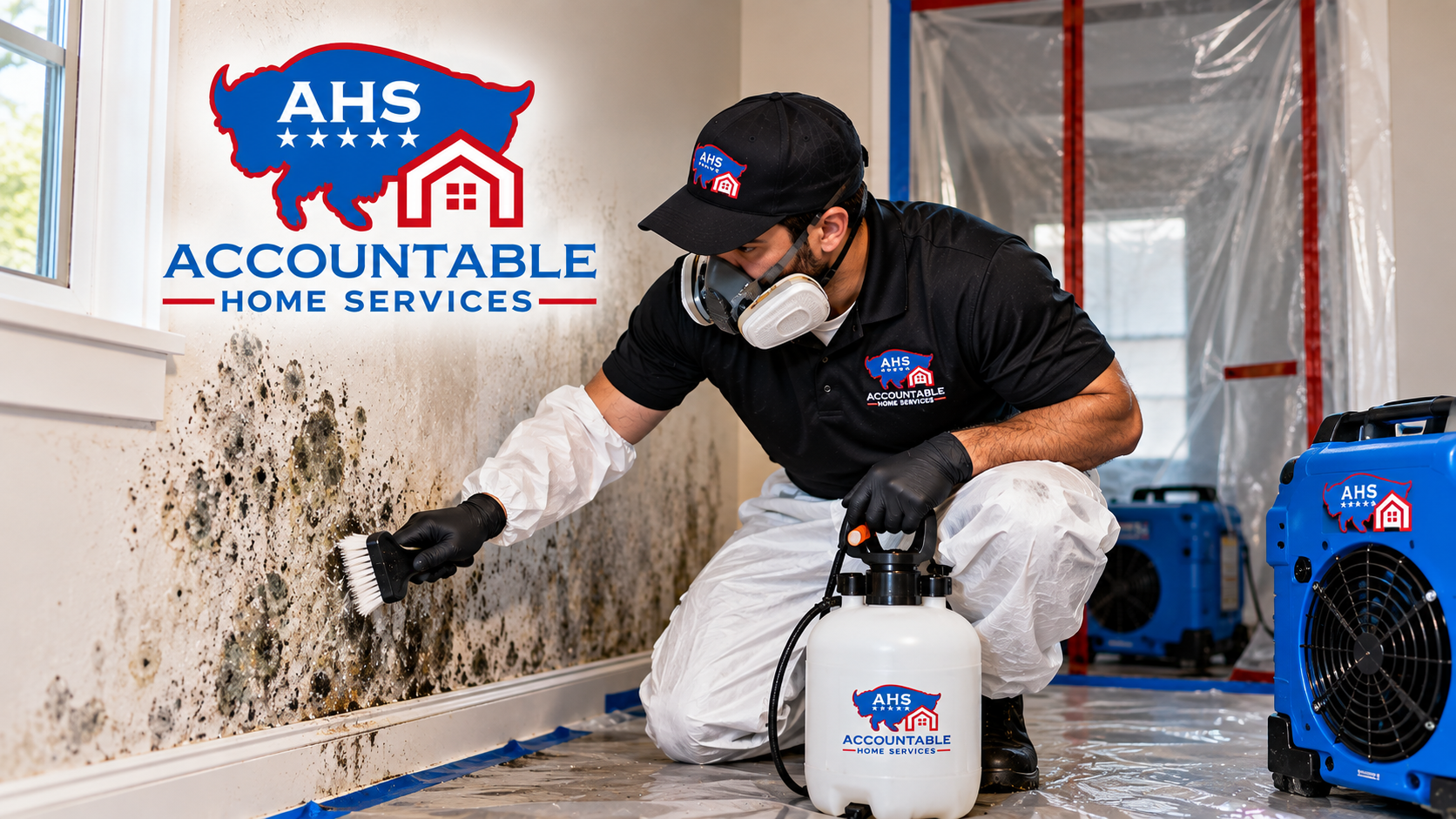
Mold removal Erie work is not just cleaning what can be seen. A proper process usually includes identifying the moisture source, isolating affected areas, using appropriate air control, removing non-salvageable materials, cleaning surfaces, and confirming the area is ready for reconstruction. If demolition is needed, containment helps reduce the chance of spreading spores or dust into unaffected rooms.
For rental homes and managed properties, a prompt response is also a communication issue. Tenants need to know that the report is being taken seriously. Owners need clear information about scope, cost drivers, and next steps. Property managers need a restoration partner who can explain conditions without exaggeration and provide documentation that supports decisions.
Water mitigation and drying should come before rebuild
Water damage restoration Erie services should focus first on stabilization, not cosmetic repair. It is tempting to repaint, replace trim, or install new flooring once the room looks better. However, reconstruction before drying can trap moisture and create a larger water damage mold Erie CO problem later.
A sound drying process may include water extraction, removal of wet carpet pad or damaged drywall, placement of air movers and dehumidifiers, daily or periodic moisture readings, and adjustment of equipment as conditions change. Structural drying Erie work is complete only when affected materials have reached appropriate dry standards for the situation, not merely when the surface feels dry to the touch.
Clear documentation is a major benefit of professional water damage restoration. Drying logs, photos, moisture readings, material notes, and a written scope can help homeowners understand what happened. They can also help insurance agents and adjusters review the loss more efficiently. Good documentation does not guarantee coverage, but it can reduce confusion and support a more organized claim discussion.
Professional help should reduce stress, not add to it
A restoration company should communicate plainly, arrive with a clear plan, and explain what is urgent versus what can wait. Homeowners are often under pressure, especially when water is spreading, tenants are calling, or an adjuster has not yet inspected the property. The best restoration support keeps the situation moving without creating unnecessary alarm.
When evaluating professional mold remediation Erie providers or water mitigation teams, look for practical communication habits:
- They explain the difference between plumbing repair, mitigation, mold remediation, and reconstruction.
- They document affected areas before removing materials.
- They discuss safety concerns, containment, and access needs before work begins.
- They provide updates that a homeowner, property manager, plumber, or insurance agent can understand.
- They avoid promising claim outcomes or making unsupported coverage statements.
- They focus on moisture control and source correction rather than scare tactics.
For plumbers, a dependable restoration referral protects the customer relationship after the mechanical repair is complete. For insurance agents, it helps clients feel guided rather than abandoned. For property managers, it creates a documented path from emergency response to tenant communication and owner reporting.
What should be documented for insurance?
Homeowners should document the source, the affected materials, the timeline, the mitigation steps, and all professional communications. This includes photos before cleanup, photos during demolition or drying, invoices from plumbers and restoration providers, equipment dates, moisture readings when available, and notes about when the damage was discovered. The more organized the file, the easier it is for everyone involved to understand the sequence of events.
A useful claim file may include:
- Date and time the water was discovered
- Suspected cause, such as a burst pipe, appliance leak, or sump pump failure
- Photos and videos of each affected room
- Plumber diagnosis and repair invoice
- Restoration estimate, work authorization, and drying records
- Notes on damaged contents or displaced tenants
- Communication with the insurance carrier and adjuster
Homeowners should be careful with assumptions. It is better to record observable facts than to guess about cause, duration, or coverage. Insurance policies vary, and coverage decisions belong to the carrier. Restoration documentation should help describe the loss clearly, not replace the policy review.
A steady response prevents bigger problems
Water damage and mold concerns are stressful, but they are manageable when the response is prompt, documented, and moisture-focused. Whether the issue is mold after flooding, wet drywall mold, basement water damage mold, or suspected black mold after water damage, the first priority is to stop the water and understand how far it traveled.
For Erie homeowners, the safest path is to involve the right professionals at the right time: a plumber for the source, water mitigation Erie specialists for drying, and mold remediation professionals when growth or contamination is present. For agents, plumbers, and property managers, referring a team that communicates clearly and documents properly can protect both the property and the client experience. The sooner hidden moisture is addressed, the better the chance of preventing avoidable damage and moving the home back toward normal.