Emergency Water Removal in Westminster, CO: What Homeowners Should Do First
Emergency Water Removal in Westminster, CO: What Homeowners Should Do First
When water is spreading across a floor, soaking into carpet, or filling a basement, the first goal is simple: stay safe, stop more water if you can, and get help before moisture moves deeper into the home. The Local Restoration Guide helps Westminster and Denver metro homeowners understand the first steps after a leak, flood, burst pipe, or failed appliance. Emergency water removal is not just about getting rid of visible water. It is the start of a full water mitigation process that should include extraction, moisture detection, structural drying, monitoring, documentation, and mold prevention after water damage.
What should you do first after discovering standing water?
If you find standing water, take the first few minutes seriously. Do not rush into the area until you know it is safe. Water can hide electrical hazards, weaken materials, carry contaminants, and spread quickly into flooring, drywall, cabinets, insulation, and framing.
Start with these first actions:
- Check for immediate danger. If water is near outlets, electrical panels, appliances, extension cords, or a furnace, stay out of the area until power is shut off safely.
- Stop the source if it is safe. Turn off the water supply to a toilet, sink, washing machine, water heater, refrigerator line, or whole-house main valve if you can reach it without walking through unsafe water.
- Call the right help early. A plumber may need to repair the leak, but water cleanup Westminster homeowners need often requires a restoration team for standing water removal, drying, and documentation.
- Move valuables out of harm’s way. Pick up electronics, important papers, rugs, photos, shoes, toys, and small furniture if you can do it safely.
- Take photos and videos before major cleanup. Document the water source, wet rooms, damaged contents, flooring, walls, baseboards, and any visible staining.
In the first hour, avoid guessing how far the water went. Water can travel under walls, beneath cabinets, into finished basement materials, and under flooring seams. That is why emergency water extraction Westminster services should happen quickly, especially when the water has reached carpet, padding, drywall, or lower-level rooms.
Safety steps before cleanup begins
Your safety comes before saving flooring or furniture. If you are dealing with burst pipe water damage, a failed water heater, a sump pump backup, or flooded basement cleanup Westminster residents often face after storms or plumbing failures, the water may be deeper than it looks. Do not enter rooms where the ceiling is sagging, drywall is crumbling, or the floor feels soft.
Shut off utilities when conditions call for it. If water is close to electrical outlets, an electrical panel, plugged-in appliances, baseboard heaters, or exposed wiring, turn off electricity at the breaker only if you can reach the panel without standing in water. If you smell gas, hear a hissing sound, or suspect a gas appliance has been affected, leave the home and contact the utility provider or emergency services. Do not flip switches, use open flames, or try to relight appliances in a wet area.
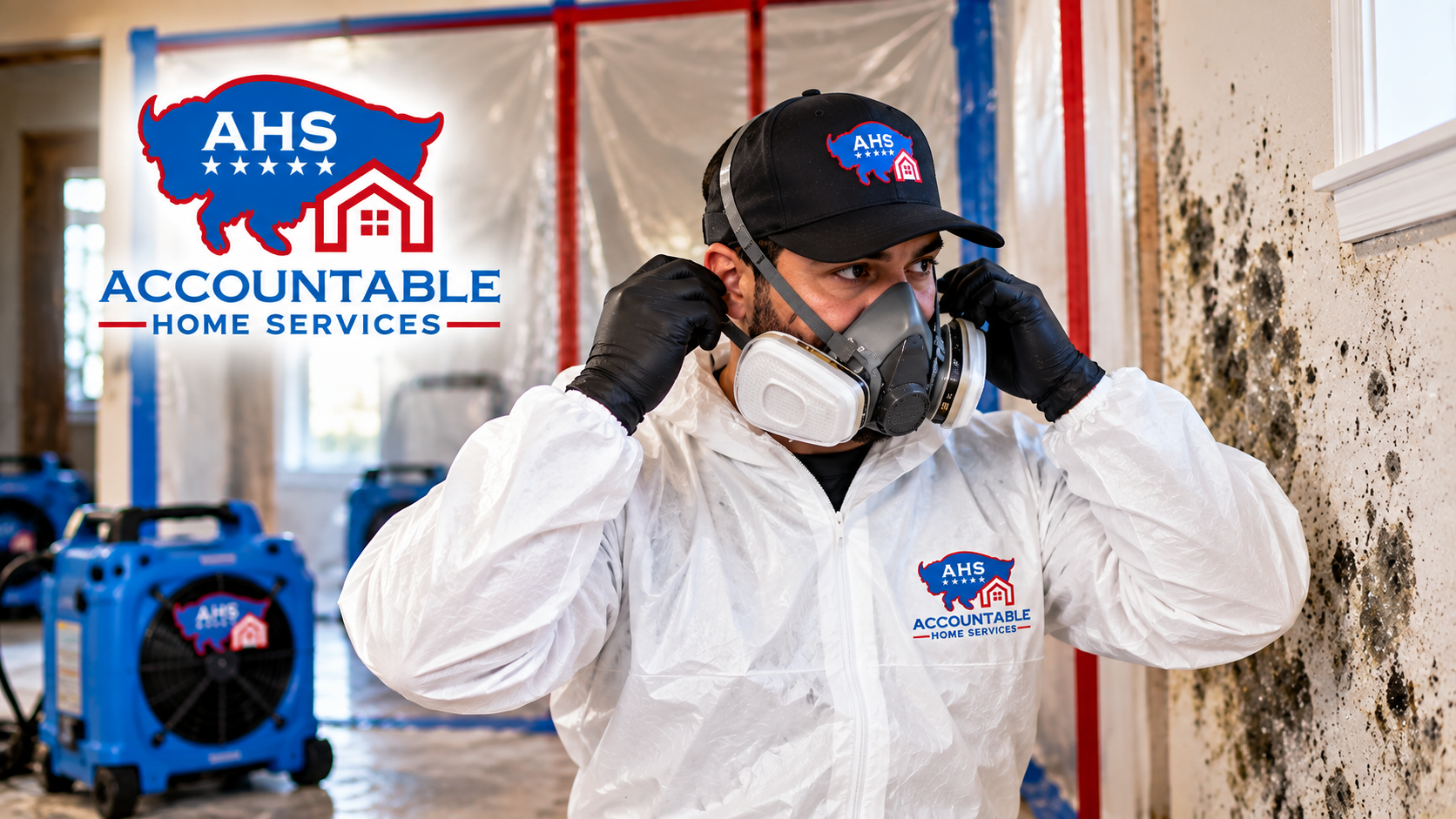
If the water may be contaminated, keep people and pets away. Water from a clean supply line is different from water that has touched a drain, sewer line, toilet overflow, storm runoff, or long-standing basement moisture. A restoration professional can help determine what kind of cleanup is needed and what materials may be unsafe to keep.
How to stop the water source safely
Stopping the source can reduce the damage, but only when you can do it without putting yourself at risk. For appliance leak cleanup, look for the local shutoff valve behind or near the appliance. Washing machines usually have hot and cold shutoff valves on the wall. Toilets often have a valve near the floor. Sinks typically have shutoffs inside the cabinet.
If you cannot identify the leak or the local valve does not work, use the main water shutoff if you know where it is and can access it safely. Many Westminster homes have shutoffs in a basement, crawl space, utility room, or near where the water line enters the home. Once the water is off, do not assume the problem is handled. The leak may be stopped, but wet materials still need attention.
Call a plumber for the repair and a water mitigation Westminster team for the water damage. Plumbers fix the source. Restoration teams remove water, check for hidden moisture, dry the structure, and document the loss. Both roles matter, and when they work together, the homeowner usually has a smoother recovery.
Protecting belongings in the first few hours
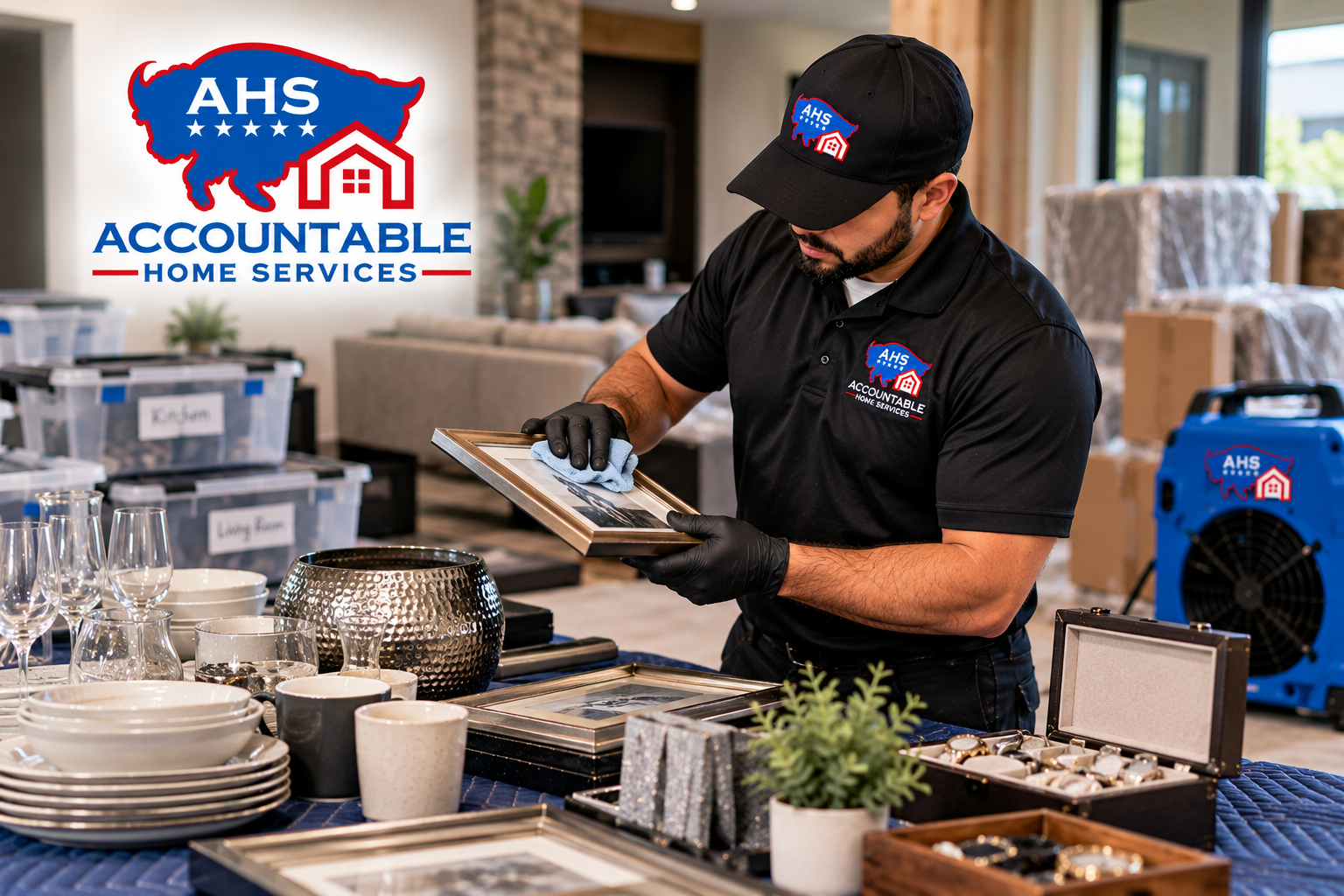
After safety and source control, protect what you can reasonably move. Focus on items that absorb water quickly or are hard to replace. Move paperwork, photos, laptops, chargers, clothing, keepsakes, books, area rugs, and small wood furniture to a dry area. If furniture is too heavy to move, avoid dragging it through water. A restoration crew can help lift, block, or move larger items during emergency restoration Westminster work.
A few practical steps can make a difference:
- Place foil or plastic under furniture legs if you can do it safely, especially on wet carpet or wood floors.
- Separate wet items from dry items so moisture does not spread into boxes, closets, or storage areas.
- Do not throw away damaged items too quickly unless they are unsafe. Photograph them first for insurance and restoration records.
- Remove small rugs from wet flooring to reduce staining and trapped moisture.
- Keep damaged contents in one area when possible so they can be reviewed and documented.
For property managers, these steps also help reduce tenant frustration. Clear instructions, fast response, and careful documentation can make the difference between a controlled incident and a drawn-out complaint.
Documentation that supports the restoration and insurance process
Good documentation helps everyone: the homeowner, the insurance agent, the plumber, the property manager, and the restoration team. Before cleanup changes the scene, take wide photos of each affected room and close-ups of the source, damaged materials, wet contents, and water lines on walls or furniture. Videos are useful because they show the path of water and the condition of the space in real time.
Write down what happened while it is still fresh. Include the date, approximate time discovered, suspected source, rooms affected, and any steps already taken, such as shutting off the main water valve or calling a plumber. Save receipts for emergency repairs, temporary lodging, supplies, or professional services.
A professional water damage restoration team should also create its own records. That may include moisture readings, photos, affected material notes, equipment logs, drying updates, and communication summaries. For insurance agents, this kind of clear documentation can reduce confusion for the client and make the claim process easier to understand.
Fast extraction reduces secondary damage
Standing water removal should happen as soon as possible. The longer water remains in a home, the more time it has to soak into porous materials and move into places you cannot see. Carpet pad can hold a surprising amount of water. Laminate and hardwood can swell. Drywall can wick moisture upward. Cabinets can trap water underneath and behind toe kicks.
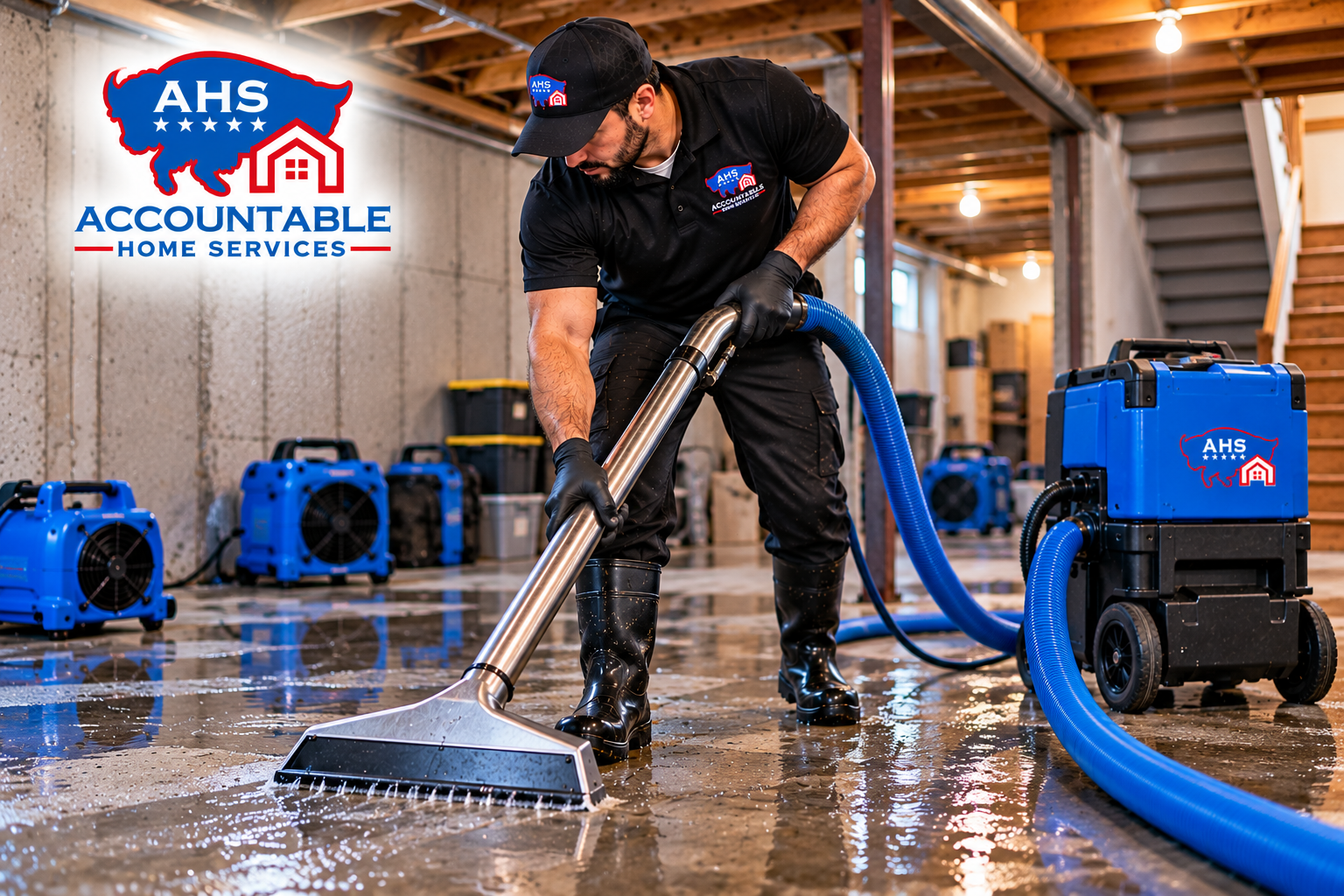
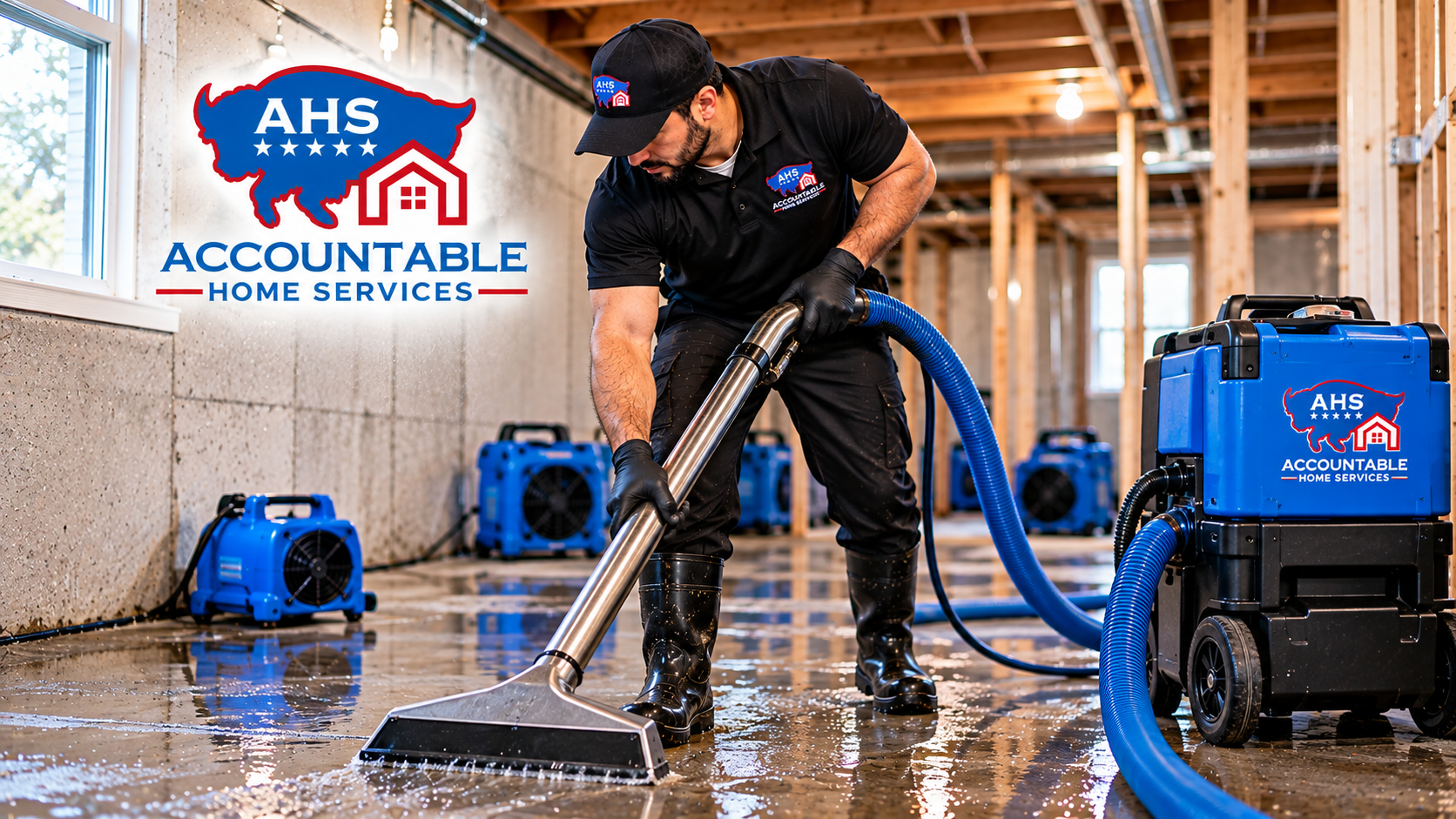
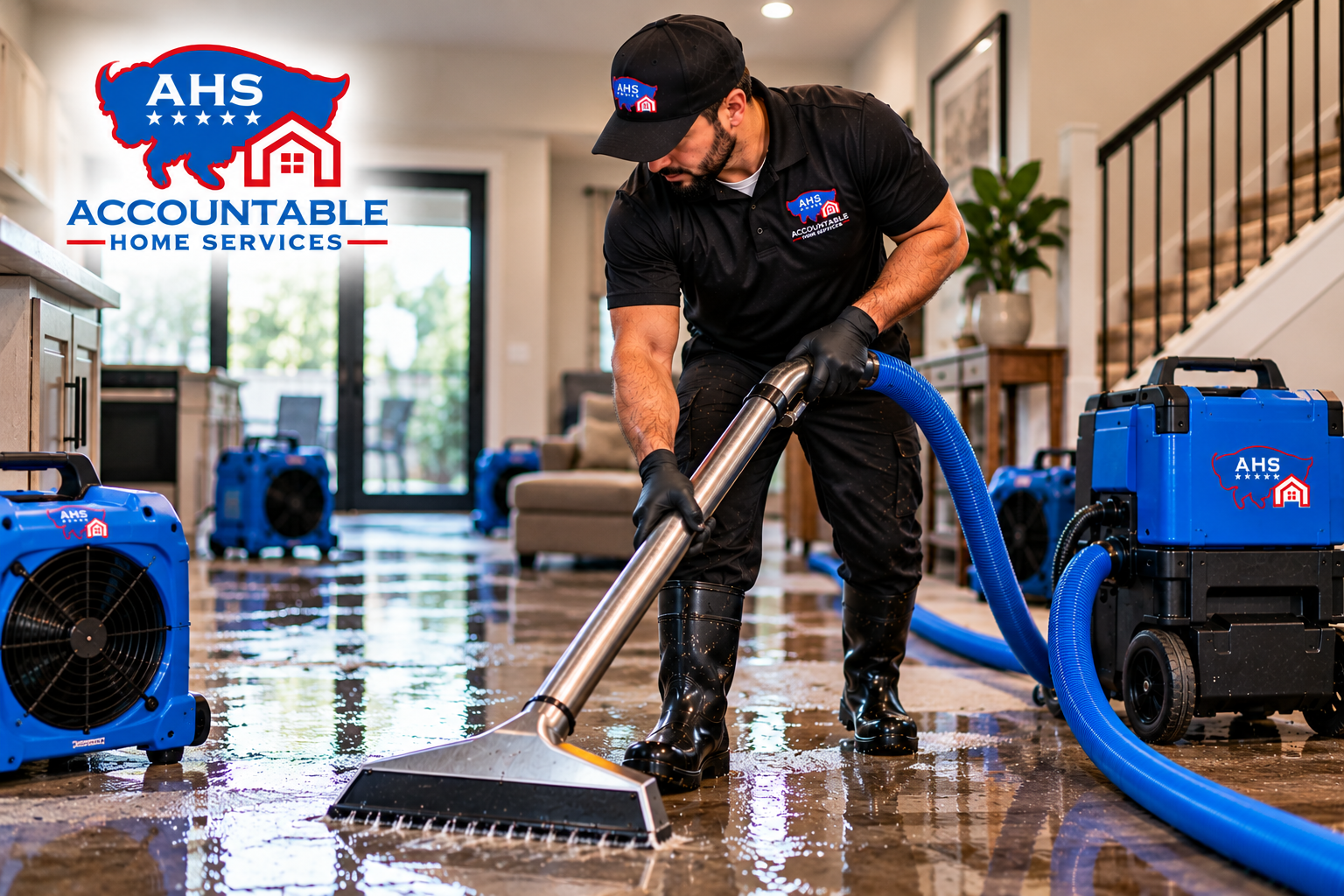
Emergency water removal Westminster CO homeowners call for is not only about speed; it is about using the right extraction equipment and knowing where water is likely to travel. A shop vacuum or towels may help with a small spill, but they usually cannot remove water from padding, wall cavities, under cabinets, or below finished flooring. Delayed extraction can lead to more demolition, longer drying time, odors, staining, and a higher chance of mold concerns.
Quick emergency water removal also helps plumbers and property managers. Once the plumbing repair is complete, the structure still needs to be stabilized. Fast extraction gives the drying plan a better starting point and helps limit further loss.
Water removal is only the first step
It is common for a room to look better after visible water is removed. The floor may look dry. The puddles may be gone. The air may feel normal. But that does not mean the home is dry.
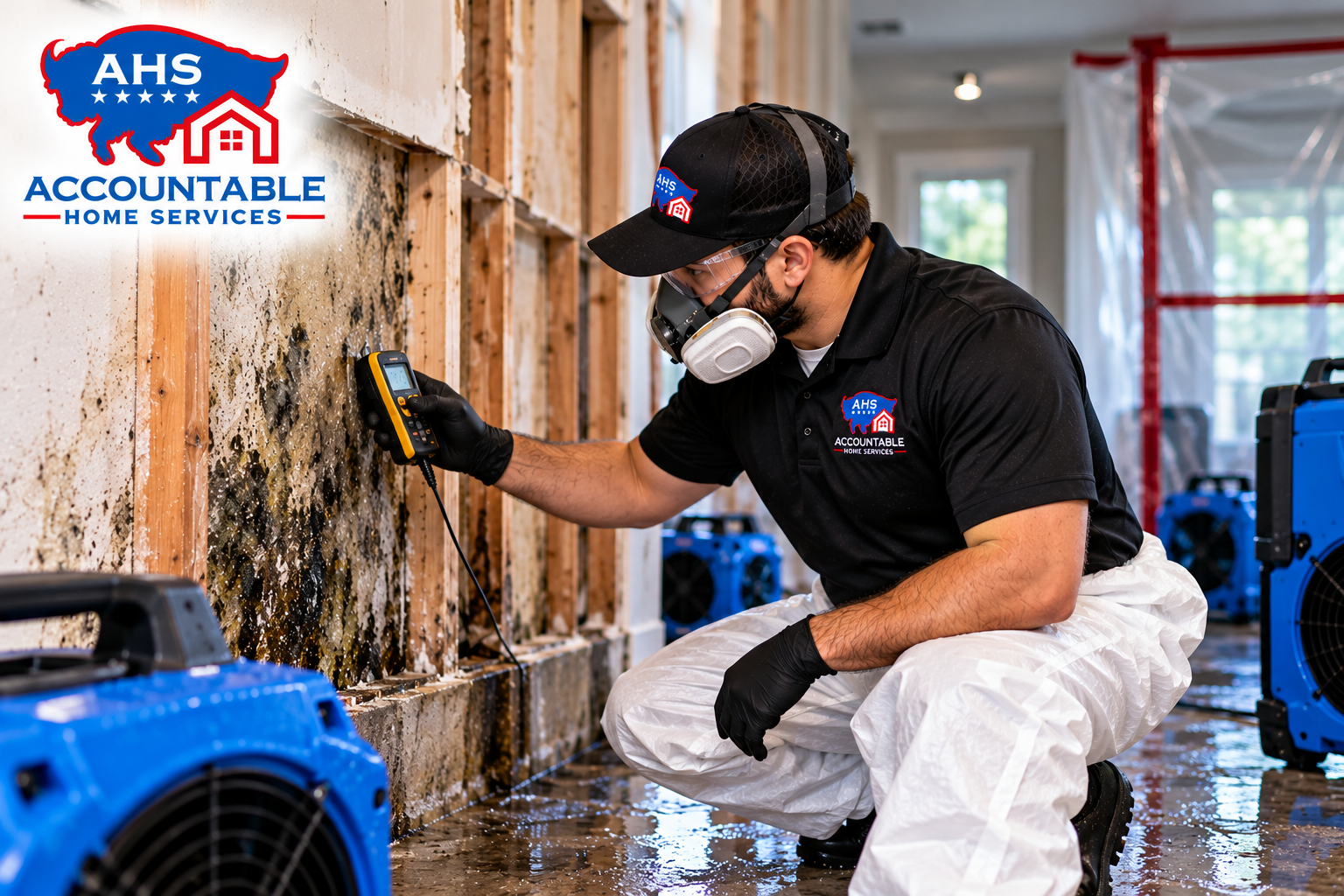
Moisture can remain trapped in flooring, drywall, cabinets, insulation, and framing even after surface water is gone. This hidden moisture is one of the main reasons homeowners should not stop at basic cleanup. Water removal Westminster services should be followed by moisture detection, structural drying Westminster support, and daily or periodic monitoring until the affected materials reach appropriate dry conditions.
A complete water mitigation process may include:
- Inspection of affected rooms to identify where water traveled.
- Moisture detection using professional tools to find hidden moisture behind finishes.
- Emergency water extraction from carpet, padding, hard surfaces, and accessible areas.
- Removal of materials that cannot be safely dried when needed.
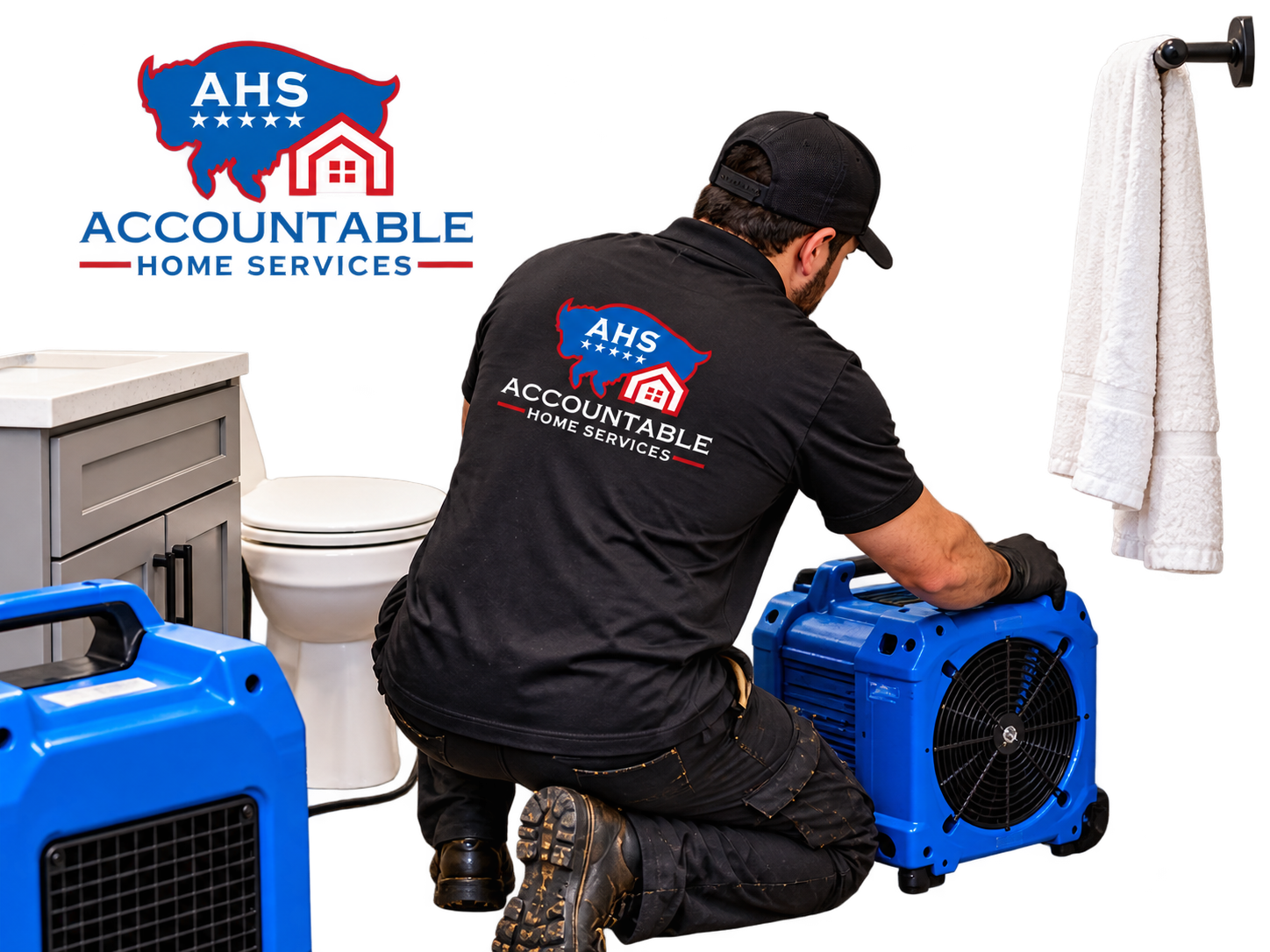
- Structural drying with air movement, dehumidification, and controlled drying conditions.
- Monitoring and documentation to track progress and support the claim file.
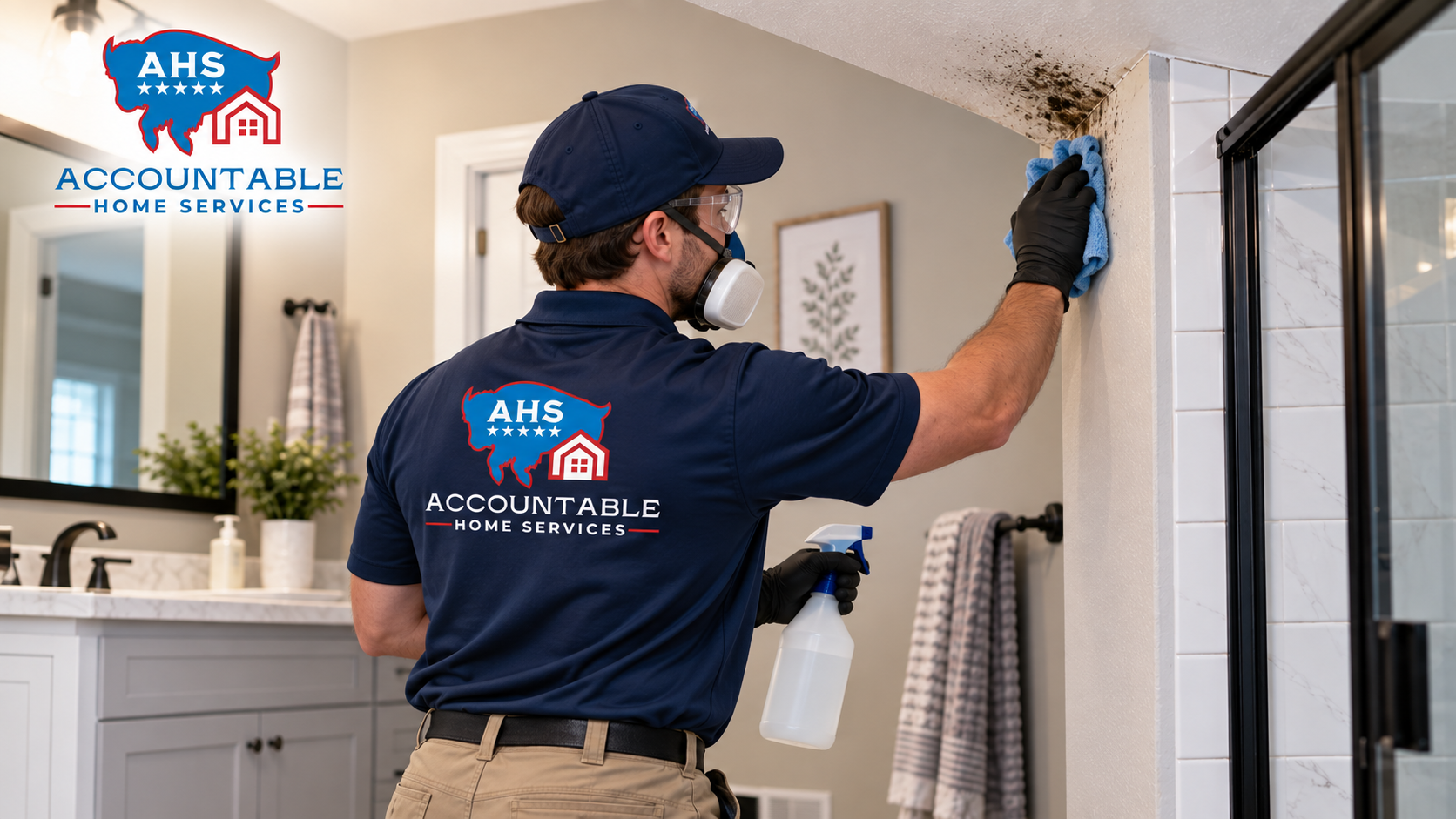
- Mold prevention steps based on the source of water, materials affected, and drying conditions.
This is where professional water damage restoration becomes important. The goal is not just to make the room look clean. The goal is to reduce further damage, dry the structure properly, and leave a clear record of what was done.
Local support for homeowners and referral partners
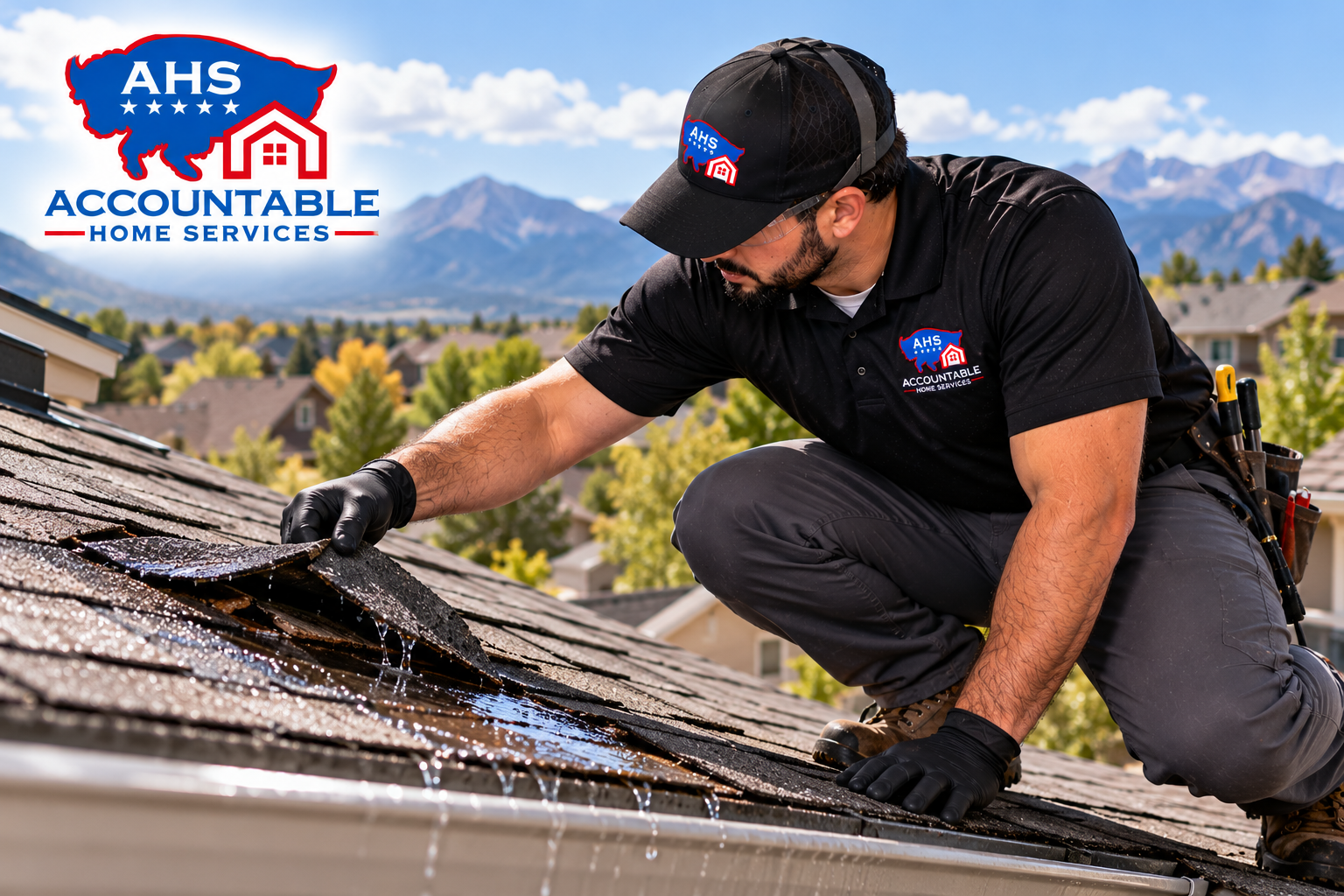
Westminster homes can experience water damage from frozen pipes, water heater failures, dishwasher leaks, washing machine overflows, toilet supply lines, sump pump problems, roof leaks, and basement seepage. Some losses are small and contained. Others spread across multiple rooms or down into lower levels before anyone notices.
The Local Restoration Guide is written for homeowners who need plain advice, but it is also useful for the people who often get the first call. Insurance agents need clients to understand the process without panic or confusion. Plumbers need a reliable next step when the leak is repaired but the water damage is beyond plumbing work. Property managers need fast communication, clear notes, and a plan that helps protect the tenant experience and the owner’s property.
If you are helping someone with emergency water removal, water mitigation, or water damage restoration Westminster needs, encourage them to act quickly, document carefully, and avoid assuming that visible dryness means the job is complete.
Get help before hidden moisture becomes a bigger problem
If you have standing water, a wet basement, an appliance leak, or burst pipe water damage in Westminster, start with safety, stop the source if you can, document the damage, and call for professional help. Emergency water removal is the first step, but the full recovery depends on proper drying, monitoring, and mold prevention after water damage.
For homeowners, agents, plumbers, and property managers, the best next step is a calm, prompt response. Ask for emergency water extraction Westminster support, clear documentation, and a drying plan that addresses both visible water and hidden moisture. That approach helps protect the home, supports the insurance process, and gives everyone involved a clearer path forward.