Fire Damage Restoration Experts in Westminster, CO: What Homeowners Should Know
Fire Damage Restoration Experts in Westminster, CO: What Homeowners Should Know
When a fire damages your Westminster home, the emergency does not end when the trucks pull away. You may be dealing with smoke, soot, wet building materials, unsafe debris, odors, damaged belongings, and a lot of insurance questions all at once. A fire damage restoration company helps sort those problems in the right order so the home can move from emergency cleanup toward safe repairs.
What does a fire restoration company do after the fire department leaves?
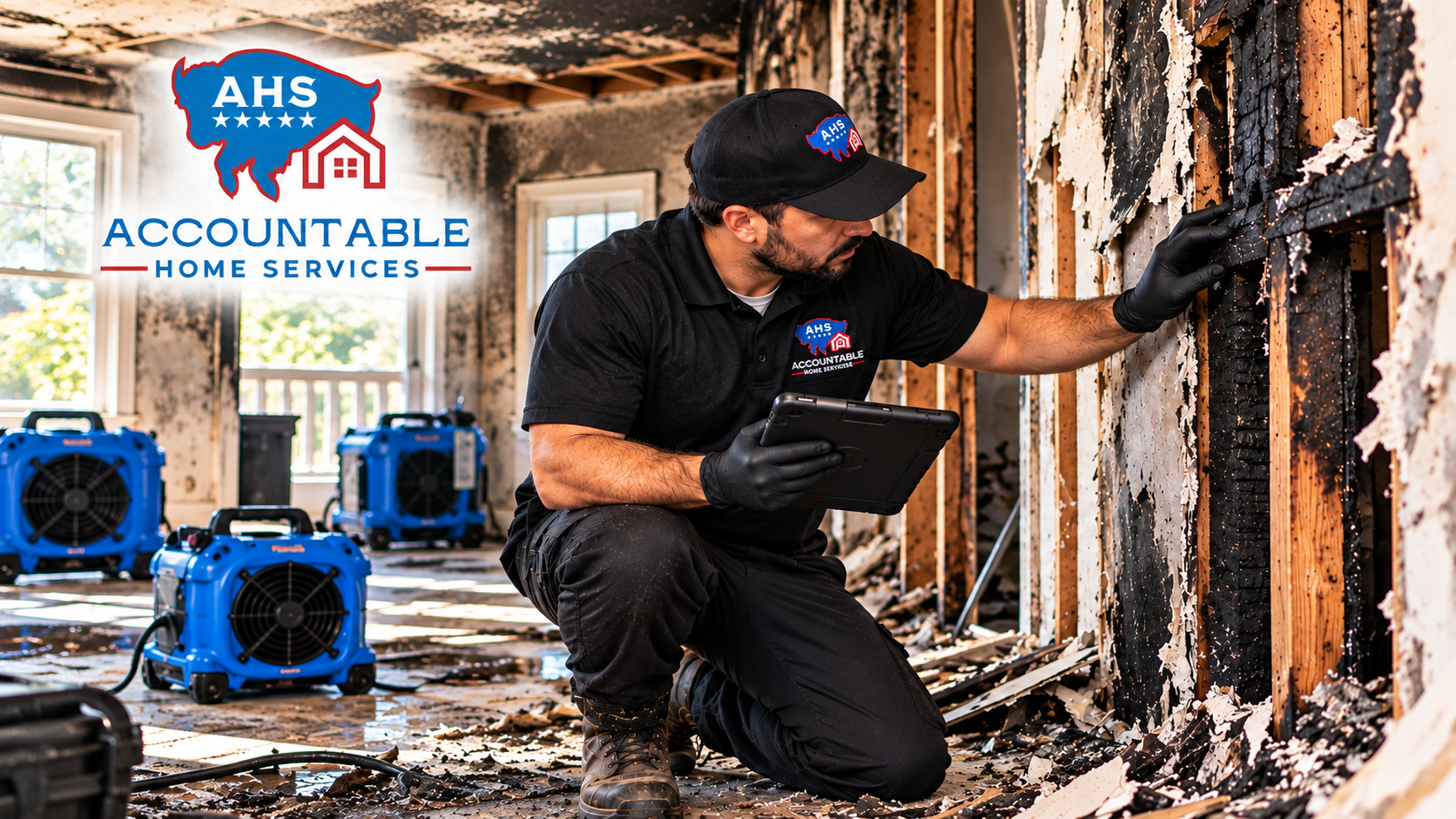
After the fire department leaves, a restoration company begins the work of protecting the property, documenting the damage, removing unsafe materials, cleaning smoke and soot, drying water left from firefighting, and preparing the home for repair or reconstruction. This is different from general cleaning. Fire and smoke restoration looks at the whole property, including areas that may not look badly burned but may still have smoke residue, odor, moisture, or hidden damage.
For homeowners in Westminster and nearby Denver metro communities, this step matters because fire damage can spread in several ways. Flames may damage one room, while smoke travels through hallways, vents, insulation, closets, and contents. Water used to put out the fire can soak flooring, drywall, trim, cabinets, and subflooring. A good restoration company Westminster homeowners can trust will slow down, inspect carefully, and explain what needs to happen first.
Core post-fire restoration work often includes:
- Securing the property: Boarding up openings, covering damaged areas, and helping reduce further weather or entry damage when needed.
- Safety review: Identifying unstable materials, electrical concerns, wet debris, and areas that should not be entered without proper protection.
- Smoke damage cleanup: Removing residue from surfaces and deciding which materials can be cleaned and which may need removal.
- Soot removal Westminster homes may need: Cleaning fine soot from walls, ceilings, framing, fixtures, and contents using methods suited to the surface.
- Smoke odor removal: Treating odor at the source instead of covering it with fragrance.
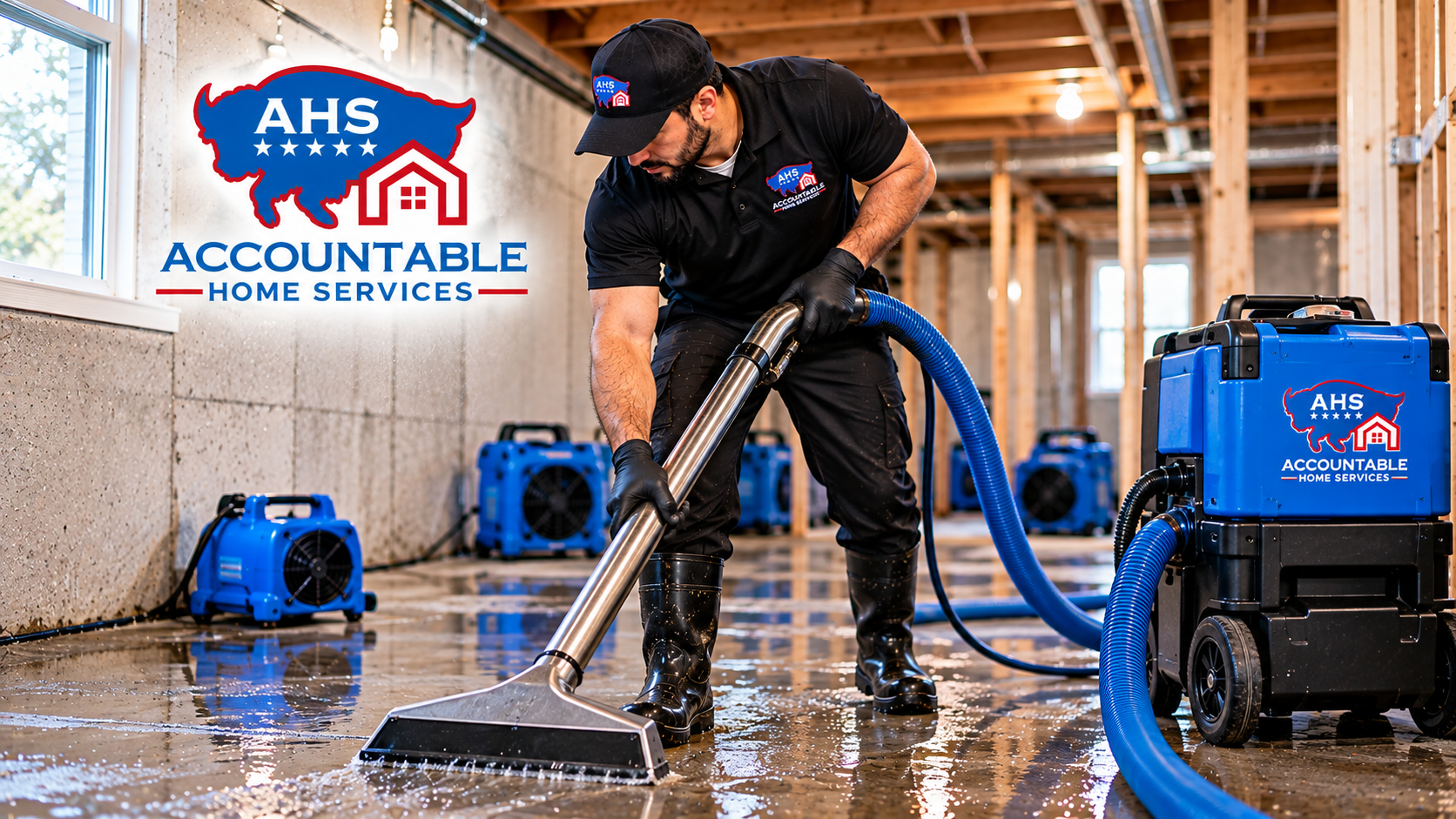
- Water mitigation: Extracting standing water, removing saturated materials, setting drying equipment, and monitoring moisture.
- Insurance documentation: Photographing damage, listing affected rooms and materials, and keeping records that may support a fire damage insurance claim Colorado homeowners need to file.
- Repair planning: Helping the project transition from cleanup and mitigation into fire damage repair, rebuilding, and finish work.
Fire restoration goes beyond visible soot
It is easy to focus on the black soot you can see. That is understandable, because soot looks and smells alarming. But fire damage restoration Westminster CO homes often need is broader than wiping down surfaces. A proper restoration plan looks at heat damage, smoke residue, water damage after fire suppression, odor trapped in porous materials, and belongings that may need special handling.
Smoke can move far beyond the room where the fire started. It may settle on painted walls, textured ceilings, cabinets, appliances, light fixtures, window coverings, and personal items. It can also enter HVAC pathways and closed spaces. If only the visible soot is cleaned, odors and residue may remain and show up later, especially when the home warms up or the furnace or air conditioner runs.
The goal is not just to make the home look better for a few days. The goal is to create a clear path back to a usable home. That means deciding what can be cleaned, what must be removed, what needs to dry, what should be documented, and what belongs in the repair phase.
Smoke, soot, and odor cleanup require the right sequence
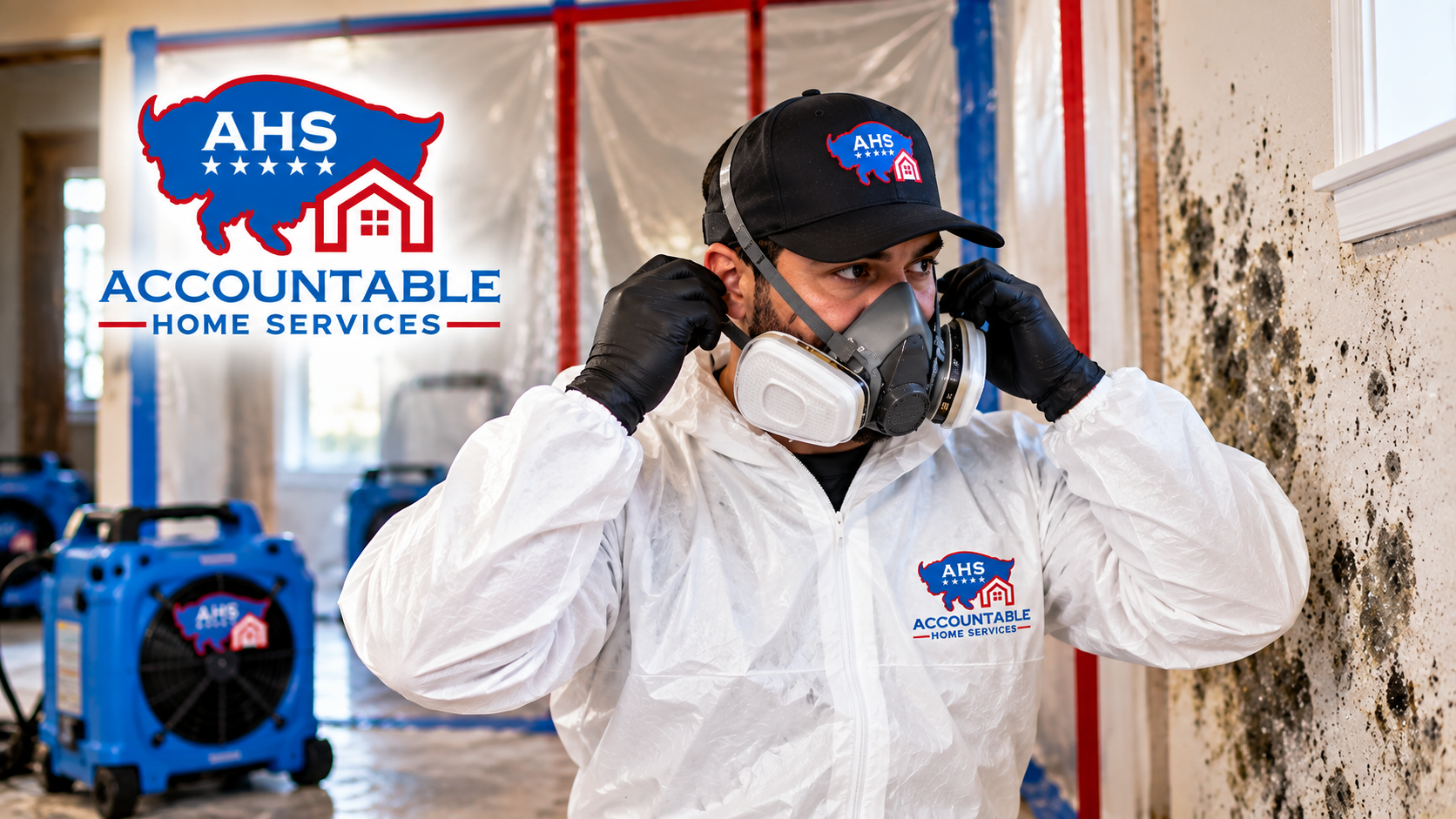
Smoke and soot cleanup usually starts with inspection and containment. Restoration technicians look at the type of residue, the affected materials, and how far smoke traveled. Dry soot, oily soot, protein residue from kitchen fires, and heavy char all behave differently. Using the wrong cleaning method can smear residue, push it deeper into a surface, or make odor harder to remove.
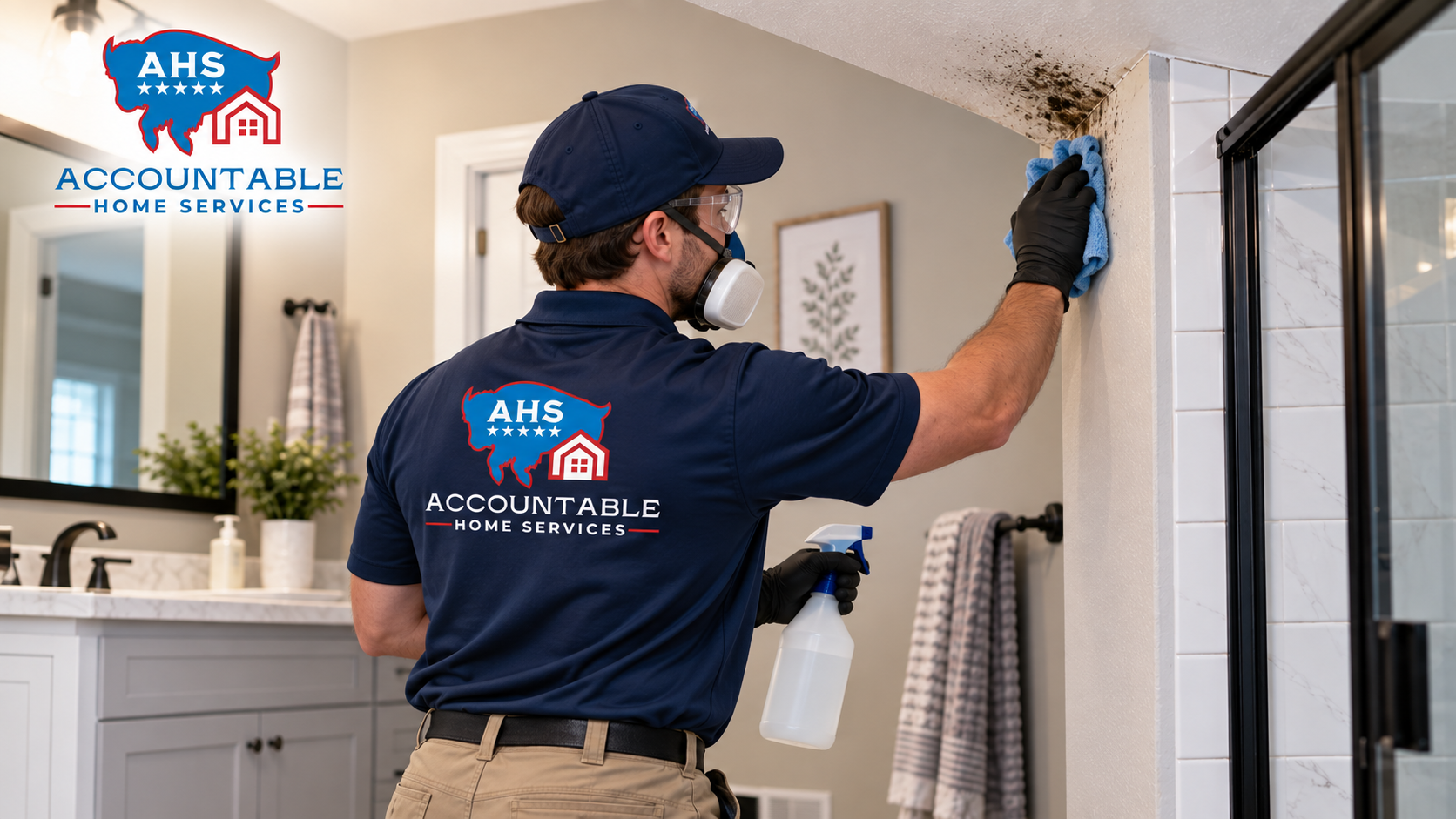
Soot removal often includes careful HEPA vacuuming, dry cleaning sponges, specialty detergents, and controlled cleaning of salvageable surfaces. Painted drywall, unfinished wood, tile, metal, glass, and fabrics may all need different treatment. In some cases, cleaning is reasonable. In others, removal is the better path because the material is too damaged, too porous, or holding odor.
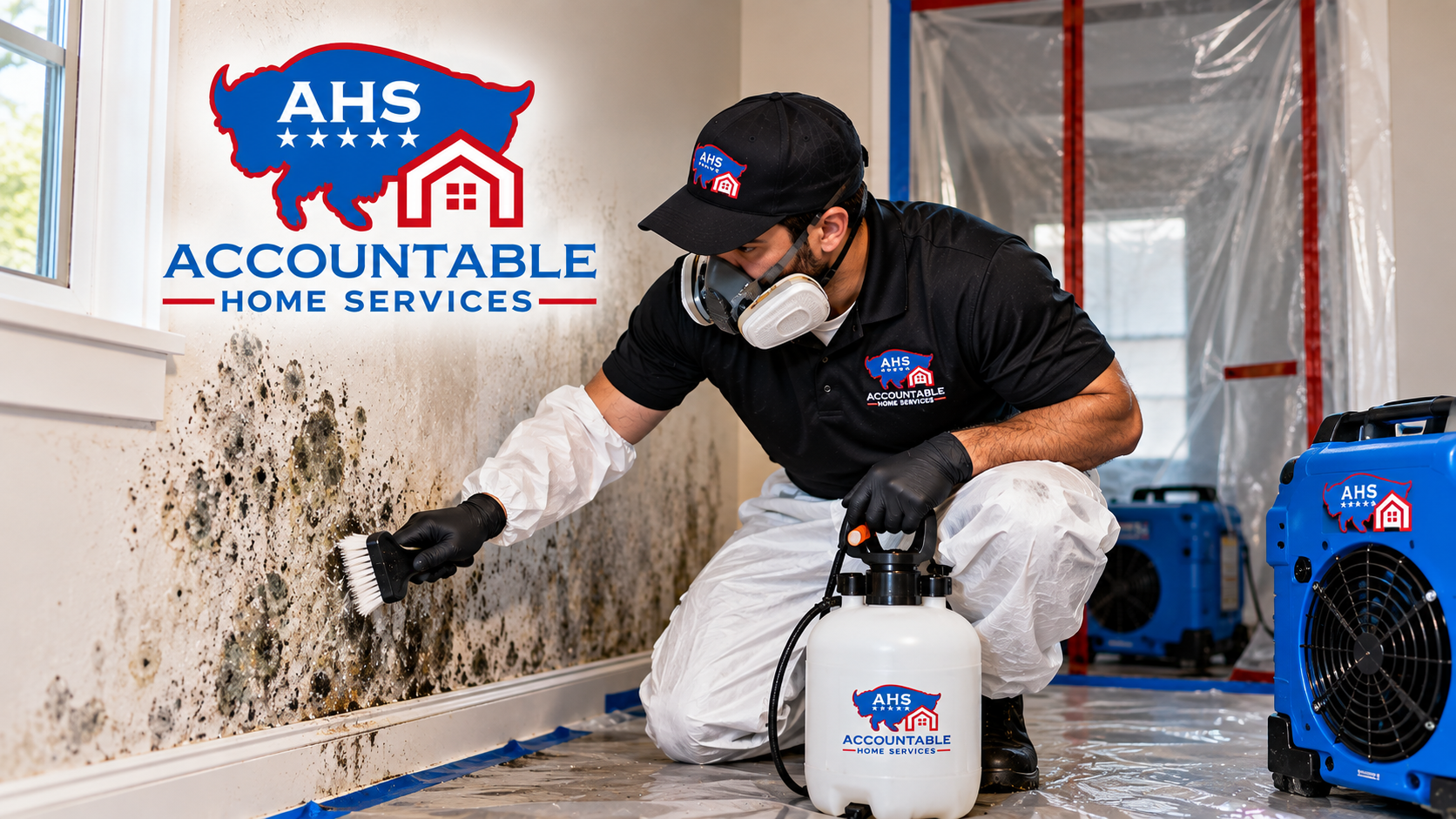
Smoke odor removal also needs source control. Air fresheners do not solve the problem. Odor can remain in charred materials, insulation, carpet pad, furniture, clothing, cabinets, and wall cavities. A fire and smoke restoration plan may include removing burned materials, cleaning residue, ventilating affected areas, using air filtration, and applying odor-control methods after the source has been addressed.
Common smoke damage cleanup priorities include:
- Cleaning high-touch and high-visibility surfaces once the area is safe.
- Separating salvageable contents from items that are unsafe or heavily damaged.
- Removing charred debris that continues to produce odor.
- Checking nearby rooms, closets, and mechanical areas for smoke spread.
- Avoiding do-it-yourself wiping on delicate surfaces until the residue type is known.
- Keeping records of cleaned, discarded, and packed-out items for claim review.
Water damage after a fire needs fast attention
Many homeowners are surprised by how much water damage after fire suppression can affect the home. Fire hoses, sprinkler systems, and water used to cool hot spots can soak areas that were not burned. This water may collect under flooring, behind baseboards, inside wall cavities, and around cabinets. If moisture is ignored, the property can develop swelling, staining, odor, and possible mold concerns.
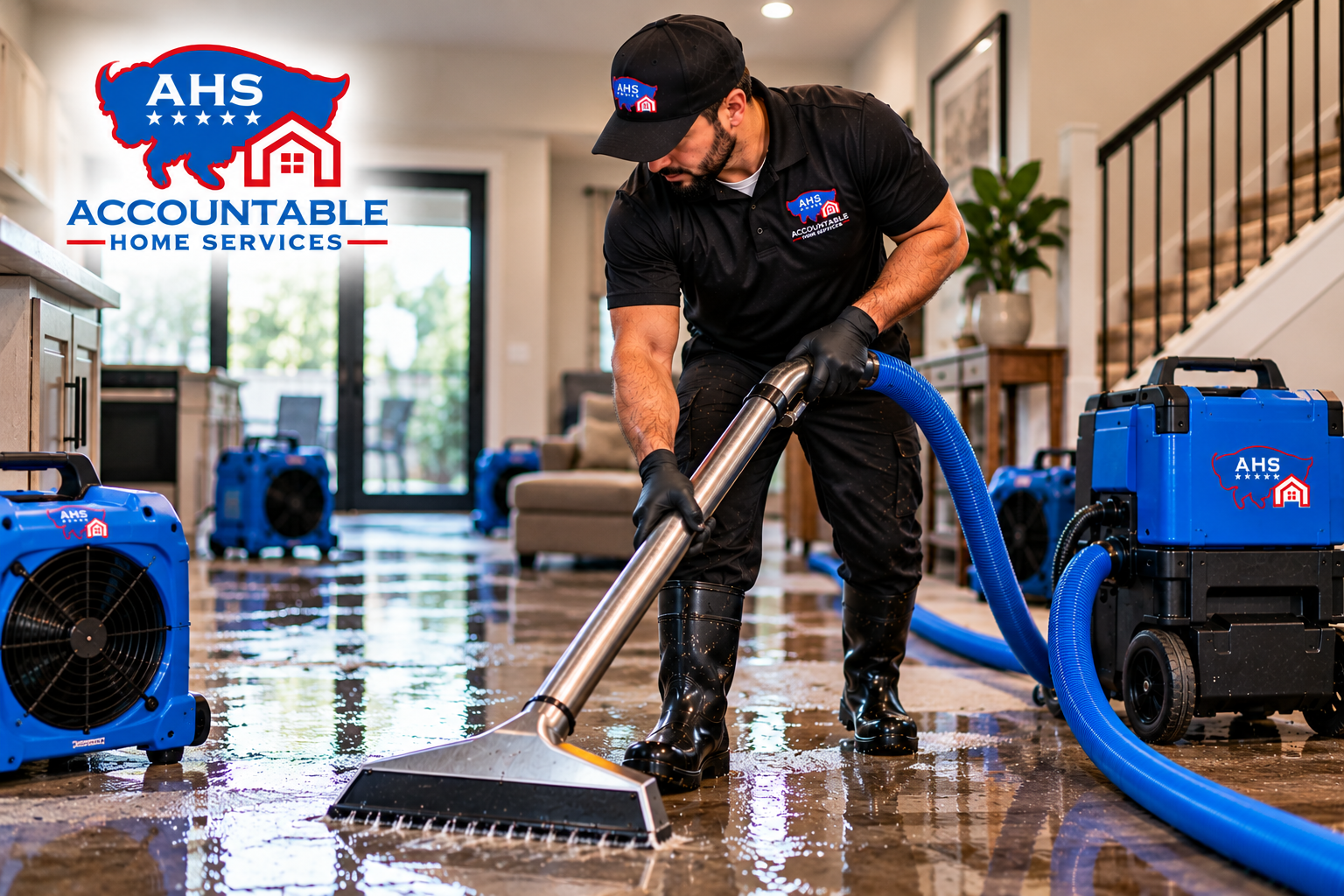
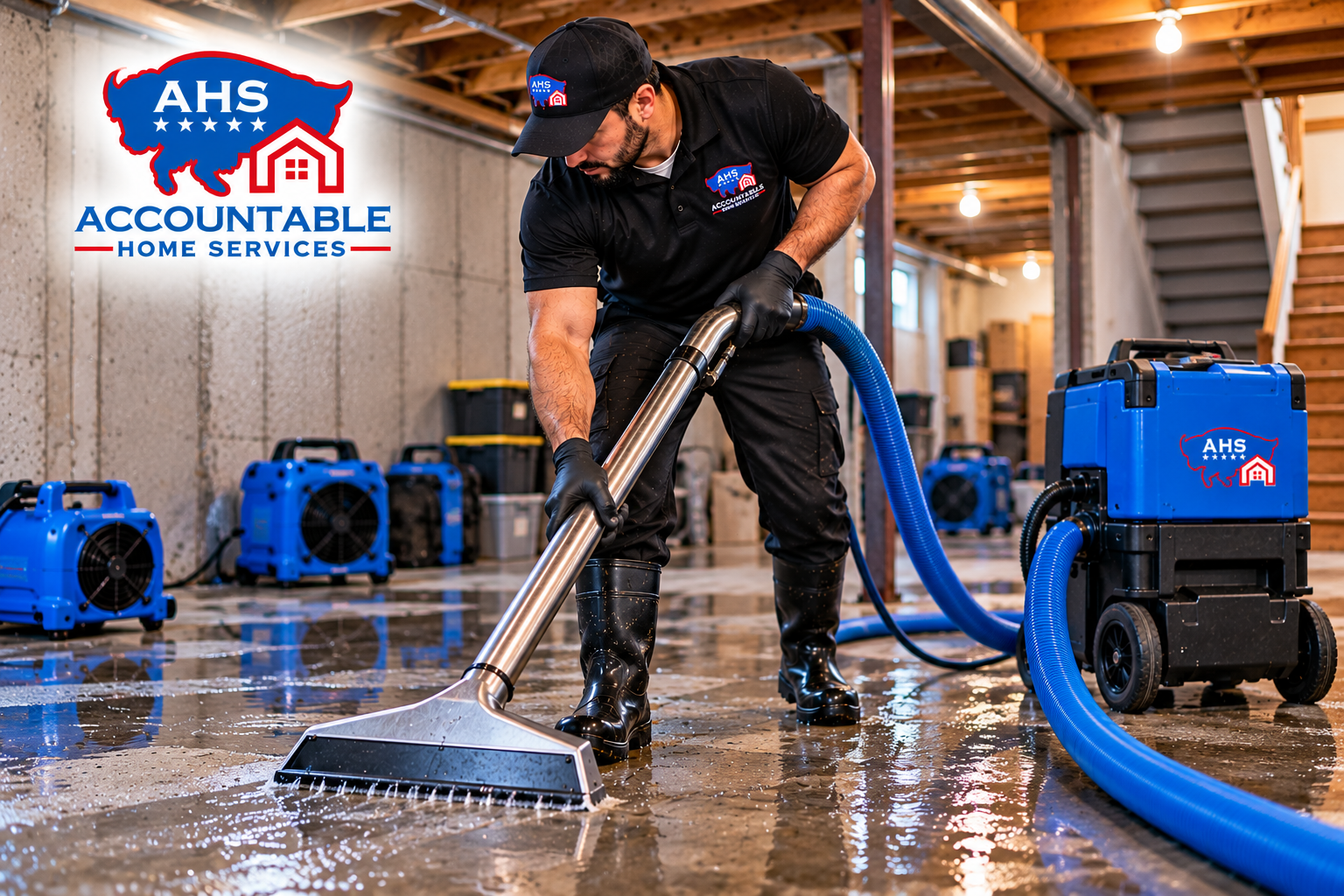
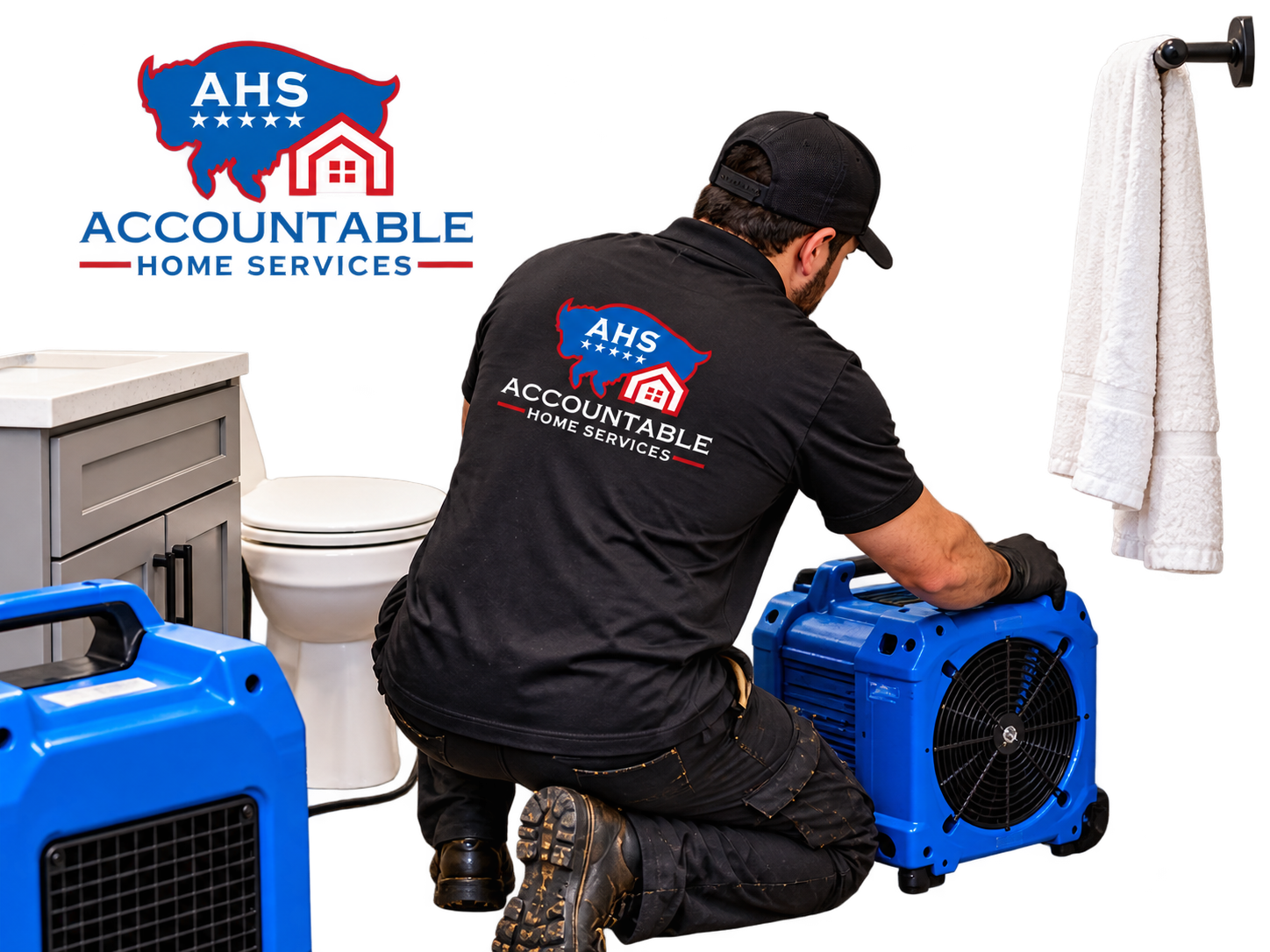
Emergency fire restoration often includes water extraction and drying right away. Technicians may remove wet carpet pad, open damaged walls, set air movers and dehumidifiers, and take moisture readings over time. The point is not just to make the floor feel dry. The point is to confirm that building materials are drying properly before repairs cover them back up.
This is also where plumbers, property managers, and insurance agents often need a reliable handoff. The fire may be out, but the structure may still be wet. A clear restoration plan helps everyone understand which areas are affected, what is being dried, and when the home is ready for the next step.
Damaged materials and contents must be sorted carefully
After a fire, not everything should be thrown away, and not everything should be saved. Damaged-material removal is about making practical decisions based on safety, cleanability, odor, and repair needs. Burned drywall, insulation, flooring, trim, cabinetry, and debris may need removal so the structure can be cleaned, dried, and inspected.
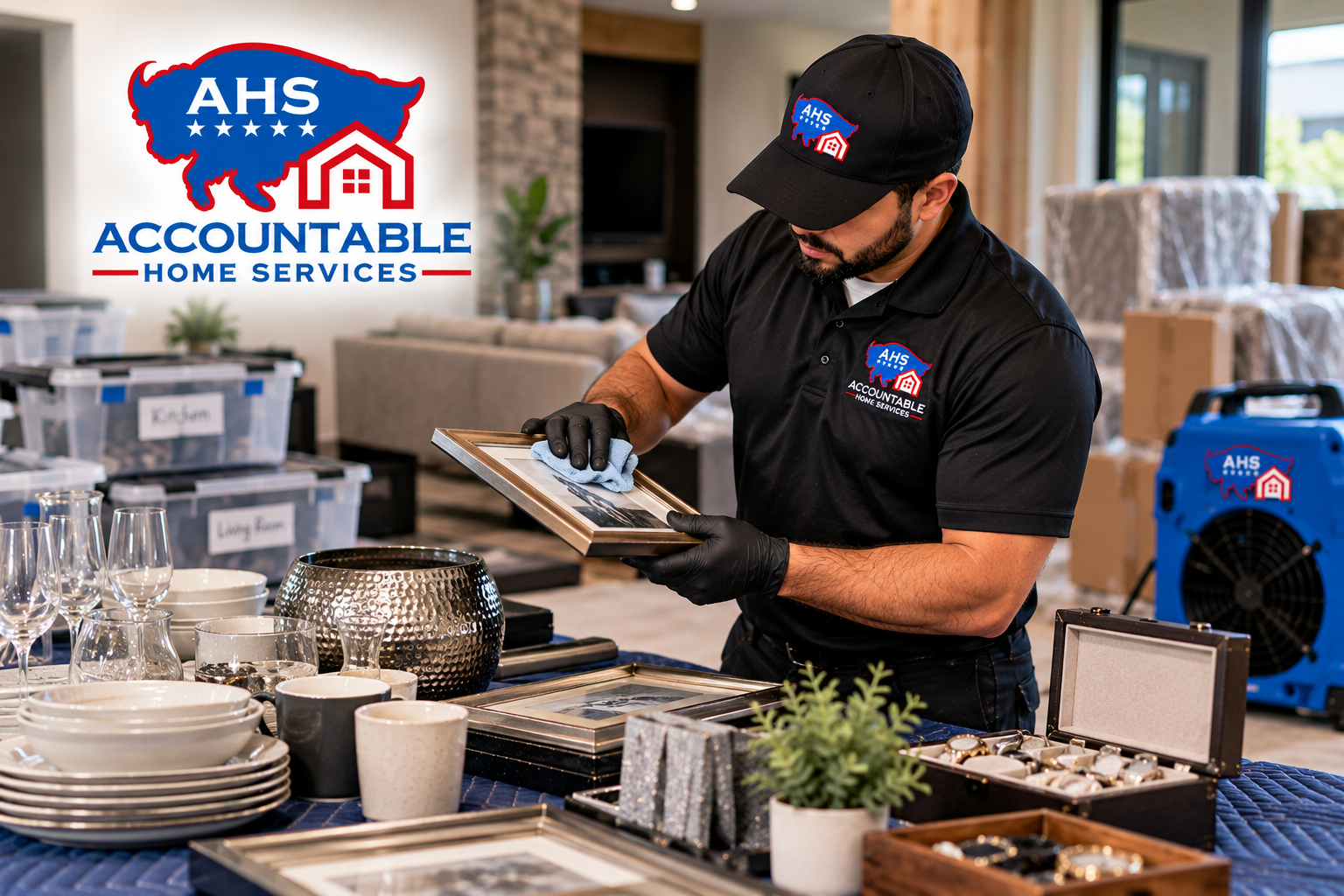
Contents need their own plan. Furniture, clothing, electronics, documents, dishes, tools, toys, and family items may all be affected in different ways. Some items can be cleaned on site. Others may need to be packed out for specialty cleaning or storage. Some may be considered non-salvageable, especially if they are burned, contaminated, warped, or holding strong odor.
A helpful restoration team should explain the difference between structure and contents. The structure includes the building itself, such as walls, floors, ceilings, framing, and attached materials. Contents are the personal belongings inside the home. Keeping those categories clear can make the cleanup easier to understand and can also help with insurance documentation.
Documentation supports the insurance claim process
A fire damage insurance claim Colorado homeowners file usually depends on clear information. Your insurance carrier and adjuster may need photos, room-by-room notes, moisture readings, material lists, estimates, invoices, and records of what was removed or cleaned. Good documentation does not guarantee coverage decisions, but it can reduce confusion and help the claim move with fewer unanswered questions.
Before major cleanup begins, restoration professionals should document the affected areas when possible. That may include overview photos, close-up photos, notes about smoke spread, records of wet materials, and inventory details for damaged contents. As work continues, documentation should show what was done and why.
For insurance agents, this kind of communication matters. Clients are often stressed, tired, and unsure what is covered. A restoration partner that communicates clearly, avoids unnecessary drama, and keeps organized records can help protect the client experience and reduce back-and-forth during the claim.
Useful claim documentation may include:
- Date and cause information as reported by the homeowner or authorities.
- Photos of fire, smoke, soot, and water damage before cleanup.
- Room-by-room notes showing affected materials and contents.
- Moisture readings and drying logs when water mitigation is needed.
- Disposal records for materials removed from the property.
- Contents lists showing items cleaned, stored, or considered unsalvageable.
- Estimates or work authorizations related to mitigation, cleaning, and repairs.
- Communication notes shared with the homeowner, adjuster, agent, or property manager.
The project moves from cleanup into repair and reconstruction
Fire damage repair begins after the emergency cleanup, drying, odor control, and removal work are far enough along to define the repair scope. This transition is important. If repairs start too soon, moisture, odor, or hidden residue may get trapped behind new materials. If repairs are delayed without explanation, homeowners may feel stuck and unsure what comes next.
The repair phase may include drywall replacement, insulation, flooring, painting, trim, cabinets, fixtures, or larger reconstruction depending on the damage. Some restoration companies handle both mitigation and repairs, while others coordinate with contractors for the rebuild. Either way, the homeowner should receive a clear explanation of what has been completed, what remains open, and what decisions need approval.
A good handoff into repairs should answer basic questions: Which rooms are ready? Which materials were removed? Are the affected areas dry? Has odor been addressed? What items are still being cleaned or reviewed? This clarity helps homeowners, adjusters, property managers, and contractors stay on the same page.
Local help matters for Westminster homeowners
Fire damage feels personal because it affects the place you live, sleep, cook, and keep your belongings. Local knowledge helps because Westminster homes include a mix of older properties, newer builds, townhomes, rentals, and multi-unit communities. Each situation needs a practical response, not a one-size-fits-all checklist.
If you are a homeowner, the first step is to make sure the property has been cleared for entry by the proper authorities. Do not start scrubbing soot, turning on HVAC equipment, or tossing contents without documentation if an insurance claim may be involved. Take photos if it is safe, call your insurance carrier, and contact fire damage restoration experts who can inspect the home and explain the next steps.
If you are an insurance agent, plumber, or property manager helping someone after a fire, look for a team that communicates plainly and documents well. The best referrals are not just fast. They reduce confusion, protect the property from further loss, and help the homeowner understand what is happening.
Next steps after fire damage in Westminster
When you need fire cleanup Westminster homeowners can rely on, focus on safety, documentation, and the right order of work. Fire restoration is not only about cleaning what is visible. It is about addressing smoke, soot, odor, water, damaged materials, contents, drying, insurance records, and repairs so the home has a real path back to use.
Before choosing a restoration company, ask how they will inspect the property, document the loss, handle smoke odor removal, manage water damage after firefighting, and communicate with your insurance adjuster. A calm, organized response can make a hard situation easier to manage and help you move from emergency mode into recovery with fewer surprises.