Contents Restoration Services in Denver, CO: What Homeowners and Property Managers Should Know
Contents Restoration Services in Denver, CO: What Homeowners and Property Managers Should Know
When a home, rental unit, or managed property is damaged, the walls and floors are only part of the problem. Furniture, clothing, electronics, documents, tools, décor, and tenant belongings may also need a separate contents restoration plan. For homeowners, insurance agents, plumbers, and property managers in the Denver metro area, clear steps and organized documentation can make recovery less confusing.
What is the difference between structural restoration and contents restoration?
Structural restoration focuses on the building itself: drywall, flooring, framing, cabinets, insulation, baseboards, and other parts of the property. Contents restoration focuses on the belongings inside the property. That may include water damage contents restoration, smoke damage contents cleaning, property contents cleaning, deodorizing, drying, inventory, storage, and returning salvageable items after the home or unit is ready.
This distinction matters because restoring the structure is not enough. A home can be dried, repaired, and repainted while the contents inside still hold moisture, smoke odor, soot, or possible mold contamination. The best damage restoration services look at both sides of the loss so the property and the belongings have a clear recovery path.
For insurance agents, this also helps set better expectations with clients. For plumbers, it explains when a leak repair needs to be followed by water damage restoration Denver support. For property managers, it helps separate building repairs from tenant or owner contents questions.
Belongings need a separate plan during structural restoration
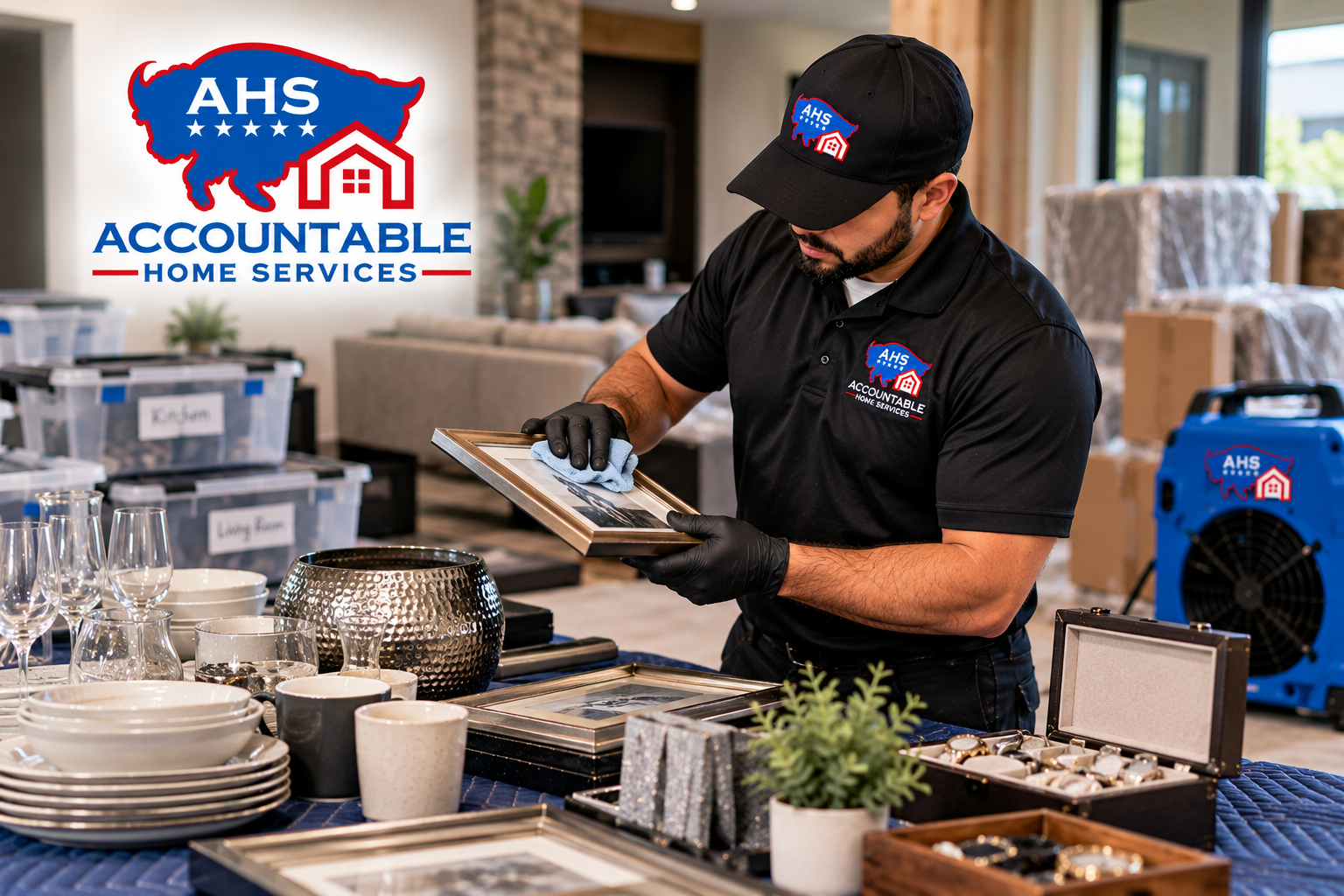
During home structural restoration, belongings may need to be moved out of affected rooms so crews can remove damaged materials, set drying equipment, clean surfaces, or rebuild safely. This is often called a pack-out. Pack out services Denver providers typically sort, document, box, label, and move items to a cleaning area or storage location.
Leaving belongings in place can slow down drying and repairs. It can also expose clean items to construction dust, odor, moisture, or accidental damage during work. On the other hand, moving items without a system can create confusion later, especially when an insurance claim is involved.
A contents restoration Denver CO plan should answer basic questions before items are moved:
- Which rooms or areas are affected?
- Which items appear salvageable, questionable, or non-salvageable?
- Who owns the items: homeowner, tenant, business, or property owner?
- What needs immediate attention, such as wet textiles or important documents?
- Where will items be cleaned, dried, deodorized, and stored?
- How will the inventory be shared with the property owner, tenant, adjuster, or agent?
A calm, organized approach protects the client experience. It also helps the restoration company Denver team avoid unnecessary handling, missed items, and avoidable delays.
The contents restoration process from first walkthrough to return
Contents restoration services should follow a clear order. Every property is different, but the main steps are usually the same.
- Documentation: The team records affected rooms, visible damage, and the general condition of belongings before moving them. This first record helps show what was present and what condition it was in at the start of the job.
- Photo inventory: A photo inventory gives visual support for the contents inventory restoration file. Photos can show item location, damage type, labels, model numbers, and grouping by room.
- Pack-out: Salvageable and questionable items are carefully packed, labeled, and removed from the affected area when needed. Pack-out helps structural crews work and helps contents specialists clean items in a controlled setting.
- Cleaning: Contents cleaning Denver work may include wiping hard surfaces, laundering soft goods, cleaning furniture, or using specialty methods for certain materials. Cleaning depends on the type of item and the type of contamination.
- Deodorizing: Smoke, musty odors, sewer backup odors, and long-term moisture smells may require deodorizing after cleaning. Deodorizing is not just covering up a smell; the source needs to be addressed first.
- Drying: Wet contents must be dried properly before storage whenever possible. Drying may apply to rugs, furniture, boxes, documents, and other items that absorbed moisture.
- Storage: Contents storage after water damage keeps cleaned or pending items organized while structural restoration continues. Good storage includes labeling, separation by job or room, and protection from new moisture or damage.
- Return of salvageable items: Once property restoration is complete and the space is ready, salvageable items are returned and placed according to the inventory. This final step should be coordinated so items do not come back into a damp, dusty, or unfinished area.
This process is especially helpful when multiple parties are involved. A property manager may need updates for the owner and tenant. An insurance agent may need the client to understand what is happening. A plumber may want confidence that the customer they referred is being cared for beyond the pipe repair.
How water, smoke, soot, and mold affect belongings
Different damage sources affect contents in different ways. A good damaged belongings restoration plan starts by identifying what caused the damage and how long the items were exposed.
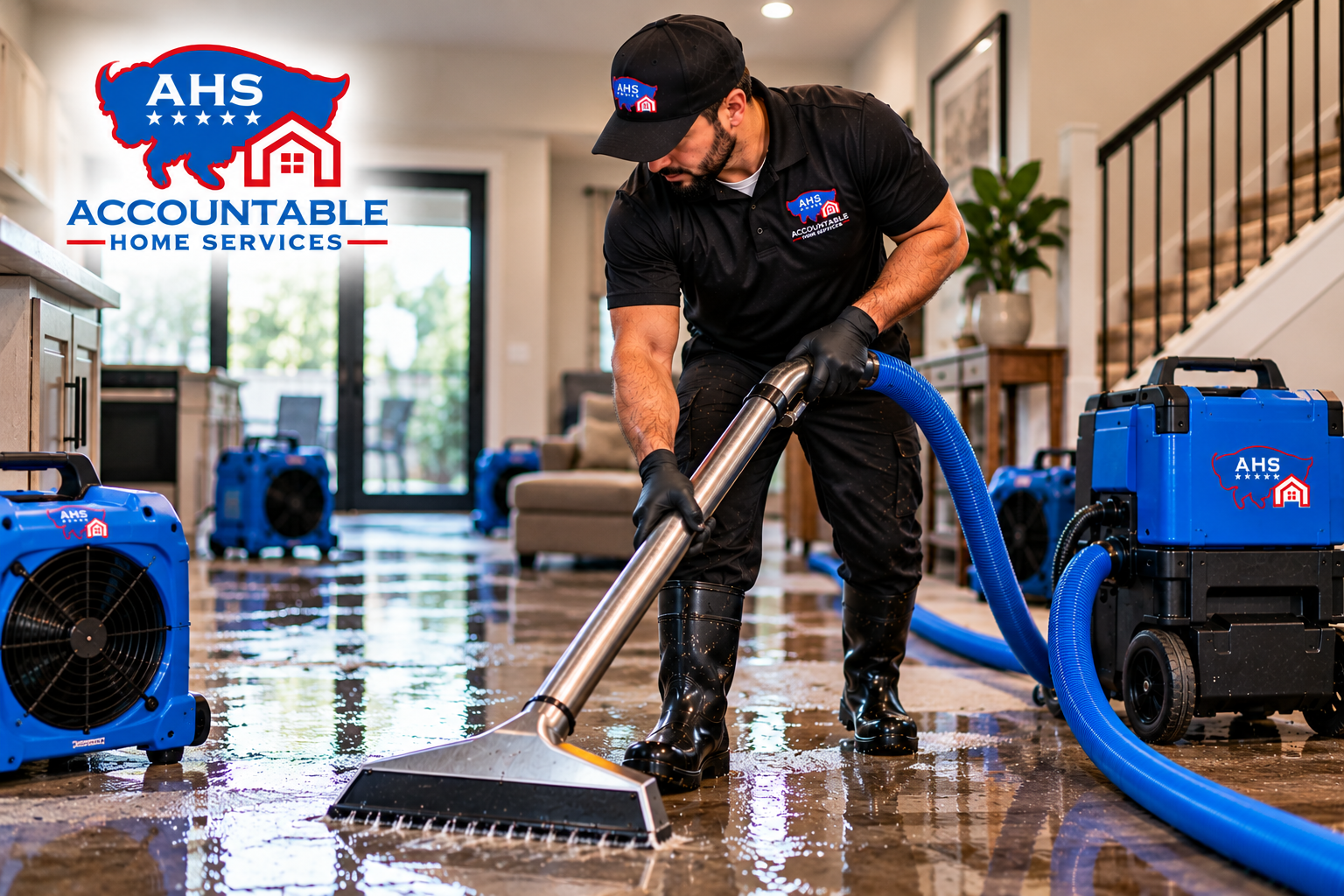
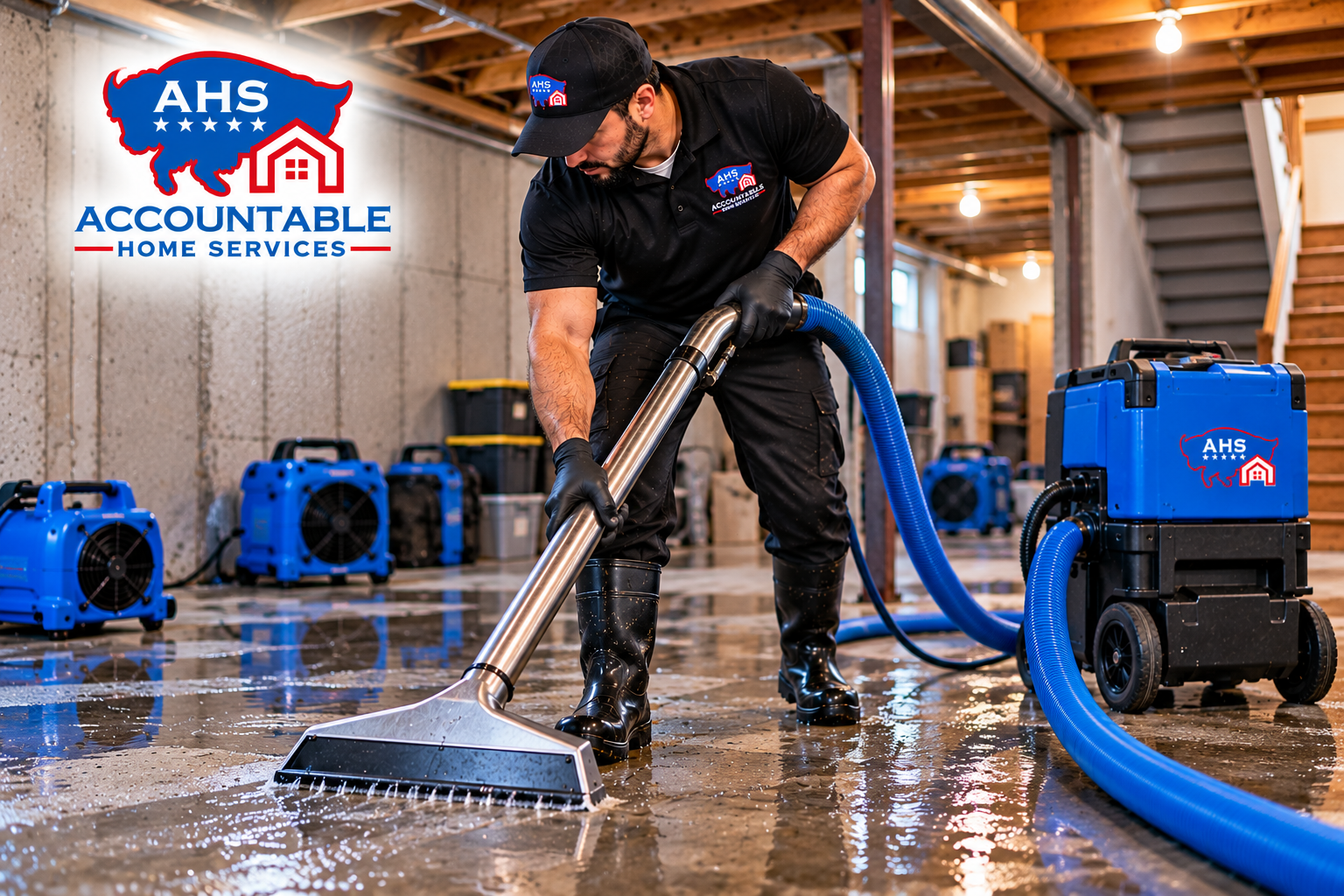
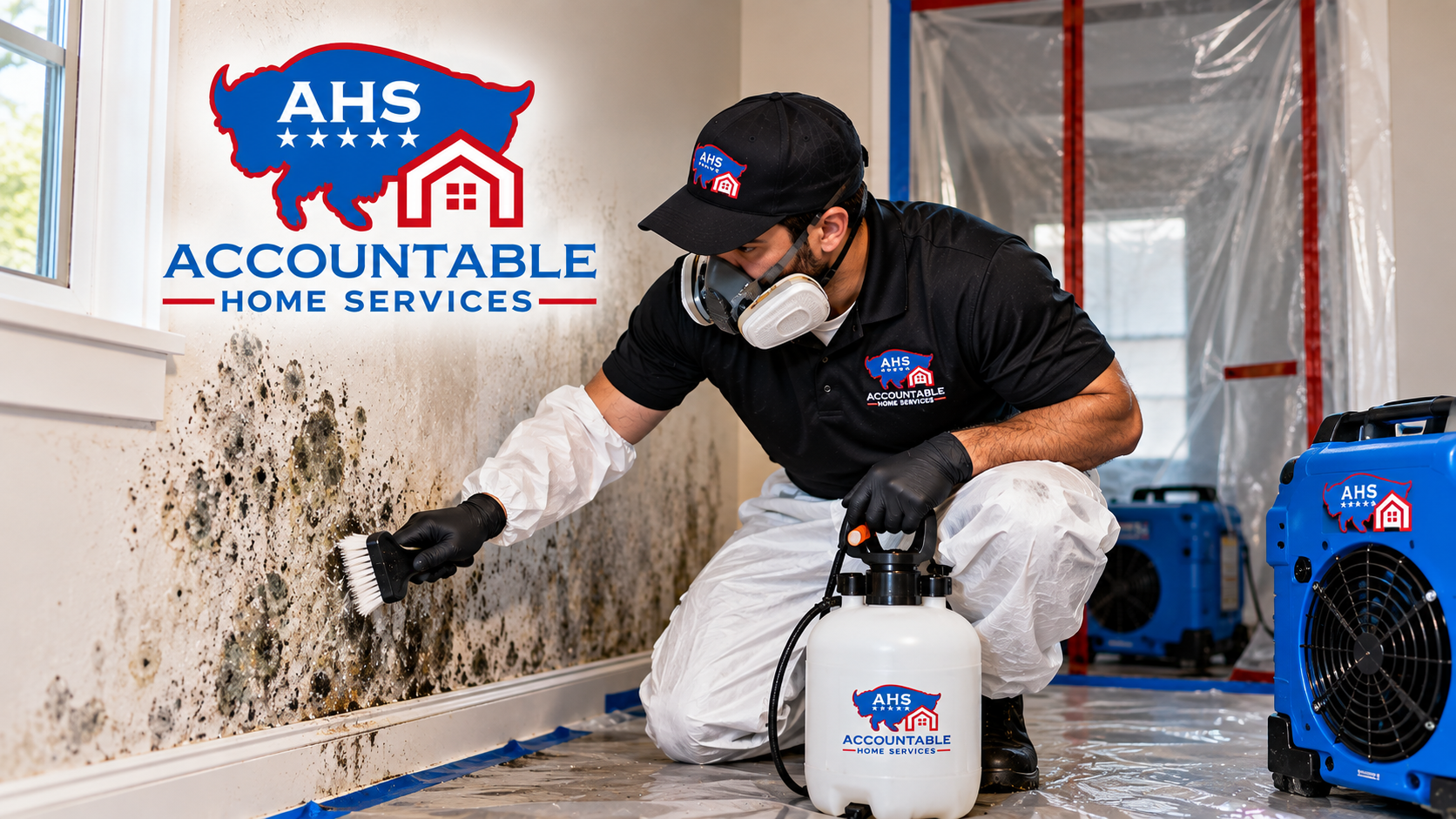
Water damage can soak into porous items like rugs, mattresses, upholstered furniture, books, cardboard boxes, and clothing. Clean water from a supply line is different from water from a drain backup or flooding, and the restoration approach changes with the source. Fast drying matters because moisture can spread into items that looked fine at first.
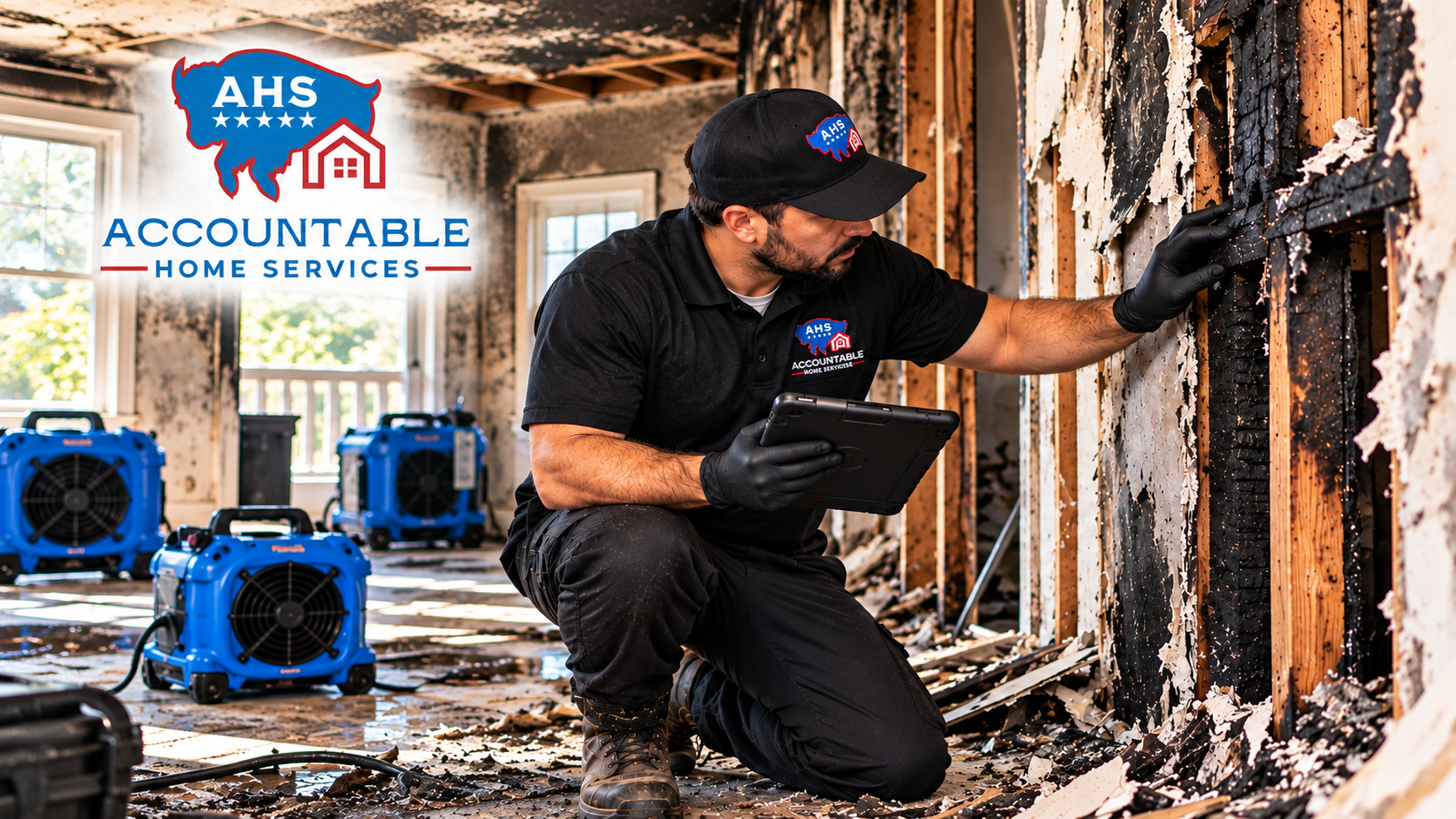
Smoke damage can leave strong odor in soft goods, wood, paper, and fabric. In fire restoration Denver projects, smoke often travels beyond the room where the fire started. Items in closets, drawers, and closed rooms may still need inspection because smoke odor can settle into small gaps.
Soot damage is different from odor. Soot is a fine residue that can smear, stain, and become harder to remove if handled the wrong way. Fire damage contents restoration may involve careful dry cleaning methods before wet cleaning is considered, depending on the material.
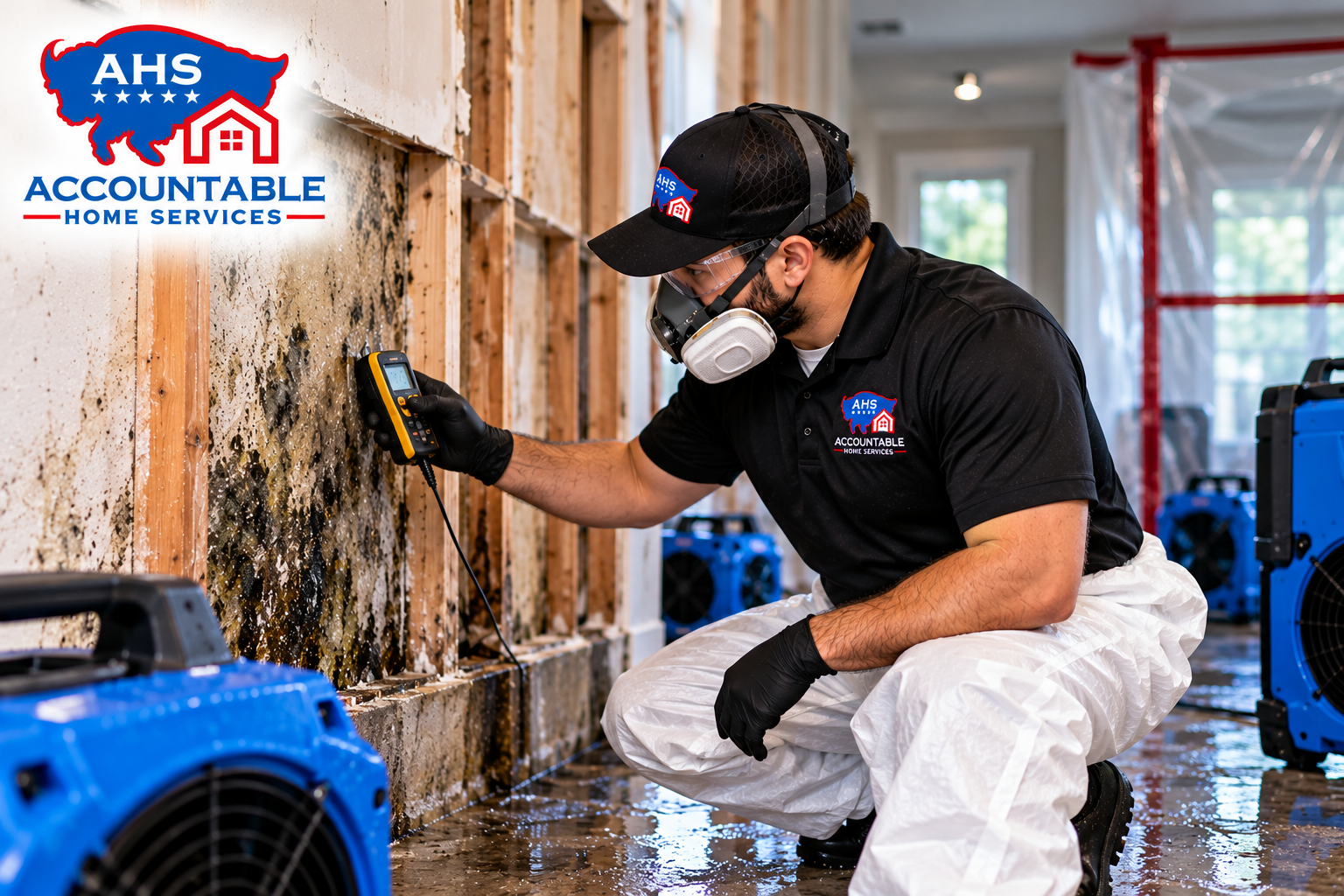
Mold concerns usually come from moisture that sat too long or from damp materials that were not dried correctly. Mold can affect porous contents more deeply than hard, non-porous items. When mold is suspected, contents should be handled carefully so spores are not spread through unaffected areas.
Why some belongings can be restored and others cannot
Not every item can or should be restored. That can be frustrating, especially when belongings have personal value. Restoration specialists look at practical factors, not just the original cost of the item.
Items are more likely to be restorable when the material can be cleaned, dried, and deodorized without being ruined. Hard surfaces, washable textiles, some furniture, and many household goods may be good candidates depending on the damage. Items are less likely to be salvageable when contamination is unsafe, moisture has caused warping or delamination, odor has deeply penetrated, or the item cannot be cleaned without destroying it.
Common considerations include:
- Material type: Metal, glass, and sealed surfaces often respond differently than paper, particleboard, foam, or untreated wood.
- Type of exposure: Clean water, gray water, sewage, smoke, soot, and mold each carry different concerns.
- Length of exposure: The longer an item stays wet, smoky, or contaminated, the harder restoration can become.
- Safety and sanitation: Some items may not be safe to keep after certain types of contamination.
- Sentimental value: Photos, keepsakes, documents, and heirlooms may deserve extra review even when cleaning is more difficult.
- Replacement versus restoration: Some items may cost more to restore than replace, while others may be worth restoring because they cannot truly be replaced.
A good restoration company should explain these decisions in plain language. The goal is not to discard everything. The goal is to identify what can be saved, what needs specialty care, and what should be listed as non-salvageable for the claim.
Organized documentation supports insurance claims
Contents claims can become stressful when there is no clear list of what was damaged, where it was located, and what happened to it. Organized documentation helps homeowners, property managers, insurance agents, and adjusters work from the same information. It does not guarantee coverage, but it can reduce confusion and make the claim easier to review.
A useful contents file may include room-by-room inventory, photos, item descriptions, condition notes, cleaning status, storage location, and final outcome. For example, one couch may be listed as cleaned and returned, while a soaked particleboard bookshelf may be listed as non-salvageable. This level of detail helps prevent mix-ups when many items are packed out at once.
For insurance agents, strong documentation protects the client relationship because the insured is not left guessing. For plumbers, it gives the homeowner a next step after the leak is stopped. For property managers, it creates a cleaner record for owners, tenants, and anyone else involved in the property decision.
Local support for Denver homeowners and property teams
Denver properties face a wide range of content damage situations, from frozen pipe leaks and failed water heaters to kitchen fires, smoke odor, appliance overflows, sump pump issues, and moisture concerns in finished basements. The right response depends on the source of damage, the materials affected, and whether the structure also needs drying or repair.
If you are helping someone after a loss, encourage them to avoid throwing away damaged belongings too quickly unless there is an immediate safety issue. They should take photos, keep affected items separated when possible, and call restoration specialists before moving large amounts of property. Early guidance can help protect salvageable belongings and keep the claim record cleaner.
If you need contents restoration Denver CO help, ask for a clear plan that covers documentation, pack-out, cleaning, drying, deodorizing, storage, and return. A professional contents team should communicate what they are doing, why they are doing it, and what information will be available for the insurance process.
Getting started after contents damage
The first step is to stabilize the situation. Stop the water source if possible, report active plumbing problems, avoid touching soot-covered items, and do not run fans across suspected mold or sewage contamination. Then contact a local restoration provider that offers both structural damage support and contents restoration services.
When you call, be ready to share:
- The property address or general Denver metro location
- The cause of damage, if known
- The rooms affected
- Whether water, smoke, soot, or mold is involved
- Whether the property is occupied, vacant, tenant-occupied, or owner-occupied
- Whether an insurance claim has been opened
- Any urgent items, such as documents, work equipment, medication-related items, or personal keepsakes
Restoring the home is only part of recovery. The belongings inside need their own plan, their own documentation, and their own path back when the property is ready. If you are a homeowner, property manager, plumber, or insurance agent looking for reliable contents and damage restoration services in Denver, connect with local restoration specialists who can assess the situation, explain the next steps, and help keep the process organized from the first walkthrough to final return.