Water Extraction in Broomfield, CO: What Homeowners Should Know
Water Extraction in Broomfield, CO: What Homeowners Should Know
Water extraction is the first step in getting a wet home back under control after a leak, flood, burst pipe, or appliance failure. For homeowners in Broomfield and the north Denver metro area, the important thing to know is this: removing visible water is not the same as drying the structure. Fast water removal matters, but confirming the home is truly dry matters just as much.
What should homeowners do first after water damage?
Start by stopping the source of water if it is safe to do so, protecting people and pets, and calling the right help based on the situation. A plumber may be needed to repair the leak, but water mitigation Broomfield services may also be needed to remove water, dry materials, document damage, and help prevent bigger problems.
If there is standing water, wet carpet, soaked drywall, or water coming through a ceiling, do not wait to see if it dries on its own. Water moves quickly through flooring, trim, wall cavities, insulation, and subflooring. What looks like a small leak at the surface can spread into hidden moisture behind finished materials.
A calm first response helps reduce damage:
- Shut off the water source if you know where it is and can reach it safely.
- Turn off electricity to affected areas if water is near outlets, appliances, or electrical panels. Do not stand in water while touching electrical components.
- Move small valuables and furniture out of wet areas when it is safe.
- Take photos and videos before major cleanup begins, especially for an insurance claim.
- Call a plumber for active plumbing failures, such as burst pipe water damage or a failed water heater.
- Call a restoration professional when water has spread into floors, walls, ceilings, carpet, cabinets, or a basement.
For insurance agents, plumbers, and property managers, this is often where clear guidance helps the homeowner most. The customer may be stressed, unsure who to call, and worried about cost. A reliable restoration partner can explain the next steps, document conditions, and avoid creating extra confusion.
Water extraction is the first stage, not the finish line
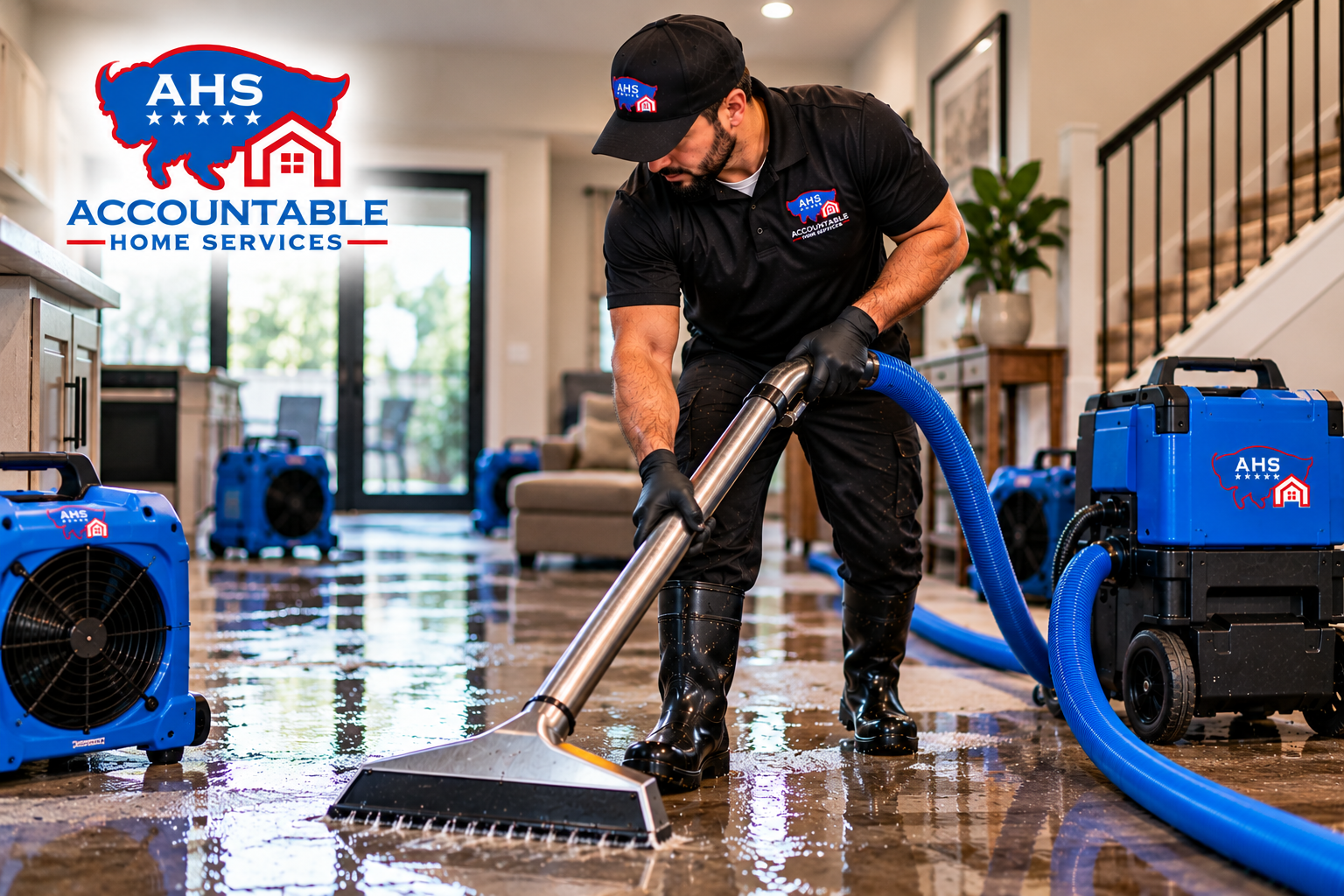
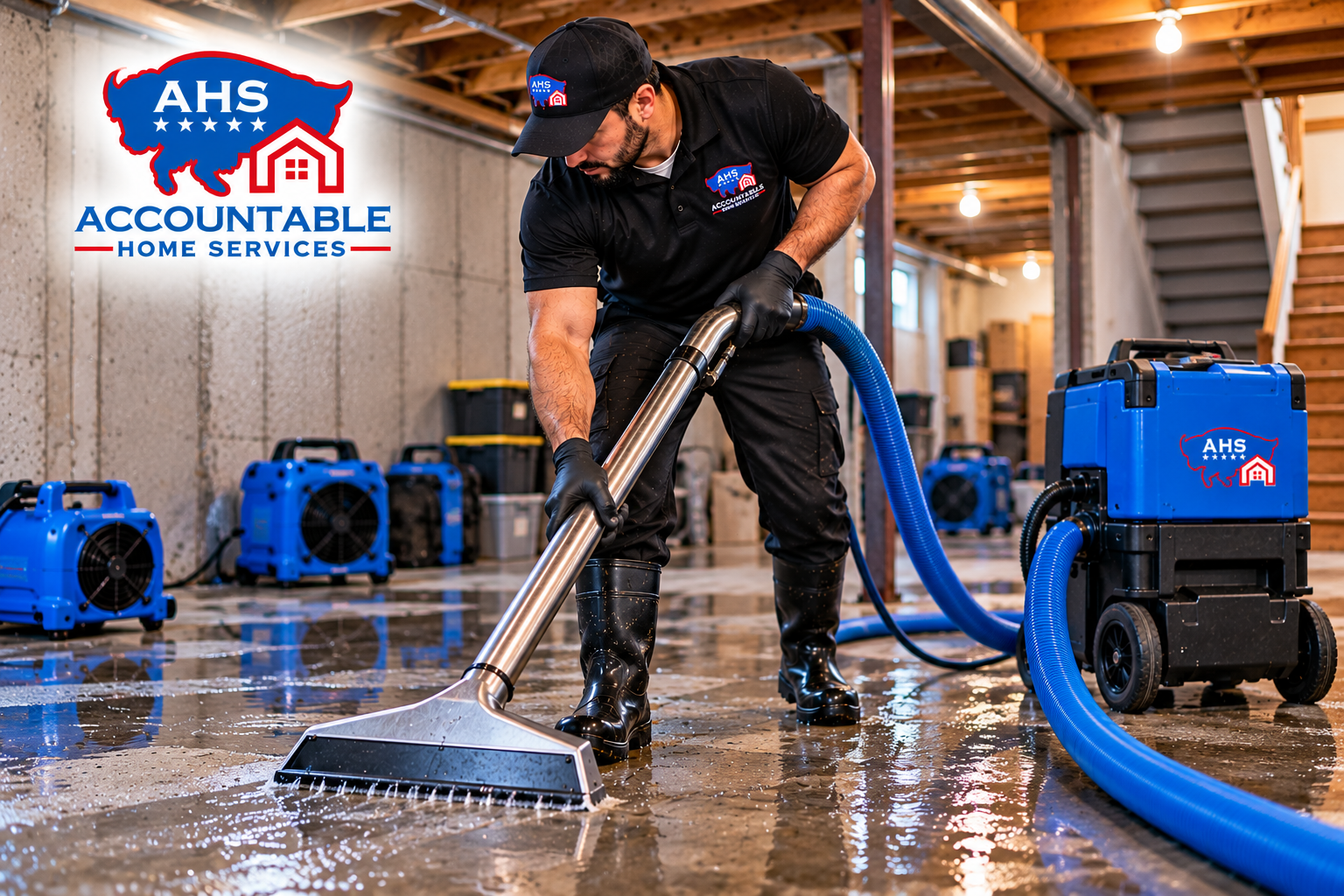
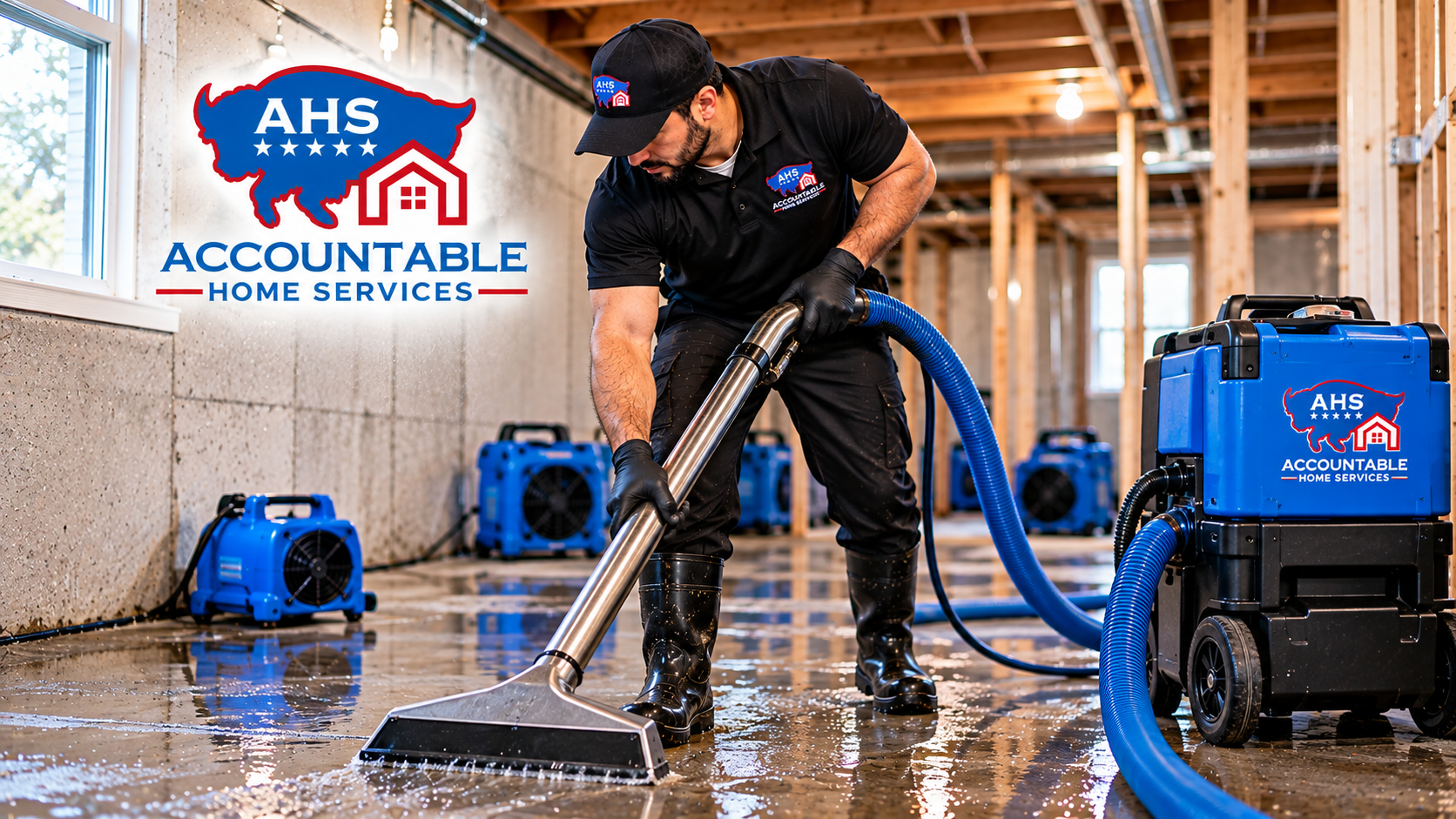
Water extraction means removing liquid water from the affected area. It may include standing water removal, wet carpet extraction, removal of water from hard surfaces, and cleanup after a leaking appliance or plumbing break. This step is urgent because the longer water sits, the more materials can absorb it.
But extraction is only the beginning of water damage cleanup Broomfield homeowners may need. Once visible water is removed, the structure still has to be evaluated and dried. Wood framing, subfloors, drywall, baseboards, insulation, carpet pad, and cabinetry can hold moisture even when the room looks better.
A proper water mitigation process often includes:
- Inspection and safety check to understand the source, affected areas, and potential hazards.
- Water extraction to remove standing water and reduce the amount of moisture in the space.
- Moisture mapping to find where water traveled, including areas that are not obvious.
- Removal of unsalvageable wet materials when needed, such as saturated carpet pad or damaged drywall.
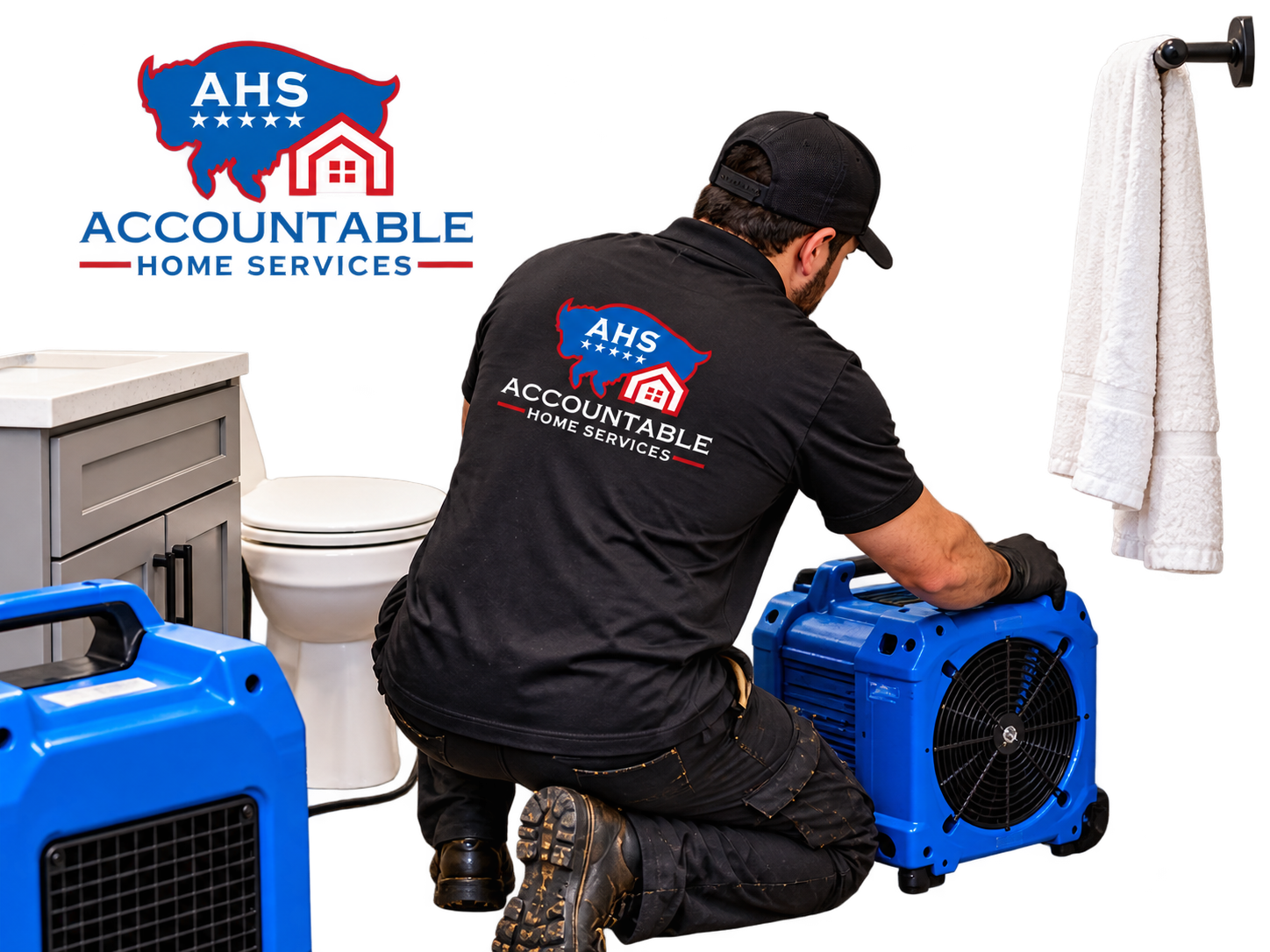
- Structural drying using air movement, dehumidification, and monitoring.
- Moisture readings during drying to confirm progress.
- Final documentation showing what was affected, what was done, and whether materials reached dry standards.
The key point is simple: a floor can look dry and still be wet underneath. A wall can feel normal and still contain moisture in the cavity. Water extraction Broomfield CO homeowners request should always lead into a drying plan, not stop at removing puddles.
Why towels and shop vacs are often not enough
Towels, mops, and shop vacs can help with a small, clean spill on a hard surface. They can be useful while you are waiting for help, especially if the water source has stopped and the area is safe. But they usually are not enough for real water damage.
A shop vac removes some visible water from the surface, but it does not pull moisture out of carpet pad, wall cavities, subflooring, or framing. Towels can absorb what they touch, but they cannot measure what remains below the surface. Fans from a garage or box store may move air, but without proper dehumidification they can also spread humidity through nearby rooms.
DIY cleanup becomes risky when:
- Water has soaked into carpet or padding.
- Water has reached drywall, baseboards, cabinets, or insulation.
- A basement has flooded.
- The water came from a drain backup, sump pump failure, or outdoor flooding.
- The leak continued for hours or days before being found.
- There is a musty smell, staining, buckling, swelling, or soft flooring.
- The property is occupied by tenants and documentation is needed.
For a minor surface spill, basic cleanup may be fine. For flooded basement cleanup, appliance leak cleanup, burst pipe water damage, or water that has reached building materials, professional water extraction is usually the safer path.
When is professional water extraction needed?
Professional water extraction is needed when water has spread beyond a small surface area, when it may be trapped in building materials, or when documentation and verified drying are important. It is especially important when standing water is present, when carpet is saturated, or when water has affected walls, ceilings, cabinets, or multiple rooms.
Professionals bring equipment and process that most homeowners do not have. High-capacity extraction tools can remove more water from porous materials than towels or a small shop vac. Commercial drying equipment can be set up to move air across wet surfaces and pull moisture out of the air. Moisture meters help track whether drying is actually working.
Common situations that call for emergency water extraction include:
- Flooded basements: Water can seep into framing, drywall, carpet, and stored contents. Basement humidity can stay high even after puddles are gone.
- Burst pipes: Pressurized water can move quickly through ceilings, wall cavities, floors, and lower levels.
- Water heater failures: Large volumes of water may spread into utility rooms, finished basements, or adjacent living areas.
- Dishwasher, refrigerator, or washing machine leaks: Appliance leak cleanup often involves water under cabinets, flooring, or nearby walls.
- Sump pump failures: Water may contain debris and may affect wide areas of a basement.
- Multi-unit or rental properties: Property managers need fast response, clear communication, and documentation for owners, tenants, and insurers.
Professional help is not only about removing water faster. It is about knowing where the water went, setting up a drying plan, and proving the affected materials reached appropriate moisture levels.
Hidden moisture causes damage after the surface looks dry
Hidden moisture is one of the biggest reasons water damage becomes more expensive than expected. Water follows seams, gaps, gravity, and porous materials. It can travel under luxury vinyl plank, hardwood, laminate, tile assemblies, carpet pad, baseboards, cabinets, and into wall cavities.
When water stays trapped beneath flooring or inside walls, several things can happen. Wood can swell, cup, warp, or lose strength. Drywall can soften or crumble. Paint may bubble. Baseboards may separate from the wall. Cabinets can delaminate or swell at the toe kick. In some cases, damp materials can also create conditions where mold concerns develop.
This is why structural drying matters. Structural drying is the process of drying the actual building materials, not just wiping up visible water. Depending on the situation, a restoration team may lift carpet, remove wet pad, detach baseboards, drill small ventilation holes, open wall sections, or use specialty drying methods. The goal is to dry what can be saved and identify what cannot.
Hidden moisture is also why water conservation and water damage response can both matter in a home. A small leak may waste water over time, but it can also keep materials damp long enough to cause damage. Fixing the plumbing source and drying the structure work together.
Moisture readings guide the drying process
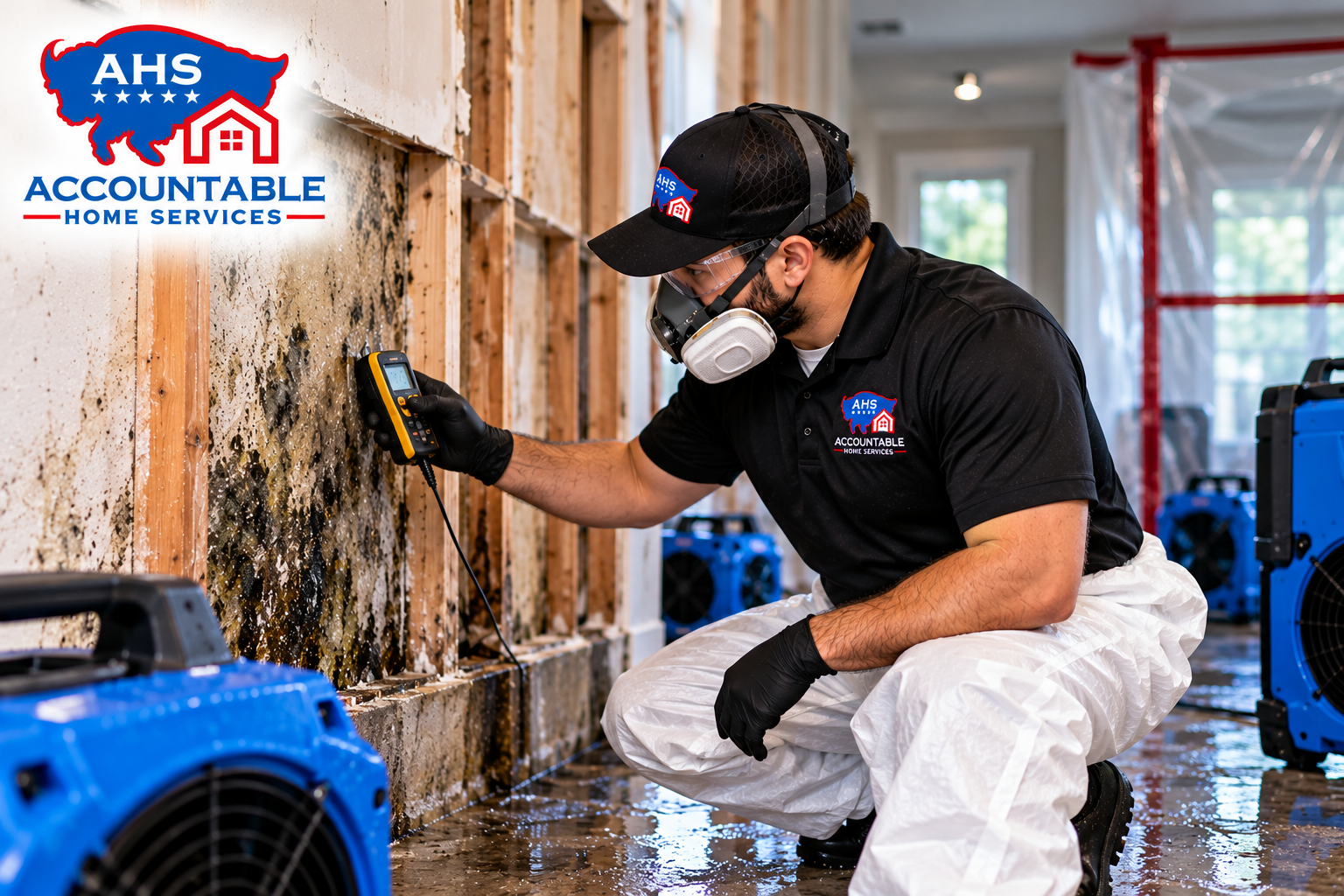
Moisture readings are measurements taken from materials such as drywall, wood, flooring, and trim to help determine whether they are wet, drying, or dry. Restoration professionals use moisture meters and related tools to compare affected materials with similar unaffected materials in the home.
These readings help answer practical questions:
- Where did the water travel?
- Which materials are wet below the surface?
- Is the drying equipment working?
- Should equipment be adjusted, added, or removed?
- Are materials dry enough for repairs to begin?
- Is there documentation to support the claim file?
Moisture readings are taken at the beginning, during drying, and at the end of the job. Early readings help create a drying plan. Daily or regular readings show whether moisture levels are moving in the right direction. Final readings help confirm the structure is actually dry, not just cleaner or better-looking.
This matters for homeowners, insurance agents, and property managers. Without readings, people may rely on appearance alone. With readings, the restoration process is clearer, more defensible, and easier to explain.
What water damage restoration may include after extraction
Water damage restoration Broomfield homeowners may need depends on the source, amount of water, materials affected, and how long the water was present. Not every job requires demolition, and not every material has to be removed. The right approach is based on inspection, category of water, material condition, and moisture data.
After extraction, the work may include:
- Content protection: Moving furniture, boxes, rugs, or belongings away from wet areas.
- Carpet pad removal: Wet pad often holds water and may slow drying if left in place.
- Baseboard removal or wall access: This can help air reach wet wall cavities.
- Cabinet drying or removal decisions: Cabinets may trap water underneath or behind them.
- Dehumidification: Removing moisture from the air so wet materials can release moisture.
- Air movement: Directing airflow across wet surfaces to support evaporation.
- Monitoring: Taking moisture readings and adjusting the drying setup.
- Documentation: Recording photos, affected areas, readings, equipment, and work performed.
For insurance claims, documentation is not a small detail. Good records can help explain why certain work was needed, what areas were affected, and how the drying process was verified. That does not guarantee claim coverage, but it does support a clearer claim conversation.
A simple checklist for homeowners, agents, plumbers, and property managers
Use this checklist when deciding whether water removal Broomfield services may be needed:
- Is there standing water or wet carpet?
- Did the water reach drywall, trim, cabinets, ceilings, or flooring seams?
- Was the leak active for more than a short time?
- Is the basement flooded or humid?
- Is there water under flooring or behind baseboards?
- Are tenants, owners, or insurance representatives involved?
- Is there a need for photos, readings, and written documentation?
- Are you unsure whether the structure is dry?
If the answer is yes to any of these, it is wise to get a professional opinion. A quick inspection can often prevent guesswork and help everyone understand the next step.
For plumbers, this is the handoff point after the leak repair. For insurance agents, it is a way to help the policyholder get reliable information early. For property managers, it helps reduce tenant frustration and protects the owner’s property from avoidable secondary damage.
The main takeaway for Broomfield homeowners
Emergency water extraction is important because standing water can damage materials quickly. But removing visible water is not the same as drying the structure. The job is not truly complete until hidden moisture has been addressed and moisture readings show the affected materials are dry.
If you are dealing with water damage cleanup Broomfield, do not rely only on what the surface looks like. Ask where the water may have traveled, how drying will be monitored, and what documentation will be provided. A clear, professional process protects the home, supports the insurance conversation, and helps everyone move forward with less stress.