Top Tips for Black Mold Cleanup in Superior, CO: What Homeowners Should Know
Top Tips for Black Mold Cleanup in Superior, CO: What Homeowners Should Know
Black mold cleanup is not just about wiping away dark spots. For Superior homeowners, the real goal is to find the moisture source, stop it, and make sure all affected materials are handled safely. These Top Tips for Black Mold Cleanup will help you understand what you can do yourself, what to avoid, and when it is time to bring in professional help.
What should you do first when you find black mold?
Start by looking for the water problem. Mold needs moisture to grow, so effective black mold cleanup Superior CO begins with finding and stopping the leak, condensation, seepage, or humidity issue that caused it. If you clean the visible mold but leave the moisture source in place, the mold is likely to come back.
Take a calm, step-by-step approach before you start scrubbing. Mold after water damage often shows up near plumbing leaks, failed water heaters, roof leaks, basement seepage, appliance supply lines, or slow drain problems. In Superior homes, basements, bathrooms, laundry rooms, crawl spaces, and areas around windows are common trouble spots because they can hold moisture longer than open living areas.
A good first check looks like this:
- Find the moisture source. Look for active leaks, damp drywall, warped flooring, musty odors, staining, peeling paint, or recent water damage.
- Stop the water if you can. Shut off a supply valve, stop using the fixture, call a plumber, or protect the area from more water intrusion.
- Reduce moisture. Use ventilation, dehumidification, and drying where it is safe to do so.
- Limit access. Keep kids, pets, and unnecessary foot traffic away from the affected area.
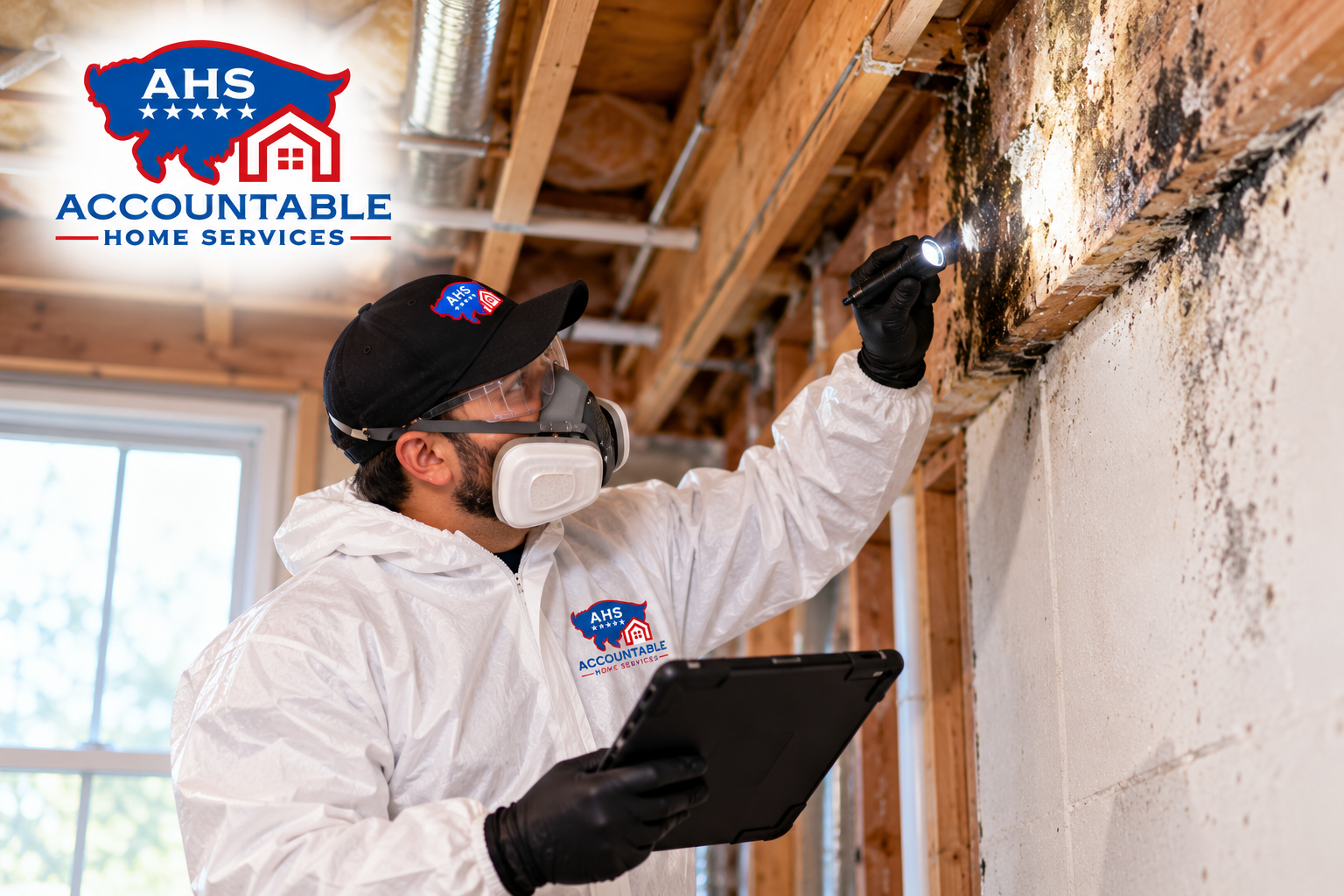
- Document what you see. Take photos of the mold, water source, damaged materials, and any visible staining before anything is moved or removed.
That last step matters more than many homeowners realize. If an insurance claim may be involved, clear photos, notes, and timelines can help explain what happened. Insurance agents, plumbers, and property managers also appreciate when the situation is documented early because it reduces confusion later.
Small surface mold and larger mold problems are different
Not every dark spot means a major project, but not every mold issue is safe for diy mold removal either. The difference usually comes down to size, moisture history, location, material type, and whether mold may have moved behind the surface.
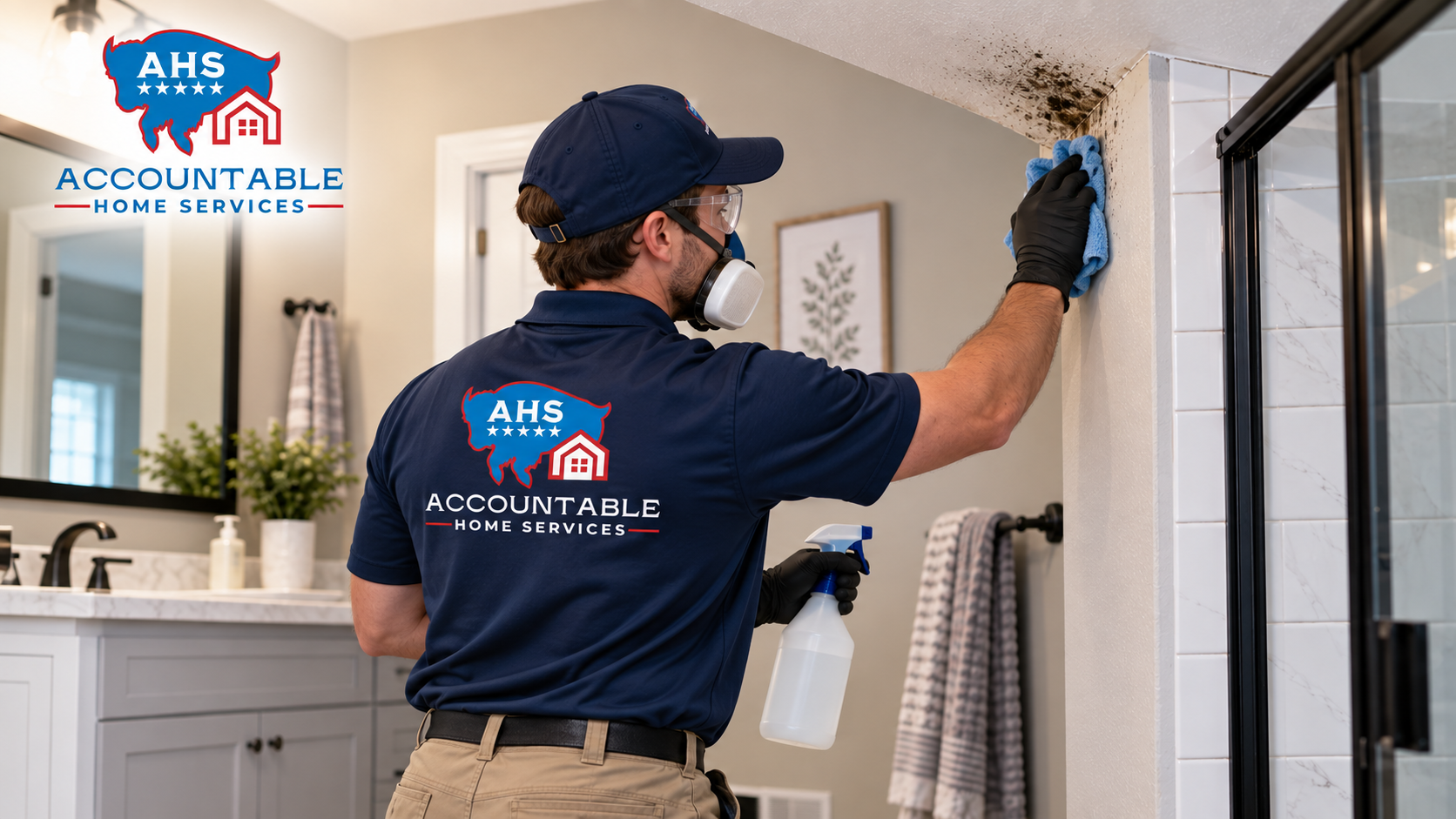
Small surface cleanup may be reasonable when the mold is limited to a small, non-porous area and the moisture source is already fixed. An example might be light bathroom black mold on hard tile or sealed surfaces caused by poor ventilation. In that case, careful cleaning, better airflow, and moisture control may solve the problem.
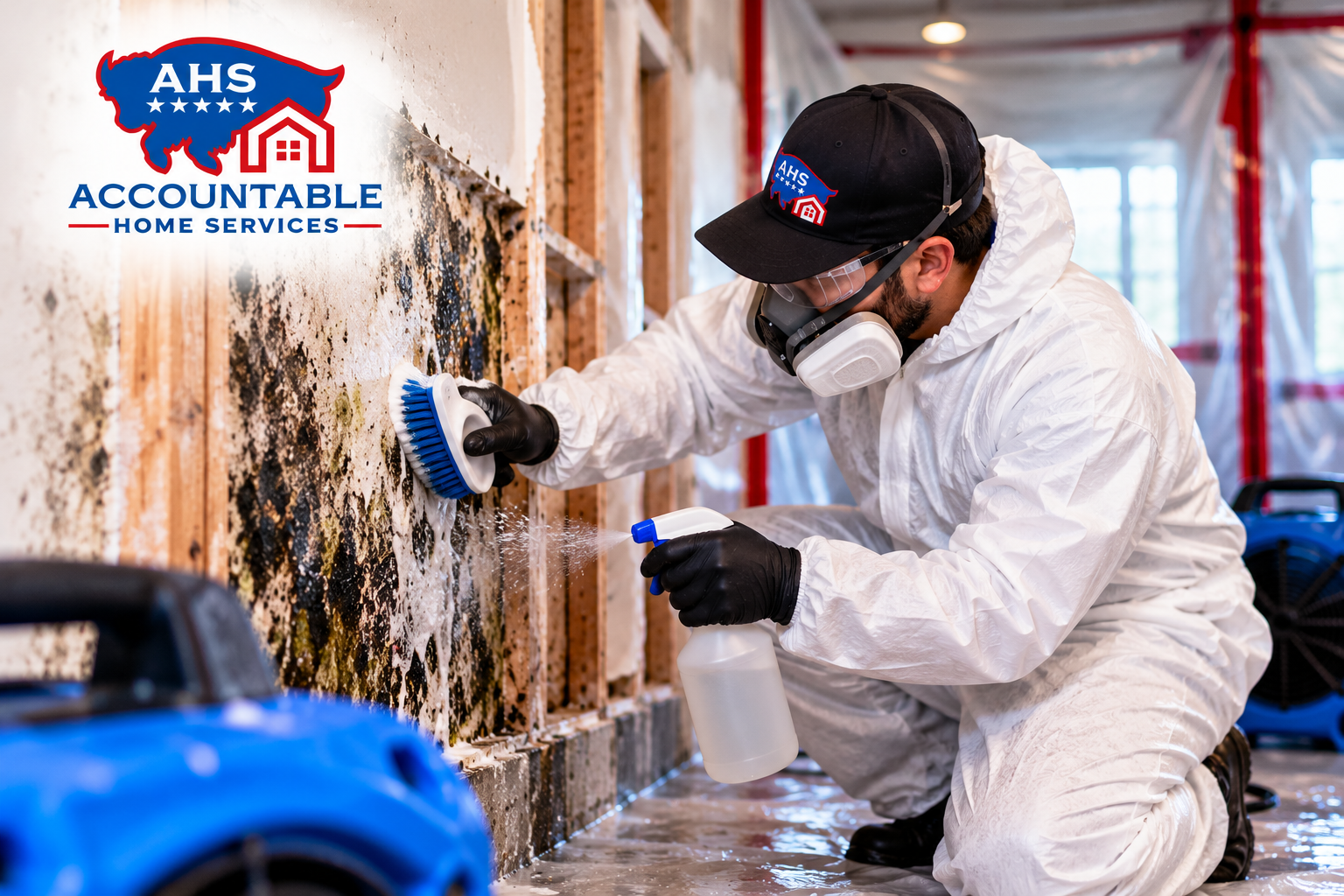
Professional remediation is more likely needed when mold covers a larger area, returns after cleaning, follows a water loss, or affects porous materials. Drywall, insulation, cabinets, subflooring, carpet padding, and unfinished wood can hold moisture and mold below the surface. If you are searching for mold removal near me because the smell is strong, the area is spreading, or the damage is tied to a leak, that is a sign to slow down and get guidance before disturbing materials.
Use these general indicators to sort the situation:
A smaller cleanup may be reasonable when
- The affected area is small and easy to see.
- The mold is on hard, cleanable surfaces.
- There is no musty odor beyond that spot.
- The moisture source is minor and has been corrected.
- No drywall, flooring, insulation, or cabinetry feels soft, swollen, or damp.
Professional help is usually the better call when
- Mold appears after flooding, a burst pipe, or a long-term leak.
- You suspect hidden mold in walls, ceilings, cabinets, or under flooring.
- Materials are wet, crumbling, stained, swollen, or giving off a musty smell.
- Mold keeps coming back after cleaning.
- The affected area is difficult to isolate or clean safely.
- A tenant, owner, buyer, or insurance claim is involved and documentation matters.
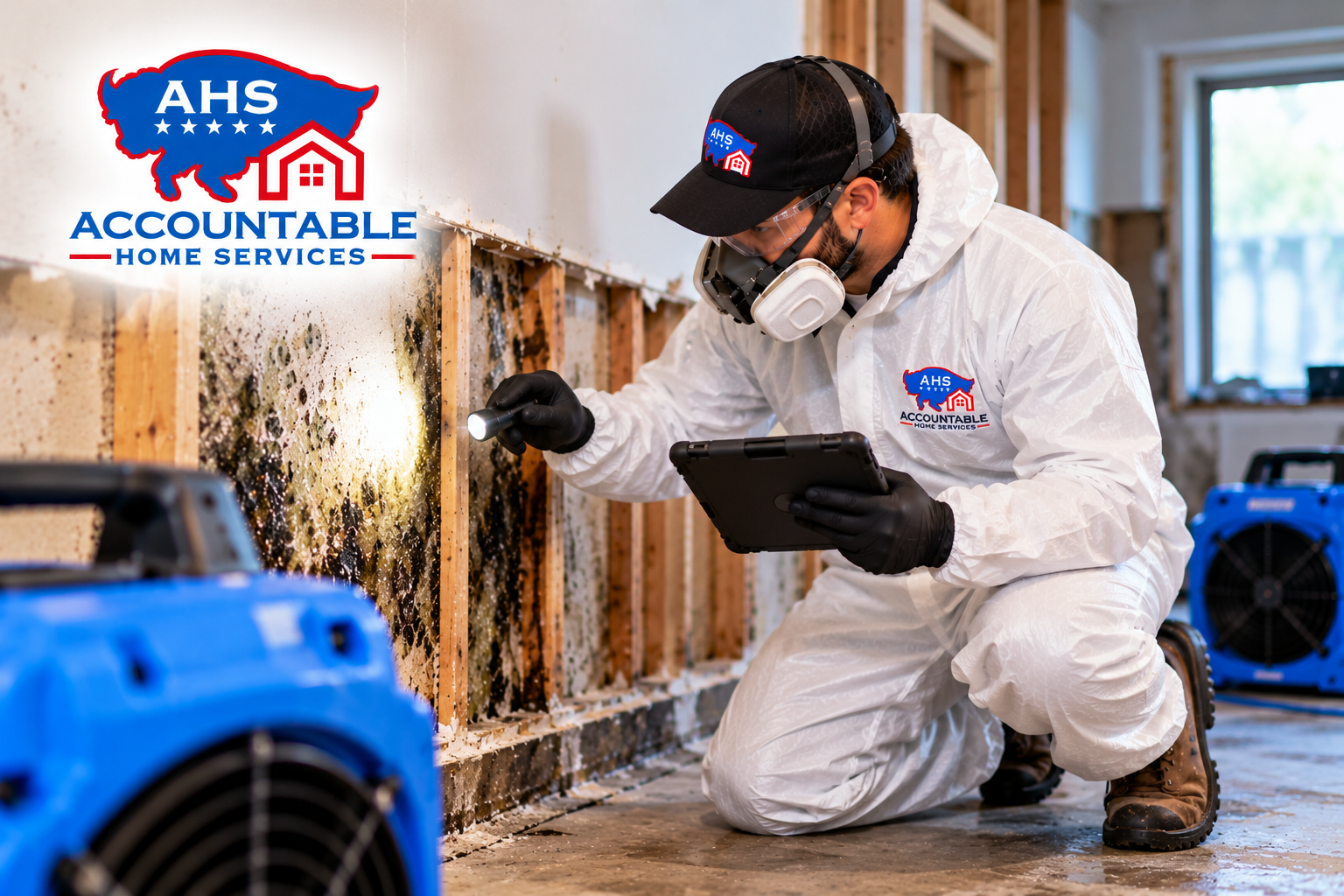
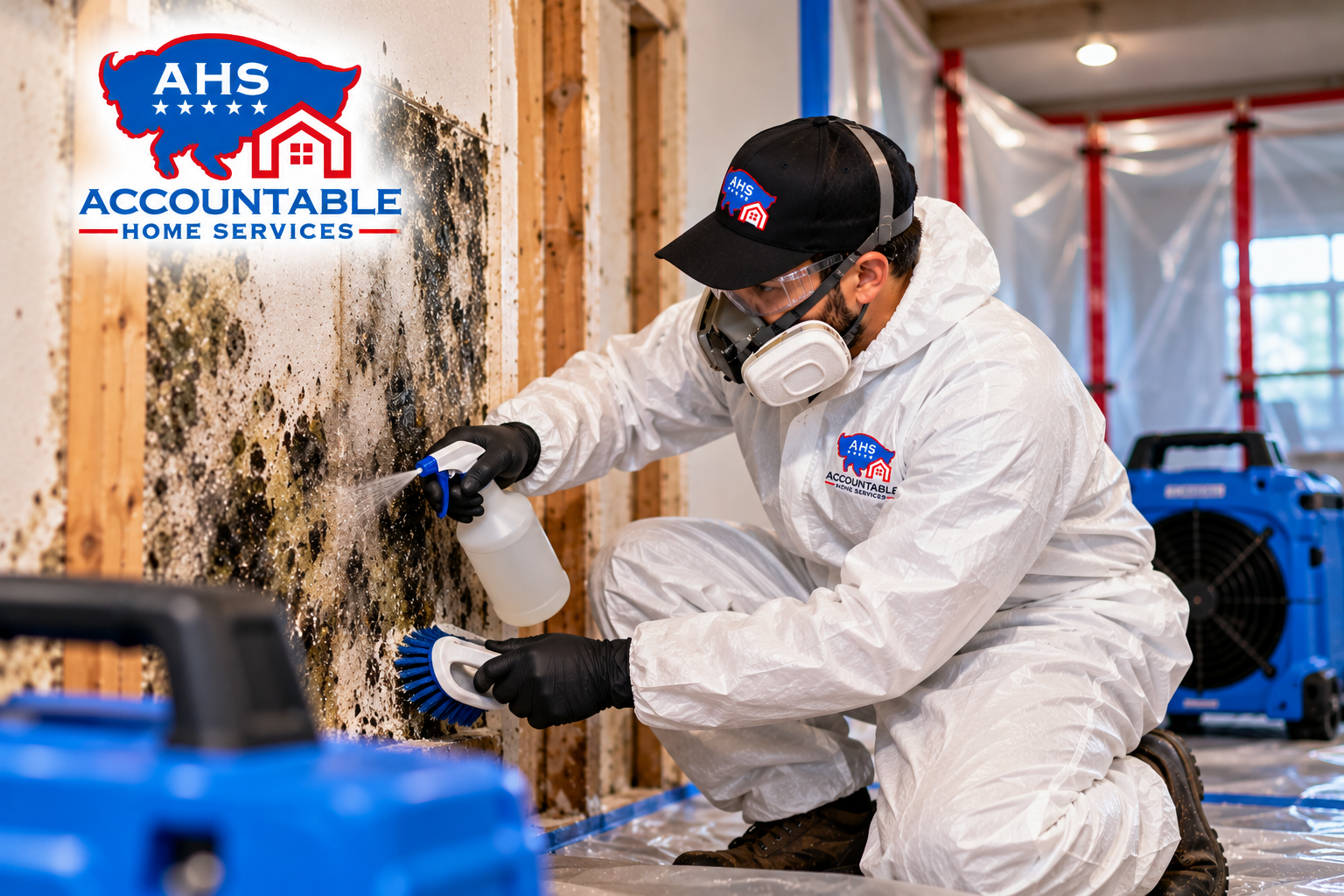
This is where mold remediation Superior CO services are different from basic cleaning. Proper remediation focuses on containment, safe removal or cleaning of affected materials, moisture control, and documentation of the work performed.
Mold cleanup safety starts before cleaning
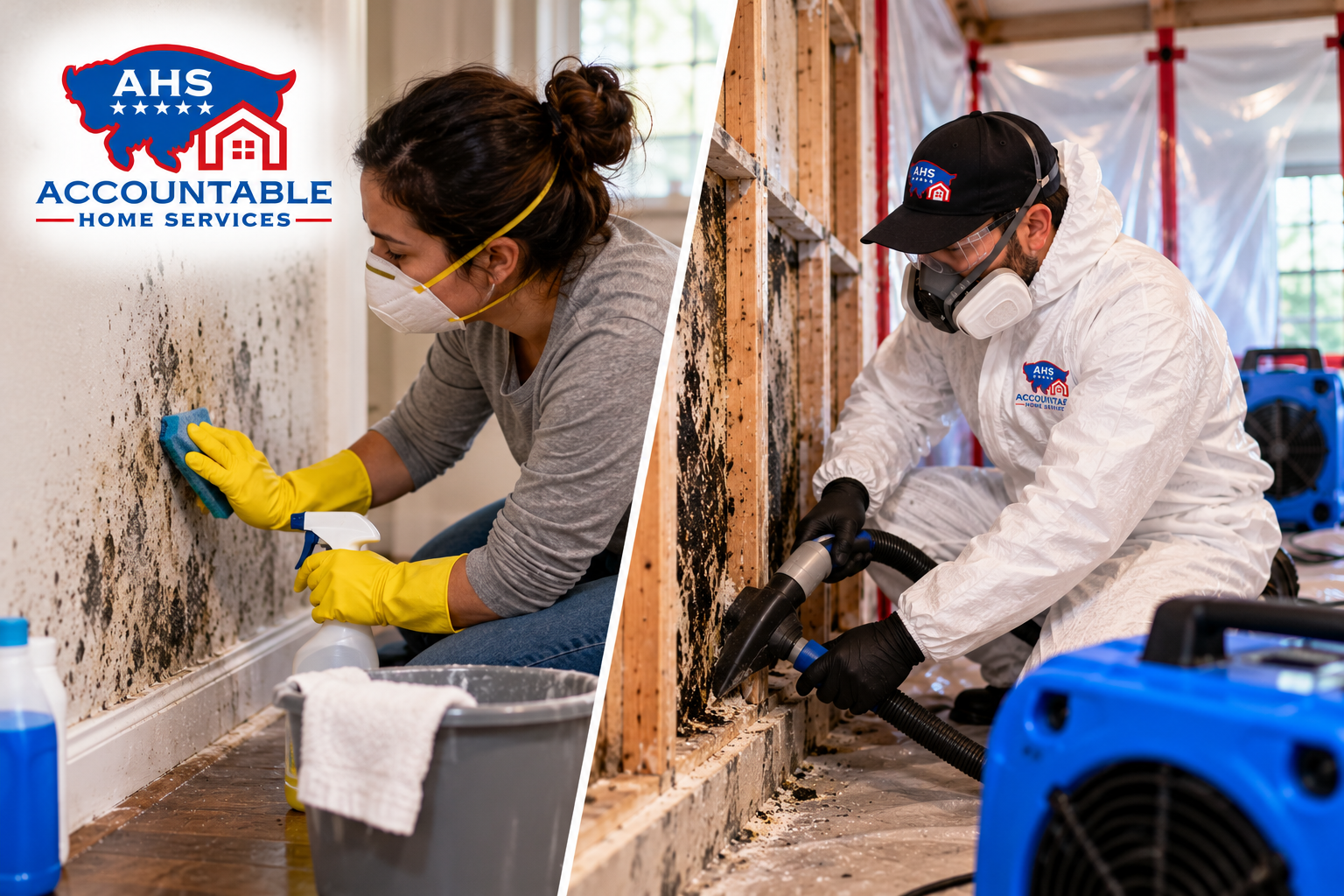
Mold cleanup safety is about protecting both the person doing the work and the rest of the property. Mold can spread when growth is scraped, brushed, sanded, vacuumed with the wrong equipment, or carried through the home on clothing and tools. The more you disturb it, the easier it is for spores and fragments to move into cleaner areas.
Before any cleanup, avoid unnecessary disturbance. Do not cut into moldy drywall just to “see how bad it is.” Do not run a regular household fan across visible mold, because that can blow particles into nearby rooms. Do not dry-scrape or sand moldy surfaces, especially indoors.
If the area appears small and surface-level, use proper personal protective equipment before handling it. At a minimum, that means:
- Disposable gloves or washable rubber gloves
- Eye protection
- An N95 respirator or better-fitting mask
- Long sleeves and pants you can wash right away
- Shoe covers or shoes that can be cleaned before leaving the area
PPE does not make a large mold problem safe for DIY work, but it does reduce direct exposure during small cleanup tasks. If you feel unsure, if odors are strong, or if you have to remove building materials, pause and contact a mold removal Superior CO professional.
Household cleaners have real limits
Many homeowners reach for common household cleaners as a first form of black mold treatment. That can help with light staining or surface growth on hard materials, but it does not solve every mold problem. Cleaners work only where they can reach, and mold often grows into porous or semi-porous materials when moisture has been present for a while.
The biggest limitation is that wiping the surface does not remove mold inside drywall paper, insulation, wood cavities, carpet padding, or the backs of cabinets. A surface may look better for a few days while the underlying moisture damage mold continues to grow out of sight. Strong odors, recurring spots, or soft materials are signs that cleaning alone is not enough.
Also be careful about mixing products. Never combine cleaning chemicals, and always follow label directions. If specialized products, containment, controlled demolition, or HEPA filtration are needed, that moves the job into professional mold remediation territory.
How can you tell if mold has spread into materials?
You cannot always confirm hidden growth by sight alone, but there are clues that mold may have moved into drywall, insulation, cabinets, or flooring. When building materials have absorbed water, they can stay damp behind the surface even after the room looks dry. That hidden moisture is what turns a simple cleanup into a larger black mold removal Superior concern.
Look for signs such as:
- Brown, yellow, gray, or black staining that spreads beyond one spot
- Bubbling paint, loose tape lines, or peeling wall texture
- Soft, swollen, or crumbly drywall
- Musty odor near baseboards, cabinets, closets, or basement corners
- Warped laminate, cupped wood flooring, or loose vinyl
- Dark staining under sinks, behind toilets, or around tub and shower surrounds
- Cabinet bottoms that sag, swell, or smell damp
- Carpet that feels damp or smells musty near walls
Black mold in basement areas can be especially tricky because concrete, framing, stored boxes, and finished walls can hide moisture paths. Water may enter from a foundation issue, sump pump problem, window well leak, plumbing line, or high humidity. If the basement is finished, mold may be behind baseboards or inside wall cavities before it becomes obvious.
The implication is simple: when mold is inside materials, the affected materials may need removal, controlled cleaning, drying, or replacement. Spraying the outside surface will not address what is happening behind it.
Practical black mold cleanup tips for homeowners
These black mold cleanup tips are meant to help you make good first decisions, not turn a serious mold issue into a weekend project. The safest plan depends on how much mold is present, what materials are affected, and whether the source of water has been corrected.
For a small, surface-level area:
- Fix the moisture issue first. Improve ventilation, repair the leak, or stop the condensation problem before cleaning.
- Protect yourself. Wear gloves, eye protection, and a properly fitting mask.
- Keep the area contained. Close nearby doors and avoid blowing air across the mold.
- Clean only stable, hard surfaces. Avoid tearing out materials unless you know how to contain the work safely.
- Dry the area fully. Mold returns when materials stay damp.
- Watch for recurrence. If the spot comes back, assume the moisture source or hidden material problem was not fully addressed.
For larger or uncertain conditions, call for help before disturbing the area. A qualified restoration team can inspect moisture patterns, set containment when needed, document affected materials, and explain which items can be cleaned and which may need removal. That is especially important for property managers, plumbers, and insurance agents who need the homeowner or tenant to feel supported while the next steps are being handled properly.
Good documentation can support the claim process
When mold follows a covered water loss, documentation can make the process easier for everyone involved. Homeowners should take clear photos before cleanup, save repair invoices, note when the damage was discovered, and keep records of any plumbing repairs or mitigation work. This does not guarantee coverage, but it gives the adjuster and agent a clearer picture of what happened.
A professional restoration company can also help by documenting moisture readings, affected rooms, materials removed, drying steps, and remediation work completed. For mold removal Superior CO projects, that kind of organized record can reduce confusion and help keep the claim conversation focused on facts instead of guesses.
The main takeaway for Superior homeowners
Black mold cleanup is most effective when it treats the cause, not just the stain. Whether you are dealing with bathroom black mold, black mold in basement corners, or mold after water damage, the priorities stay the same: stop the moisture, protect people and belongings, avoid spreading spores, and address every affected material.
Small surface mold on hard materials may be manageable with careful cleaning and better moisture control. But when mold involves drywall, insulation, cabinets, flooring, recurring odors, or a recent water loss, professional help is usually the safer path. If you need black mold cleanup Superior CO guidance, look for a local team that communicates clearly, documents properly, and focuses on solving the moisture problem so the mold does not simply return.