Finding Local Mold Removal Experts in Westminster, CO: What Homeowners Should Look For
Finding Local Mold Removal Experts in Westminster, CO: What Homeowners Should Look For
When mold shows up after a leak, flood, roof issue, or damp basement, the right next step is not simply wiping the surface clean. Homeowners in Westminster need mold removal experts who can find the moisture source, inspect the affected area, contain the work, remove damaged materials when needed, and document the process clearly. The Local Restoration Guide helps homeowners, insurance agents, plumbers, and property managers understand what to look for before hiring a local mold remediation company.
What should a qualified mold remediation company do?
A qualified company providing mold remediation in Westminster CO should focus on solving the moisture problem and removing affected materials properly, not just making visible mold disappear. Mold is usually a symptom of a water or humidity problem. If the source is not corrected, mold can return behind drywall, under flooring, around trim, or inside cabinets even after the surface looks clean.
This is especially important after water damage. A small supply line leak, failed water heater, sump pump backup, or slow drain leak can leave materials damp long enough for mold growth. In those cases, proper mold cleanup Westminster homeowners can trust starts with understanding where the moisture came from, how far it traveled, and what materials are still holding moisture.
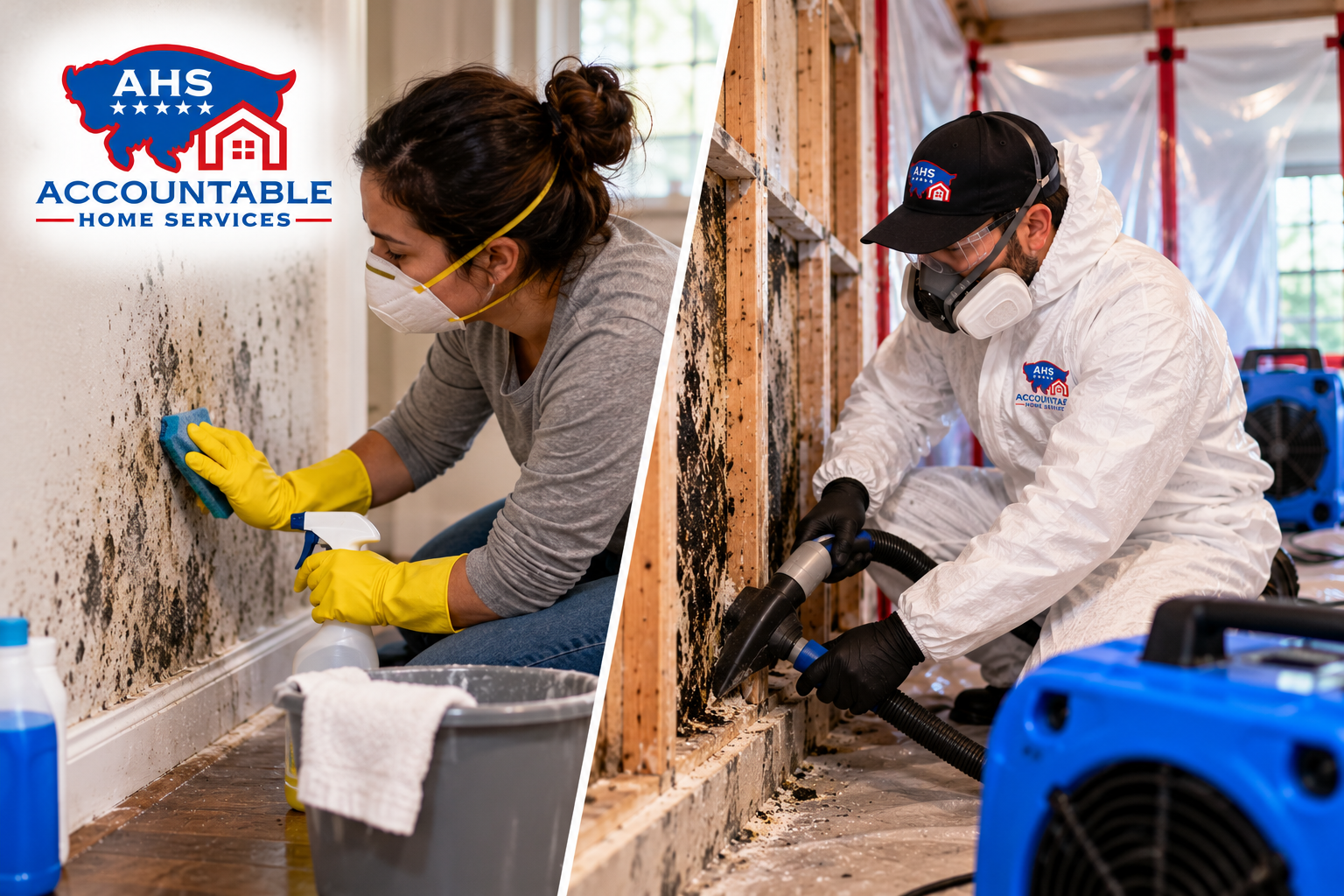
Companies that only offer to “spray it,” fog the room, or clean what they can see may miss the real problem. Sprays can sometimes be part of a larger plan, but they are not a full remediation process by themselves. Professional mold remediation should include inspection, containment, safe removal practices, drying, and documentation.
Key signs of a qualified local mold remediation company
When searching for mold removal near me, it helps to compare companies by process instead of price alone. A good contractor should be able to explain what they will inspect, what they may need to remove, how they will protect the rest of the home, and how they will document the work.
Look for these practical signs:
- They identify the moisture source. Mold after water damage will not be solved until the leak, seepage, condensation, or humidity issue is found. This may involve checking plumbing areas, exterior walls, basement corners, crawlspaces, bathrooms, or areas near previous water damage.
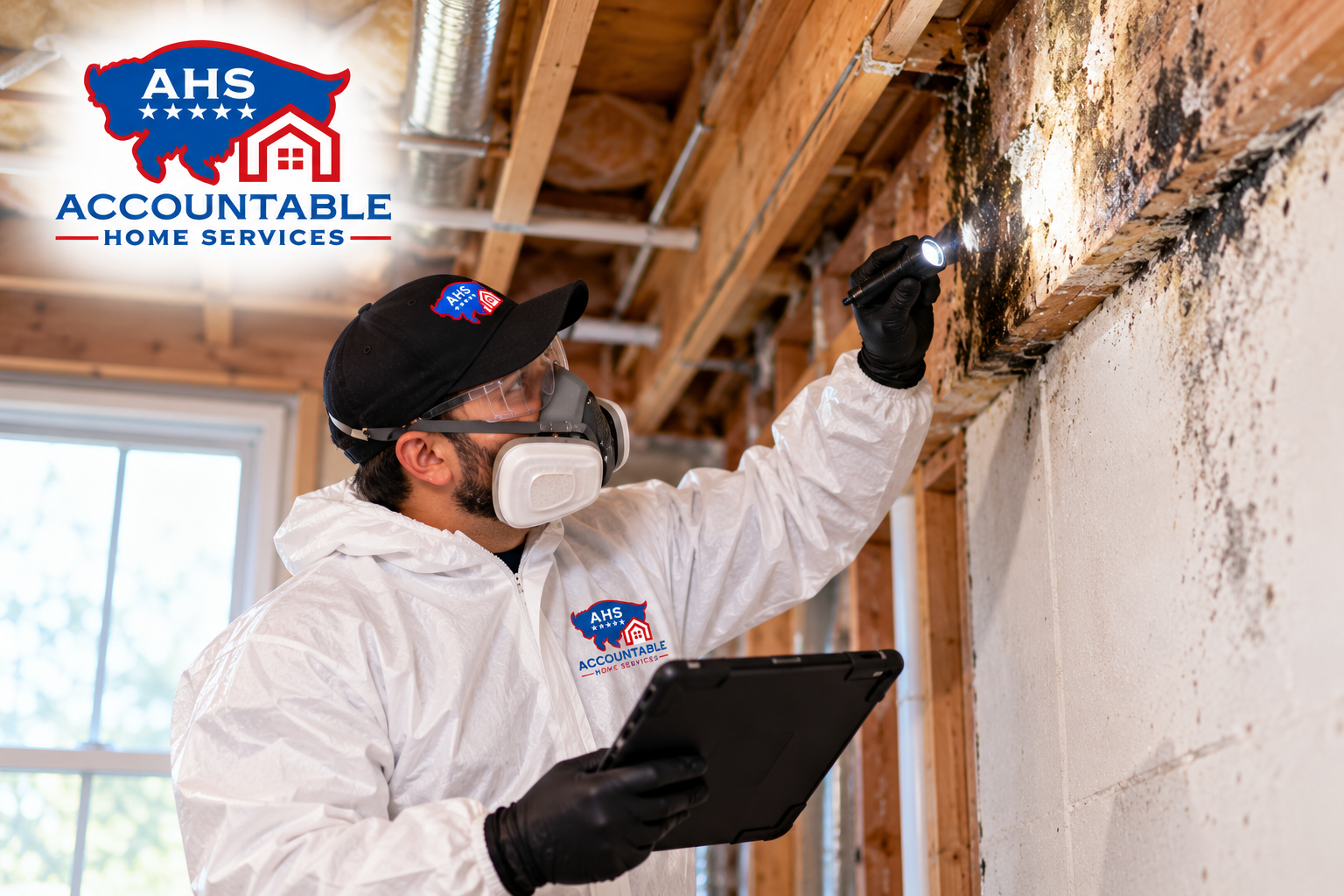
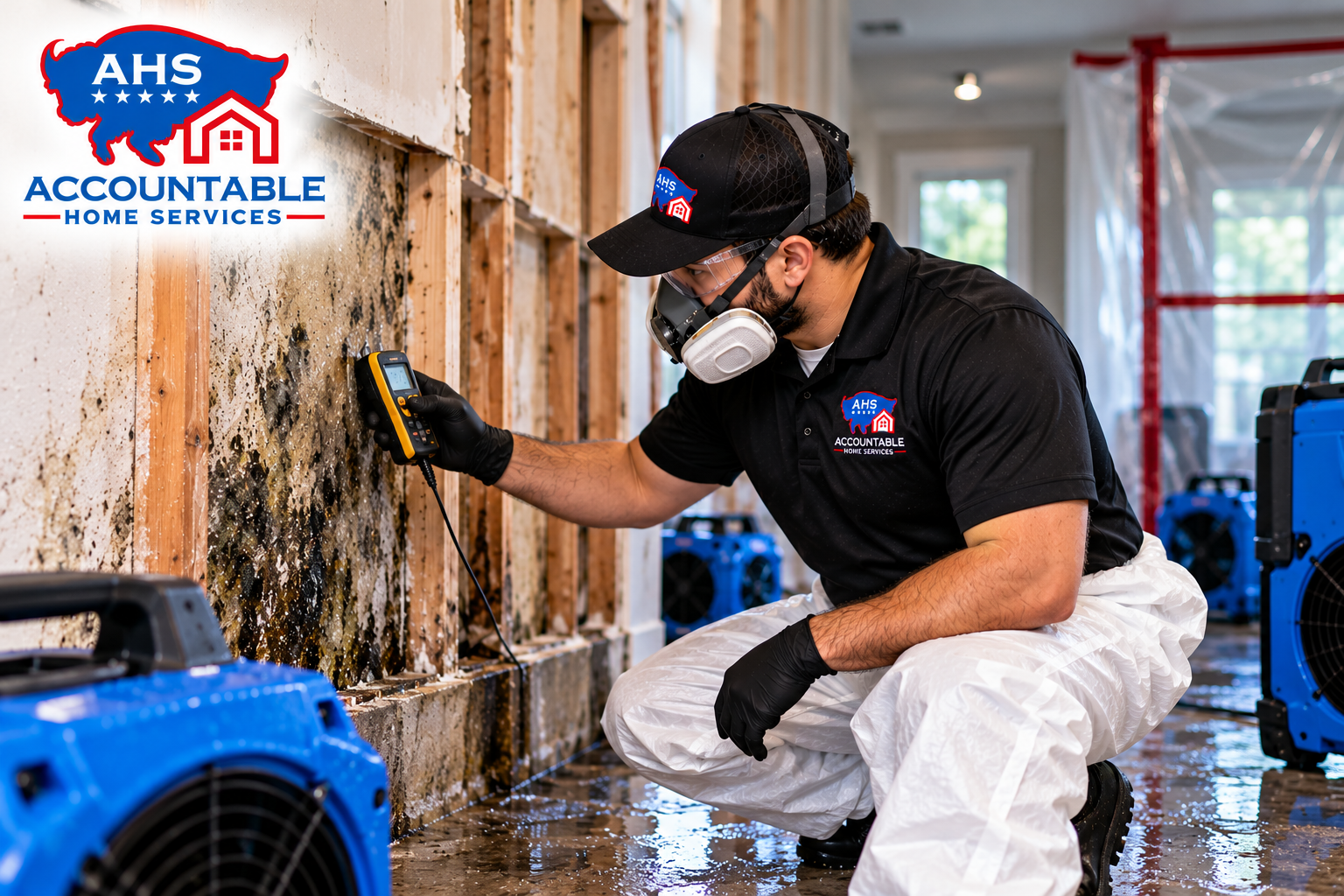
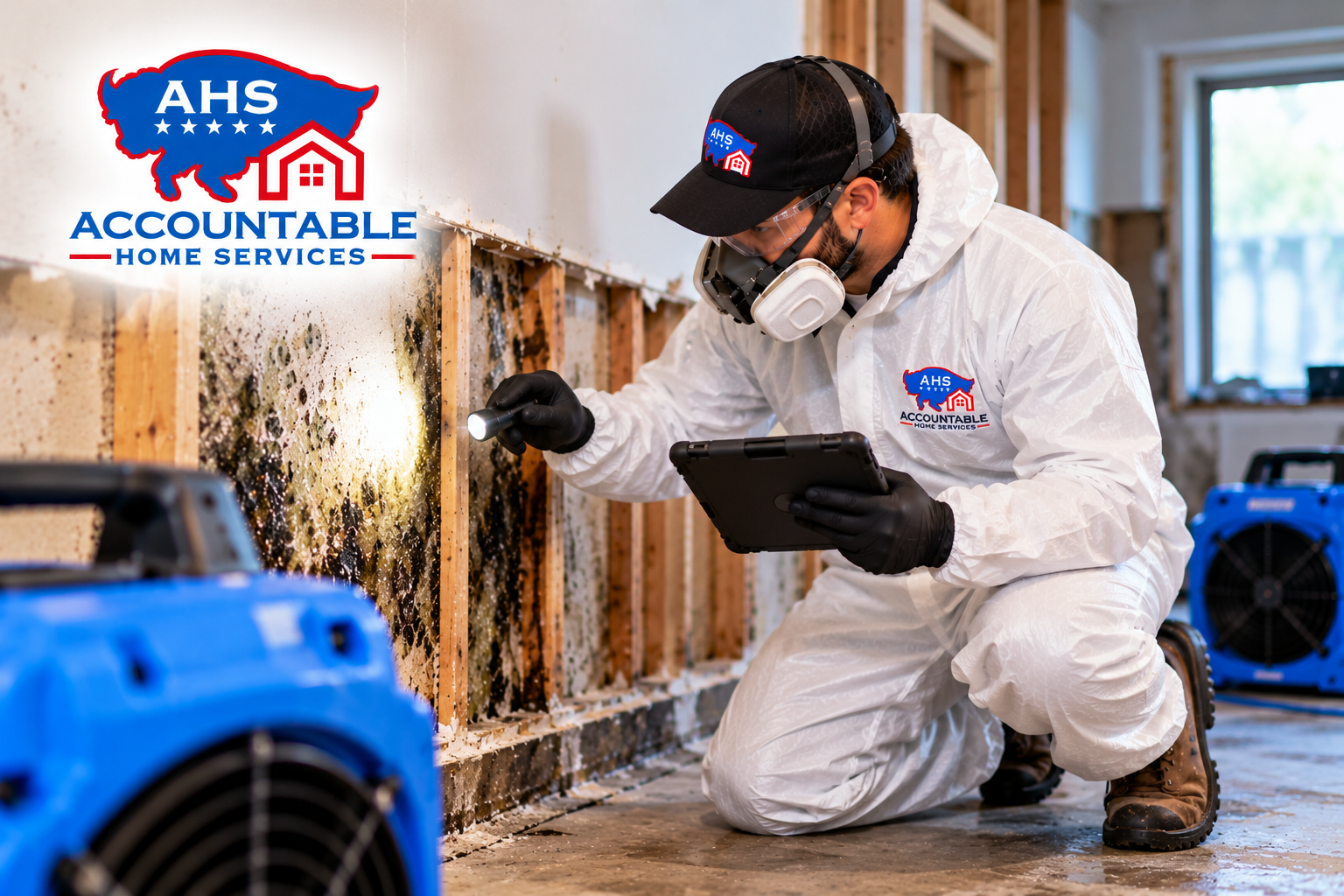
- They inspect the extent of the damage. Reliable mold inspection services look beyond the obvious stain. The company should check nearby materials, moisture levels, and possible hidden mold in walls when the history of water damage suggests it may be present.
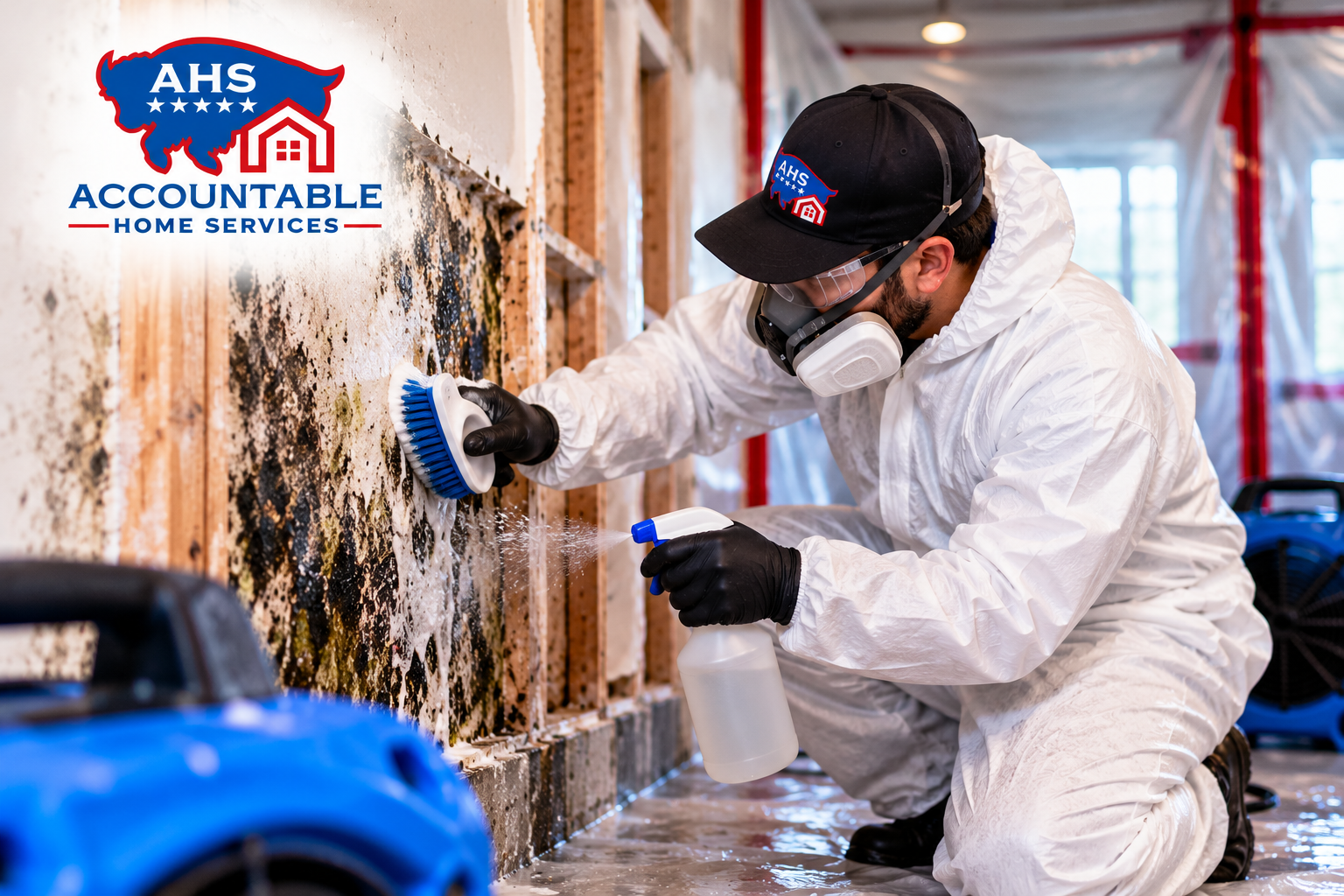
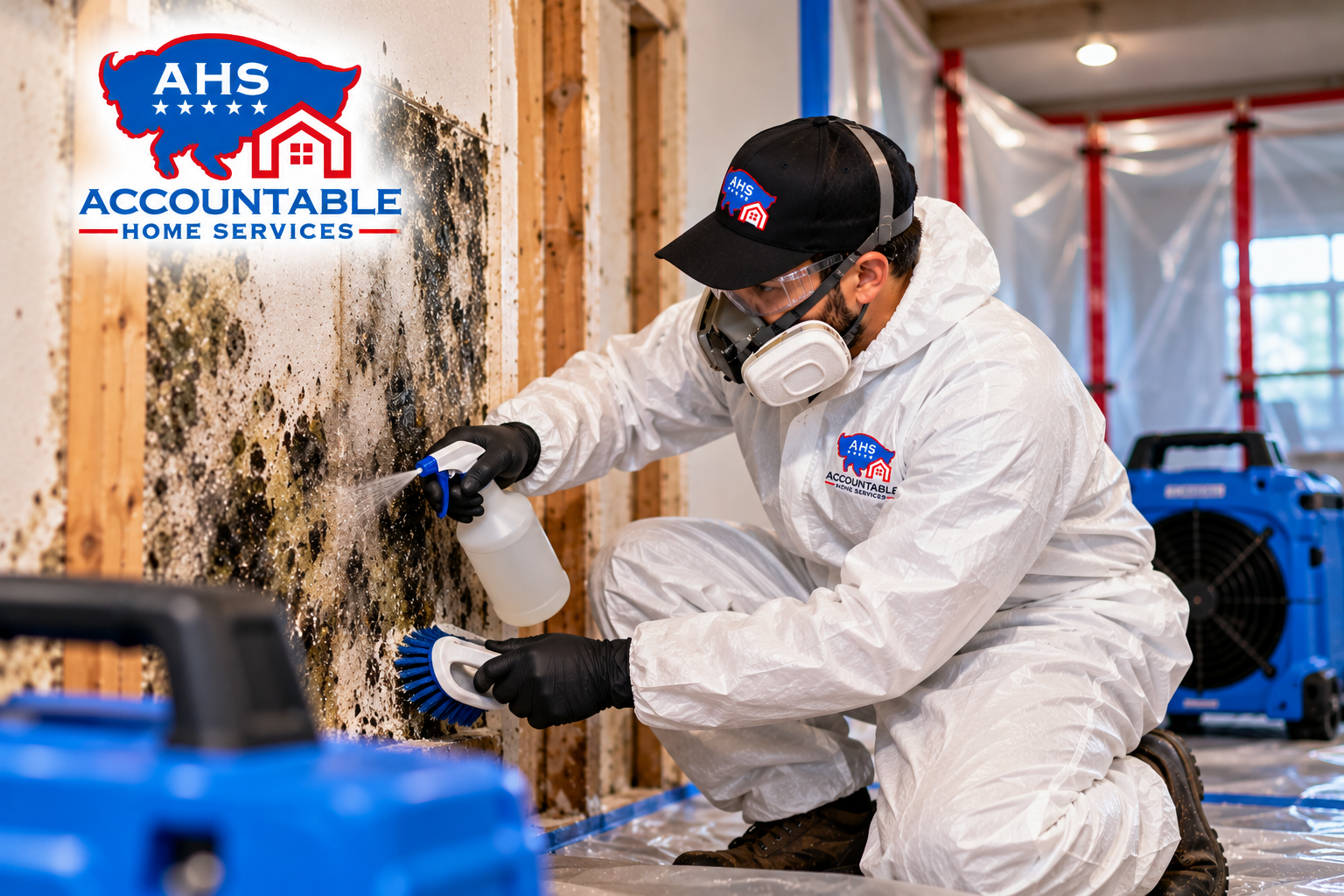
- They use containment. Containment helps keep dust, debris, and disturbed mold particles from spreading into clean areas. This may include plastic barriers, sealed work zones, and controlled airflow.
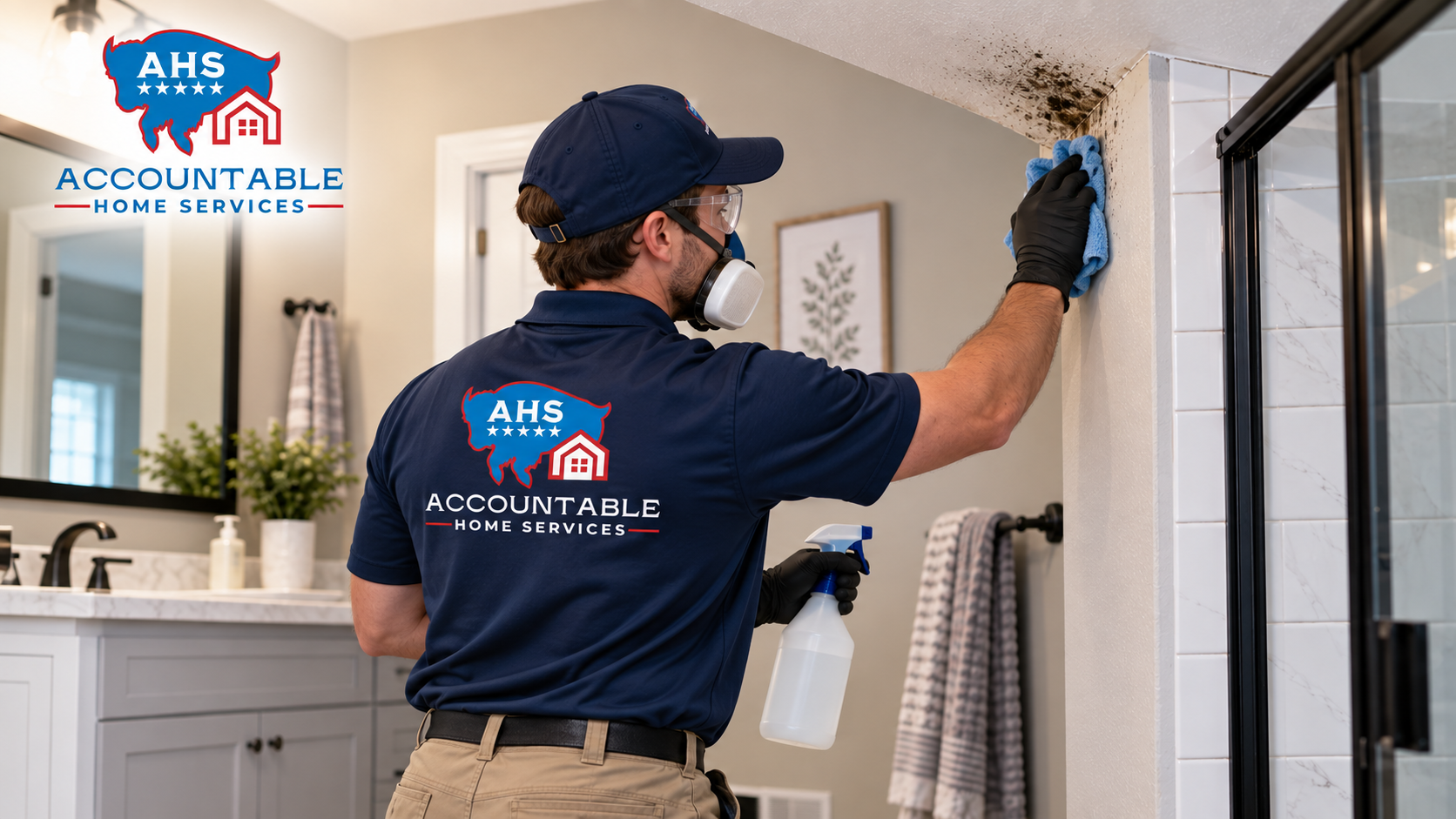
- They use proper PPE. Workers should use appropriate personal protective equipment for the situation. PPE protects the crew and helps show that the company treats the job as a controlled cleanup, not a casual wipe-down.
- They use air filtration when needed. Air scrubbers or HEPA filtration may be used to help control airborne particles during removal. This matters most when materials are being opened, cut, removed, or heavily disturbed.
- They remove affected porous materials when necessary. Drywall, insulation, carpet pad, and some wood products can hold moisture and contamination. Sometimes cleaning is not enough, and removal is the safer, more complete option.
- They dry the area. After removal, the remaining structure must be dried to reasonable conditions. Without drying, repairs may cover up the same moisture problem that caused the mold.
- They provide documentation. Photos, moisture readings, diagrams, notes, and a clear scope can help homeowners understand the work and may support an insurance claim when coverage applies.
- They give a clear remediation plan. A trustworthy company should explain the steps before work begins, including what areas are included, what may change if hidden damage is found, and what the homeowner should expect.
These details matter whether the project involves bathroom mold removal, basement mold removal, or black mold removal Westminster homeowners are worried about. The name or color of the mold is less important than the conditions causing it and the quality of the remediation plan.
Visible cleaning is not the same as remediation
Many homeowners first notice mold on bathroom caulk, baseboards, drywall, ceiling corners, or basement walls. It is natural to want it gone right away. The problem is that visible mold may only be the part you can see.
A surface cleaning service may remove stains from the outside of a material, but it may not address damp drywall, wet insulation, moisture trapped under flooring, or an active leak. If the company does not inspect moisture conditions, set containment, or discuss removal of damaged porous materials, the work may be incomplete.
Professional mold remediation is more careful. The goal is to correct the conditions that allowed growth, remove or clean affected materials based on the situation, and prepare the space for safe repair. For example, if a vanity supply line leaked into a bathroom wall, wiping the baseboard is not enough. The company may need to inspect the cabinet, drywall, trim, flooring edge, and adjoining wall cavity to understand the full scope.
This approach helps reduce repeat problems. It also helps plumbers, insurance agents, and property managers because the homeowner gets clearer answers, better documentation, and fewer surprises after repairs begin.
Common Westminster situations that call for mold inspection
Not every musty smell means major mold damage, but certain situations should be taken seriously. Westminster homes can have finished basements, garden-level rooms, older plumbing lines, humid bathrooms, and freeze-related plumbing issues. When water sits unnoticed, mold can develop in areas that are hard to see.
Consider mold inspection Westminster services when you notice:
- A musty odor that returns after cleaning or airing out the room
- Staining, bubbling paint, soft drywall, or warped baseboards
- Previous water damage that was dried late or not documented
- Mold-like growth around tubs, showers, toilets, or bathroom fans
- Damp carpet, pad, or drywall near a basement wall
- A leak from a water heater, refrigerator line, dishwasher, or washing machine
- Tenant reports of moisture, odor, or spots on walls or ceilings
- Repeated condensation around windows, exterior walls, or poorly ventilated rooms
The earlier someone checks the moisture conditions, the easier it is to make a sound plan. For property managers, quick response also helps reduce tenant frustration and owner concern. For plumbers, calling in restoration help after the plumbing repair can keep the customer from assuming the leak is fully handled when wet building materials still need attention.
Questions to ask before hiring mold removal experts
Before you choose mold removal services, ask questions that reveal how the company actually works. You do not need to become a mold expert. You just need to know whether they have a complete process.
Use these questions when comparing mold removal experts Westminster CO homeowners may find online:
- How will you identify and confirm the moisture source? A good answer should include inspection steps, moisture checks, and coordination if a plumber or other trade is needed.
- Will you inspect beyond the visible mold? The company should explain how they evaluate nearby materials and decide whether hidden areas need further investigation.
- What containment will you use? Listen for a clear plan to separate the work area from clean areas of the home.
- Will your crew use PPE and air filtration? They should be comfortable explaining their safety and air-control practices in plain language.
- How do you decide what gets cleaned and what gets removed? A qualified contractor should understand that some porous materials may need removal instead of surface cleaning.
- How will you dry the area after removal? Drying should be part of the plan when moisture is still present.
- What documentation will I receive? Ask about photos, moisture readings, work notes, and the final scope. This can be important for insurance communication.
- What could change once work begins? Mold and water damage can extend behind finishes. A trustworthy company should explain possible discoveries without using scare tactics.
- Do you provide a written remediation plan? The plan should describe the work area, steps, materials, and expectations before demolition or cleaning begins.
- How will you communicate with my insurance agent, property manager, or plumber if needed? Clear communication helps prevent delays and misunderstandings.
If a company avoids these questions or says spraying alone will solve everything, keep looking. Local mold removal experts should be able to explain their process calmly and clearly.
Documentation helps homeowners and claim partners
Mold and water damage claims can be stressful because the damage is often partly hidden. Good documentation helps everyone understand what happened, what was found, and what work was performed. That does not mean every mold project is covered by insurance, but organized records can support the conversation.
Helpful documentation may include photos before and during work, moisture readings, affected-room notes, removed-material details, drying information, and a written scope. For insurance agents, this type of documentation helps reduce confusion for the policyholder. For property managers, it creates a clearer record for owners and tenants. For plumbers, it helps show where the plumbing repair ended and where restoration work began.
Homeowners should keep invoices, inspection notes, repair records, and any communication with their carrier. If the mold followed a sudden leak, the timeline matters. If it came from long-term humidity or an unresolved maintenance issue, that matters too. A careful restoration company should avoid making coverage promises, but it can still provide the facts needed for review.
Getting help in Westminster
If you are dealing with mold removal Westminster homeowners commonly face after leaks, backups, or damp basements, start with the basics: stop the water source if you can do so safely, avoid disturbing moldy materials, and get a qualified inspection. Do not rely on a quick spray job if the area has been wet, smells musty, or shows signs of deeper damage.
When comparing local companies, choose the one that explains the plan, protects unaffected areas, removes materials when necessary, dries the structure, and documents the work. That is the difference between simple visible cleaning and professional remediation.
The Local Restoration Guide recommends calling a trusted local mold remediation company as soon as you suspect moisture-related mold. Whether you are a homeowner, insurance agent, plumber, or property manager, the right partner can help reduce confusion, protect the property, and move the situation toward a cleaner, better-documented repair process.