DIY vs. Professional Mold Removal in Lakewood, CO: Which Option Is Right for Your Home?
DIY vs. Professional Mold Removal in Lakewood, CO: Which Option Is Right for Your Home?
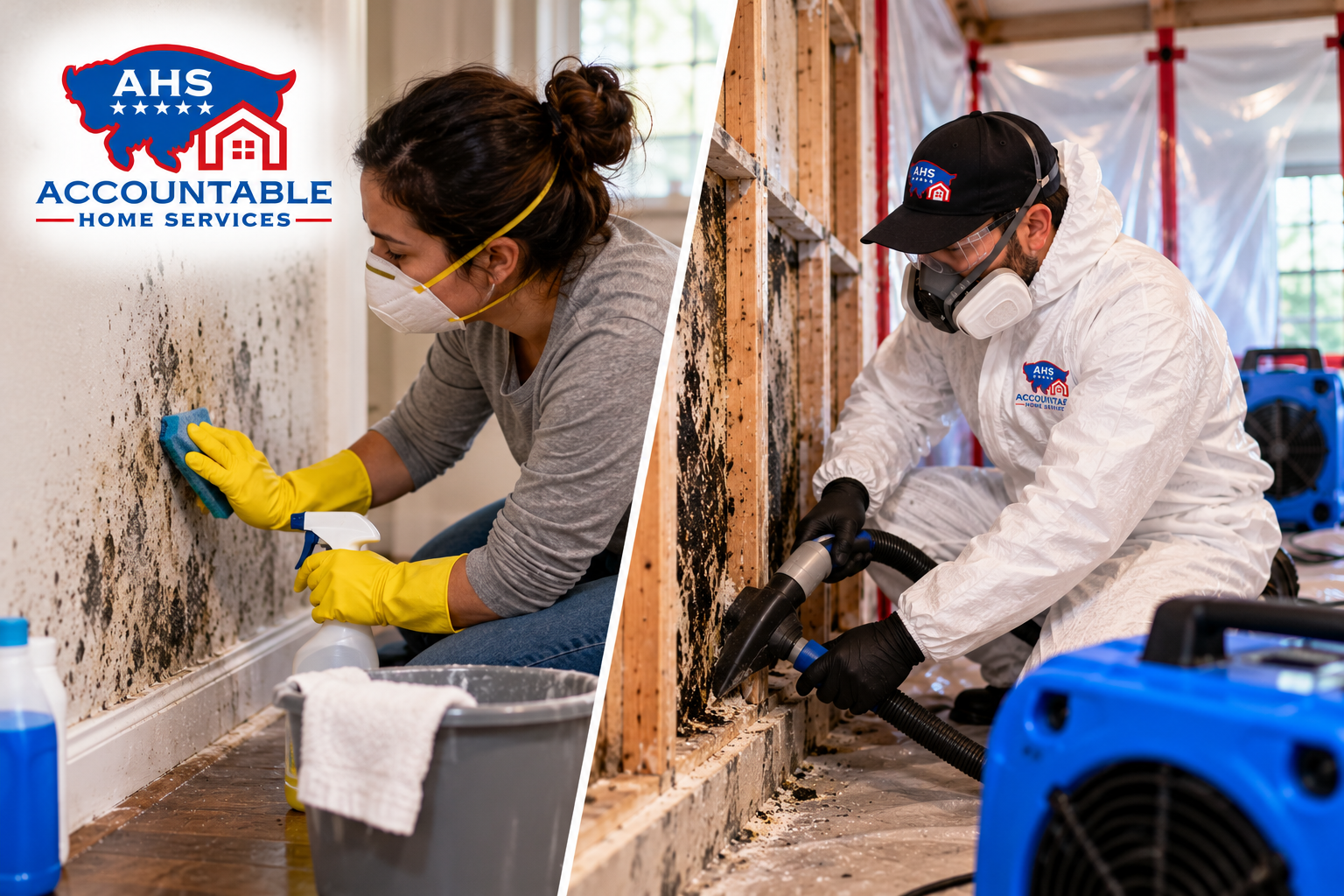
Mold cleanup is not just about what you can see on the surface. For Lakewood homeowners, the right choice depends on the size of the affected area, the material involved, the moisture source, and whether mold may have spread behind drywall, flooring, cabinets, or insulation. Small surface issues may be reasonable for careful DIY mold cleanup, but larger or hidden problems usually call for professional mold remediation with proper containment, drying, removal, and documentation.
When is DIY mold cleanup reasonable?
DIY mold cleanup may be reasonable when the mold is limited to a small, easy-to-reach surface, the material is non-porous, and the moisture source is already fixed. A few spots on bathroom tile, a small patch on a sealed window frame, or light growth on a washable hard surface may not require a full mold removal company Lakewood response if there is no sign of deeper water damage.
The key is to be honest about what you are looking at. Mold on the surface of tile is different from mold on wet drywall. A musty basement corner is different from a small stain around a shower door. If the area keeps coming back after cleaning, or if it appeared after a leak, flood, backup, or roof issue, the problem may be bigger than it looks.
Reasonable DIY mold removal usually means all of the following are true:
- The affected area is small and isolated.
- The mold is on a hard, cleanable surface such as tile, glass, sealed metal, or a painted surface in good condition.
- There is no soft, swollen, crumbling, or water-stained building material.
- The source of moisture has been corrected.
- There is no strong musty odor nearby.
- No one in the home is unusually sensitive to mold, dust, or poor indoor air quality.
- The mold has not returned after previous cleaning.
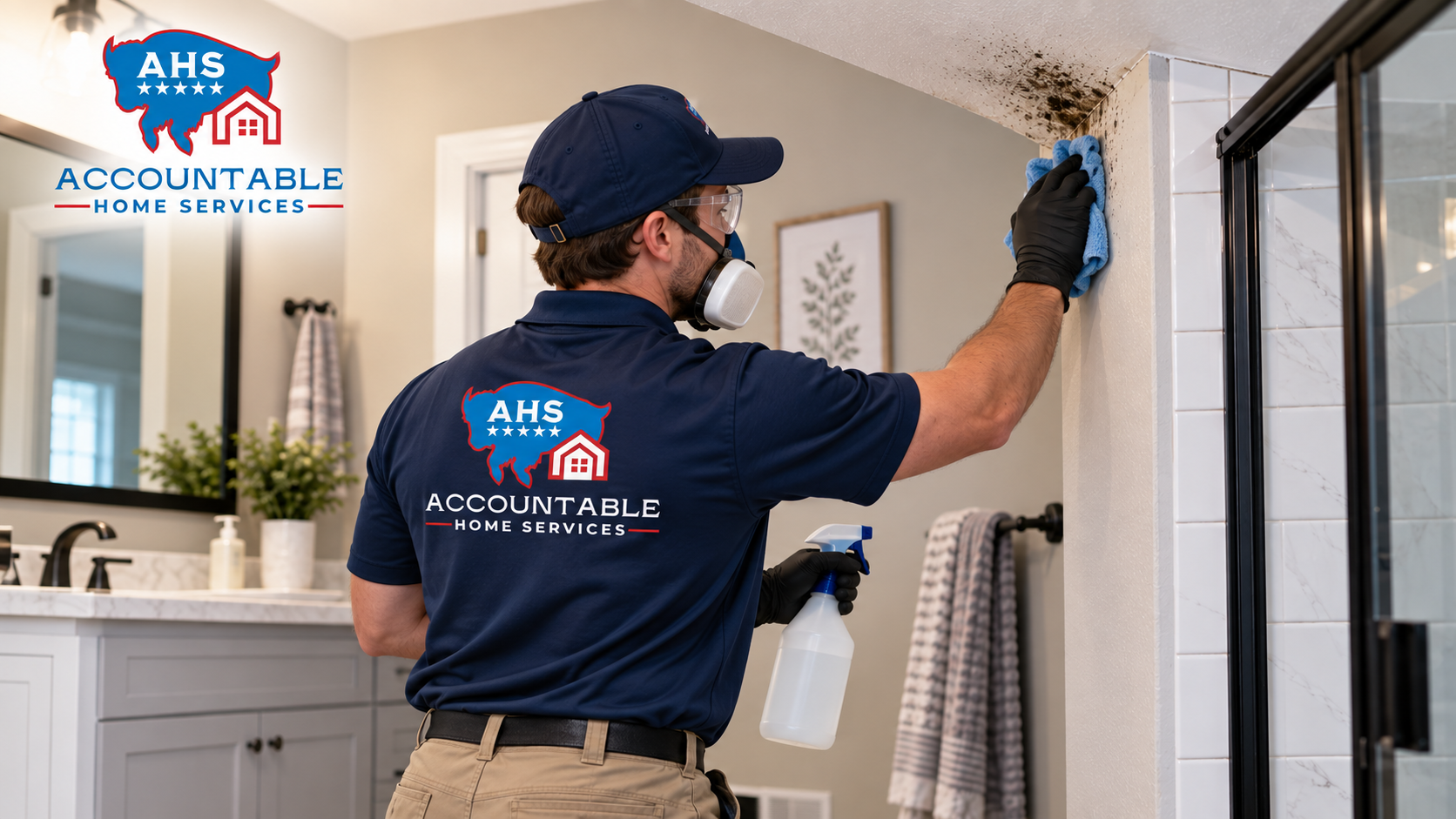
For bathroom mold removal, this often means improving ventilation, cleaning hard surfaces carefully, drying the area after use, and watching for leaks around fixtures. For a small area, basic protective steps matter: gloves, eye protection, good ventilation, and avoiding actions that spread particles into the air. Scrubbing aggressively, sanding, or using high-pressure spraying can make a small problem messier.
The main question is the moisture source and the full extent of contamination
The biggest question in most mold issues is not “What should I wipe it with?” It is “Where is the moisture coming from, and how far has the mold spread?” If those two questions are not answered, wiping visible mold can give a false sense of progress while the real problem keeps growing inside the building materials.
Mold needs moisture. In Lakewood homes, that moisture may come from a plumbing leak, failed water heater, condensation, wet basement conditions, drain backup, roof leak, appliance line, humid bathroom, or previous mold after water damage that was never dried correctly. Plumbers often get the first call because they can stop the leak, but the building materials may still need drying, inspection, and possible remediation after the plumbing repair is done.
This is why wiping visible mold is not the same as full mold remediation. Surface cleaning may remove staining or growth from what you can reach, but it does not confirm that the wall cavity is dry, that insulation is clean, or that flooring layers are not holding moisture. Proper mold cleanup safety starts with understanding the source, the pathway of the water, and the materials affected.
A good assessment looks for clues such as:
- Recent or past water damage. If mold appeared after a leak, flood, sump pump issue, or supply line break, hidden wet materials may still be involved.
- Musty odors. Odor can point to hidden mold in walls, under flooring, behind baseboards, or inside cabinets.
- Recurring growth. Mold that comes back after cleaning usually means the moisture problem was not fully corrected.
- Soft or stained materials. Drywall, baseboards, carpet, and insulation can hold moisture and may not be cleanable once contaminated.
- Spread beyond the visible area. Mold on the outside of drywall may be only part of the issue if the back side or cavity is affected.
Factors that should guide your mold removal options
Choosing between DIY mold cleanup and professional mold removal Lakewood CO services comes down to risk, access, material type, and confidence in the cause. The visible patch is only one piece of the decision.
Size of the affected area
Small, isolated mold growth on a hard surface may be manageable with careful cleaning. Larger areas are different because cleanup can disturb spores, dust, and damaged materials. The more square footage involved, the more important containment, air control, protective equipment, and proper disposal become.
Size also matters because visible growth can underestimate the real affected area. A stain on one side of a wall may connect to wet insulation or framing behind it. If mold is near a plumbing wall, basement foundation area, ceiling leak, or flooring seam, the true area may be larger than what is visible.
Type of material
Non-porous materials like glass, tile, and metal are usually easier to clean because mold stays on the surface. Porous materials like drywall, carpet pad, insulation, unsealed wood, and particleboard can absorb moisture and support growth below the surface. Once porous building materials are contaminated, wiping the outside often does not solve the problem.
This is one of the biggest reasons professional mold remediation may be needed. A trained crew can identify what should be cleaned, what should be removed, and what needs drying or containment before repairs begin. That distinction protects the home and helps avoid repeated work.
Hidden moisture
Hidden moisture is what turns a simple cleanup into a larger restoration concern. A wall can feel dry on the outside while the cavity, insulation, or framing remains damp. Flooring can also trap moisture between layers, especially after appliance leaks, toilet overflows, basement water intrusion, or long-running slow leaks.
Moisture mapping and inspection help answer whether the home is actually dry. Without that step, homeowners may paint, patch, or reinstall trim over materials that are still supporting mold growth. That can lead to recurring odor, staining, and more damage later.
Recurring mold growth
If mold keeps returning in the same spot, the problem is usually moisture, not cleaning technique. Bathrooms may need better ventilation, basements may need moisture control, and plumbing areas may need leak repair. Recurring basement mold Lakewood issues are especially worth taking seriously because moisture can come from several places, including foundation seepage, humidity, stored contents, or past flooding.
Repeated cleaning can also disturb the area without addressing contamination behind the surface. When growth returns, it is time to look deeper instead of reaching for another cleaner.
When professional mold remediation becomes necessary
Professional mold remediation becomes necessary when the affected area is larger, materials are porous or damaged, moisture is hidden, mold keeps returning, or contamination may have spread behind drywall or flooring. It is also the safer option when mold follows significant water damage, when there is a strong odor, or when occupants have health sensitivities.
Professional mold removal Lakewood CO providers do more than clean a stain. They assess the source, set up containment when needed, remove contaminated materials, dry affected areas, clean remaining surfaces, and document the work. For insurance agents, property managers, and plumbers, that documentation can be just as important as the physical cleanup because it helps explain what happened, what was affected, and what steps were taken.
Professional help is strongly recommended when you see or suspect:
- Mold growth on drywall, carpet, insulation, subflooring, or cabinets.
- Black or dark growth that covers a larger area or appears after water damage.
- Hidden mold in walls, ceilings, or under flooring.
- A musty smell with no clear visible source.
- Mold near HVAC components or air pathways.
- Contamination from sewage, drain backups, or dirty water.
- Repeated mold growth after previous cleaning.
- Moisture from a leak that may have been active for days, weeks, or longer.
- Tenant-occupied or multi-unit property concerns where communication and documentation matter.
The phrase black mold removal Lakewood can sound alarming, but color alone does not tell the full story. Dark mold should be handled carefully, but the practical question is still the same: what material is affected, how much area is involved, where did the moisture come from, and has it spread beyond the surface?
What professional mold removal services usually include
A professional mold removal company Lakewood homeowners can trust should follow a clear, organized process. The exact steps depend on the property, but the goal is to control spread, remove contamination, dry the structure, and leave a record of the work performed.
Typical mold removal services may include:
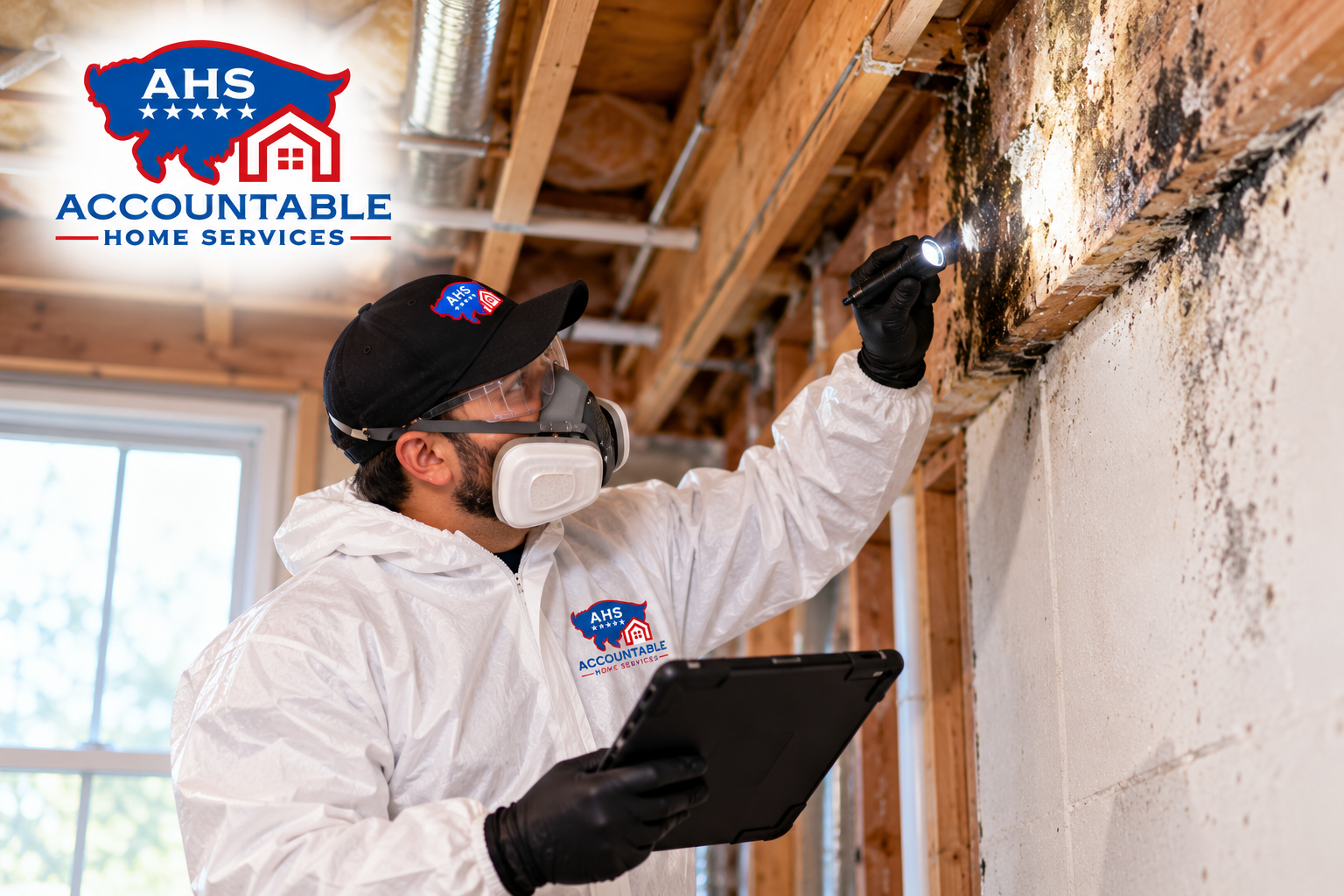
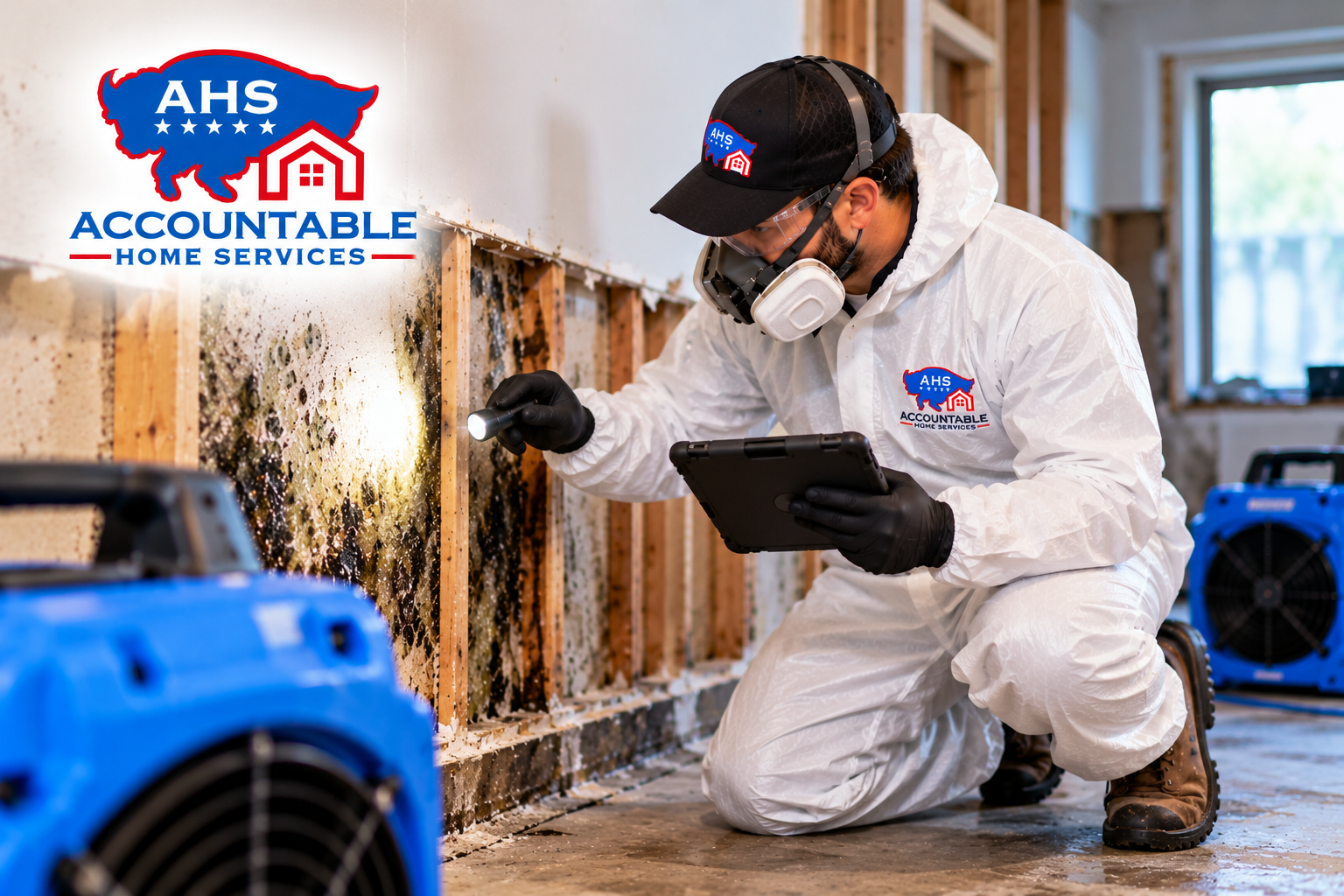
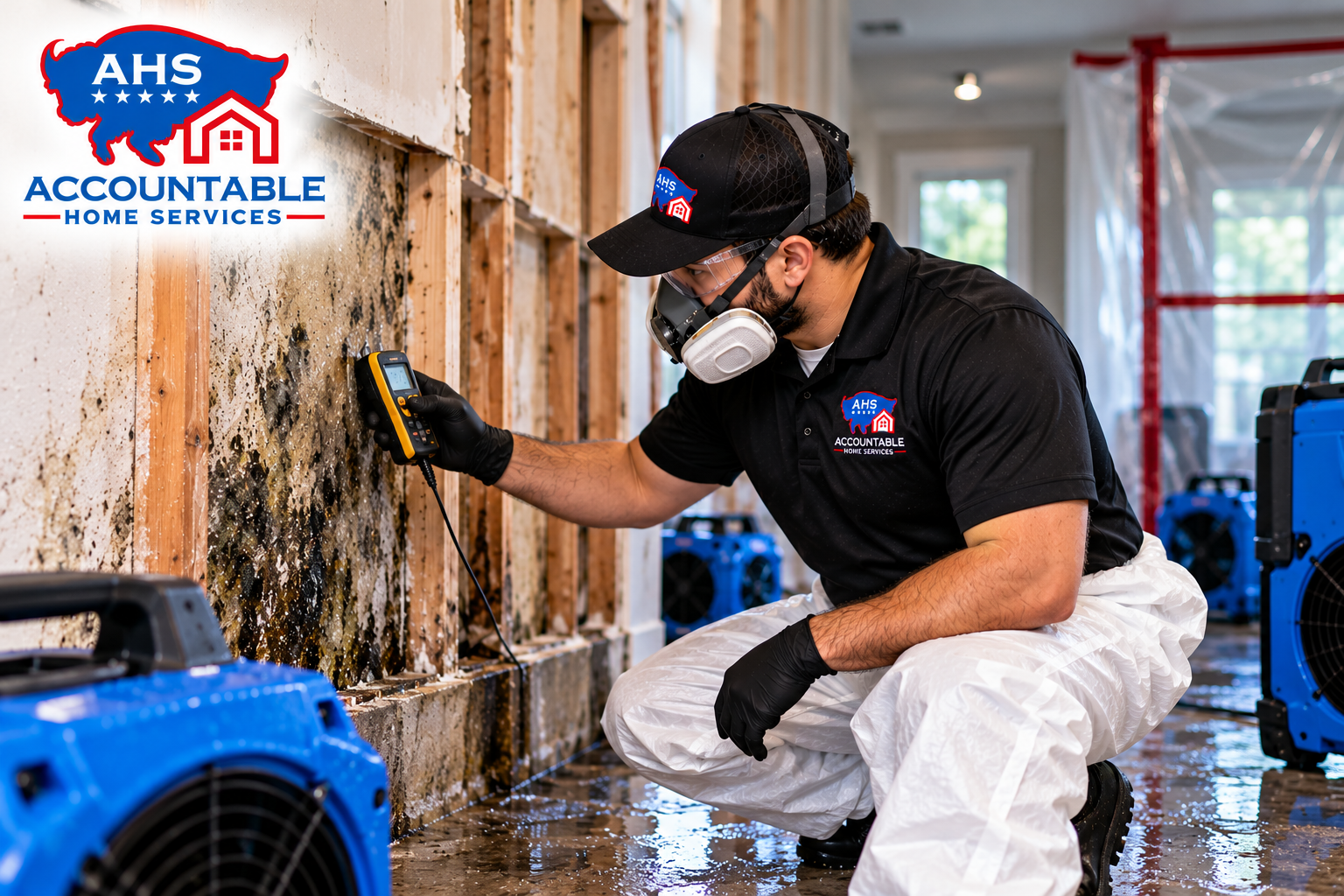
- Initial inspection. The team checks visible growth, moisture patterns, affected materials, odors, and the likely source of the problem.
- Moisture control. The leak or moisture source must be stopped, or the mold problem can return.
- Containment. Work areas may be isolated to help reduce cross-contamination during removal.
- Material removal. Contaminated porous materials may need to be cut out, bagged, and disposed of safely.
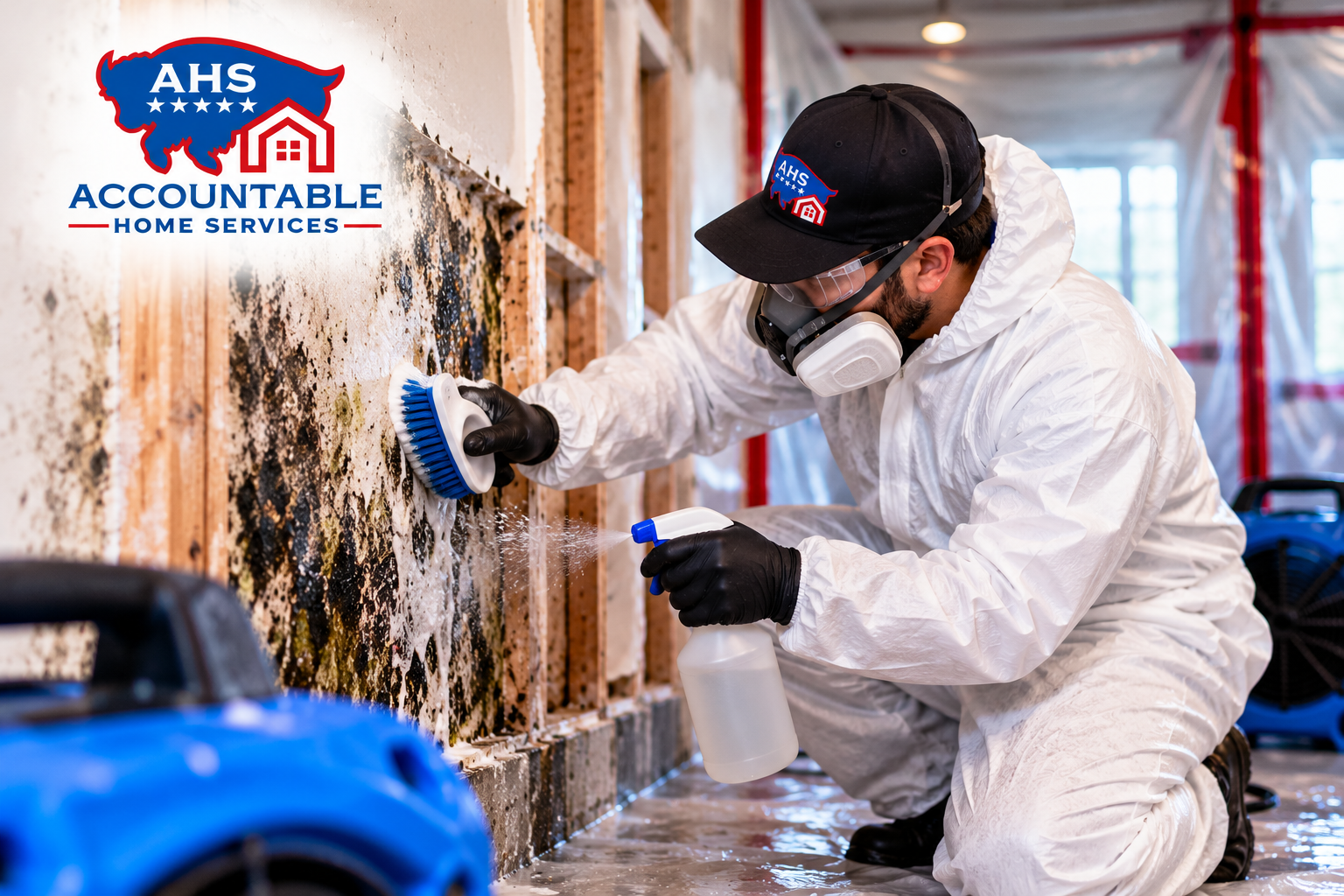
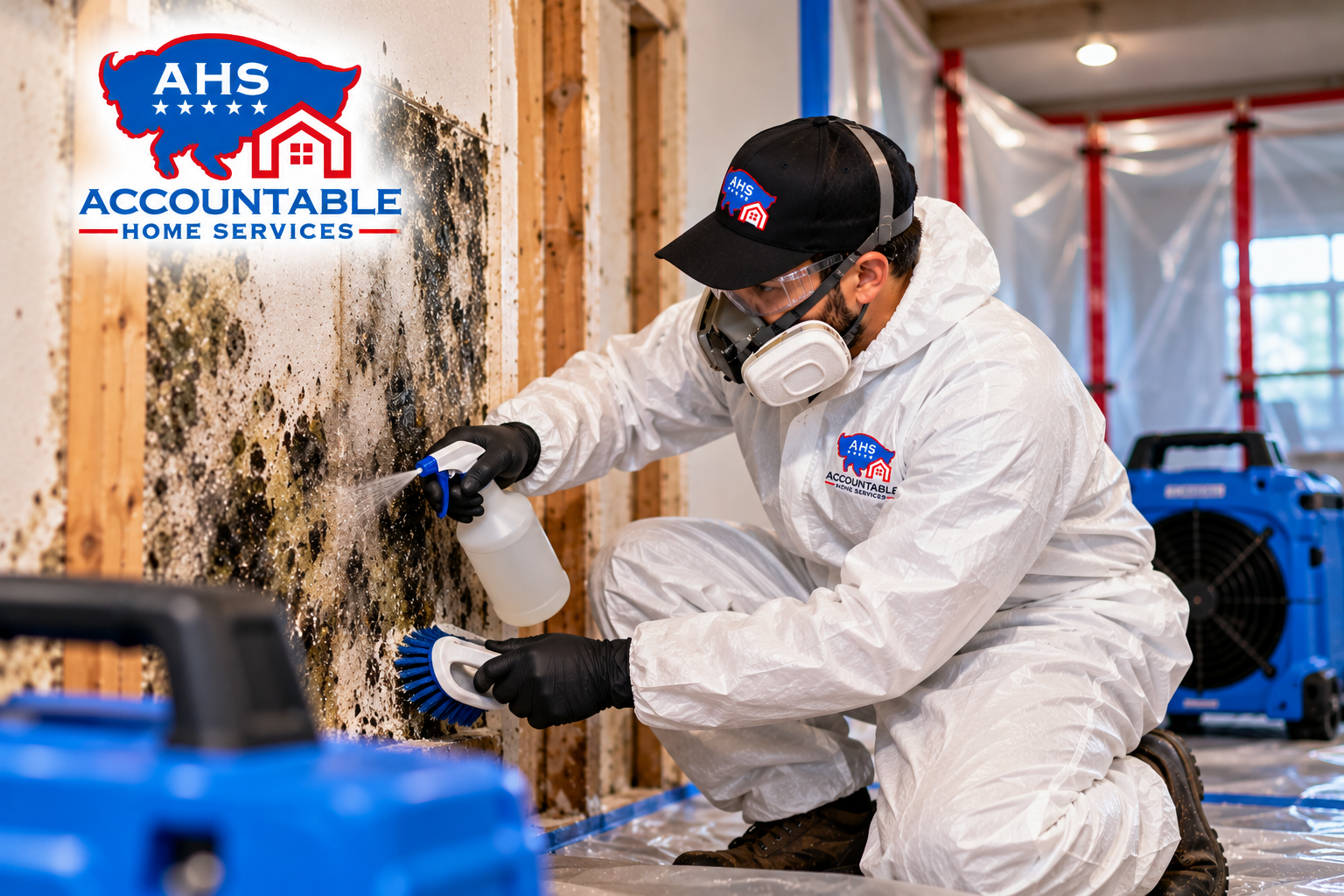
- Cleaning and treatment. Remaining surfaces are cleaned using appropriate methods for the material and situation.
- Drying. Wet structural materials are dried so the environment no longer supports growth.
- Documentation. Photos, notes, moisture readings, and scope details can support communication with homeowners, property managers, plumbers, and insurance professionals.
Mold inspection services are especially helpful when the visible area does not explain the odor, when water traveled through several building materials, or when a property manager needs clear findings before authorizing repairs. Inspection does not need to be dramatic. It simply helps everyone make decisions based on conditions instead of guesses.
DIY and professional options compared
Both DIY mold removal and professional mold remediation have a place. The mistake is choosing based only on cost or convenience without considering what may be hidden.
Situation
DIY may be reasonable
Professional help is the safer choice
Small surface mold
Small spots on tile, glass, or sealed surfaces
Growth is spreading or returning
Material type
Hard, non-porous, easy to dry
Drywall, insulation, carpet, wood, cabinets, or subflooring
Moisture source
Source is known and fixed
Source is unknown, active, or hidden
Water damage history
No recent leak or flooding
Mold after water damage, backups, or long-term leaks
Location
Open, accessible area
Behind walls, under floors, in ceilings, or near HVAC
Documentation needs
No claim or third-party reporting
Insurance, rental property, owner reporting, or tenant concerns
For homeowners searching “mold cleanup near me,” this comparison can help narrow the next step. If the issue is small, dry, and clearly on the surface, careful DIY may be enough. If there is uncertainty about moisture or hidden spread, bring in a professional before repairs cover up the evidence.
Guidance for homeowners, plumbers, agents, and property managers
Mold situations are stressful because they often involve more than one person. A homeowner wants the house safe and normal again. A plumber may have stopped the leak but needs a restoration partner for drying and cleanup. An insurance agent wants the client to understand the process without feeling overwhelmed. A property manager needs fast communication, tenant updates, and clear documentation for the owner.
The best next step is to slow the damage down and create a clear record. Take photos before moving materials if it is safe to do so. Note when the leak or moisture was discovered, who repaired it, and what areas were affected. Avoid painting over stains, tearing out materials without documentation, or running fans across suspected mold without guidance, because those actions can make the situation harder to assess.
If the problem is small and clearly cleanable, use basic mold cleanup safety and keep watching the area. If there is water damage, recurring growth, hidden moisture, or possible spread behind drywall or flooring, professional mold remediation is the better path. A calm, well-documented response protects the property, supports the claim conversation, and helps everyone involved make better decisions.
For mold remediation Lakewood concerns, the right choice is the one that addresses both the visible mold and the reason it appeared. Clean what is truly minor, but do not treat hidden moisture like a surface stain. When in doubt, get an inspection before the problem grows or gets covered up by repairs.