How to Identify a Reliable Mold Removal Service in Broomfield, CO
How to Identify a Reliable Mold Removal Service in Broomfield, CO
When mold shows up in a Broomfield home, it is usually a sign of a moisture problem that needs to be understood before anything is cleaned, sprayed, or torn out. A dependable mold removal service in Broomfield CO should help you slow down, ask the right questions, and make a clear decision before you sign an agreement. This guide from The Local Restoration Guide explains what a legitimate company should do, what red flags to watch for, and how good documentation can support the homeowner, insurance agent, plumber, or property manager involved.
What should a reliable mold removal company do before work begins?
A reliable mold removal company should first identify why the mold is there, explain what areas may be affected, and provide a written plan before asking you to approve the work. Mold removal Broomfield homeowners can trust is not just surface cleaning. It should include moisture investigation, containment, safe work practices, drying, documentation, and a practical path to restoring the affected area.
Before signing anything, ask the company to walk you through what they found in plain language. If the issue started from a leaking supply line, failed water heater, roof leak, sump pump problem, or mold after water damage, the source matters. Mold remediation without dealing with moisture is like patching a ceiling while the pipe above it is still leaking.
A strong local mold remediation company should be comfortable explaining what they know, what still needs to be confirmed, and what happens next. You should not feel rushed into a contract because someone used scary language or pointed at a stain.
Start with the source of moisture
Every legitimate mold inspection Broomfield homeowners request should include attention to moisture. Mold needs damp conditions to grow, so the first question is not only “Where is the mold?” but also “Why is this area wet or humid?” That may involve checking recent plumbing repairs, condensation, exterior drainage, appliance leaks, crawlspace moisture, or past flooding.
For plumbers, this is often the handoff point. A plumber may fix the failed pipe, shutoff valve, drain line, or water heater, but the wet drywall, insulation, flooring, and hidden cavities may still need drying and mold evaluation. A good restoration partner should respect that plumbing repair and mold remediation are connected, but not the same job.
For property managers, this step is important because delayed moisture investigation can turn a small tenant report into a larger complaint. Clear notes on where moisture was found, what materials were affected, and what was done to reduce further damage can help keep owners and tenants informed.
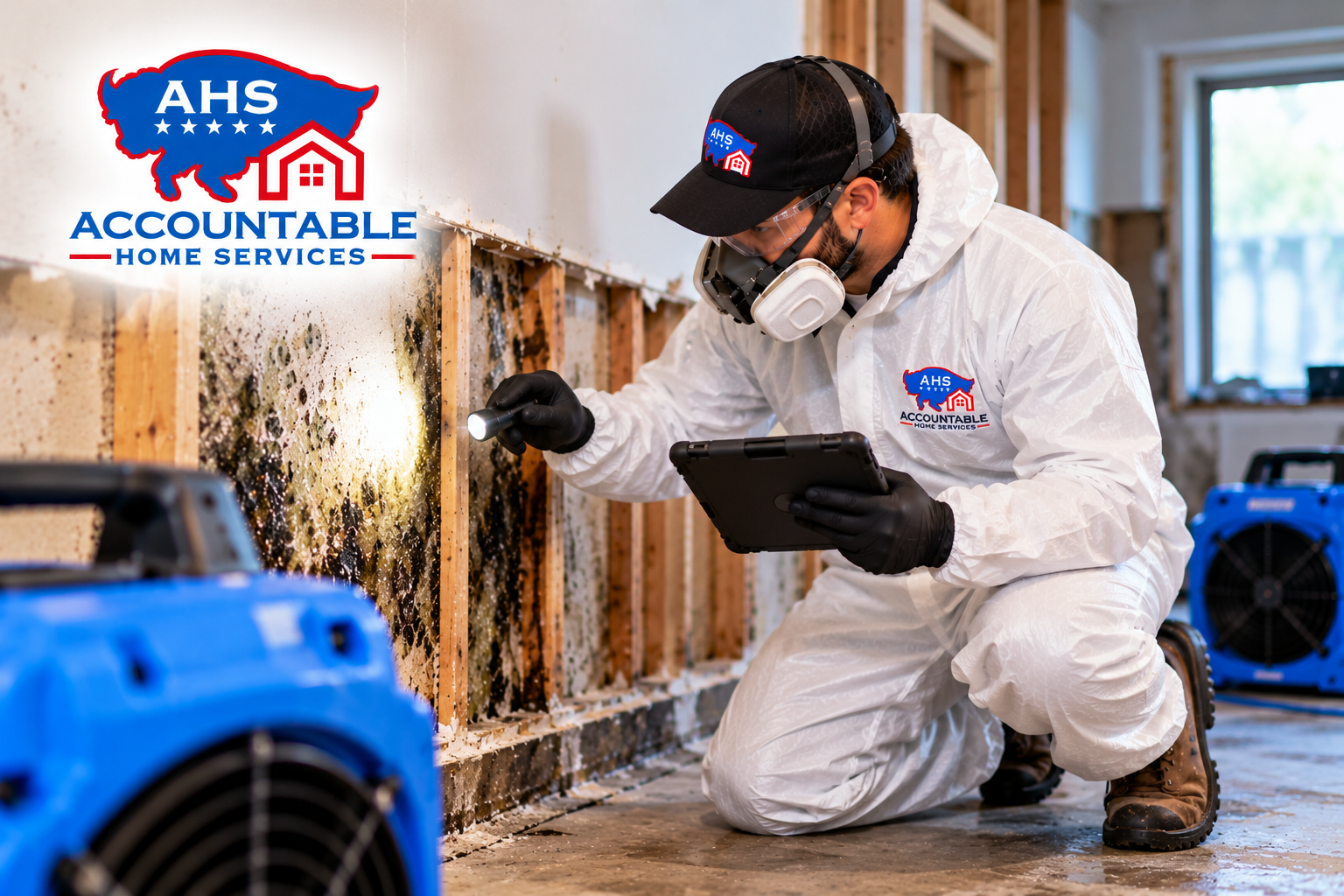
Look for a company that checks moisture with appropriate tools, asks about the timeline, and explains whether additional mold inspection is needed. They should not promise hidden mold removal without first understanding where hidden moisture could be located.
Signs of a legitimate mold remediation process
Professional mold remediation should follow a clear sequence. The exact scope will depend on the home, the material affected, and how far the moisture traveled, but the company should be able to describe the process before work starts.
A dependable mold removal services provider should typically discuss:
- Moisture source investigation: What caused the damp conditions and whether that source has been fixed or still needs attention.
- Affected area assessment: What rooms, wall cavities, flooring, ceilings, cabinets, or basement areas may be involved.
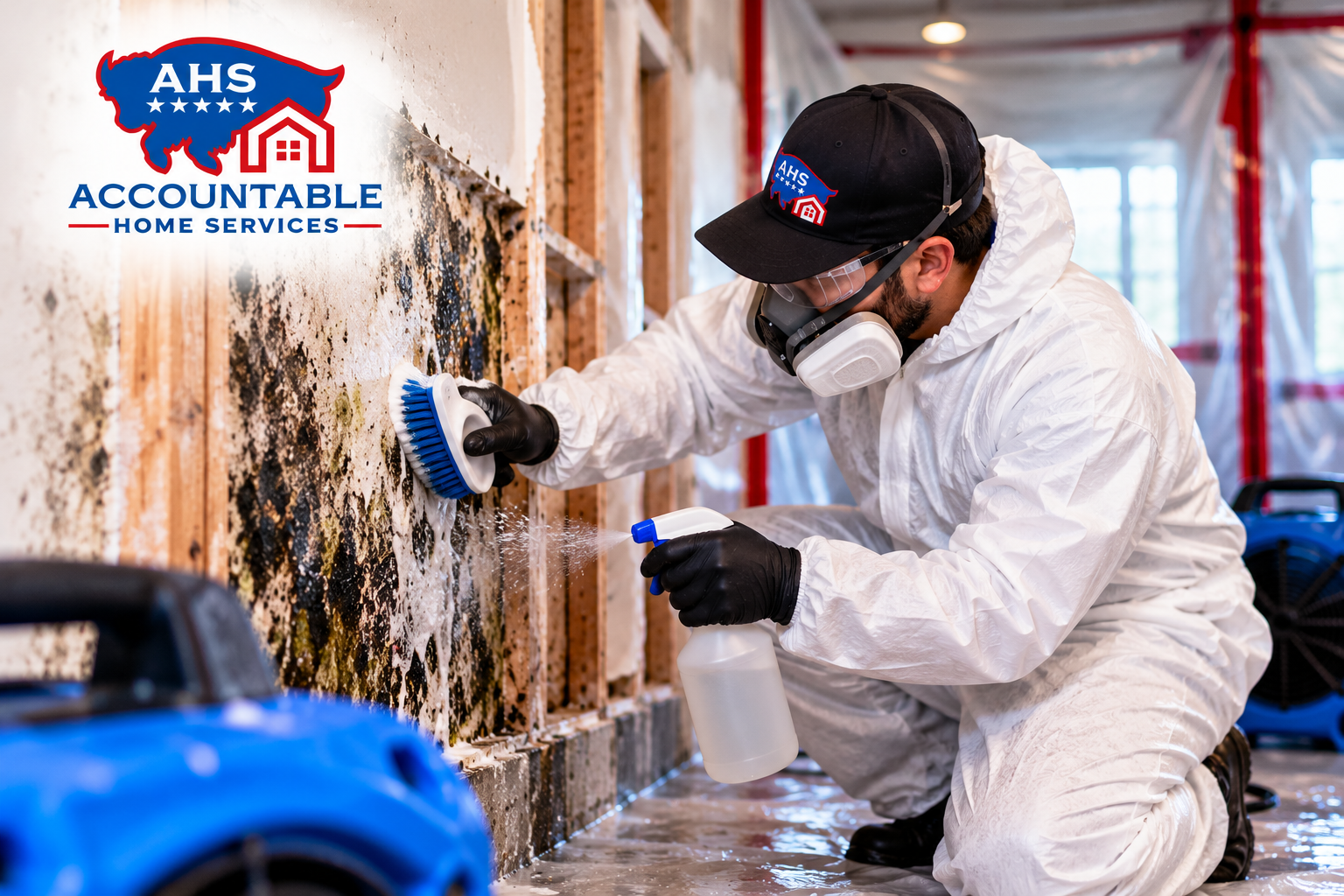
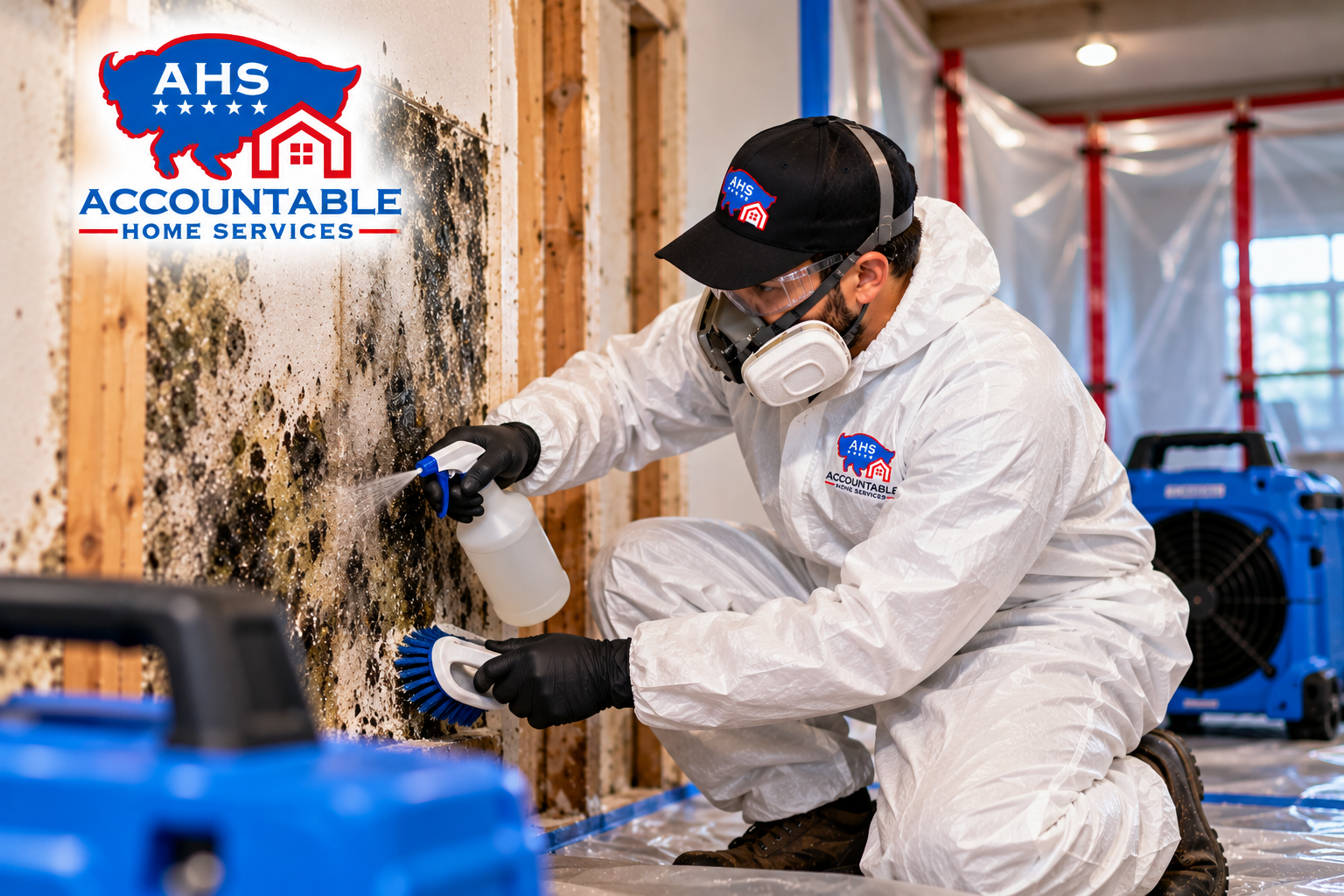
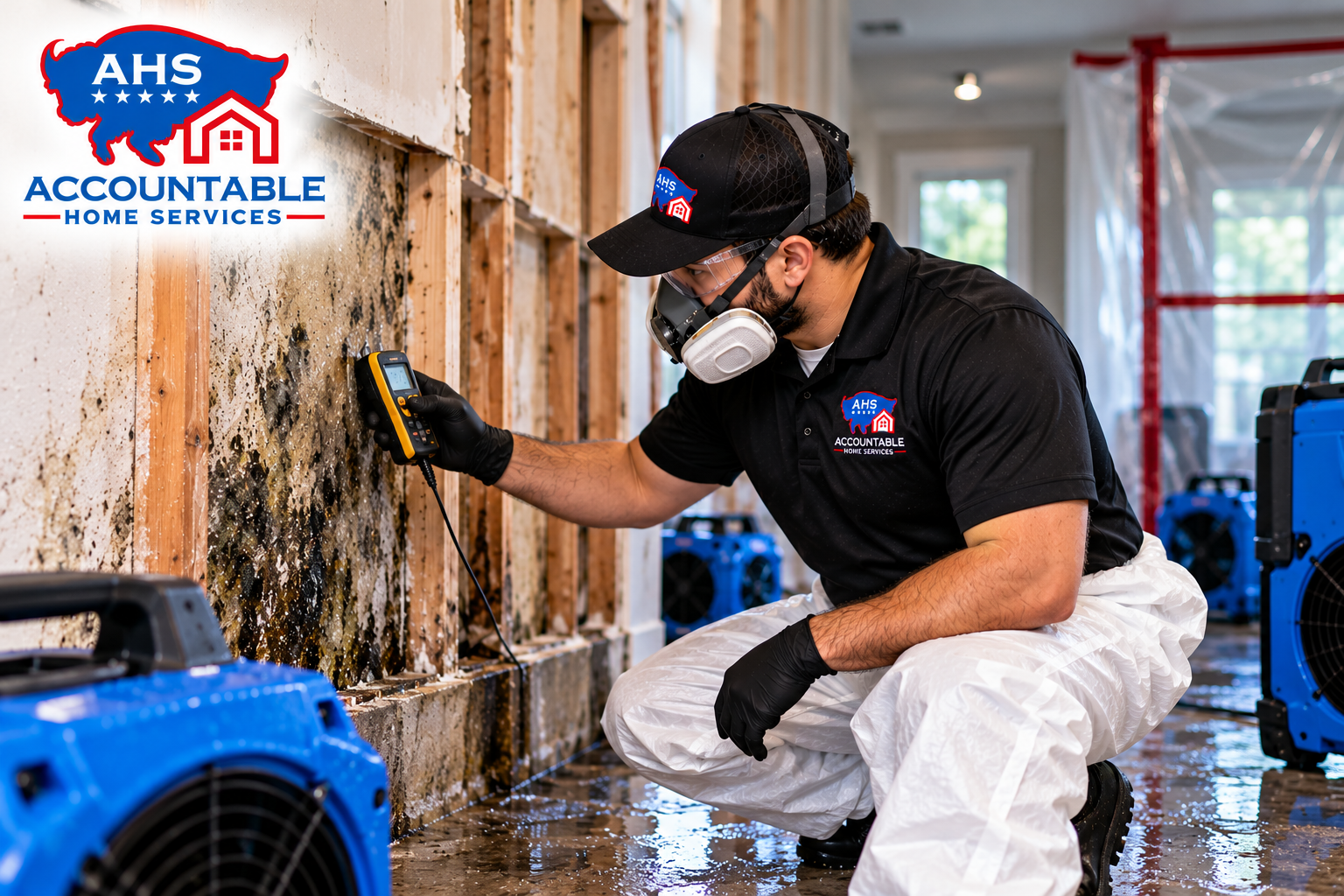
- Containment: How the work area will be separated from clean areas of the home to reduce cross-contamination.
- PPE and safe work practices: What protective equipment workers use and how they manage disturbed materials.
- Material removal: Whether drywall, insulation, carpet, trim, cabinets, or other porous materials may need to be removed instead of cleaned.
- Cleaning methods: How remaining surfaces will be cleaned after removal of affected materials.
- Drying plan: How the company will dry remaining building materials and monitor progress.
- Documentation: What photos, moisture readings, notes, and reports will be provided.
- Restoration path: What happens after remediation, including repair, rebuild, or referral if another trade is needed.
This kind of explanation helps homeowners make an informed choice. It also helps insurance agents understand what happened, what actions were taken to reduce damage, and why certain materials could not simply be wiped down.
Red flags to watch before signing
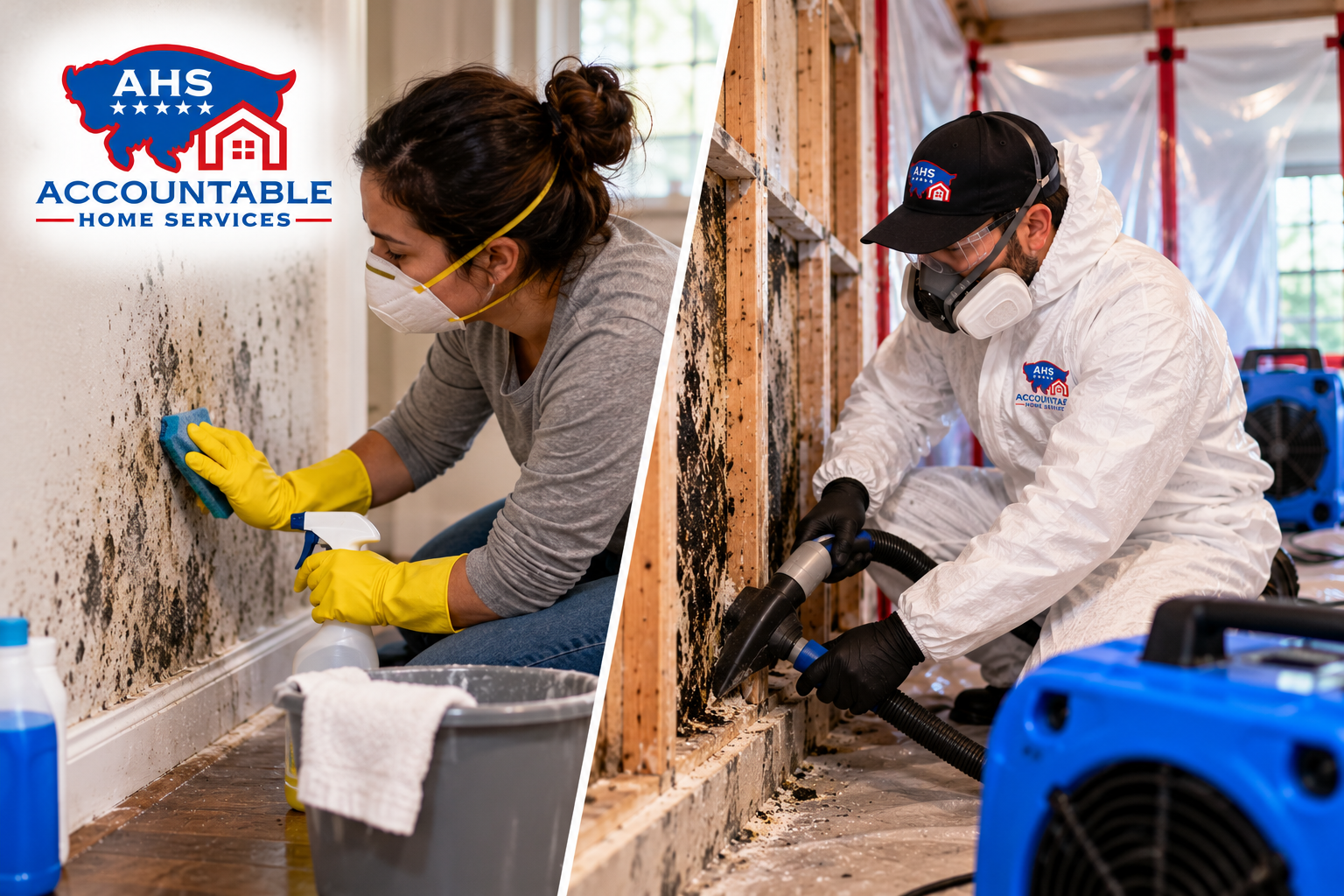
Some companies make mold cleanup Broomfield homeowners sound simple by offering to spray, fog, or deodorize the visible growth. In limited situations, surface treatments may be part of a larger plan, but they are not a replacement for finding the moisture source, containing the area, removing affected porous materials when needed, and drying the structure.
Be cautious if a company:
- Offers only to spray or fog visible mold without checking for moisture.
- Does not explain what caused the growth.
- Refuses to discuss containment or worker protection.
- Gives a vague scope with no written remediation plan.
- Pushes you to sign immediately before answering basic questions.
- Claims every dark stain is dangerous black mold without inspection or context.
- Says demolition is needed but cannot explain which materials are affected and why.
- Will not provide photos, moisture readings, or job documentation.
- Avoids discussing drying and restoration after cleanup.
Black mold removal Broomfield searches are common because dark staining makes people nervous. The right response is not panic. The right response is careful assessment, safe containment, and a plan that addresses the moisture and affected materials.
A clear remediation plan protects the homeowner and the claim
A written plan does not need to be complicated, but it should be specific enough for you to understand the job. It should identify the work area, the suspected cause, the affected materials, the planned containment, what may be removed, how cleaning will be handled, and how drying will be verified.
This matters for insurance-related situations. Insurance agents often hear from clients after the client is already frustrated, confused, or worried about cost. A restoration company that documents the job clearly can reduce confusion. Good documentation does not guarantee coverage, but it can help show what happened, what was done, and why the work was reasonable based on observed damage.
Homeowners should ask for copies of job photos, moisture logs when applicable, written scope notes, and any recommendations for follow-up work. Property managers should also ask how updates will be shared with tenants, owners, and any insurance contacts. Communication is part of the service, not an extra favor.
If the company cannot explain the plan in normal language, pause before signing. You should understand what you are approving.
Common Broomfield mold situations that need professional attention
Mold problems in Broomfield homes often start with ordinary water issues. A slow leak under a bathroom vanity, a loose toilet connection, a damp basement corner, or a water heater leak can create conditions where mold grows behind finishes before anyone sees it.
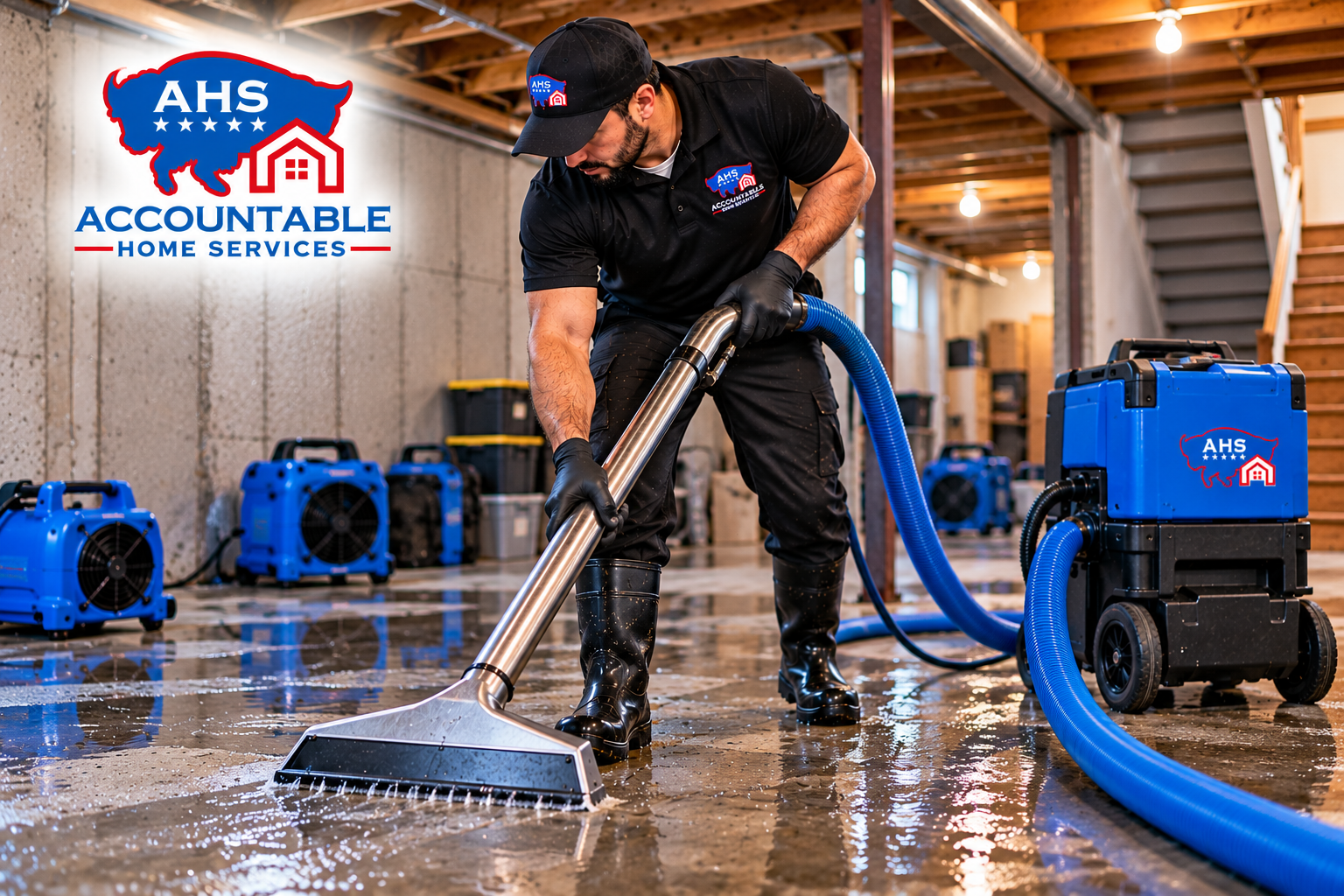
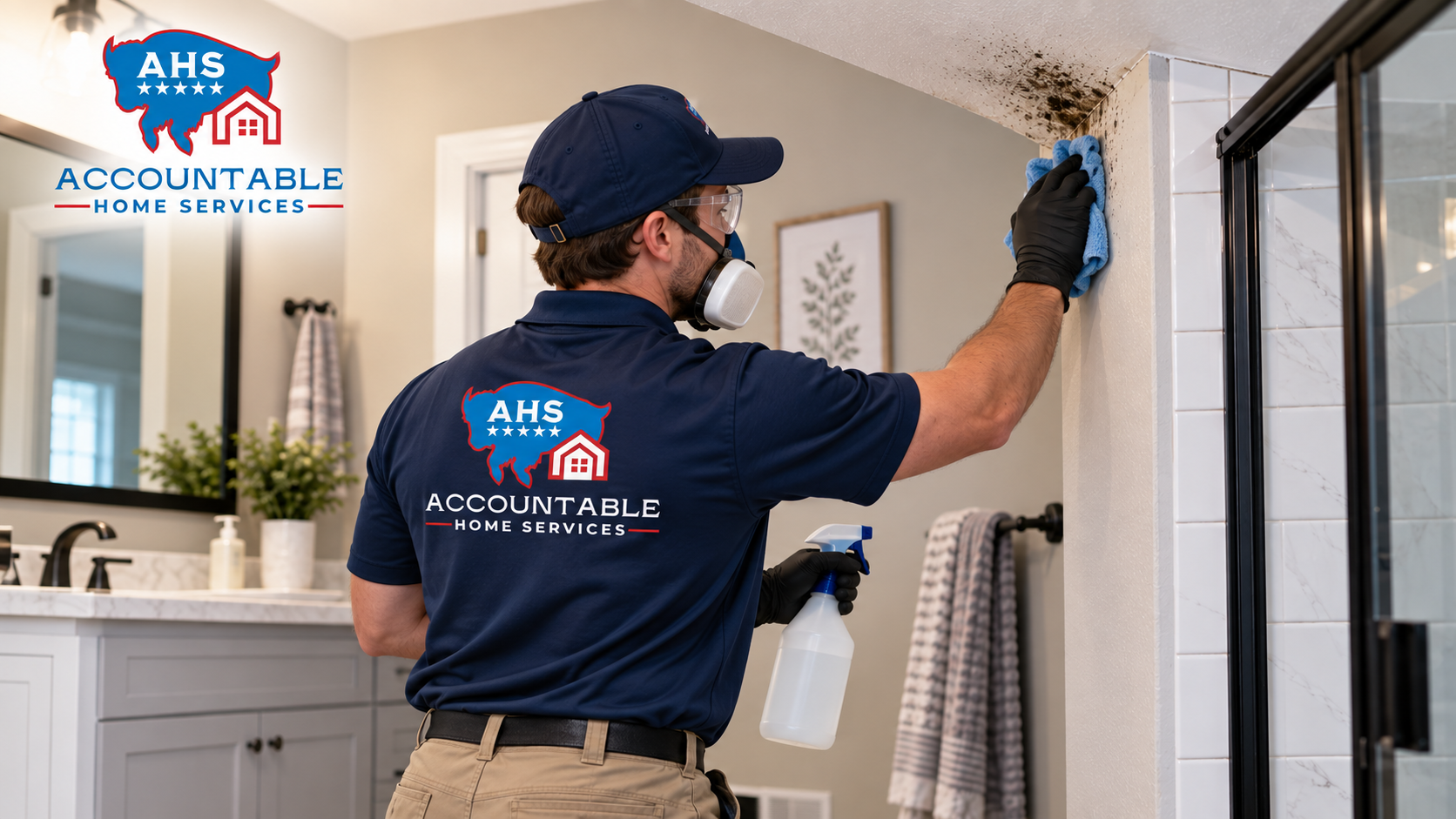
Bathroom mold removal may involve more than scrubbing tile grout. If moisture has reached drywall, subflooring, baseboards, or the wall behind a shower, a professional should determine whether materials can be cleaned and dried or need removal. The same is true for basement mold remediation, especially when finished walls, carpet, or stored belongings have been exposed to moisture.
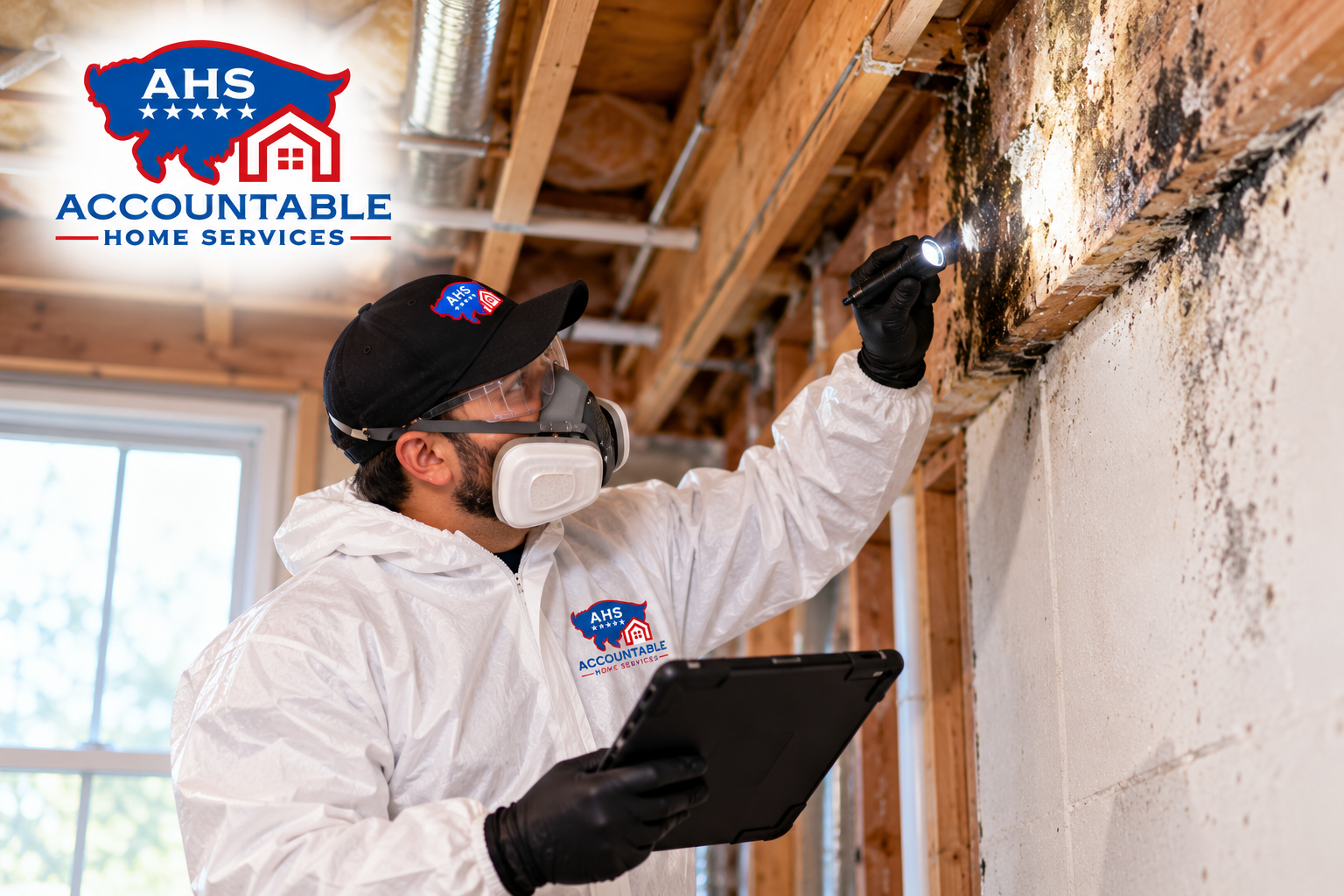
Hidden mold removal should be handled carefully because opening walls or pulling flooring can disturb settled spores and debris. A reliable company should use containment and PPE before disturbing suspected affected materials. They should also explain whether testing, inspection, or third-party evaluation may be helpful depending on the situation.
For a simple example, if a plumber repairs a leaking line behind a basement wall, the visible repair may look complete. But if insulation and drywall stayed wet for several days, the restoration side of the job may still include moisture mapping, controlled removal, cleaning, drying, and documentation. That is the difference between fixing the leak and resolving the damage caused by the leak.
Questions to ask before choosing a mold removal service
Before you search “mold removal company near me” and choose the first result, have a short checklist ready. The goal is not to interrogate anyone. The goal is to see whether the company communicates clearly and follows a reasonable process.
Ask these questions before signing:
- What do you believe caused the mold or moisture problem? The company should connect the growth to a leak, humidity issue, drainage issue, flood event, or other moisture source when possible.
- How will you determine the full affected area? Listen for moisture checks, visual inspection, discussion of adjacent materials, and possible mold inspection when needed.
- What containment will you use? They should explain how they will separate the work area from clean parts of the home.
- What materials may need to be removed? A good answer should explain why porous materials like drywall, insulation, or carpet may not always be salvageable.
- How will you document the project? Ask about photos, notes, moisture readings, scope details, and final documentation.
- What happens after remediation? The company should discuss drying, repair needs, and the handoff to reconstruction or other trades if needed.
The way a company answers these questions tells you a lot. A calm, specific answer is usually a better sign than a fast sales pitch.
Good communication matters for every referral partner
Mold remediation Broomfield CO residents rely on often involves more than the homeowner. An insurance agent may need clear information to help the client understand the claim process. A plumber may need a trustworthy company to take over after stopping the leak. A property manager may need updates that are accurate enough for the owner and simple enough for the tenant.
A reliable restoration partner should make these handoffs easier. That means showing up prepared, explaining the scope without drama, documenting conditions, and avoiding promises they cannot control. It also means being honest when another professional is needed, such as a plumber, HVAC contractor, roofer, environmental consultant, or rebuild contractor.
Homeowners notice when professionals work well together. They also notice when communication breaks down. Choosing a company that keeps everyone informed can reduce stress during an already frustrating situation.
Choose a local company that explains the next step
If you need mold remediation, do not start with panic and do not start with a signature. Start with a careful look at the moisture source, the affected area, and the company’s plan. Reliable mold removal services should be clear before work begins, careful during remediation, and organized after the job is complete.
The Local Restoration Guide recommends choosing a mold removal service Broomfield CO homeowners can speak with comfortably, especially when water damage, insurance questions, or tenant concerns are involved. Ask for the plan, ask how the work will be documented, and be cautious of anyone who wants to only spray or fog visible growth without solving the underlying moisture problem.
If you are a homeowner, insurance agent, plumber, or property manager dealing with mold cleanup Broomfield concerns, use this checklist before making a referral or approving work. The right local mold remediation company should help protect the property, support the documentation process, and give everyone a clearer path forward.