Black Mold Removal in Louisville, CO: Effective Techniques and When to Call a Professional
Black Mold Removal in Louisville, CO: Effective Techniques and When to Call a Professional
Black mold in a Louisville home or managed property is usually a moisture problem first and a cleaning problem second. The visible spots may be the part you notice, but effective black mold removal techniques start with finding out why the material stayed wet long enough for mold to grow. The Local Restoration Guide helps homeowners, insurance agents, plumbers, and property managers understand what to do first, when a small cleanup is reasonable, and when professional mold remediation is the safer next step.
When should you call for black mold removal in Louisville, CO?
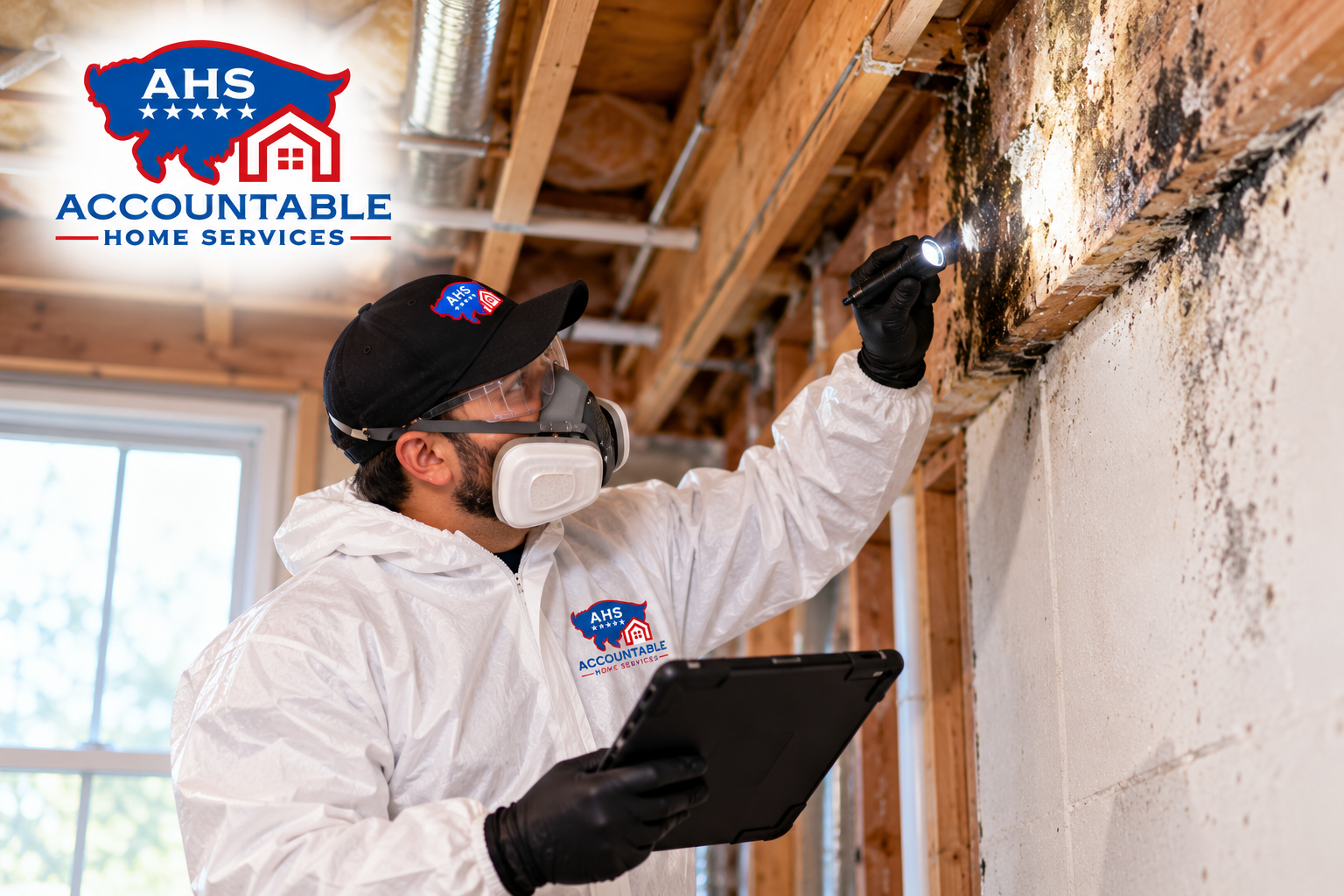
Call for professional help when mold covers more than a very small area, keeps coming back after cleaning, follows a leak or flood, smells musty, or may be inside walls, cabinets, insulation, flooring, or ceilings. You should also call when the property has recent water damage, a tenant complaint, an insurance claim, or anyone in the home has health concerns that make exposure more stressful. In these situations, black mold removal Louisville CO service is not just about wiping a stain; it is about controlling moisture, reducing spread, removing contaminated materials when needed, and documenting the work clearly.
Louisville homes can see mold after water damage from plumbing leaks, sump pump problems, appliance failures, roof leaks, foundation seepage, or wet basements after storms and snowmelt. A plumber may stop the leak, but wet drywall, trim, carpet pad, cabinets, and insulation can still hold moisture. That is where mold remediation Louisville support becomes important, especially when drying and documentation matter.
Surface cleaning is not the same as mold remediation
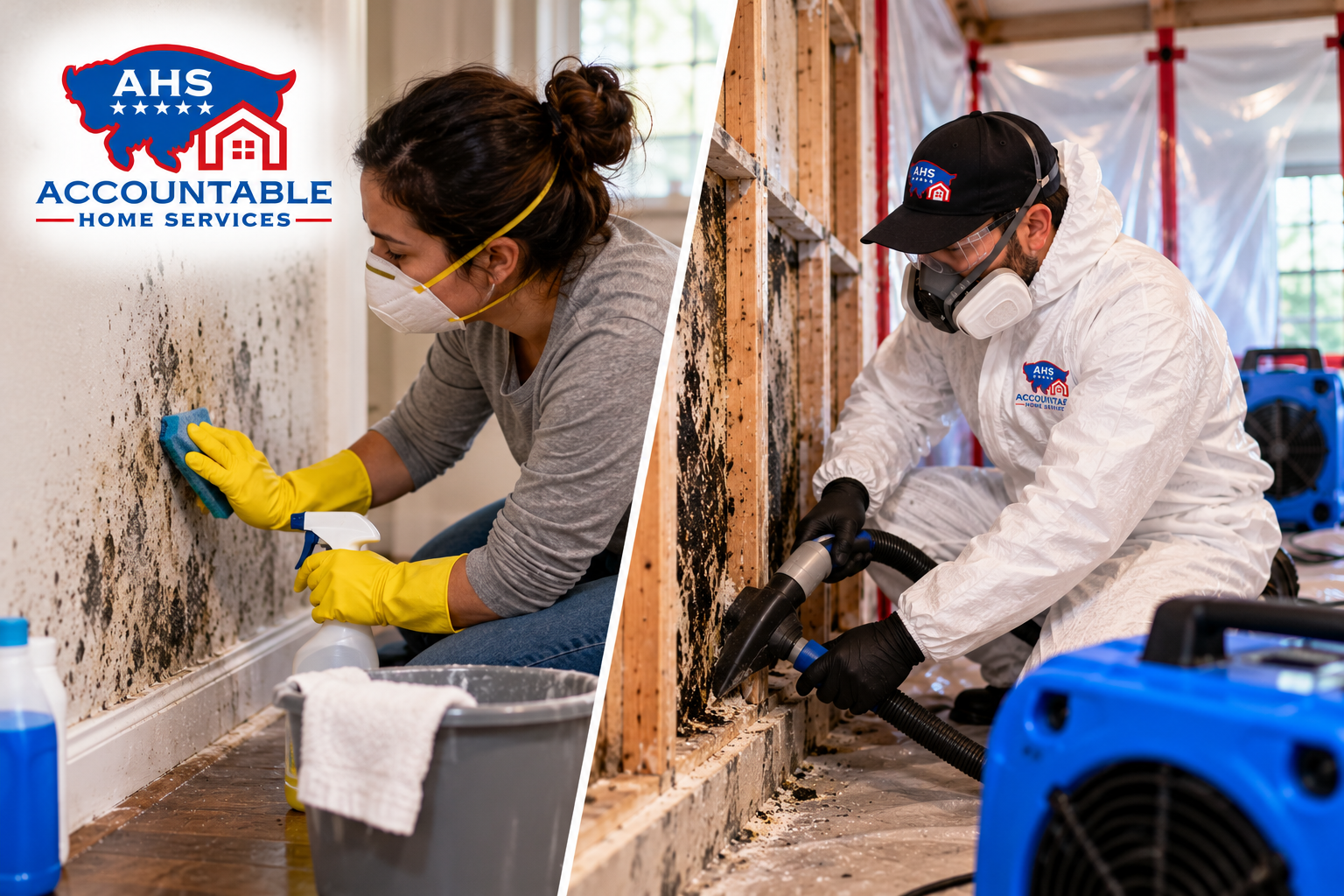
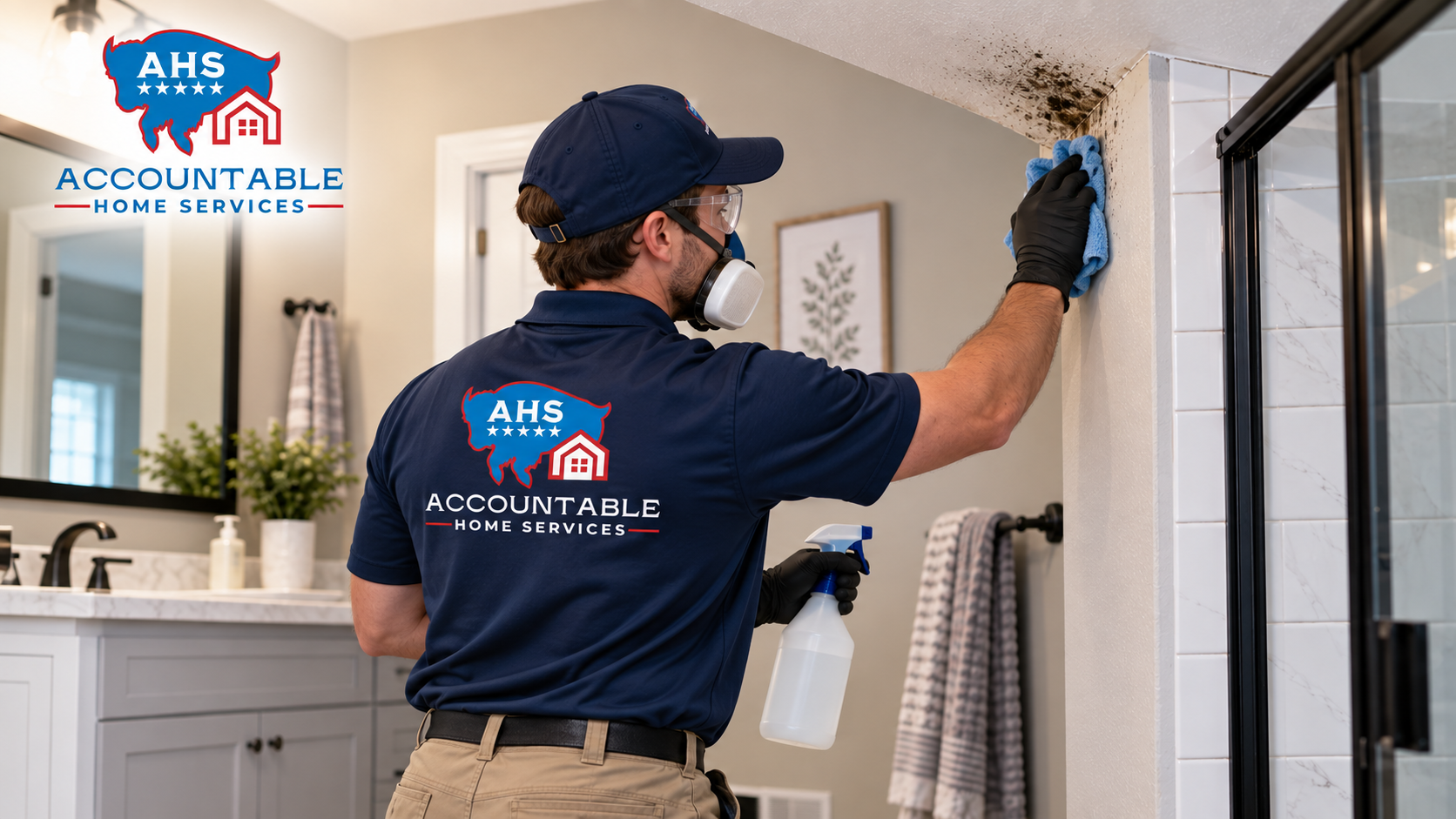
Surface cleaning means removing visible mold from a hard, non-porous surface such as tile, glass, sealed countertops, or a small section of painted trim. It can make an area look better, and for very small surface mold issues it may be enough. But surface cleaning does not confirm whether moisture is still trapped nearby, whether mold has grown on the back side of drywall, or whether porous materials are contaminated.
True remediation is more complete. It looks for the cause, limits spread, addresses affected materials, cleans exposed surfaces, dries the area, and verifies that the moisture problem has been corrected. The key point is simple: removing visible mold is not sufficient if moisture and hidden contamination remain. If the source is still active, bathroom black mold or basement black mold can return even after a careful wipe-down.
A useful way to think about it:
- Surface cleaning may be reasonable for a small, isolated spot on a hard surface with no ongoing leak, no musty odor, and no staining beyond the surface.
- Black mold treatment becomes more involved when mold is on porous materials, near a leak, or connected to moisture damage mold inside building materials.
- Professional mold remediation is the better choice when the full extent is unclear, when demolition may be needed, or when an insurance claim or tenant situation requires careful documentation.
The first step is locating and fixing the moisture source
Mold needs moisture. That is why effective black mold cleanup begins by locating and correcting the water source before the cleanup plan is built. If the leak, condensation, seepage, or humidity problem is ignored, the property can look clean for a short time while the same conditions continue behind the wall or under the flooring.
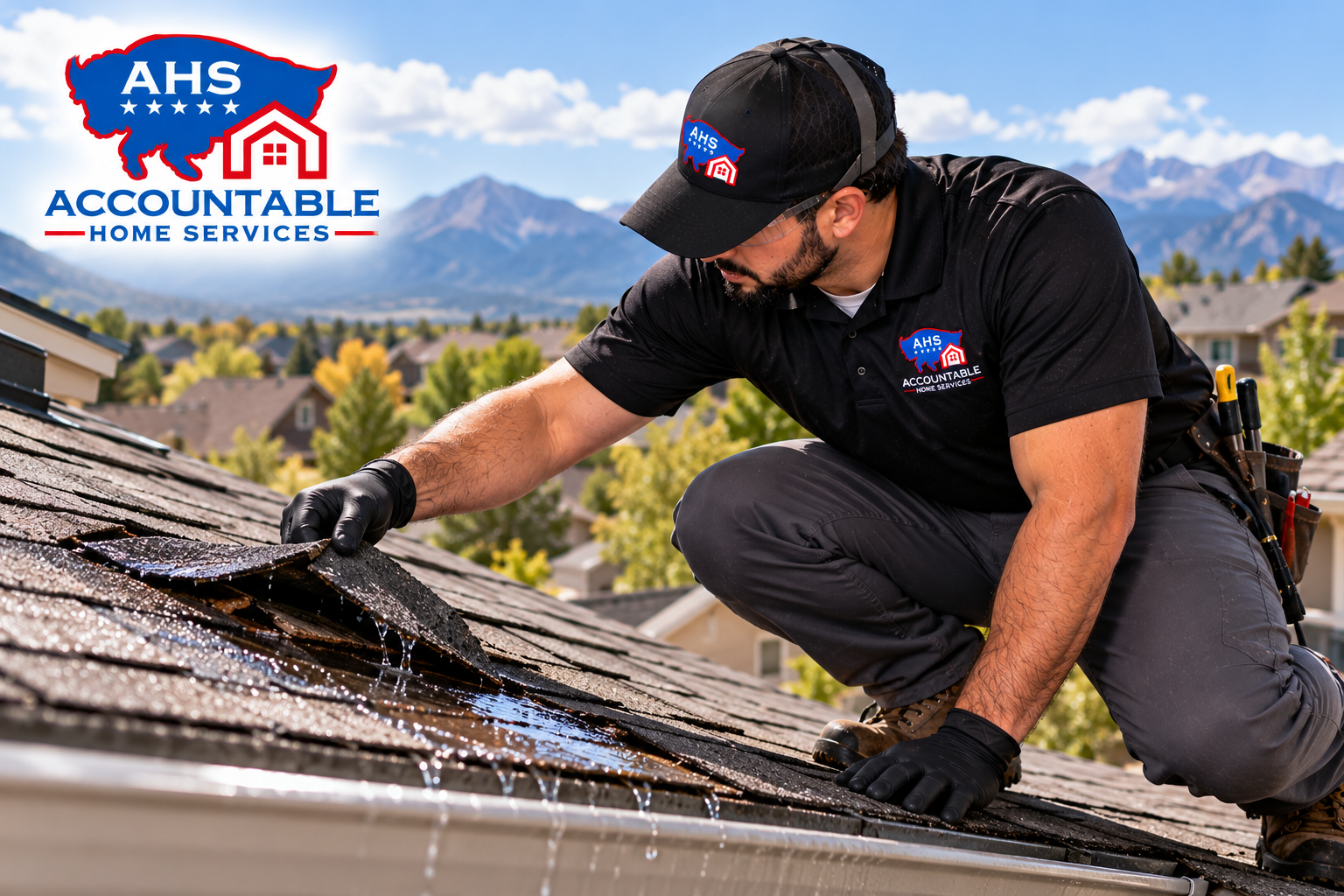
Common moisture sources in Louisville properties include leaking supply lines, slow drain leaks, failed water heaters, loose toilet seals, basement seepage, wet carpet pad, poor bathroom ventilation, and condensation around cold surfaces. Sometimes the original problem is obvious, like a burst pipe. Other times it shows up as a soft baseboard, peeling paint, a musty smell, or a stain that slowly grows.
For insurance agents, plumbers, and property managers, this is often the point where a clear referral helps. The plumbing repair may solve the active leak, but the building still needs to be assessed for wet materials. Good mold removal services should communicate what was found, what was done, what still needs attention, and what photos or moisture readings were collected.
What effective remediation includes
A proper remediation plan is built around controlling the work area and removing the conditions that allowed mold to grow. The exact steps depend on the size, location, and materials involved, but the process should be organized and easy for the property owner to understand.
Typical steps include:
- Moisture correction The source of water is located and stopped. This may involve a plumber, roof repair, drainage correction, ventilation improvement, or another property repair before mold cleanup Louisville work can be completed.
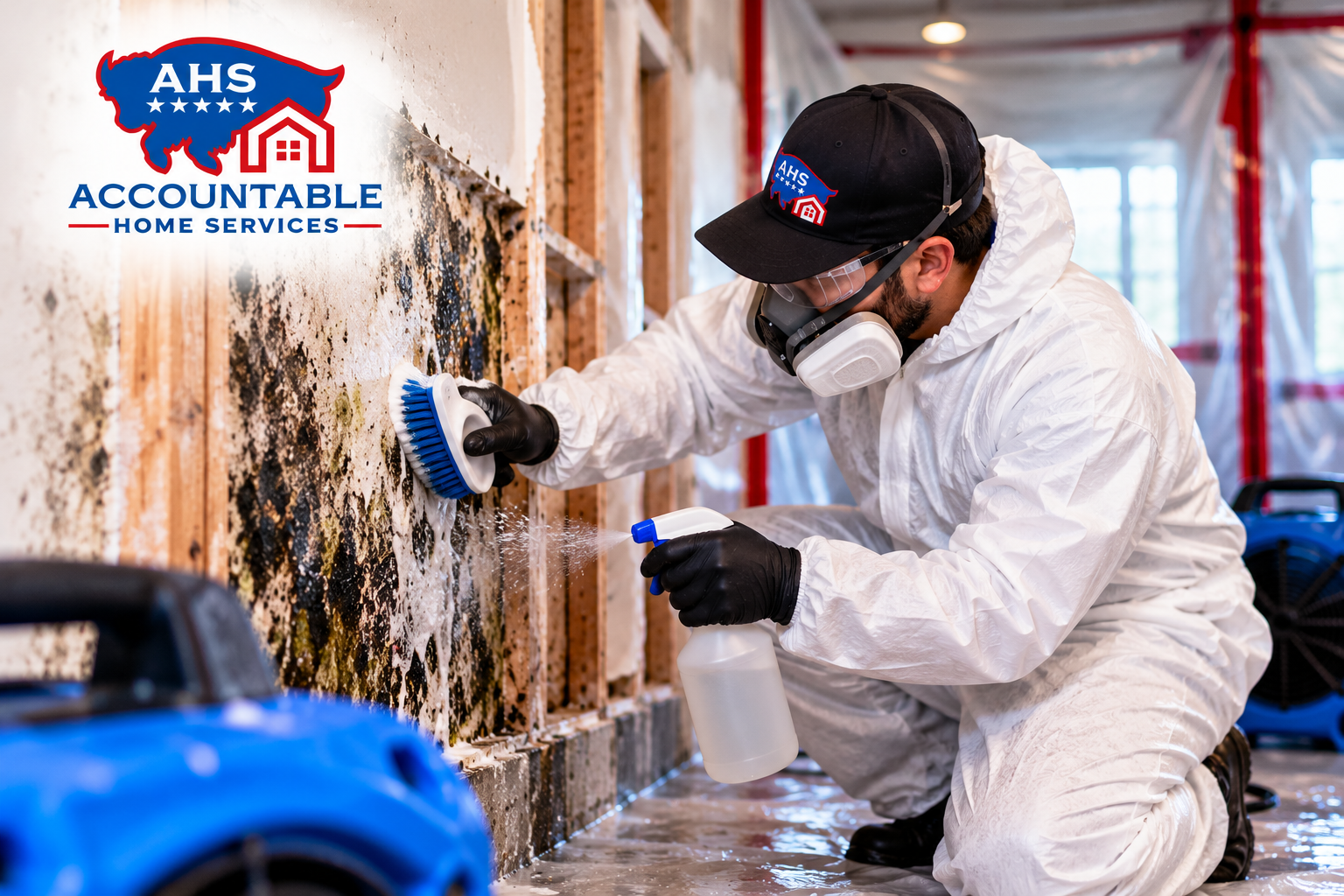
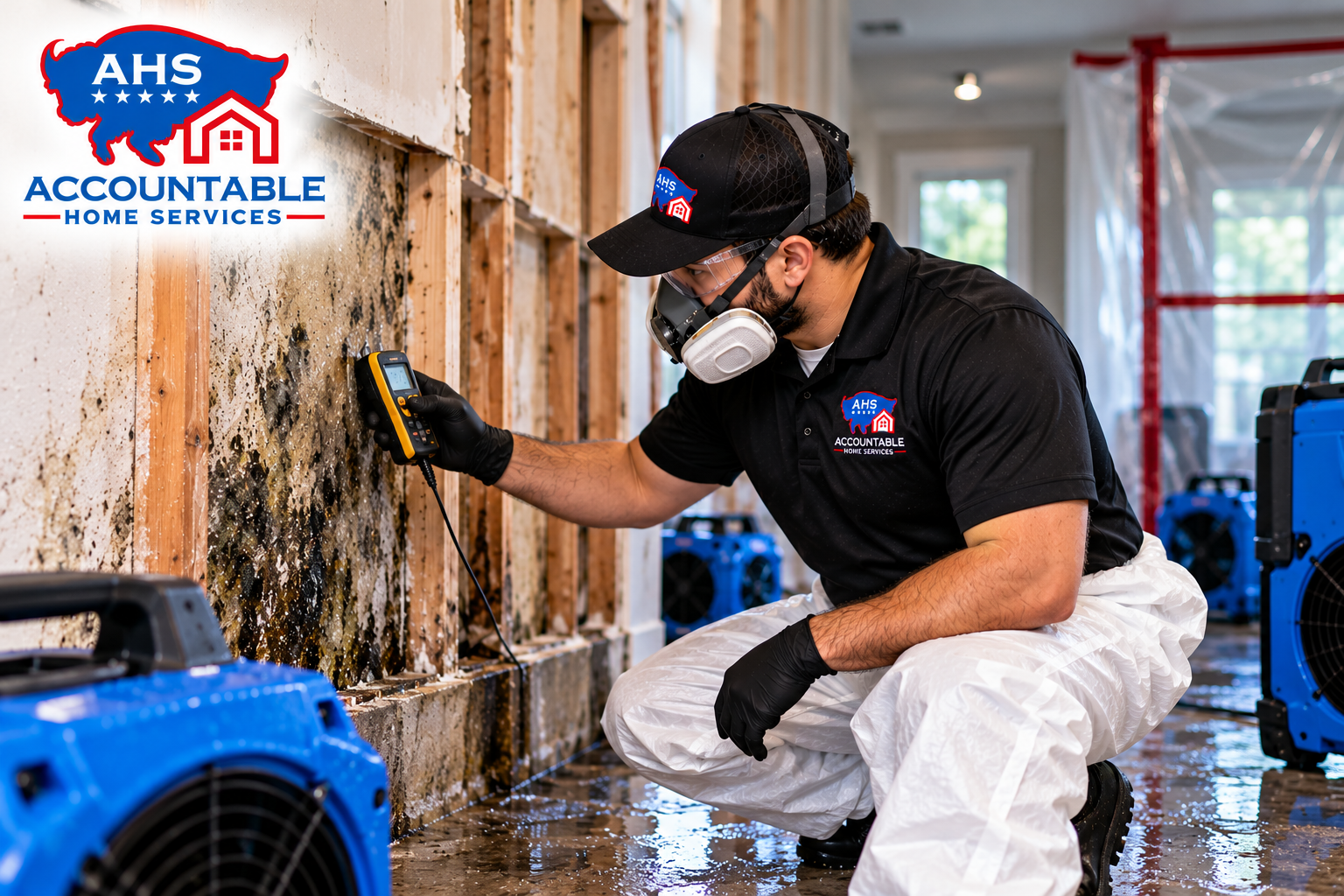
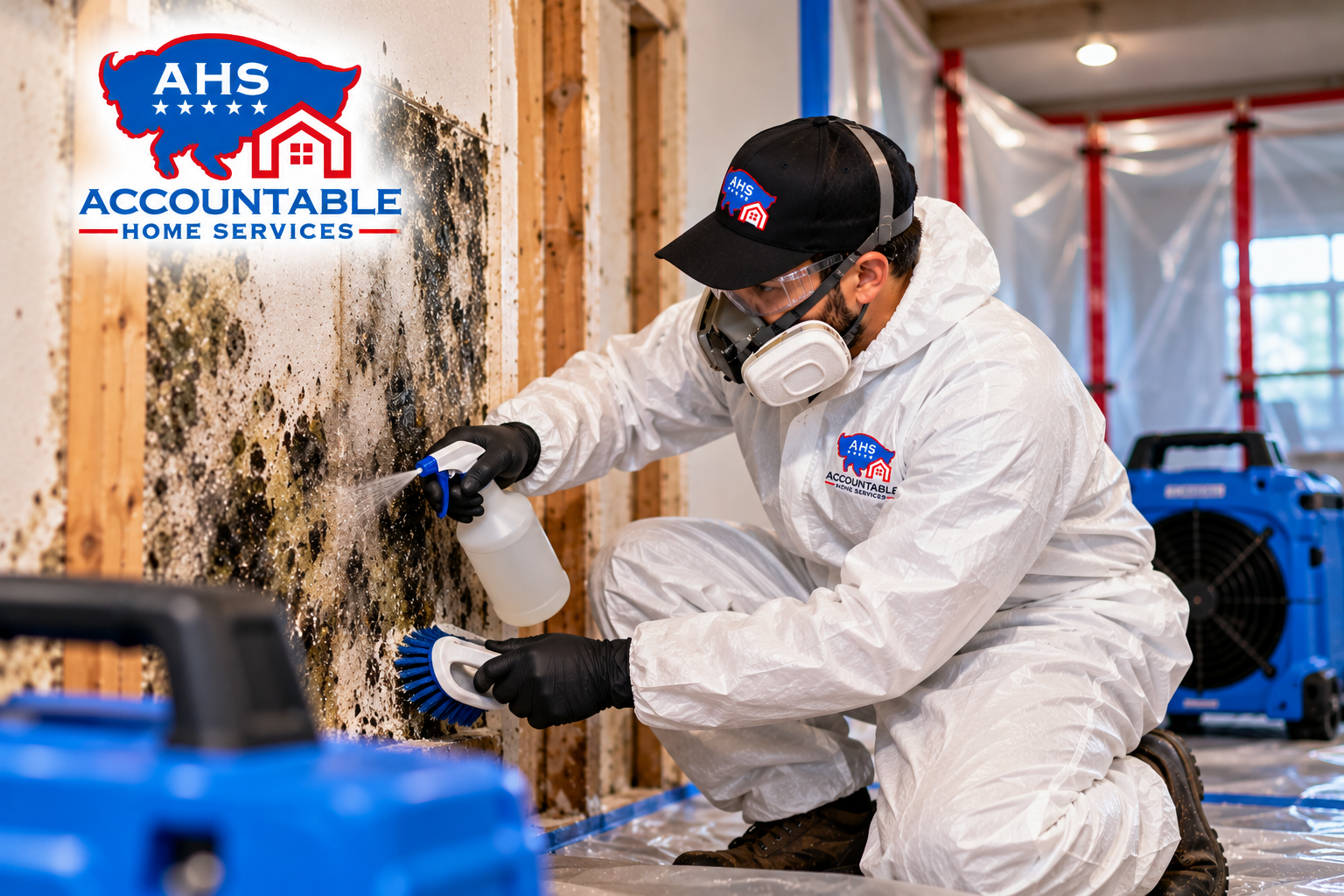
- Containment The affected area may be separated from clean areas using plastic barriers, closed doors, negative air equipment, or controlled access. The purpose is to reduce the chance of dust and mold particles spreading during removal.
- Handling porous materials Porous materials such as drywall, insulation, carpet pad, unfinished wood products, and some ceiling materials may need removal if they are heavily contaminated or stayed wet too long. Cleaning the face of drywall does not always solve hidden mold in walls if the backside or insulation is affected.
- Cleaning exposed surfaces Hard surfaces and remaining structural materials are cleaned using appropriate methods for the material and condition. This can include HEPA vacuuming, damp wiping, and targeted black mold treatment products used according to label directions.
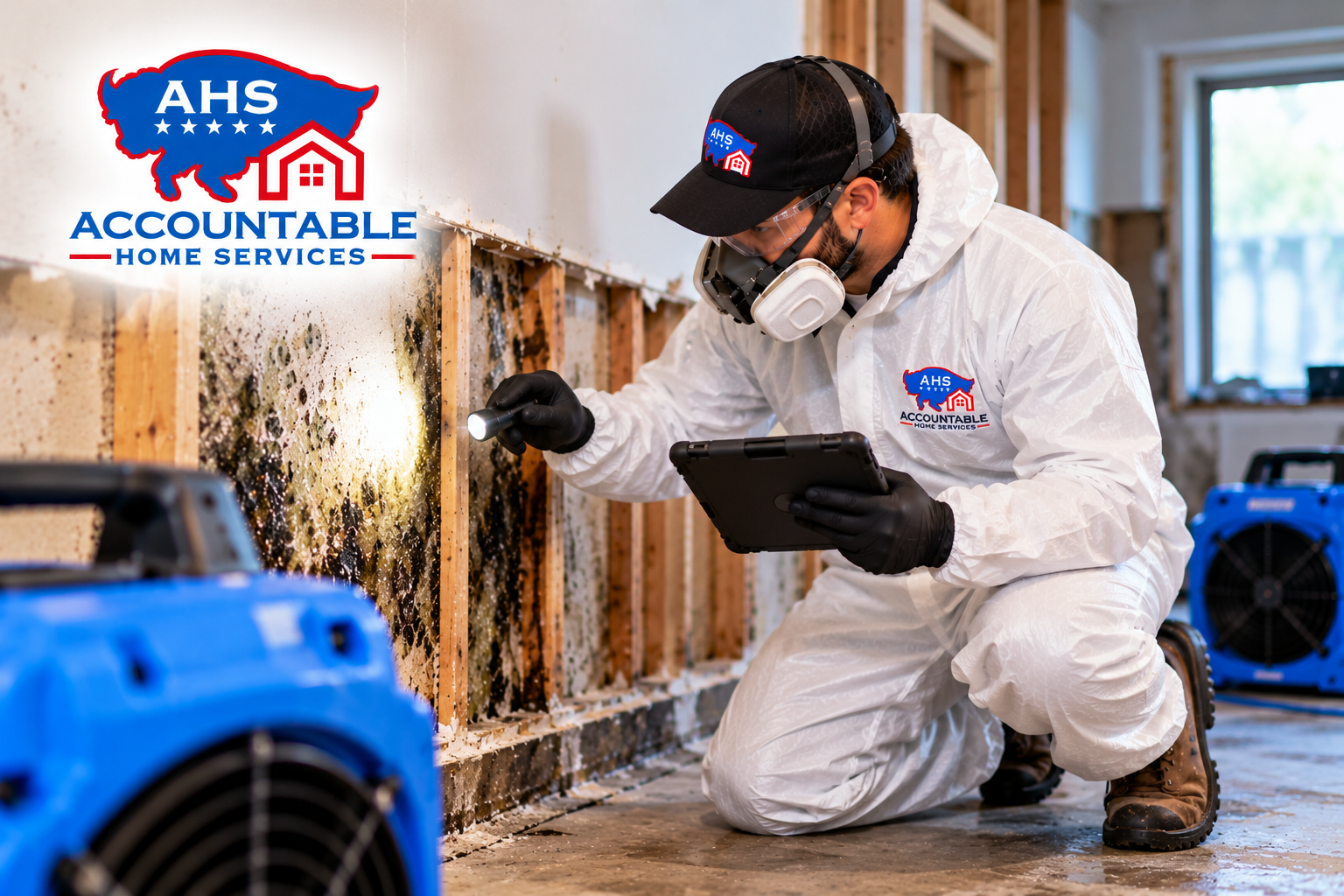
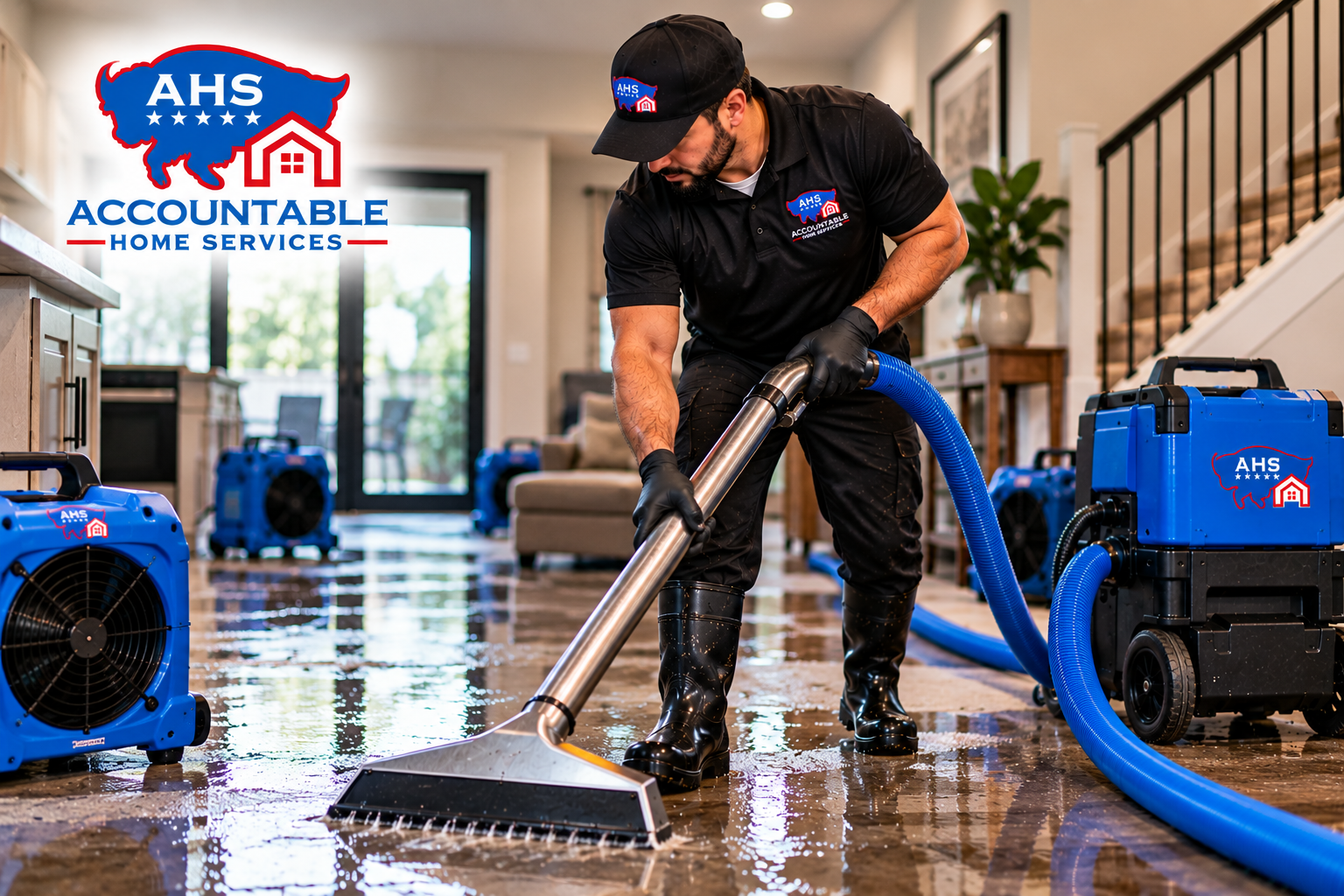
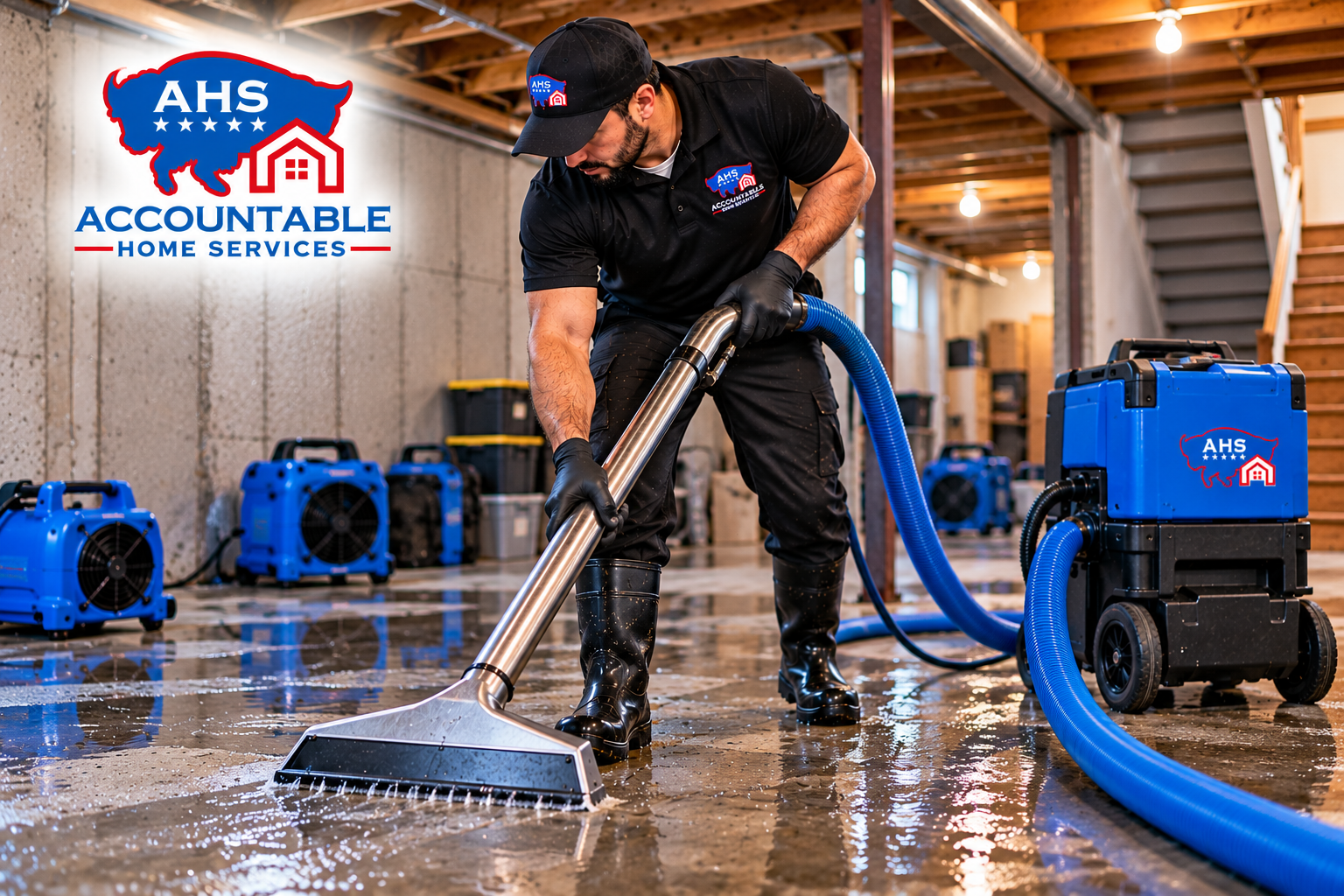
- Drying the area Air movers, dehumidifiers, and moisture control steps may be used to dry the structure. Drying matters because mold can return when materials remain damp, even if the visible growth has been removed.
- Verifying dryness Moisture readings help confirm that materials have returned to an acceptable dry condition. This step is important for homeowners, but it is also helpful for insurance claims, property managers, and referral partners who need a clear record of the work.
Small DIY cleanup can be reasonable in limited cases
Not every small spot needs a full remediation project. DIY cleaning may be reasonable when the mold is very small, limited to a hard non-porous surface, and clearly caused by a simple issue that has already been corrected. A small patch on bathroom tile grout or a tiny area around a window from short-term condensation may fall into this category.
Before cleaning, ask yourself these practical questions:
- Is the affected area small and isolated?
- Is the surface hard and easy to clean, such as tile, glass, or sealed material?
- Is there no musty odor in the room?
- Is there no history of flooding, sewage backup, or long-term leak in that area?
- Is the wall, floor, or cabinet still firm, dry, and unstained beyond the visible spot?
- Does the mold stay gone after normal cleaning and better ventilation?
If the answer is yes to these questions, careful cleaning and moisture control may be enough. Wear basic protection, avoid dry scraping, improve ventilation, and keep the area dry. If the mold returns, spreads, or appears on porous material, it is time to look deeper instead of repeating the same surface cleaning.
Signs mold may be behind walls or flooring
Hidden mold is a common concern after leaks because water often travels farther than the visible stain. A supply line leak under a sink can soak the cabinet base and wall cavity. A water heater leak can wet flooring layers. A basement wall leak can affect baseboards, drywall, insulation, and carpet pad before anyone sees obvious growth.
Watch for these signs that contamination may extend beyond the surface:
- A musty odor that remains after cleaning
- Paint bubbling, peeling, or staining
- Soft drywall, swollen trim, or warped baseboards
- Flooring that cups, buckles, separates, or feels spongy
- Mold returning in the same place after cleaning
- Visible growth along seams, corners, tack strips, or under cabinets
- Recent mold after water damage, especially if drying was delayed
- Damp readings from a moisture meter or areas that feel cool and clammy
When these signs are present, searching for “black mold removal near me” is often less about convenience and more about getting the right inspection quickly. Opening walls or pulling flooring without containment can spread contamination, so it is better to have a plan before disturbing materials.
Professional remediation protects the property and the claim process
Professional mold remediation is usually the safer and more complete approach when the affected area is larger than a small surface spot, when porous materials are involved, when the moisture source is unclear, or when documentation matters. This is especially true for rental properties, real estate transactions, commercial spaces, and insurance-related water losses.
A restoration professional can help by identifying affected areas, setting containment, using proper cleaning and drying equipment, and documenting conditions before, during, and after the work. That documentation can support communication between the homeowner, insurance agent, adjuster, property manager, plumber, and repair contractors. Clear photos, moisture readings, scope notes, and drying records can reduce confusion and help everyone understand what happened.
For referral partners, the right restoration company also protects the customer experience. Plumbers do not want a repaired leak to turn into a mold complaint later. Insurance agents do not want clients left guessing about the claim process. Property managers need fast updates so tenants and owners know the issue is being handled.
Local situations that often need mold cleanup in Louisville
Louisville properties can have a mix of finished basements, crawlspace concerns, older plumbing, newer appliances, and seasonal moisture patterns. Mold problems often show up where water has been present but not fully dried. The sooner moisture is controlled, the lower the chance that a water damage call becomes a larger remediation project.
Common calls include:
- Basement black mold after seepage, sump pump failure, or wet carpet pad
- Bathroom black mold from poor ventilation, repeated condensation, or hidden leaks
- Kitchen and laundry mold near dishwashers, ice maker lines, washing machines, and sink cabinets
- Mold after water damage when drywall, flooring, or insulation stayed wet too long
- Hidden mold in walls after pipe leaks, roof leaks, or exterior drainage problems
- Moisture damage mold around baseboards, trim, cabinets, and finished basement walls
Each situation needs the same calm first step: stop the moisture and assess the materials. From there, the cleanup can be scaled to the actual problem instead of guessing.
Get clear guidance before disturbing the area
If you are dealing with suspected black mold in Louisville, do not start tearing out walls or flooring without understanding the moisture source and possible spread. Take photos, note when the issue was discovered, stop the water if you can, and keep people away from the affected area when conditions look significant.
For homeowners, agents, plumbers, and property managers, The Local Restoration Guide is here to make the next step easier to understand. If the issue is small and truly on the surface, you may only need careful cleaning and better moisture control. If there is water damage, odor, recurring growth, or possible hidden contamination, professional mold removal Louisville CO help can provide a safer process, clearer documentation, and a more complete path back to normal.