How Much Does Mold Remediation Cost in Aurora, CO? What Homeowners Should Expect
How Much Does Mold Remediation Cost in Aurora, CO? What Homeowners Should Expect
Mold remediation for an Aurora home needs an inspection-based estimate, but national pricing offers a starting point: HomeGuide lists an average project range of $1,500–$6,000, with extensive projects costing more. These are national benchmarks, not verified Aurora rates or a quote for your property. The Local Restoration Guide explains what drives the bill, what remediation should include, and how to compare estimates without overlooking moisture repairs or reconstruction. (homeguide.com)
How much does mold remediation cost in Aurora, CO?
There is no fixed mold remediation cost in Aurora, CO. Your price depends on the affected area, the materials involved, access, and the work needed to correct moisture and restore damaged finishes. A small, accessible problem and contamination behind finished walls require different budgets. (homeguide.com)
Use these published national ranges for early planning—not as local price guarantees:
Project scope
National planning range
Small affected area, approximately 10–100 square feet
$500–$1,500
Medium affected area, approximately 100–300 square feet
$1,500–$6,000
Large affected area, approximately 300–1,000 square feet
$6,000–$15,000
Very large or whole-home project
$15,000–$30,000
These HomeGuide ranges describe affected areas, not the home's total floor space. Testing, leak repairs, and rebuilding can add to the overall budget; confirm what each estimate includes. (homeguide.com)
For an Aurora homeowner, the useful number is a written estimate tied to inspected conditions. Ask the contractor to distinguish confirmed damage from areas that may need further investigation. That gives you a clearer basis for approval than a phone estimate based only on room size.
What your mold remediation payment covers
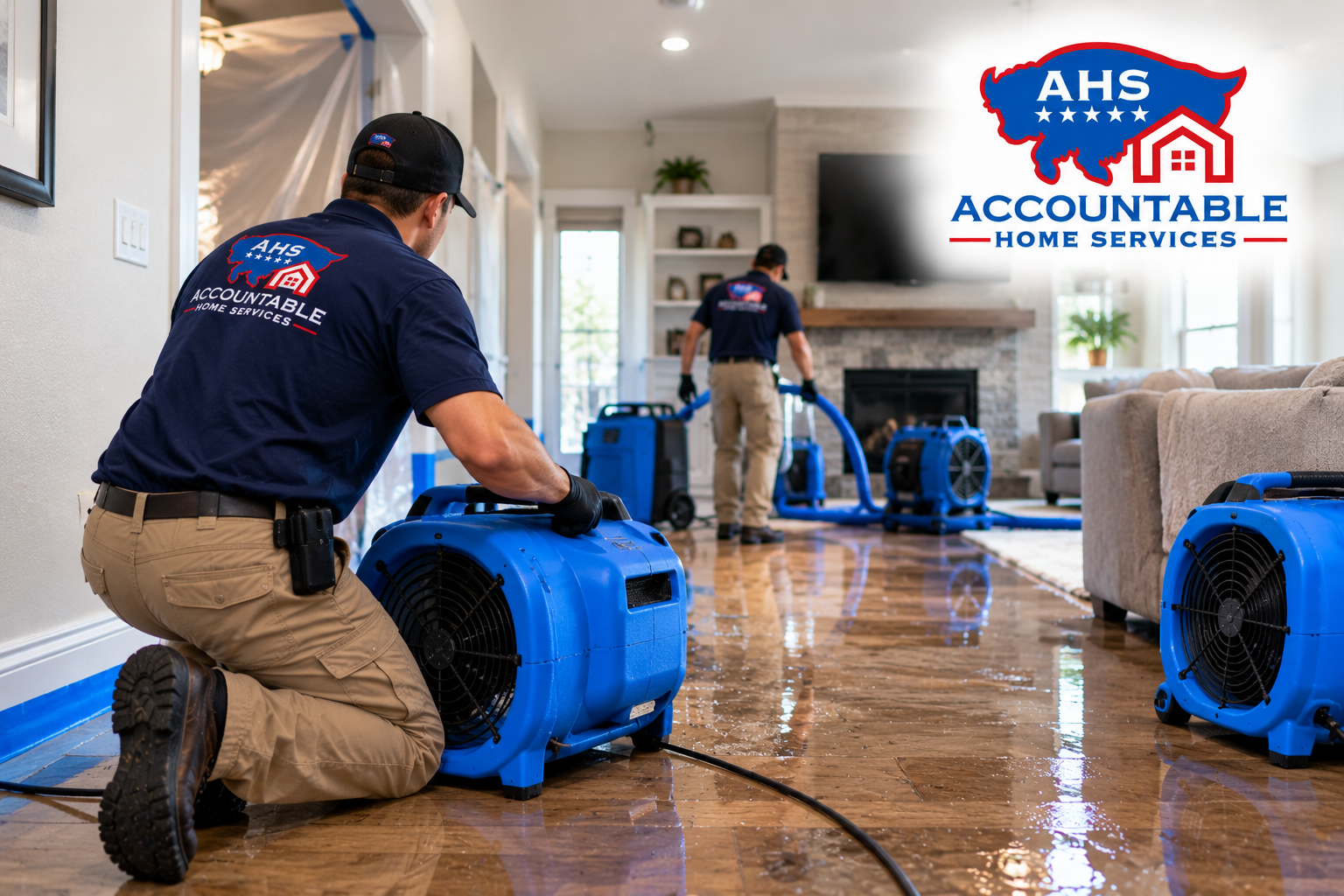
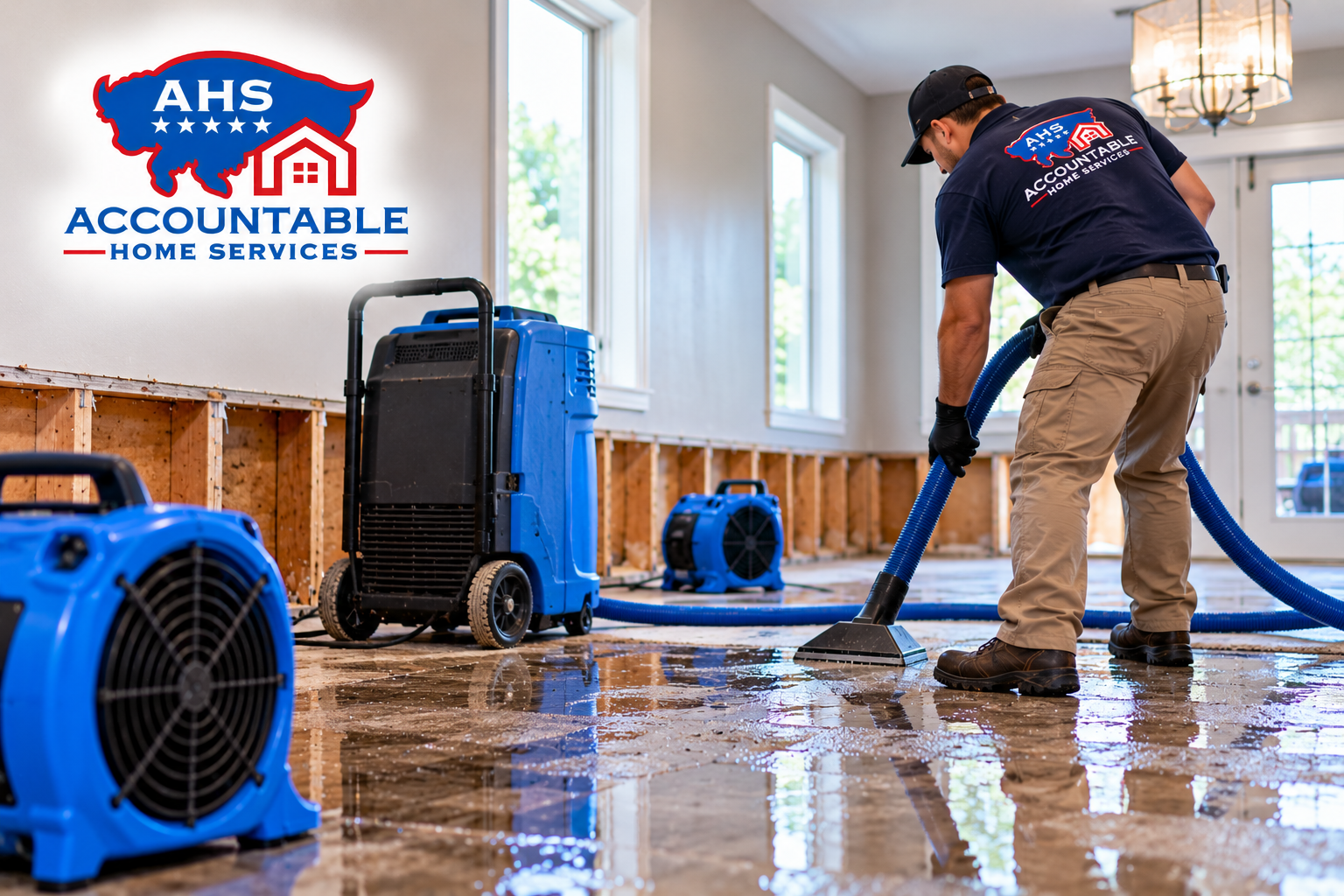
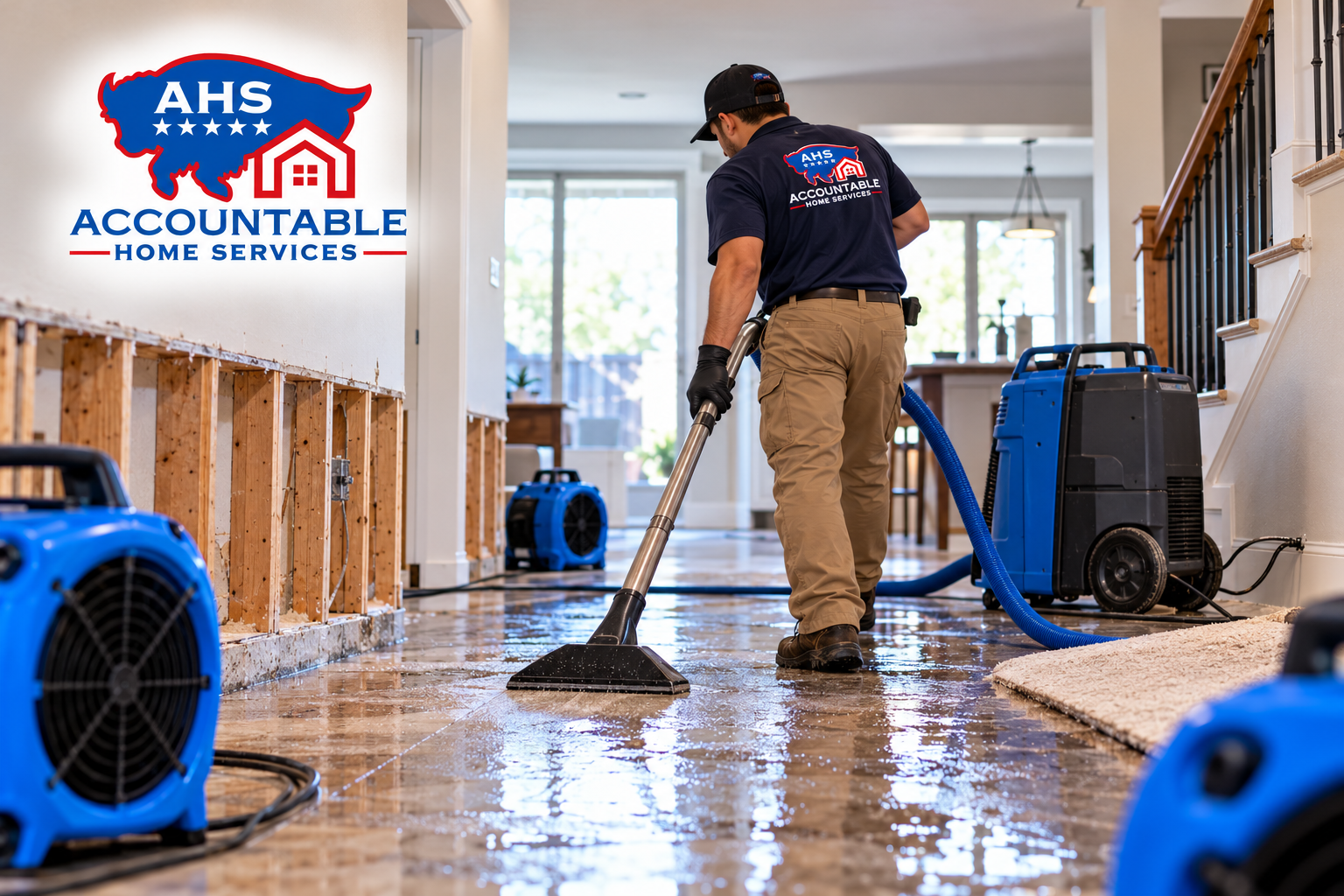
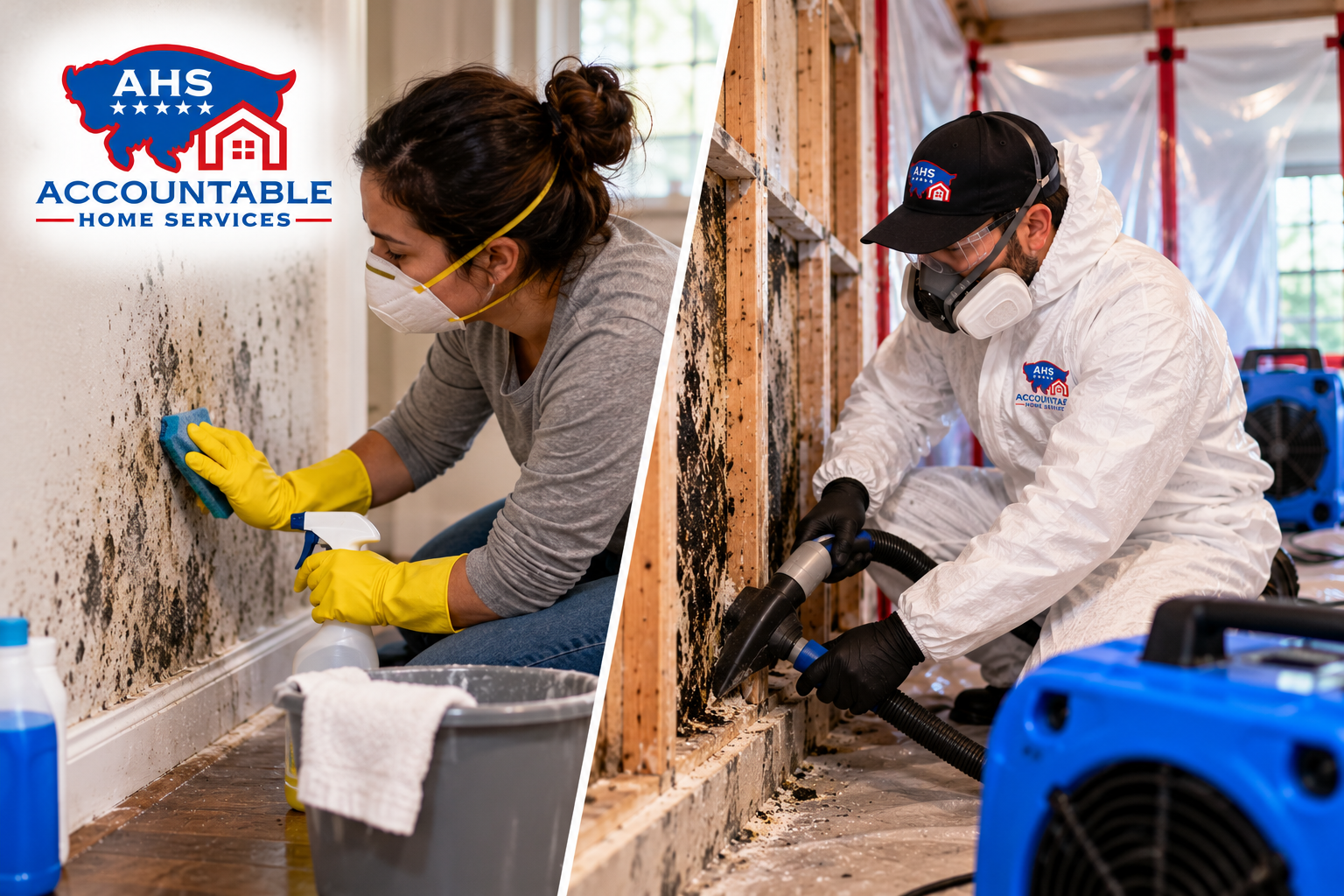
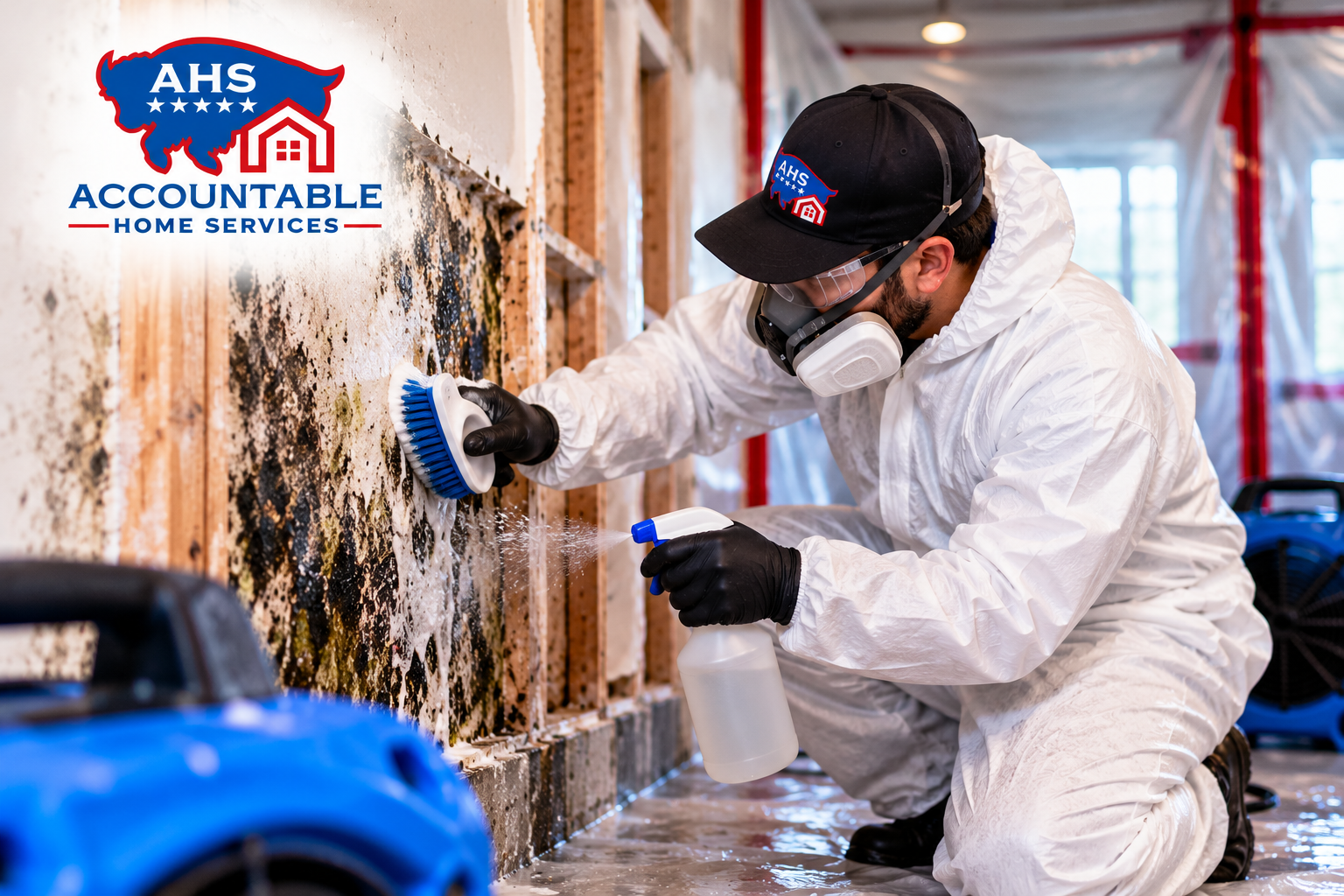
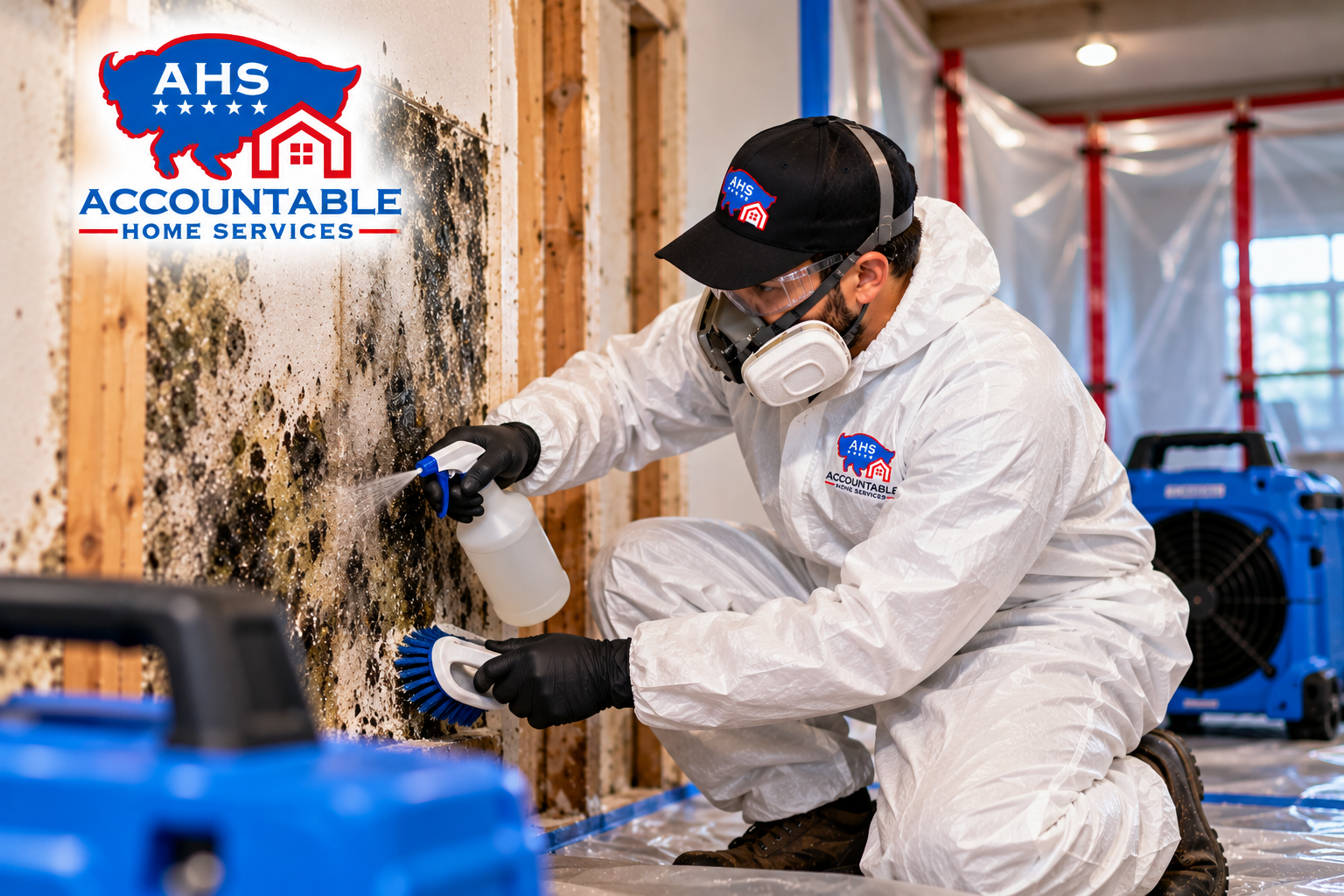
Professional mold remediation is more than cleaning visible mold. Depending on conditions, the work includes containment, removal of contaminated materials, cleaning salvageable surfaces, drying the structure, and correcting the moisture problem to reduce recurrence. EPA guidance treats moisture correction and removal—not simply killing mold—as central parts of remediation. (epa.gov)
Your overall project budget should account for that full process, even when different contractors handle separate parts. Ask who repairs the leak, who documents drying, and who replaces removed drywall. Do not assume those services are included because a proposal uses the word “remediation.”
A low mold treatment cost deserves questions if the proposal only describes spraying. EPA notes that dead mold can still cause allergic reactions, so killing mold does not replace removing contamination. Painting over growth is not a substitute for cleanup and moisture correction. (epa.gov)
Factors that change the final price
Pricing varies because the work varies. EPA remediation guidance bases cleanup methods and protection measures on affected materials, contamination size, and exposure concerns. The following factors explain why two homes with similar-looking stains may need different scopes. (epa.gov)
Area, location, materials, and access
Factor
How it affects cost
Size of affected area
More contaminated surface generally means more labor, supplies, and debris to handle.
Location of mold
Growth inside walls, above ceilings, or around building systems requires more involved work than an exposed surface.
Type of materials
Some hard surfaces can be cleaned; contaminated porous materials may require removal and replacement.
Accessibility
Tight spaces, obstructed work areas, and difficult entry points increase setup and labor time.
These differences affect both removal and restoration costs. Ask whether the estimate measures only visible growth or includes investigation of suspected concealed damage. (homeguide.com)
Containment, demolition, cleaning, and disposal
Containment separates the work zone from unaffected rooms. Larger or more complicated enclosures require additional setup, materials, and equipment; EPA also notes that heavy growth in a small area can warrant stronger containment. Size alone does not determine the protection needed. (epa.gov)
Demolition adds labor when workers must remove drywall, insulation, cabinets, or flooring. Cleaning adds time for treating salvageable surfaces and performing detailed final cleanup. Disposal adds packaging, handling, hauling, and waste charges; contaminated debris should be sealed before leaving the work area to limit spread. (homeguide.com)
Moisture correction, drying, and reconstruction
The moisture source changes the budget. A repairable plumbing leak presents a different scope from recurring water entry that needs drainage or building repairs. These corrections may be quoted separately, but leaving the source unresolved undermines cleanup. (epa.gov)
Drying also adds equipment and monitoring costs. Wet cavities or layered flooring can require more involved drying than exposed surfaces. Reconstruction then adds a separate expense for replacing removed materials, finishing walls, painting, and restoring flooring—so request both the remediation price and the expected rebuild scope. (epa.gov)
Bathroom, basement, and hidden mold costs
Bathroom mold removal cost depends on whether the problem is on an accessible surface or involves wet materials behind finishes. For comparison, HomeGuide publishes a national bathroom range of $500–$2,000, while noting that plumbing damage and material replacement increase costs. A bathroom label alone does not establish the scope. (homeguide.com)
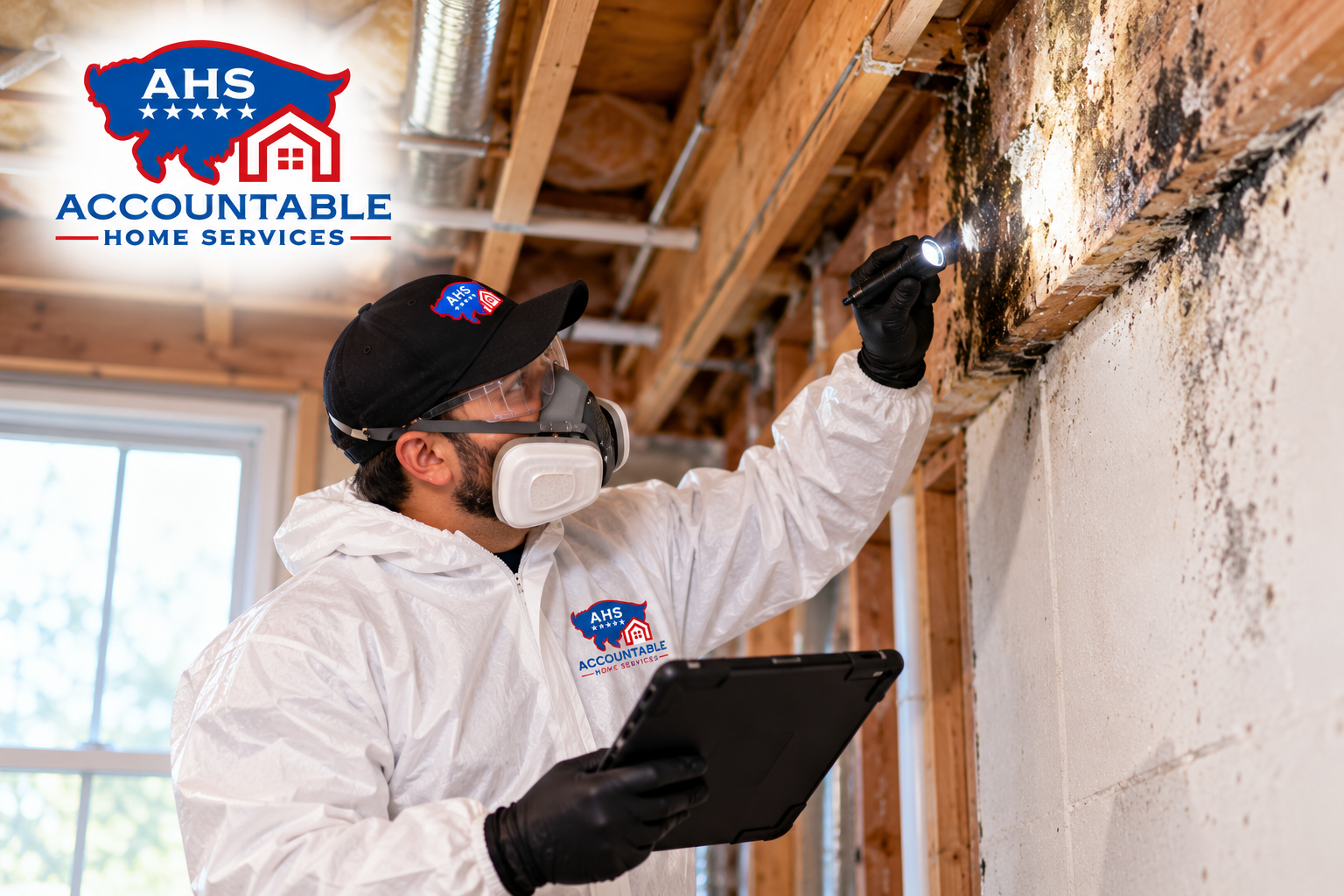
Basement mold remediation can involve wall finishes, flooring, insulation, and moisture entry. For hidden mold removal, investigation may reveal contamination beyond the original visible patch. EPA advises caution when disturbing suspected concealed growth because opening materials can release spores. (epa.gov)
Ask how newly discovered damage will be documented and priced before additional work proceeds. Request photographs and a written change order rather than an unexplained increase on the final invoice. Agree on who can authorize changes, especially for a managed rental property.
Black mold removal cost should not be presented as an automatic surcharge based only on color. CDC states that color does not establish whether mold is more or less dangerous and that toxin-producing molds should be addressed like other indoor mold. Ask contractors to explain the actual work supporting their price. (cdc.gov)
Do you need mold testing before remediation?
Not always. EPA says sampling is usually unnecessary when visible mold growth is present, and no federal limits exist for acceptable mold-spore levels. Testing should answer a defined question rather than automatically precede every cleanup. (epa.gov)
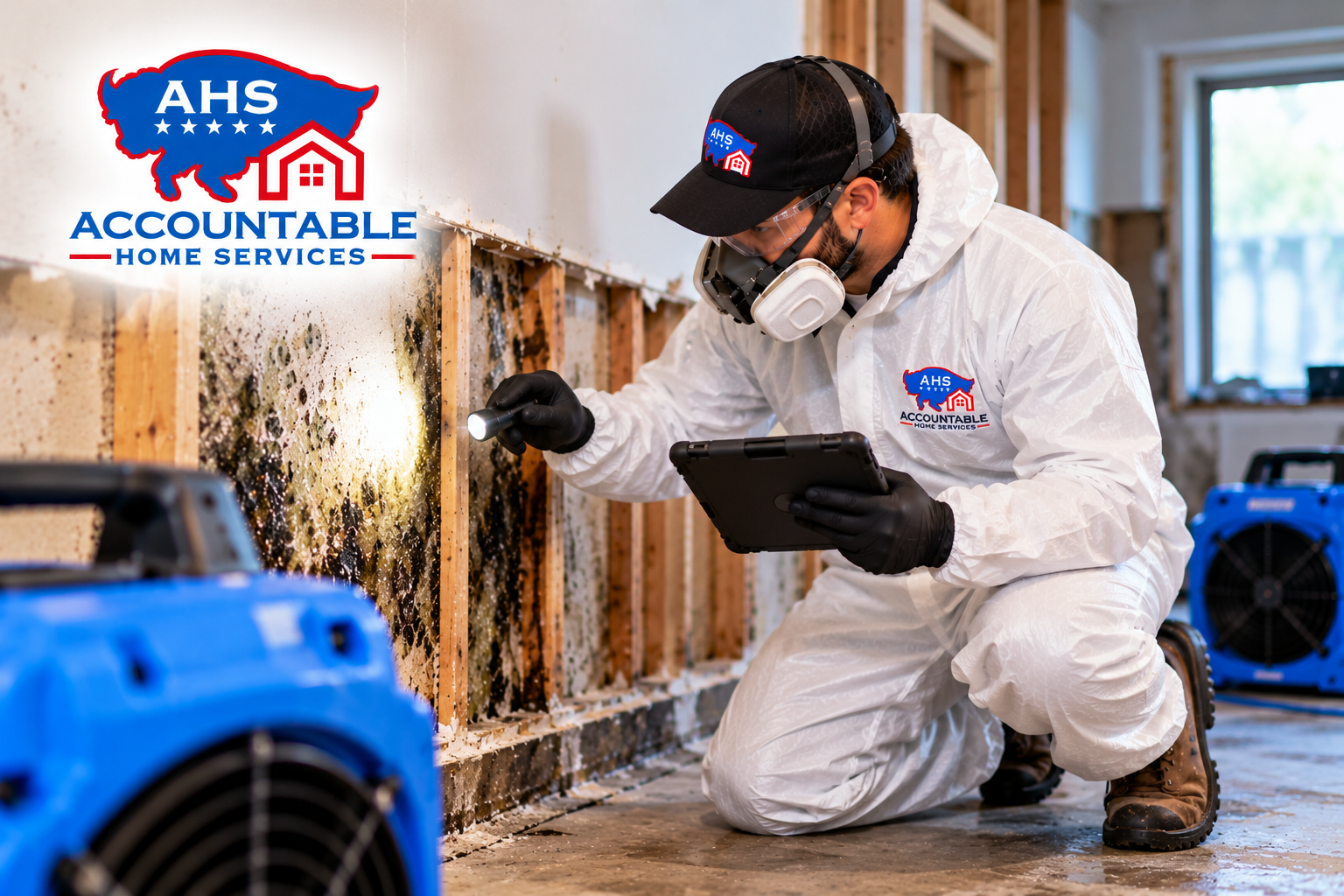
When arranging a mold inspection in Aurora, ask whether the service includes a visual assessment, moisture investigation, sampling, or a written report. If you are comparing mold testing in Aurora, CO, request an explanation of what samples would establish and how results would change the plan. Also clarify whether post-remediation assessment is included, separately priced, or recommended for your situation.
What to do when you find mold after water damage
Start by addressing the water source when it is safe. EPA recommends drying water-damaged areas within 24–48 hours to help prevent mold growth. Once growth is suspected, avoid opening walls or disturbing materials just to investigate on your own. (epa.gov)
Use this checklist:
- Stop ongoing water entry safely. Arrange plumbing or building repairs as appropriate.
- Document visible conditions. Photograph affected rooms and materials before cleanup when safe.
- Request an assessment. Ask about moisture, concealed damage, and the proposed work boundaries.
- Save records. Keep repair invoices, estimates, photographs, and cleanup receipts together.
These steps support moisture control and create a useful record of the damage and response. (epa.gov)
EPA says homeowners can often handle mold areas under about 10 square feet, but extensive water damage, contaminated water, or suspected HVAC involvement calls for additional guidance. The size threshold is not a guarantee that every small problem is suitable for DIY cleanup. (epa.gov)
Insurance documentation and estimate comparison
Do not assume insurance will pay the mold cleanup cost. NAIC notes that homeowners policies often exclude mold damage; your insurer must review the policy and circumstances. Documentation supports review, but it does not guarantee coverage. (content.naic.org)
Ask your agent or adjuster about applicable exclusions, limits, deductibles, and documentation needs. Request a project file containing photographs, the reported water source, moisture readings, drying records, itemized work, and approved changes. For a plumber's referral or a property manager's handoff, identify who will update the homeowner, tenant, owner, and adjuster.
Before selecting mold remediation in Aurora, CO, compare written scopes—not just totals. Confirm containment, removal, cleaning, drying, disposal, moisture repairs, and reconstruction responsibilities. The Local Restoration Guide's recommendation is straightforward: choose a clearly explained plan that addresses why materials became wet, not simply the lowest price for making visible mold disappear.