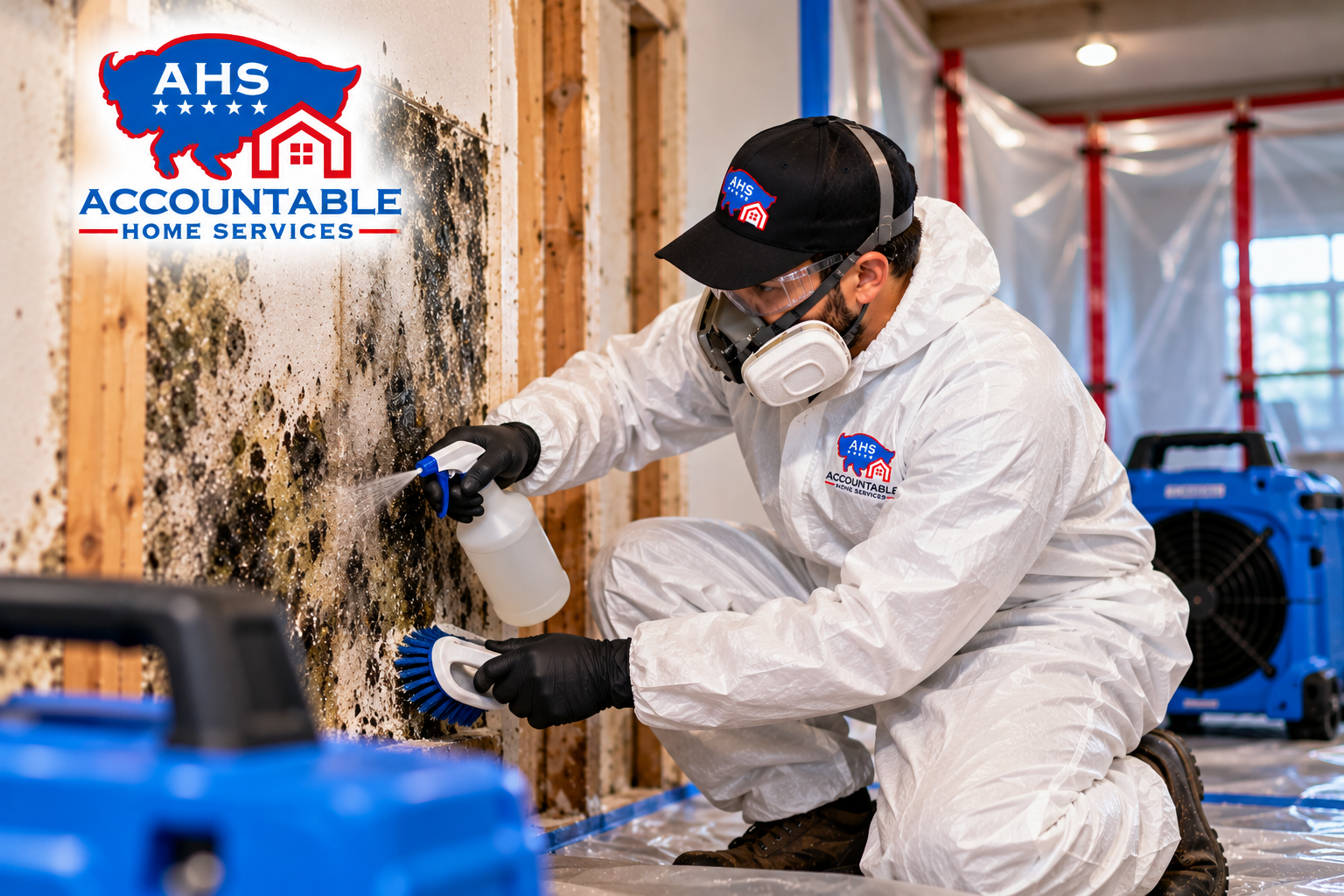
Mold Test Kits in Highlands Ranch, CO: Do They Really Work?
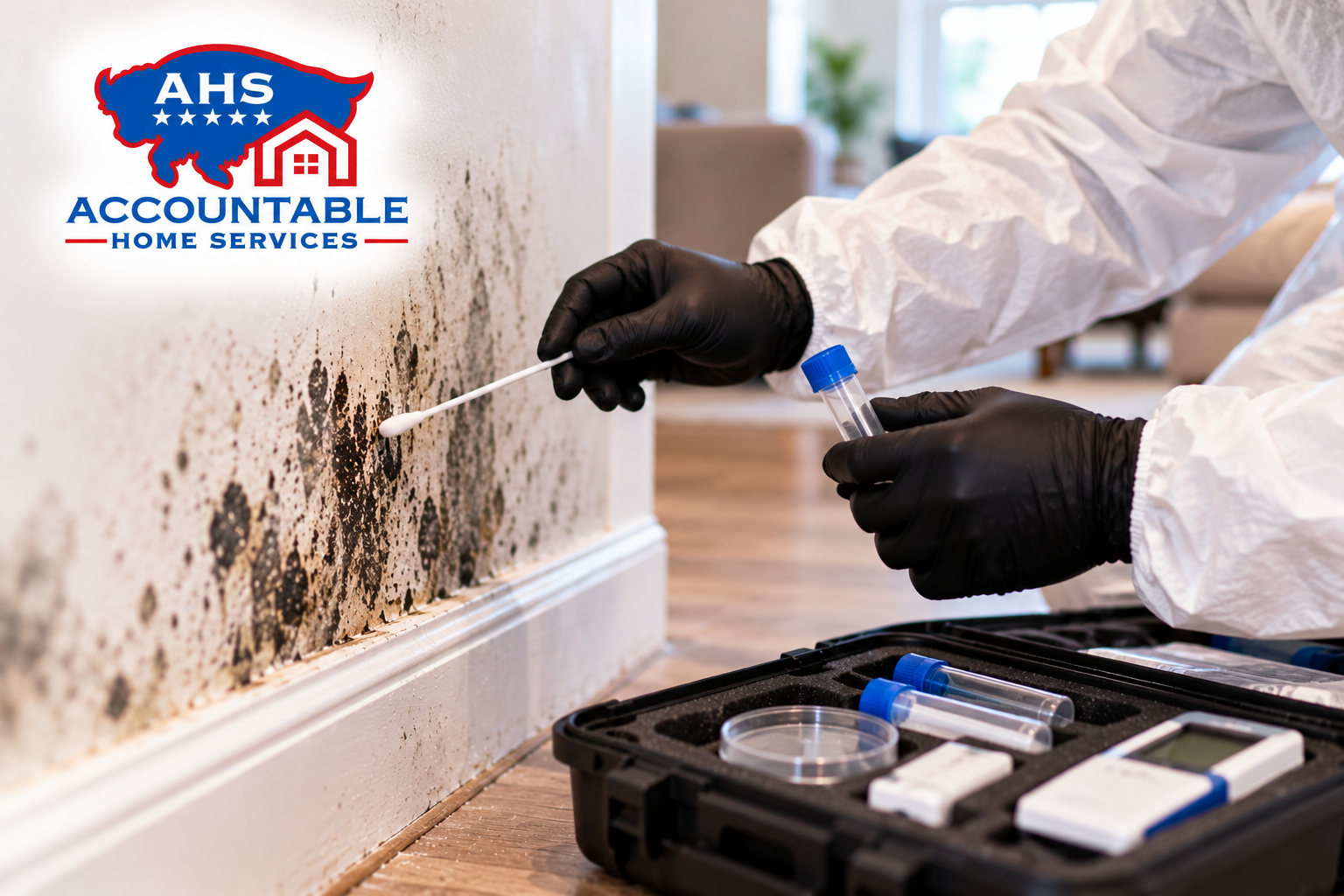
Mold Test Kits in Highlands Ranch, CO: Do They Really Work?
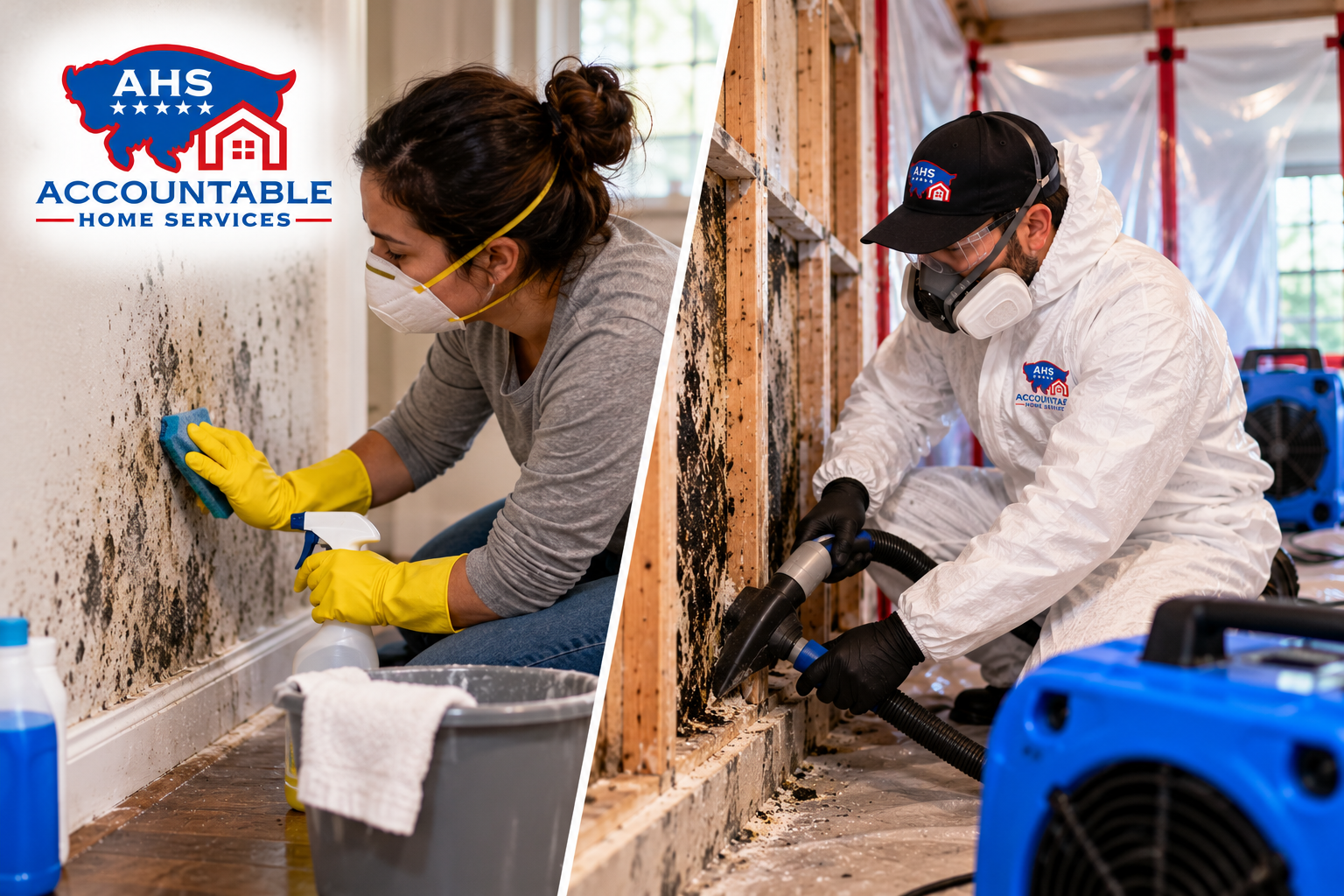
A mold test kit can detect mold in a collected sample, but it cannot, by itself, locate hidden growth or determine whether your home needs remediation. For Highlands Ranch homeowners, the useful starting point is usually an investigation of moisture and material damage—not routine sampling. The Local Restoration Guide explains where DIY testing fits, what results mean, and when an inspection deserves priority. (med.navy.mil)
Do DIY mold test kits reliably detect hidden mold?
A DIY mold test may detect spores without revealing whether mold is growing behind drywall, beneath flooring, or inside another concealed area. Mold spores occur naturally indoors and outdoors, so a positive result does not automatically identify a building problem or pinpoint its source. Likewise, a negative short-term sample cannot rule out hidden growth. (med.navy.mil)
Home mold testing becomes easier to evaluate when you separate four different tasks:
- Spore detection: Establishing that mold particles were collected from the air or a sampled surface.
- Moisture identification: Finding the leak, condensation, or other water source that permits growth.
- Hidden growth location: Determining which concealed surfaces or building materials are affected.
- Remediation assessment: Evaluating the extent of growth and material damage to decide what requires cleaning, removal, or further investigation. (epa.gov)
A consumer mold detection kit primarily addresses the first task. A building investigation connects the others. Before purchasing a home mold test, ask what decision its result would change; if you already see mold beside a leaking pipe, identifying the mold type usually adds little to the immediate repair plan. (epa.gov)
Common sampling methods and their limitations
Sampling methods collect different evidence. A swab from a bathroom wall and an air sample from a bedroom are not interchangeable, and neither describes every concealed surface in the home. The method should follow the investigation’s purpose rather than determine it. EPA recommends experienced professionals design sampling plans and interpret results. (epa.gov)
Settling plates and a mold air test
Petri-dish kits collect particles that settle onto growth medium. Colonies show that organisms capable of growing under those conditions reached the plate; they do not establish a health-based exposure level or show where the organisms originated. Home culture plates therefore should not be treated as whole-house assessments. (med.navy.mil)
Pump-based air sampling collects airborne material for analysis, but its usefulness still depends on placement, timing, and interpretation. Outdoor comparison samples can provide context, not a universal pass-or-fail threshold. CDC’s occupational health guidance does not recommend routine mold air sampling and warns that short-term results may not represent actual conditions. (msdh.ms.gov)
Surface swabs, tape lifts, and material samples
Surface sampling examines a selected spot. It may help distinguish suspected growth from another substance, while bulk sampling examines a piece of material. Neither establishes the condition of unsampled rooms or wall cavities. (epa.gov)
For mold sample testing that requires mailing, follow the laboratory’s collection, labeling, packaging, and registration instructions exactly. Confirm whether analysis is included in the purchase price and whether each sample carries a separate fee. Avoid cutting into suspect materials simply to obtain a sample; disturbing hidden growth can spread spores. (prolabinc.com)
What do positive and negative results actually mean?
A positive result means mold was detected in the submitted sample under that method’s conditions; it does not establish the source, extent, or health significance of indoor growth. A negative result means the method did not detect mold in that sample—not that every building material is unaffected. There are no federal mold-spore limits that turn a residential result into a universal safety determination. (epa.gov)
Laboratory analysis may identify mold types, but that added detail does not replace inspection. Be cautious about reports that reduce the property to a single “safe” or “unsafe” label without explaining observations, sampling limitations, and moisture conditions. CDC does not recommend home mold testing as a way to predict whether someone will become sick. (epa.gov)
A product advertised as a black mold test kit does not resolve those limitations. Color alone does not identify mold, and finding a particular type does not eliminate the need to correct moisture and remove growth appropriately. Health concerns belong with a healthcare professional, not a kit’s interpretation chart. (epa.gov)
Turnaround time and total cost
Timing varies by method and laboratory. For example, PRO-LAB’s instructions call for checking culture growth after 48 hours and again later; laboratory identification follows a separate submission process. These are different milestones, so visible colonies are not the same as a completed analytical report. (prolabinc.com)
When comparing a mold test kit in Highlands Ranch, CO, calculate the kit, laboratory fees, shipping, and any additional samples. Ask when turnaround begins and whether interpretation is included. Compare that total with an inspection addressing the actual moisture concern rather than assuming more samples will deliver a clearer answer. (prolabinc.com)
Moisture conditions deserve priority in Highlands Ranch
For a Highlands Ranch property, focus on the building’s water history rather than assuming regional conditions prevent indoor mold. Plumbing leaks, rain or snow intrusion, irrigation water, and condensation can introduce moisture into susceptible materials. Colorado public-health guidance from Boulder County emphasizes repairing water intrusion and drying materials promptly rather than relying on routine testing. (bouldercounty.gov)
Consider this practical scenario: a plumber repairs a supply-line leak beneath a kitchen sink, but the cabinet base and adjacent wall remain damp. The plumbing repair stops new water; it does not establish that surrounding materials have dried or that concealed damage is absent. A moisture assessment answers a more useful question than leaving a petri dish nearby. (epa.gov)
When concerned about mold after water damage, do not postpone drying while waiting for results. EPA advises drying wet materials within 24–48 hours where possible to help prevent growth. That timeframe is a prevention goal, not proof that every later-dried material contains mold. (epa.gov)
When should professional inspection replace DIY testing?
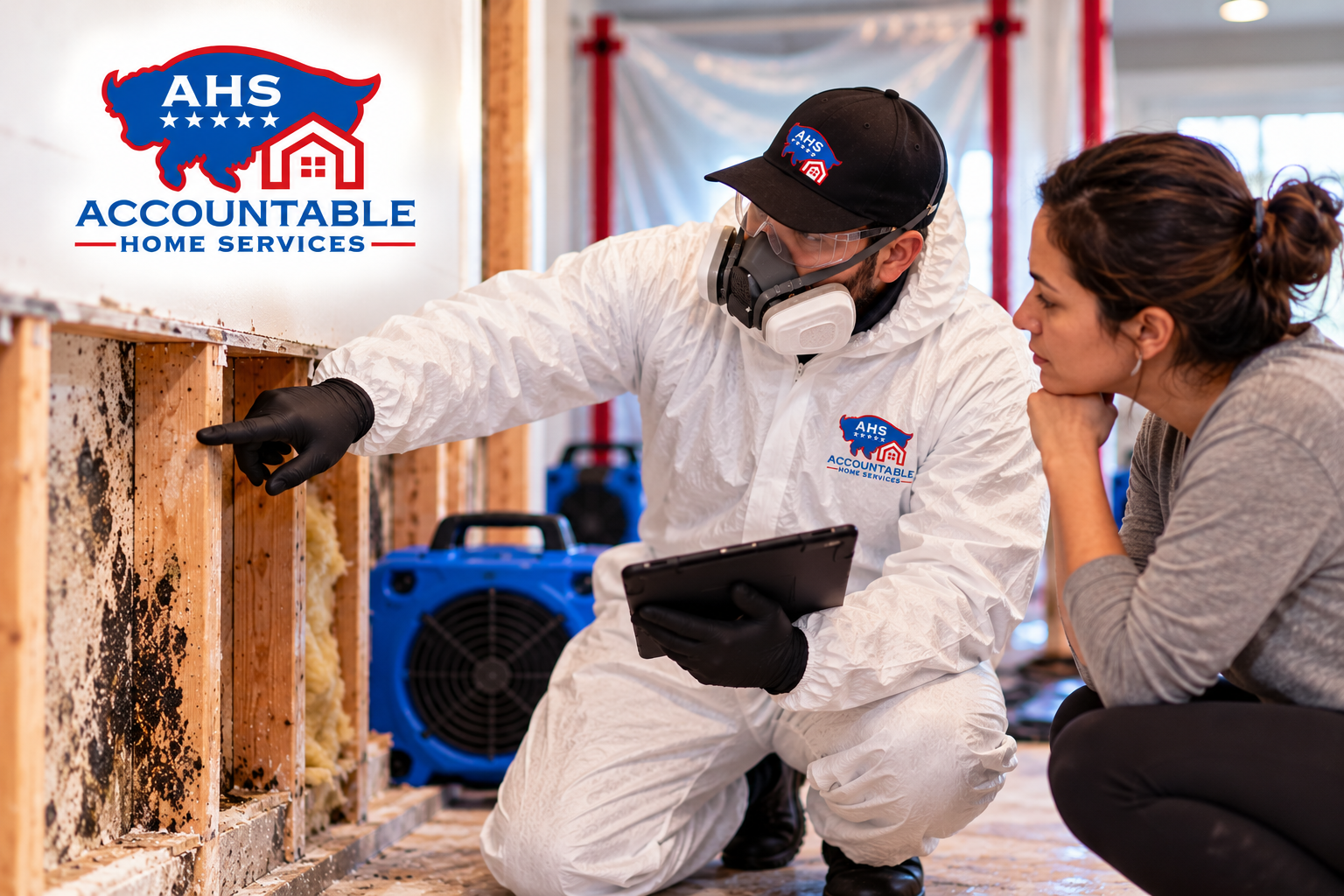
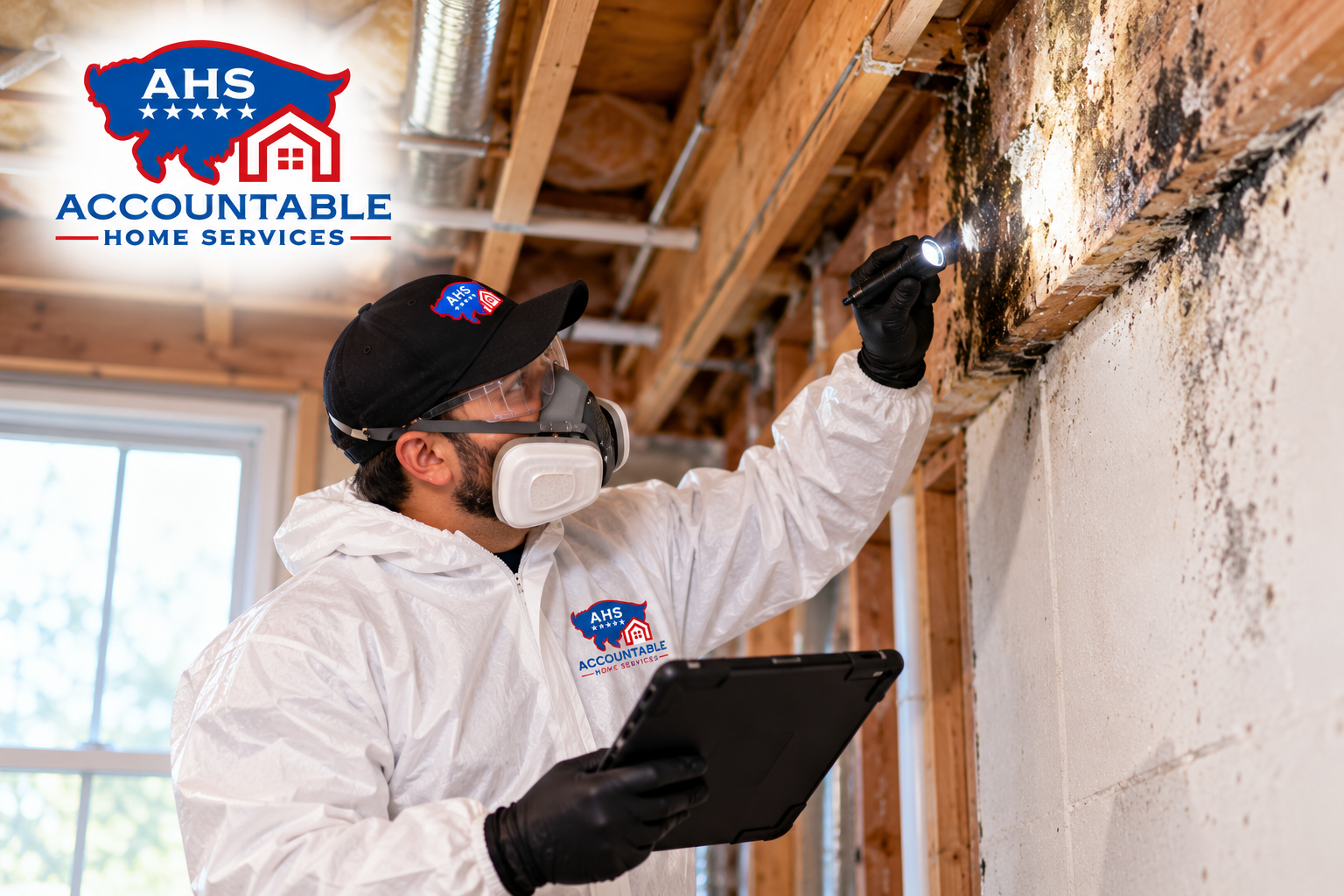
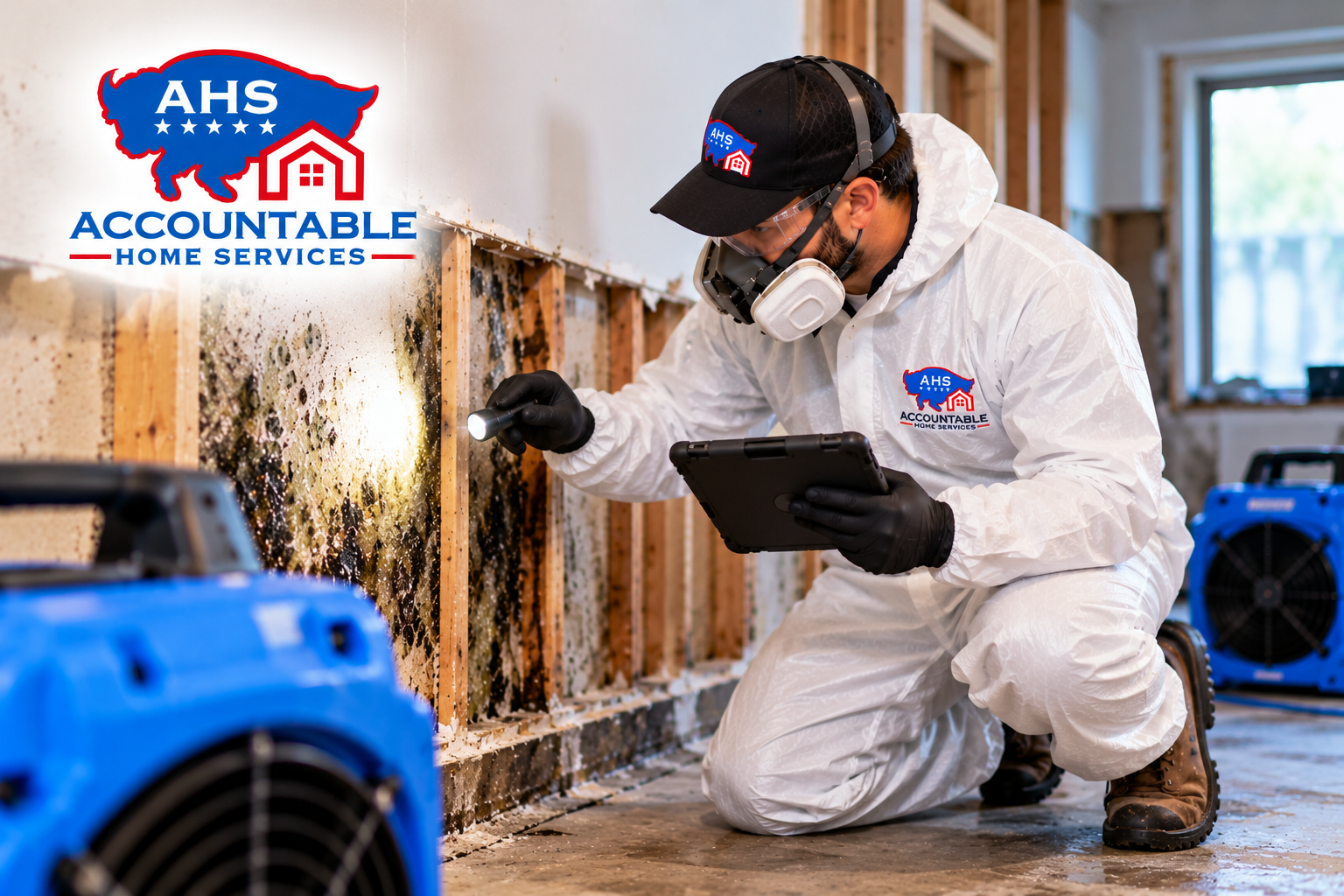
Professional inspection is preferable when the source or extent of a suspected problem remains unclear, especially with persistent musty odors, recurring growth, or water-damaged concealed assemblies. Hidden mold testing is most useful when targeted sampling supports a building investigation—not when a collection of samples substitutes for one. EPA advises considering an experienced professional when hidden growth is suspected. (epa.gov)
When arranging mold testing in Highlands Ranch, describe the leak history, affected rooms, odors, previous repairs, and known drying work. Ask the inspector to explain what each proposed sample would establish. Professional mold testing should answer a defined question and include interpretation, not simply produce a laboratory spreadsheet. (epa.gov)
Use these questions when comparing mold inspection services in Highlands Ranch:
- How will you investigate the moisture source and concealed damage?
- What observations would justify sampling, and what decision would the results change?
- Will the report distinguish observed growth, moisture findings, and laboratory results?
- What conditions will determine whether cleanup is complete? (epa.gov)
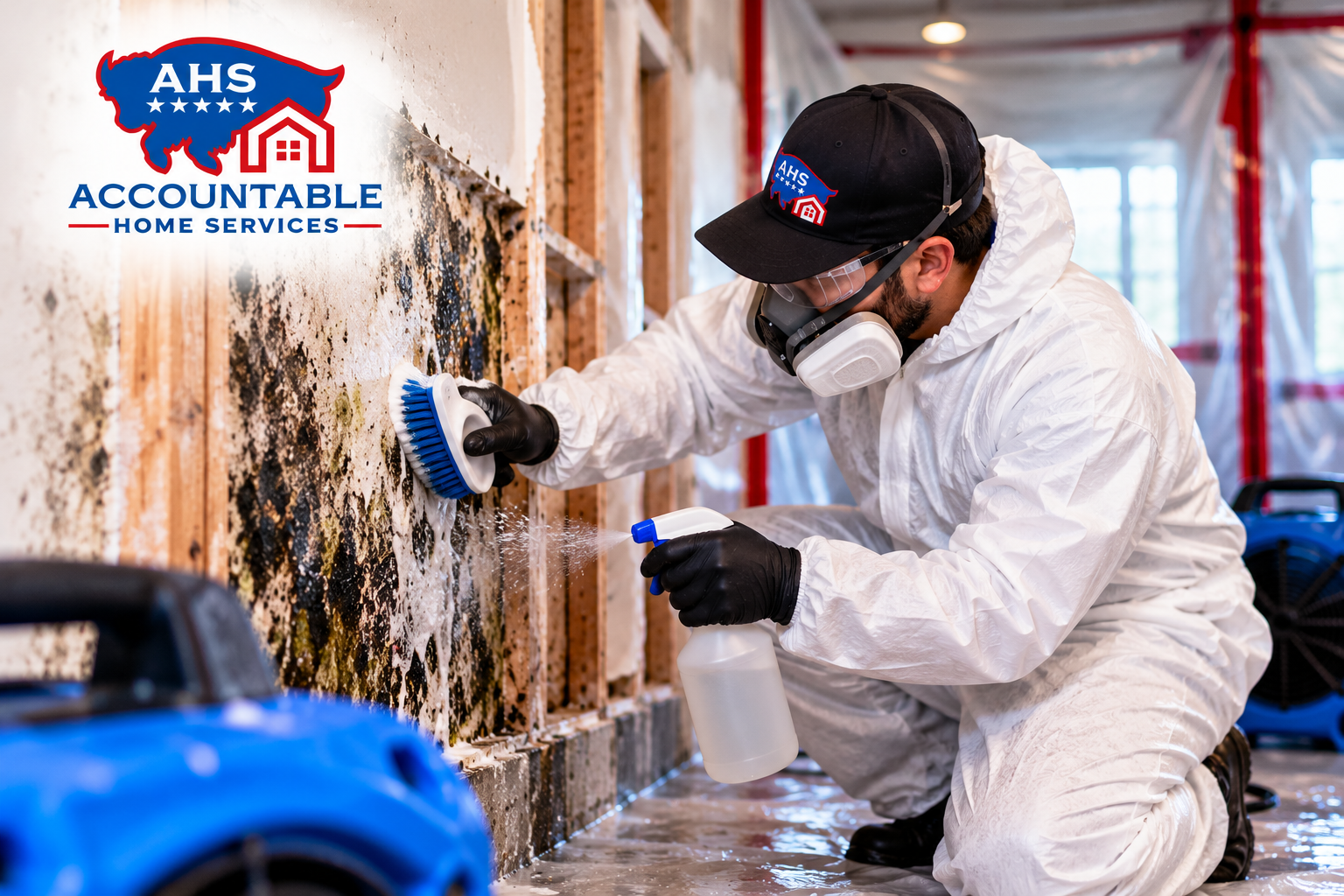
For mold removal in Highlands Ranch, request a scope explaining affected materials, moisture correction, and cleanup verification. When comparing mold remediation providers in Highlands Ranch, look beyond promises about eliminating spores; the objective is correcting growth and moisture conditions, not creating a spore-free home. (dhs.wisconsin.gov)
Documentation supports clear restoration decisions
For homeowners, insurance agents, plumbers, and property managers, organize a shared record of what happened and what remains unresolved. Photographs, repair records, receipts, and written communications help preserve the sequence of events. Keep test results alongside the inspection findings rather than presenting them as standalone proof of the damage’s cause. (content.naic.org)
A practical handoff file should include:
- Event history: Discovery date, reported leak location, and when water was stopped.
- Condition records: Photographs, affected materials, moisture findings, and occupant reports.
- Work records: Plumbing repairs, drying documentation, cleanup scope, and invoices.
- Follow-up findings: Remaining concerns, completion observations, and any professionally interpreted sampling. (bouldercounty.gov)
Documentation supports review but does not guarantee insurance coverage. Mold coverage can be limited or excluded, so ask the insurer to explain the applicable policy provisions. Do not assume buying a kit establishes coverage or replaces reasonable measures to prevent additional damage. (content.naic.org)
The practical takeaway
A mold test kit provides limited sample information, not a complete property assessment. The Local Restoration Guide recommends starting with the water history, visible conditions, and unresolved moisture before deciding whether targeted testing adds value. Ultimately, mold test results are meaningful only when combined with knowledge of moisture sources and the condition of building materials. (med.navy.mil)