Water Damage Restoration in Greenwood Village, CO: What Homeowners Should Do First
Water Damage Restoration in Greenwood Village, CO: What Homeowners Should Do First
Water damage restoration in Greenwood Village, CO, involves more than removing puddles and replacing stained drywall. It means stopping the problem, documenting damage, finding hidden moisture, drying affected materials, and rebuilding only when the structure is ready. The Local Restoration Guide helps homeowners, property managers, plumbers, and insurance agents understand that process and arrange the right help without losing sight of safety or documentation.
What should you do first after finding water damage?
Put safety first, stop the water source if you can reach it safely, and arrange help for both the leak and the affected building materials. Never enter standing water to reach an electrical panel or operate wet electrical equipment. If shutting off power requires crossing water, leave that task to an electrician. CDC guidance specifically warns against switching power or using electrical tools while standing in water. (cdc.gov)
Use this initial response checklist:
- Keep people away from hazards. Keep children and pets out of wet rooms, and avoid areas with obvious structural damage. Have a professional assess unsafe conditions before entry. (cdc.gov)
- Stop an accessible plumbing leak. For burst pipe water damage or an appliance supply leak, close the appropriate water valve only if the area is safe. Arrange plumbing repairs rather than assuming cleanup will solve the source. (epa.gov)
- Treat unknown water cautiously. Floodwater and sewage backups require different precautions from a recent clean-water leak. Do not set up fans before the water's cleanliness has been assessed. (19january2021snapshot.epa.gov)
- Arrange restoration support. Ask for an assessment when water has reached building materials, not simply a surface-cleaning visit. Materials can remain wet without looking saturated. (mass.gov)
Document the loss before cleanup changes the scene
Once conditions are safe, begin documenting the loss. Take wide photographs showing each affected room, then close-ups of damaged surfaces, belongings, and the apparent source. Capture appliance model and serial numbers where relevant, and photograph damage before items are cleaned, repaired, or discarded. These records can support the claim review. (floodsmart.gov)
For a water damage insurance claim in Colorado, ask your insurer what records it needs and how to handle urgent mitigation. Keep receipts, estimates, photographs, and communications together. Documentation supports review; it does not guarantee coverage or reimbursement. Ask the insurer to explain coverage under your specific policy rather than relying on a contractor's assurance. (insurance.ca.gov)
Ask the restoration provider to explain how it will record affected areas, moisture findings, work performed, and subsequent repairs. Request copies for your own file. Before authorizing work, clarify the scope, payment terms, and who will communicate changes to you; obtain written estimates and check the provider's qualifications and references. (floodsmart.gov)
Do not delay necessary protective action just to preserve a photograph. Document safely, then address conditions that could cause further damage, keeping receipts for temporary repairs. (insurance.ca.gov)
Extract standing water and assess cleanup needs
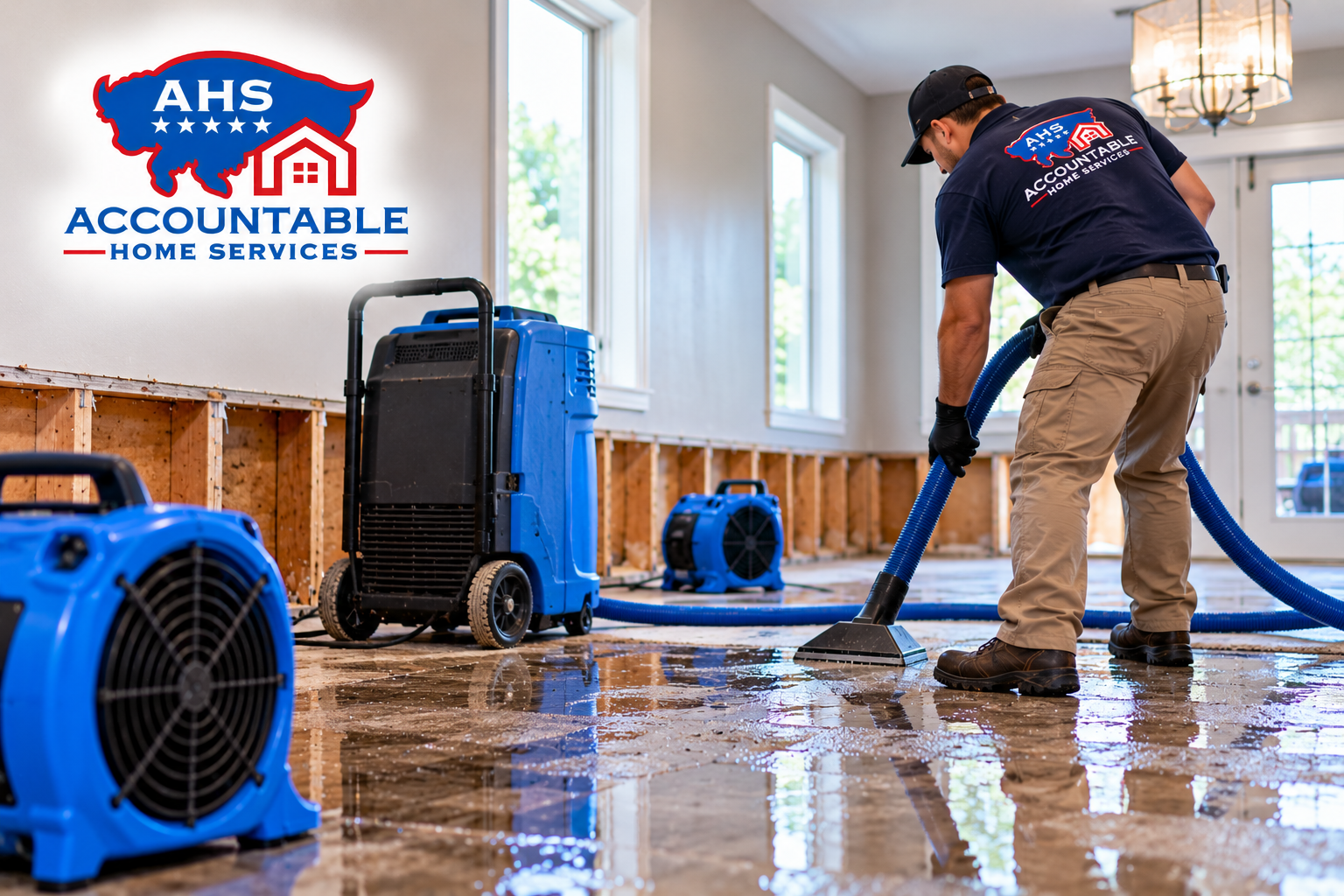
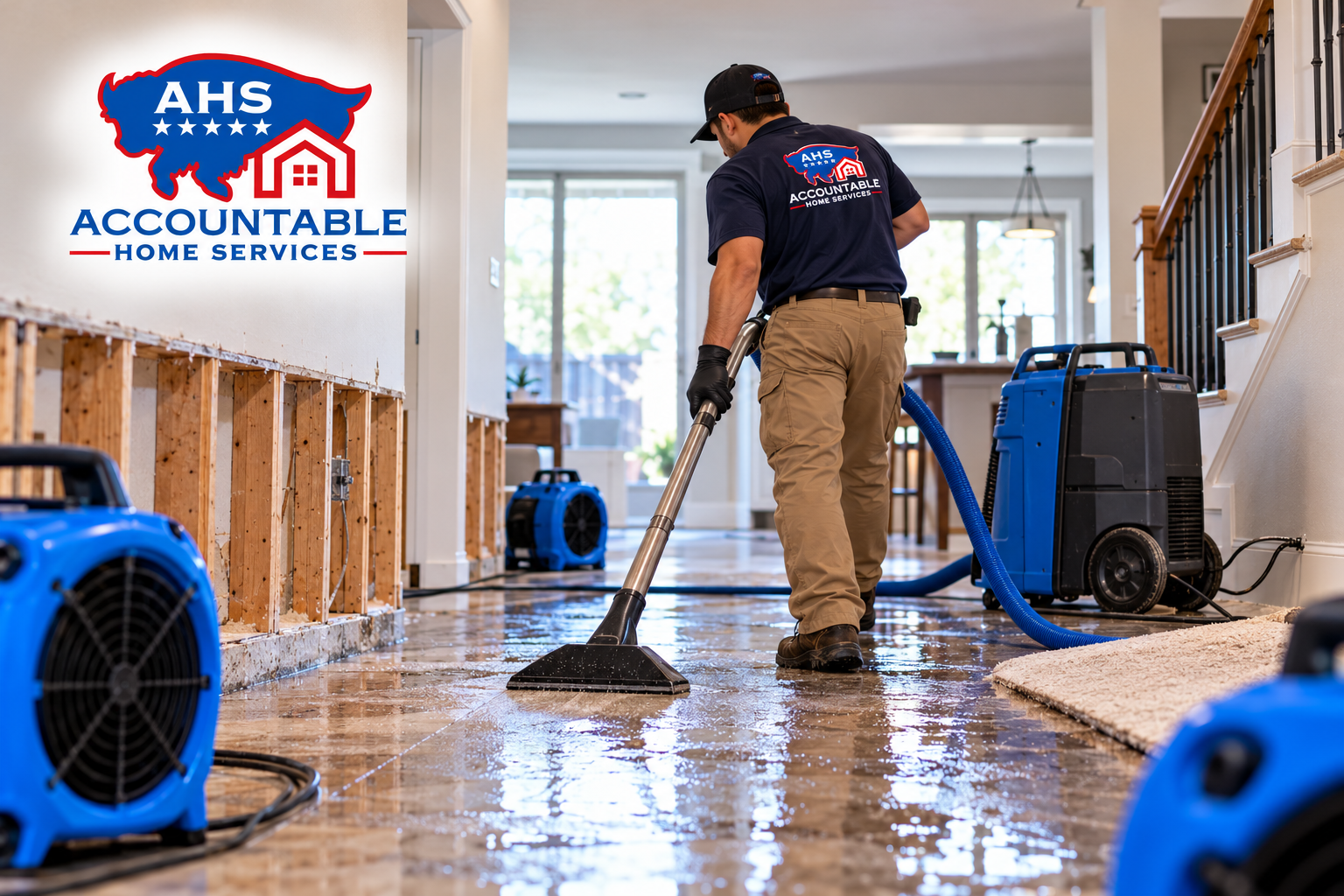
After initial safety checks and documentation, extracting water removes the standing water and excess moisture that equipment can recover from accessible surfaces. Pumps or extraction tools may be appropriate, depending on the amount of water, available power, and safety conditions. Electrical equipment should be used only after electrical safety has been established. (cdc.gov)
For flooded basement cleanup, ask the provider to distinguish removal of visible water from the drying work that follows. Carpet, backing, concrete, and other materials require different treatment; the subfloor beneath a floor covering also needs attention. A floor that looks clear of water is not, by itself, evidence that the assembly underneath is dry. (epa.gov)
When arranging water extraction in Greenwood Village, describe the suspected source and affected rooms. Ask how those conditions change the proposed cleanup scope.
Locate hidden moisture beyond the visible damage
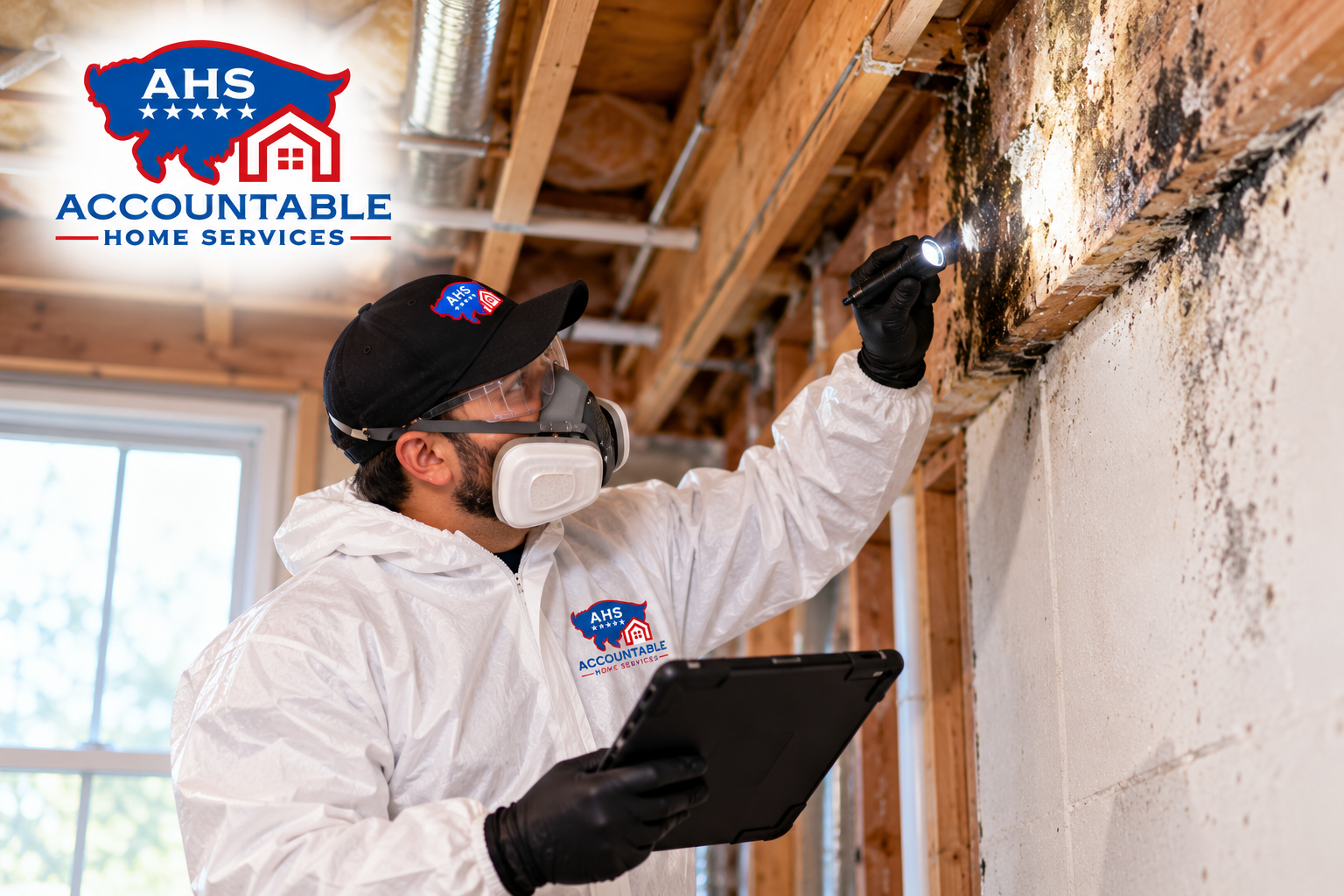
The next step is checking where water remains. Hidden moisture can exist in materials without obvious staining or a wet appearance. Professionals can use moisture meters to assess materials such as drywall, wood, and concrete, comparing suspect areas with unaffected areas of the same material. (mass.gov)
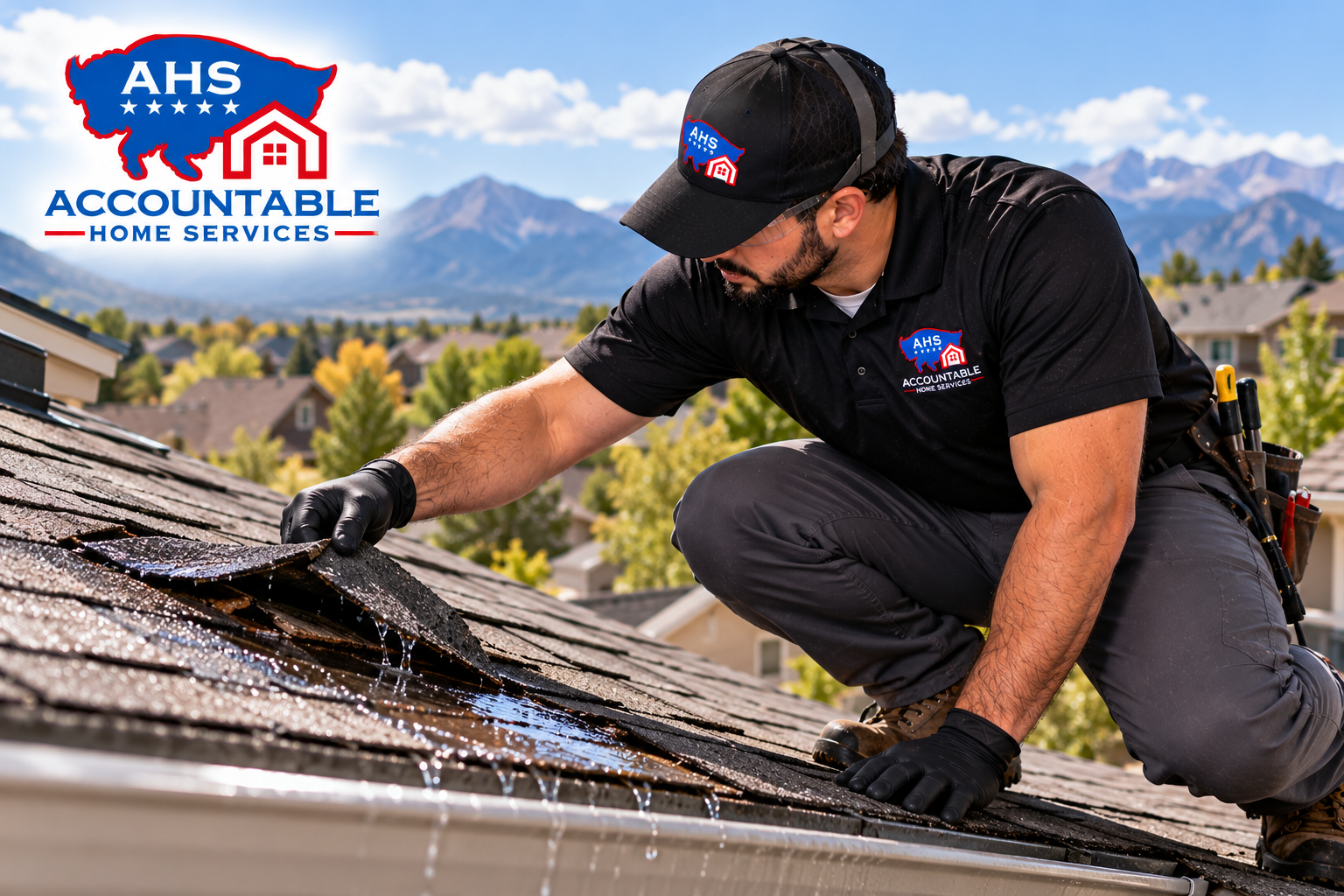
Consider appliance leak cleanup in a kitchen: removing water in front of the dishwasher does not establish whether surrounding materials are dry. Likewise, ceiling leak water damage calls for assessment beyond the visible stain. These are reasons to request moisture measurements rather than rely on appearance alone. (mass.gov)
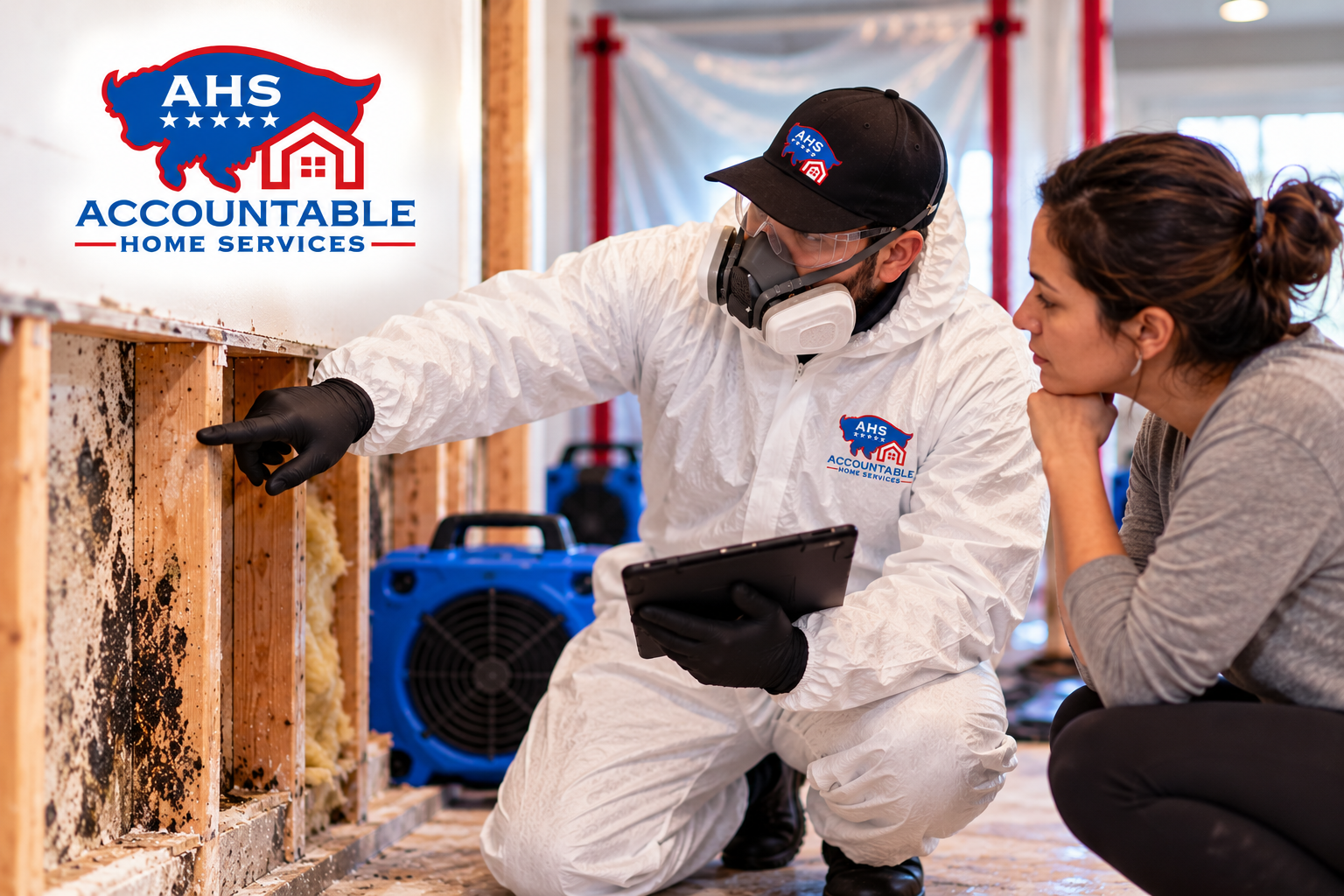
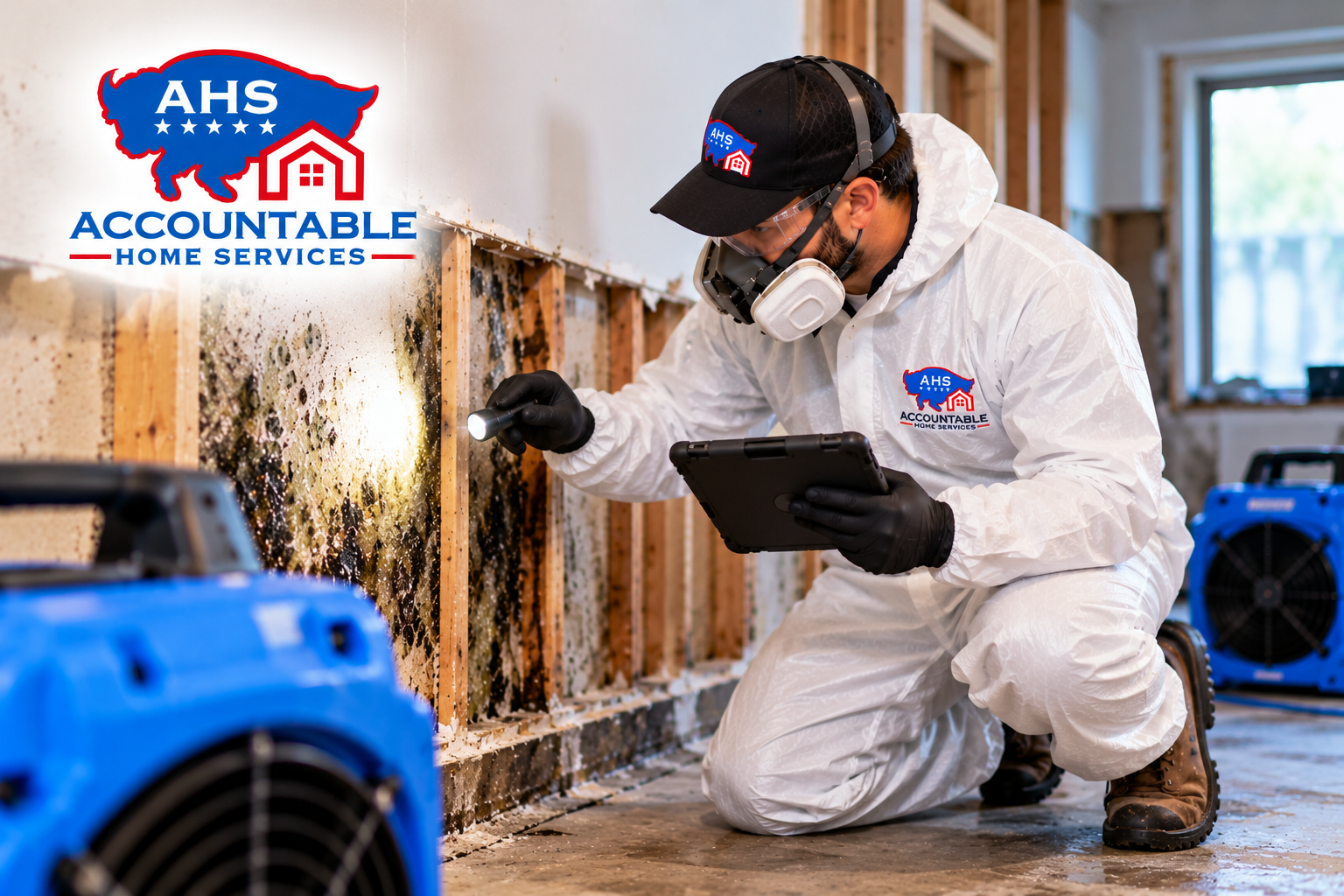
Ask the technician to show you the affected boundaries and explain any proposed openings. An infrared survey can help investigate the extent of water damage, while moisture meters provide information about moisture in building materials. Request findings in plain language so you understand why each area needs treatment. (hud.gov)
Set up and monitor structural drying
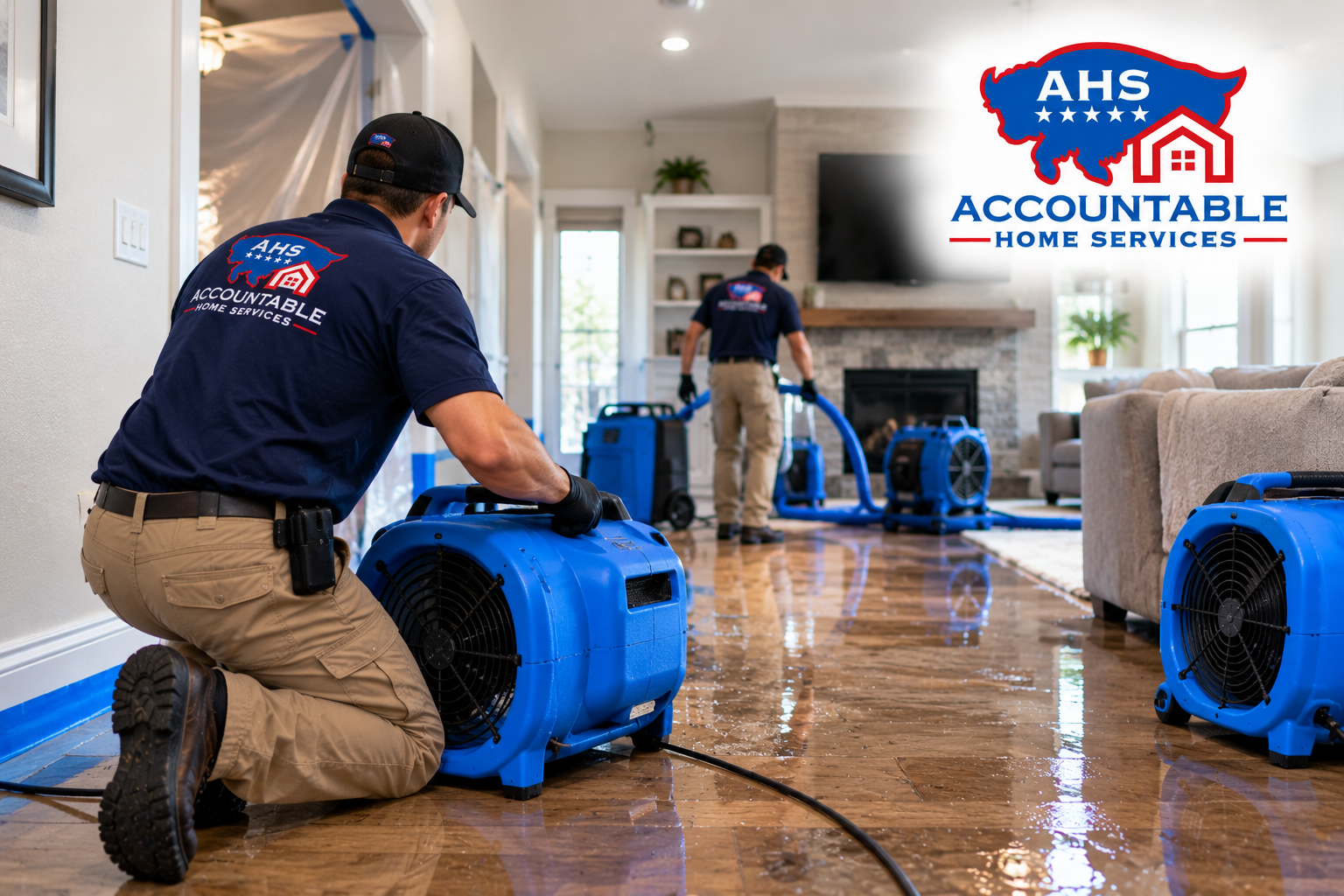
Structural drying addresses moisture left after extraction. Depending on the materials and conditions, professionals may use air movers, dehumidifiers, and controlled heat. The approach should account for what is wet and whether cavities or underlying materials need access for drying. EPA guidance gives different drying and replacement recommendations for different building materials. (epa.gov)
Monitoring drying equipment should include checking the materials, not just confirming that machines are running. Moisture meters can track drying progress; comparison with unaffected material helps interpret whether a previously wet area has returned toward its expected condition. Ask the provider to explain its measurements and completion criteria. (epa.gov)
During water mitigation in Greenwood Village, request clear instructions about equipment use, room access, and reporting another leak. Ask before moving equipment or changing the setup. You should also know when the next progress check is expected and whom to contact with concerns.
Remove unsalvageable materials and address mold risk
Removal of unsalvageable materials is part of restoration, not an automatic reason to strip every affected room. Some drywall may be dried in place when it has not swollen and its seams remain intact; other damaged materials require replacement. Professionals should explain material-by-material decisions and document what they remove. (epa.gov)
Although the process is described in sequence, necessary removal may happen earlier to expose wet cavities or remove contaminated materials. Items that cannot be fully cleaned and dried should not remain simply to avoid demolition. Removal methods should also limit exposure to mold and contaminated debris. (epa.gov)
Mold prevention depends on controlling moisture. EPA recommends drying water-damaged areas and belongings within 24–48 hours to help prevent mold growth. Treat that as a reason to act promptly, not a guarantee that every material will be salvageable within that window. (epa.gov)
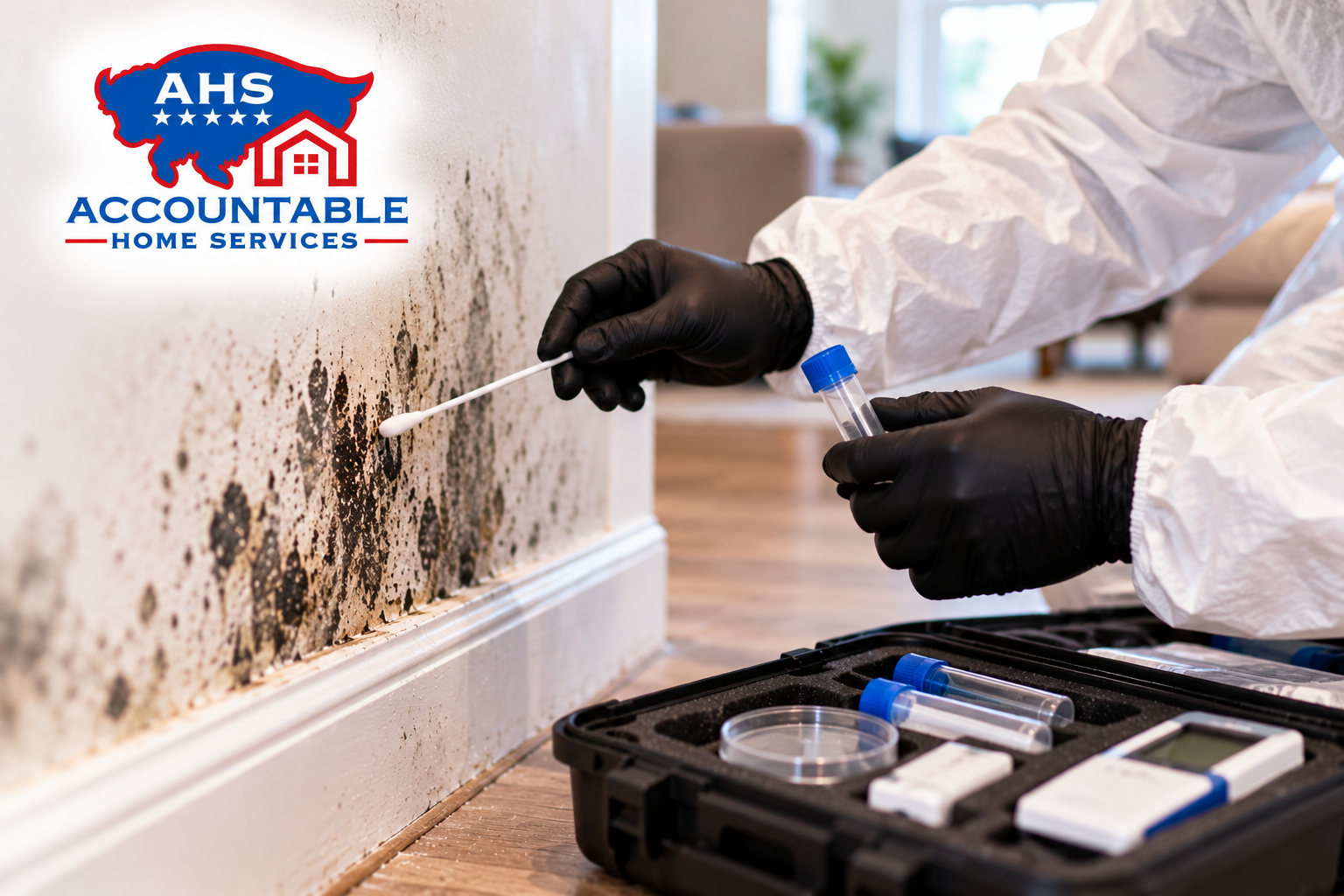
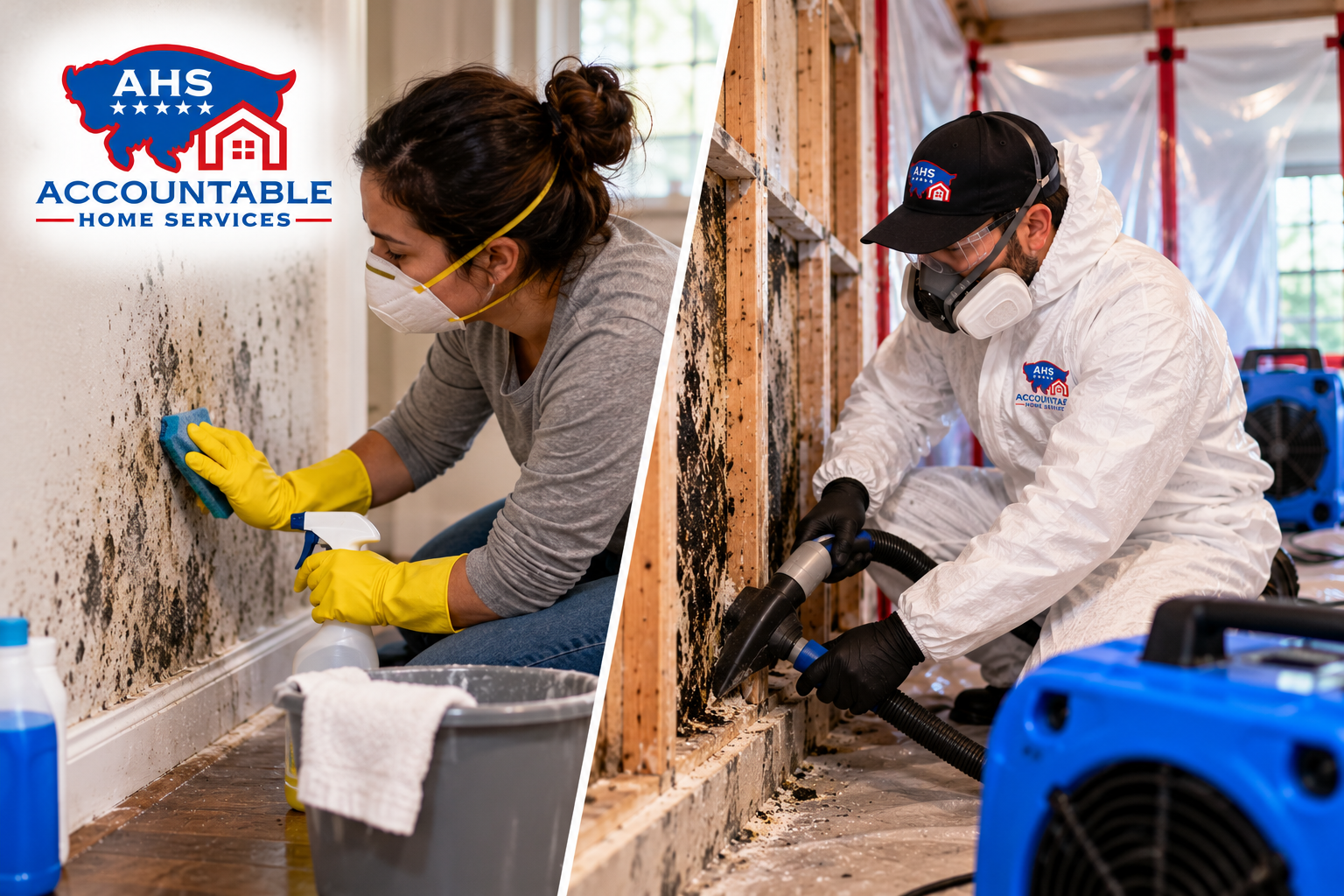
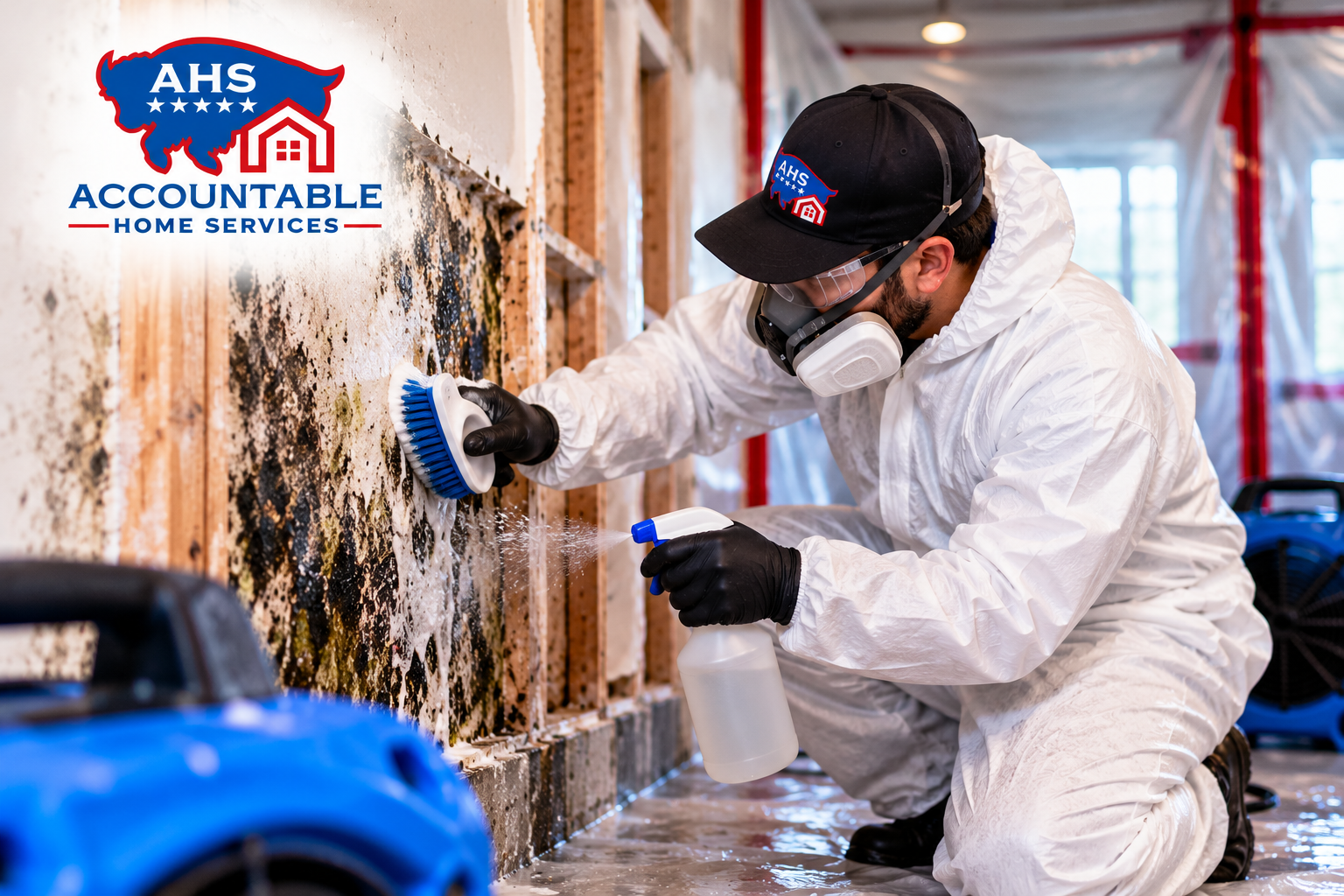
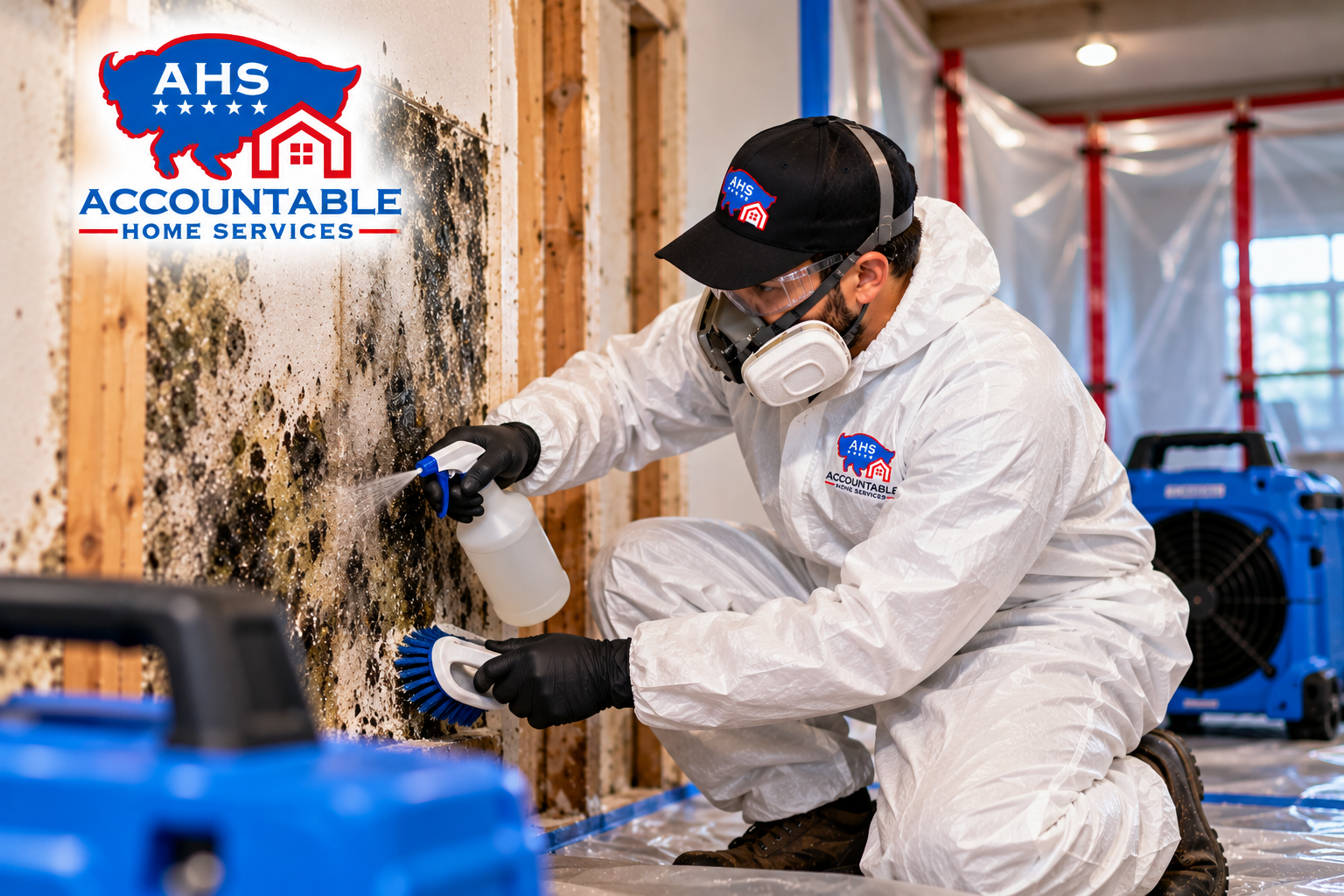
If mold after water damage is already present, ask whether mold remediation is needed before ordinary drying continues. Do not aim household fans at visible mold, because airflow can spread it. Correcting the moisture source remains essential; cleaning mold without fixing the water problem can allow it to return. (content.govdelivery.com)
Complete water damage repair after drying is verified
Reconstruction follows drying and any necessary cleanup. Before closing walls or installing replacement finishes, ask for the final moisture findings and confirmation that the original water problem has been addressed. Materials need to be dry, and mold cleanup must be completed before painting or other finishing work covers the affected surfaces. (ors.od.nih.gov)
For water damage repair in Greenwood Village, request a written scope identifying what will be replaced, repaired, and finished. Confirm who handles reconstruction if the mitigation provider does not. Discuss proposed materials and any changes before authorizing the work; written bids help establish the repair plan. (insurance.ca.gov)
At completion, photograph the repaired areas and retain receipts and claim records. Those documents establish what was repaired and can be useful if a future loss affects the same property. Update your belongings inventory when damaged items are replaced. (floodsmart.gov)
Arrange water damage cleanup in Greenwood Village
When you contact a local restoration provider, ask for an assessment that covers the full job—not just water removal. Use the conversation to clarify responsibilities, documentation, and the transition into repairs. Before signing, request a written estimate and check qualifications and references. (floodsmart.gov)
Prepare these details for the call:
- Property and access: The Greenwood Village address, affected rooms, occupant contact, and access arrangements.
- Source and timing: When water was discovered, the suspected cause, whether it has stopped, and any plumber's findings.
- Visible conditions: Standing water, affected ceilings or flooring, odors, and areas you cannot safely enter.
- Coordination needs: Your insurer's contact, claim number if available, and the person authorized to approve work.
For emergency water damage, start with safe source control and a professional assessment. Ask for clear next steps, documented drying, and a defined repair plan before committing.