Understanding the Water Damage Restoration Process in Arvada, CO
Understanding the Water Damage Restoration Process in Arvada, CO
Water damage restoration in Arvada, CO involves more than removing standing water. It means finding the source, checking for hidden moisture, drying affected materials, documenting the loss, and completing repairs only after conditions are ready. The Local Restoration Guide helps homeowners, property managers, plumbers, and insurance agents understand that process and arrange the right next step without unnecessary confusion. (epa.gov)
What does water damage restoration include?
The water damage restoration process includes inspection, source control, water extraction, moisture assessment, drying, cleanup, documentation, and reconstruction where needed. Water mitigation focuses on limiting further damage; water damage repair addresses materials and finishes that need restoration or replacement afterward. The scope depends on where the water traveled, what it contacted, and whether affected materials can be cleaned and dried. (denverwater.org)
For example, after burst pipe water damage, fixing the pipe does not establish that nearby walls or flooring are dry. Materials can hold moisture without looking wet. Ask for a water damage inspection that checks beyond the visible puddle and explains what needs attention before repairs begin. (mass.gov)
First actions before cleanup begins
Put safety ahead of saving belongings. Stay out of standing water where electrical hazards may exist, and never operate a breaker or electrical equipment while standing in water. Floodwater may also contain sewage, chemicals, or debris; professional assistance may be necessary before entering or cleaning the affected area. (cdc.gov)
If you can act from a safe, dry location:
- Stop an accessible supply leak: Shut off the appropriate water valve if you can reach it safely; otherwise, request professional help.
- Arrange source repair: Contact a plumber for a failed pipe or fixture, and explain whether water is still entering.
- Record visible damage: Take photographs without entering unsafe rooms or moving hazardous materials.
- Notify the appropriate people: Contact your insurer and, for a rental, the property manager or owner.
- Request restoration assessment: Explain whether there is standing water, a sewage concern, or damage extending beyond one room. (epa.gov)
When requesting emergency water restoration, describe the hazards first. Do not enter an unsafe basement simply to provide a more detailed description.
The restoration process, step by step
The sequence below explains the main stages. Some work overlaps: documentation starts immediately, and unsalvageable materials may need removal before drying can proceed. Ask the contractor to explain any changes to the sequence and why they are necessary for your property. (epa.gov)
- Initial inspection
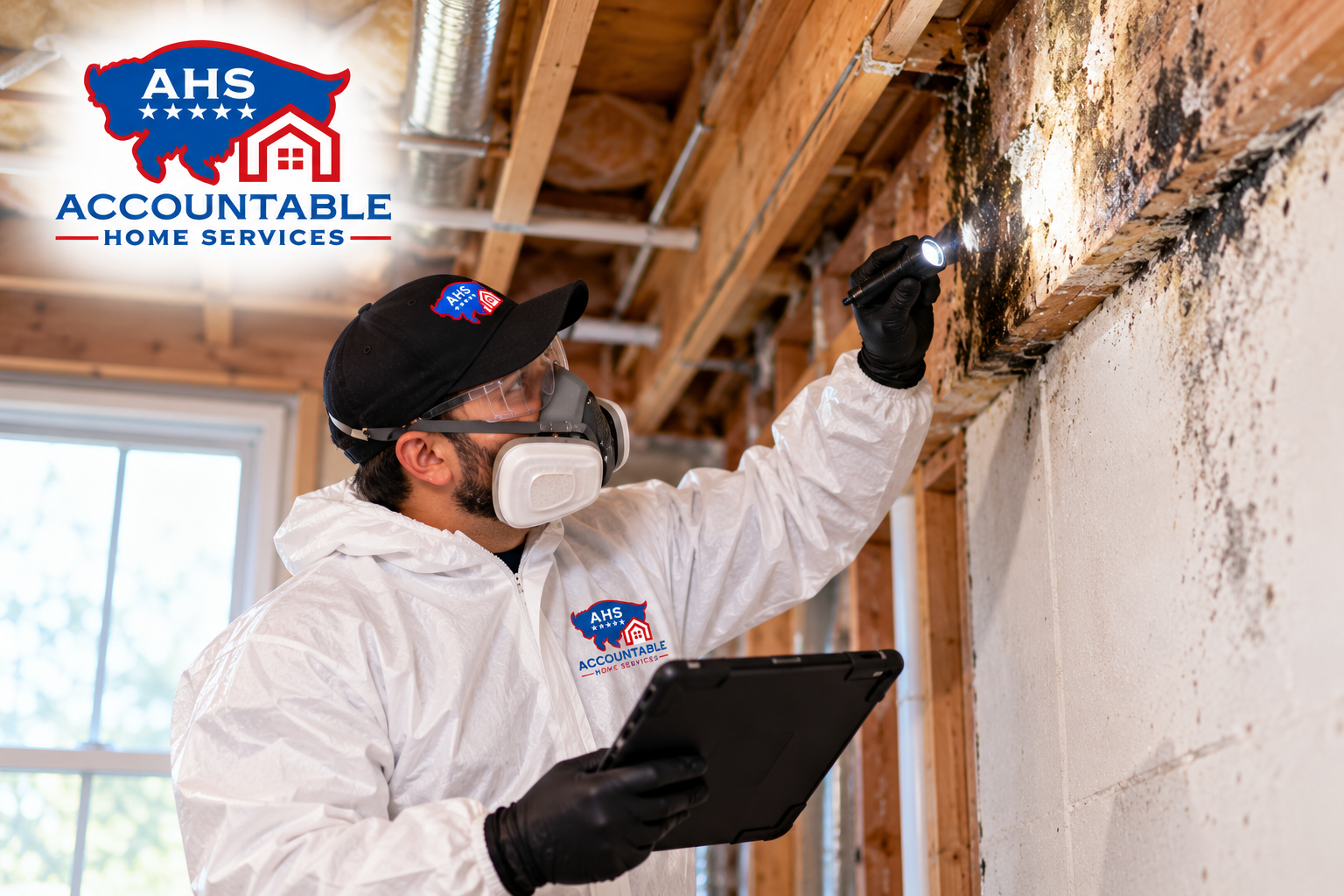
- The inspection identifies affected rooms, visible damage, possible contamination, and access or safety concerns. Share when you discovered the problem, the suspected source, and any earlier leaks. The initial scope should explain what is known and which concealed areas still need investigation. (cdc.gov)
- Stopping the water source
- Source control prevents the problem from continuing during cleanup. A plumber may repair a broken supply line, while another specialist may be needed for a roof or drainage issue. Confirm who is responsible for that repair rather than assuming the restoration visit includes it. Fixing the moisture source is essential to lasting cleanup. (epa.gov)
- Water extraction
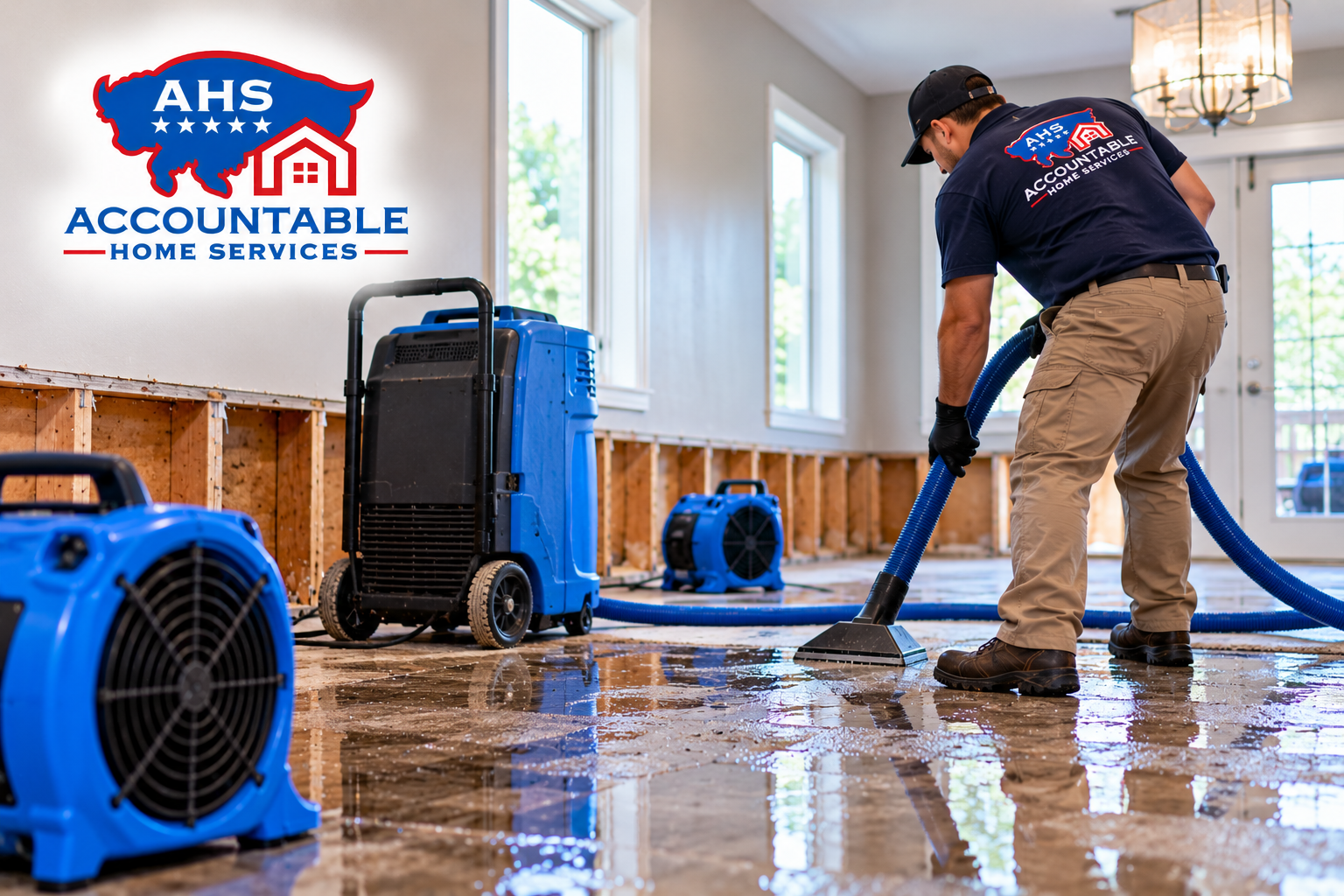
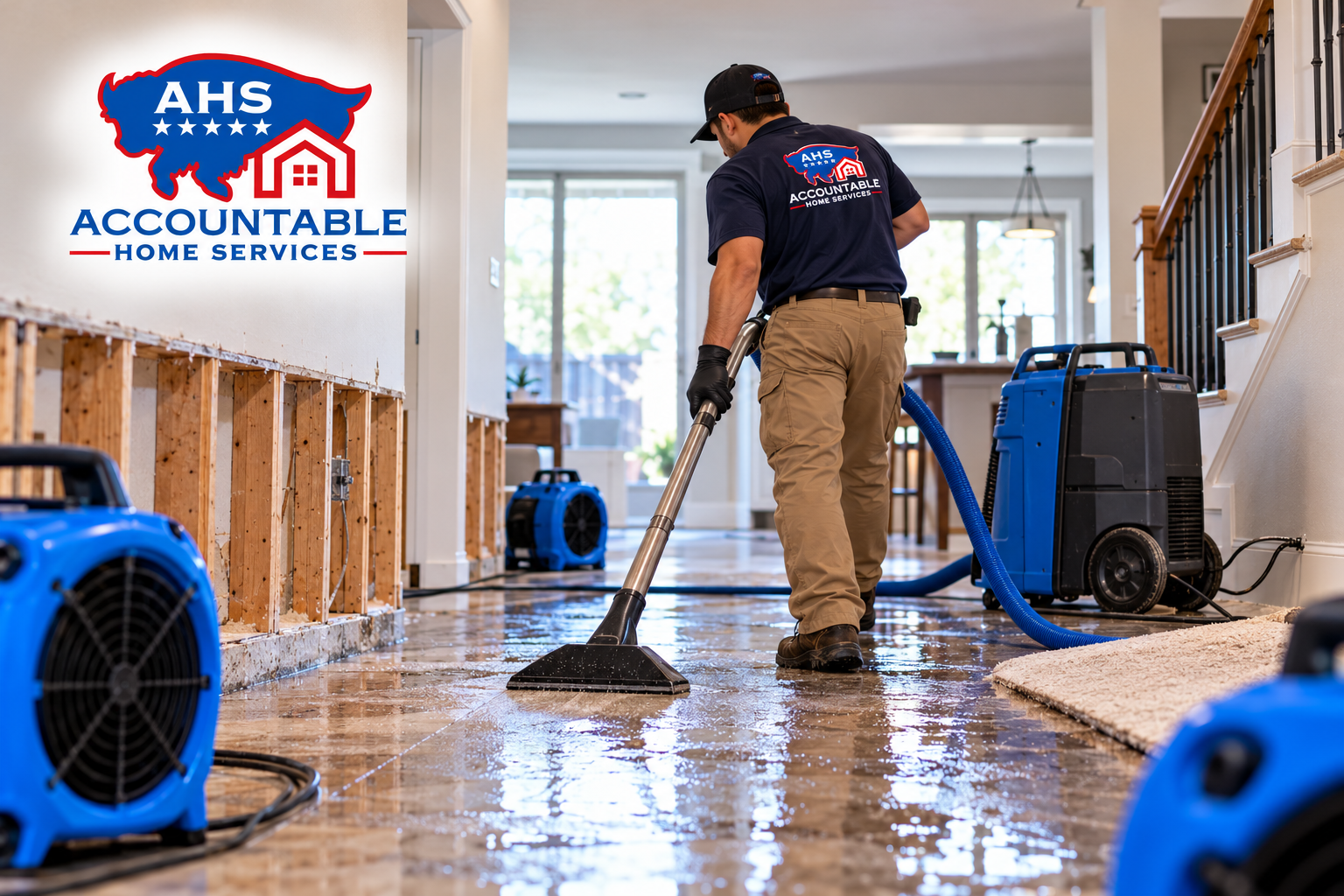
- Pumps or extraction equipment remove accessible standing water. For water extraction in Arvada, ask whether the proposed work includes affected floor coverings as well as visible puddles. Extraction is an important starting point, but it does not establish that walls, subfloors, or other materials are dry. (denverwater.org)
- Moisture mapping
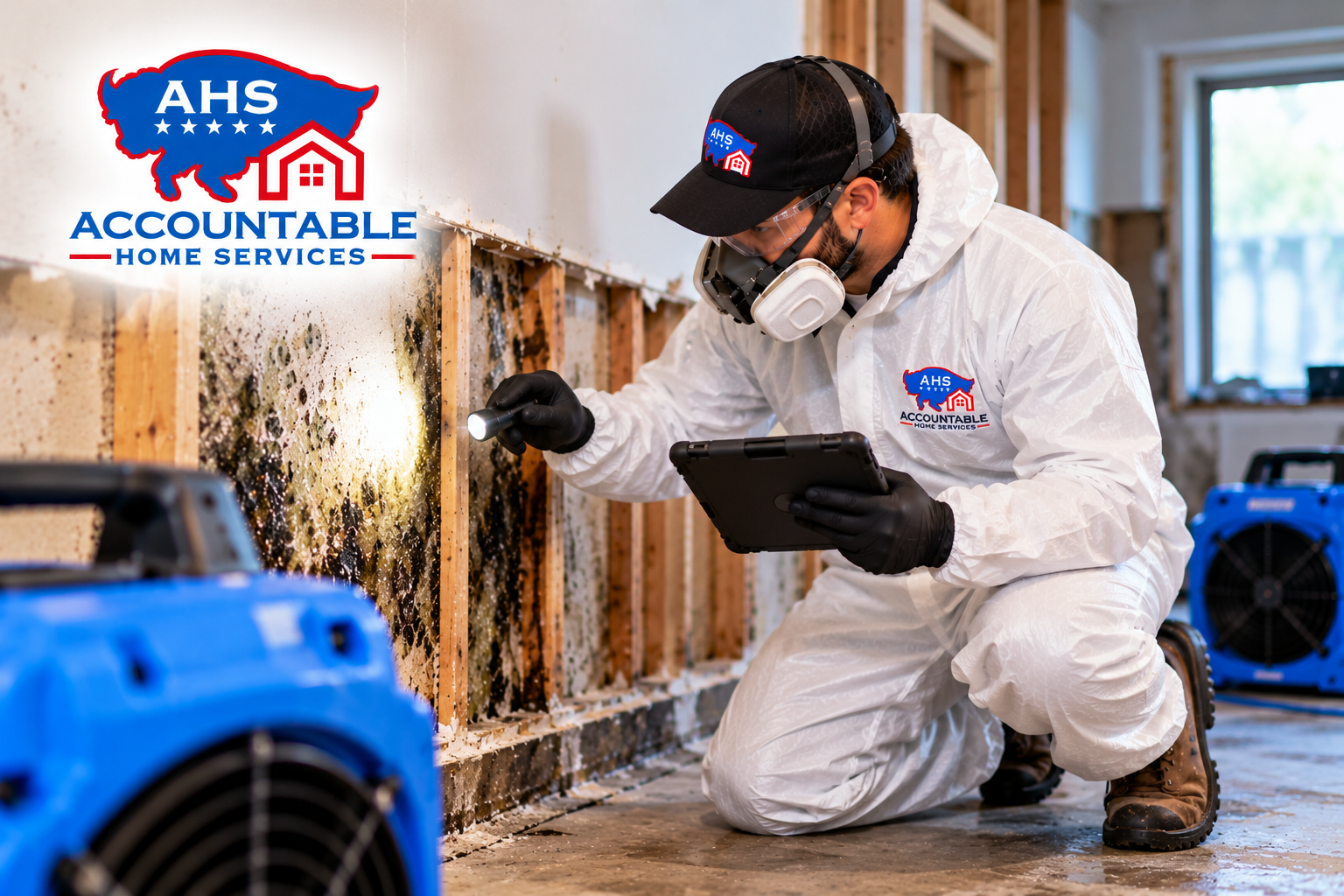
- Technicians use moisture measurements to locate affected materials, including areas that do not appear wet. Ask for the locations and readings to be recorded so later checks can assess drying progress. This makes hidden moisture part of the work plan instead of relying only on stains or touch. (epa.gov)
- Structural drying
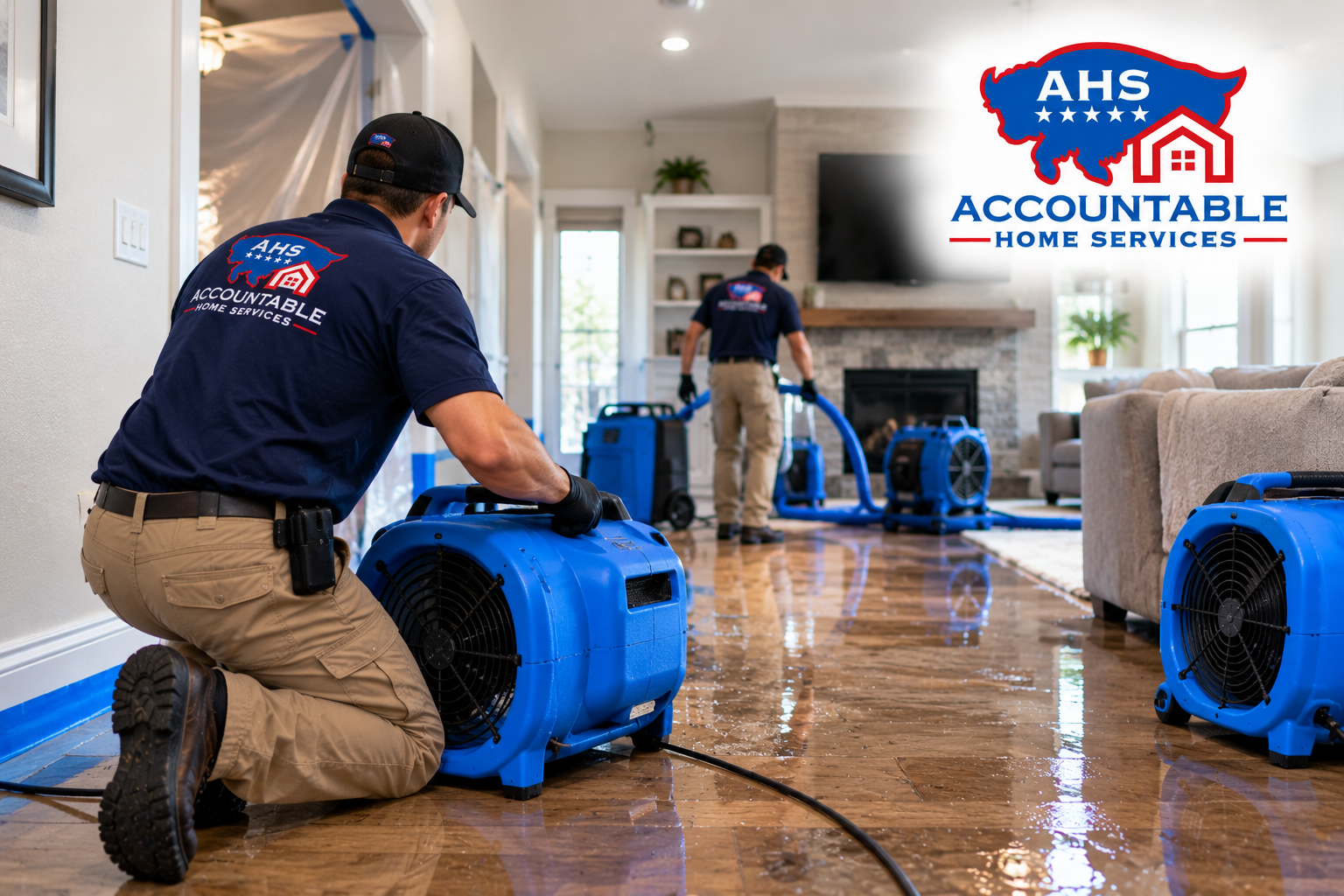
- Structural drying addresses moisture remaining in materials that can be saved. Drying equipment may include fans and dehumidifiers, selected for the conditions and used only when electrical safety is established. Ask which materials are being dried and how the team will determine that they are ready for repairs. (epa.gov)
- Monitoring and adjustments
- Follow-up moisture readings check whether drying is working. The team should explain areas that remain wet and whether the plan needs adjustment or further investigation. A surface that feels dry is not enough; moisture-measuring devices help evaluate progress and confirm conditions after drying. (epa.gov)
- Removal of unsalvageable materials
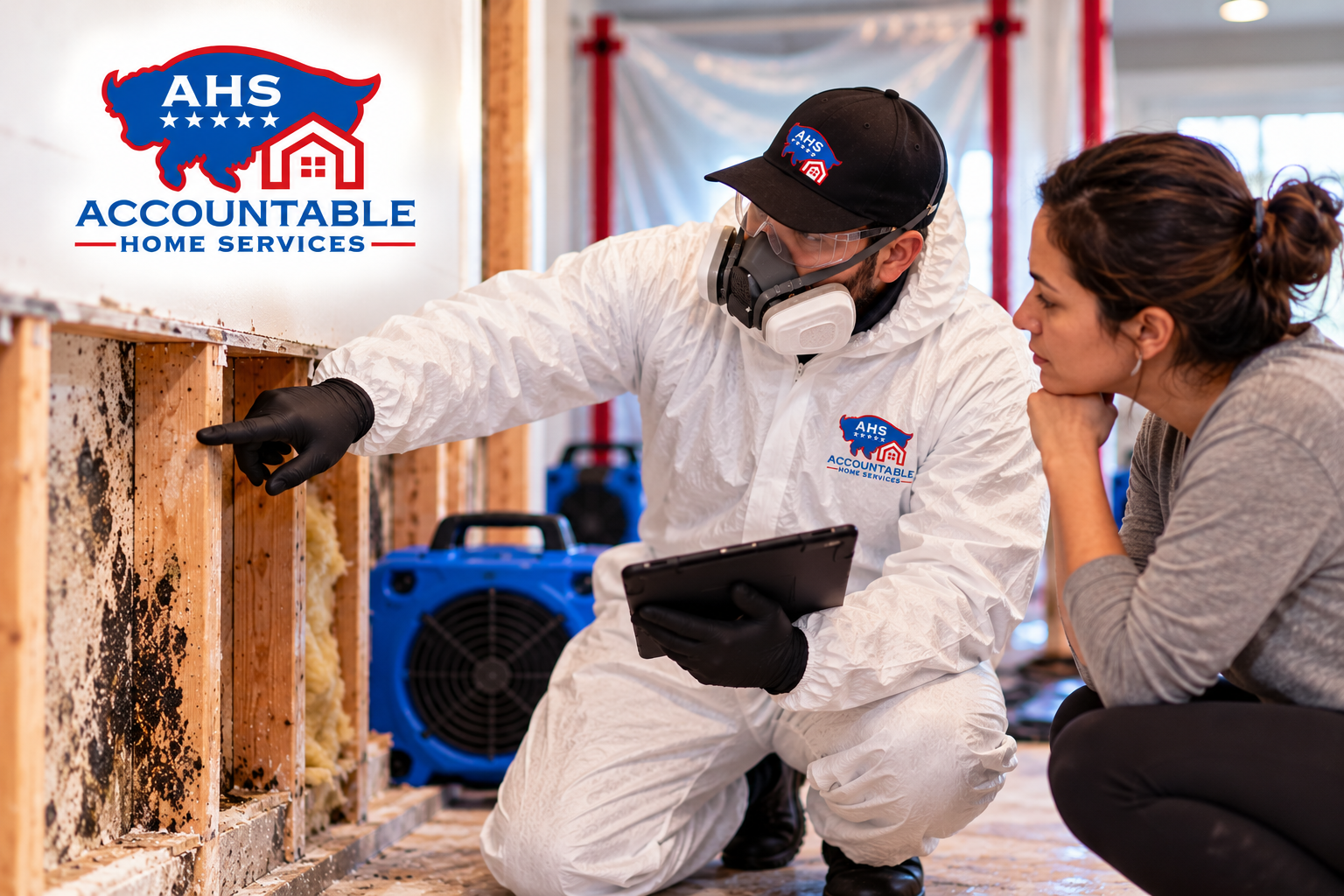
- Materials that cannot be cleaned and dried may require removal. Moldy porous items, such as carpet or ceiling tiles, can be difficult or impossible to clean completely. This step may happen earlier when necessary. Ask the contractor to photograph affected materials and explain removal decisions before disposal when conditions allow. (epa.gov)
- Cleaning and mold assessment
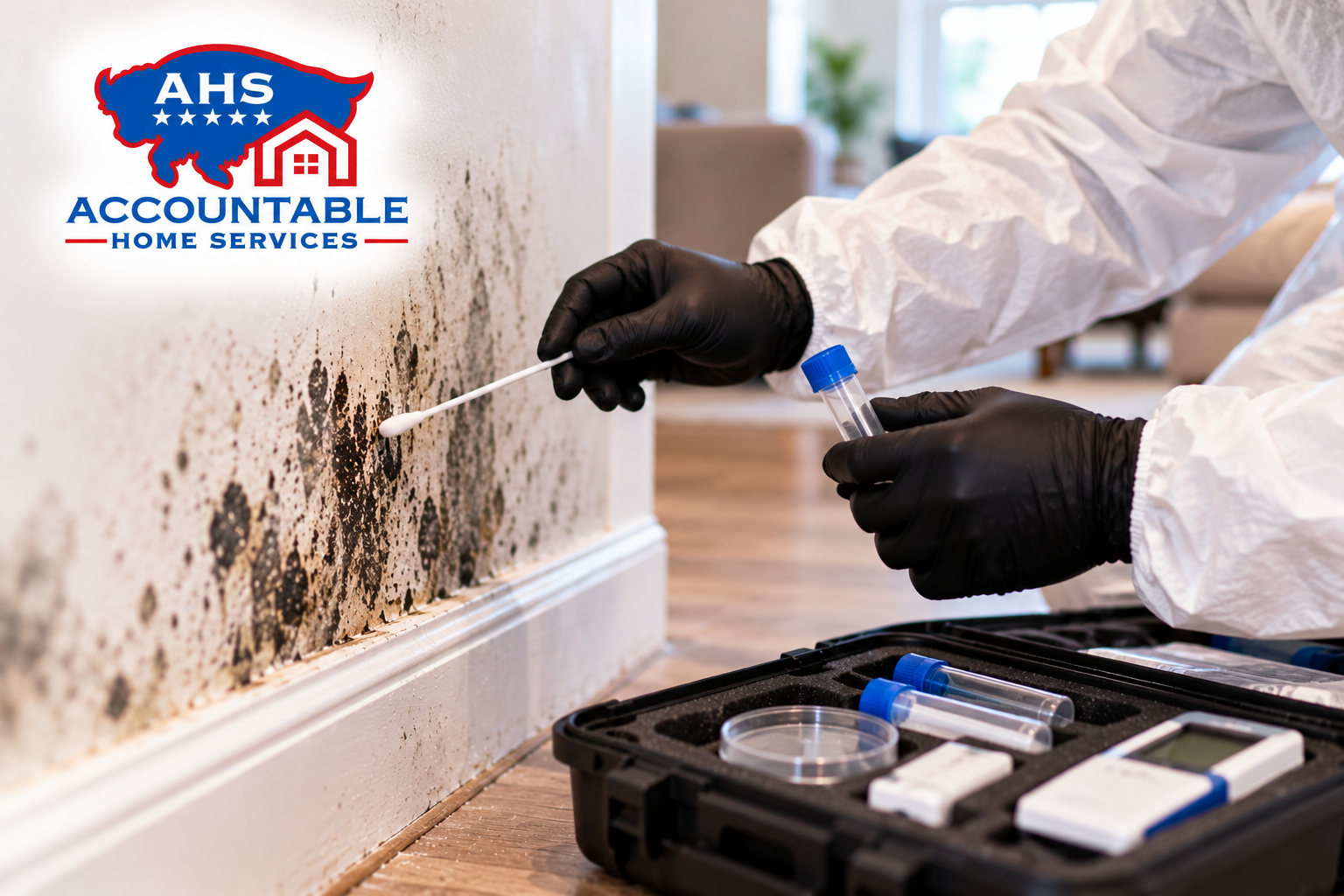
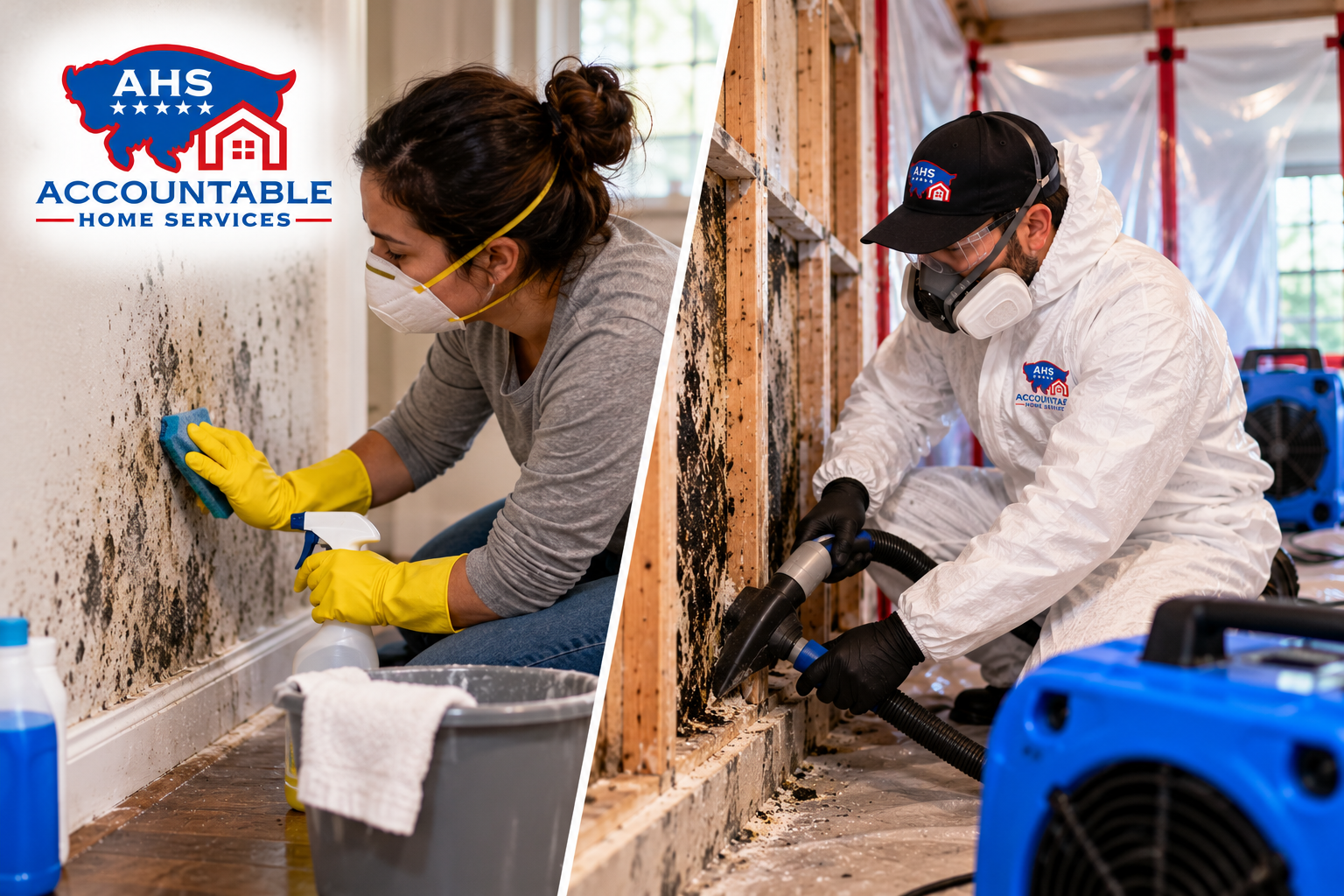
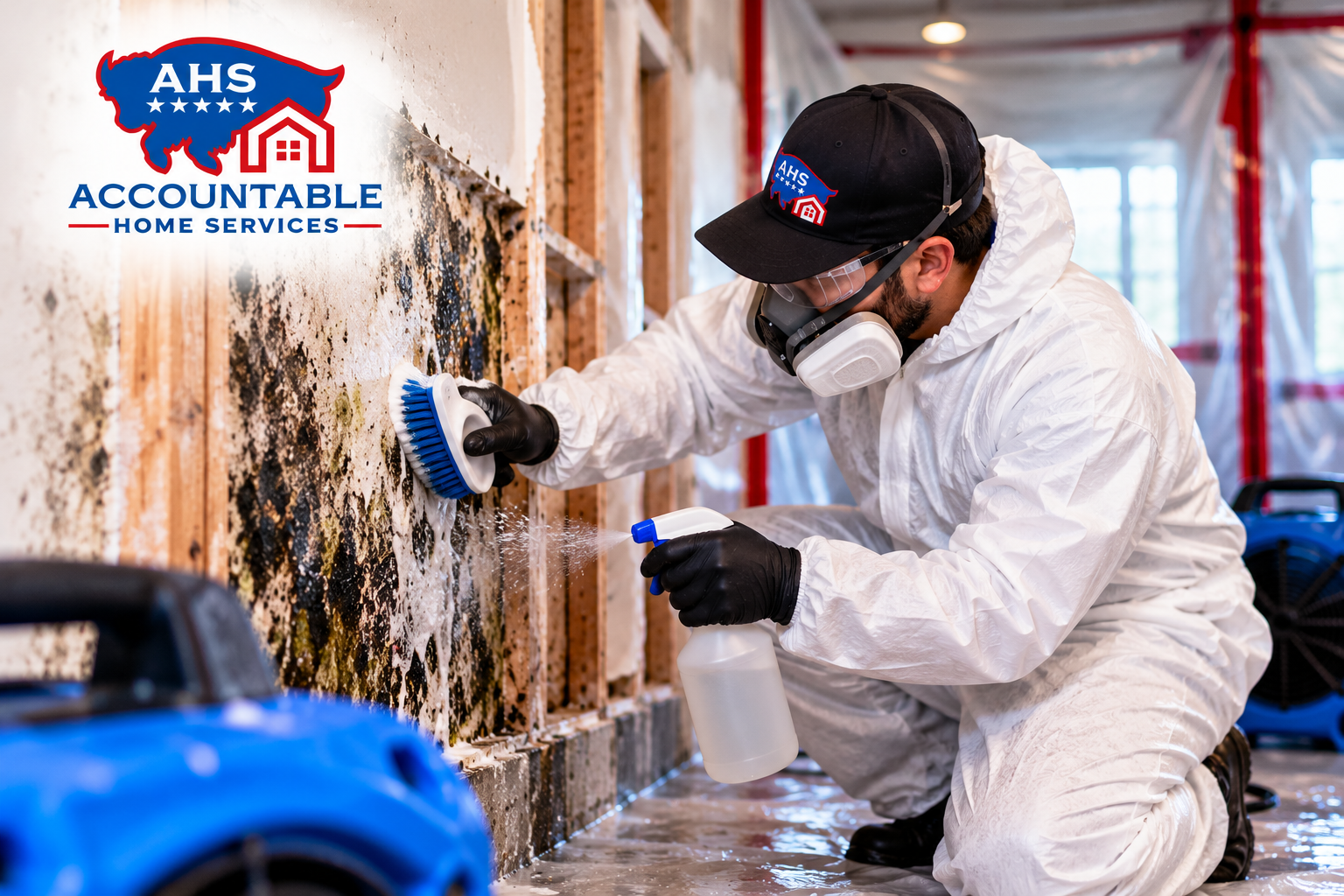
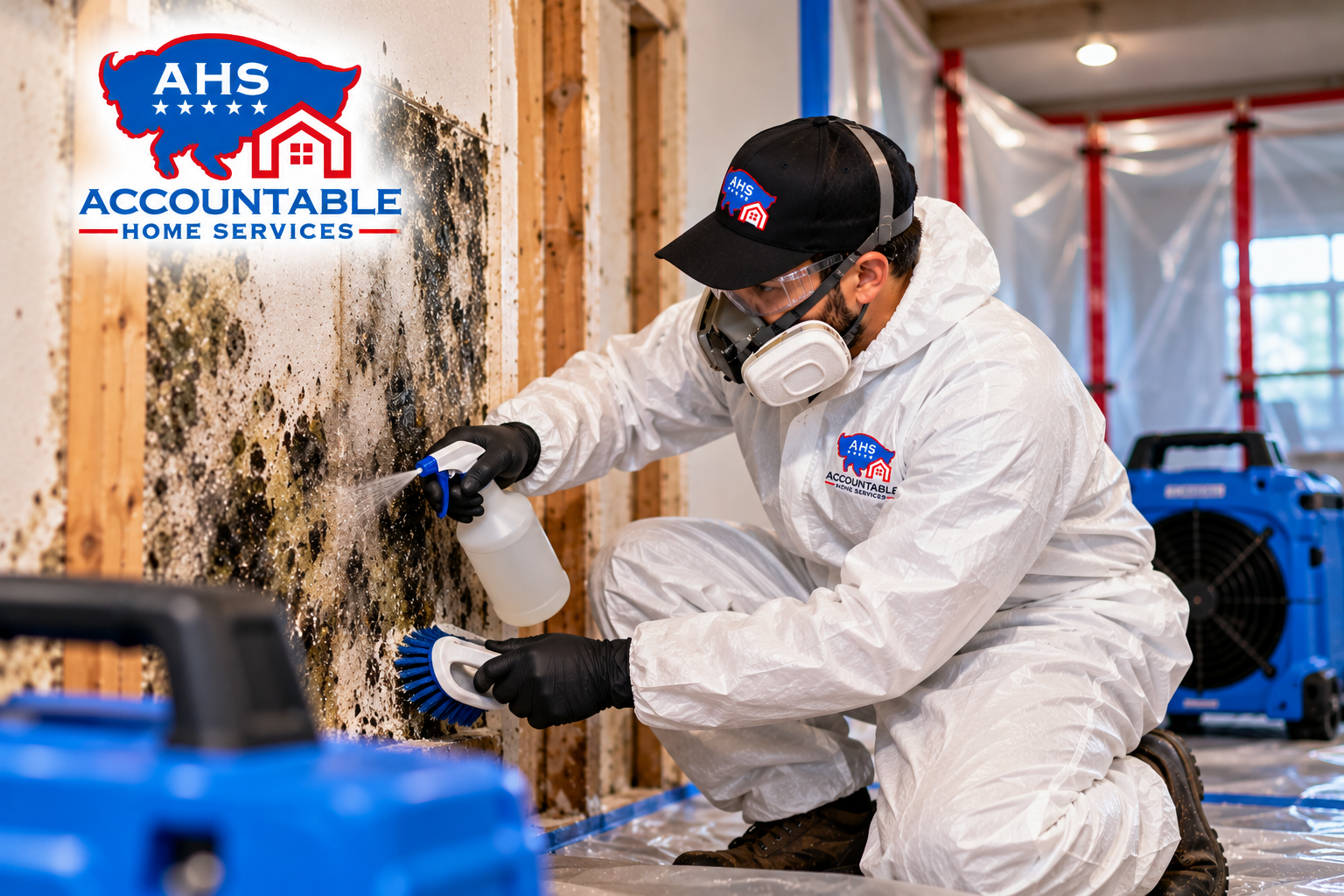
- Cleanup addresses remaining dirt and contamination using methods appropriate to the affected surfaces. Mold remediation, when needed, must address both the growth and its moisture source. Spraying a product alone is not a substitute for removing mold, cleaning affected surfaces, and drying them properly. (epa.gov)
- Documentation and review
- Although listed here as a review stage, documentation should begin before cleanup and continue throughout the project. Gather photographs, estimates, invoices, receipts, and available inspection or drying records. Ask for an explanation of work completed, materials removed, and unresolved conditions so the file is understandable to you and your adjuster. (epa.gov)
- Reconstruction and final walkthrough
- Reconstruction restores affected finishes or assemblies after cleanup and drying are complete. Confirm the repair scope, materials, responsibilities, and outstanding approvals before work begins. Do not paint over moldy surfaces or treat new finishes as a solution to unresolved moisture. Finish with a walkthrough and retain the project records. (epa.gov)
Drying before repairs and mold prevention
Mold prevention after water damage starts with controlling moisture promptly. EPA guidance recommends drying water-damaged areas and items within 24–48 hours to help prevent mold growth. That is a reason to act quickly, not a promise that every restoration project will finish within that window. (epa.gov)
For flooded basement cleanup, ask about materials beyond the floor surface, including wallboard and wood. Moisture meters can help locate wet materials and monitor drying. Before authorizing water damage repair in Arvada, request confirmation that affected materials have been checked after drying—not simply that the equipment has been collected. (epa.gov)
Documentation for a Colorado insurance claim
For a water damage insurance claim in Colorado, keep the project record organized from the start. Photographs, supporting documents, and estimates help explain the damage and requested repairs. Coverage and payment depend on the policy and circumstances; restoration documentation supports review but does not guarantee approval. Ask your insurer to explain coverage questions and any information still needed. (uphelp.org)
Keep these items together:
- Loss timeline: Discovery date, suspected source, and actions taken to stop further damage.
- Photographs: Room views, damaged belongings, and affected materials before removal when safely possible.
- Project records: Inspection findings, available moisture readings, work authorizations, estimates, and invoices.
- Expense records: Receipts for temporary protective work and other loss-related expenses for insurer review.
- Communication log: Claim number, contacts, instructions, and questions awaiting an answer. (uphelp.org)
Clear coordination for referrals and rental properties
When arranging water damage cleanup in Arvada, request one project contact and an agreed update method. Ask that updates distinguish completed work, current conditions, and decisions awaiting approval. This gives everyone a practical way to follow the job without relying on messages passed between several people.
Plumbers can share the source repair findings and any areas they observed getting wet. Insurance agents can help clients identify policy questions for the insurer without promising coverage. Property managers should clarify access arrangements, owner authorization, tenant communication, and who can approve additional work. Put those responsibilities in writing before avoidable confusion develops.
Arrange an Arvada restoration assessment
When comparing providers for water mitigation in Arvada, ask for a written scope covering extraction, drying, monitoring, cleanup, and the handoff to repairs. Request an explanation of documentation practices and who will communicate changes.
Have the property location, discovery time, suspected source, photographs, and access details ready. The Local Restoration Guide recommends making the next decision around verified conditions: address safety, stop the source, and establish a documented plan before rebuilding.