Water Mitigation in Littleton, CO: What Homeowners Should Know After Water Damage
Water Mitigation in Littleton, CO: What Homeowners Should Know After Water Damage
Water mitigation in Littleton, CO, means stopping water damage from spreading, removing water, and drying affected building materials before repairs begin. Its purpose is to stabilize your home—not simply make puddles disappear. The Local Restoration Guide explains what to do first, what a drying process should include, and which records to keep along the way. (epa.gov)
What does water mitigation include?
Water mitigation is the work needed to control a water loss and prevent additional damage. It includes addressing the source, extracting water, checking for hidden moisture, removing materials that cannot be saved, and drying what remains. Water removal is one part of that process; reconstruction comes after affected materials are ready to be enclosed or covered. (epa.gov)
These distinctions help when discussing the scope of work:
- Water extraction: Removes standing water and pulls moisture from materials such as carpet.
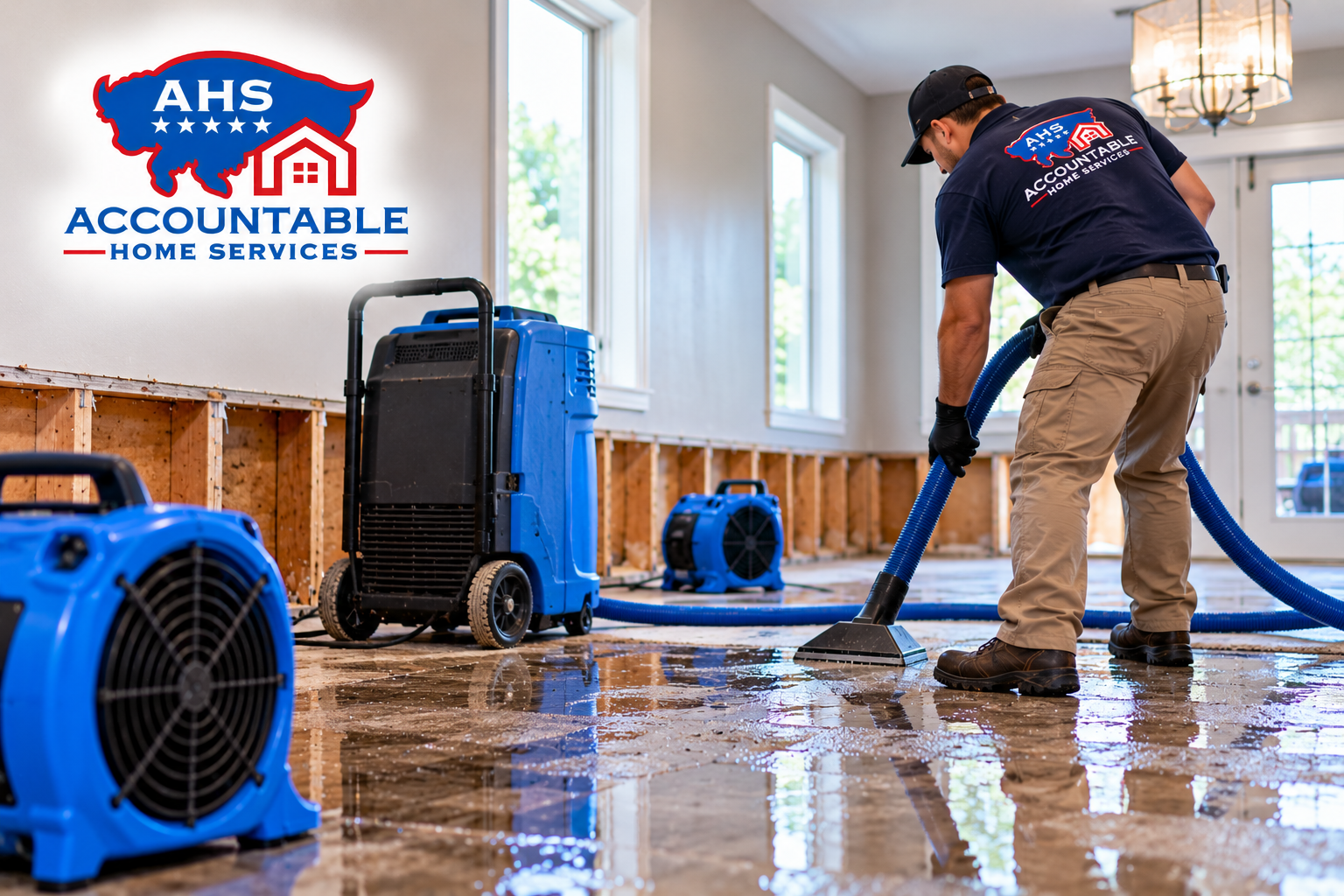
- Structural drying: Uses airflow, dehumidification, and moisture checks to dry affected building materials.
- Water damage repair: Replaces damaged finishes or components after cleanup and drying are complete. (epa.gov)
When discussing water damage restoration in Littleton, ask whether the proposal includes mitigation, reconstruction, or both. Request separate descriptions of emergency work and later repairs so you understand what you are authorizing.
Safety comes before emergency water cleanup
Stay out of standing water if electricity may be involved. Never enter water to reach a breaker panel, and do not operate wet electrical equipment. Have an electrician or utility professional address electrical hazards from a safe location. (cdc.gov)
Sewage backups and outdoor floodwater require additional caution because they can contain harmful contaminants. Keep children and pets away, and avoid disturbing visibly moldy materials. Do not aim household fans at visible mold; airflow can spread it into other areas. (nepis.epa.gov)
For flooded basement cleanup after outside flooding, seek professional guidance before pumping deep water. Removing water while surrounding ground remains saturated can create dangerous pressure differences against basement walls. A basement with structural concerns needs assessment before cleanup proceeds. (pa.gov)
The water mitigation process, step by step
1. Stop the source and begin a loss record
If safely accessible, close the appropriate water valve for an active plumbing leak and arrange plumbing repairs. Burst pipe water damage or a failed appliance needs source control as well as cleanup; drying alone cannot solve continuing water entry. Record when you discovered the problem, and photograph conditions from a safe location before work changes them. (epa.gov)
For appliance leak cleanup, ask the plumber to document the failed connection or component. Keep that information with the mitigation records rather than relying on memory later.
2. Extract standing water
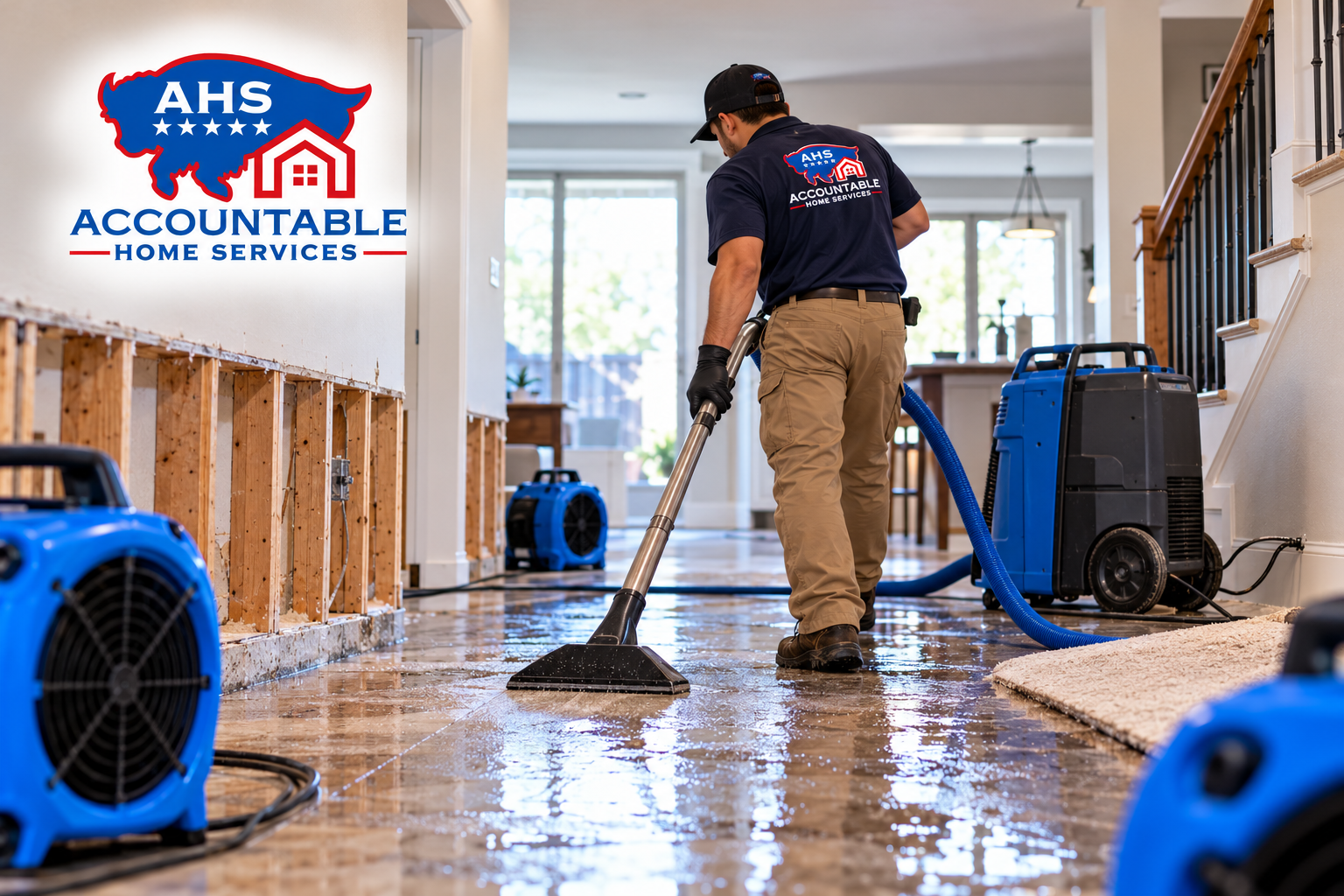
Once the area is safe, pumps or extraction equipment remove accessible water. Carpet and other absorbent materials may need extraction even after visible puddles are gone. This reduces the amount of water left to dry, but it does not establish that the floor assembly or nearby walls are dry. (cdc.gov)
When requesting water extraction in Littleton, ask whether the service includes moisture assessment and follow-up drying. Do not assume an extraction-only visit covers the full loss.
3. Identify hidden moisture
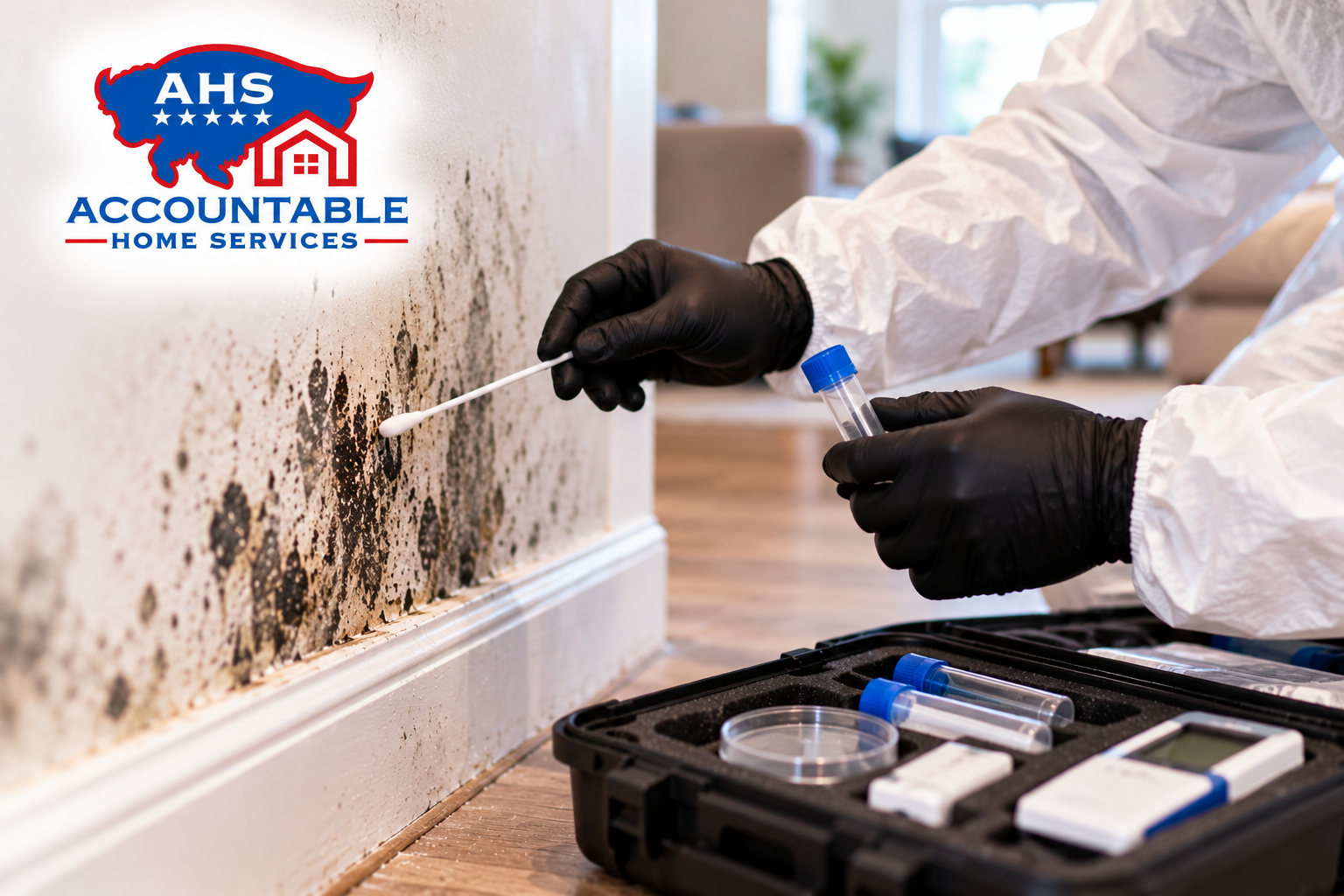
A moisture assessment should extend beyond the obvious wet patch. Nearby wallboard, flooring, and other affected materials need checking because excess moisture may exist without visible staining. Moisture meters help compare suspect materials with similar, unaffected materials elsewhere in the home. (mass.gov)
Ask for a room-by-room moisture record. It should identify what was checked and where readings were elevated, giving you a clearer basis for discussing the proposed drying area.
4. Remove unsalvageable materials when necessary
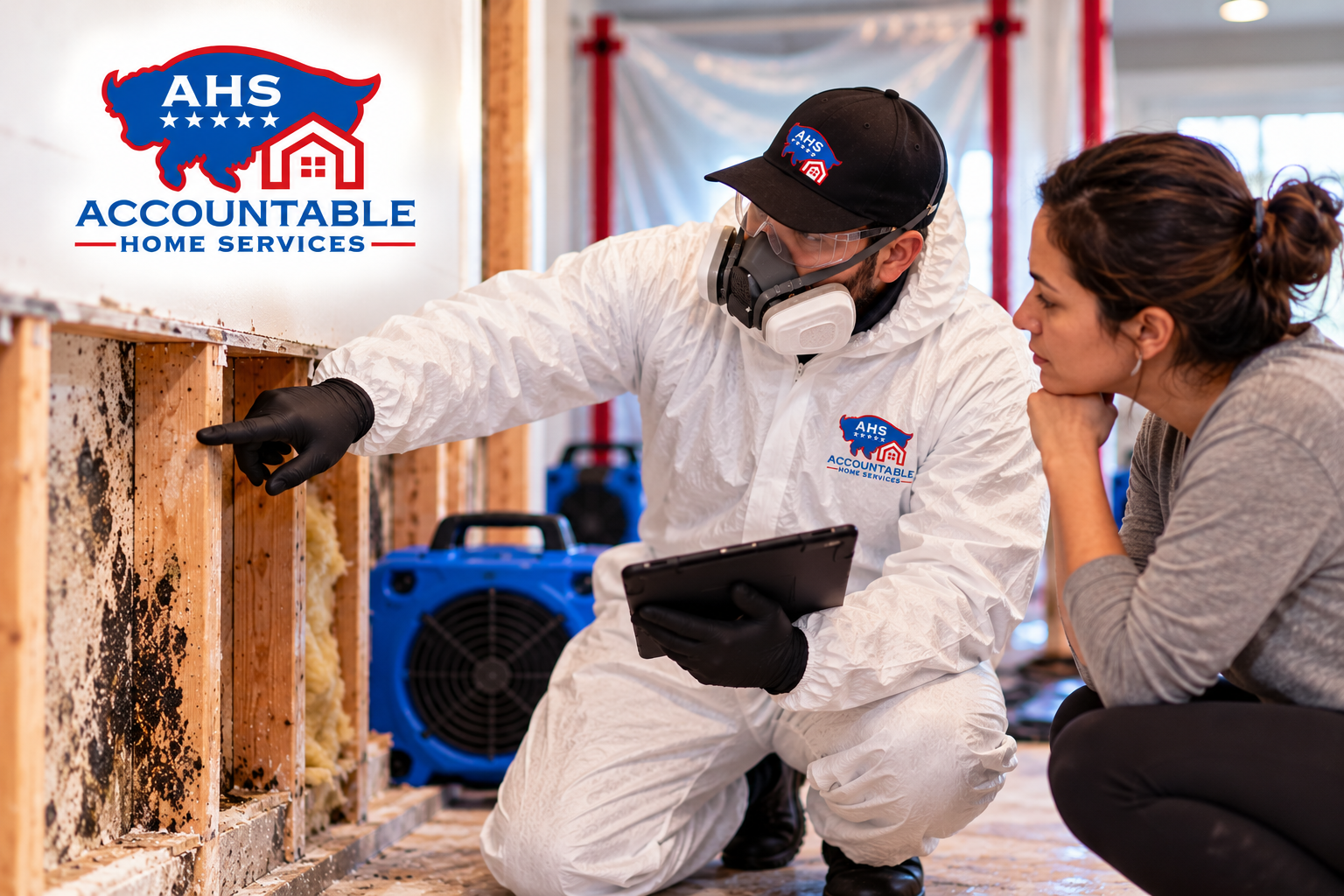
Not every wet material needs demolition. EPA guidance for clean-water damage says wet drywall may dry in place when it has no obvious swelling and its seams remain intact. Damaged wallboard, certain wet insulation, and materials that cannot be adequately cleaned and dried may require removal; contaminated-water losses need different handling. (epa.gov)
Before cutting into older building materials, ask whether lead or asbestos assessment is needed. Suspected hazardous materials should not be disturbed casually during emergency cleanup. (epa.gov)
5. Set drying equipment
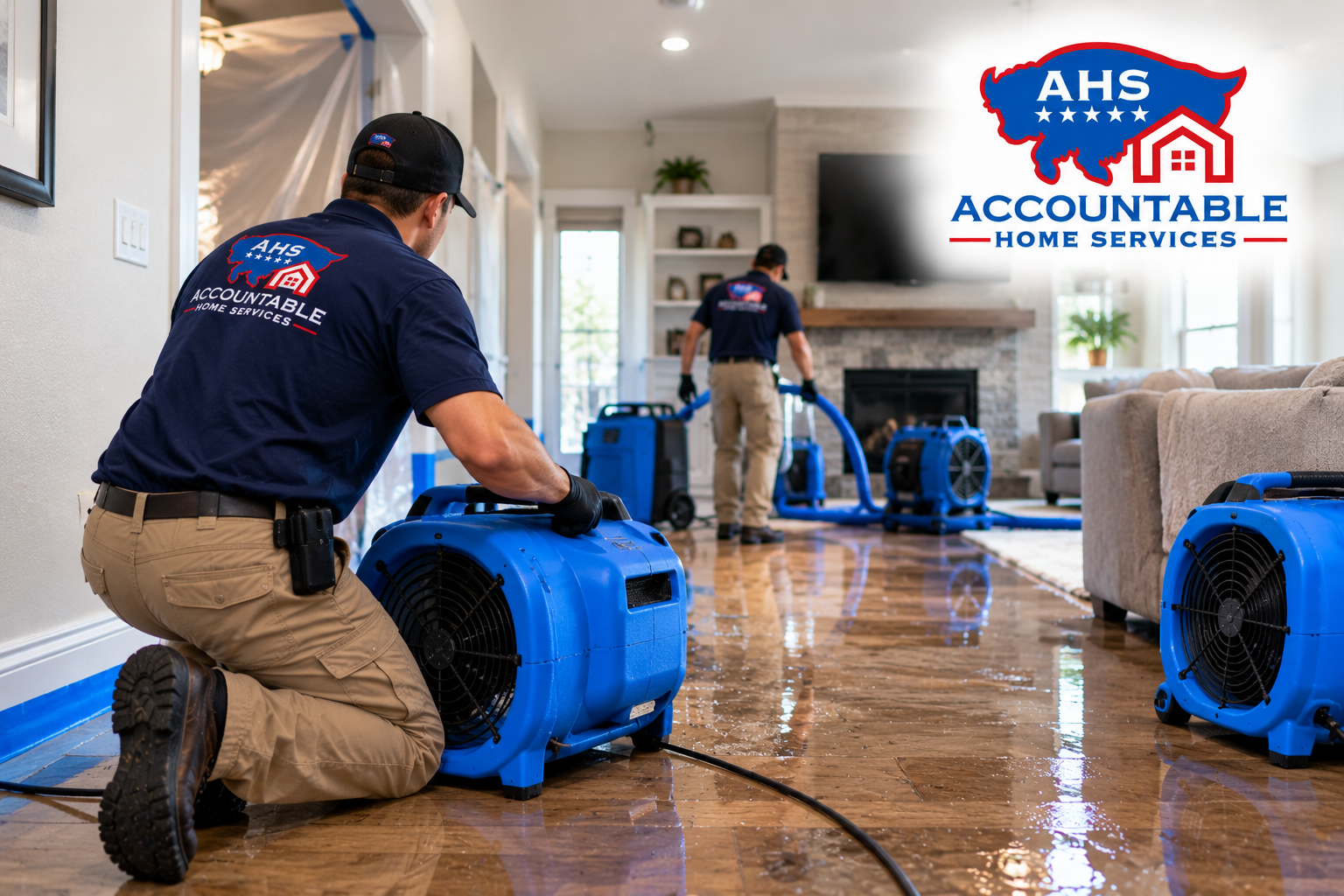
Air movers help moisture evaporate from wet surfaces, while dehumidifiers remove moisture from the air. The equipment plan should account for affected materials and access to wet cavities. A fan in the middle of the room is not a substitute for drying concealed areas. (epa.gov)
Ask the contractor to explain equipment placement, operating instructions, and access needs. Before switching equipment off because of noise or inconvenience, discuss alternatives with the drying team.
6. Monitor moisture levels and adjust
Drying progress needs measurements, not just a hand pressed against a wall. Follow-up checks should revisit affected materials and compare results with appropriate dry references. Indoor humidity provides useful context, but it does not replace checking the materials themselves. (mass.gov)
For structural drying in Littleton, ask how often monitoring will occur and who will explain the results. If readings stop improving, request an explanation of what the team will investigate or change.
7. Keep documentation throughout the work
Save photographs, damaged-item lists, plumbing reports, estimates, invoices, and cleanup receipts. Keep a dated log of conversations with contractors and your insurer. Before discarding damaged belongings, ask your insurer about inspection requirements; photograph items and document necessary disposal, especially when a health hazard is involved. (floodsmart.gov)
Ask the mitigation company to include moisture readings, equipment records, and explanations for material removal in its job file. These records help show what work was performed and why.
8. Confirm drying before reconstruction
Before installing drywall or covering framing, confirm that affected materials have been checked and are sufficiently dry. Enclosing damp materials can leave moisture inside the assembly. Request final readings and a written explanation of which areas are ready for reconstruction. (basc.pnnl.gov)
Do not use appearance alone as the handoff point. A newly painted surface should be the result of completed drying and repair—not a way to hide an unresolved moisture problem. (basc.pnnl.gov)
Mold prevention after water damage
Moisture control is central to mold prevention after water damage. CDC recommends cleaning and drying, or removing, wet items within 24–48 hours when possible. Treat that as a prompt-action goal, not a guarantee that every assembly will dry within that period or that mold cannot develop sooner. (cdc.gov)
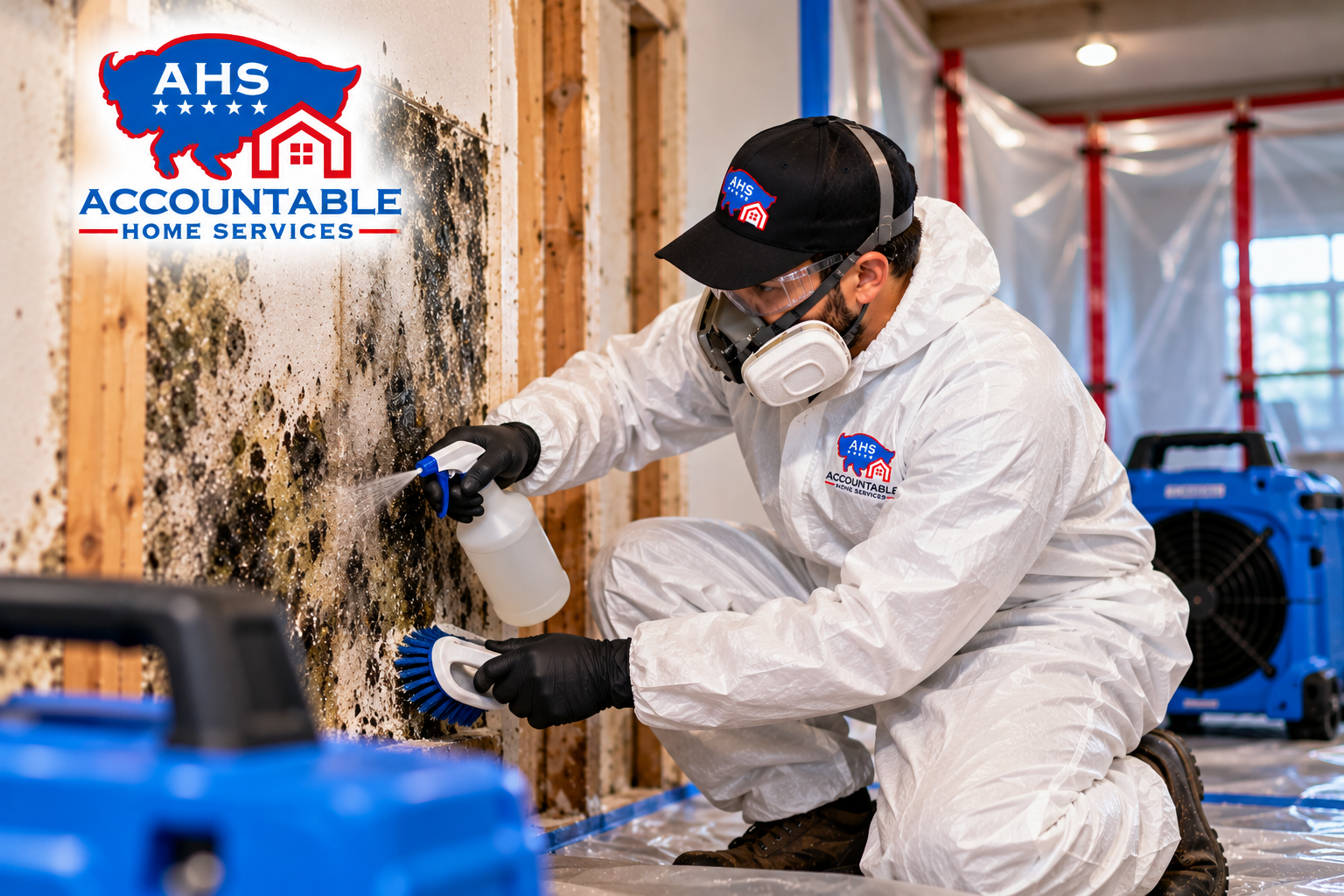
If you notice visible growth, persistent musty odors, or continuing dampness, request further assessment rather than covering the area. EPA recommends professional guidance for extensive water damage, sewage contamination, or larger mold problems. No cleanup plan should promise permanent mold prevention without controlling the moisture source. (epa.gov)
Littleton drainage and recurring basement water
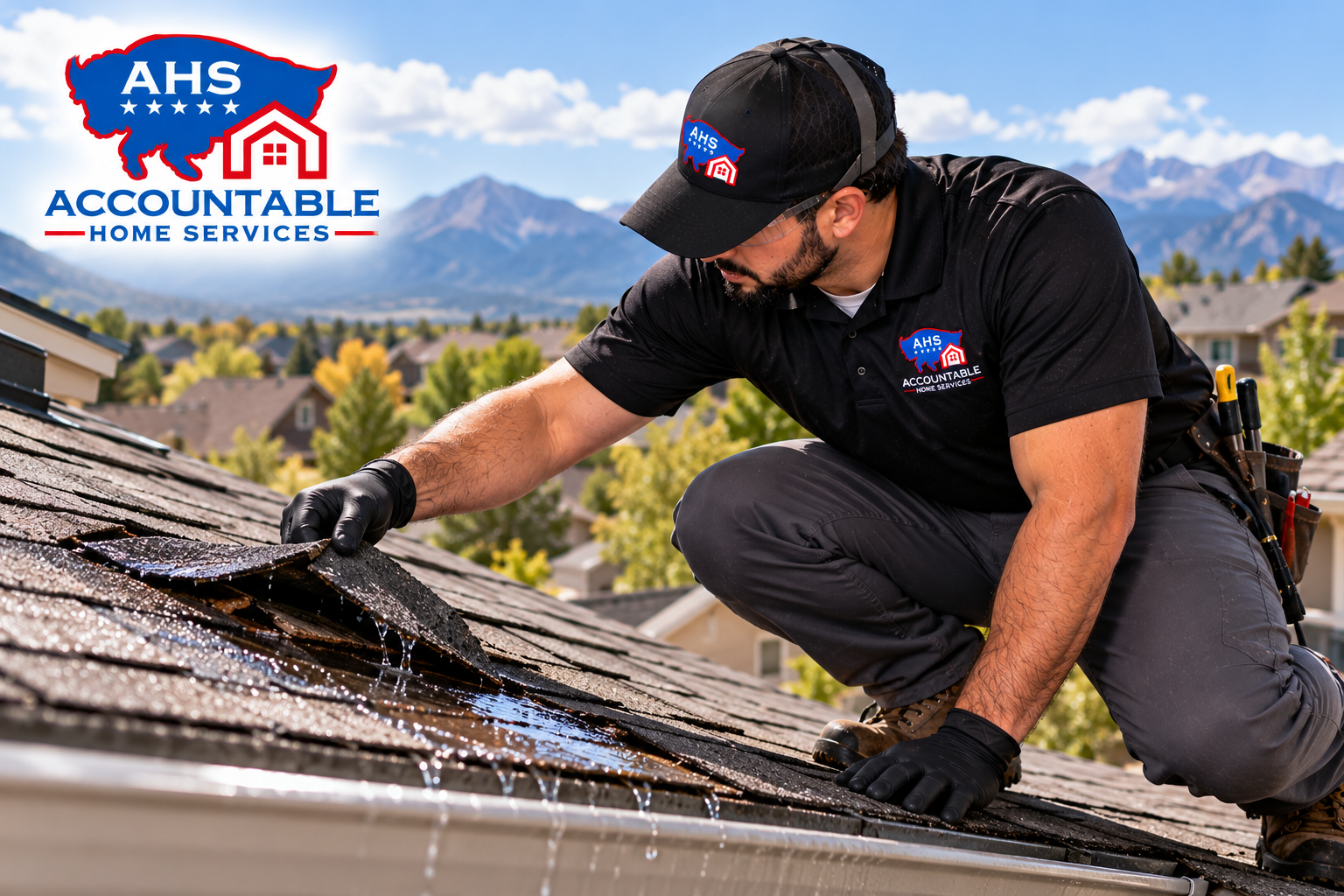
Littleton identifies intense spring and summer thunderstorms as a common cause of local flooding. The city also notes drainage problems in some older developments. That makes identifying the actual entry route important: an indoor plumbing failure and stormwater entering a basement need different source-control plans. (littletonco.gov)
Keep emergency drying and long-term basement waterproofing as separate discussions. Ask what caused the water entry, what evidence supports that conclusion, and which specialist should evaluate prevention. Avoid authorizing a broad waterproofing project solely because the basement was wet once.
How should you choose a mitigation company?
Choose a company that explains its inspection, drying plan, documentation, and repair handoff clearly. When comparing water damage cleanup in Littleton, ask for specifics rather than relying on an “emergency restoration” label. Use these questions before authorizing work:
- Who will coordinate with the plumber and confirm the source is addressed?
- How will you identify and record hidden moisture?
- What supports each proposed material removal?
- How will you monitor drying and confirm completion?
- What charges am I authorizing, and how are changes approved?
- Who handles reconstruction and communication with my insurer?
Insurance agents, plumbers, and property managers can use the same checklist when making referrals. Request one point of contact and agree on how updates will reach the homeowner, tenant, or owner.
The Local Restoration Guide’s practical advice is straightforward: prioritize safety, control the source, and insist on documented drying before rebuilding. Contact your insurer promptly about claim requirements, but do not treat a contractor’s coverage prediction as an insurance decision. Clear records support the conversation; they do not guarantee payment. (floodsmart.gov)