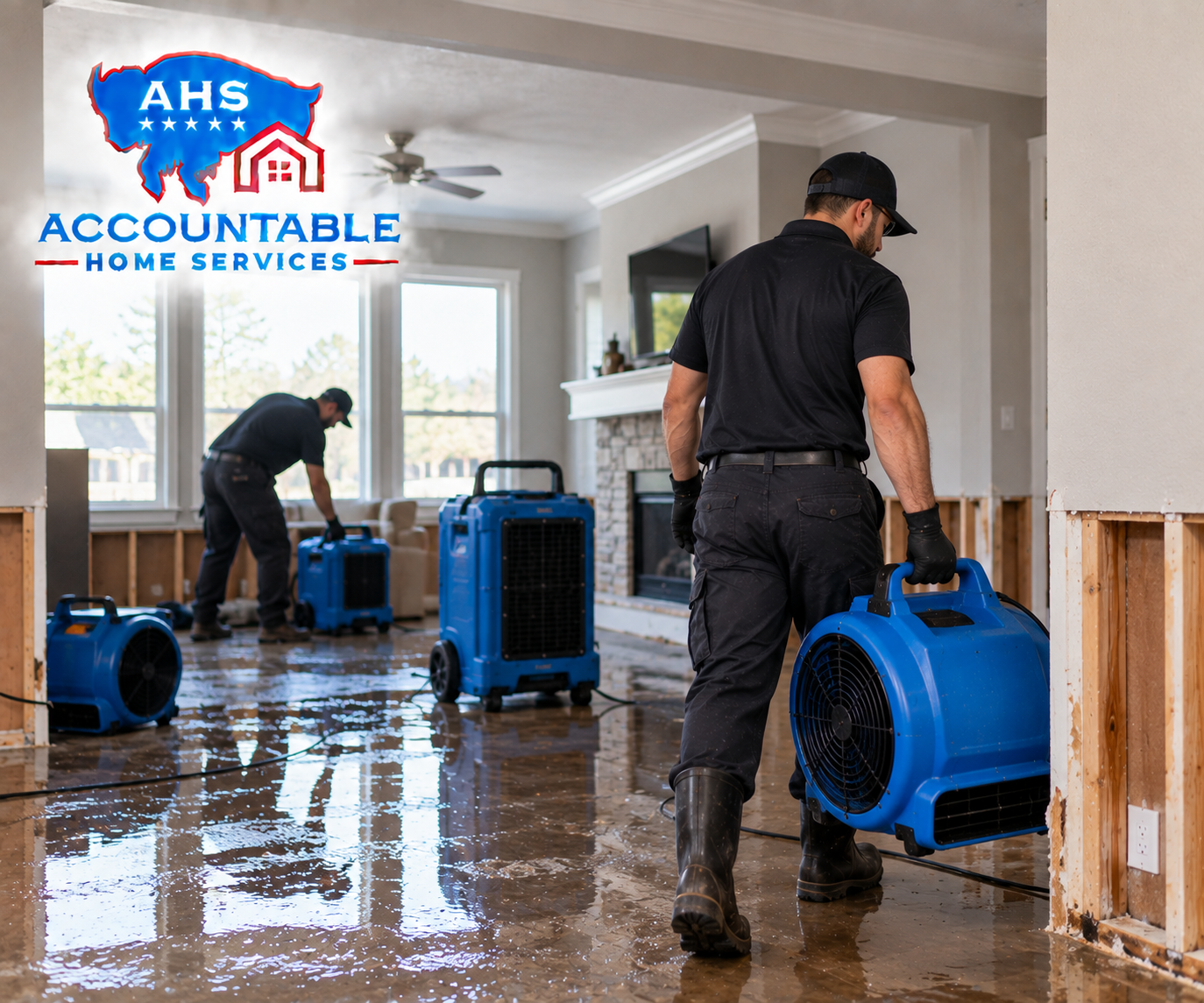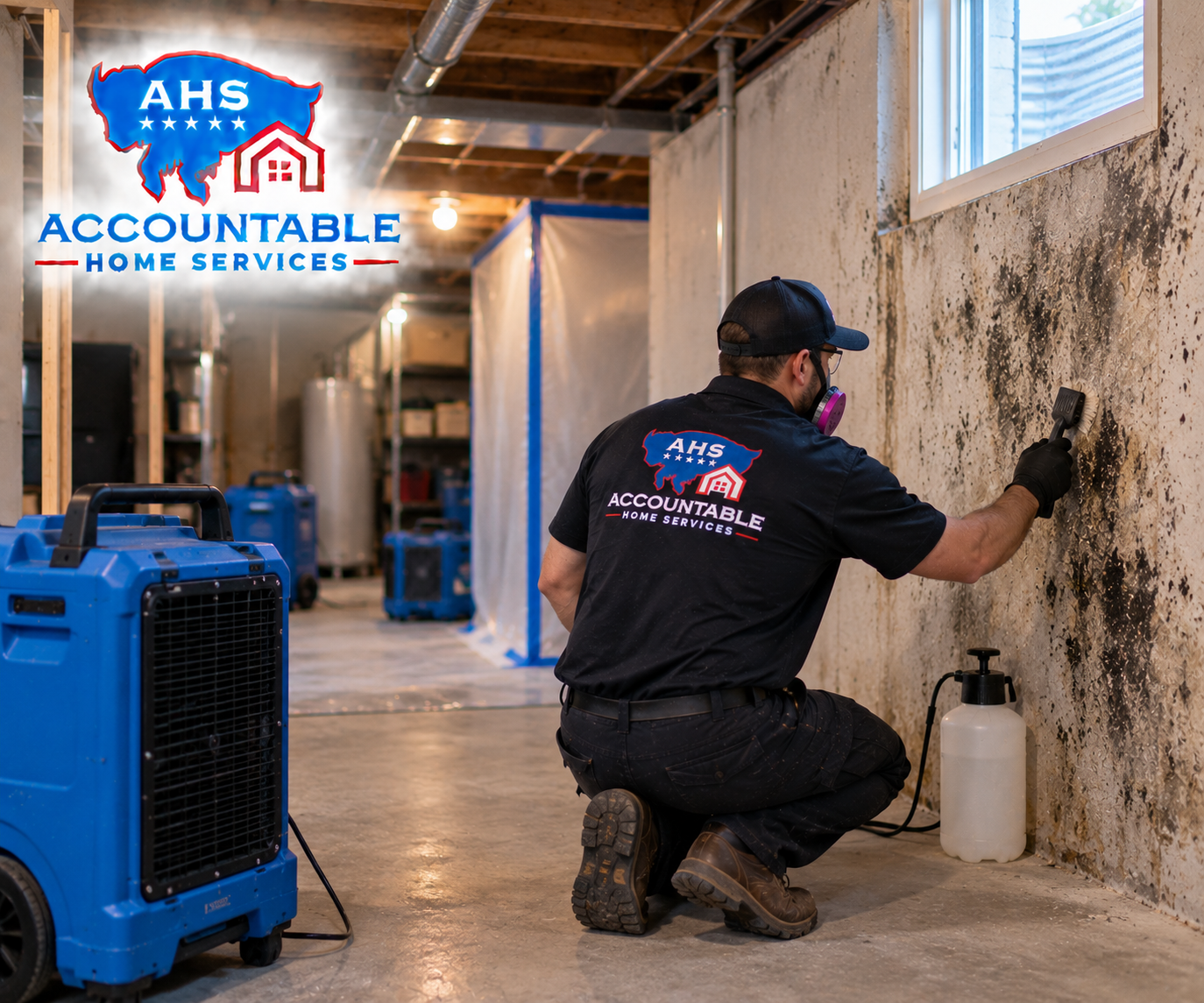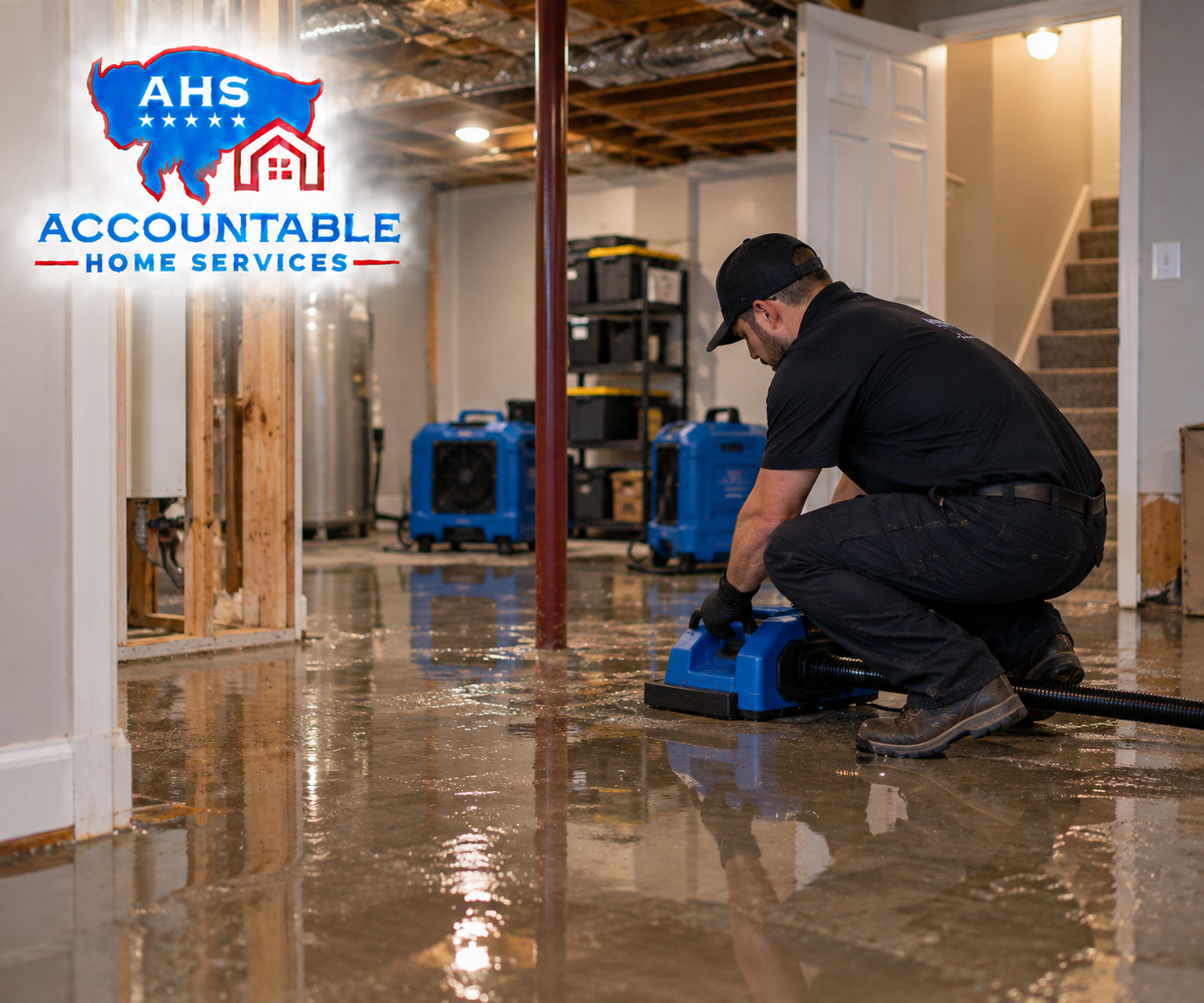
Can You Save Wet Drywall, Carpet, and Hardwood Floors After Water Damage?
This guide helps you decide whether common building materials can be saved or should be replaced after water damage. It focuses on material-level decision-making (what can be dried and cleaned vs what is usually time-sensitive).
Not covered: cost estimates, first-hour emergency steps, or a full restoration timeline. For the canonical overview of the overall service workflow (assessment → drying → documentation), use: Water Damage Restoration
How do you decide whether to save or replace wet materials?
A material is usually “saveable” when it can be thoroughly dried and (if needed) cleaned without leaving trapped moisture or contamination behind. Replace is more likely when the material is porous, swollen/delaminated, contaminated, or can’t be dried reliably within a reasonable window.
The key idea is simple: surface-dry is not the same as fully dry. Moisture can remain in layers (padding, underlayment, drywall paper, subfloors) even when the surface looks fine.
Industry guidance frequently emphasizes acting quickly on moisture and drying wet materials rather than waiting for “visible mold.” (EPA)
Which materials are usually salvageable, and which are time-sensitive?
Hard, non-porous materials are often salvageable if cleaned and dried. Porous materials (especially those with backing, paper, padding, or insulation) are more time-sensitive and more likely to trap moisture.
Use this decision table as a practical starting point.
Save vs replace decision table (by material)
| Material | Often saveable when… | Replace is more likely when… | What to check before deciding |
|---|---|---|---|
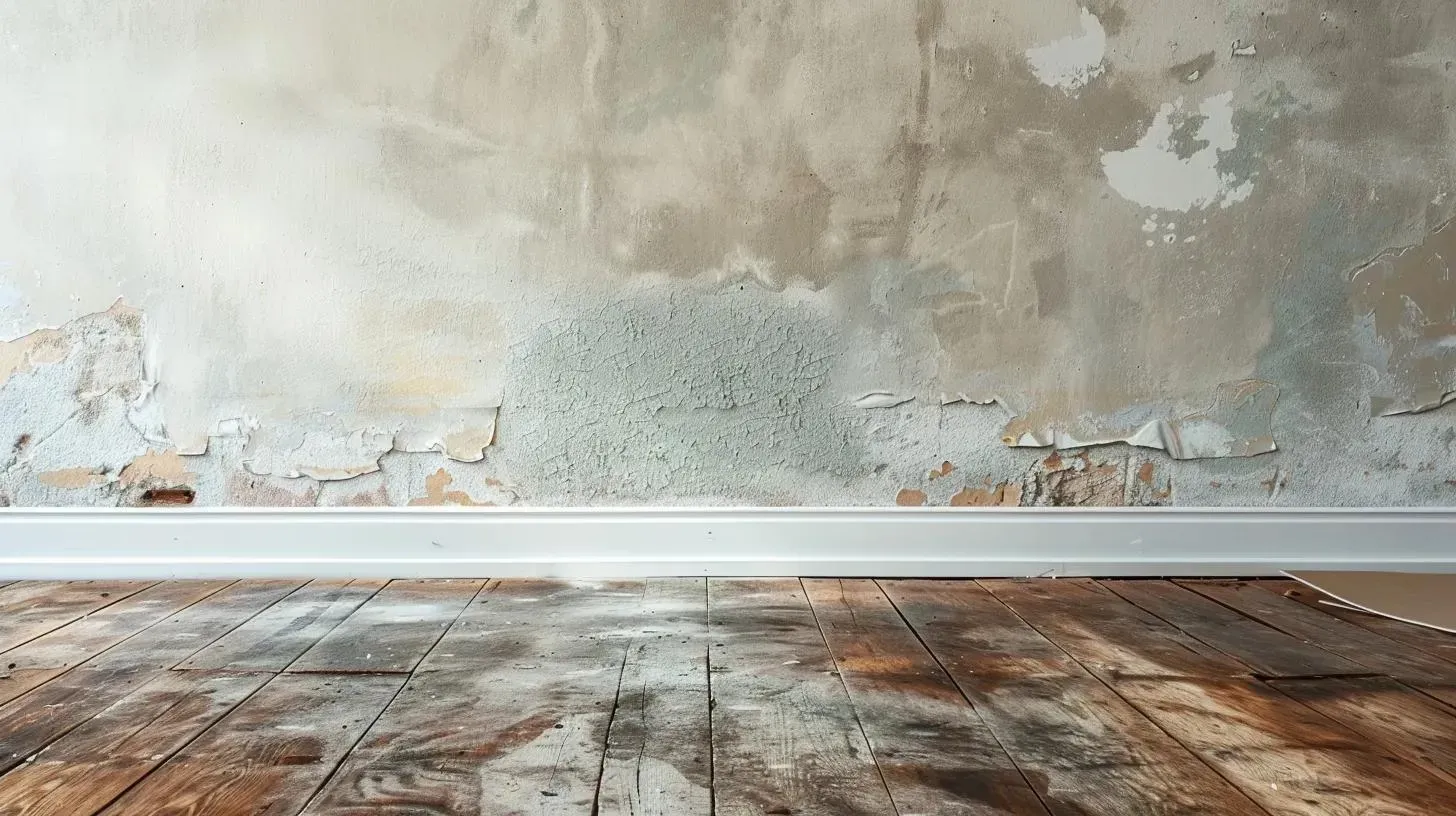
| Drywall (walls/ceilings) | Wetting is minor and the drywall can be dried thoroughly without trapped moisture | Drywall is soft, crumbly, swelling, or contaminated; insulation behind it is wet | Look for soft spots, swelling, bubbling paint; check baseboards and lower edges; consider moisture verification |
| Carpet (surface) | Water was clean and you can dry carpet and backing thoroughly | Water is contaminated or unknown; carpet stayed wet too long; odor persists | Lift corners if safe; check backing and tack strip area; verify padding condition |
| Carpet padding | Rarely (padding holds water like a sponge) | Padding is soaked, compressed, or contaminated (common) | Check if it’s still heavy or saturated even after extraction |
| Hardwood flooring | Minimal cupping and you can dry the system evenly (floor and subfloor) | Boards are severely cupped or crowned, buckling, or finish is separating | Check edges and transitions; look for raised boards, gaps, squeaks, persistent dampness |
| Laminate / engineered click flooring | Only in very minor wetting with quick, verified drying (varies by product) | Swelling at seams, mushrooming, or delamination begins | Check seam swelling and edge lift; inspect underlayment if accessible |
| Cabinet bases / toe-kicks (particleboard/MDF) | Solid wood components with limited wetting may recover if dried thoroughly | Particleboard or MDF swells, crumbles, or delaminates (common) | Check toe-kicks and bottom edges for swelling; smell for persistent mustiness |
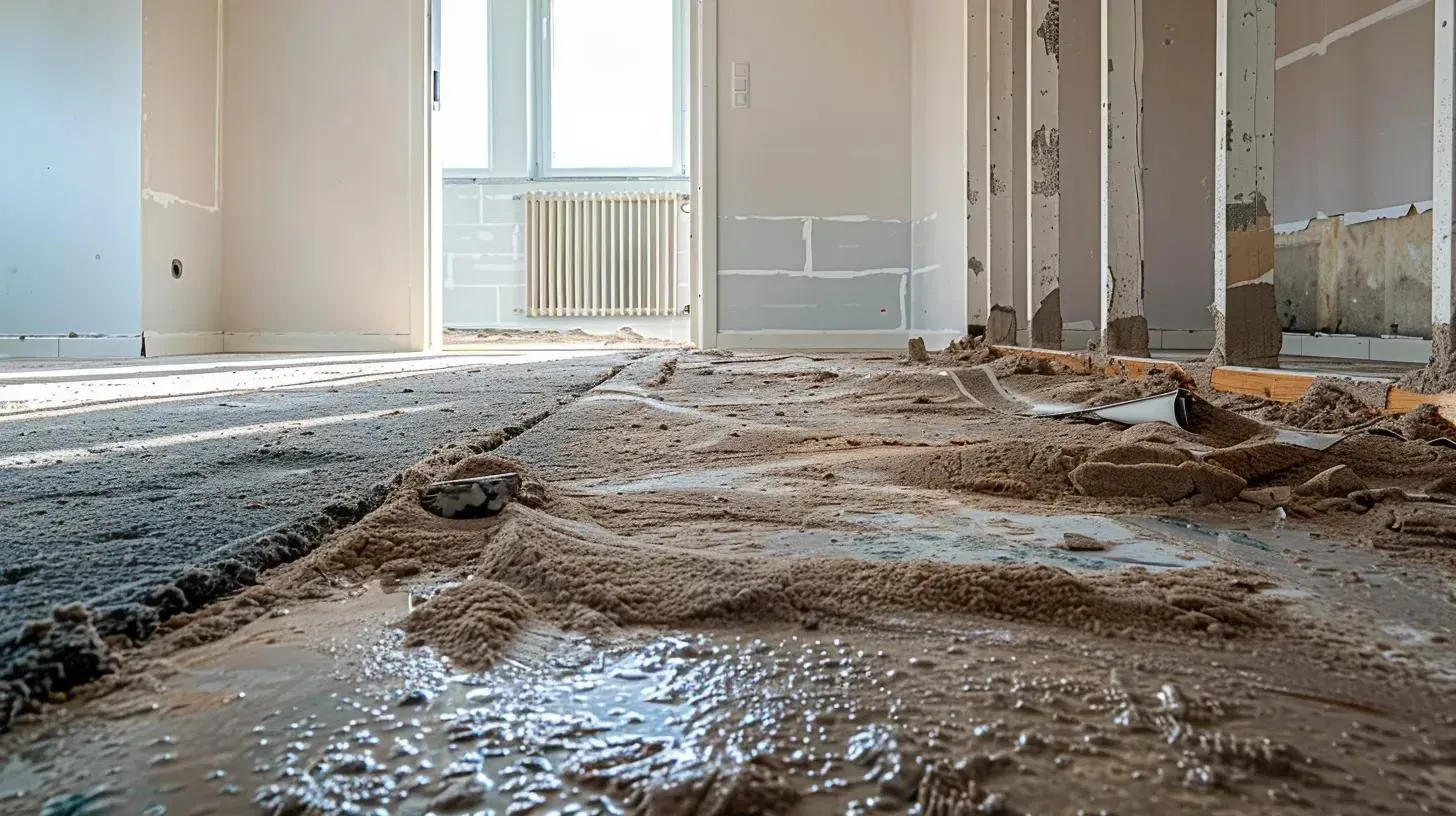
| Insulation | Generally not (it holds moisture and dries poorly in place) | Insulation is wet or contaminated (common) | If wall cavities were wet, insulation often must be removed to dry properly |
If water may be contaminated (sewage/backup/floodwater), guidance commonly recommends removing and discarding contaminated drywall/insulation. (CDC)
What are the clearest signs a material should be replaced?
Replace is more likely when you see structural distortion, delamination, persistent odor, or contamination risk.
Practical “replace-leaning” signs include:
- Drywall or baseboards feel soft/spongy or are crumbling
- Flooring is buckled, significantly cupped, or lifting at seams
- Carpet/padding has a persistent musty odor after attempted drying
- Cabinet bottoms or toe-kicks are swollen, warped, or falling apart
- Water source is unknown/contaminated (backup, sewage, floodwater)
How can you check wet drywall, carpet, and flooring without tearing everything out?
You can do a non-destructive check by looking for material behavior and edge-zone clues (where water collects first).
Quick material check checklist
- Drywall: press gently near the bottom edge; look for soft spots, swelling, bubbling paint
- Baseboards: check for swelling or separation at seams
- Carpet: lift a corner if safe; feel the backing; check the perimeter/tack strip area
- Padding: if accessible, check whether it still feels heavy/saturated
- Hardwood/laminate: inspect seams and edges; look for cupping, edge lift, “mushrooming,” buckling
- Cabinets: inspect toe-kicks and bottom panels with a flashlight
If you suspect water moved into subfloors or wall cavities, the “confirm and dry the structure” step is separate from a surface cleanup. That scope is covered here: Structural Drying
What should you do before you decide to remove materials?
Before removing anything major, your goal is to document, isolate, and start drying where safe—so you don’t lose track of what was affected and you don’t trap moisture.
Reasonable pre-removal steps (non-emergency, decision-focused):
- Take clear photos of affected areas and materials before you move or remove items
- Keep wet porous contents (cardboard, fabric bins) out of the affected zone so they don’t keep wicking moisture
- Use dehumidification/air movement where it’s safe to do so, with airflow aimed to remove damp air (not just blow it around)
If you want a clean internal link that explains humidity control without turning this article into a process page, use: Dehumidification
Common mistakes that cause “saved” materials to fail later
Most failures happen when people rebuild or reassemble before moisture is fully managed.
Mistakes to avoid:
- Assuming carpet is fine because the top feels dry (padding and backing often stay wet)
- Painting over stains before verifying drywall and cavities are dry
- Sanding/refinishing hardwood too early (can lock in movement and create uneven results)
- Replacing baseboards immediately without addressing wet drywall edges behind them
- Ignoring cabinet toe-kicks (they can hold moisture and odor)
A reliable rule of thumb is to prioritize moisture control and drying rather than cosmetic cover-ups. (EPA)
Two real-world examples (what “save vs replace” looks like)
Example 1: Clean-water leak soaked a carpeted bedroom
The carpet surface looks okay after extraction, but the padding remains heavy and damp. Even if the carpet can be dried, the padding often becomes the weak link and is commonly replaced. After drying is verified, the carpet may be re-stretched or reinstalled.
Internal references that match the typical scopes:
Example 2: Kitchen toe-kick swelling after a slow under-sink leak
The countertop and cabinet doors look normal, but the toe-kick is swollen and the cabinet base is starting to delaminate. That swelling is often irreversible for particleboard/MDF, which usually pushes the decision toward replacement of affected cabinet base components, while surrounding solid wood pieces may be evaluated separately.
Frequently Asked Questions
Can wet drywall be saved?
Sometimes—if wetting is limited and the drywall can be dried thoroughly without trapped moisture or contamination. If drywall is contaminated by sewage/floodwater, removal is commonly recommended. (CDC)
Can carpet be saved after water damage?
It depends on the water source and whether carpet + backing can be dried thoroughly. Padding is often the limiting factor because it holds water.
Can hardwood floors be saved?
Often yes for minor wetting if drying is even and verified. Severe buckling, major cupping, or ongoing moisture under the floor increases the odds that sections will need replacement.
If the water is floodwater or backup water, what changes?
The decision shifts toward safety and contamination control. Porous materials that stayed wet or were exposed to flood/backup water are commonly discarded. (OSU NPIC)