Water Restoration Technician in Greenwood Village, CO: When Homeowners Should Call for Help
Water Restoration Technician in Greenwood Village, CO: When Homeowners Should Call for Help
When water gets into the wrong place, it rarely stays put. A small leak behind a wall, a washing machine overflow, or a basement with standing water can move quickly through flooring, drywall, trim, cabinets, insulation, and electrical areas. For homeowners in Greenwood Village and nearby Denver metro communities, knowing when to call a water restoration technician can help limit damage, reduce stress, and create a clearer path for repairs.
If you are searching for water restoration near me because you have active water in your home, do not wait to see if it dries on its own. A trained technician can inspect the affected areas, remove water, set up drying equipment, document the damage, and help you understand the next steps.
When Should Greenwood Village Homeowners Call for Water Restoration Help?
Some water issues are obvious emergencies. Others look minor at first but can create hidden damage behind walls or under flooring. In general, it is best to call for professional water damage restoration Greenwood Village service when water has spread beyond a small, easily cleaned surface.
You should call a water restoration technician if you notice:
- Standing water in a basement, crawl space, bathroom, laundry room, or living area
- Wet carpet, soaked padding, buckled wood flooring, or soft drywall
- Water dripping from a ceiling or light fixture
- A burst pipe, failed supply line, or plumbing backup
- Water under cabinets, appliances, baseboards, or built-ins
- A musty smell after a leak or storm
- Stains spreading on walls or ceilings
- Moisture returning after you cleaned up the visible water
- Water damage near electrical outlets, panels, or fixtures
- Any situation where you are unsure how long the water has been present
Calling early can make a difference. Water can travel farther than it appears on the surface, especially in finished basements, multi-level homes, and areas with carpet, drywall, or insulation. A local water damage technician has tools to check moisture levels in places you cannot see.
Common Water Damage Problems in Greenwood Village Homes
Greenwood Village homes can face water issues from many sources, including plumbing failures, appliance leaks, weather events, sump pump problems, and roof or exterior drainage issues. Whether your home is near the Denver Tech Center, Cherry Creek State Park, Belleview Avenue, Orchard Road, or a nearby residential neighborhood, quick cleanup matters.
Common calls for water damage cleanup Greenwood Village include:
Burst Pipe Water Damage
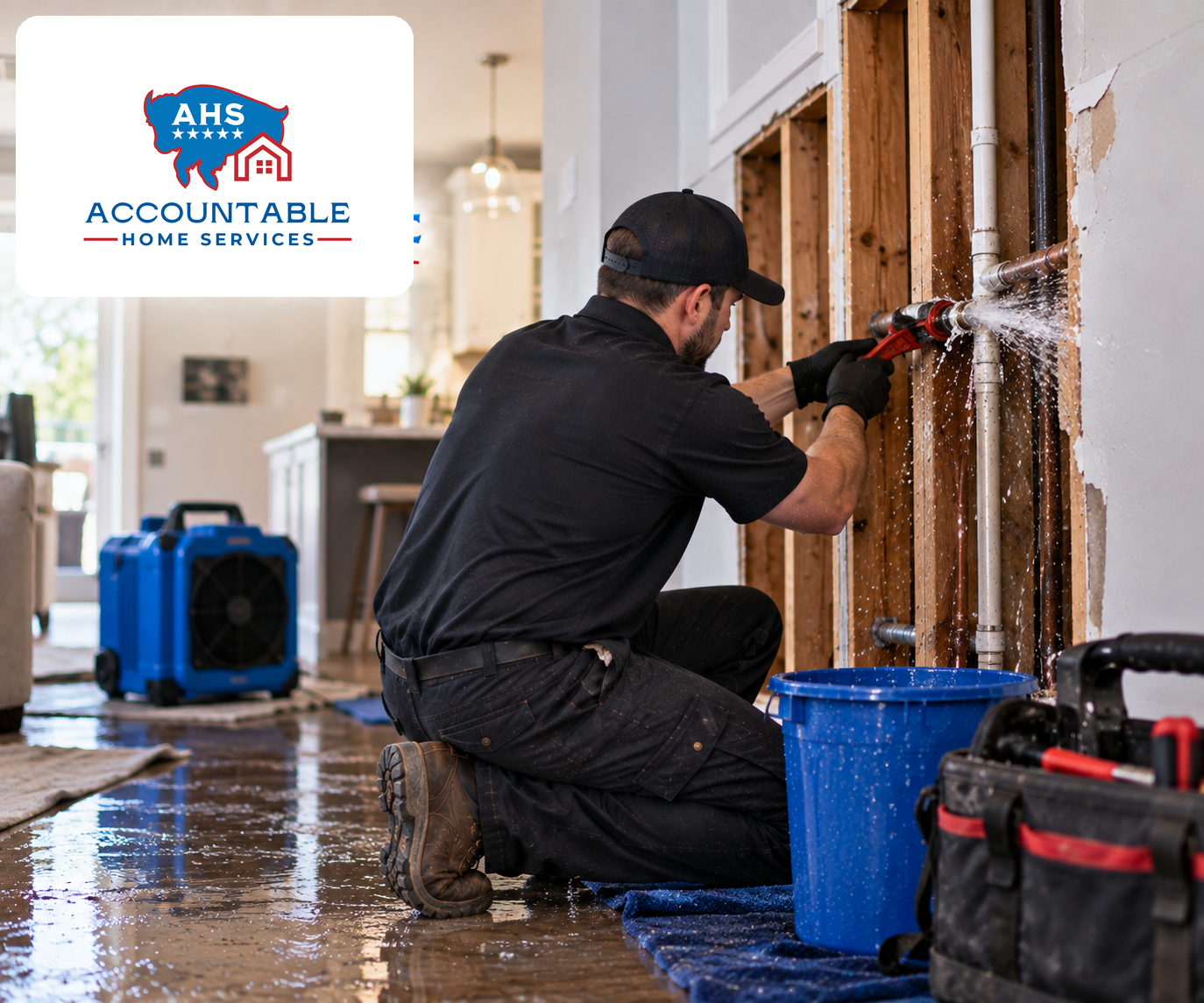
A burst pipe can release a large amount of water in a short time. This may happen during cold weather, after pipe corrosion, from pressure changes, or due to an older plumbing connection. Burst pipe water damage often affects walls, floors, ceilings, cabinets, and rooms below the source of the leak.
If a pipe has burst, shut off the water supply if you can do so safely, then call for help. Even after the water stops, moisture can remain inside building materials.
Ceiling Water Leaks
A ceiling water leak Greenwood Village homeowners notice may come from a roof leak, upstairs bathroom, broken pipe, HVAC condensation line, or appliance connection. Ceiling leaks should be treated carefully because wet drywall can weaken, sag, or collapse.
If water is dripping near a light fixture, switch, or electrical device, avoid the area and call a professional. A restoration technician can inspect the ceiling, identify wet materials, and recommend safe next steps.
Flooded Basement Cleanup
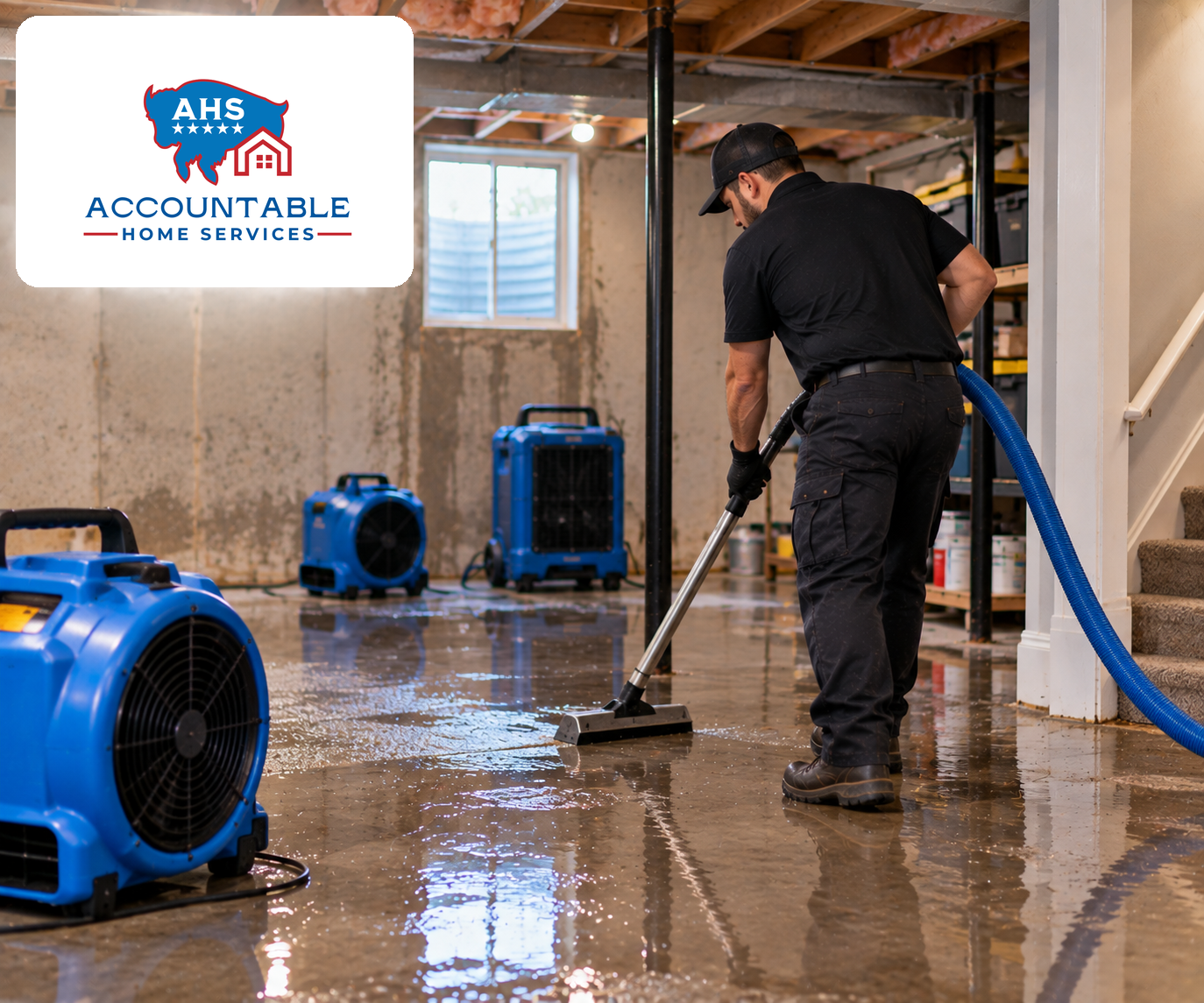
Finished and unfinished basements can both be affected by water intrusion. A basement may flood because of sump pump failure, heavy rain, sewer or drain backup, foundation seepage, plumbing leaks, or appliance failure.
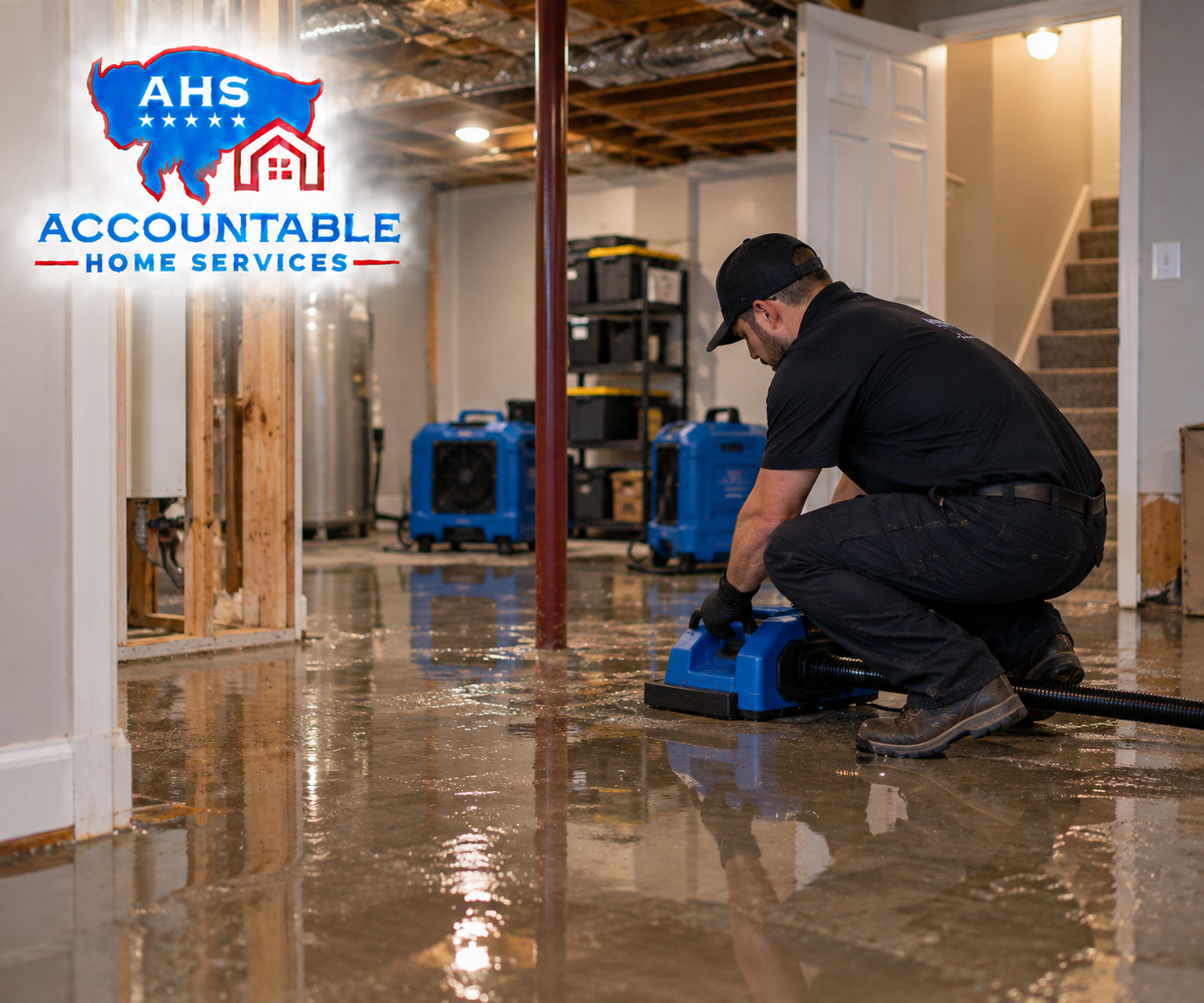
Professional flooded basement cleanup Greenwood Village service may include water extraction, removal of wet materials, drying equipment, sanitizing, moisture checks, and documentation. Basements often need extra attention because moisture can hide behind baseboards, under carpet, inside wall cavities, and around stored belongings.
Appliance Leaks and Overflows
Dishwashers, refrigerators, ice makers, washing machines, water heaters, and HVAC systems can all cause water damage. These leaks may start small and go unnoticed until flooring begins to warp or a ceiling below shows staining.
If you find water around an appliance, shut off the appliance’s water line if possible and avoid moving heavy equipment unless you know it is safe. A restoration technician can inspect the surrounding materials and help determine how far the moisture has spread.
What to Do Right Away Before Help Arrives
If you have emergency water damage Greenwood Village homeowners should focus first on safety. You do not need to solve everything before calling. The goal is to stop more water from entering, protect people and pets, and avoid making the situation worse.
Take these steps if it is safe:
- Stop the water source. Turn off the main water valve or the specific fixture valve if the problem is plumbing-related.
- Avoid electrical hazards. Do not walk into standing water if outlets, cords, appliances, or electrical panels may be affected.
- Move valuables out of wet areas. If items can be moved safely, place them in a dry location.
- Lift small items off wet floors. Shoes, rugs, boxes, books, and baskets can absorb water quickly.
- Take photos and videos. Document the water source, affected rooms, damaged items, and standing water before cleanup begins if you can do so safely.
- Call a restoration professional. Ask for inspection, extraction, mitigation, and drying support.
- Contact your insurance company. If you plan to file a claim, ask what documentation they need and how they want the claim started.
Avoid using household fans on areas that may be contaminated by sewage, drain backup, or dirty water. Also avoid tearing out materials unless you have documented the damage and know what should be removed.
What a Water Restoration Technician Does
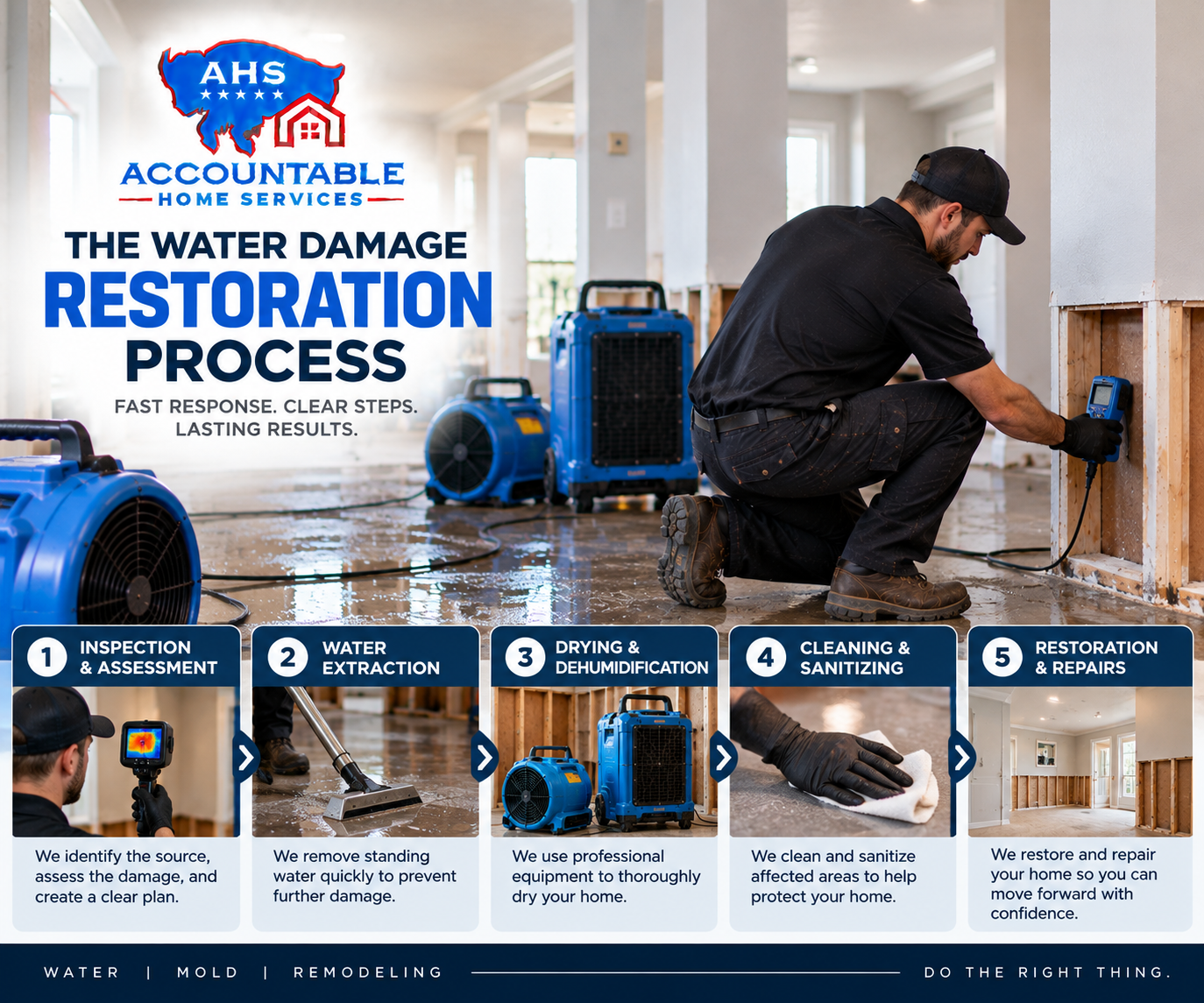
A water restoration technician Greenwood Village CO homeowners call is trained to inspect water damage, remove water, set up drying systems, and monitor moisture until the affected areas are ready for repair. The process is usually more detailed than simply mopping up water.
A professional visit often includes several steps.
Inspection and Moisture Mapping
The technician will inspect the affected rooms and nearby areas where water may have traveled. This may include checking walls, floors, trim, carpet, cabinets, ceilings, and rooms below or next to the source.
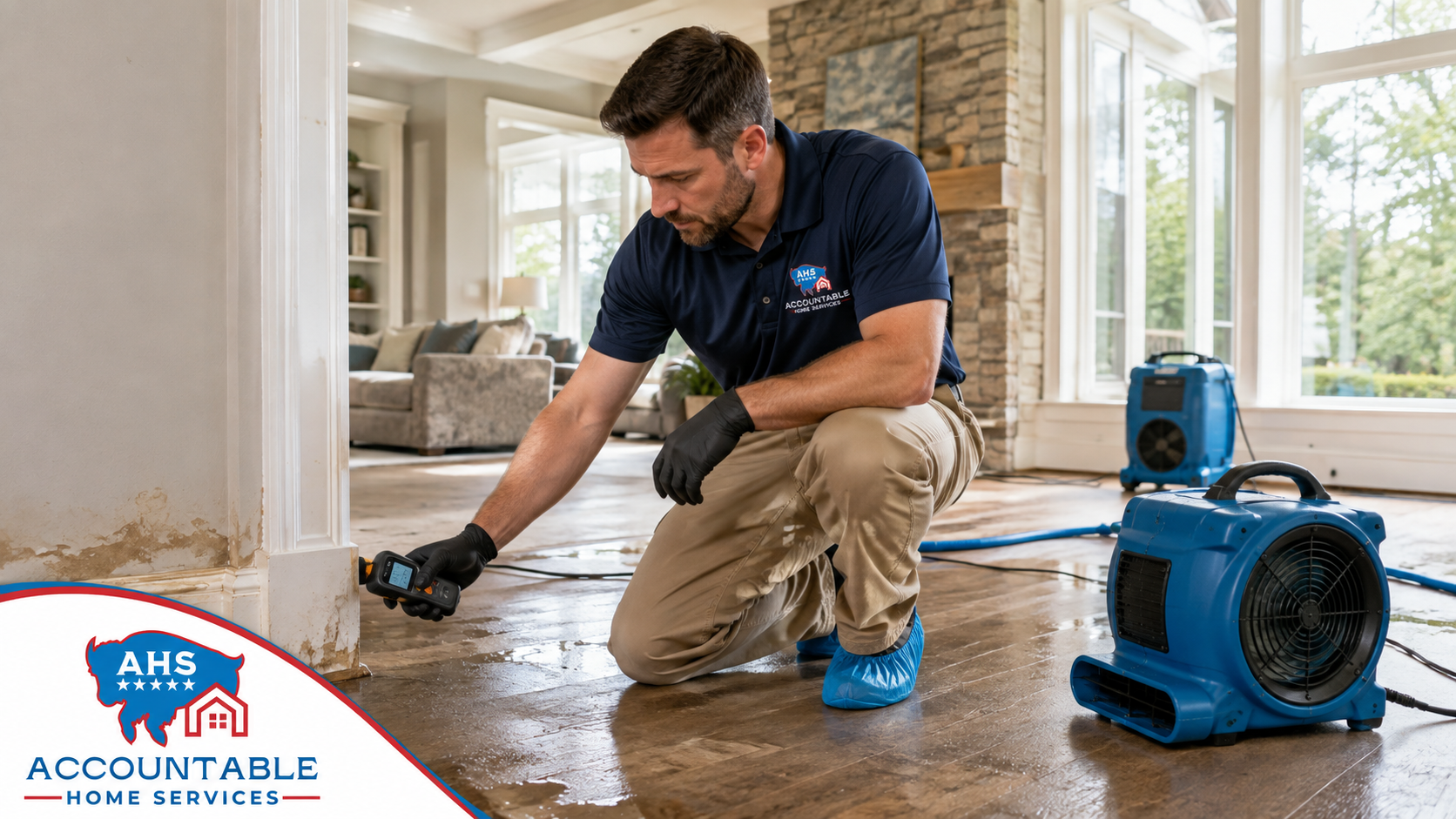
Moisture meters and thermal imaging tools may be used to help locate damp areas. The goal is to understand the full scope of the problem before drying begins.
During the inspection, the technician may ask:
- When did you first notice the water?
- Do you know the source?
- Has the water stopped?
- Which rooms were affected?
- Is there carpet, hardwood, tile, laminate, or finished basement space involved?
- Have you contacted your insurance company?
Clear answers help guide the mitigation plan, but it is okay if you do not know everything yet.
Water Mitigation
Water mitigation Greenwood Village service focuses on limiting additional damage. This may include stopping the spread of water, protecting unaffected areas, removing wet contents, and identifying materials that cannot be dried in place.
Mitigation is not the same as full repair. It is the urgent first phase that helps stabilize the home before reconstruction or finish repairs begin.
Water Extraction
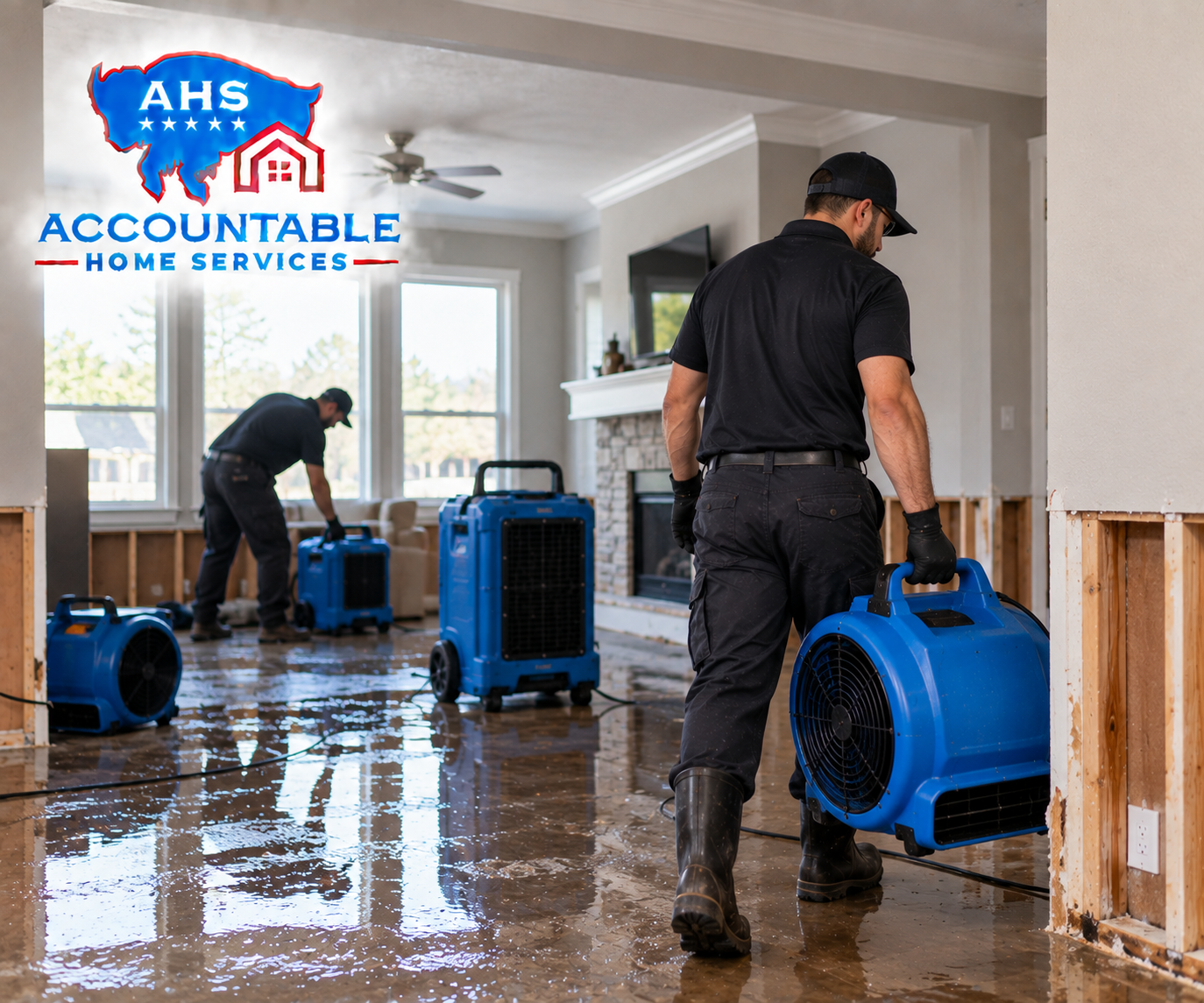
If there is standing water or saturated carpet, technicians may use professional extraction equipment to remove as much water as possible. Water extraction Greenwood Village service can be especially important for basements, carpeted rooms, and large affected areas.
Removing water quickly can reduce drying time and may help save some materials, depending on the source of water, how long it has been present, and the condition of the affected surfaces.
Removal of Damaged Materials
Some materials can dry properly. Others may need to be removed. This can include soaked carpet padding, damaged drywall, insulation, baseboards, or flooring materials that have trapped moisture.
A good technician should explain what needs to be removed and why. The goal is not to tear out more than necessary. The goal is to remove materials that cannot be safely or effectively dried.
Drying and Dehumidification
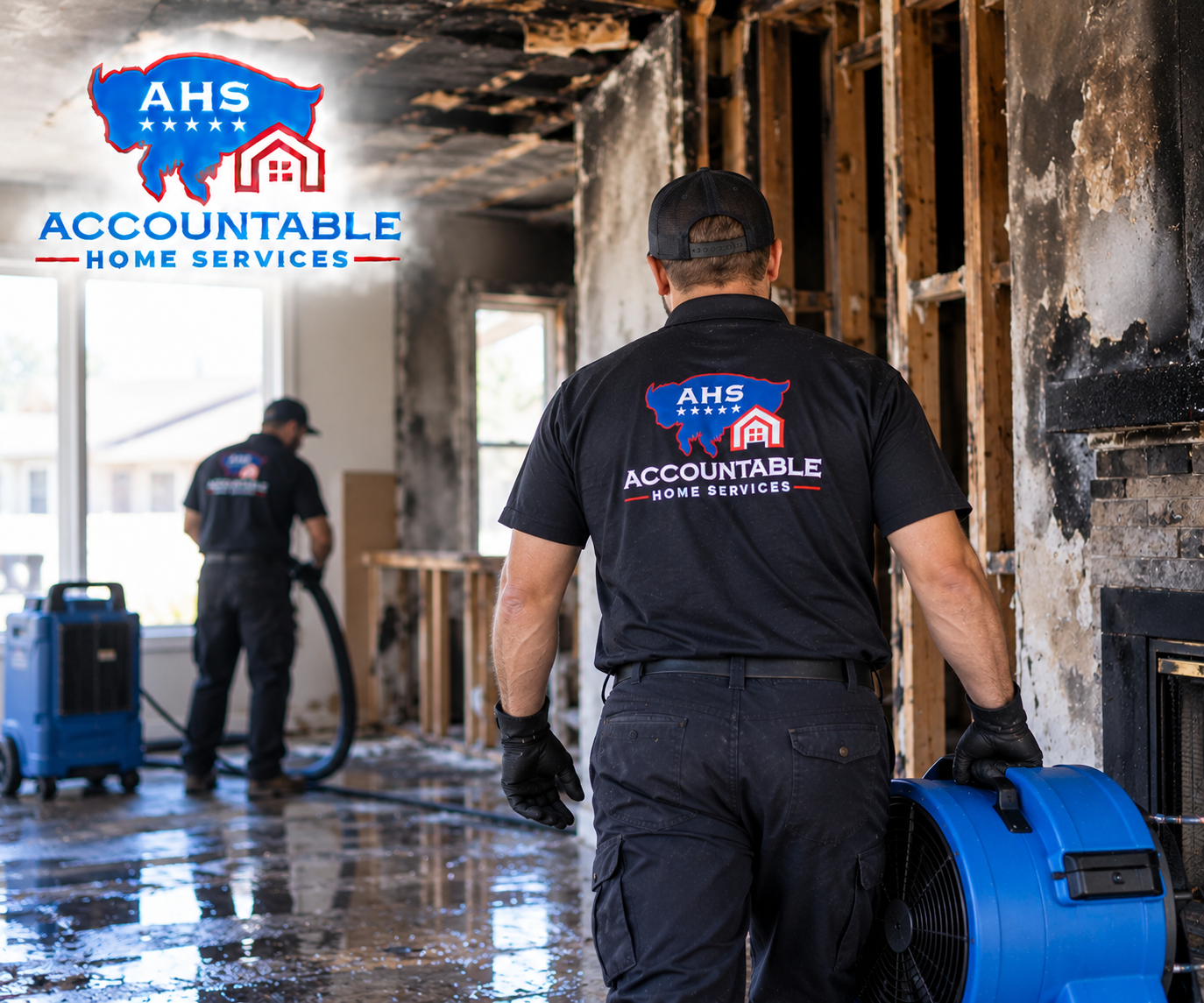
After extraction and removal, drying equipment is placed to manage moisture in the air and affected materials. This may include air movers and dehumidifiers arranged to create a controlled drying environment.
The drying process can take several days depending on the size of the loss, the materials affected, the amount of water, and indoor conditions. Technicians may return to check moisture readings and adjust equipment.
Cleaning and Sanitizing
Depending on the water source, cleaning and sanitizing may be needed. A clean water supply line leak is different from a drain backup or outside water intrusion. The technician should help determine the category of water and the proper cleanup approach.
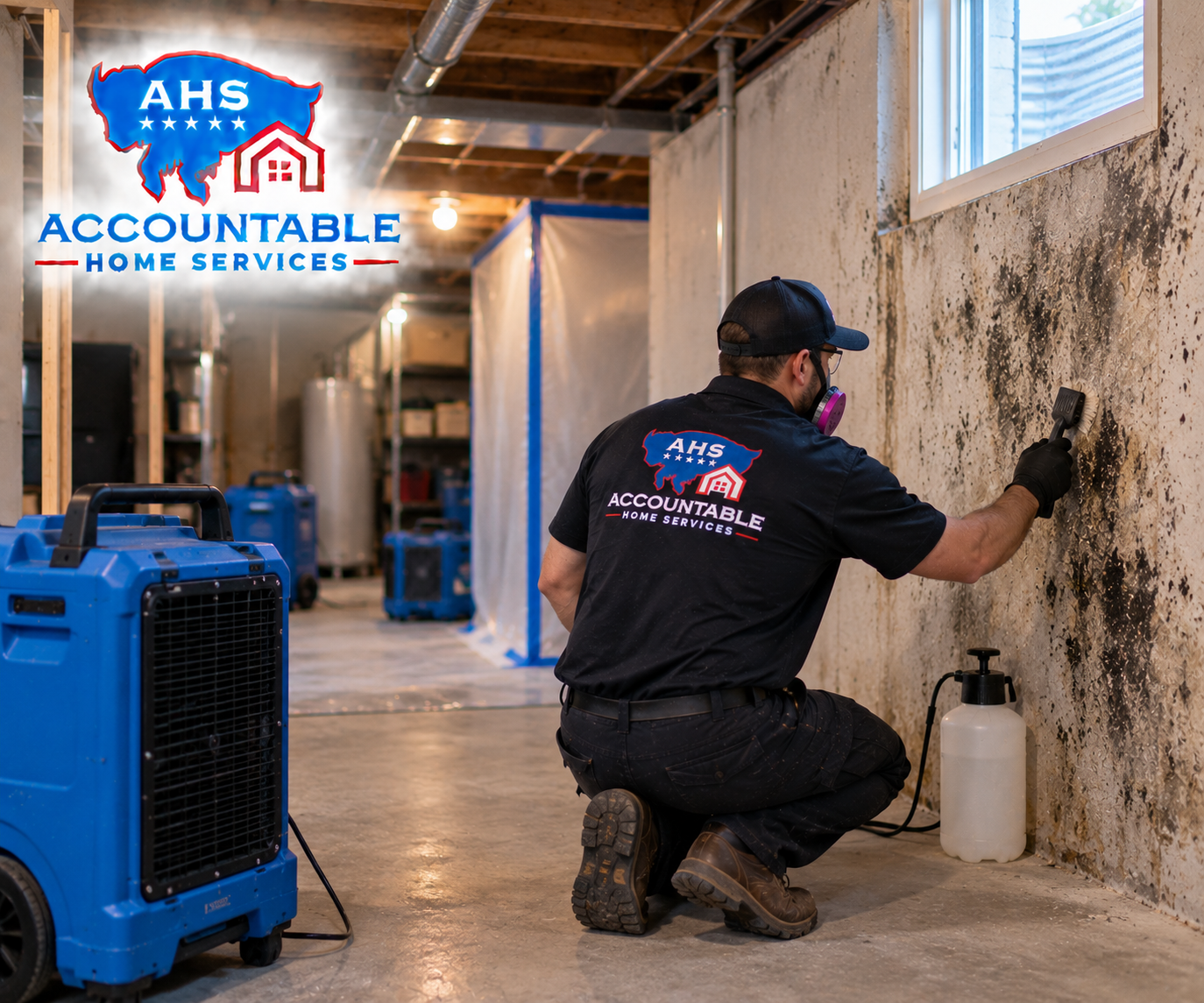
This step is especially important when water may contain contaminants or when porous materials have been wet for an extended time.
Repairs and Build-Back Planning
Once the structure is dry, repairs can begin. This may include drywall replacement, paint, flooring, trim, cabinet work, or other restoration services. Some companies handle both mitigation and repairs, while others focus on the emergency drying phase and coordinate with repair contractors.
Before repairs begin, make sure you understand what work is included, what may be handled through insurance, and what choices you have for finishes or materials.
Water Damage and Colorado Insurance Claims
If you are filing a water damage insurance claim Colorado homeowners should keep careful records from the beginning. Insurance coverage depends on your policy, the source of the water, the timing of the damage, and other details. A restoration company cannot guarantee coverage, but proper documentation can help support your claim.
Helpful documentation may include:
- Photos and videos before cleanup, during mitigation, and after drying
- The suspected source of water damage
- Dates and times you noticed the problem
- Notes on what you did to stop the water
- A list of damaged belongings
- Moisture readings and drying logs from the restoration technician
- Estimates, invoices, and repair recommendations
- Communication records with your insurance company or adjuster
When speaking with your insurer, ask about your deductible, coverage limits, emergency service approval, preferred documentation, and whether an adjuster needs to visit. If immediate mitigation is needed to prevent further damage, ask how they want you to proceed.
For Colorado homeowners, it is also wise to keep copies of all paperwork and avoid throwing away damaged materials or belongings until they have been photographed and your insurer has given guidance.
Signs the Damage May Be Hidden
Not all water damage is visible. A room may look dry while moisture remains under flooring or inside walls. Hidden moisture is one reason homeowners call a professional instead of relying on towels and open windows.
Watch for:
- Peeling paint or bubbling drywall
- Warped baseboards or trim
- Cupping or buckling wood floors
- Persistent damp or musty odors
- Discoloration around ceilings or walls
- Loose flooring or soft spots
- Condensation in areas that are normally dry
- Allergy-like symptoms that seem worse indoors after a leak
If you cleaned up a leak but something still feels off, schedule an inspection. A technician can check the area and let you know whether drying is complete or more work is needed.
Why Local Response Matters in Greenwood Village
Water damage is time-sensitive. A local team familiar with Greenwood Village, the south Denver metro area, and nearby communities can respond with a practical understanding of common home layouts, finished basements, seasonal weather concerns, and regional insurance expectations.
Service areas may include Greenwood Village, Centennial, Englewood, Cherry Hills Village, Littleton, Lone Tree, Highlands Ranch, Denver, Aurora, and other Denver metro neighborhoods.
When looking for water restoration near me, choose a company that communicates clearly, documents the work, explains the drying plan, and treats your home with care.
Questions to Ask Before Hiring a Water Damage Technician
Before work begins, it is reasonable to ask a few plain questions. A trustworthy provider should be willing to explain the process without pressure.
Consider asking:
- Can you inspect the affected areas and explain what is wet?
- Do you provide water extraction, drying, and moisture monitoring?
- Will you document the damage for insurance purposes?
- How often will you check drying progress?
- What materials may need to be removed?
- Can you help me understand what happens before repairs begin?
- Do you serve Greenwood Village and the Denver metro area?
- How soon can a technician arrive?
The answers should help you feel informed and prepared, not overwhelmed.
Call for Water Damage Help in Greenwood Village
If your home has standing water, wet flooring, a ceiling leak, a flooded basement, or damage from a burst pipe, it is time to get help. Professional water damage restoration Greenwood Village service can help protect your home, document the damage, and guide you through cleanup one step at a time.
Call now to schedule a water damage inspection, request emergency water extraction, or speak with a local technician about your next steps. If you are dealing with active water, ask for urgent emergency water damage Greenwood Village service so mitigation can begin as soon as possible.
Your home does not have to be perfectly prepared before you call. A calm, experienced technician can help you understand what is happening, what needs to be done first, and how to move toward a dry, safe, repaired home.